
society
SYNAGOGUE COLLAPSED BUILDING: AIRCRAFT FLEW TOO CLOSE BEFORE COLLAPSE


Dazhia, who introduced himself as an aircraft engineer, aviation consultant and airline operator, said the plane had been identified as a Nigerian Air Force (NAF) Hercules C130 training aircraft.
He told Justice Lateef Lawal-Akapo that the plane was captured on closed circuit television (CCTV) flying well below the 1000ft flight altitude recommended by the International Civil Aviation Organisation (ICAO).
Dazhia spoke during continuation of trial of four defendants – two engineers and their firms – for the building collapse deaths.
The defendants are: Oladele Ogundeji and Akinbela Fatiregun charged alongside their companies – Hardrock Construction and Engineering Company and Jandy Trust Ltd.
They are facing a 110-count charge of involuntary manslaughter said to contravene Section 222 of the Criminal Law of Lagos State, 2011.
A fifth defendant, the Registered Trustees of SCOAN is facing a count of building without approval.
The Lagos State Government said the Trustees violated Section 75 of the Urban and Regional Planning Law of Lagos State, 2010.
All defendants were arraigned on April 19, 2016.
They pleaded ‘not guilty’.
At the resumed hearing of the matter on Friday, Dazzhia was led in evidence by Olamilekan Ojo SAN, counsel for the Registered Trustees of SCOAN.
The witness told the court that the ICAO recommended safe altitude for flight in a congested area such as Ikotun Egbe, where the collapsed SCOAN building was located, is 1,000ft
“No aircraft, except for takeoff and landing, should fly over a congested area at a minimum of 1,000 feet or 300 metres between the aircraft and the highest obstacle in a congested area. Meaning that the distance between the aircraft and the tallest building in that area should not be less than 1,000ft,” he said.
Dazhia, an elders’ council member of Winners Chapel but who worshipped at SCOAN whenever he visited Lagos in the last 10 years, said he was in Abuja when the building collapsed but that he flew to Lagos and, the next day (September 13), alongside a Permanent Secretary in the Ministry of Aviation, “assisted in the operation to rescue people that were trapped.
“On the 14th, a Sunday, we were shown the CCTV footage (of the incident). The camera was at Gate 5 of SCOAN. The distance from Gate 5 to the building was less than 500 metres.”
The witness told the judge that the CCTV’s vertical view could “not go beyond 200 metres.”
“We discovered that that this aircraft flew very close to the building. If it was flying according to regulations, the CCTV wouldn’t have captured it.”
He said he and several church members, including six or seven pilots, were told the plane was an Air Force aircraft and it was for training.
“They mentioned that training with aircraft was to be only done in Ilorin, which has the longest runway in the federation. Why were they training in Lagos?” he wondered.






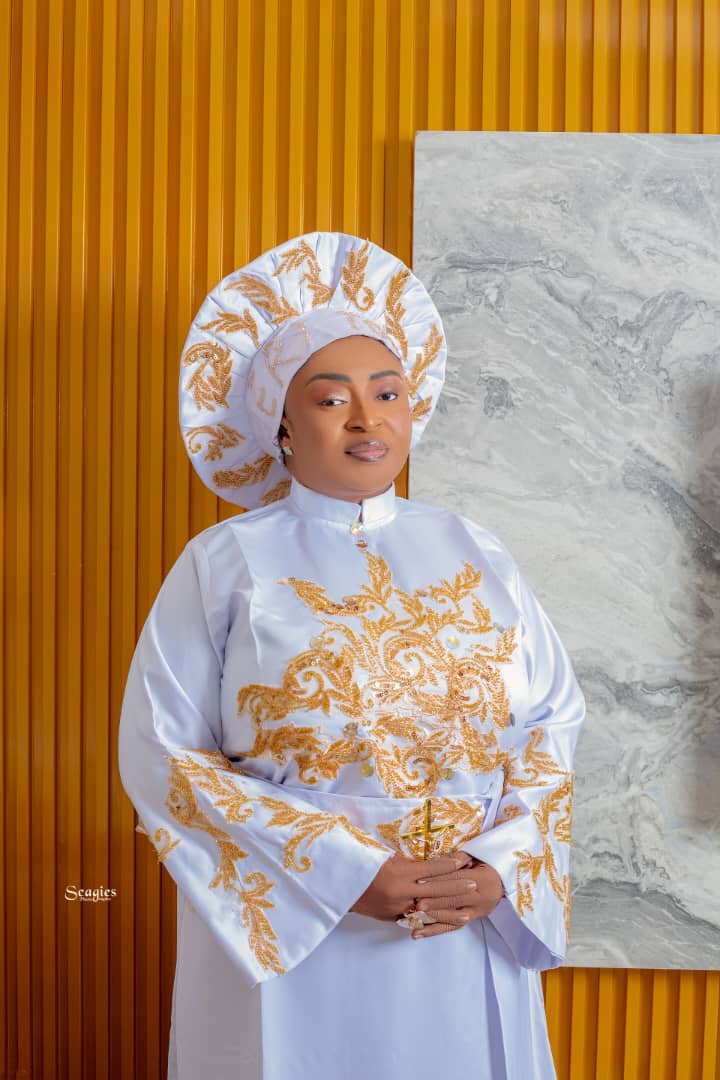
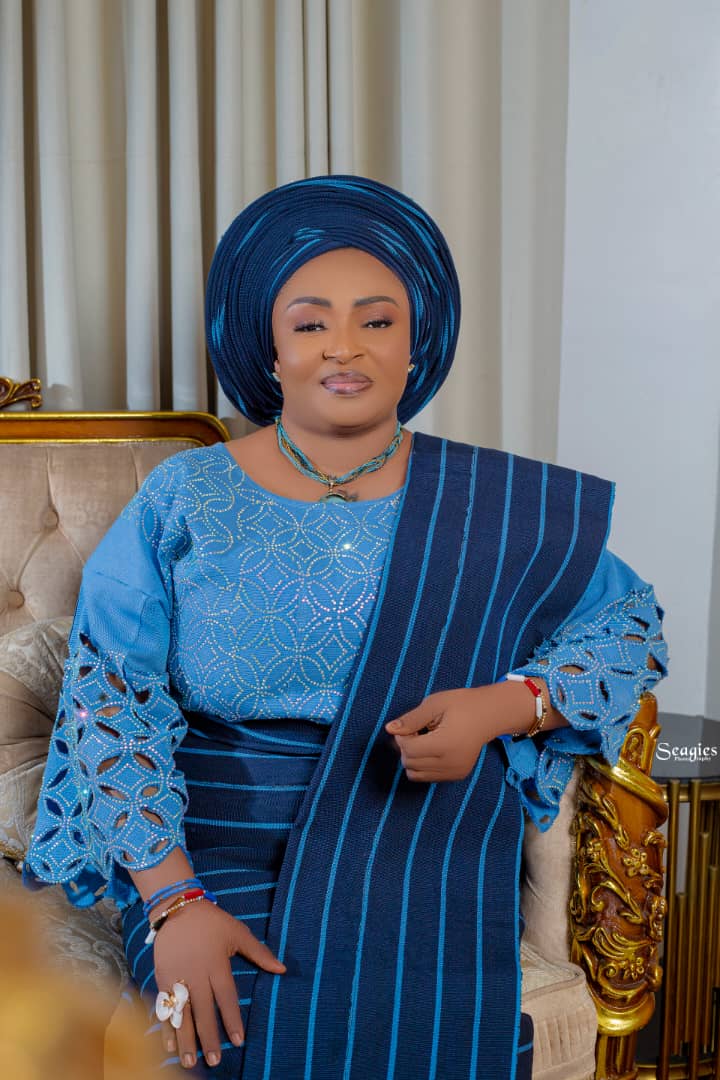
Rev. Mother Kehinde Osoba (Eritosin) Celebrates as She Marks Her Birthday
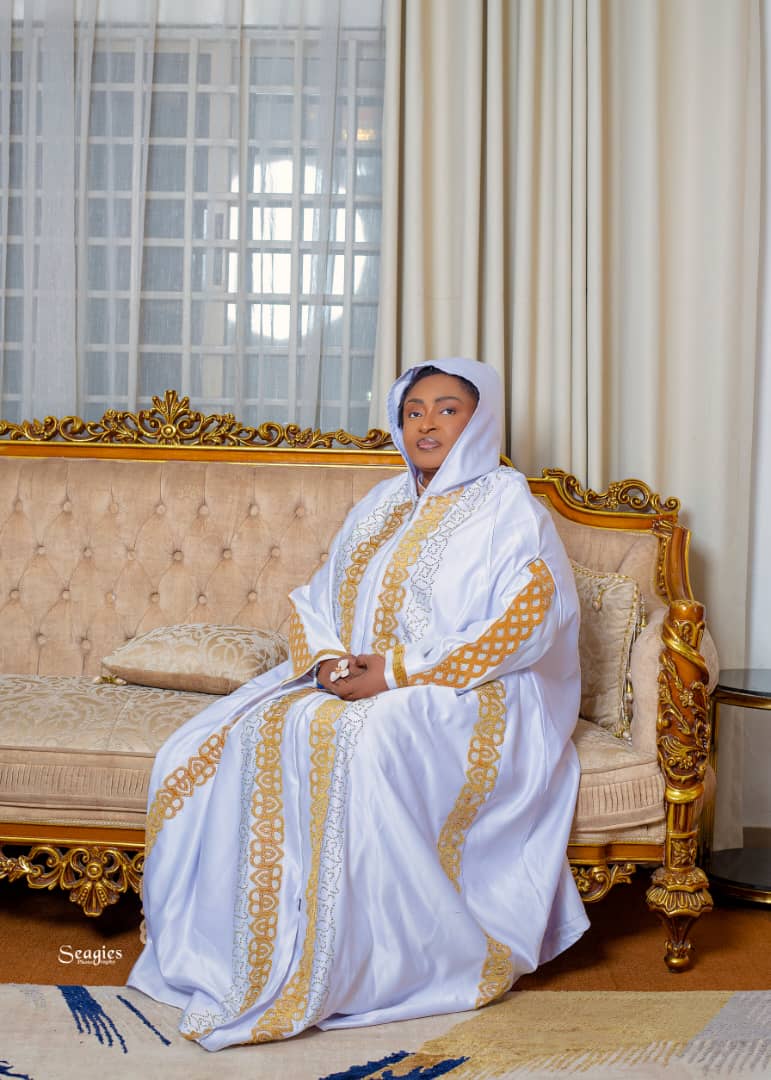
Today, the world and the body of Christ rise in celebration of a rare vessel of honour, Rev. Mother Kehinde Osoba, fondly known as Eritosin, as she marks her birthday.
Born a special child with a divine mark of grace, Rev. Mother Eritosin’s journey in God’s vineyard spans several decades of steadfast service, spiritual depth, and undeniable impact. Those who know her closely describe her as a prophetess with a heart of gold — a woman whose calling is not worn as a title, but lived daily through compassion, discipline, humility, and unwavering faith.
From her early days in ministry, she has touched lives across communities, offering spiritual guidance, prophetic insight, and motherly counsel. Many testify that through her prayers and teachings, they encountered God in a deeply personal and transformative way. Near and far, her influence continues to echo — not only within church walls, but in homes, families, and destinies reshaped through her mentorship.
A mother in every sense of the word, Rev. Mother Kehinde Osoba embodies nurture and correction in equal measure. As a grandmother, she remains energetic in purpose — accommodating the wayward, embracing the rejected, and holding firmly to the belief that no soul is beyond redemption. Her life’s mission has remained consistent: to lead many to Christ and guide them into the light of a new beginning.
Deeply rooted within the C&S Unification, she stands tall as a spiritual pillar in the Cherubim and Seraphim Church globally. Her dedication to holiness, unity, and prophetic service has earned her widespread respect as a spiritual matriarch whose voice carries both authority and humility.
As she celebrates another year today, tributes continue to pour in from spiritual sons and daughters, church leaders, and admirers who see in her a living reflection of grace in action.
Prayer for Rev. Mother Kehinde Osoba (Eritosin)
May the Almighty God, who called you from birth and anointed you for His service, continually strengthen you with divine health and renewed vigour.
May your oil never run dry, and may your prophetic mantle grow heavier with greater glory.
May the lives you have nurtured rise to call you blessed.
May your latter years be greater than the former, filled with peace, honour, and the visible rewards of your labour in God’s vineyard.
May heaven continually back your prayers, and may your light shine brighter across nations.
Happy Birthday to a true Mother in Israel — Rev. Mother Kehinde Osoba (Eritosin).
More years.
More anointing.
More impact.
If you want this adapted for a newspaper page, church bulletin, Facebook post, or birthday flyer, just tell me the format and tone.

Electoral Act Signed Amid Debate — Tinubu Warns: “We Must Avoid Glitches and Hacking”
By George Omagbemi Sylvester | Published by saharaweeklyng.com
“President defends hybrid voting framework, says mandatory electronic transmission could expose Nigeria’s elections to cyber vulnerabilities and infrastructural breakdown ahead of 2027 polls.”
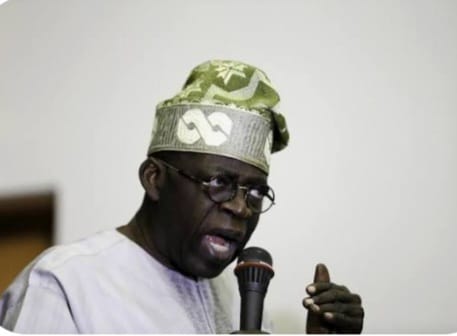
In a pivotal move shaping Nigeria’s electoral future, President Bola Ahmed Tinubu signed the Electoral Act 2026 (Amendment) Bill into law on Wednesday, February 18, 2026, at the State House, Abuja. The assent, attended by key legislators and political leaders, marks a decisive moment ahead of the 2027 general elections. Tinubu cited the need to safeguard elections against technological failures and cyber threats as the central reason for his decision.
“The transmission of that manual result is what we’re looking at, and we need to avoid glitches; interference, unnecessary hacking in this age of computer inquisitiveness,” Tinubu stated, framing the amendments as essential procedural safeguards rather than partisan interventions.
The law retains manual voting, counting and collation as the foundation of Nigeria’s electoral process. Ballots are cast and counted physically at polling units, after which Form EC8A is electronically transmitted to the Independent National Electoral Commission’s (INEC) portal. If electronic systems fail, the manually endorsed Form EC8A remains authoritative. This compromise reflects a balance between technological innovation and practical reliability, ensuring elections can proceed even amid infrastructural challenges.
A contentious element, Clause 60(3), empowers electronic transmission but stops short of making it mandatory, granting INEC discretion in areas with limited connectivity. Critics argue this optionality could weaken transparency, while proponents defend it as a pragmatic safeguard against system failures and cyber vulnerabilities.
Senate President Godswill Akpabio, who oversaw the National Assembly’s harmonization process, hailed the law as meeting Nigerians’ aspirations and addressing perennial weaknesses in result collation between polling units and central offices. He also highlighted provisions strengthening party democracy and internal election processes.
Former FCT Minister Nyesom Wike praised the prompt signing, emphasizing that it demonstrates a commitment to strengthening Nigeria’s democratic institutions and reducing legal and political uncertainty surrounding elections.
Despite these endorsements, some civil society organizations and opposition voices caution that the law may not fully prevent electoral fraud or politically driven result manipulation, particularly given the optional electronic transmission. This debate underscores broader concerns in Nigerian politics about institutional trust, digital readiness, and confidence in the electoral framework.
Electoral experts note that technology alone cannot guarantee transparency. One specialist observed, “Real-time transmission is a powerful tool, but without resilient infrastructure and institutional safeguards, its promise can become a vulnerability.” Tinubu’s cautious approach reflects this logic, prioritizing reliability over speed.
The 2027 elections will be the first test of this hybrid system. Success will depend on the integrity of officials, the robustness of the INEC infrastructure and the electorate’s confidence. Tinubu stressed that public trust is central: reforms must be credible and fully implemented to reinforce democratic legitimacy.
In sum, the Electoral Act 2026 represents a defining moment for Nigeria’s democracy, positioned at the intersection of technological opportunity and practical governance. Its effectiveness in delivering credible, transparent and trusted elections will set the tone for the nation’s political trajectory in the coming years.
Journalists for Good Governance Shines Searchlight on Local Government Administration
…Calls for Accountability in Nigeria’s Grassroots Governance
LAGOS, Nigeria — A civil society coalition known as Journalists for Good Governance(JGG) has intensified public debate on transparency and accountability within Nigeria’s local government system, urging media professionals, civil society actors, and citizens to hold grassroots leaders accountable.
Speaking an event in Lagos recently, the acting chairman of the society, Comrade Bunmi Obarotimi said that despite reforms such as the Supreme Court’s 2024 ruling granting financial autonomy to all 774 Local Government Areas (LGAs), systemic challenges continues to hinder effective service delivery and responsible stewardship of public funds.
“Local governments are the closest tier of government to the people — yet too often they remain the least transparent. Without civic oversight and vibrant media, promises of autonomy ring hollow.” the acting chairman said.
The Journalist for Good Governance emphasised crucial roles that journalists can play in uncovering discrepancies in council spending, flagging poor service delivery, and educating citizens on their rights. Their call comes amid wider efforts by media and civic organisations to bridge accountability gaps. The civil society initiatives had previously launched monitoring campaigns to track local government expenditures and have been quietly advocating for transparency in how public money is deployed.
The leaders of the Journalists for Good Governance (JGG) highlighted the importance of physical assessment and citizens engagement on projects to boost people’s confidence, urging local councils to adopt open data platforms and proactive information dissemination in compliance with the Freedom of Information Act. Experts say the majority of LGAs currently lack operational websites or digital portals, further limiting public scrutiny.
The Journalists for Good Governance initiative aligns with sustained advocacy by civil society groups and governance experts calling for a collective approach to strengthening democratic accountability, and has decided to engage in critical and holistic assessments of how Local Governments is being run and the impact and quality of projects they embark-on and to address deficits in transparency and public trust.
Meanwhile, some state governments have signalled support for improved community engagement. In Lagos State, authorities reiterated a commitment to enhancing community media platforms as vehicles for civic participation and accountability at the grassroots level.
The renewed spotlight on local government administration has reignited public debate over fiscal responsibility and priorities. Controversies such as the widely criticised Adamawa council chairmen’s wives trip to Istanbul — which drew public outrage for perceived misuse of public funds — underscore why watchdog groups say stronger oversight mechanisms are urgently needed at the grassroots.
Citizens and activists have welcomed the journalists’ initiative, calling for sustained media engagement that goes beyond headlines to influence policy and accountability reform.
The civic rights advocates note that real change will require robust legal frameworks, a free press, and empowered communities equipped to demand transparency at every level of governance.
As Journalists for Good Governance mobilises its members, the coming months are likely to see heightened media attention on grassroots administration — from council budgets and service delivery to the enforcement of public information laws and digital transparency initiatives.


-

 celebrity radar - gossips6 months ago
Why Babangida’s Hilltop Home Became Nigeria’s Political “Mecca”
-

 society6 months ago
Power is a Loan, Not a Possession: The Sacred Duty of Planting People
-

 society5 months ago
Religion: Africa’s Oldest Weapon of Enslavement and the Forgotten Truth
-

 news6 months ago
THE APPOINTMENT OF WASIU AYINDE BY THE FEDERAL GOVERNMENT AS AN AMBASSADOR SOUNDS EMBARRASSING
You must be logged in to post a comment Login