
celebrity radar - gossips
CHANGEMAKERS- Segun Agbaje ‘Award-Winning CEO Building A Great African Institution Through Digital Transformation’

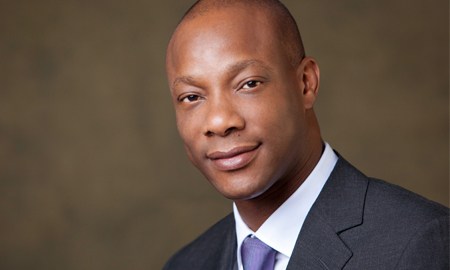
When is a bank not a bank? That is a question Segun Agbaje, the multiple award-winning CEO and Managing Director of Nigeria’s Guaranty Trust Bank (GTBank) has been getting to grips with as he forges a new path for banking in Africa.
Agbaje was always destined to become a banker, it seems, although he took a circuitous route. Initially, he qualified as an accountant and practised in the US before tiring of auditing and returning to Nigeria to follow his father’s footsteps into banking. There, in 1991, he joined an exciting new venture, the Guaranty Trust Bank, founded by a group of young Nigerians the previous year.
As he worked his way up through positions of increasing responsibility, several events in which Agbaje played a leading role shaped his thinking about GTBank’s future: the initial public offering in 2004, listing on the Lagos stock exchange; entering the international capital markets with a Eurobond issue and listing on the London Stock Exchange in 2007.
“Those transactions exposed me to the international financial markets and the people who worked in them – merchant banks, investment bankers, lawyers, investors,” he says. “It gave me a better understanding of what people wanted from a first-class bank and best-in-class practices. It also encouraged me to think about the bank as an international institution, rather than just a Nigerian institution, and what it took to compete in the global economy.”
Agbaje became CEO of GTBank in 2011 and won the coveted African Banker of the Year award the next year. The award recognises financial industry leaders throughout Africa who have exercised “good vision and leadership” in guiding their organisation to strong financial performance, as well as having contributed to the impact of Africa’s financial services industry internationally.
During his tenure as CEO, the bank and Agbaje have won numerous awards. What is particularly interesting is the trend in types of award since GTBank has been under Agbaje’s leadership. Awards for financial performance have been joined by Innovative Bank awards, Best Mobile Banking and Mobile Money awards, Best Digital Bank awards and, most recently, Digital Wallet of the Year award.
‘I’m not sure that, if we removed the word “bank” in five years, we would be losing anything. We might actually even be gaining something’
This trend reflects Agbaje’s pioneering attitude towards digital transformation and the role of banking. Traditional bankers might think his view of the bank’s future a radical departure from mainstream banking, but for Agbaje it is change that has to happen: “Banks are going to become platforms, so we will become a trusted single, integrated platform,” he says. “Because the competition for banks has changed, where it was once other banks, now it is fintechs, telcos, Apple Pay, PayPal, payday-loan companies, salary-advance companies, even coffee shops. Any bank that stays with the traditional banking model is going to get smaller and smaller. All these other companies will be taking part of your share of business.”
If some of the digital giants, like Google and Apple, start to develop banking services, the word ‘bank’ could soon be associated with inefficiency and a lack of innovation, he adds. “I’m not sure that, if we removed the word ‘bank’ in five years, we would be losing anything. We might actually even be gaining something.”
While there may be a lot of disruption in the banking sector, Agbaje has a head start on many traditional banks. For example, the bank launched its Habari mobile platform in November 2018: “What we’re trying to create is something where, when you come to the bank, however you do that, you are not just coming to pay and receive,” he says. “You can come into our ecosystem and do just about everything – pay for tickets, book holidays, stream music, buy online, watch videos, and then, because we are a bank, we can provide the payment engine.”
The reputation of bankers and banking took a knock following the global financial crisis and Agbaje is well aware of the challenge banks face in terms of their relationship with the societies they serve. “A banking licence is a privilege, given to you by the regulator. Banks owe a social responsibility to the communities within which they operate,” he says. “Just as we monitor profits, costs and return on equity, we must also monitor how much we give back in terms of social responsibility.”
This is not just talk. The bank interacts with the community in many ways, from football education programmes and tournaments to its internationally renowned annual conference on autism (now in its ninth year); from its You Read Initiative aimed at promoting a culture of reading to the Social Impact Challenge designed to unearth ideas that can enrich the lives of local communities.
Many of the bank’s CSR initiatives are aimed at community development, promoting entrepreneurs and small businesses. For example, there is the GTCrea8 Convention aimed at helping undergraduates “build successful businesses out of their passion”. The bank is also building shared service facilities for businesses in the food and fashion sectors, so that these small businesses can benefit from the economies of scale enjoyed by large companies without the overheads.
The initiatives reflect Agbaje’s passionate belief in Africa’s economic potential: “It is a continent that I am completely bullish about, because I don’t think there are many places in the world that have both the natural resources, the human population, the distribution of millennial; who are just incredible people. If you are able to tap into and unleash that human capital potential it is a continent that has a huge growth upside,” he says.
“What we have in Africa is a leadership problem. There are pockets, organisations, where the leadership is good. Those organisations function the way you would in a developed economy. If you start to get people with a track record of achievement running things – whether that is in countries, governments, parastatals – they will bring that excellence and achievement to government and Africa will start to change.”
He is just the leadership role model that the younger generation needs. “My values are simple ones. I believe in hard work, humility, integrity, and discipline. Those are the things that drive me,” he says. “If you have those values, show them, inculcate them into all the decisions that you make and you will be fine.”
He has naturally given some thought to what he might do after his time at GTBank: “Maybe I will get another platform to do something in the private sector. It could be in a completely different sector to banking. My first choice would be an Africa-focused organisation. A second option would be something, if not solely focused on Africa, with an emerging market emphasis.”
He would also be interested, he says, in mentoring young people with small businesses; helping them to think about organisational structure and governance, for example.
But for now, with two-and-a-half years left on his contract, he is fully focused on the transformation underway at GTBank. “I’m not finished,” he says. “We are trying to build a great African institution; putting the bank in the position I think it should be in – not just financially, but socially, being a well-run enterprise.”
Agbaje is not someone to trumpet his achievements, but if his vision for the future of one of Africa’s largest and most important banks comes to fruition, more plaudits are likely to be heading his way.
Agbaje on leadership:
“My role is first to set the tone, to talk
the talk. When we set a vision, goals,
objectives, values, I have to be seen to
live and walk those.”
“I like to be involved in a lot of the key
decision-making. So it is a balance: being
really handson, so that I know what is
going on, while also giving people a large
degree of autonomy, because the number
of people reporting to me means that I
cannot micro-manage them – I rely on
their abilities.”
“I believe in a flat organisational structure.
I don’t believe in creating silos. I would
rather have a squad as opposed to a team,
which means I probably have more direct
reports than most CEOs.”






celebrity radar - gossips
Governor Lawal Honored with Leadership Newspaper Governor of the Year Award, Pledges Continued Commitment to Zamfara’s Development
Governor Lawal Honored with Leadership Newspaper Governor of the Year Award, Pledges Continued Commitment to Zamfara’s Development
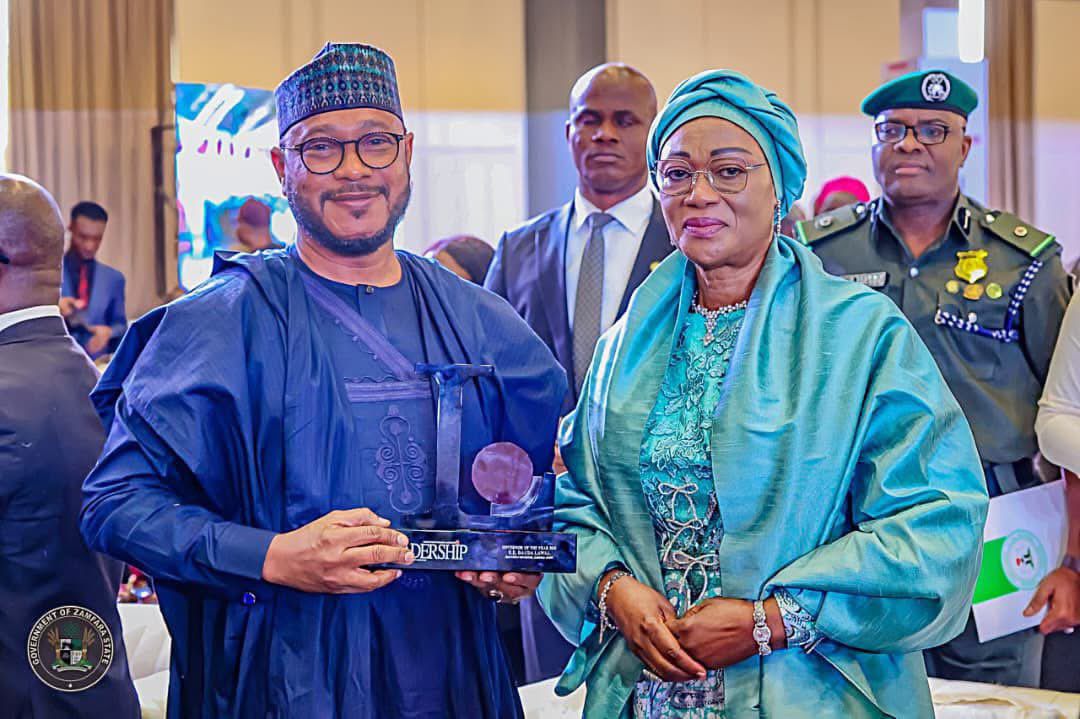
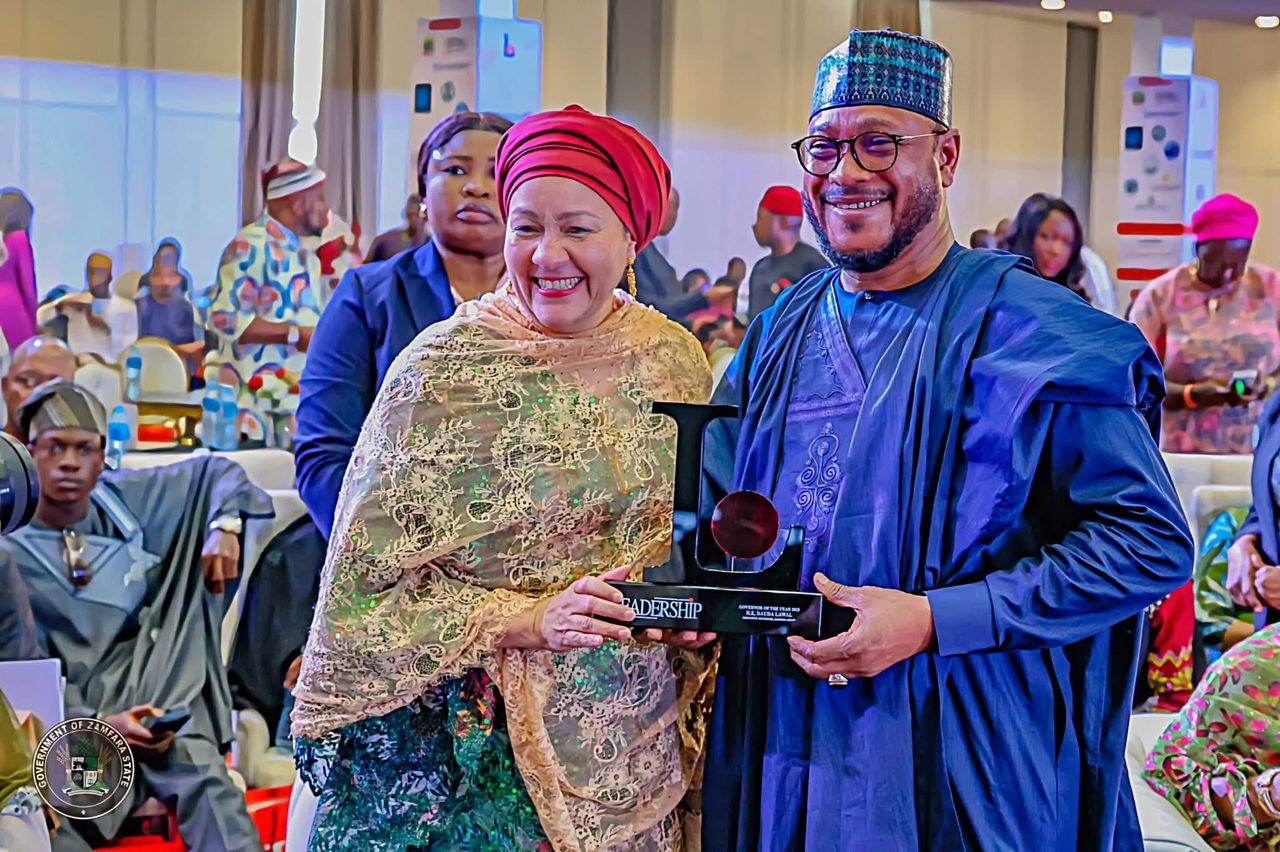
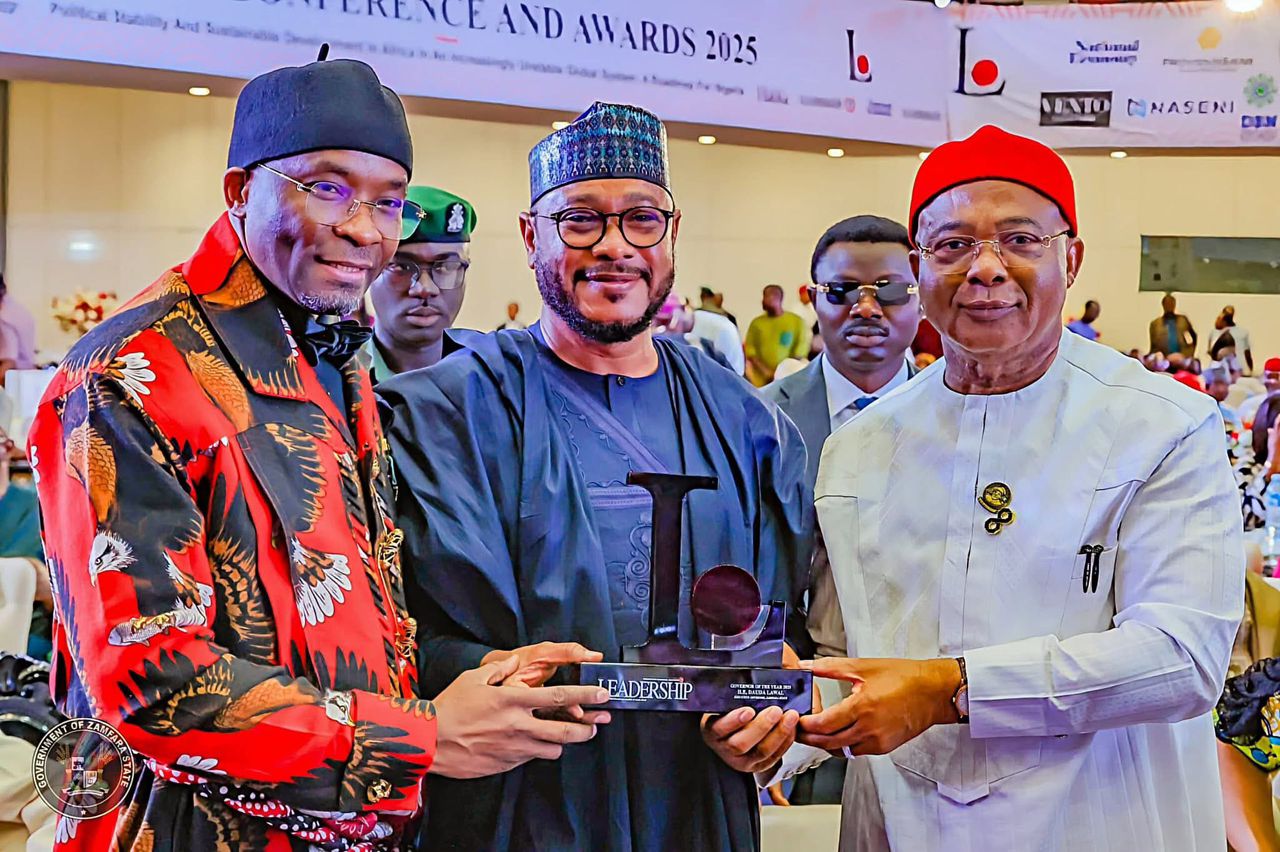
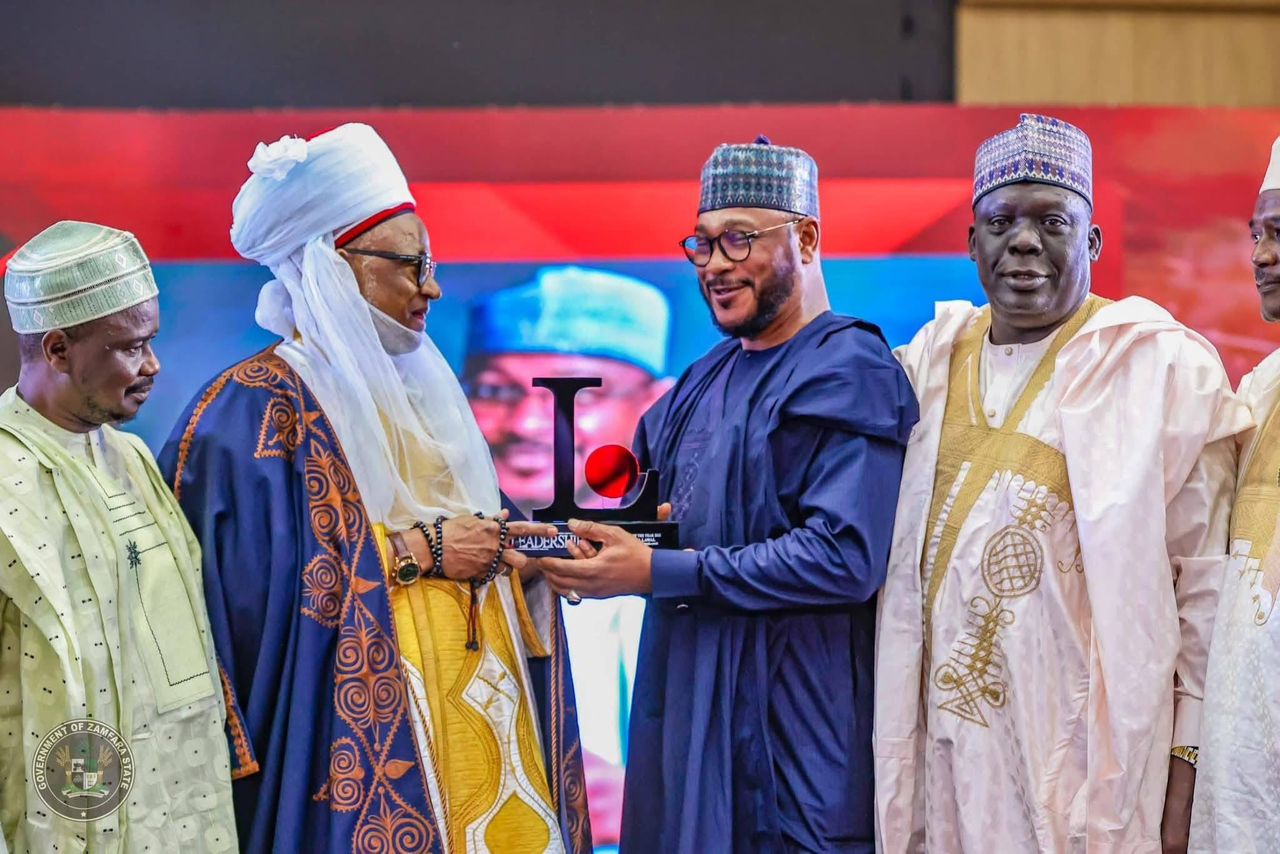
The Executive Governor of Zamfara State, Dr. Dauda Lawal, Ph.D., has reaffirmed his administration’s unwavering dedication to fostering tangible progress and rebuilding public trust in the governance of Zamfara State. His commitment to the state’s development was underscored during the recent Leadership Newspaper annual conference, where he was awarded the LEADERSHIP Newspaper Governor of the Year Award today Thursday 12th of February at the Bola Ahmed Tinubu International Conference Centre in Abuja.
This award symbolizes recognition from the LEADERSHIP Newspaper, which aims to honor distinguished figures who have made significant contributions worthy of national admiration. According to a statement released by his spokesperson, Sulaiman Bala Idris, the annual awards and conference highlight exemplary leadership and achievements across various sectors in Nigeria.
The event was graced by notable figures, including Dr. Amina Mohammed, the Deputy Secretary-General of the United Nations, who delivered an insightful keynote address. Dr. Mohammed elaborated on this year’s theme: “Political Stability and Sustainable Development in Africa in an Increasingly Unstable Global System: A Roadmap for Nigeria,” emphasizing the critical need for strong governance to navigate contemporary challenges.
When presenting the award to Governor Lawal, the LEADERSHIP Newspaper highlighted the governor’s exemplary leadership qualities and his comprehensive transformative initiatives that have marked significant progress in Zamfara State. The statement noted, “Governor Dauda Lawal’s remarkable performance and courageous leadership have positioned Zamfara on a renewed path of progress, peace, and sustainable development.”
This recognition is a testament to the impactful policies and initiatives launched under Governor Lawal’s administration, including efforts to enhance security, improve infrastructure, and promote economic growth. The newspaper concluded that Governor Lawal’s leadership reflects excellence and profound commitment to the welfare of his constituents, making him exceptionally deserving of this esteemed national recognition.
Notably, this accolade follows closely on the heels of another significant honor bestowed upon the governor just two weeks prior, when he was named The Sun Newspaper Governor of the Year at a ceremony held at the Eko Hotels and Suites in Lagos. These accolades signify a growing acknowledgment of his transformative leadership and the positive changes taking root in Zamfara State under his guidance.
celebrity radar - gossips
Mrs Township Finalist 2026 Leads Community Action to Support Disadvantaged Learners
Mrs Township Finalist 2026 Leads Community Action to Support Disadvantaged Learners
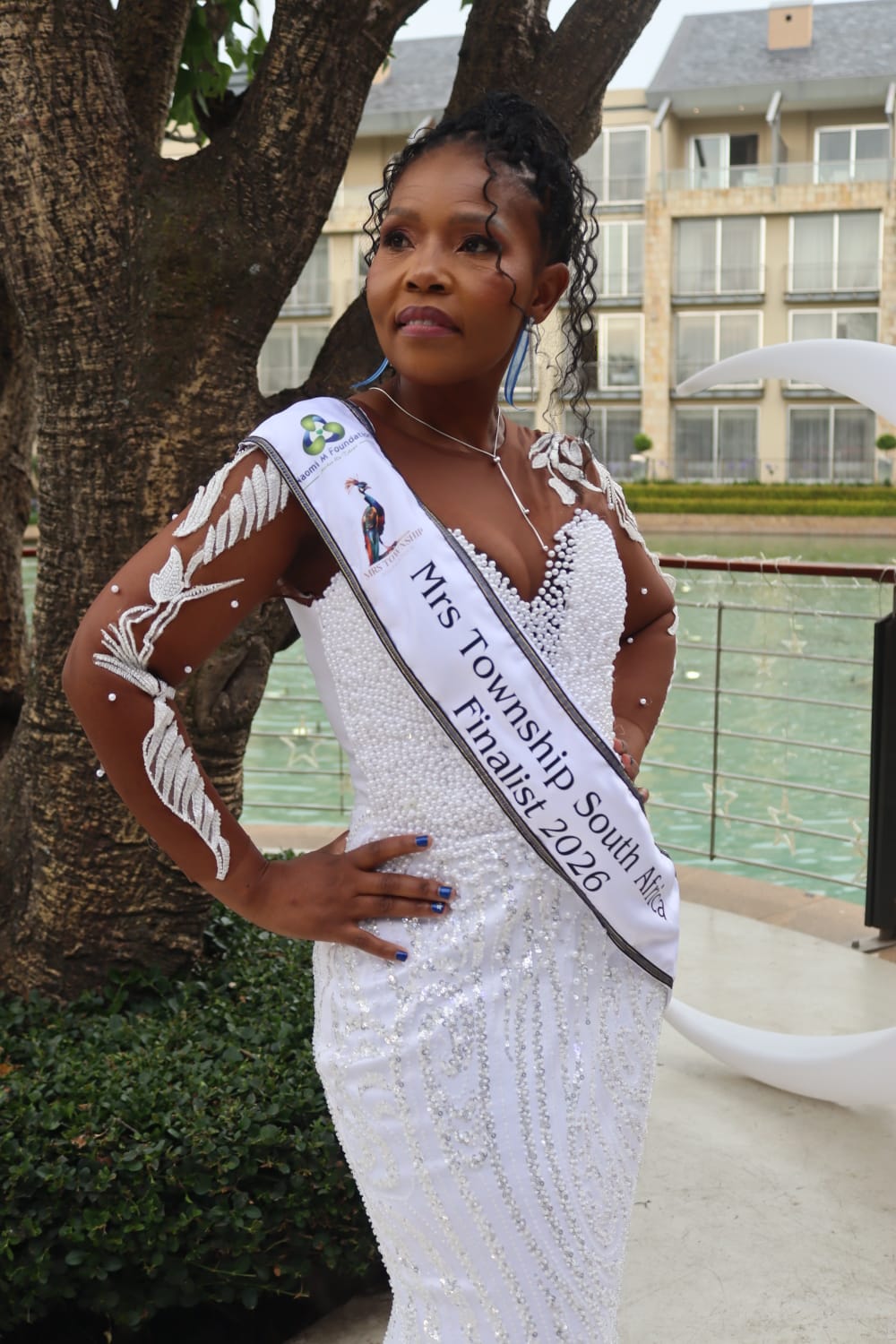
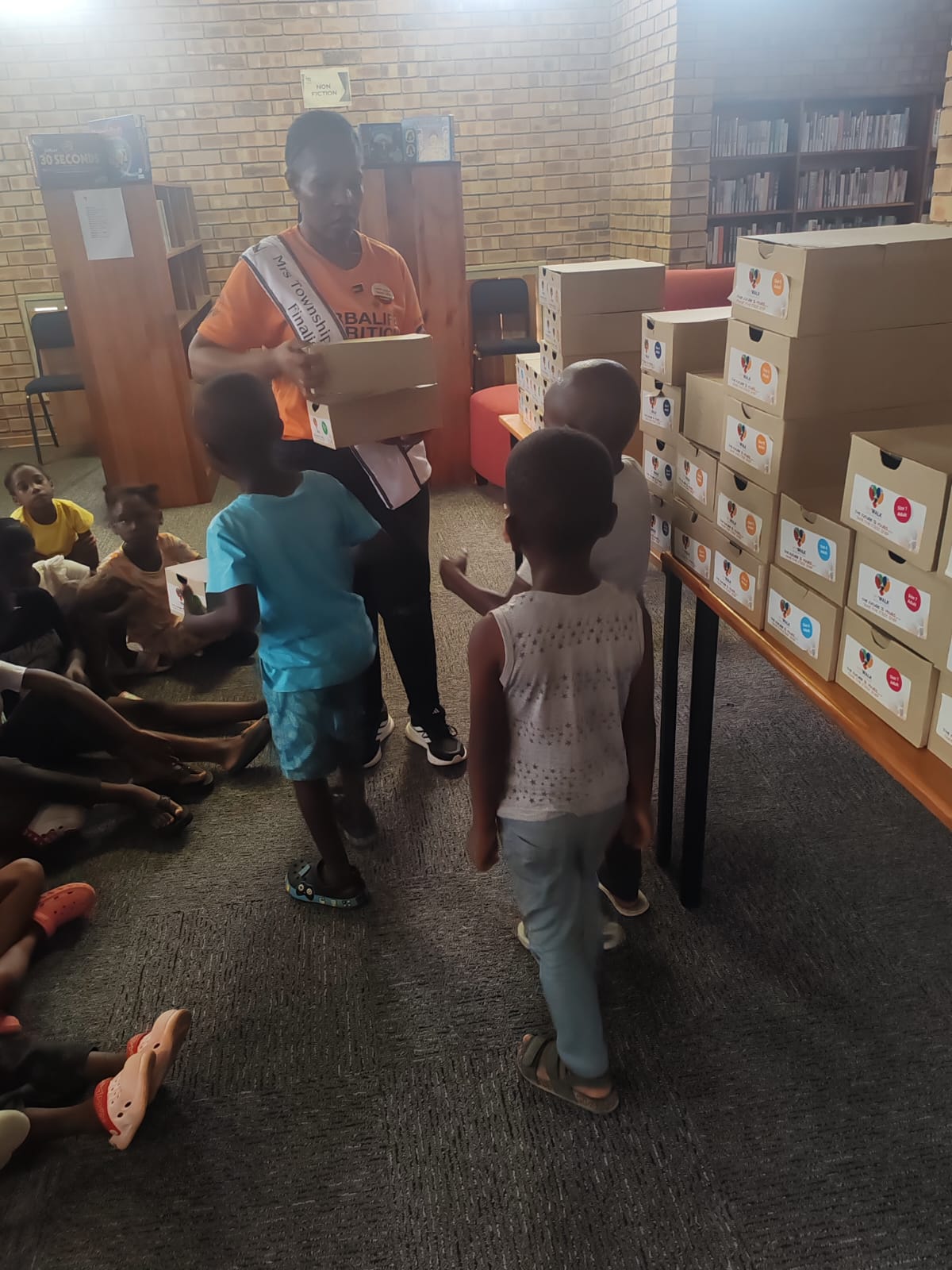
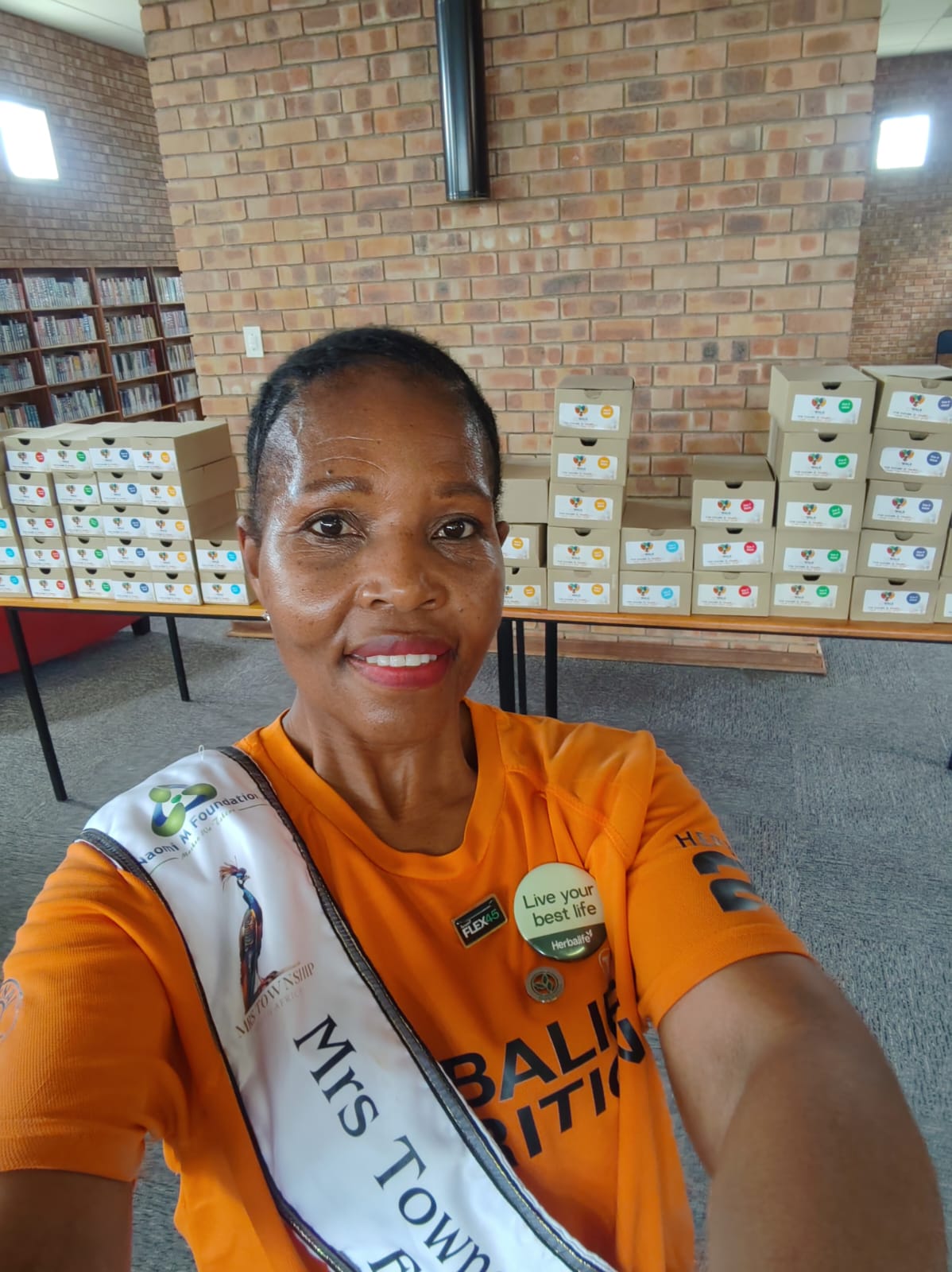
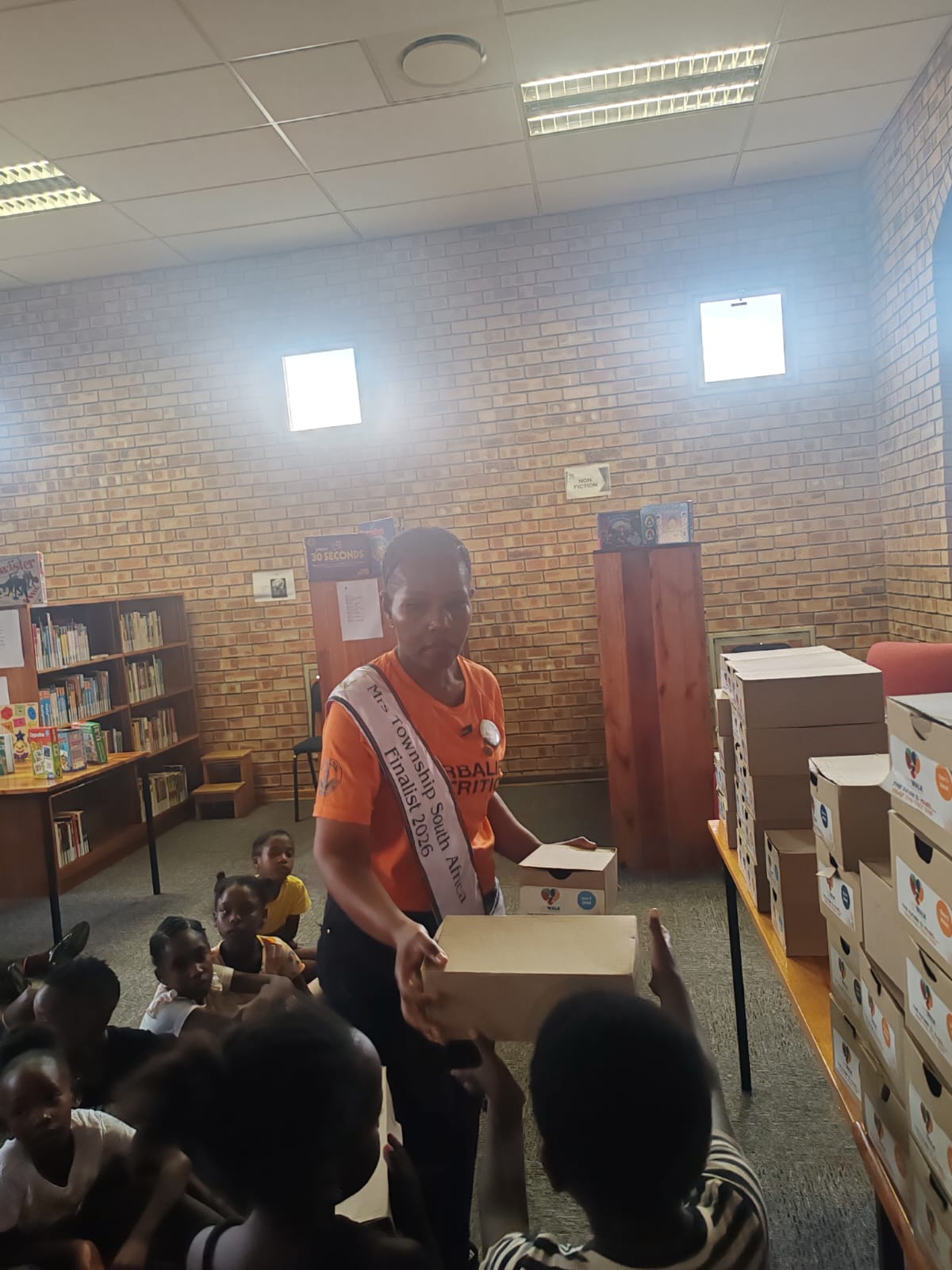
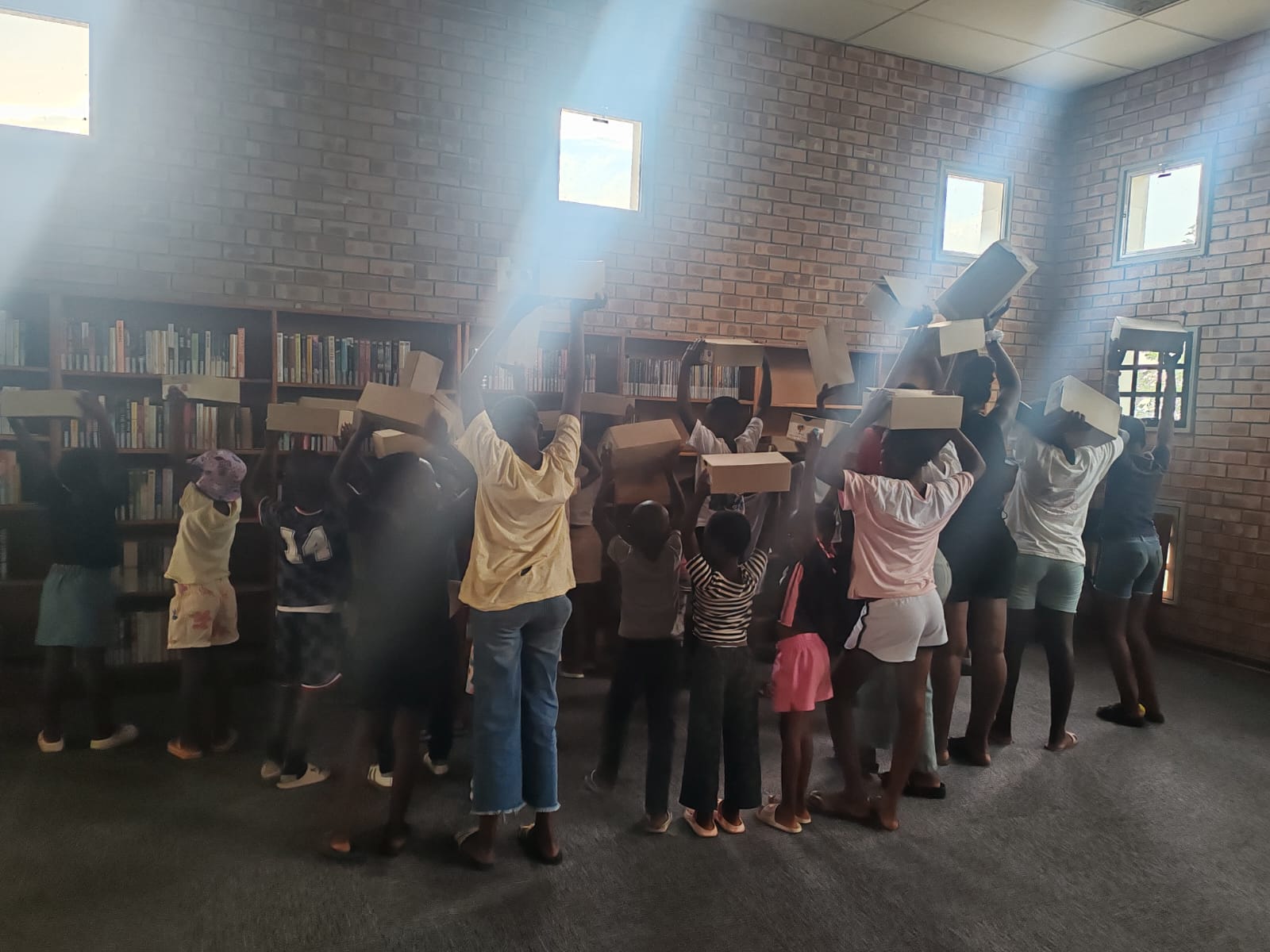
As the 2026 academic year begins, hope and compassion are taking root at Theresapark Primary School, thanks to the remarkable leadership of Mrs Nkone Maringa, a respected community member and Mrs Township South Africa Finalist 2026.
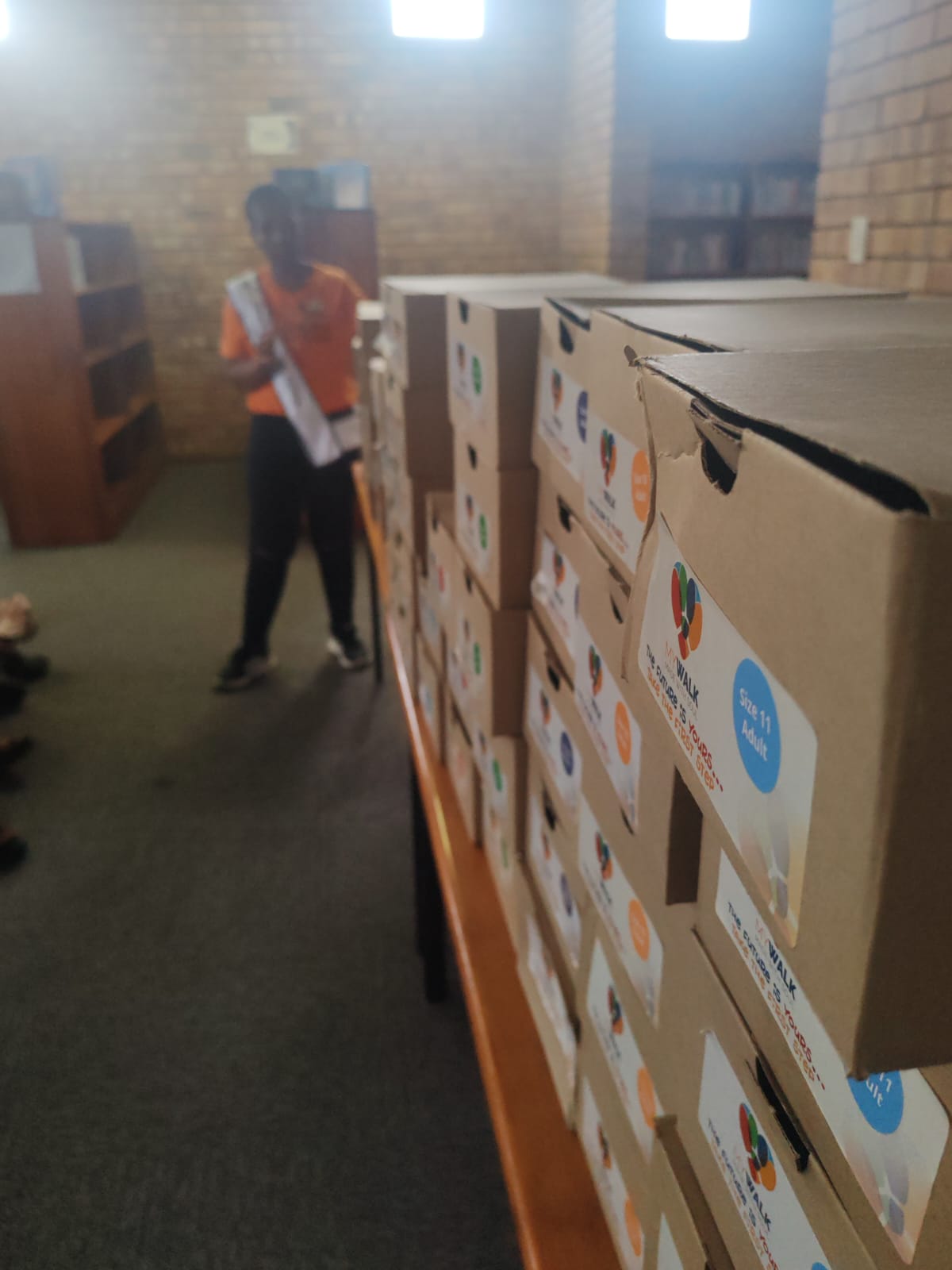
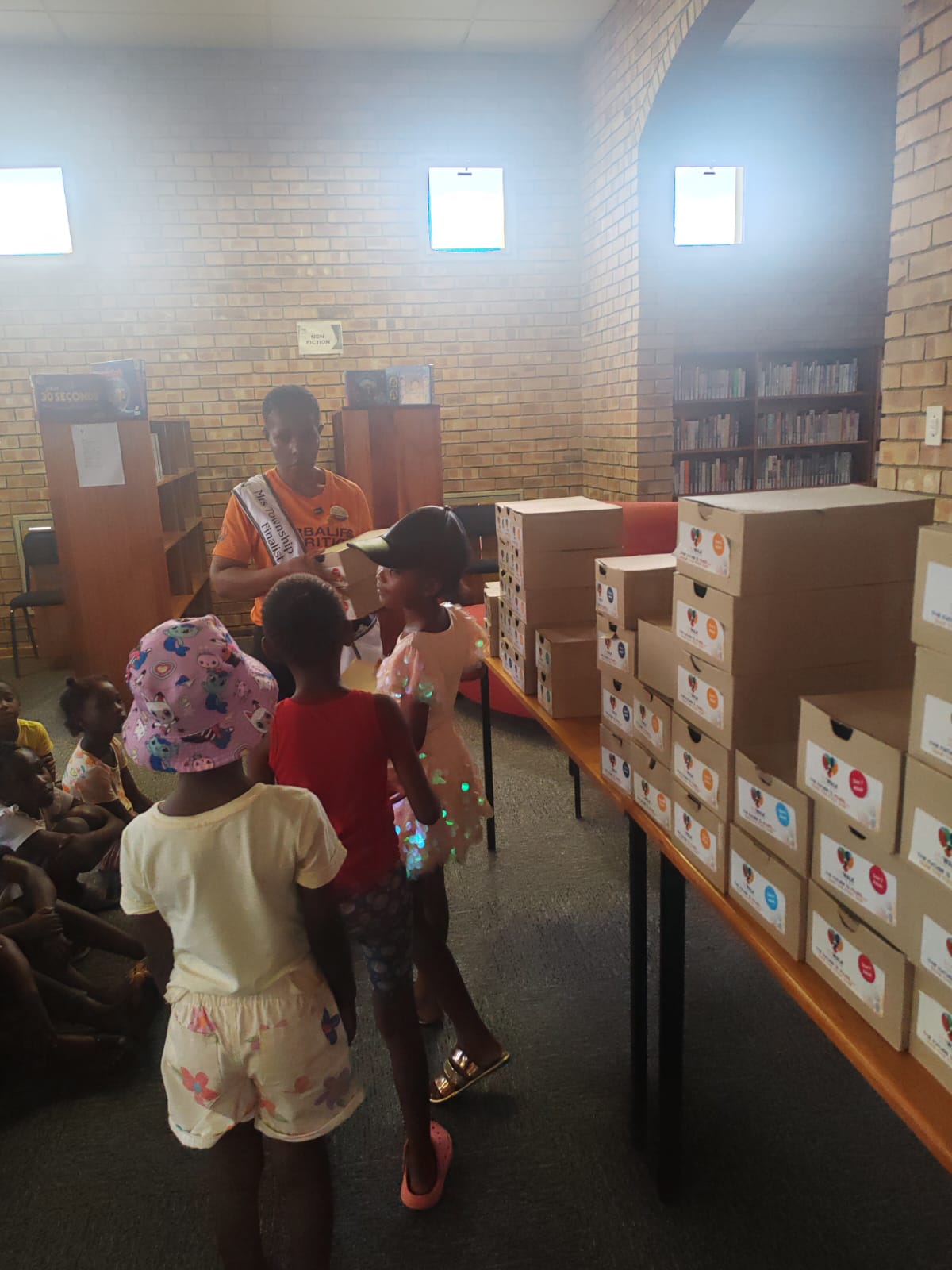
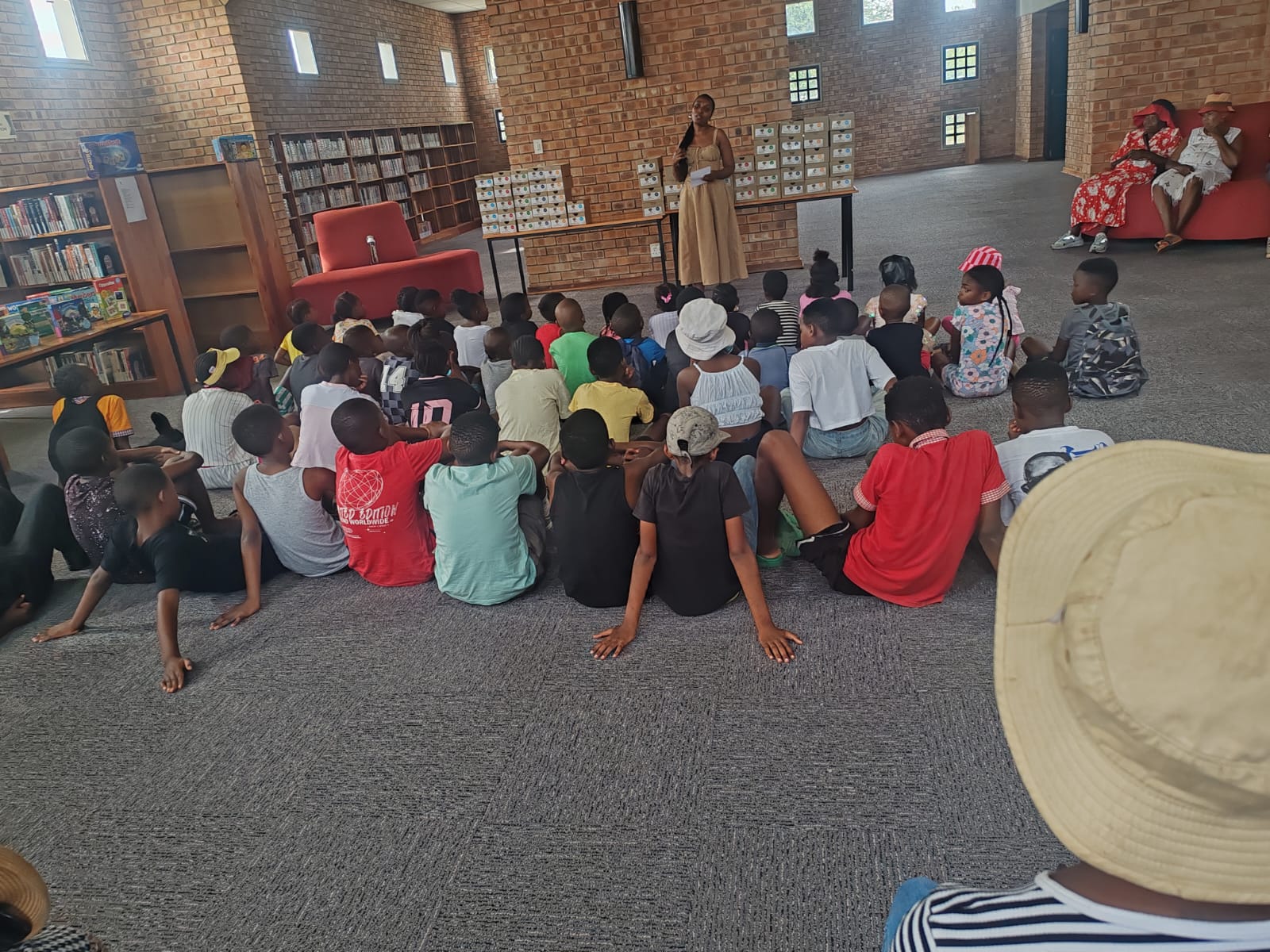
In a powerful demonstration of grassroots leadership and social responsibility, Mrs Maringa, in partnership with Theresapark Sasol Garage, spearheaded a community clean-up of the school’s garden area. The initiative was carried out in preparation for the school’s feeding scheme garden, which will support disadvantaged children with fresh, nutritious produce throughout the school year.
Planting Seeds of Change
The garden project goes beyond beautifying the school environment. It is designed to become a sustainable source of food for learners who rely on the school feeding programme as a vital lifeline. By preparing the land ahead of the school reopening, Mrs Maringa and her partners ensured that planting can begin immediately, setting the tone for a productive and caring 2026.
“This project is about dignity, nutrition, and giving our children a healthy start to the year,” the initiative reflects—aligning perfectly with Mrs Maringa’s long-standing commitment to community upliftment.
A Record of Community Impact
Mrs Nkone Maringa’s involvement at Theresapark Primary School is one of several impactful projects she has undertaken in her community. Known for her hands-on approach, she consistently mobilizes local businesses, volunteers, and stakeholders to address real needs—especially those affecting children, women, and vulnerable groups.
Her work embodies the core values of the Mrs Township South Africa platform: leadership, service, empowerment, and positive social change. As a finalist for the 2026 title, Mrs Maringa continues to prove that true leadership is measured not by titles alone, but by tangible impact on the ground.
Corporate–Community Partnership in Action
The collaboration with Theresapark Sasol Garage highlights the power of partnerships between local businesses and community leaders. Their support played a crucial role in making the clean-up initiative successful, demonstrating how corporate social responsibility can directly transform lives at a grassroots level.
Looking Ahead
With the garden now prepared, Theresapark Primary School is set to launch its feeding scheme garden as learners return for the new academic year. The project stands as a symbol of hope, resilience, and collective effort.
As Mrs Nkone Maringa continues her journey as a Mrs Township South Africa Finalist 2026, her work at Theresapark Primary School serves as a shining example of how passion, partnership, and purpose can create lasting change—one garden, one child, and one community at a time.

‘I Never Indicted Egbetokun’ — Jesam Michael Rebuts Sowore’s Allegations
Abuja — Businessman Jesam Michael has strongly refuted claims attributed to him in a recent report by activist and publisher Omoyele Sowore, describing the publication as false, misleading, and a total misrepresentation of his statements.
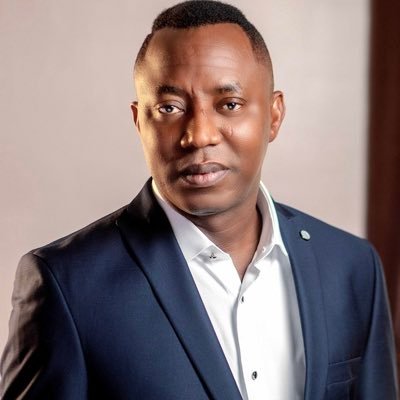
In an exclusive chat on Saturday, Michael denied ever making the allegations credited to him by Sowore concerning the Inspector-General of Police (IGP), Kayode Egbetokun, while both men were reportedly inmates at the Kuje Correctional Centre in October 2025.
Sowore, in a widely circulated account, claimed that Michael had alleged receiving operational support from senior police officers, including the provision of office space within the Nigeria Police Force Headquarters, police protection, and the use of officers to detain individuals connected to a purported Ponzi scheme. The report further alleged financial inducements involving senior police officers.
However, Michael dismissed the account as “entirely fabricated.”
“I never made those statements to Omoyele Sowore or to anyone else,” Michael said. “At no point did I accuse the Inspector-General of Police or any senior police officer of providing me with offices, police units, or protection. The claims attributed to me are false and malicious. I only met him briefly when he came to greet Nnamdi Kanu’s younger brother whom I share a block with here and there is no way we could have sat down to discuss such fabricated stories ”
Michael specifically rejected claims suggesting that he supported or “served” police officers, insisting that he never stated that he had any police unit at his disposal or that law enforcement personnel acted on his instructions.
“I never said I supported police officers or had officers working for me. That allegation did not come from me,” he said.
He also denied claims that his properties were shared among senior police officers, describing the allegation as baseless and untrue.
“At no time did I say that my properties were shared among police officers or anyone else,” Michael stated.
Additionally, Michael categorically refuted allegations credited to him that a retired Deputy Inspector-General of Police, Dasuki Galandanchi, collected ₦250 million or played any role in silencing victims.
“I never mentioned DIG Dasuki Galandanchi, nor did I accuse him or anyone else of collecting money. That statement was never mine,” he said.
Michael further alleged that Sowore, through intermediaries, had previously attempted to persuade him to publicly indict the IGP in exchange for media backing—an offer he said he firmly rejected.
“I was approached repeatedly through a lawyer called Marshall, allegedly acting on Sowore’s behalf, asking that I make statements against the IGP so an article could be published. I refused, and I believe this publication is retaliation for that refusal,” he stated.
According to Michael, he declined to entertain the lawyer again after the initial contact, insisting that he would not be used to advance any personal or political agenda.
Sowore had earlier narrated his detention following the #FreeNnamdiKanuNow protest, alleging harassment by police officers and accusing the IGP of acting unlawfully in office. His report cited conversations he claimed to have had with Michael during their time in custody as further evidence of alleged corruption within the Nigeria Police Force.
Michael, however, maintained that any legal issues surrounding him are already before the appropriate authorities and are being handled by the Economic and Financial Crimes Commission (EFCC).
“My case is before the law. I have not, and will not, make reckless allegations against individuals or institutions to gain favour or sympathy,” he said.
As of the time of filing this report, the Nigeria Police Force has not issued an official response to either Sowore’s allegations or Michael’s rebuttal.
The development adds a new layer to the ongoing public controversy surrounding Sowore’s claims against the police hierarchy, with Michael’s denial raising questions about the accuracy of statements attributed to private individuals in politically sensitive narratives.
Jesam Michael’s business challenges are currently being addressed at the federal high court as well as FCT high court Jabi. He is very confident that justice will surely be done at the end of the day.
Joining Sowore in his pursuit of cheap blackmail against the IGP, other senior police officers or anyone else has never and will never be a part of Jesam Michael.
To say the least, Jesam Michael is totally disgusted by the stories falsely peddled by Sowore and wishes to totally dissociate him self from the false and malicious stories told by Sowore.
Sowore should please look for another willing tool to use not Jesam Michael.


-

 celebrity radar - gossips6 months ago
Why Babangida’s Hilltop Home Became Nigeria’s Political “Mecca”
-

 society6 months ago
Power is a Loan, Not a Possession: The Sacred Duty of Planting People
-

 news6 months ago
THE APPOINTMENT OF WASIU AYINDE BY THE FEDERAL GOVERNMENT AS AN AMBASSADOR SOUNDS EMBARRASSING
-

 Business6 months ago
Batsumi Travel CEO Lisa Sebogodi Wins Prestigious Africa Travel 100 Women Award
You must be logged in to post a comment Login