
celebrity radar - gossips
HOW I SURVIVED COVID 19

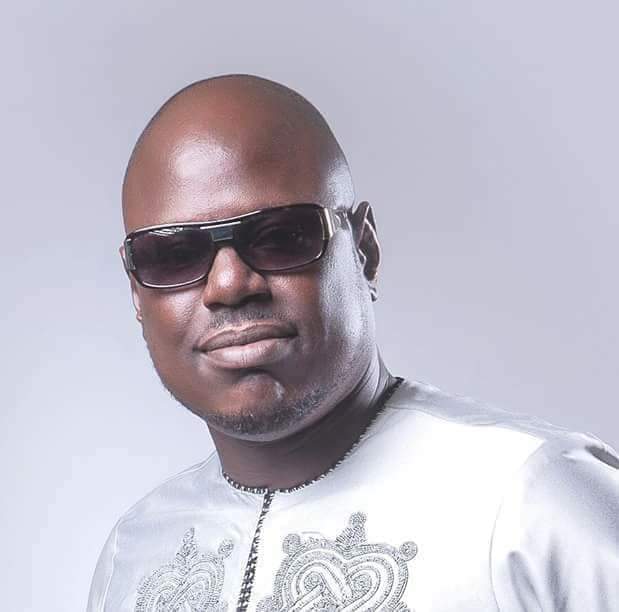
By Nigeria’s Entertainment business Guru, Dr. Akinwale Oluwaleimu
The Name…
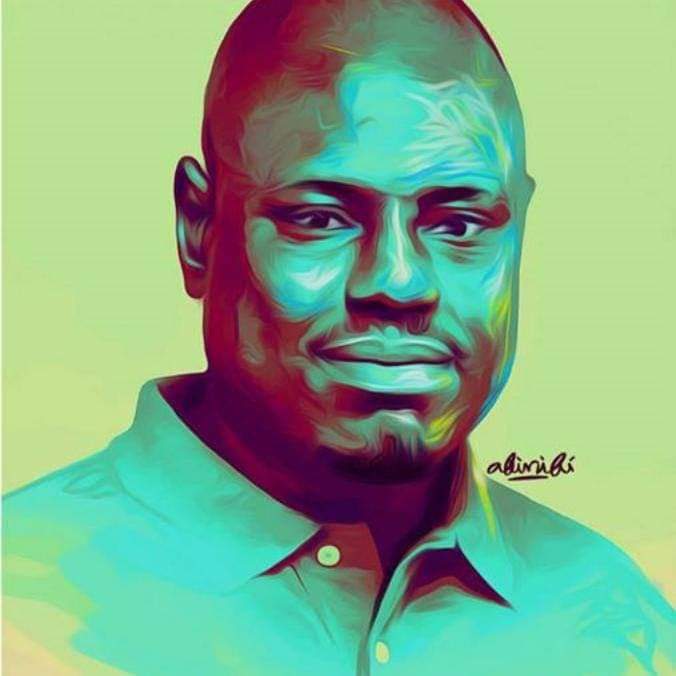
My name is Akinwale Oluwaleimu, and if you still don’t believe the #coronavirus exists, and you know me, I’m a living witness.
And here’s my testimony.
In The Beginning
On June 24, 2020, I felt a little feverish but since I do not regularly fall ill, I didn’t think much of it. Yet, I went to the neighbourhood Pharmacy where I requested for any malaria medication. The Pharmacist advised I got Coatem and Ibuprofen. I was on that, and after three days, thought it should be over, but that wasn’t to be, as I still felt feverish and now very weak in the body.
On Sunday, June 28, 2020, I noticed I couldn’t smell my perfume, deodorant, and body spray; at that point, I knew something was seriously wrong.
Fever, cough, loss of smell, loss of taste, body pains and weakness of the body all came together that evening.
I quickly did a Google on all the symptoms I could feel and the only thing that came out consistently was covid 19.
As I was home alone, it was easy for me to isolate myself first as I didnt want to infect anybody else importantly.
Lagoon Hospital:
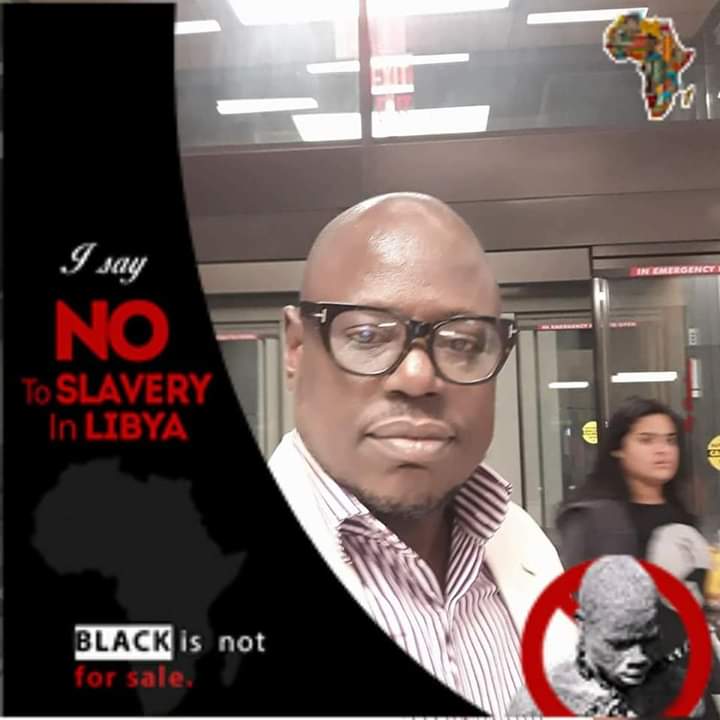
The next morning, I needed to confirm my suspension, so I visited my private hospital, the #lagoonhospital, Ikeja. I tried my best to keep away from people and was fully geared up in face and nose masks.
Lagoon had been ny private hospital for years; in fact, we had our 11 year-old daughter, Edidioluwa, there, and I must have spent close to half a million naira on one treatment at the same hospital just a year earlier. This time however, I was terribly disappointed in their service and patient care.
A young doctor attended to me and immediately I told him my fears, all I could read in his countenance was the quickest way to get rid of me.
I asked if he had any information as regards where I can get get tested, get care, or any useful information, but all he kept saying was “go to NIMR, Yaba”. I’d never heard that, and didn’t know how to proceed. Again, Google to the rescue: Ikeja LGA office was the nearest COVID-19 Test Centre, so off I went.
Getting to Ikeja LGA office, a gentleman simply called Sheriff took it upon himself to put me through what I can do, and started making calls to the Ikeja COVID Unit; he also mentioned that Lagoon Hospital had his direct details and that even their MD knew him personally. He expressed his shock that they didn’t properly direct me, or contact them. Till this day, I’m still to receive a followup call from “my hospital” (first call Doctors) to know if I survived and how I was faring.
Family
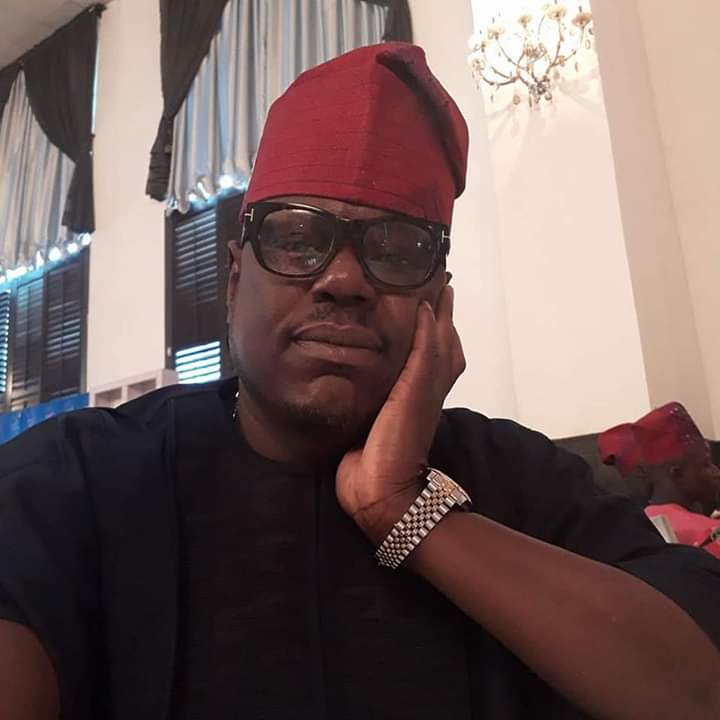
I have heard so much about having family but my first true full family love was shown during this period (I guess, no matter how bad you are, family don’t want you to die).
This is to say a very big THANK YOU to my family, my sisters, Abimbola Oluwaleimu-Brown, Temitope Oluwaleimu-Alonge. Abimbola is a health worker in the US, thank you both for always checking up on me and Temitope, wife to Prof Tope Alonge (Head Director, COVID-19, Oyo State). Special thanks to Prof, Alonge who still created time to attend to me daily, even with his tight schedule attending to all the COVID-19 patients in Oyo State. I appreciate sir!
Akintunde Oluwaleimu and wife, Tolulope, you guys rock! I dare not switch off my phone because I’m sure you’ll be checking in and won’t be happy if the phone was off.
Akinwunmi Oluwaleimu and wife, Folakemi, called every morning and night to find out if I had used my drugs and how I felt. Akinola Oluwaleimu (your chat screenshot attached) my leg-man, apart from calling me regularly to check on my state, liaised with Prof Alonge, to get the right drugs and search different stores (can u believe, Vitamin D and Zinc has not been found in any store till now?). Olori-ebi Olu-Lexy, Oluremi Oluwaleimu, for looking out for me, especially as regards my herbal meds and my Vitamin D “make sure you take Dogonyaro” (for the fever) Ginger, Garlic and Green Lemon paste, Robb in steaming water. Thanks!
Most marvelously, my two daughters, Edidioluwa and Eriifeoluwa, I made sure they were not told I had COVID-19, but in the course of our conversation on the phone during one of our numerous calls, the older one says to me, “daddy, are u sure you don’t have COVID-19?” And from the background, I could hear the younger one saying “my daddy can never have COVID-19 in Jesus name!” lol… They both made sure the called every morning and night just to find out how I was feeling and if I was eating. Daughters are the best. Other family members that checked on me too, God bless you all.
The family values I got during the period truly helped me physically and emotionally. Thanks to you, Oluwaseunfunmi Oshofisan and wife, Happy, Mummy Oshofisan, Ladipo Dirisu, Uncle Seni and wife, Linda, Mumsy Alhaja, God bless you all.
My friends too, Kayode Badejo, Eme Inem, Abosede Olivarose, Capt. Demola, Dele-Olukoju and my Staff, especially Sola, Tomiwa, Oyinkan and Uche. Thanks guys, I really do appreciate.
Treatment:
Woke up every morning to 1000mg x 2 daily of Vitamin C daily, Longrich Cordyceps Militaris and Black Ginger, Longrich Berry Oil, Vitamin D 1000 iu x 2 daily, Panadol or Ibuprofen (for pains and fevers) Azithromycin 500mg daily, Hydrochloroquine 400mg daily and Thiapril for HBP all for 5 days
Boiled Dogonyaro water, Robb Steaming, warm Ginger, Garlic, Lemon and Honey drink, bitter kola and lots of rest and sleep.
Did this judiciously daily, and felt really better.
Thank you God, by your stripes, I am healed.
Please note: everyone has a different body system; so what works for me might not work for you.
NCDC
I tried doing a test from Monday, June 29; I was at the Ikeja LGA unit but was told by Mr. Sheriff that I should drop my details, and that someone would reach out to me in 24 hours, but of course, no one did. On Wednesday, July 1, the same Mr. Sheriff said I should try the Akowonjo Primary School Unit. I got there by 8.30 a.m. on the said day, but no NCDC staff showed up till 11:00 a.m. And the over 40 people waiting in line had to stay and watch them patiently as they set up.
Being the first on the list, I was done by 12.30 p.m. and was told that result would be sent in 72hrs with no warnings, precautions or advice.
It’s one week and …..and I still dont have a result.
I would like to imagine that if I was not educated or knew my way around and had friends and family who had links to COVID- history and treatment, I would have infected everyone in my neighbourhood or probably ended up dead.
My Submission:
We as a nation are not ready to move forward, we are quick to blame the Government for everything but have we asked ourselves if we have done our own little part? My Doctor that doesn’t even care what happened to me although he was my first call for my health issue, if I’m not paying them the money, why should they care if I died or not?
The NCDC staff, who don’t see any reason to be at his/her unit early enough to help the people who think they might be carriers of the infection and need urgent test, advice and if possible medicine so as not to die or infect someone else.
People are dying just because some people are negligent. But the same people would complain about bad roads and epileptic power supply, no light appalling governance.
Do you deserve the good things of life when you refuse to do the little assigned to you to make the world go round?
Check yourself before you call others out for not doing a good job!





celebrity radar - gossips
Senator Adeola Yayi Bags Royal Blessings at Foundation Laying of Yewa Traditional Council Secretariat in Ilaro
Senator Adeola Yayi Bags Royal Blessings at Foundation Laying of Yewa Traditional Council Secretariat in Ilaro
…Clerics, Monarchs and Political Leaders Offer Prayers for His Future Aspirations
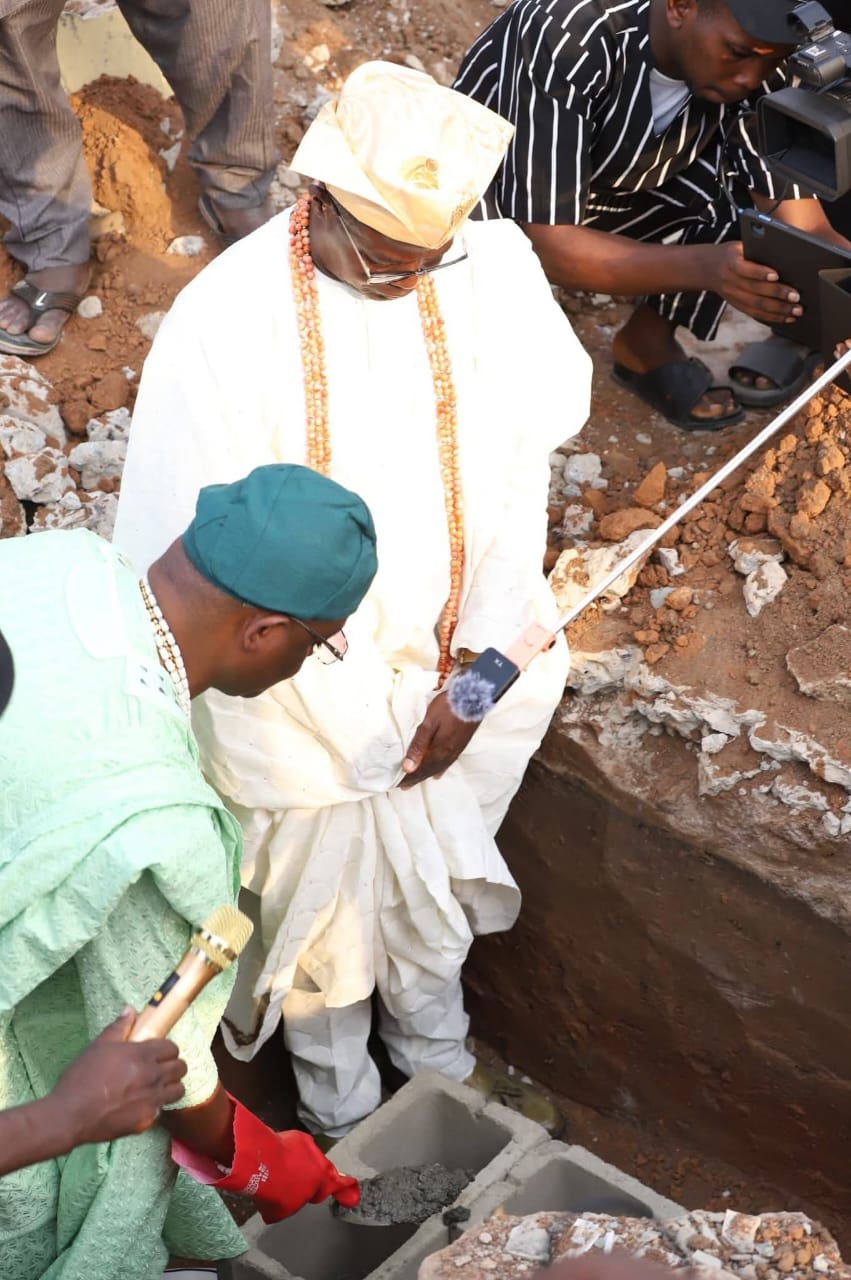
ILARO-YEWA, OGUN STATE — The ancient town of Ilaro, headquarters of Ogun West Senatorial District, came alive on Tuesday, January 27, 2026, as royal fathers, political leaders, clerics and community stakeholders gathered for the historic foundation-laying ceremony of the proposed ultra-modern Yewa Traditional Council (Obas’) Secretariat Complex.
The culturally symbolic project, facilitated by the Senator representing Ogun West at the National Assembly, Distinguished Senator Solomon Olamilekan Adeola (Yayi), attracted widespread commendation, fervent prayers and royal blessings from traditional rulers across Yewaland, alongside leaders and stalwarts of the All Progressives Congress (APC).
The ceremony officially marked the commencement of construction of what is envisioned as a state-of-the-art secretariat that will serve as the institutional headquarters of the Yewa Traditional Council.
Stakeholders described the initiative as a landmark achievement in institutional development and a clear demonstration of Senator Adeola’s sustained commitment to grassroots development, cultural preservation and inclusive governance in Yewaland.
Royal fathers present unanimously agreed that the project represents a significant step toward strengthening traditional governance and preserving Yewa cultural heritage. According to them, the proposed secretariat will function as a unifying administrative hub, enhance collaboration among monarchs and safeguard the cultural identity of the Yewa people for generations to come.
Speaking at the event, the Olu of Ilaro and Paramount Ruler of Yewaland, His Royal Majesty Oba (Dr.) Kehinde Gbadewole Olugbenle, Asade Agunloye IV, poured encomiums on Senator Adeola for his extensive infrastructural interventions and developmental footprints across Yewaland and Ogun State.
The monarch noted that the senator’s contributions have repositioned Yewaland on the path of meaningful progress, urging political leaders and stakeholders to embrace unity, cooperation and harmony.
He emphasized that such collective resolve remains crucial to the long-standing aspiration of producing a Yewa indigene as Governor of Ogun State in 2027.
Oba Olugbenle also used the occasion to encourage residents to actively participate in the democratic process by obtaining their Permanent Voter’s Cards (PVCs), stressing that civic engagement is the surest route to credible leadership.
“Yayi Is a Unique Son of Yewaland” — Deputy Speaker
The Deputy Speaker of the Ogun State House of Assembly, Rt. Hon. (Chief) Mrs. Lateefat Bolanle Ajayi, described Senator Adeola as a “unique and incomparable son of Yewaland,” whose influence transcends Ogun West to Ogun Central and East.
“We have had good sons in Yewaland, but Yayi stands out. His impact is felt in Abeokuta, Ijebu-Ode and beyond. Charity truly begins at home. Even the blind can see and the deaf can hear. We must support him. Come 2027, we have a candidate,” she declared.
Clerics Offer Prayers for Success
Offering prayers at the ceremony, Imam Mohammed Tijani Jamiu, Chief Imam of Surulere Central Mosque, Ilaro-Yewa, prayed for Senator Adeola, the royal fathers of Yewaland and the successful completion of the project.
Similarly, Imam Jamiu Adeniyi Kewulere, Chief Imam of Bibire Central Mosque, Oke-Ola, Ilaro-Yewa, also offered special prayers for peace, progress and divine guidance for all stakeholders.
“A Rare Project of Global Significance” — Yewa South LG Chairman
The Chairman of Yewa South Local Government, Hon. Tunde Ogunshola, described the occasion as one of the happiest moments of his life, noting that the project is unprecedented in scope and cultural significance
.
“This traditional council building is rare, even globally. It is being realized through the support of Governor Prince Dapo Abiodun and facilitated by Senator Adeola. When completed, it will stand as a lasting symbol of our heritage,” he said.
The Ogun State Chairman of Cultural Development, Hon. Olayiwola Taiwo, also hailed the project as a major turnaround for Ogun West, a zone he said had endured years of infrastructural neglect.
“This is a remarkable development. Senator Adeola is truly God-sent to Yewaland,” he stated.
Royal fathers including the Olofin Adimula of Ado-Odo, Oba Idris Olusola Lamidi Osolo, the Abepa of Joga-Orile, Oba Adeyemi Adekeye, and the Onimeko of Imeko, Oba Benjamin Olanite, all expressed confidence that greater projects linked to Senator Adeola would continue to materialize.
A retired Director-General in the Ogun State Civil Service, Mr. Michael Babatunde Ajayi, likened the proposed complex to the Obas’ Secretariat in Abeokuta, noting that it would reduce the need for monarchs in Yewaland to travel to the state capital for meetings.
“This will be the first of its kind in Yewaland. Kudos to Senator Adeola, whose impact is felt across Ogun State,” he said.
APC Leaders Call for Political Mobilisation
The Ogun West APC Chairman, Alhaji Azeez Adisa (Ekwume), alongside party leaders and community stakeholders, described Senator Adeola’s interventions as purposeful and impactful.
They urged party members to consolidate these gains by strengthening party structures and participating actively in voter registration and mop-up exercises, noting that broad-based participation is essential for electoral success.
Anglican Bishop Describes Project as Timely
Speaking with journalists, the Diocesan Bishop of the Anglican Communion, Rt. Revd. M.A. Oluwarohunbi, PhD, described the project as timely and symbolic, adding that it would enhance the role of traditional rulers in governance.
“This is a very important day in the history of Ilaro and Yewaland. The proposed complex will be an ultra-modern edifice befitting our royal fathers,” he said.
He also prayed for Senator Adeola’s continued strength and the realization of his future aspirations.
At the climax of the event, Oba Olugbenle, alongside other eminent kabiyesis, offered royal prayers and blessings for President Bola Ahmed Tinubu, Governor Prince Dapo Abiodun, Senator Solomon Adeola Yayi, and other political office holders across Ogun West and Nigeria, seeking divine wisdom, protection and success in governance.
The well-attended ceremony drew a diverse audience, including revered monarchs from across Yewaland, political leaders, community stakeholders and religious representatives from Christianity, Islam and traditional institutions.
Members of the League of Yewa-Awori Media Practitioners (LOYAMP) were also prominently represented, led by their National Coordinator, Otunba AbuSatar Idowu Hamed.
The colourful event concluded with the formal laying of the foundation stone by royal fathers and distinguished guests, symbolically ushering in a new chapter in the institutional development and cultural renaissance of Yewaland—an occasion many described as another defining milestone in Senator Adeola Yayi’s growing legacy of service and development.
Courtesy: League of Yewa-Awori Media Practitioners (LOYAMP)
celebrity radar - gossips
Shadows of Greed: Alison‑Madueke’s UK Corruption Trial and the Cost of Power
Shadows of Greed: Alison‑Madueke’s UK Corruption Trial and the Cost of Power
By George Omagbemi Sylvester | Published by SaharaWeeklyNG.com
When today’s headlines speak of corruption, they often do so as a distant abstraction as a vague moral failure with little bearing on everyday life. But the unfolding corruption trial of Diezani Alison‑Madueke in a London court throws into glaring relief the real, human and systemic consequences of unchecked power merged with self‑interest. This is not merely the story of an individual on trial; it is a lens through which the world must scrutinise the fragile intersection of governance, resource wealth and public trust.
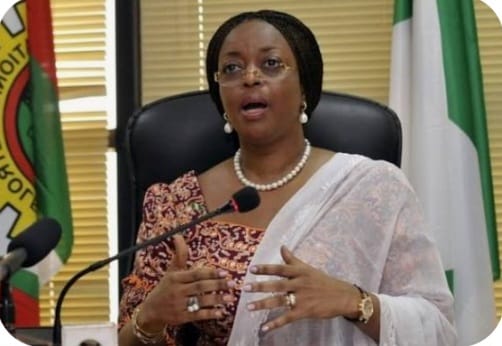
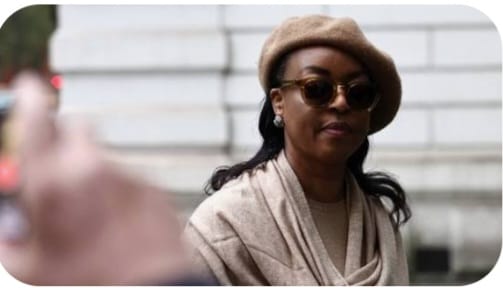
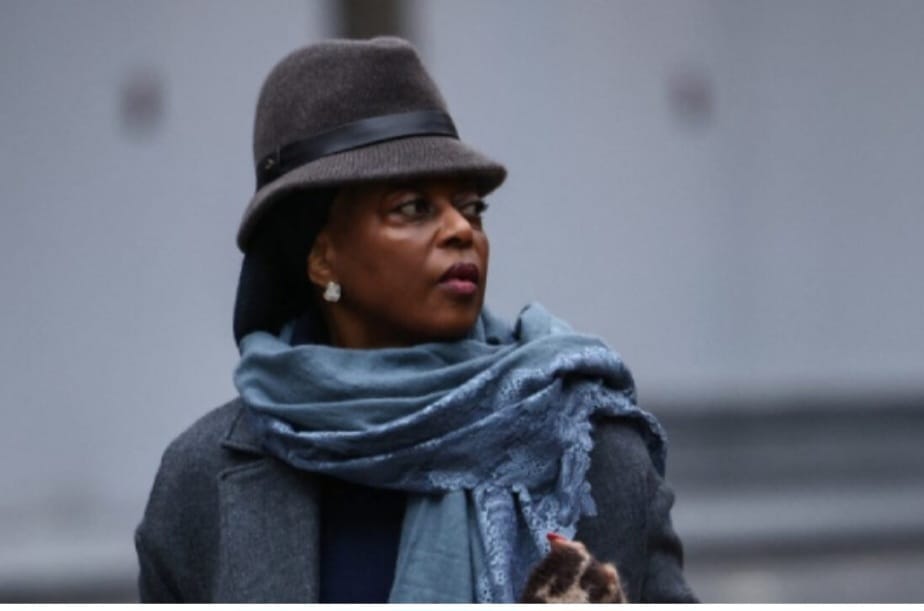
Diezani Alison‑Madueke, once Nigeria’s Minister of Petroleum Resources and later the first woman president of the Organisation of the Petroleum Exporting Countries (OPEC), now stands accused before Britain’s Southwark Crown Court of multiple counts of bribery and conspiracy. The accusations against her (which she vehemently denies) paint a portrait of opulence allegedly funded through pay‑to‑play politics that ignored the public good and rewarded those who could feed her lavish lifestyle.
A Life in Oil, a Life Under Scrutiny.
Alison‑Madueke’s tenure as petroleum minister, from twenty ten until twenty fifteen, coincided with a period of immense oil revenue for Nigeria, a country sitting atop the largest oil reserves in Africa. Yet that wealth did not translate into broad‑based prosperity for the citizens she was meant to serve. Instead, British prosecutors allege that her privileged access to that sector was exploited for personal gain.
According to court indictments, she is accused of accepting bribes not in vague promises, but in concrete, high‑value luxury benefits and including cash, chauffeur‑driven vehicles, private jet travel, the use of multiple high‑end properties in London, funded renovations, personal household staff and even costly designer goods purchased at establishments like Harrods and Louis Vuitton. Prosecutors told the court these were not mere gifts, but “financial or other advantages” given by industry players “who clearly believed she would use her influence to favour them.”
The former minister, now sixty‑five, has pleaded not guilty to all charges. Alongside her in the dock are two co‑defendants: oil executive Olatimbo Ayinde and her brother, Doye Agama, both of whom deny the charges connected to the same alleged bribery scheme.
The Anatomy of Allegations.
What makes this trial especially significant is the detail and scale of the alleged benefits. Prosecutors have asserted that Alison‑Madueke was offered:
Access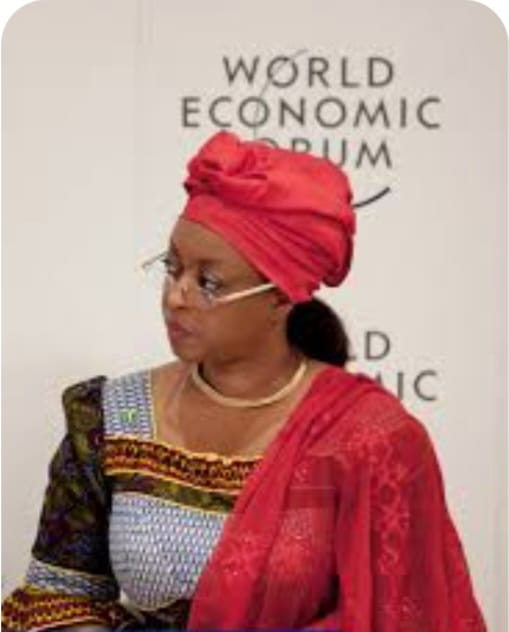 to luxury homes and private residences in London, bought and maintained by associates seeking lucrative Nigerian contracts.
At least a six‑figure sum in direct cash payments.
Private jet flights and schooling fees for her children.
Vast quantities of luxury goods and services from upscale retailers.
While the prosecution concedes it has not yet produced direct evidence that she awarded specific contracts to individuals who should not have had them, it maintains that the acceptance of such benefits by a public official who oversaw multi‑billion‑dollar contracts is inherently improper and contrary to fundamental principles of public service.
Voices of Accountability.
The allegations have drawn sharp commentary from observers worldwide who see the trial as emblematic of broader governance challenges across resource‑rich nations.
Nigerian social justice advocate Aisha Bello has observed, “Corruption is not a peripheral defect in governance but a corrosive disease that accelerates inequality. When leaders treat public office as a gateway to private treasure, citizens pay with lost opportunities and diminished hope.”
Similarly, Professor John Githongo, a renowned anti‑corruption scholar, argues that “Transparency and accountability are not optional extras in public administration; they are indispensable pillars of a just society. When the public good is subverted for private gain, the very fabric of trust unravels.”
These sentiments resonate deeply in contexts where natural wealth exists alongside persistent challenges in education, healthcare and infrastructure also illustrating that corruption is not an isolated moral failing, but a fundamental impediment to development.
Corruption Beyond Borders.
What makes this case notable on the global stage is not just its connection to a former minister, but its international footprint. The United Kingdom’s National Crime Agency (NCA) has taken up the case because many of the alleged transactions (the properties, cash flows, and luxury perks) touched British jurisdiction. This underlines a critical truth: corruption today is not contained by national boundaries. Illicit financial flows, luxury goods, and asset holding often travel across continents, making international cooperation essential in pursuit of justice.
Andy Kelly, head of the NCA’s International Corruption Unit, stated during earlier proceedings that investigations revealed “financial rewards” accepted by Alison‑Madueke that were “suspected to relate to the awarding of multi‑million‑pound contracts.” He emphasised that such impropriety has “devastating consequences for developing nations.”
This collaborative legal action reflects a growing global consensus: no public official, regardless of stature, should be beyond accountability. When a former head of state institutions is brought before a foreign court, it is not just a legal milestone but it is a moral affirmation of shared values in the rule of law.
The Nigerian Context.
In Nigeria, the oil sector has long been both a blessing and a burden. Despite generating huge revenues, mismanagement and corruption have often undermined potential gains for the wider population. A 2023 report by Nigeria’s statistics agency ranked corruption as one of the most significant challenges facing the country. It is a sobering backdrop that shapes how this trial is interpreted at home and abroad.
Former officials and critics alike have noted that transparency in governance is not merely a matter of legality but one of national dignity. As legal scholar Dr. Funke Adekola puts it, “When leaders betray public trust, they erode the very essence of citizenship. Restoring that trust requires not just trials, but systemic reform in values and institutions.”
What Lies Ahead.
The trial, expected to stretch over several months of testimony and evidence examination, is itself a test of judicial endurance and political will. It presents complex questions about proof, credibility, and moral accountability. Yet beyond the sterile halls of courtrooms, its wider implications reverberate in global public discourse about how nations manage wealth and how societies hold leaders accountable.
For ordinary citizens around the world, this case is riveting not because of luxury houses or private jets, but because it forces a collective reckoning: What price should a society pay when those entrusted with public resources place personal enrichment above national welfare?
Summative Insight.
As Diezani Alison‑Madueke’s trial unfolds before the world’s eyes, it stands as a stark reminder that the fight against corruption must be relentless and unflinching. It exposes the corrosive effects of unethical conduct at the highest levels of power and underscores the necessity of accountability, irrespective of nationality or office.
In the final analysis, justice is not only about punishment, but about restoring faith in the systems meant to protect the common good. As the British court hears testimony and as evidence is meticulously weighed, the world watches a profound test of justice, one that could shape how future generations understand leadership, integrity and the true cost of power.
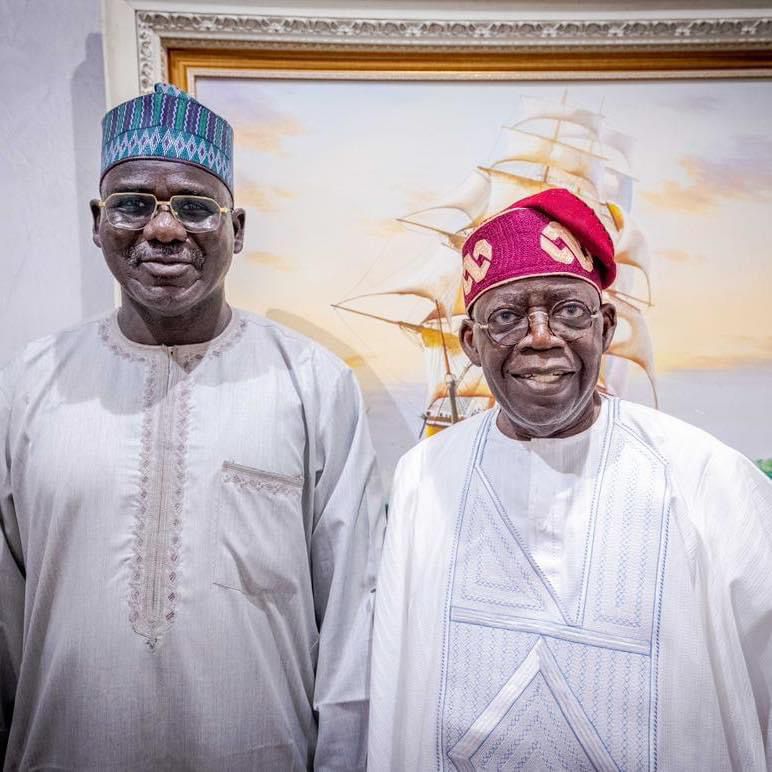
The Resilience in a Moment — Twenty Positive Impacts of a Human Event
By Tukur Buratai


-

 celebrity radar - gossips6 months ago
Why Babangida’s Hilltop Home Became Nigeria’s Political “Mecca”
-

 society5 months ago
Power is a Loan, Not a Possession: The Sacred Duty of Planting People
-

 Business6 months ago
Batsumi Travel CEO Lisa Sebogodi Wins Prestigious Africa Travel 100 Women Award
-

 news6 months ago
THE APPOINTMENT OF WASIU AYINDE BY THE FEDERAL GOVERNMENT AS AN AMBASSADOR SOUNDS EMBARRASSING