
celebrity radar - gossips
Daddy Freeze: Top Three Spiritual Sons Of Bishop David Oyedepo

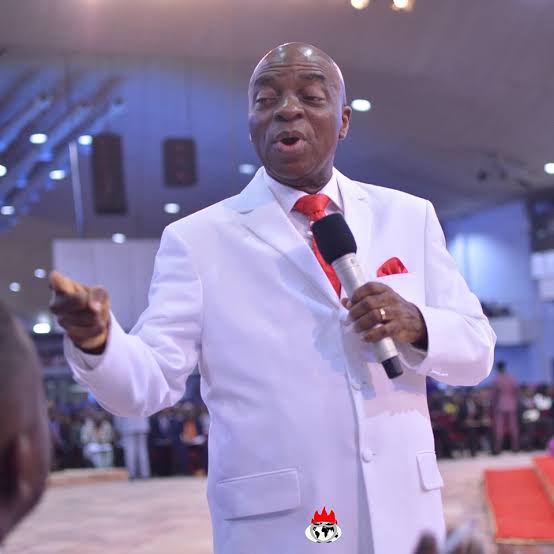
Of a truth, Bishop David Oyedepo, founder of Living Faith Church widely known as winners chapel is one of the top spiritual fathers in Nigeria who has a lot of Christian leaders as his spiritual sons. His popularity became obvious when popular Clergymen came out on his behalf to attack Daddy Freeze on his derogatory statement on Oyedepo which forced Daddy Freeze to make a public apology.
Infact, Oyedepo is well known as the father of new generation of Christian leaders known as the faith preachers such as Rev Sam Adeyemi, Apostle Suleiman amongst others. However, here are the top three spiritual sons of Bishop David Oyedepo who are known as the apple of his eyes and who can do anything if you dare attack or malign the personality of Bishop Oyedepo:
BISHOP DAVID OLATUNJI ABIOYE
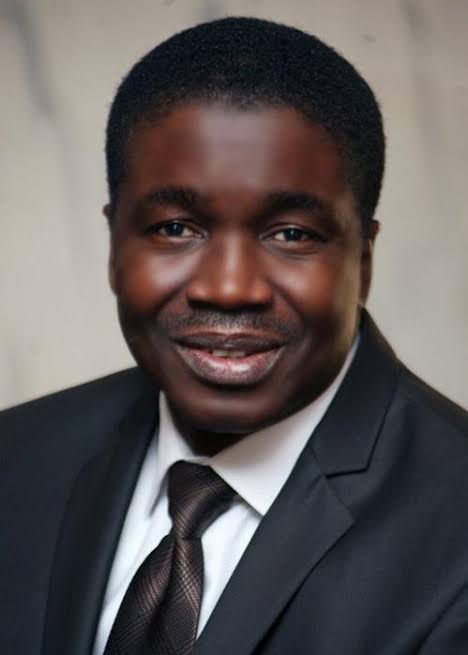
David Olatunji Abioye is a Nigerian Christian author and preacher. He is the First Vice President of the Living Faith Church Worldwide. He is a bishop and the senior pastor of the Abuja church (Goshen city) with over 30,000 worshippers.
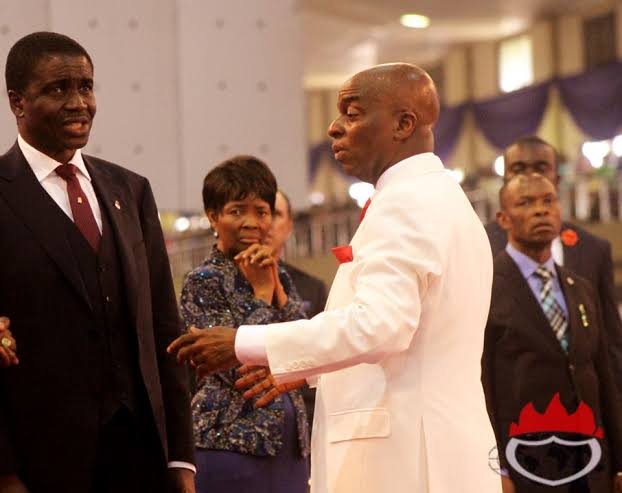
Born into a family from Kwara State, Abioye is married to Mary Abioye, and have three children. He studied Mechanical Engineering in the university.
He worked as a lecturer at Open Cast Polytechnic, Auchi from 1985 till 1986, and wanted to start a technological firm to solidify his finances. However, when he met future founder of Living Faith Church Worldwide, David Oyedepo at a Christian Student Fellowship in the 1980s, he was inspired by the what he saw as his passion and love for God. Over the years, their relationship transcends from brotherly friendship to a spiritual mentor. After the departure of Oyedepo to Lagos, he was the senior pastor of Garden of Faith, Kaduna, which was the former national headquarters of the church.
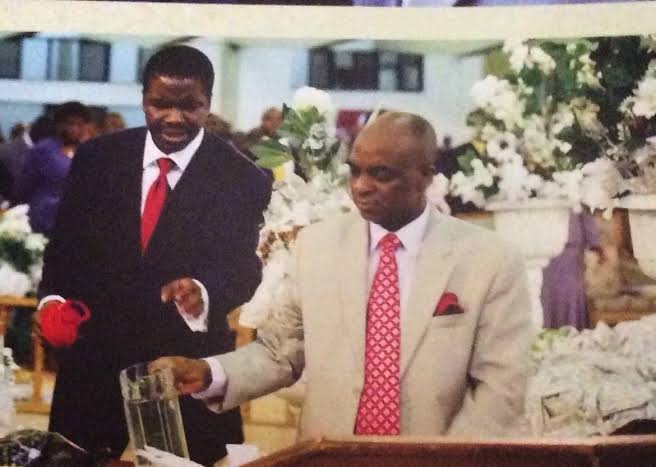
In 1993, he became a bishop in the church. In January 2014, Nigeria’s president, Goodluck Jonathan visited Abioye, and worshiped during one of the services in the Abuja church. In June 2015, shortly after the election, the Speaker of the House of Representatives of Nigeria, Yakubu Dogara had a thanksgiving session in his church.
PASTOR DAVID IBIYEOMIE
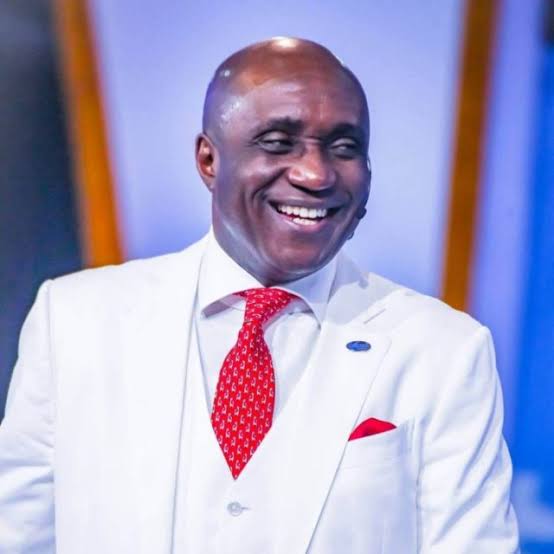
David Ibiyeomie is a Nigerian televangelist, founder and senior pastor of Salvation Ministries, in Port Harcourt, Nigeria..
Born on 21st of October 1962 , David Ibiyeomie attended Banham Primary School Port-Harcourt, Rivers State, Nigeria from 1969 to 1974 for his primary education.[ He went to Government Comprehensive Secondary School, Borikiri, Rivers State, Nigeria. After then he was admitted into Rivers State University, Port Harcourt for a degree course in Microbiology in 1980.
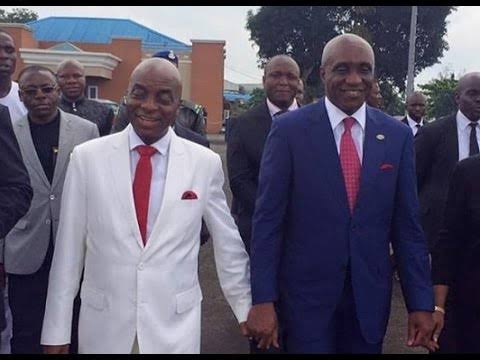
After completing his Bible School training at Bishop David Oyedepo’s Word of Faith Bible Institute (WOFBI), Ibiyeomie started a house fellowship with his family in Victoria Island, Lagos; he later moved to Port Harcourt, Rivers State, where he started Salvation Ministries (Glorious Chapel) on April 13, 1997, with a little over twenty members in attendance.
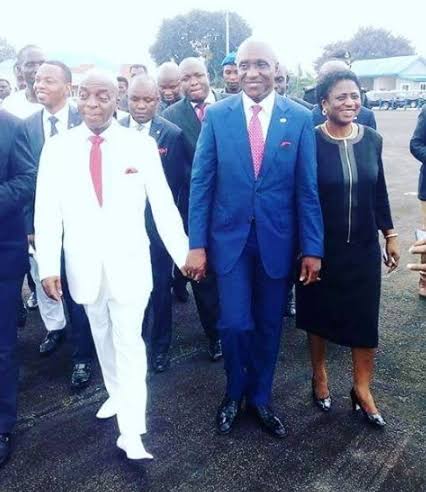
In July 1997, the church relocated to a larger plot of land. As of 2017, Salvation Ministries averages about 50,000 attendees every Sunday at its headquarters. In February 2011, Salvation Ministries started 14 satellite churches in one day, with all running five services each. And today, his life and ministry has become a huge success.
DR PAUL ENENCHE
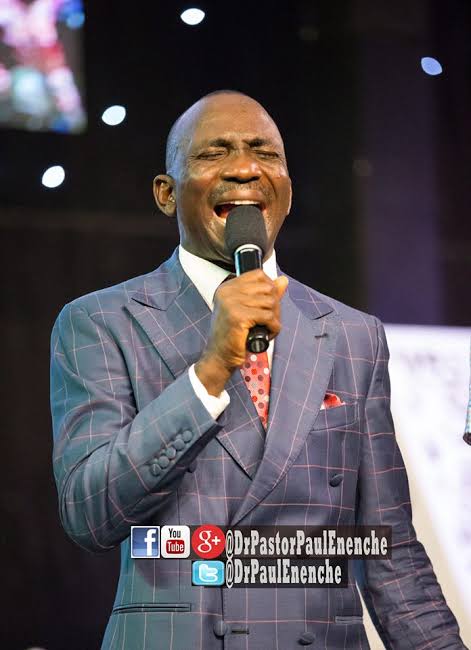
Paul Enenche is a Nigerian Christian pastor. He is the founder and senior pastor at Dunamis International Gospel Centre in Abuja which he founded in 1996. Enenche was born in the city of Orokam in Benue State.
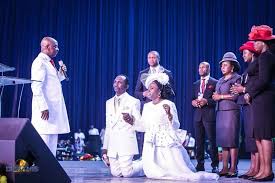
Pastor Paul Enenche was formerly a practicing Medical doctor before he got called into establishing the ministry. He is married to a doctor also, Dr. Becky Eneche and they are blessed with Four Children. She is the proprietress of Dunamis International Schools.
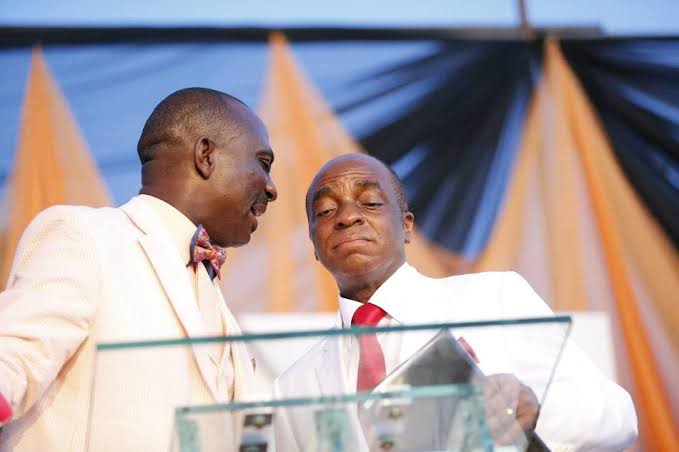
As the founder and senior pastor of Dunamis International Gospel Centre (DIGC) in Abuja, Nigeria with over 100,000 congregants in his newly 100,000 seater auditorium known as the Dome.






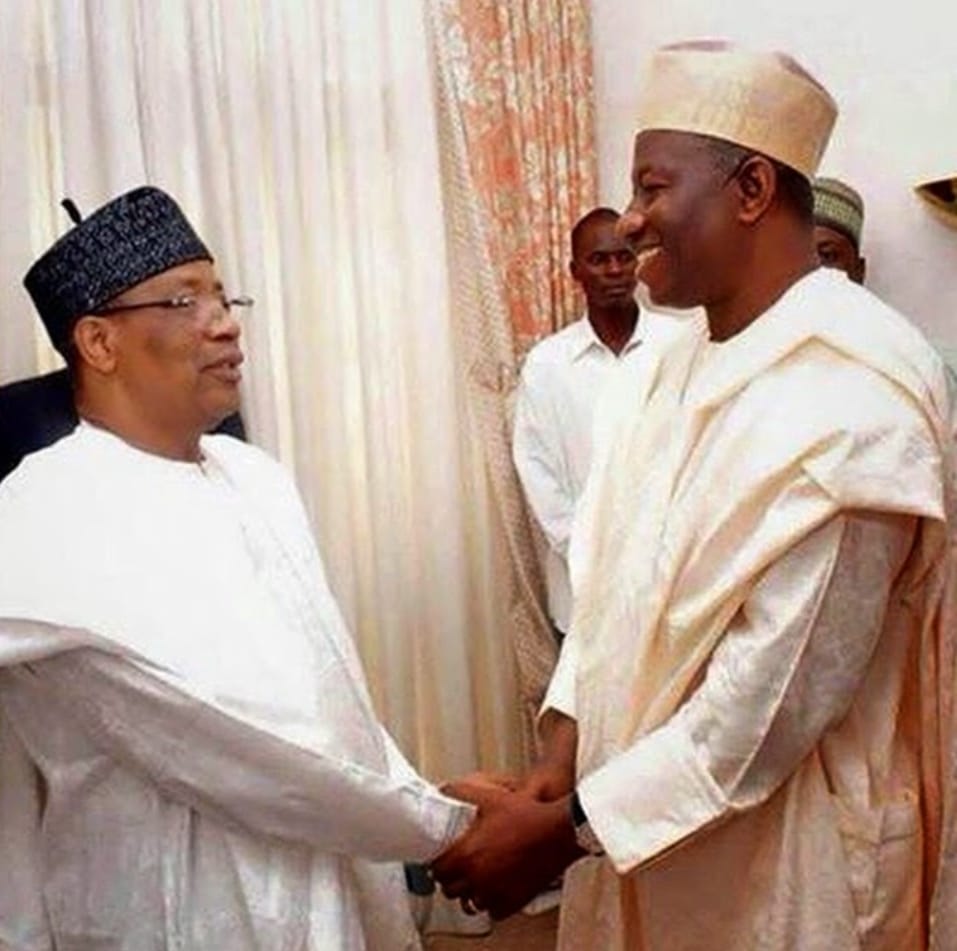
Why Babangida’s Hilltop Home Became Nigeria’s Political “Mecca”.
By George Omagbemi Sylvester | Published by SaharaWeeklyNG.com
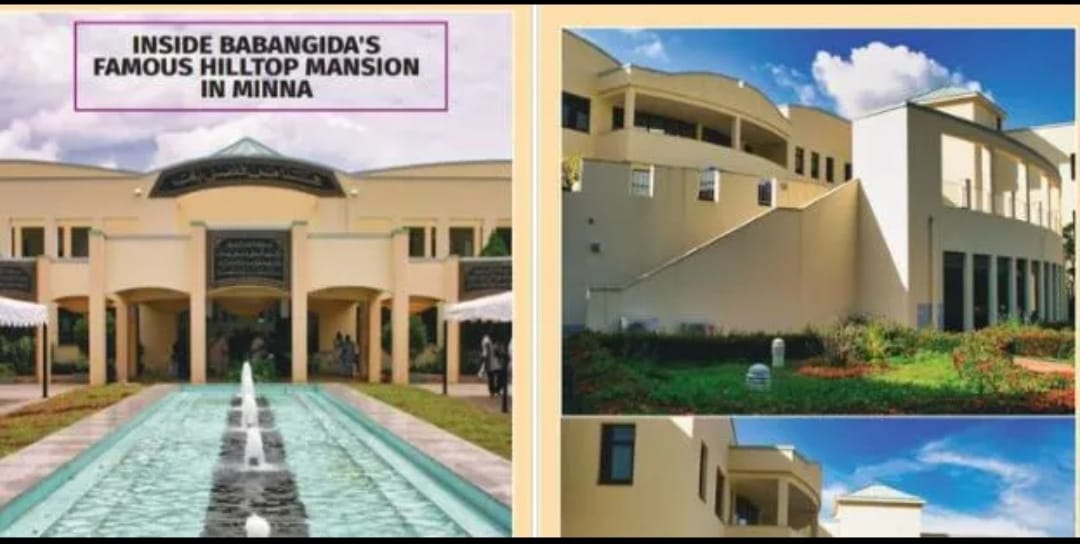
Former President Goodluck Jonathan’s birthday visit to Gen. Ibrahim Badamasi Babangida (IBB) in Minna (where he hailed the octogenarian as a patriotic leader committed to national unity) was more than a courtesy call. It was a reminder of a peculiar constant in Nigerian politics: the steady pilgrimage of power-seekers, bridge-builders and crisis-managers to the Hilltop mansion. Jonathan’s own words captured it bluntly: IBB’s residence “is like a Mecca of sorts” because of the former military president’s enduring relevance and perceived nation-first posture.
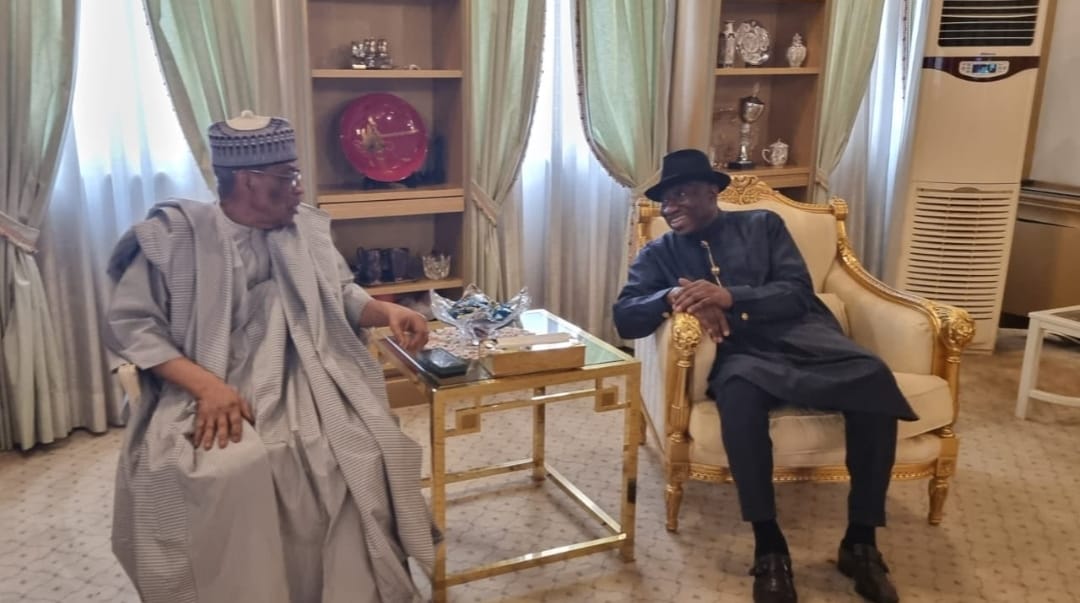
Babangida turned 84 on 17 August 2025. That alone invites reflection on a career that has shaped Nigeria’s political architecture for four decades; admired by some for audacious statecraft, condemned by others for controversies that still shadow the republic. Born on 17 August 1941 in Minna, he ruled as military president from 1985 to 1993, presiding over transformative and turbulent chapters: the relocation of the national capital to Abuja in 1991; the creation of political institutions for a long, complex transition; economic liberalisation that cut both ways; and the fateful annulment of the 12 June 1993 election. Each of these choices helps explain why the Hilltop remains a magnet for Nigerians who need counsel, cover or calibration.
A house built on influence; why the visits never stop.
Let’s start with the obvious: access. Nigeria’s political class prizes proximity to the men and women who can open doors, soften opposition, broker peace and read the hidden currents. In that calculus, IBB’s network is unmatched. He cultivated a reputation for “political engineering,” the reason the press christened him “Maradona” (for deft dribbling through complexity) and “Evil Genius” (for the strategic cunning his critics decried). Whether one embraces or rejects those labels, they reflect a reality: Babangida is still the place where many politicians go to test ideas, seek endorsements or secure introductions. Even the mainstream press has described him as a consultant of sorts to desperate or ambitious politicians, an uncomfortable description that nevertheless underlines his gravitational pull.
Though it isn’t only political tact that draws visitors; it’s statecraft with lasting fingerprints. Moving the seat of government from Lagos to Abuja in December 1991 was not a cosmetic relocation, it re-centred the federation and signaled a symbolic neutrality in a country fractured by regional suspicion. Abuja’s founding logic (GEOGRAPHIC CENTRALITY and ETHNIC NEUTRALITY) continues to stabilise the national imagination. This is part of the reason many leaders, across party lines, still defer to IBB: he didn’t just rule; he rearranged the map of power.
Then there’s the regional dimension. Under his watch, Nigeria led the creation and deployment of ECOMOG in 1990 to staunch Liberia’s bloody civil war, a bold move that announced Abuja as a regional security anchor. The intervention was imperfect, contested and costly, but it helped define West Africa’s collective security posture and Nigeria’s leadership brand. When neighboring states now face crises, the memory of that precedent still echoes in diplomatic corridors and Babangida’s counsel retains currency among those who remember how decisions were made.
Jonathan’s praise and the unity argument.
Jonathan’s tribute (stressing Babangida’s non-sectional outlook and commitment to unity) goes to the heart of the Hilltop mystique. For a multi-ethnic federation straining under distrust, figures who can speak across divides are prized. Jonathan’s point wasn’t nostalgia; it was a live assessment of a man many still call when Nigeria’s seams fray. That’s why the parade to Minna continues: the anxious, the ambitious and the statesmanlike alike seek an elder who can convene rivals and cool temperatures.
The unresolved shadow: June 12 and the ethics of influence.
No honest appraisal can skip the hardest chapter: the annulment of the 12 June 1993 election (judged widely as free and fair) was a rupture that delegitimised the transition and scarred Nigeria’s democratic journey. Political scientist Larry Diamond has repeatedly identified June 12 as a prime example of how authoritarian reversals corrode democratic legitimacy and public trust. His larger warning (“few developments are more destructive to the legitimacy of new democracies than blatant and pervasive political corruption”) captures the moral crater that followed the annulment and the years of drift that ensued. Those wounds are part of the Babangida legacy too and they complicate the reverence that a steady stream of visitors displays.
Max Siollun, a leading historian of Nigeria’s military era, has observed (provocatively) that the military’s “greatest contribution” to democracy may have been to rule “long and badly enough” that Nigerians lost appetite for soldiers in power. It’s a stinging line, yet it helps explain the paradox of IBB’s status: the same system he personified taught Nigeria costly lessons that hardened its democratic reflexes. Today’s generation visits the Hilltop not to revive militarism but to harvest hard-won insights about managing a fragile federation.
What sustains the pilgrimage.
1) Institutional memory: Nigeria’s politics often suffers amnesia. Babangida offers a living archive of security crises navigated, regional diplomacy attempted, volatile markets tempered and power-sharing experiments designed. Whether one applauds or condemns specific choices, the muscle memory of governing a complex federation is rare and urgently sought.
2) Convening power: In a season of polarisation, the ability to sit warring factions in the same room is not small capital. Babangida’s imprimatur remains a safe invitation card few refuse it, fewer ignore it. That convening power explains why movements, parties and would-be presidents keep filing up the long driveway. Recent delegations have explicitly cast their courtesy calls in the language of unity, loyalty and patriotism ahead of pivotal elections.
3) Signals to the base: Visiting Minna telegraphs seriousness to party structures and funders. It says: “I have sought counsel where history meets experience.” In Nigeria’s coded political theatre, that signal still matters. Outlets have reported for years that many aspirants treat the Hilltop as an obligatory stop an unflattering reality, perhaps, but a revealing one.
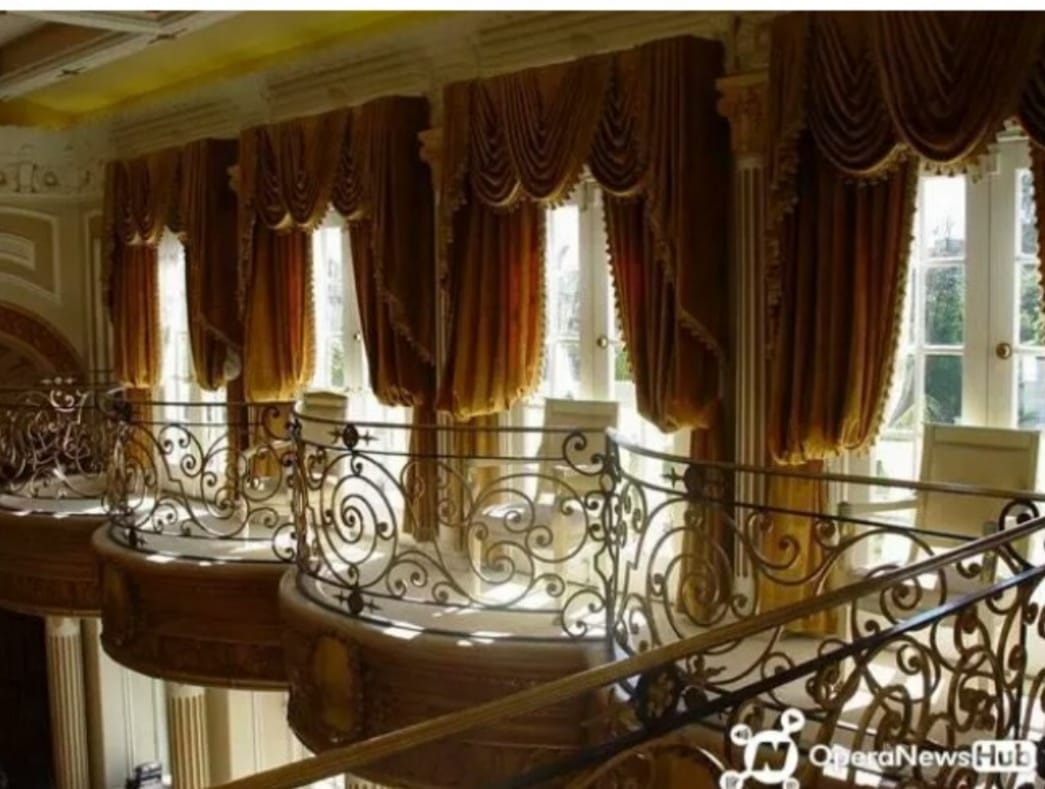
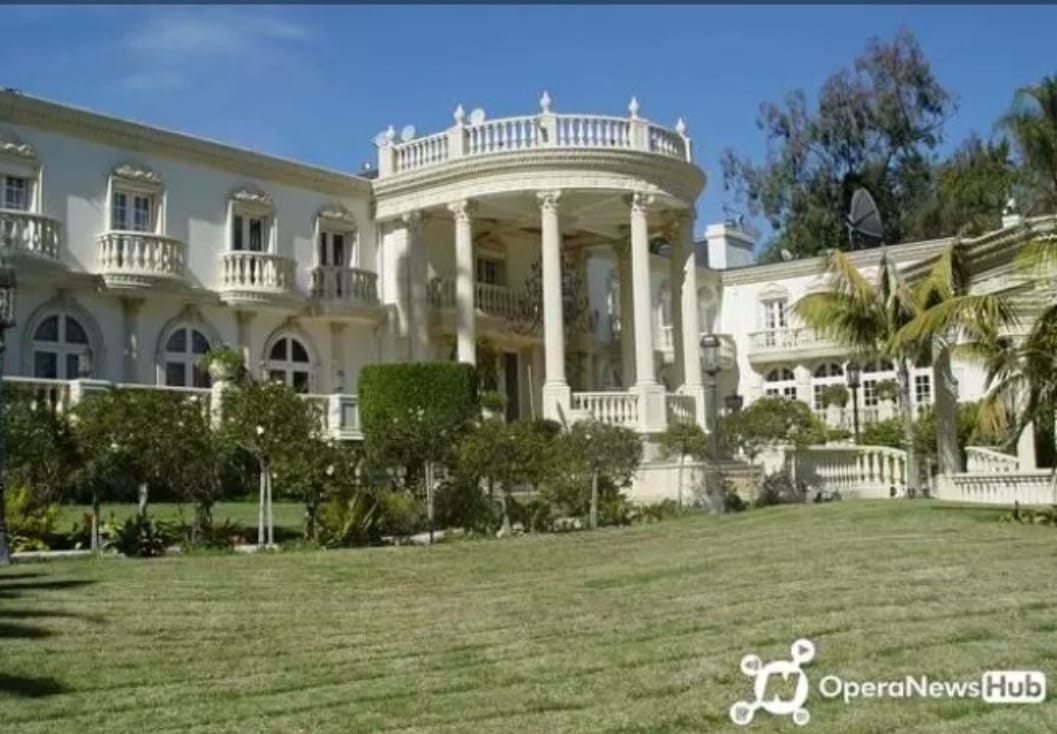
4) The man and the myth: The mansion itself, with its opulence and aura, has become a set piece in Nigeria’s story of power, admired by some, resented by others, but always discussed. The myth feeds the pilgrimage; the pilgrimage feeds the myth.
The balance sheet at 84.
To treat Babangida solely as a sage is to forget the costs of his era; to treat him only as a villain is to ignore the architecture that still holds parts of Nigeria together. Abuja’s relocation stands as a stabilising bet that paid off. ECOMOG, for all its flaws, seeded a habit of regional responsibility. Conversely, June 12 remains a national cautionary tale about elite manipulation, civilian marginalisation and the brittleness of transitions managed from above. These are not contradictory truths; they are the double helix of Babangida’s place in Nigerian memory.
Jonathan’s homage tried to distill the better angel of IBB’s record: MENTORSHIP, BRIDGE-BUILDING and a POSTURE that (at least in his telling) RESISTS SECTIONAL ISM. “That is why today, his house is like a Mecca of sorts,” he said, praying that the GENERAL continues to “mentor the younger ones.” Whether one agrees with the full sentiment, it accurately describes the lived politics of Nigeria today: Minna remains a checkpoint on the road to relevance.
The scholar’s verdict and a citizen’s challenge.
If Diamond warns about legitimacy and Siollun warns about the perils of soldier-politics, what should Nigerians demand from the Hilltop effect? Three things.
First, use influence to open space, not close it. Counsel should tilt toward rules, institutions and credible elections not kingmaking for its own sake. The lesson of 1993 is that subverting a valid vote haunts a nation for decades.
Second, mentor for unity, but insist on accountability. Unity cannot be a euphemism for silence. A truly patriotic elder statesman sets a high bar for conduct and condemns the shortcuts that tempt new actors in old ways. Diamond’s admonition on corruption is not an abstraction; it’s a roadmap for rebuilding trust.
Third, convert nostalgia into institutional memory. If Babangida’s house is a classroom, then Nigeria should capture, publish and debate its lessons in the open: on peace operations (what worked, what failed), on capital relocation (how to plan at scale), and on transitions (how not to repeat 1993). Only then does the pilgrimage serve the republic rather than personalities.
At 84, Ibrahim Babangida remains a paradox that Nigeria cannot ignore: a man whose legacy straddles NATION-BUILDING and NATION-BRUISING, whose doors remain open to those seeking power and those seeking peace. Jonathan’s visit (and his striking “Mecca” metaphor) reveals a simple, stubborn fact: in a country still searching for steady hands, the Hilltop’s shadow is long. The task before Nigeria is to ensure that the shadow points toward a brighter constitutional daybreak, where influence is finally subordinated to institutions and where mentorship hardens into norms that no single mansion can monopolise. That is the only pilgrimage worth making.
Ajadi Celebrates Juju Legend Femolancaster’s 50th Birthday in the UK
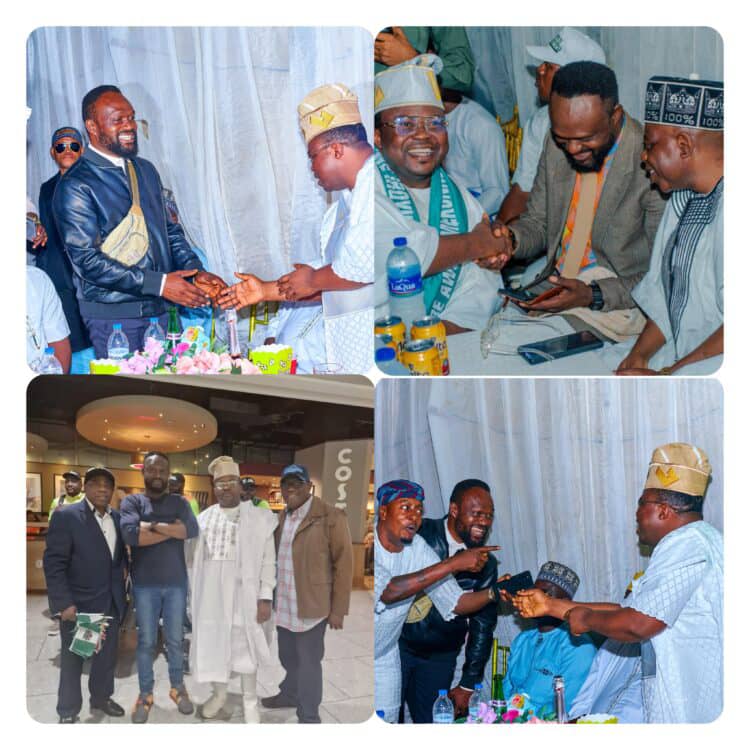
Nigerian Juju music legend, Otunba Femi Fadipe, popularly known as FemoLancaster, is being celebrated today in London as he clocks 50 years of age.
Ambassador Olufemi Ajadi Oguntoyinbo, a frontline politician and businessman, led tributes to the Ilesa-born maestro, describing him as a timeless cultural icon whose artistry has enriched both Nigeria and the world.
“FemoLancaster is not just a musician, he is a legend,” Ambassador Ajadi said in his birthday message. “For decades, his classical Juju sound has remained a reminder of the beauty of Yoruba heritage. Today, as he turns 50, I celebrate a cultural ambassador whose music bridges generations and continents.”
While FemoLancaster is highly dominant in Oyo State and across the South-West, his craft has also taken him beyond Nigeria’s borders.
FemoLancaster’s illustrious career has seen him thrill audiences across Nigeria and beyond, with performances in the United Kingdom, Canada, United States of America, and other parts of the world. His dedication to Juju music has projected Yoruba traditional sounds to international stages, keeping alive the legacy of icons like King Sunny Ade and Chief Ebenezer Obey while infusing fresh energy for younger audiences
He further stressed the significance of honoring artistes who have remained faithful to indigenous music while taking it global. “In an era where modern sounds often overshadow tradition, FemoLancaster stands as a beacon of continuity and resilience. He has carried Yoruba Juju music into the global space with dignity, passion, and excellence,” he added.
The golden jubilee celebration in London has drawn fans, friends, and colleagues, who all describe FemoLancaster as a gifted artist whose contributions over decades have earned him a revered place in the pantheon of Nigerian music legends.
“As FemoLancaster marks this milestone,” Ajadi concluded, “I wish him many more years of good health, wisdom, and global recognition. May his music continue to echo across generations and continents.”
celebrity radar - gossips
Gospel Songstress Esther Igbekele Marks Birthday with Gratitude and Celebration
Gospel Songstress Esther Igbekele Marks Birthday with Gratitude and Celebration
By Aderounmu Kazeem Lagos
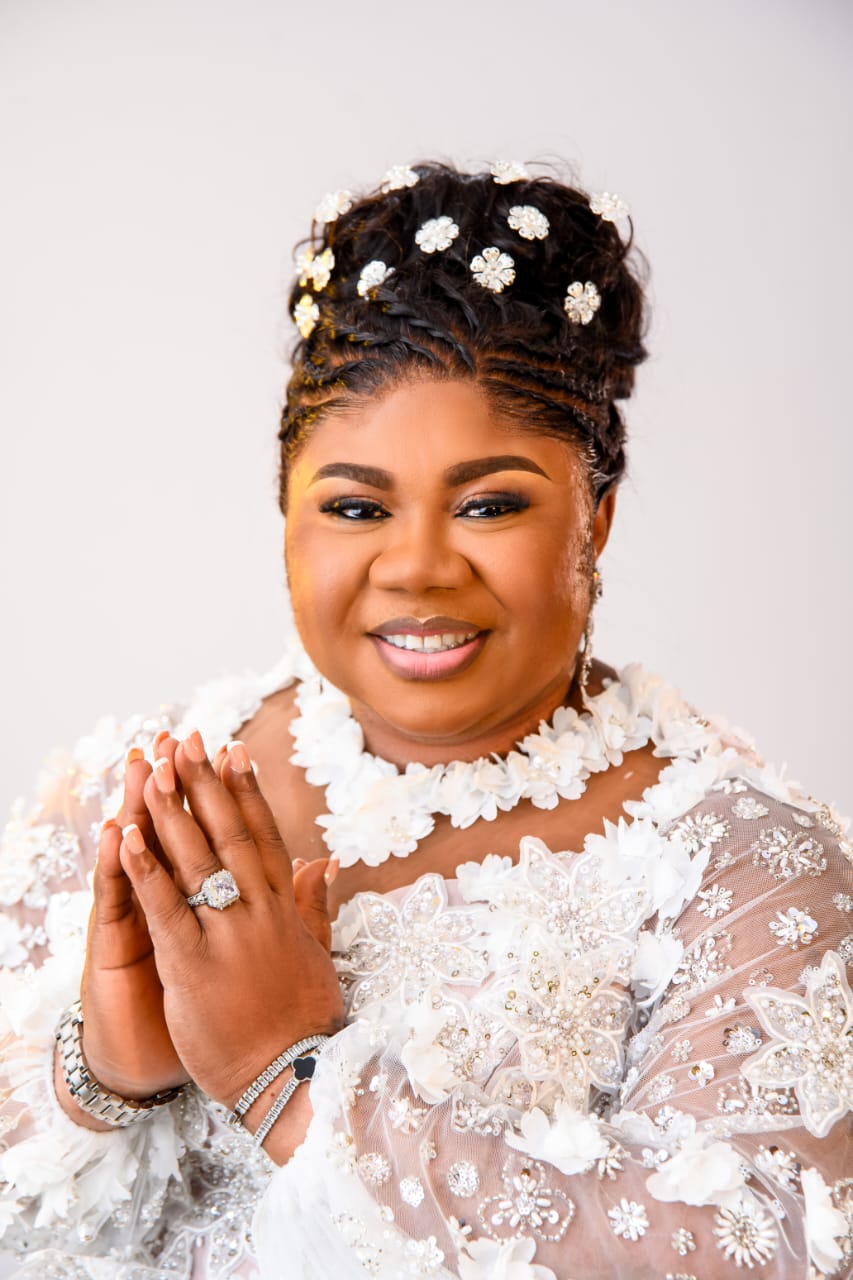
Lagos, Nigeria — The gospel music scene is aglow today as the “Duchess of Gospel Music,” Esther Igbekele, marks another milestone in her life, celebrating her birthday on Saturday, August 16, 2025.
Known for her powerful voice, inspirational lyrics, and unwavering dedication to spreading the gospel through music, Esther Igbekele has become one of Nigeria’s most respected and beloved gospel artistes. Over the years, she has graced countless stages, released hit albums, and inspired audiences across the world with her uplifting songs.
Today’s celebration is expected to be a joyful blend of music, prayers, and heartfelt tributes from family, friends, fans, and fellow artistes. Sources close to the singer revealed that plans are in place for a special praise gathering in Lagos, where she will be joined by notable figures in the gospel industry, church leaders, and admirers from home and abroad.
Speaking ahead of the day, Igbekele expressed deep gratitude to God for His mercy and the opportunity to use her gift to touch lives. “Every birthday is a reminder of God’s faithfulness in my journey. I am thankful for life, for my fans, and for the privilege to keep ministering through music,” she said.
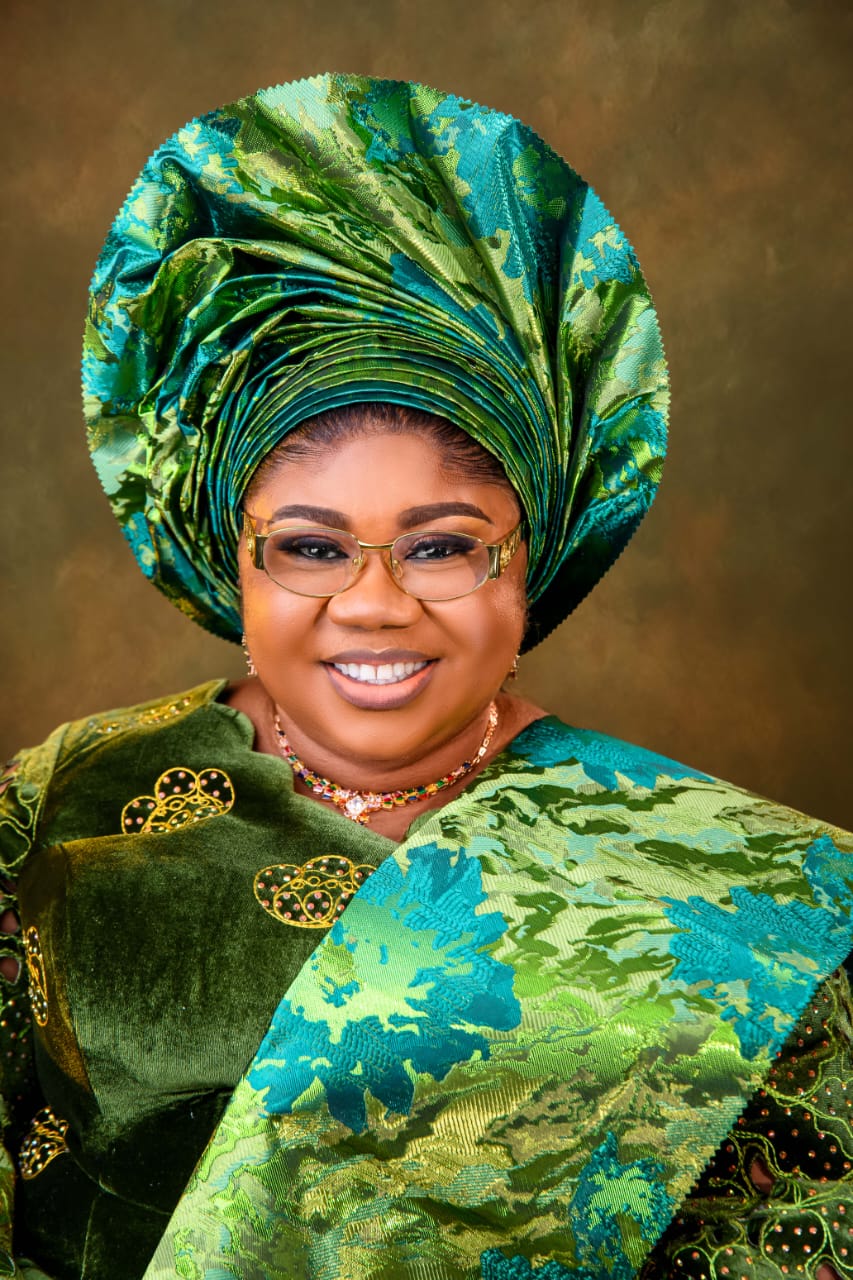
From her early beginnings in the Yoruba gospel music scene to her rise as a celebrated recording artiste with a unique fusion of contemporary and traditional sounds, Esther Igbekele’s career has been marked by consistency, excellence, and a strong message of hope.
As she adds another year today, her fans have flooded social media with messages of love, appreciation, and prayers — a testament to the profound impact she continues to make in the gospel music ministry.
For many, this birthday is not just a celebration of Esther Igbekele’s life, but also of the divine inspiration she brings to the Nigerian gospel music landscape.


-
 society5 months ago
Ramadan Relief: Matawalle Distributes Over ₦1 Billion to Support 2.5 Million Zamfara Residents
-
 Politics2 months ago
Nigeria Is Not His Estate: Wike’s 2,000‑Hectare Scandal Must Shake Us Awake
-
 society4 months ago
Broken Promises and Broken Backs: The ₦70,000 Minimum Wage Law and the Betrayal of Nigerian Workers
-

 society3 months ago
OGUN INVESTS OVER ₦2.25 BILLION TO BOOST AQUACULTURE