
Business
Business Leaders Guide Youth on Turning Passion into Profit at Stanbic IBTC’s YLS


Business Leaders Guide Youth on Turning Passion into Profit at Stanbic IBTC’s YLS
Stanbic IBTC Holdings PLC, Nigeria’s leading end-to-end financial services organisation, held the 2021 edition of its Youth Leadership Series (YLS) on Thursday, 08 April 2021. The event held virtually this year due to the pandemic. Youths from across Nigeria and various parts of the world including the UK, USA and UAE were in attendance.
Dr Demola Sogunle, Chief Executive, Stanbic IBTC Holdings PLC, delivered the opening address. He stated that the YLS was birthed as an avenue to engage and empower young Nigerians into becoming future business leaders. He pointed that the youth made up over 50 percent of Nigeria’s population. Dr Sogunle asserted that the organisation remained committed to the vision of grooming young Nigerians and providing guidance in order to become successful in every sphere of life.
He said, “The Nigerian youth require support, guidance and empowerment to propel them to the pinnacle of their various fields. The innovative projects and tech disruptions championed by the youth in virtually every sector are proof of their ingenuity, skill, brilliance and resourcefulness. At Stanbic IBTC Holdings PLC, we believe in breaking boundaries, hence our tagline, IT CAN BE, which is hinged upon the premise that everything is possible as long as we are dedicated and put in the requisite effort to make it work.”
The 2021 edition of YLS was themed ‘WINNING’ and had an array of well-versed speakers in the areas of trading and investments, building businesses and monetising with social media. These speakers shared their invaluable entrepreneurial experiences, challenges and success stories in three (3) breakout sessions, much to the delight and admiration of the youthful audience in attendance.
Debo Adebayo; an entertainer better known as Mr. Macaroni, spoke during the ‘Winning with Social Media’ breakout session. He said his passion and urge to succeed propelled him into the business of entertainment. He added that having realised he wanted more visibility; he invested in himself from his meagre resources.
He advised youths to be passionate about their cause, and added that with passion, resilience could be sustained in the face of debilitating challenges.
Ms. Ifedayo Agoro, the founder of Diary of a Naija Girl (DANG), an online lifestyle website, revealed that the need to be heard and give women a voice made her leave a thriving career in the oil and gas industry and started her online community. She noted that although she did well in her career, she was unhappy until she found fulfilment with DANG.
She said the first six months were not encouraging as many people didn’t really understand her vision, but she kept at it. “Winning doesn’t only involve consistency, it also involves constantly adapting to change”, she added.
At the ‘Winning with Entrepreneurship’ breakout session, the duo of Olumide Soyombo, co-Founder, Bluechip Technologies and Tracy Batta, co-Founder, Smoothie Express addressed business strategic moves, that included the rudiments of nurturing businesses. The panellists shared their experiences and entrepreneurship journeys with the participants.
Soyombo alluded that it was common to encounter challenges and uncertainty with business start-ups and advised entrepreneurs to remain flexible and well adapted to the ever-changing business climate.
On ‘Winning with Investments’, Akin Bamidele Akintola, Head of Equity Sales, Stanbic IBTC Stockbrokers, emphasised the need to make adequate preparations for the future. He explained that it was better to save in investments such as stocks and mutual funds, as the economy was largely unpredictable.
Co-founder of Bamboo Invest, an investment platform that allows Nigerians to invest in United States stocks, Yanmo Omorogbe said her major challenge was getting funding and investors before the pandemic. She advised people to believe in themselves, improve pitching skills and be persistent. She also stated that when entering any investment business, it was important to know the regulators.
As Wole Adeniyi, Chief Executive, Stanbic IBTC Bank PLC, gave his closing remarks, he assured thousands of the participants at the event that Stanbic IBTC would continue to make productive investments in the lives of the younger generation, as well as providing the needed financial solutions that would help them achieve their dreams.
The general takeaway from this year’s YLS was that consistency, passion, self-development and value-addition remained essential ingredients for winning.





Riceocracy: When Tinubu and the APC Government Substitutes Governance with Handouts
By George Omagbemi Sylvester
“Tinubu’s administration faces mounting criticism as rice palliatives replace real solutions to Nigeria’s deepening crisis.”
ABUJA, Nigeria — March 17, 2026
A growing wave of public frustration is sweeping across Nigeria as citizens decry what has now been dubbed “Riceocracy” a governance pattern where the government of President Bola Ahmed Tinubu and the ruling All Progressives Congress (APC) respond to systemic failures with the distribution of rice rather than meaningful reforms.
Across the country, from major cities like Lagos and Abuja to underserved rural communities, Nigerians are voicing anger over persistent issues: no stable electricity, deteriorating road networks, unaffordable fuel and cooking gas, and a struggling education system. Yet, in response to these structural problems, the government’s most visible intervention has been the distribution of food palliatives; particularly rice.
The central figures in this unfolding crisis are President Tinubu and the APC-led federal and state governments, who have overseen the rollout of these relief measures. On the other side are millions of Nigerians battling rising inflation, joblessness, and declining living standards.
The trend gained momentum following the removal of fuel subsidies in May 2023, a policy decision by the Tinubu administration that triggered a surge in transportation and commodity prices. By 2024 and into 2025, the government intensified the distribution of rice and other palliatives as a stopgap measure to quell public discontent. Now, in 2026, the approach has become a defining feature of the administration’s response to economic hardship.
The “Riceocracy” phenomenon is nationwide. Reports from states such as Kano, Rivers, and Borno show large crowds gathering for rice distribution exercises, even as basic infrastructure continues to decay. Urban centers are not exempt; in cities like Lagos, residents still grapple with erratic power supply and high living costs despite periodic palliative programs.
Analysts point to political convenience and immediate optics. Distributing rice is quick, visible, and politically advantageous, especially in a climate of widespread hardship. However, critics argue that it reflects a deeper governance failure; an inability or unwillingness to implement long-term solutions.
Nobel laureate Wole Soyinka has long warned against superficial governance, describing such approaches as “a betrayal of democratic responsibility.” In the same vein, global economist Ngozi Okonjo-Iweala has stressed that “palliatives may provide temporary relief, but they cannot replace sound economic management and structural reform.”
Political economist Pat Utomi offers a sharper critique: “A state that reduces its responsibility to food sharing risks institutionalizing poverty rather than eliminating it.” His statement captures the growing concern that Nigeria’s leadership is addressing symptoms rather than causes.
The implications are severe. Nigeria’s power sector remains unreliable, forcing businesses to depend on costly alternatives. Road infrastructure continues to hinder economic activity, while the education sector suffers from underfunding and frequent disruptions. Despite these challenges, rice distribution has become the most consistent government response.
Critics further argue that this strategy fosters dependency and weakens civic engagement. Instead of demanding accountability, citizens may feel compelled to accept handouts as substitutes for rights and services. Allegations of mismanagement and politicization of palliative distribution also persist, raising questions about transparency and fairness.
The term “Riceocracy” may sound satirical, but it reflects a sobering reality. It highlights a governance model where survival replaces development, and where public policy is reduced to emergency relief rather than strategic planning.
As Nigeria marks this moment on March 17, 2026, the message from scholars, civil society, and frustrated citizens is unmistakable: rice cannot fix a broken system. Only deliberate investments in infrastructure, education, energy, and economic productivity can restore confidence and chart a sustainable path forward.
Until then, the image of Nigerians queuing for bags of rice will remain a stark symbol of a nation still searching for leadership that goes beyond palliatives to deliver real progress.



ZENITH BANK OPENS MANCHESTER BRANCH TO SUPPORT CROSS-BORDER TRADE AND INVESTMENT
Zenith Bank Plc has announced the opening of a new branch in Manchester, United Kingdom, marking another significant milestone in the bank’s international growth and its commitment to strengthening financial connections between Africa and global markets.
The official opening ceremony, scheduled to hold on Tuesday, March 17, 2026, is expected to attract government officials from Nigeria and the United Kingdom, regulators, investors, customers, and business leaders from both countries, underscoring the growing economic ties and investment opportunities between the two markets.
The new Manchester branch will complement Zenith Bank’s existing operations in the United Kingdom and serve as a strategic hub for supporting businesses engaged in international trade and investment. Through the branch, the bank will provide corporate banking, trade finance, treasury and related financial services to clients operating across the United Kingdom, Europe and Africa.Speaking ahead of the launch, the Group Managing Director/Chief Executive Officer of Zenith Bank Plc, Dame Dr. Adaora Umeoji, OON, said: “The opening of our Manchester branch represents another important step in Zenith Bank’s growth as a leading African financial institution connecting businesses and markets across continents. Manchester is one of the United Kingdom’s most dynamic commercial centres, and our presence here will further strengthen financial connections between businesses in the UK and opportunities across Africa’s rapidly expanding markets.
”Founded in 1990 by its Founder and Chairman, Jim Ovia, CFR, Zenith Bank has grown into one of Africa’s most respected banking institutions, boasting a robust capital base and a remarkable history of year-on-year profitability. Built on a strong foundation of people, technology and service, the Bank has consistently delivered innovative financial solutions while maintaining a disciplined approach to growth and risk management. The impressive performance of the Bank has consistently earned it excellent ratings, recognition and endorsement from local and international agencies and institutions.Headquartered in Lagos, Nigeria, Zenith Bank operates over 500 branches and business offices across the 36 States of the Federation and the Federal Capital Territory (FCT). The Bank currently operates subsidiaries in several African countries including Ghana, Sierra Leone, Gambia, and Cote d’Ivoire, while maintaining a presence in major international financial centres including the United Kingdom, France, UAE and China.
In recent years, Zenith Bank has continued to expand its international network as part of its strategy to support global trade and investment flows involving Africa.Manchester, widely regarded as one of the United Kingdom’s most vibrant economic centres, hosts a diverse base of businesses across sectors such as manufacturing, engineering, logistics, technology and consumer goods. The city’s strong commercial ecosystem and international outlook align closely with Zenith Bank’s expertise in corporate banking, structured finance and trade finance.The Manchester branch will work closely with the Bank’s London operations and its broader international network to support clients seeking to expand across markets and unlock new opportunities in both the United Kingdom and Africa.
With the opening of the Manchester branch, Zenith Bank continues to advance its vision of building a truly global African banking institution that connects businesses, facilitates trade and investment, and creates stronger economic bridges between Africa and the world.
Business
New Petrol Import Permits May Reverse Nigeria’s Push for Domestic Refining and Increase Pressure on Foreign Reserve” — Energy Policy Group Tells President Tinubu
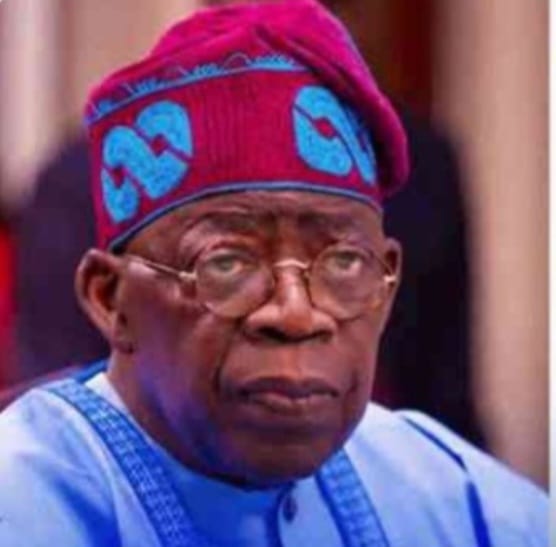
*“New Petrol Import Permits May Reverse Nigeria’s Push for Domestic Refining and Increase Pressure on Foreign Reserve” — Energy Policy Group Tells President Tinubu*
An energy policy group has advised President Bola Ahmed Tinubu to reconsider the wider economic consequences of newly issued permits allowing marketers to import petrol into the country, warning that the move could undermine Nigeria’s efforts to strengthen domestic refining and stabilise the economy.
In a statement released on Sunday in Abuja, the Energy Transparency and Market Justice Initiative (ETMJI) said the approvals granted by the Nigerian Midstream and Downstream Petroleum Regulatory Authority (NMDPRA) could produce unintended consequences if not carefully managed.
The group’s president, Dr. Salako Kareem, said Nigeria was at a delicate moment in its energy transition and that policy choices made now would determine whether the country finally escapes its decades-long dependence on imported refined petroleum products.
Kareem said while the regulator’s responsibility to guarantee adequate fuel supply is understood, expanding import permissions at this stage could weaken the policy direction required to encourage local production and long-term sector stability.
“Our respectful appeal to President Bola Ahmed Tinubu is that decisions concerning petrol importation must be carefully weighed against their long-term economic consequences,” Kareem said.
“Nigeria has spent decades trying to overcome the paradox of being a major crude oil producer while relying heavily on imported refined products. Any policy action that appears to reopen the floodgates of importation may slow down the progress that has been made toward strengthening domestic refining capacity.”
He warned that increasing petrol imports could place additional pressure on the country’s foreign exchange reserves, especially at a time when the government is pursuing difficult economic reforms aimed at stabilising the naira and improving fiscal discipline.
“For many years, the country has lost enormous volumes of foreign exchange importing petroleum products that could ideally be refined locally,” Kareem said.
“If import volumes begin to rise again, the demand for foreign currency will inevitably grow. This could place renewed strain on the naira and undermine the broader economic stabilisation programme that the government is currently pursuing.”
The group also warned that excessive reliance on imported petrol could create opportunities for product dumping and the entry of substandard fuel into the Nigerian market, a challenge that has troubled regulators and consumers in the past.
According to Kareem, Nigeria’s downstream sector has historically struggled with quality control issues whenever importation becomes widespread, because imported fuel often travels through multiple intermediaries before reaching domestic depots.
“One of the lessons from the past is that when imports dominate the supply chain, the market sometimes becomes vulnerable to the dumping of inferior petroleum products,” he said.
“This not only creates regulatory complications but also exposes Nigerian consumers to fuels that may damage vehicles, affect industrial machinery and ultimately impose hidden economic costs on the country.”
He added that encouraging domestic refining and strengthening local supply chains would provide better product traceability and improve overall market transparency.
Kareem stressed that the group’s intervention was not intended as criticism of the NMDPRA, noting that regulators must often make complex decisions to prevent supply disruptions in a volatile energy market.
However, he urged the federal government to ensure that short-term supply management does not weaken long-term national objectives in the petroleum sector.
“We recognise that the regulator has the responsibility to ensure that Nigerians do not experience fuel shortages, and that duty is extremely important,” he said.
“But at the same time, policy coherence is essential. The country must avoid sending signals that could discourage investment in local refining or create uncertainty about Nigeria’s commitment to energy self-sufficiency.”
Kareem said Nigeria now has a rare opportunity to restructure its downstream petroleum industry in a way that strengthens domestic production, protects foreign exchange reserves and builds long-term industrial capacity.
He urged the president to ensure that the country’s regulatory framework reflects that strategic vision.
“Our appeal is simply for policy alignment. If Nigeria truly wants to build a resilient energy economy, then every major decision in the downstream sector must reinforce the goal of reducing import dependence, strengthening domestic production and protecting the country’s economic stability,” Kareem noted.
The group added that careful policy coordination between regulators and the presidency would help ensure that Nigeria avoids repeating the costly fuel import cycles that have historically drained public resources and weakened the national economy.


-

 society6 months ago
Religion: Africa’s Oldest Weapon of Enslavement and the Forgotten Truth
-

 news3 months ago
WHO REALLY OWNS MONIEPOINT? The $290 Million Deal That Sold Nigeria’s Top Fintech to Foreign Interests
-

 society6 months ago
“You Are Never Without Help” – Pastor Gebhardt Berndt Inspires Hope Through Empower Church (Video)
-

 society7 months ago
Who is Chief Kestin Pondi? Niger Delta’s “People’s Chief” Winning Hearts With Hundreds of Millions in Generosity