
celebrity radar - gossips
Ijede Egbin youth forum @3 rolls out achievements

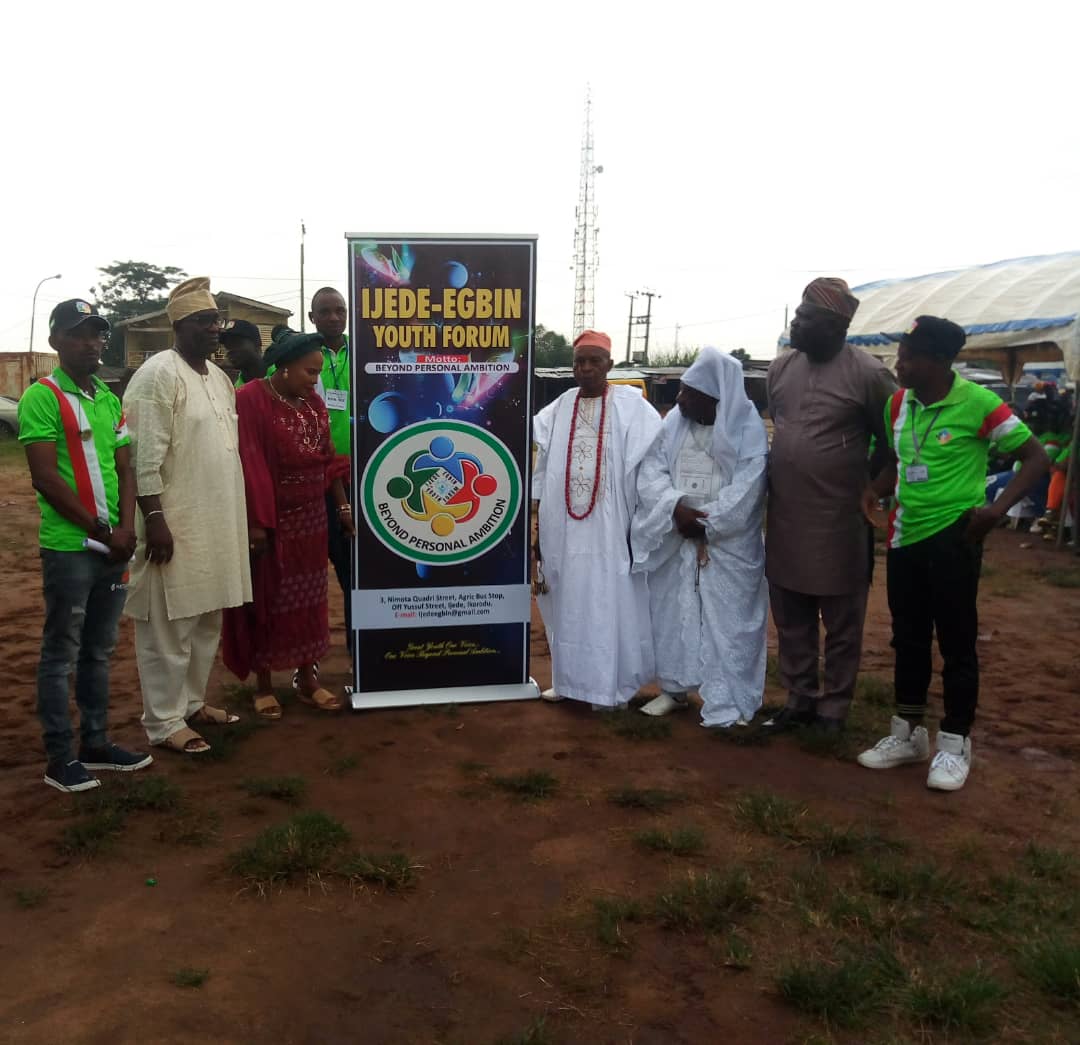
Ijede Egbin youth forum @3 rolls out achievements
The Ijede Egbin youth forum has listed their achievement since the group came on board three years ago.
The youth forum was set up exactly three years ago with the intent of giving the youths in Ijede LCDA a voice, with initiatives and programmes that mobilize, unite and reorientate.
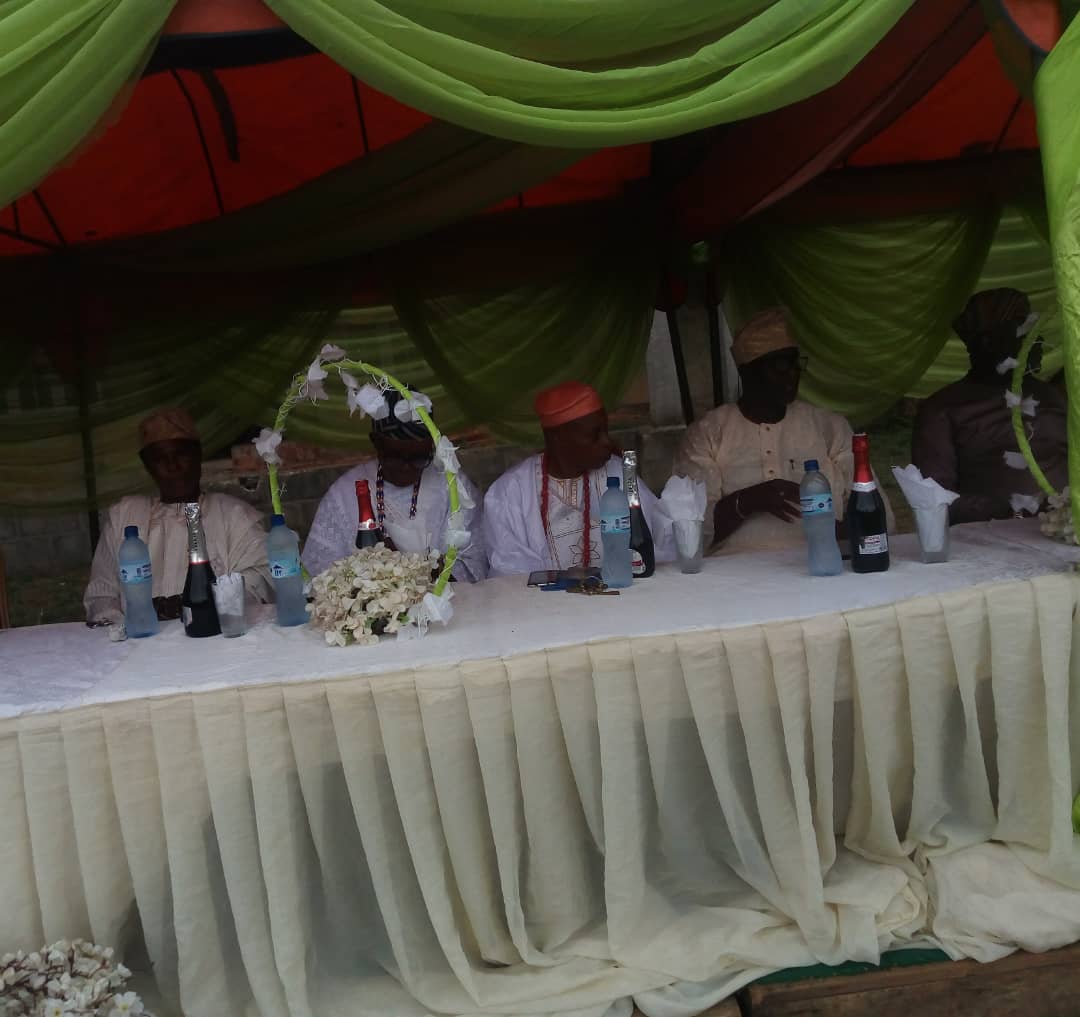
In his speech, the coordinator, Prince Olumide Musediq acknowledged the achievements of the forum which he said would not have been possible without the Almighty Allah.
“Initially, it was a little tough because of the misconception about the group that gave the wrong impression which made some stakeholders reject the concept while some gave considered it and gave the required support.
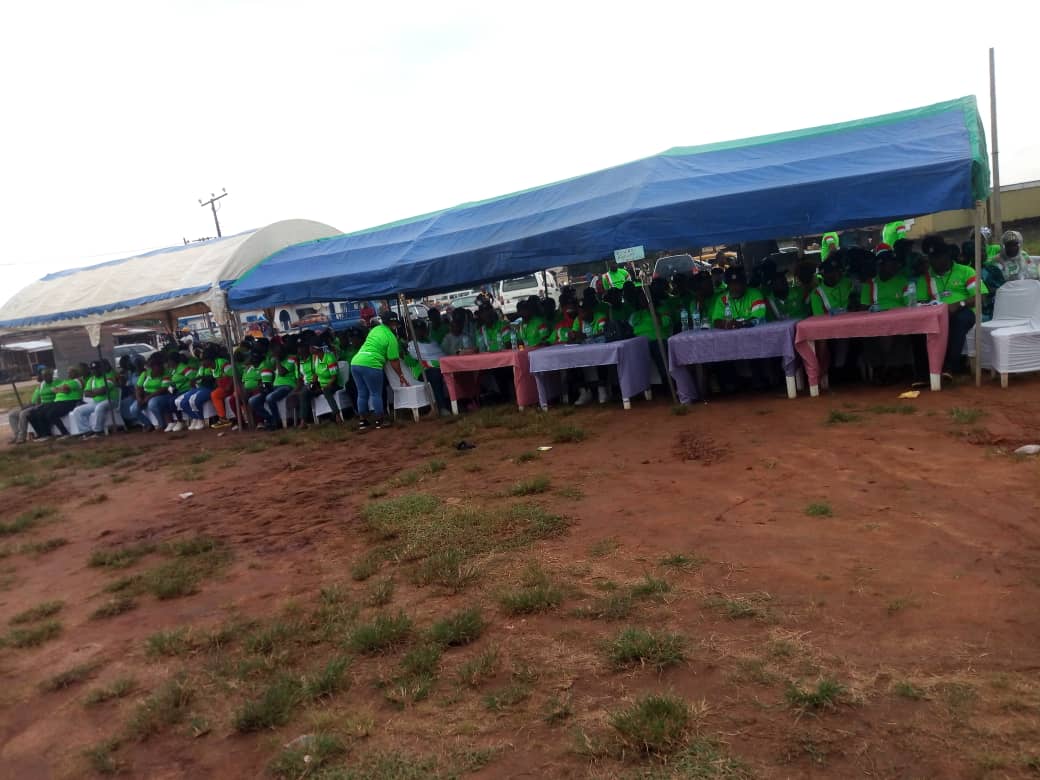
“As a group that is committed to adding values to lives, we were motivated with the support to forge ahead.
“The battle ensued when we took up the challenge of getting our community regular supply, adequate and justifiable electricity bills.
Sincerely it was tougher than what we presumed, but our spirit drives us to withstand the challenge”.
Musediq said they understood that security is everybody’s business so they embarked on a constant discussion on how to reduce crime if not totally eradicated.
“This is one of our areas of concentration, we have been partnering with security agencies by giving necessary support to the institutions, Baales and other authorities in the land to make sure that our community is crime-free.
“Secondly, we took up the challenge of getting our community a steady and regular supply of electricity, adequate and justifiable bills.
” The host communities Ijede, Egbin and Ipakan and all environs were in total darkness which crippled all businesses and discouraged investors.
“After a series of letters and unyielding meetings, our research informed us of the possibility of getting direct supply from Transmission Company of Nigeria (TCN) at Egbin Terminal to save Ijede LCDA from torment of electricity provider.
“We were also made to understand that there is a 100mva transformer that was primarily brought to power the host communities but lying obsolete at TCN Egbin.
“We took it up by writing the appropriate quarters to this effect but we were made to understand why the 100mva transformer need to be replaced for 300mva”.
He added that having considered the reasons by the concerned authorities, the community agreed to receive the 300mva, to the glory of God the transformer was energized to powered Ijede LCDA in March.
“But unfortunately, the transformer got damaged by the electricity provider due to their negligence and illegal extension of the transformer to non designated areas.
“This we protested against the day it was energized so, that brought the royal institutions in Ijede LCDA together to speak with one voice for the first time in several years”.
Continuing with the group’s achievements, Musediq said their “catch them young programme” that is targeted at their young ones especially students at different levels had yielded the desired result.
“The concept is to make them understand the negativity in crime which systemically discourages them from joining any evil gang that will destroy them.
“Also, our seasonal skill acquisition training programmes, legitimate online business and empowerment training are other ways that had gotten the youths engaged.
“There is an ongoing discussion with some companies for sponsorship on the project to enable them to get more sophisticated equipment”.
Musediq used the opportunity to thank the current executive governor of Lagos state Mr Babajide Sanwo Olu for the just concluded and commissioned phase(1) one of Ijede road with efforts of the immediate past chairman of Ijede LCDA.
Barr. Taiwo Junaid, the chairman of Elder’s Advisory Council said that the forum was inaugurated to serve as advisors that will guide the youth on the part of legality.
Taiwo explained that their duty is to make sure that the youth is guided so that whatever they would be doing will be legal and reasonable.
He pointed out that one of the major problems in the community before the youth set up the forum was the issue of electricity bills which used to be outrageous.
“But since the youth came on board by the grace of God, things have taken the due process.
“We are peacemakers, we do not want to take what belong to us by violence that is why we engaged the electricity authority to give us what belongs to the community because it is our right.
“We are the host community and we are demanding for our right, and our right should not be denied because we are entitled to it.
“We should have a prepaid meter, enough of outrageous bills, it should stop, he added.
According to Taiwo, the community should not suffer while the people in other places are enjoying, to be sincere the community should enjoy light, it is their right”.
He advised the community to continue living in peace and see one other as one, and stay away from violence.
” Since the inception of the forum it has been and still is a peaceful organization, and we are the host community.
The Chairman Board of Trustee (BoT), Prince Lanre Kuye, commended the efforts of the youth forum so far.
“We are celebrating our 3rd anniversary, the youths have done massively well in our community, kudos to them, we need to honour them and those who have done well for the progress and welfare of this community.
“What we are seeing today is the impact of our great youths and aside from that, we decided to launch a bus for them to move around.
“In the last three years it has been very tough but we were able to join our hands together, we have been able to meet the stakeholders of the community for our progress and I will urge the youths to try and go beyond personal ambition and move the community forward”.
High Chief Aliu Sunmola Musediku, the regent of Ijede kingdom ,said the anniversary meant a lot to them.
He, therefore, praised the youths. In his words, ” they have done so many things and we believe they are going to do more that is the reason we associate with them, he said.
“I will ensure that there is a continuous peace in the community and the youths would be focused and not derail from the purpose of the forum.


celebrity radar - gossips
E‑Money’s Grand Gesture: A Closer Look at the SUV Gift to Chinedu “Aki” Ikedieze

E‑Money’s Grand Gesture: A Closer Look at the SUV Gift to Chinedu “Aki” Ikedieze
By George Omagbemi Sylvester | Published by SaharaWeeklyNG
“Public Generosity, Celebrity Loyalty and the Symbolism of Wealth in Nigeria’s Entertainment Elite.”
On Tuesday, February 17, 2026, Nigerian billionaire and entrepreneur Emeka Okonkwo, widely known as E‑Money, once again captured national attention with a lavish and highly publicised act of generosity, gifting a brand‑new 2024/2025 Ford SUV to veteran Nollywood actor Chinedu Ikedieze, affectionately called Aki, during his high‑profile birthday celebration.
The event, held in Lagos amidst a constellation of entertainers, business figures and socialites, was itself part of an annual tradition in which E‑Money marks his birthday (on February 18) with large‑scale giveaways and spectacular shows of material philanthropy. This year, he announced the gift of over 30 cars to friends, staff and family, a gesture that quickly went viral as videos and images circulated across social media platforms.
In the case of Ikedieze, E‑Money’s gift appeared to be deeply personal. During the festivities, E‑Money stood beside his elder brother, Grammy‑nominated musician KCee and recounted how Ikedieze stood by him at his 2007 wedding. The billionaire explained that the SUV was a “token of appreciation” for the enduring support the actor had shown over the years which is a narrative that blends friendship with public celebration.
Ikedieze, a Nollywood staple with a career spanning more than two decades and over 150 film credits, including the iconic Aki na Ukwa franchise, visibly reacted with humble surprise as he received the vehicle, bowing his head in respect and gratitude. The actor later shared the moment on his Instagram account with a caption celebrating the gift, further fuelling online engagement around the event.
Beyond the spectacle, this incident underscores evolving dynamics in Nigerian celebrity culture and the intersection of wealth, influence and reciprocity. Sociologist Dr. Chinedum Uche of the University of Lagos, speaking on the broader implications of such high‑profile gifts, notes: “Philanthropy that is highly publicised can reinforce social bonds, but it also reflects a culture where generosity is intertwined with reputation economy; where giving becomes as much a social signal as it is an act of kindness.” The quote highlights how public acts of wealth transfer among elites serve layered social functions that extend beyond pure altruism.
Critics of such displays argue that ostentatious giveaways, particularly in a country with stark economic disparities, risk amplifying social envy and exacerbating perceptions of inequality. Economist Dr. Ifunanya Nwosu from the Lagos Business School observes: “In societies marked by economic stratification, celebrity largesse may inspire admiration, but it can also inadvertently highlight structural inequities; prompting questions about systemic investment in public welfare versus individual generosity.”
Still, supporters maintain that E‑Money’s annual tradition (which has in past years included cash gifts to his brother KCee, comedians and even domestic staff) reflects genuine gratitude and a commitment to uplifting his immediate circle, albeit within the private sphere.
For Ikedieze, the SUV stands both as a heartfelt gesture from a longtime friend and a public affirmation of their enduring relationship. As the video of the moment continues to circulate, the broader narrative has ignited discussions about the role of private wealth in public life, celebrity culture and how acts of giving are interpreted in contemporary Nigerian society.
In a landscape where influence and generosity often play out in equal measure on public stages, E‑Money’s gift to Aki is more than a headline, it is a flashpoint in ongoing debates about wealth, friendship and visibility in Nigeria’s entertainment and entrepreneurial ecosystem.
celebrity radar - gossips
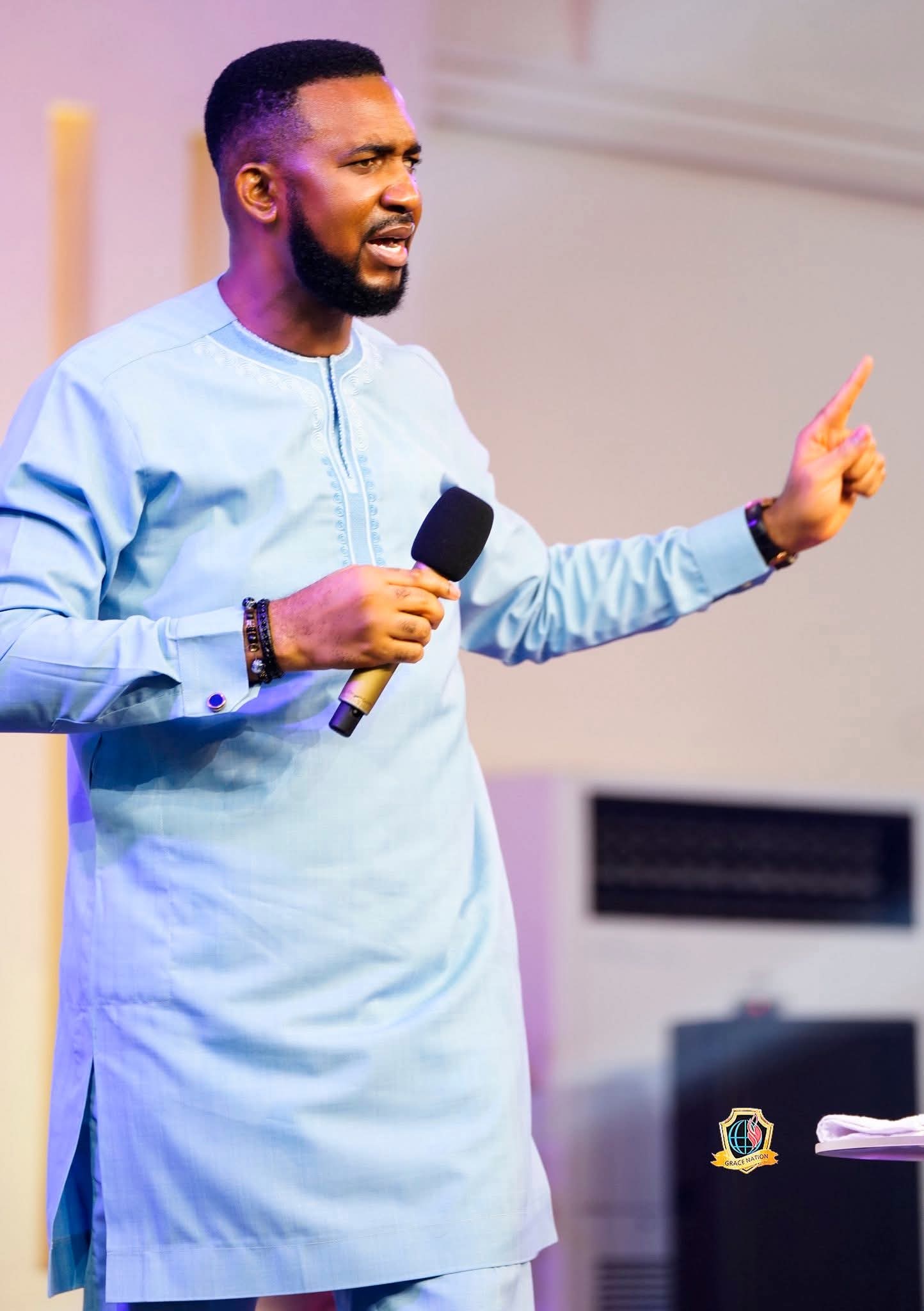
Spiritual Reality: Wicked People Are Possessed by Wicked Spirits — Dr. Christian Okafor
Spiritual Reality: Wicked People Are
Possessed by Wicked Spirits — Dr. Christian Okafor
…..“You don’t need to offend them before they attack you.”
…..“Your only true help comes from God.”
Demons are strategic and calculating. They detect threats quickly and position themselves to resist any power that may expose or overpower them.
According to the Generational Prophet and Senior Pastor of Grace Nation Global, Christian Okafor, spiritual intelligence operates both in light and in darkness—and believers must understand this reality.
Dr. Okafor delivered this message on Thursday, February 19, 2026, during the midweek Prophetic, Healing, Deliverance and Solutions Service (PHDS) held at the international headquarters of Grace Nation Worldwide in Ojodu Berger, Lagos, Nigeria.
The Operations of Demons
Teaching on the subject “Spiritual Reality” with the subtitle “Operations of Demons,” the Man of God explained that when demons possess individuals, their behavior changes. Such people may attack, bully, or resist those sent by God to help them, unknowingly rejecting divine assistance and prolonging their struggles.
“You don’t need to offend a demon before it attacks you,” he said. “What you carry is enough to provoke opposition. The greater your potential, the greater the battle.”
Dr. Okafor noted that many believers misinterpret battles as signs that God has abandoned them. However, he explained that some battles are permitted for growth, training, and divine glorification.
According to him, God may allow certain confrontations so that believers understand spiritual warfare and emerge stronger.
“Some battles are necessary,” he emphasized. “They push you into your turning point.”
He further stated that God does not respond to lies, blackmail, or bullying. He responds to His Word. Therefore, opposition is not proof of God’s absence, but often evidence of destiny at work.
The Weapon Against Demonic Attacks
Addressing solutions, Dr. Okafor described prayer as the strongest weapon against satanic operations.
“Prayer is the license that invites God into your battles,” he declared. “God does not intrude—He responds to invitation.”
According to the Apostle of Altars, understanding the principles and discipline of prayer enables believers to receive divine strategies for overcoming demonic resistance. Without prayer, he warned, spiritual help cannot be activated.
“You cannot receive help without God,” he concluded. “And you cannot engage God without prayer.”
Manifestations at the Service
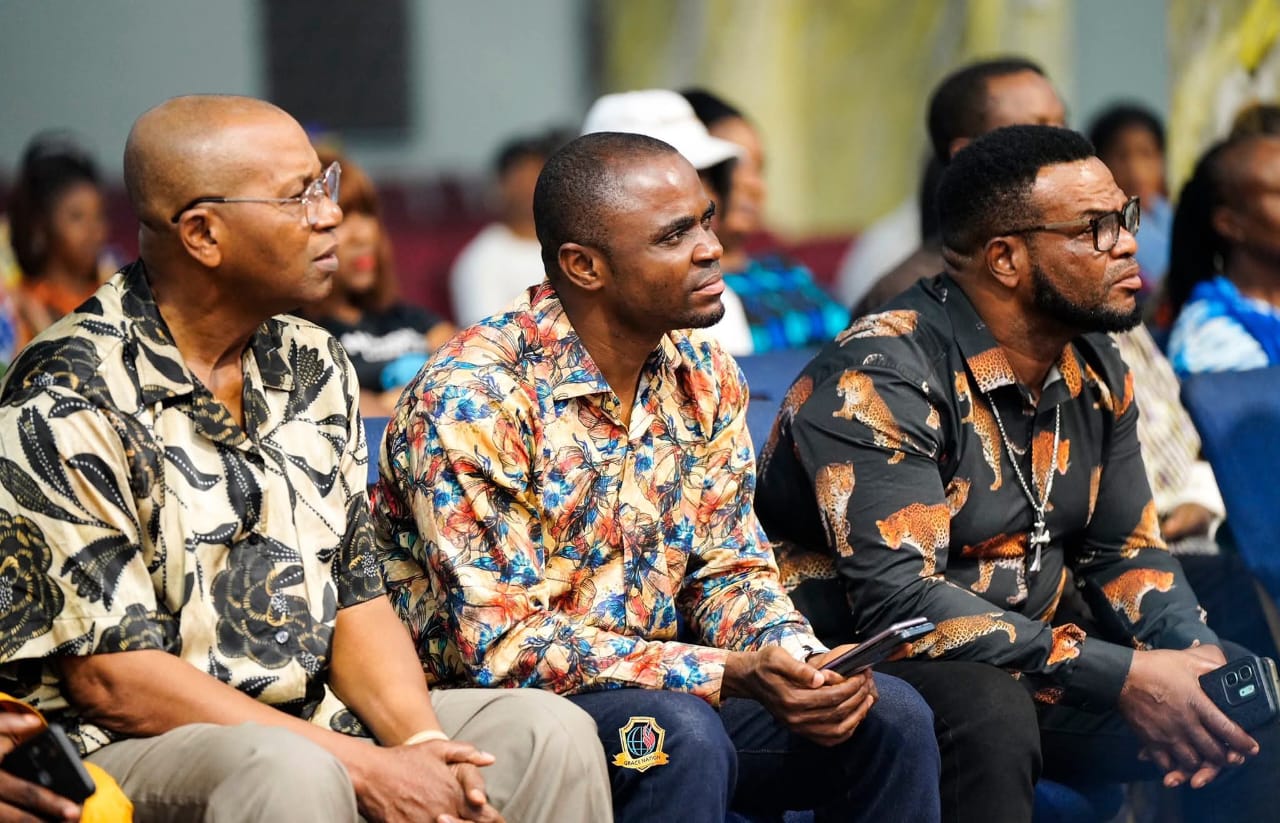
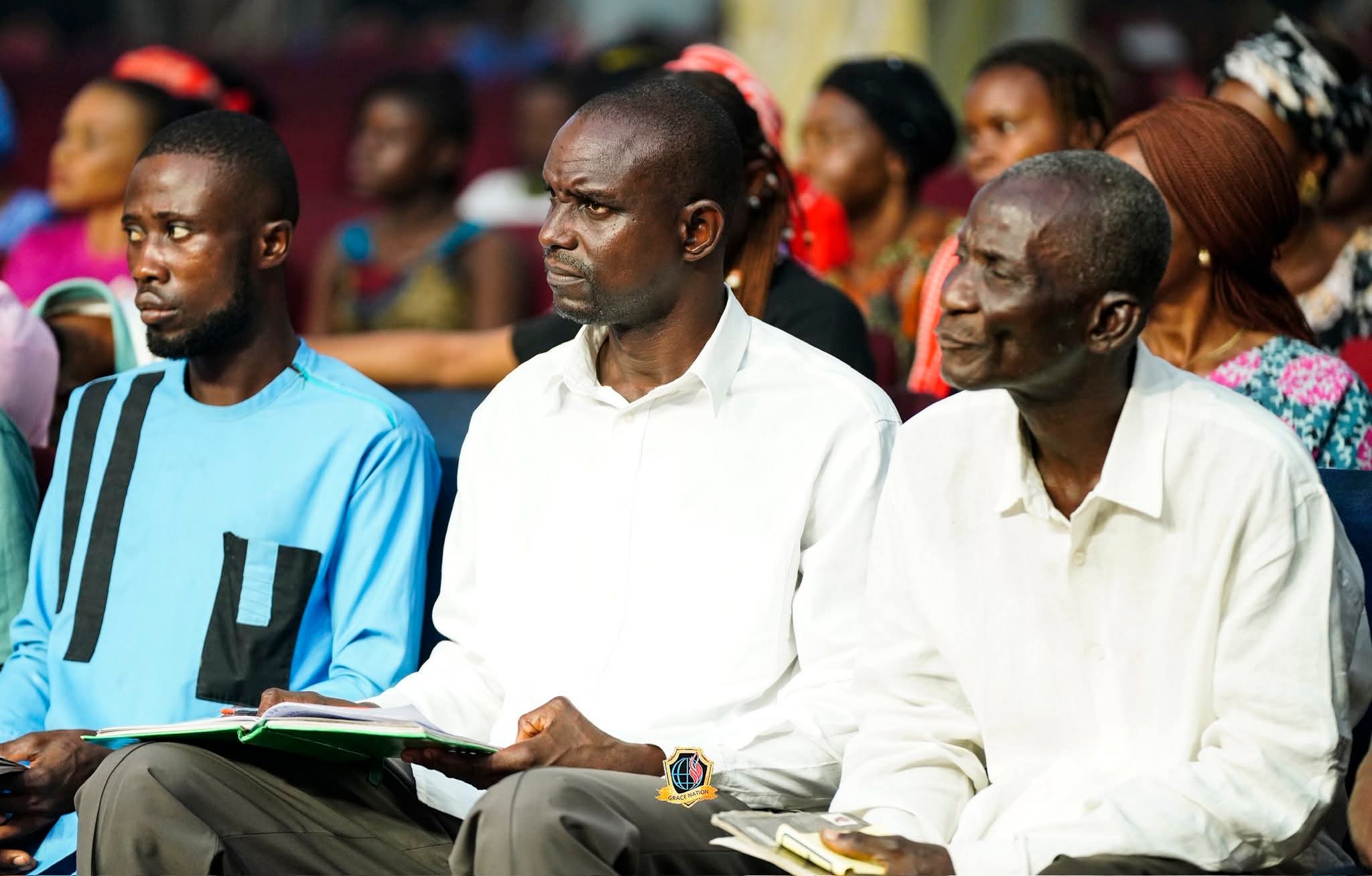
The midweek gathering was marked by a strong move of the Spirit, with testimonies of deliverance, miracles, restoration, and solutions to various challenges presented before God. Several individuals reportedly committed their lives to Christ during the service.
celebrity radar - gossips
Kingdom Advancement: God Does Not Confirm Lies or Gossip — He Confirms His Word .” — Dr. Chris Okafor
Kingdom Advancement: God Does Not Confirm Lies or Gossip—He Confirms His Word
“When Doing Business with God,
People’s Opinions Do Not Count.”
— Dr. Christian Okafor
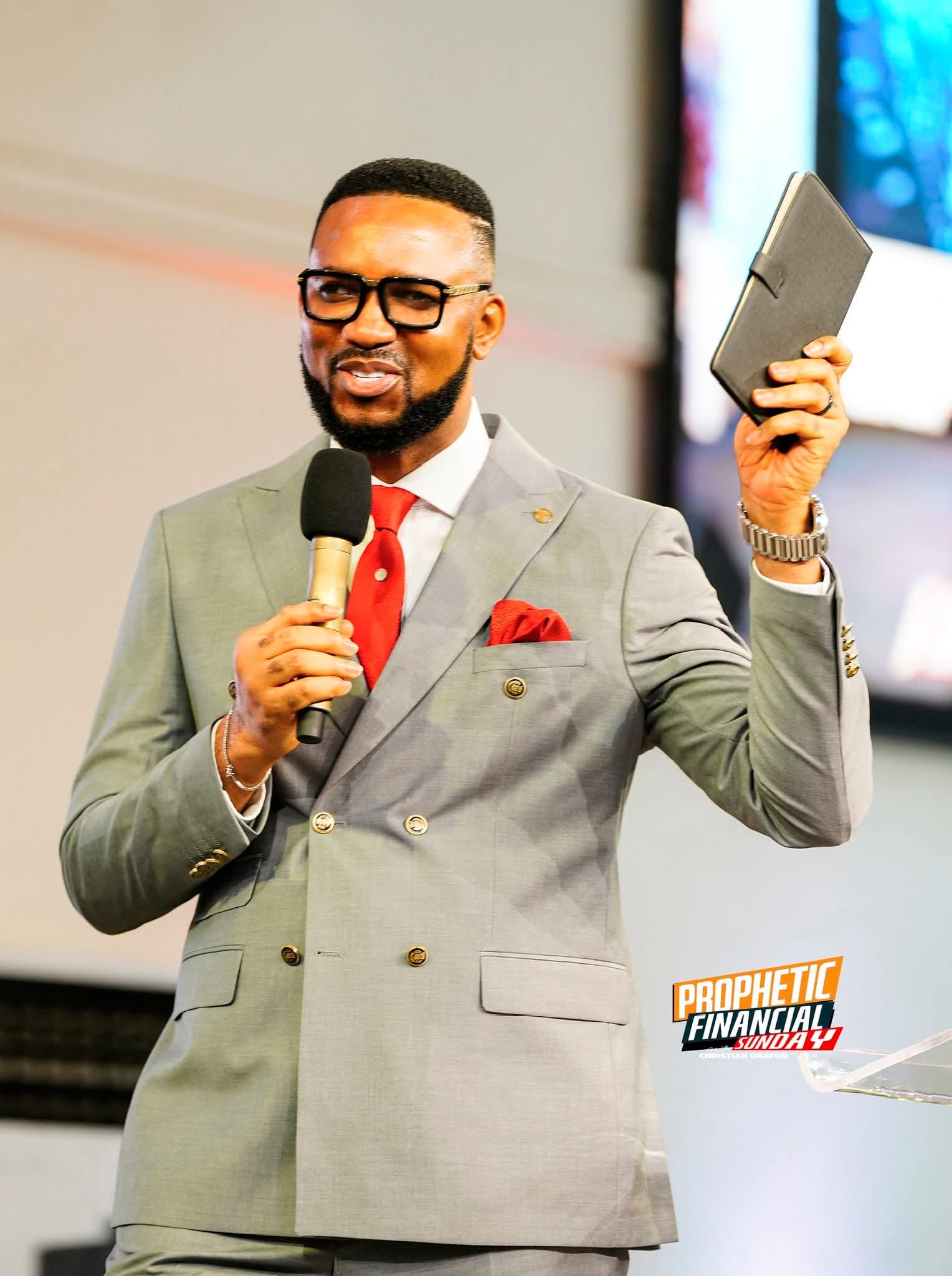
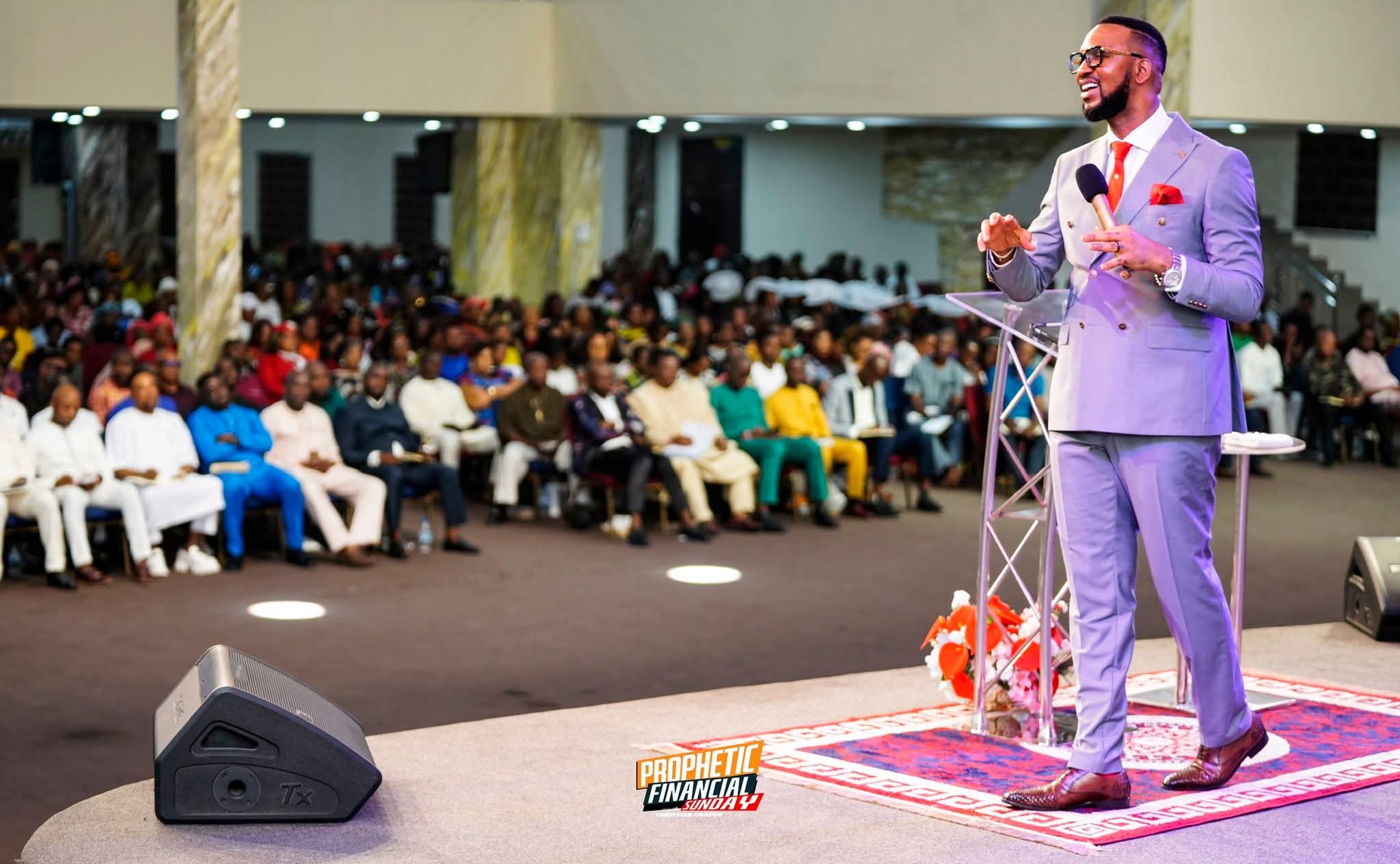
The greatest investment any Christian can make is partnering with God. According to the Generational Prophet of God and Senior Pastor of Grace Nation Global, Christopher Okafor, when a believer commits to serving and advancing God’s kingdom, no barrier, lie, gossip, or blackmail can prevail against them.
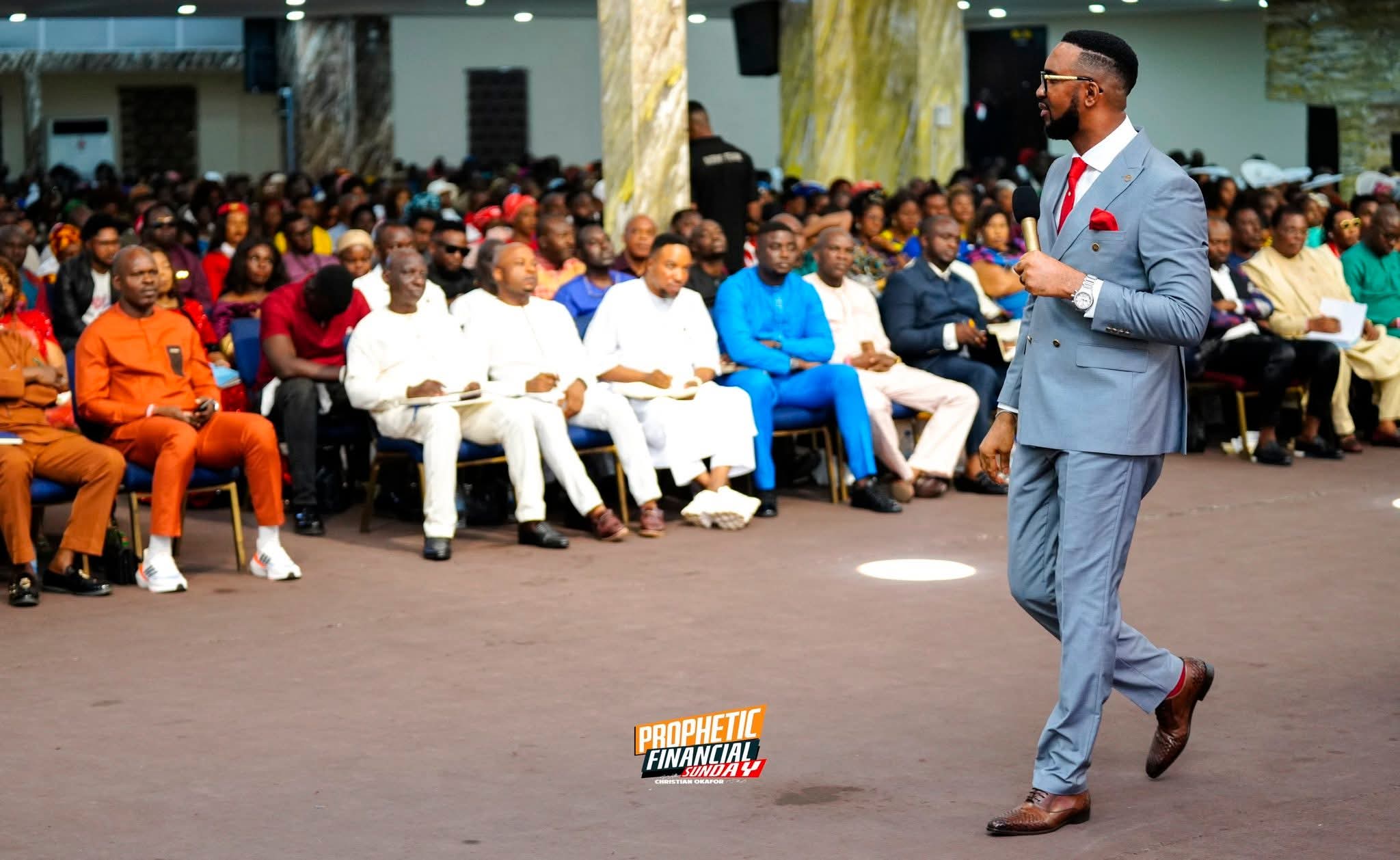
This message was delivered during the Prophetic Financial Sunday Service held on February 15, 2026, at the international headquarters of Grace Nation Worldwide in Ojodu Berger, Lagos, Nigeria.
Doing Business with God
Teaching on the theme “Kingdom Advancement” with the subtitle “Doing Business with God,” Dr. Okafor emphasized that when a believer enters into covenant partnership with God, divine backing becomes inevitable.
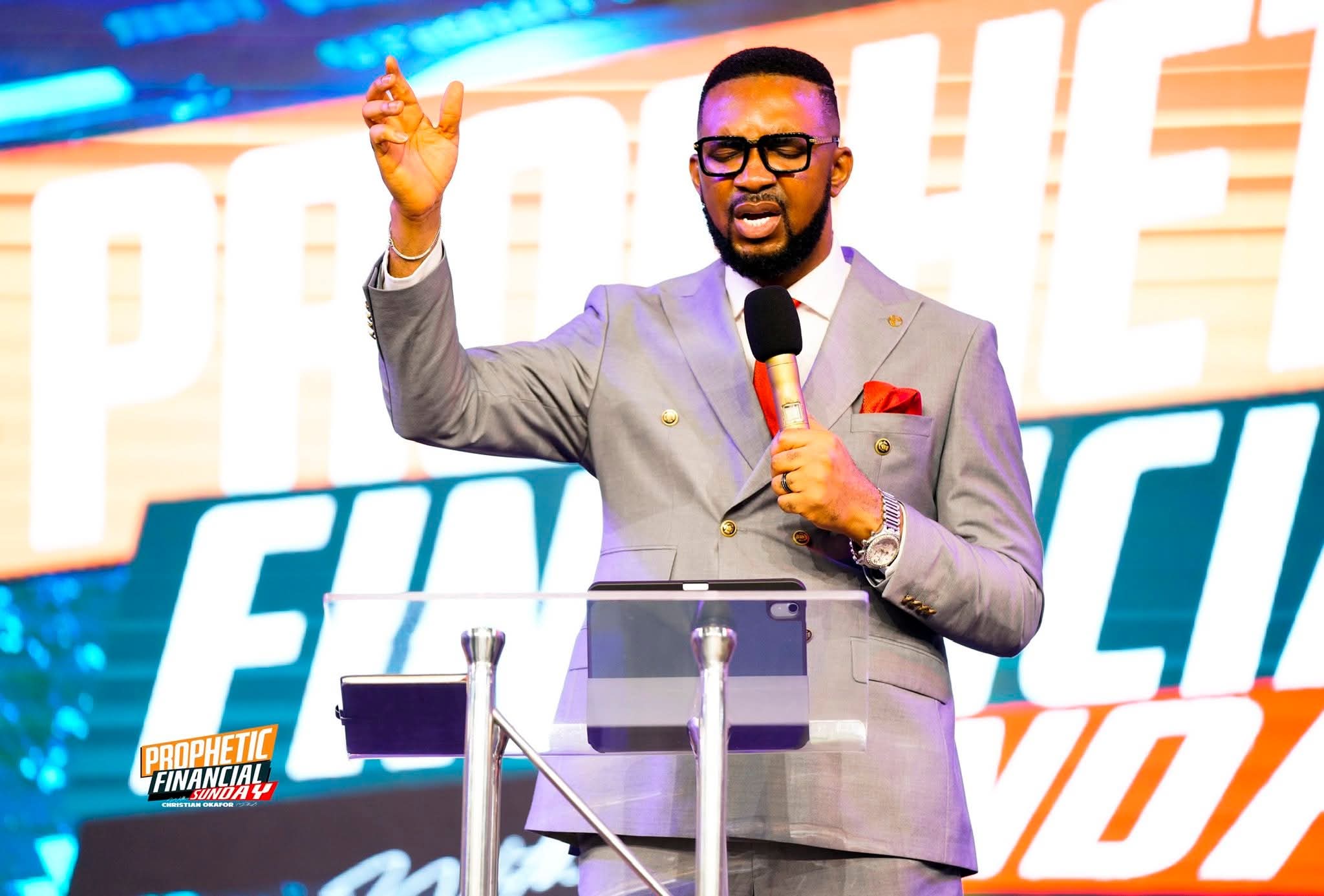
“God is still in the business of covenant,” he declared. “When you make a covenant with Him, He honors the terms. When you win souls into the kingdom and remain committed to His work, He rewards you with what you could never achieve by your own strength.”
The Man of God stressed that God does not confirm lies, gossip, or negative narratives—He confirms His Word. Therefore, anyone genuinely committed to kingdom business should not be distracted by public opinion.
“No matter the blackmail or falsehood circulating around you, if you are focused on God’s assignment, those attacks will only strengthen you,” he stated.
He further noted that a believer’s understanding of God’s covenant determines their experience. “Your mentality about God’s covenant becomes your reality. When you truly know the God you serve, no devil can move you.”
Biblical Examples of Kingdom Partnership
Dr. Okafor cited several biblical figures who prospered through their partnership with God:
Abel
Abel served God with sincerity and offered his very best. His sacrifice pleased God, demonstrating that when a master is honored, he responds with favor.
David
David’s heart was fully devoted to God, and in return, God’s presence and favor rested upon him throughout his life.
Hannah
Hannah made a covenant with God, promising that if He blessed her with a child, she would dedicate him to His service. After fulfilling her vow, God rewarded her abundantly, blessing her with additional children.
Peter
Peter, a professional fisherman, surrendered his boat at Jesus’ request for kingdom work. Through that act of partnership and obedience, he experienced supernatural provision and divine elevation.
Conclusion
In closing, Dr. Okafor emphasized that one’s approach to God’s covenant determines the level of success and prosperity experienced. Commitment to kingdom advancement secures divine confirmation and supernatural results.
The Prophetic Financial Sunday Service was marked by prophetic declarations, deliverance, healings, miracles, restoration, and solutions to diverse cases presented before Elohim.


-

 celebrity radar - gossips6 months ago
Why Babangida’s Hilltop Home Became Nigeria’s Political “Mecca”
-

 society6 months ago
Power is a Loan, Not a Possession: The Sacred Duty of Planting People
-
 society5 months ago
Religion: Africa’s Oldest Weapon of Enslavement and the Forgotten Truth
-
 news6 months ago
THE APPOINTMENT OF WASIU AYINDE BY THE FEDERAL GOVERNMENT AS AN AMBASSADOR SOUNDS EMBARRASSING