
news
Nigerians celebrate the heroics of August Agboola Brown against Adolf Hilter’s Invasion

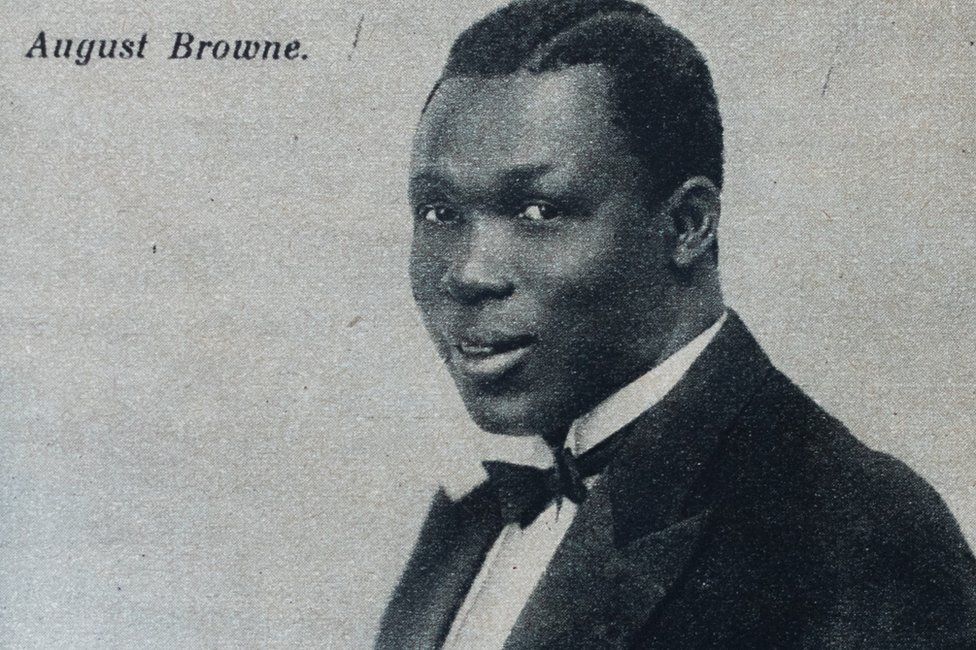
Nigerians celebrate the heroics of August Agboola Brown against Adolf Hilter’s Invasion
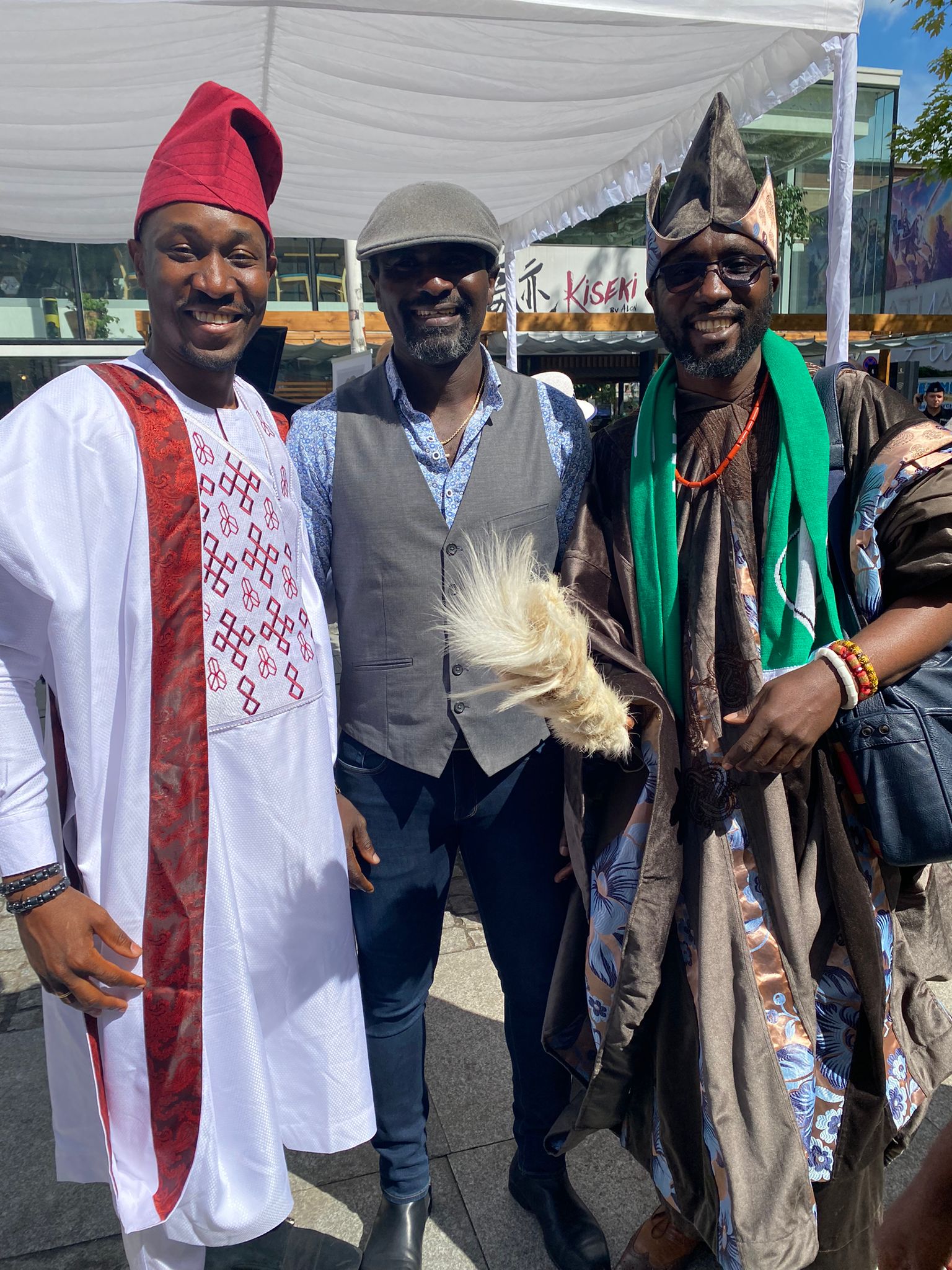
Nigerians living in Poland, on Monday, gathered to celebrate the heroic exploit of August Agboola Brown during the invasion of Warsaw by the Adolf Hitler controlled Nazi German soldiers between 1939-1944.
August Agboola Brown, according to history, was the only African descent and a Nigerian who fought on the side of the Resistance Army of Poland with the codename “Ali” during the World War II to put the German soldiers in check. About 200,000 Polish were said to have perished in this brutal uprising.
The event said to have been sponsored by Afro Euro Investment and International Afryka Shop Warszawa, Poland among others had in attendance Nigeria Ambassador to Poland, His Excellency, Christian Ugwu, Dr Tade Omotosho, NIDO Poland President, Prince Adekunle Adebayo Ayoola, Mrs Patience Okiyi and Dr Emmanuel Kalejaiye from Nigeria Embassy in Poland.
Others are Mr. Krzysztof Kopytko of Ministry of Foreign Affairs, Sub-Saharan African Division, Mrs. Iwona Woicka-Zuławska (Director of Economic Relations, Ministry of Foreign Affairs.
Dr. Lucyna Żbikowska as well as Izabela Janiszewska among other Nigerians resident in Poland.
Leading Nigerians to join Poland to mark the 78 years anniversary of the World War II in Warsaw on Monday, Dr. Lateef Erinfolami from the Nigerian Professionals in Diaspora Organization, Poland (NPIDOP) and the Chairman, Local Organising Committee of the programme said that the event was an opportunity to salute the sacrifice and bravery of Mr. Agboola Augustus Brown while also paying tribute to all the heroes and victims of the Warsaw uprising.
Thanking the Polish government for allowing the construction of cenotaph for the late war veteran as well as commemoration of his heroic feats every first day of August when Warsaw Uprising anniversary is marked, Dr Erinfolami said the government of Poland should further immortalise Agboola by naming streets around Poland in his name and establishing a Science and Art Foundation
for young Africans in his remembrance.
Dr Erinfolami said “we the Nigerian diasporan in Poland appreciate all the people and Historians who brought to us the life and history of Agboola Brown and his heroic contribution to the Warsaw uprising.
“We thank the “Freedom and Peace Foundation” and the City of Warsaw under the presidency of Mr. Rafal
Trzaskowski for the recognition of Mr. Agboola which has made our commemoration possible today.
“In the name of all African association and African residents in Warsaw and Poland in general we say your fight is our fight, your Hero is our Hero just as we enjoy the comfort and welcoming friendship of the polish people.
“Today, as we commemorate the sacrifice and bravery of Mr. Agboola Augustus Brown, we pay tribute, by bending our heads, to all the heroes of Warsaw Uprising, both the anonymous ones and those remembered in historical documents, we pay tribute to the memories of the heroes and victims of World War II and the victims of Nazi genocide.
“Additionally, we recognize the multitude of African men and women who are making their mark daily to promote the good image of their mother nation and the adopted Land of Poland. We recognize you for your sacrifices and dedication”.
Mr. Agboola was said to have been born in Lagos, today Nigeria on 22nd July 1895 to Father Mr. Wallie and Mother Jozefina daughter of John who is believed to be of Polish origin.
However, much is said not to be known of Agboola’s Polish lineage as it still couldn’t be proved and this is even said to be contrary to how he was referred to in the press after his marriage as an authentic black man marrying an authentic white woman. It is generally safe to say Agboola was an authentic African man from today Nigeria.
Agboola after his secondary education was said to have joined his grandparents on the farm but later opted for adventure to the new world on a merchant ship as a Sailor.
In England, he was said to have joined a touring Jazz group, playing around Europe from where he later landed in Poland in 1922.
From several publications and archival records; Mr. Brown lived at Złota Street in Warsaw. He was a professional Jazzman and worked in clubs. His first album was recorded in 1928 which was historic as he was possibly the first African musician to have achieve this in Europe at that time.
Agboola reportedly got married in Krakow to a Polish woman in person of Ms Zofia Pykówna, they had two sons – Ryszard (Richard) in 1928 and Aleksandra (Alexandra) in 1929. His friends and neighbors were said to have remembered him as a very intelligent, courteous person, and a polyglot (he spoke six languages).
Unfortunately, in 1939 Poland became the first victim of Nazi declaration of War on Europe. Warsaw was occupied, Agboola was said to have volunteered to use his knowledge and insight within the city as an asset in the ranks of the resistance Polish Home Army, the biggest partisan force in World War II.
Since every resistance soldier is referred by his/her Alias, Agboola Brown chose the nickname “ALI” and he daringly toiled, defending the city of Warsaw alongside the brave men and women of the Polish Home Army (Armia Krajowa) notwithstanding the ruthless Nazi German occupation force until its final hour.
As confirmed in several archival documents, where one can read:
“Home Army -1st District “Radwan ” – Sub-District “Sławbor” – Battalion “Iwo”. His immediate commander was Corporal Aleksander Marcińczyk code-name “Łabędź” [- Swan]. (the end of ąuote)
Among the memories, one can also find the testimony of Jan Radecki code-name
“Czarny”, who confirms that he saw “Ali” “at the command post at 74 Marszałkowska Street,
and fought together with him, shoulder to shoulder, in August 1944 “. (the end of quote)
The end of struggle came, when Hitler ordered the annihilation of Warsaw, killing over 200 000 people with total destruction of Warsaw infrastructures and buildings. Fortunately, Agboola survived the war.
Although, there is said to be little reliable information on his life after the war. It was reported that he worked in the Department of Culture and Art of the City of Warsaw around 1949.
It was also learnt that he played an episodic role in 1953 Polish propaganda movie “Żołnierz Wolności”
(„Soldier of Victory”) about the life of communist general Karol “Walter” Świerczewski.
Agboola later emigrated to United Kingdom in 1958. There he lived anonymously for almost two decades and passed away 8th September 1976.


news
Lumiegee Shines Bright: Nigerian – London Based Music Sensation Wins Silver at Global Music Awards for “Yehba”

Lumiegee, the talented Nigerian recording artist, audio engineer, and songwriter, has been honored with two Silver Medals at the prestigious Global Music Awards (GMA) for his captivating single “Yehba”.
The GMA, a top-tier international music competition, recognized Lumiegee’s outstanding work in the AfroBeats genre and the music video for “Yehba”, solidifying his position as a rising star in the music industry.
“Yehba” has been making waves in the Nigerian music scene, earning Lumiegee recognition from Soundcity TV Africa, CMJ TV UK, and other prominent music platforms. This latest accolade further cements his reputation as a force to be reckoned with in Afrobeats.
Lumiegee’s music style, a fusion of Afropop, R&B, Soul, and World music, has captivated audiences worldwide. His unique sound draws inspiration from legendary artists such as King Sunny Ade, Fela Kuti, and Stevie Wonder.
The Global Music Awards is a respected music industry recognition platform, promoting award honorees through social media and press releases to over 20,000+ musicians, music managers, record labels, and industry contacts.
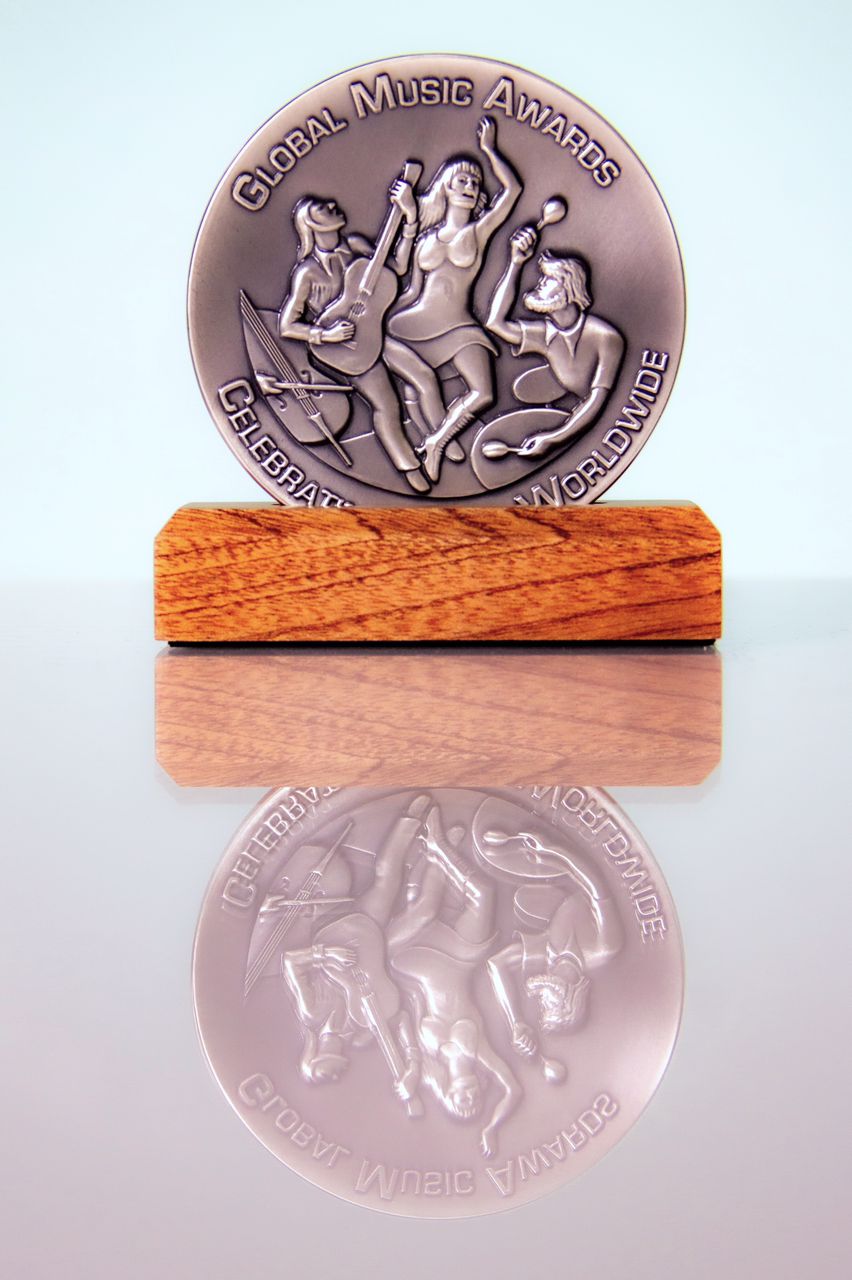
Website: https://www.globalmusicawards.com/honorees/home
For more information on Lumiegee and his music, visit @lumiegee on Instagram.
*About Lumiegee:*
Lumiegee, born Olumide A. d’Goke Adeisa, is a Nigerian recording artist, audio engineer, and songwriter with a decade of experience in the music industry. His music blends cultural influences, emotional depth, and catchy hooks, resonating with fans across Africa and beyond.
Contact:
@lumiegee (Instagram)
LumieTech
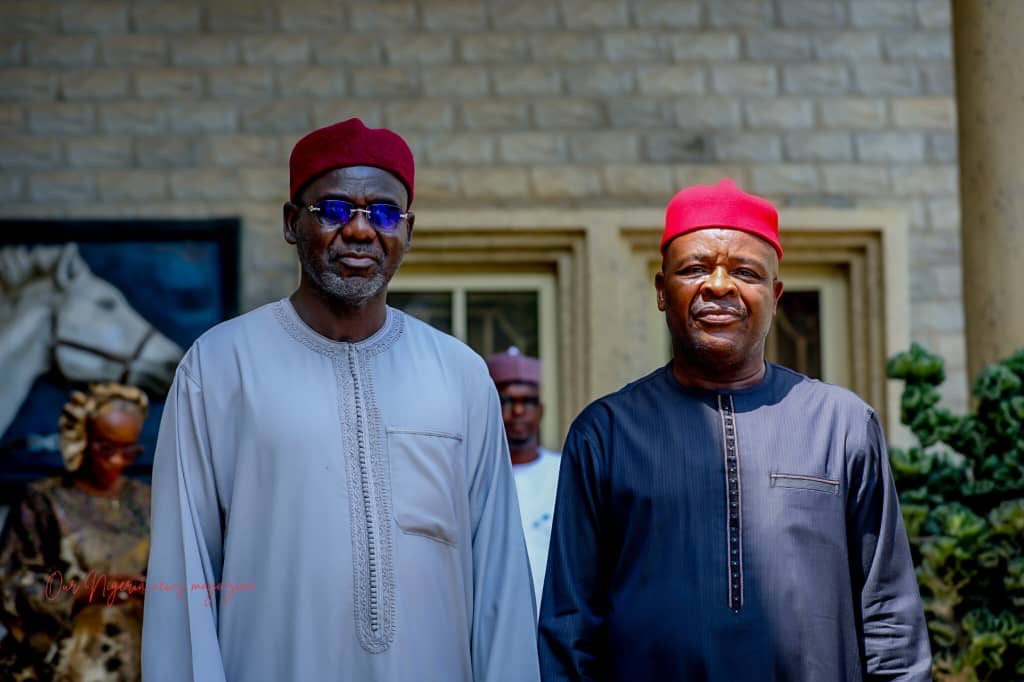
Buratai Pays Tribute to Ihejirika at 70, Hails Mentorship and Legacy of Leadership
Former Chief of Army Staff and Nigeria’s immediate past Ambassador to the Republic of Benin, Lt. Gen. (Rtd) Tukur Yusuf Buratai, has paid a glowing tribute to his predecessor, Lt. Gen. OA Ihejirika, as the retired General marks his 70th birthday.
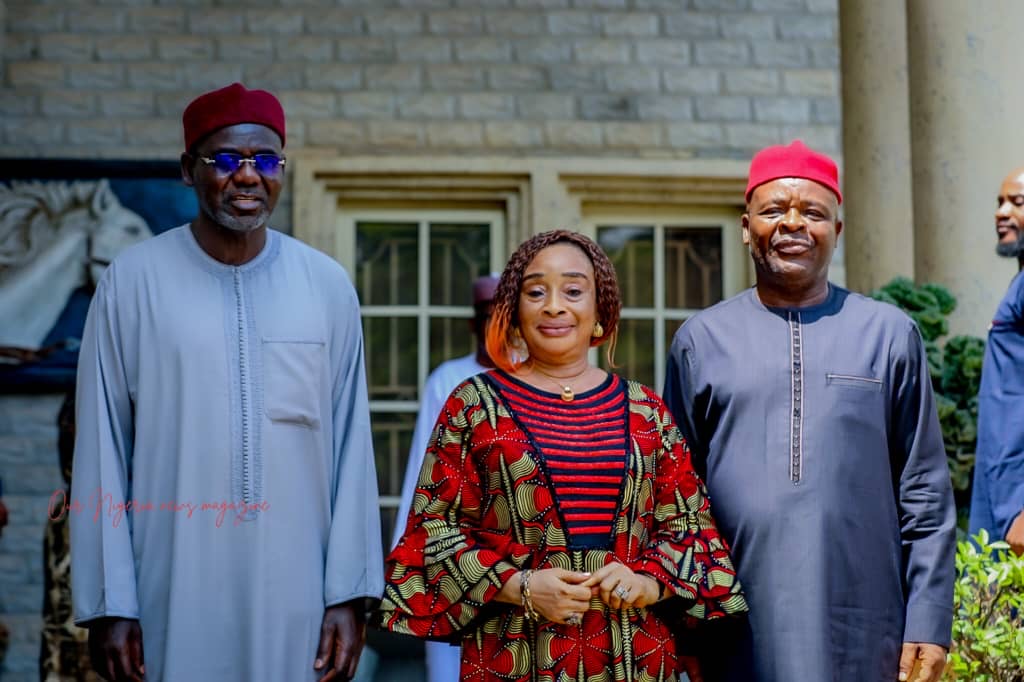
In a heartfelt message released in Abuja on Friday, Buratai described Ihejirika as not only a distinguished soldier and statesman, but also a commander, mentor, and “architect of leadership” whose influence shaped a generation of senior military officers.
Buratai recalled that his professional rise within the Nigerian Army was significantly moulded under Ihejirika’s command, citing key appointments that defined his career trajectory.
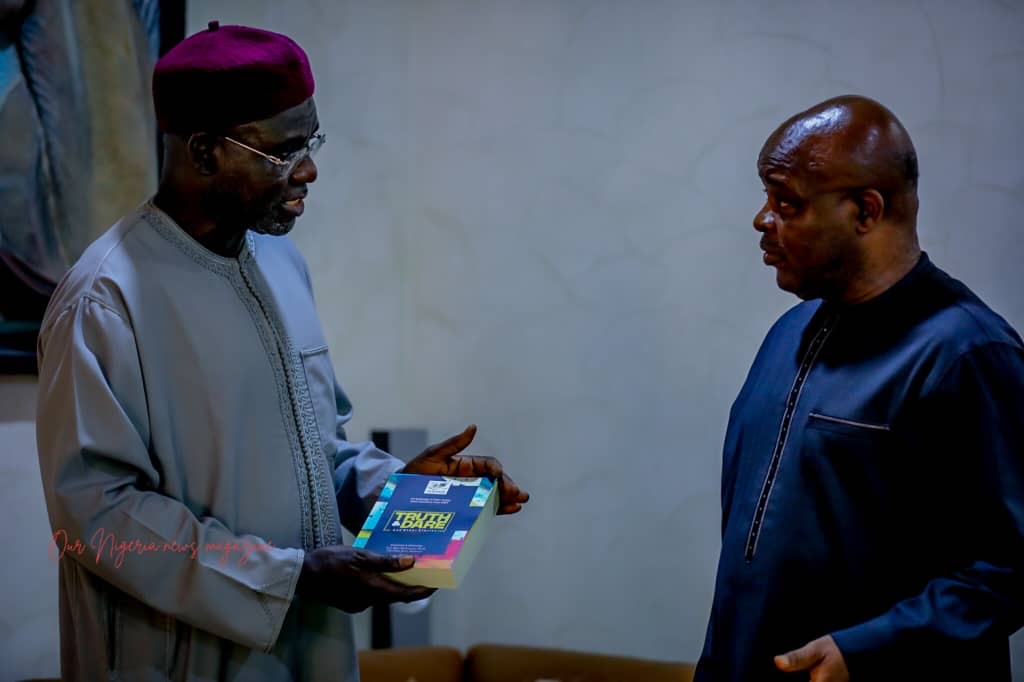
According to him, the trust reposed in him through early command responsibilities, including his first command posting at Headquarters 2 Brigade and later as Commandant of the Nigerian Army School of Infantry, laid a solid foundation for his future leadership roles.
“These opportunities were not mere appointments; they were strategic investments in leadership,” Buratai noted, adding that such exposure prepared him for higher national responsibilities.
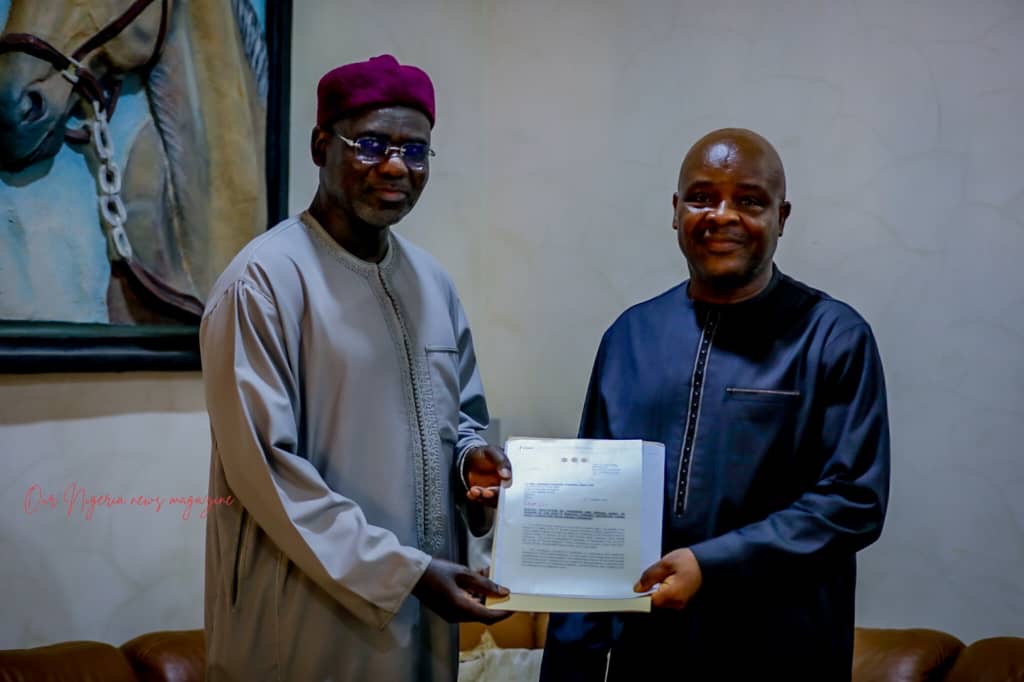
He further acknowledged that the mentorship and professional grounding he received under Ihejirika’s leadership were instrumental in his eventual appointment as Chief of Army Staff and later as Nigeria’s Ambassador to the Republic of Benin.
Buratai praised Ihejirika’s command philosophy, describing it as professional, pragmatic, and mission-driven. He said the former Army Chief led by example, combining firm strategic direction with a clear blueprint for excellence that continues to influence military leadership practices.
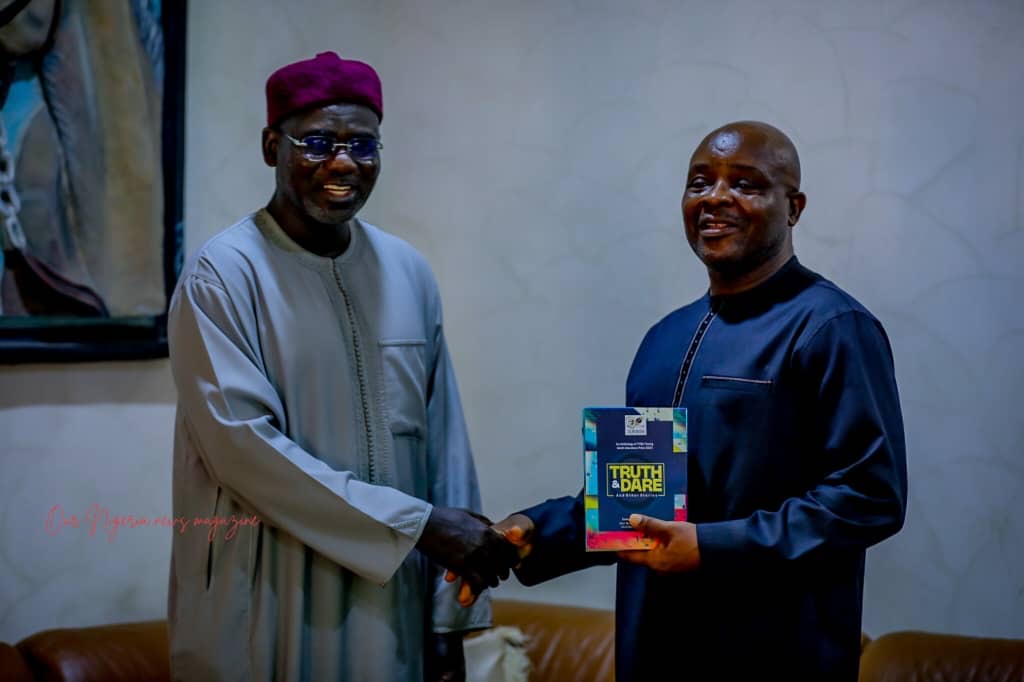
“At seventy, General Ihejirika has earned the right to reflect on a legacy secured,” Buratai stated, praying for good health, peace, and enduring joy for the retired General as he enters a new decade.
He concluded by expressing profound gratitude for the leadership, mentorship, and lasting example provided by Ihejirika over the years.
The tribute was signed by Lt. Gen. Tukur Yusuf Buratai, who described himself as a grateful mentee and successor, underscoring the enduring bonds of mentorship within the Nigerian Army’s top leadership.


-

 celebrity radar - gossips6 months ago
Why Babangida’s Hilltop Home Became Nigeria’s Political “Mecca”
-

 society6 months ago
Power is a Loan, Not a Possession: The Sacred Duty of Planting People
-

 news6 months ago
THE APPOINTMENT OF WASIU AYINDE BY THE FEDERAL GOVERNMENT AS AN AMBASSADOR SOUNDS EMBARRASSING
-
 society5 months ago
Religion: Africa’s Oldest Weapon of Enslavement and the Forgotten Truth