
Uncategorized
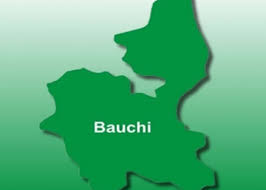
That impending feast of vultures in Bauchi forebodes evil for Nigeria

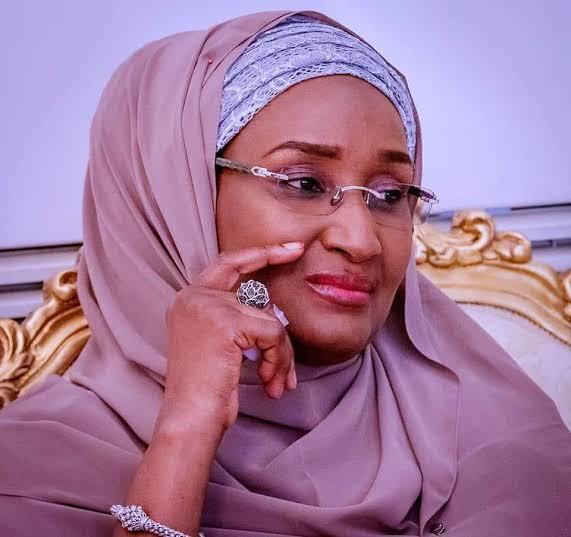
That impending feast of vultures in Bauchi forebodes evil for Nigeria
By Mohammed Adamu
Nigeria is in the throes of corruption. It is the singular evil that has amplified every other thing that ails the nation. Almost all crimes in the land can be attributed to the impact of corruption on the individual and collective psyche – when apprehended, the modern-day Nigerian bandit, terrorist, armed robber, ritualist and even petty criminals now wear this defiance on their faces as if to remind us, the hapless spectator of them being paraded by law enforcement, that their crimes pale in significance compared to some people that are in the position of leadership.
This resort to extreme measures as a result of the perceived irredeemable corruption of the ruling class has worsened over time as Nigerians began to realise that those in public offices are beginning to make it their family affairs, whereby a public office holder corners the commonwealth to perpetrate his offspring and wards in public offices. It is a dubious way of creating modern monarchies and fiefdoms in a country that prides itself as a republic.
But if we fret over greedy politicians, it perhaps means we have not met the poster couple for the disaster that is unfolding in the land. Corruption has married sleaze and their destination is the Presidential Villa, where the abominable product of this coitus is desirous of one day presiding over the affairs of Nigeria.
Their plan is already unfolding.
Sadiya Umar Farouq is the Minister, of the Federal Ministry of Humanitarian Affairs, Disaster Management and Social Development (FMHADMSD). For clarity, that ministry superintends seven (7) agencies, viz the National Emergency Management Agency (NEMA), North East Development Commission, (NEDC), National Commission for Refugees, Migrants and Internally Displaced People (NCFRMI), Sustainable Development Goals (SDGs), National Agency for Prohibition of Trafficking in Persons (NAPTIP) and the recently created, National Commission for People with Disability (NCPWD).
These are agencies with billions of naira allocated to them annually in the national budget. Before Farouq took the helms of affairs as ministers, many of these agencies were pacesetters in that Nigerians in those days could relate to what they do and how they are relevant in the daily lives of citizens, especially when the unpleasant need arose to rely on the interventions offered by these entities. But since the ministry was created and Farouq was drafted to oversee it and by implication, these agencies, they have all tumbled in reckoning and are now shadows of themselves.
The surprise is that these agencies are even now receiving larger allocations than before they came under Farouq’s purview. The huge funds allocated to them now miraculously fall into the black hole that is Farouq’s pockets. Nigerians might have become quiet about it because nothing was done to Farouq despite the outrage they expressed in 2020 when this woman performed the miracle of feeding school children in two states and the Federal Capital Territory with N500 million at a time that schools were closed because of the COVID-19 lockdown. Much as Nigerians were outraged by this brazen theft of scarce national resources, the abracadabra school feeding was pale in significance against accounts of how contracts for buying COVID-19 relief materials were inflated, and awarded to cronies who allegedly made financial returns to the minister, it was also alleged that relief materials were hoarded, re-sold or diverted for political patronage.
Maybe the land would have been able to abide this corrupt evil had the perpetrator not unsurprisingly loved up with a former Chief of Air Staff, retired Air Marshal Sadique Abubakar. Before their marriage and after their marriage, when the husband was still the Air Chief, the duo were well known for depriving the Nigerian Air Force of operational aircraft simply to ferry his then fiancé and later wife. For context, this is not a Divisional Police Officer relinquishing a patrol van to his girlfriend to go shopping, it the then Air Chief depriving troops of fighting capabilities against terrorists while diverting a logistic aircraft to fly Farouq around in style.
Diverting one aircraft for conjugal jaunting is a small matter for a man who allegedly pocketed as much of the funds meant for running the Air Force as possible. Little wonder air support for our gallant troops was virtually absent during his stay at the helm of affairs in that crucial institution. One of the few instances he made of show of providing air support ended in the Rann massacre, in which scores of Nigerians were killed by friendly fire from the Sadique Abubakar-led Air Force at that time. So, he cannot keep his hands out the tills and he cannot carry out his assigned duties diligently yet he aspires to the highest offices in the land.
That these two, one serving and one former public office holders, are now married is their kettle of fish. What is of concern is that the duo has now set sight on the governorship seat of Bauchi state as a prelude to Sadique Abubakar running for the office of President, Federal Republic of Nigeria when the zoning of that position next swings north. This forbodes evil for Nigeria because this couple will not only appropriate the country to themselves but they would also be murderously dictatorial from the much we have seen of them.
It is instructive that the funds looted from the Federal Ministry of Humanitarian Affairs, Disaster Management and Social Development are now surfacing in Bauchi state, where Sadiya Farouq, reportedly doles out bales of naira and foreign currencies to those from whom she is seeking political favours. A beneficiary recounted an incidence, just before the All Progressive Congress (APC) governorship, how each person that passed through the couple’s home on this particular day went away with at least one million naira.
The money that should have been spent on air assets for combatting terrorism similarly showed up during the APC governorship primary in Bauchi, which Sadique Abubakar bought and is now the APC candidate. The manner he spent money to buy the ticket has distorted the political landscape of the state just as it is altering the security landscape of the state for the worse. The portion of the funds that went to terrorist cells that Sadique Abubakar allegedly used to suppress opposition to his emergence is now flooding the state with small and light weapons that analysts have predicted would help Boko Haram/Islamic State West African Province to resurge. A development that is not surprising since other analysts, with the benefit of hindsight, are now saying Sadique Abubakar must have anticipated hence a possible deliberate compromising of the counter-terrorism war on his part – did he withhold air support from the war on terrorists so that they are available for him to use as foot soldiers for achieving his governorship ambition? He is the only one that can answer that.
One thing is certain, the Sadique Abubakar and Sadiya Farouq combo is a toxic component that has no place in the Nigerian political space given their antecedents. They steal whatever is kept in their care without remorse and they have not shown any inkling of planning to quit the dirty habit. Even if they lied that the perfidy under their watch in their various official positions was the work of their subordinates or staff, that would have proven that they are incapable of being efficient supervisors and are in no capacity to manage the affairs of Bauchi state as governor and first lady talk less of being the president of Nigeria.
There are therefore urgent tasks for stakeholders in Bauchi state. The APC chapter in the state must retrace its steps to correct the error of allocating or selling the governorship ticket to the former Chief of Air Staff. It is a decision they would rue should he go ahead to win at the General Elections – all their state’s resources would be personalized by this hardened character who would then proceed to deploy them for pursuing his presidential ambition, a position he hopes to occupy with his partner in crime by his side as the first lady.
Where the APC fails to correct its errors, the matter would then be in the hands of the Bauchi electorates, who must see a vote against Sadique Abubakar as a vote cast for saving their dear state from the claws of a carrion eater, a vulture. In undertaking this assignment, the voters in Bauchi state must see themselves as saving Nigeria from a calamitous disaster in the future. The country cannot afford to have a tag team that is this dubious to be further rewarded with higher offices. This means that this problem is no longer a Bauchi state affair alone. They must realize that they owe the rest of us a responsibility to not export this disaster to the national level and the way to do that is to stop him now at the state level.
And to this Nigeria’s version of “Bonnie and Clyde” a word of advice. They should take time off from pillaging the public treasury at any level of government. They should go on a permanent honeymoon to perpetually celebrate their marriage of convenience as a criminal duo with the much they have taken from the country. That is until such a time that Nigerians will demand a refund and restitution from them. For now, Nigeria does not need the vultures that they are in the national space.
—Adamu wrote this piece from ATBU Bauchi.




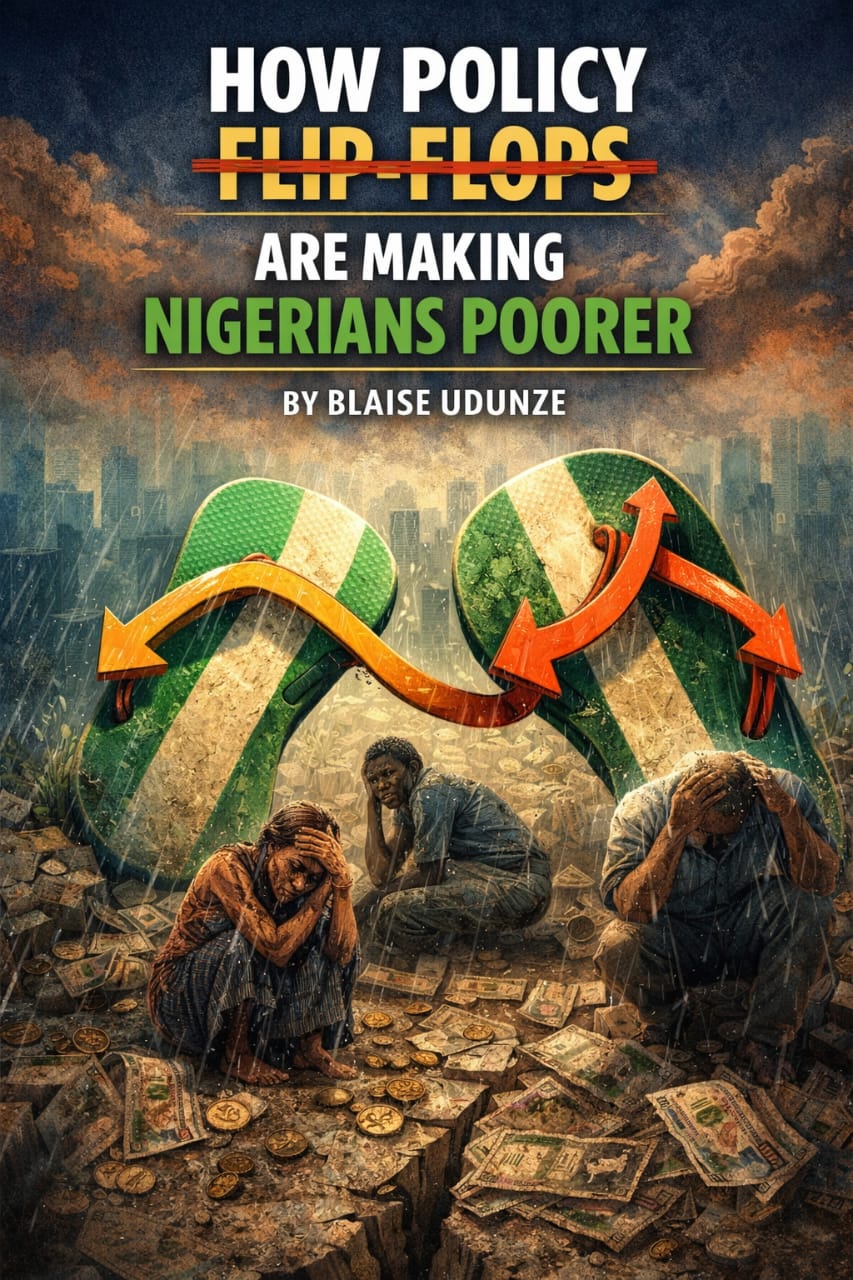
How Policy Flip-Flops Are Making Nigerians Poorer
By Blaise Udunze
Nigeria’s deepening poverty crisis is no longer speculative; it is now statistically inevitable. Although the latest Consumer Price Index figures released by the National Bureau of Statistics (NBS) suggest that headline inflation is cooling and growth indicators show tentative improvement, regrettably, more Nigerians are slipping below the poverty line. Reviewing the recent projections from PwC’s Nigeria Economic Outlook 2026, it is alarming, which reveals that no fewer than two million additional Nigerians are expected to fall into poverty next year. This is expected to push the total number of poor people to about 141 million, roughly 62 percent of the population and the highest level ever recorded in the country’s history.
This grim outlook persists despite eight consecutive months of easing inflation and modest economic recovery, and as one can perceive, the contradiction is telling. The fact remains that macroeconomic signals are improving on paper, yet lived reality continues to deteriorate. It is glaring that the widening gap between policy metrics and human outcomes exposes a deeper truth in the sense that Nigeria’s poverty crisis is not simply the product of external shocks or temporary adjustment pains. It is the cumulative result of fragile policymaking, inconsistent reforms, weak institutional coordination, and a failure to sequence economic changes with adequate social protection. With these, it becomes clearer that poverty in Nigeria is no longer an unintended side effect of reform; it is increasingly its most visible outcome as identified today.
It would be recalled that the current administration in 2023, when it assumed office, promised a bold economic reset. At this point, the nation witnessed the fuel subsidy removal, exchange-rate liberalisation, and tighter fiscal discipline being introduced swiftly and applauded internationally for their courage and long-term logic. Notably, these reforms unleashed an economic storm whose aftershocks continue to batter households and currently resulting to the cost of a bag of rice that sold for about N35,000 two years ago now costs between N65,000 and N80,000, while a crate of eggs has risen from N1,200 to over N6,000 and basic staples like garri, tomatoes, and pepper have drifted beyond the reach of ordinary Nigerians. For millions, the economy did not reset; it snapped.
Inflation, often described by economists as a “silent tax,” has punished productivity, mocked thrift, and rewarded speculation.
Reports from the NBS’s December 2025 disclosed that headline inflation eased to 15.15 percent and according to it, this is due to a rebasing of the Consumer Price Index, down sharply from 34.8 percent a year earlier, this statistical moderation has brought little relief to households. Food inflation, at 10.84 percent year-on-year, and a marginal month-on-month decline may look reassuring on spreadsheets, but for families spending 70 to 80 percent of their income on food, such figures feel detached from reality. These figures are not only implausible but also insulting to those whose lives have been torn apart by the skyrocketing prices. With the realities facing the larger populace, Nigeria must be using another mathematics.
Nigeria may have changed its base year, but it has not changed the harsh arithmetic of survival.
PwC’s data underscores this disconnect, as nominal household spending rose by nearly 20 percent in 2025, real household spending contracted by 2.5 percent, reflecting the erosive impact of rising food, transport, and energy costs. The painful part of it, is that Nigerians are spending more money to consume less, and this is to say that growth, hovering around 4 percent, is not strong enough to absorb shocks or lift households meaningfully. As analysts note, Nigeria would require sustained growth of 7 to 9 percent to make a significant dent in poverty. That is to say that anything less merely slows the descent.
The structural weakness of the economy is compounded by policy inconsistency. Nigeria’s economic landscape is littered with abrupt shifts, subsidy removals without buffers, currency reforms without stabilisation mechanisms and trade policies that oscillate between restriction and openness. For households and small businesses, which employ most Nigerians, this unpredictability makes planning impossible. The economy has constantly being faced with price volatility, income shocks, and lost jobs because these are the ripple effects of every policy reversal. Uncertainty itself has become a poverty multiplier.
Nowhere is this fragility more evident than in food systems and rural livelihoods, and this has been where insecurity has merged with policy failure to create a new poverty spiral. Across farmlands in the North and Middle Belt, crops rot unharvested as banditry and insurgency force farmers off their land. Nigeria’s largely agrarian economy has been crippled by violence that disrupts planting cycles, destroys infrastructure, and displaces communities. The result is both income poverty for farmers denied access to their livelihoods and food inflation that erodes purchasing power nationwide.
For record purposes, earlier last year, the NBS Multidimensional Poverty Index showed that 63 percent of Nigerians, about 133 million people, are multidimensionally poor, with poverty heavily concentrated in insecure regions. Findings showed that about 86 million of the poor live in the North, and this is where insecurity is most severe. This record showed that rural poverty stands at 72 percent,c compared to 42 percent in urban areas, and while the states most affected by banditry and insurgency record poverty rates as high as 91 percent. Insecurity is no longer just a security problem; it is one of Nigeria’s most powerful poverty drivers.
The economic cost of insecurity in Nigeria today is staggering. This is because the conservative estimates suggest Nigeria loses about $15 billion annually, which is roughly equivalent to N20 trillion, due to insecurity-induced disruptions across agriculture, trade, manufacturing, and transportation. At the same time, security spending now consumes up to a quarter of the federal budget. In just three years, over N4 trillion has been spent on security, which crowded out investment in health, education, power, and infrastructure. Every naira spent managing perpetual violence is a naira not invested in preventing poverty, even as poverty deepens, the state’s fiscal response reveals a troubling misalignment of priorities. The 2026 federal budget, estimated at N58.47 trillion, ironically allocates just N206.5 billion to projects directly tagged as poverty alleviation and this only amounts to about 0.35 percent of total spending and less than one percent of the capital budget. In a country where over 60 percent of citizens live below the poverty line, this allocation borders on policy negligence.
Worse still, over 96 percent of this already meagre poverty envelope sits under the Service Wide Vote through the National Poverty Reduction with Growth Strategy, largely as recurrent provisions. All ministries, departments, and agencies combined account for barely N6.5 billion in poverty-related projects. This fragmentation reflects a deeper institutional failure, that is to say, poverty reduction exists more as a line item than as a coherent national mission.
Where MDA-level interventions exist, they are largely palliative and scattered, grain distribution in select communities, tricycles and motorcycles for empowerment, and small scale skills acquisition for women and youths. The largest such project, a N2.87 billion tricycle and motorcycle scheme under a federal cooperative college, accounts for nearly half of all MDA-based poverty spending. The fact remains that the various interventions may offer temporary relief, and they do little to address structural drivers of poverty such as job creation, productivity, market access and human capital development.
Even the Ministry of Humanitarian Affairs and Poverty Alleviation illustrates the problem just as its budget jumped sharply in 2026, much of the increase went into administrative and capital items, office furniture, equipment, international travel, retreats, and systems automation rather than direct poverty-fighting programmes. This reflects a familiar Nigerian paradox: institutions grow, but impact shrinks.
International partners have been blunt in their assessments. The World Bank estimates that Nigeria spends just 0.14 percent of GDP on social protection, which is far below the global and regional averages. Only 44 percent of safety-net benefits actually reach the poor, rendering the system inefficient and largely ineffective. PwC similarly warns that without targeted job creation, productivity-focused reforms, and effective social protection, poverty will continue to rise, undermining domestic consumption and straining public finances further.
Fiscal fragility compounds the crisis. The N58.18 trillion 2026 budget carries a deficit of N23.85 trillion, with debt servicing projected at N15.52 trillion, nearly half of expected revenue. The public debt has ballooned to over N152 trillion. The contradiction here is that Nigeria is borrowing not to expand productive capacity but to keep the machinery of government running. The truth is not far-fetched because, as debt crowds out development spending, households are forced to pay privately for public goods, education, healthcare, water, deepening inequality and entrenching poverty across generations.
To be clear, not all signals are negative. This is because opportunities exist if reforms are sustained and properly sequenced. Regional trade under the African Continental Free Trade Area could diversify exports and create jobs. But reform momentum without inclusion and institutional capacity risks becoming another missed opportunity.
This is the central tragedy of Nigeria’s moment. The country is attempting necessary reforms in an environment of weak buffers, fragile institutions, and low trust. Poverty is therefore not accidental. It is the predictable outcome of inconsistency, reforms without protection, stabilisation without security, and budgets without people.
Nigeria faces an undeniable choice. It can continue down a path where fragile policies deepen deprivation and erode trust, or it can build a disciplined, coordinated framework that aligns reforms with social protection, security, and inclusive growth. Poverty is not destiny. But escaping it requires more than courage in reform announcements; it demands consistency, compassion, and the political will to place human welfare at the centre of economic strategy.
Blaise, a journalist and PR professional, writes from Lagos and can be reached via: [email protected]
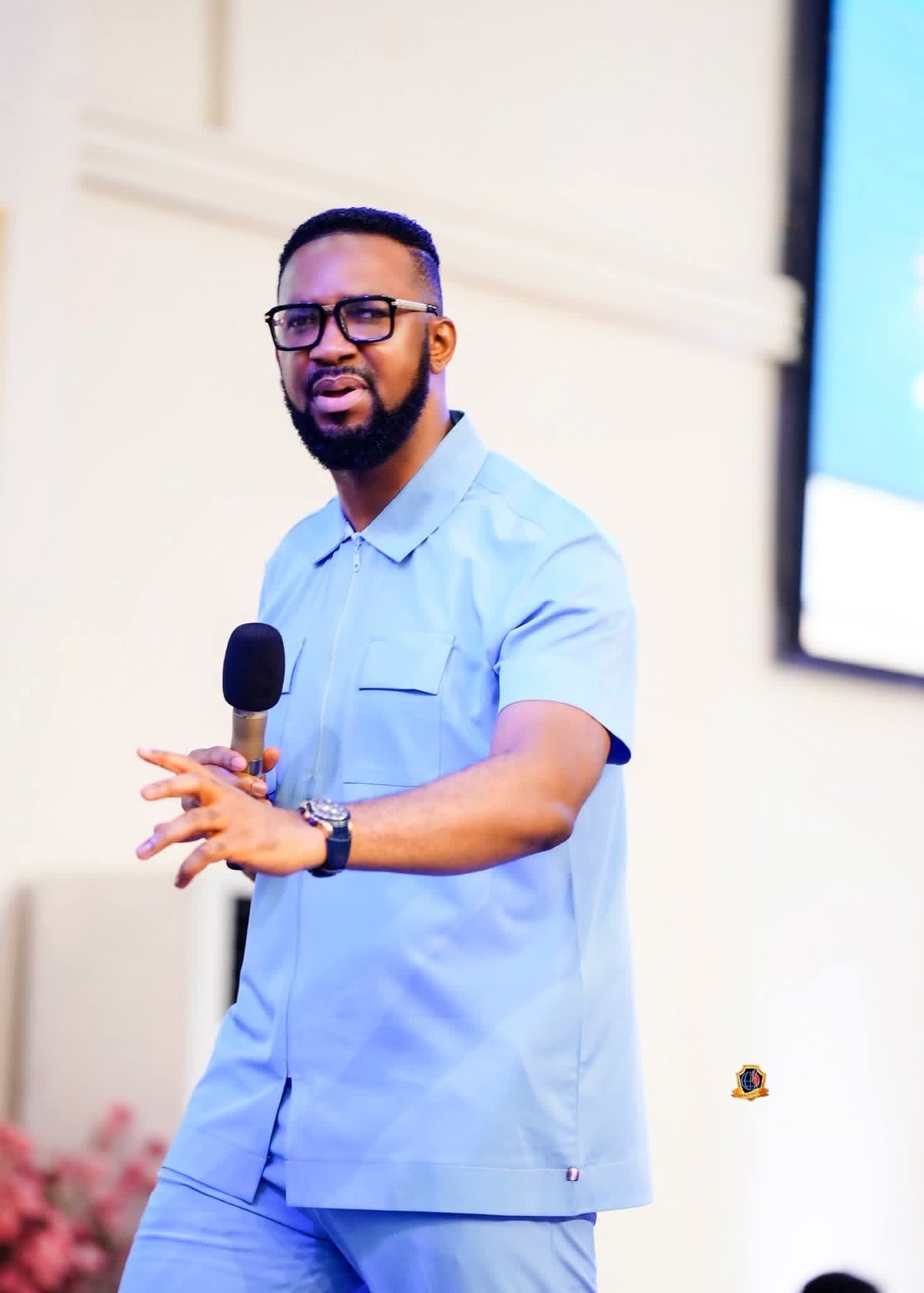
Dr. Chris Okafor: A Philanthropist Par Excellence and a Man of Prayer
By Sunday Adeyemi, Society Herald
One constant in human life is change. However, when it comes to the daily life and ministry of renowned Nigerian clergyman and Senior Pastor of Grace Nation International, also known as Liberation City, Dr. Chris Okafor, one attribute remains unwavering—his deep and uncompromising devotion to prayer.
Dr. Okafor is a man whose life revolves entirely around prayer. He prays while living, eating, traveling, and ministering. Remarkably, except during church services or official engagements, he devotes an average of eight to ten hours daily to prayer. This disciplined prayer life forms the bedrock of his ministry and has been the guiding principle through which he overcomes challenges and continues to thrive. Indeed, he prays as though there is no tomorrow.
Those who associate closely with him understand that prayer is non-negotiable in his life. For members of Grace Nation worldwide, prayer is not merely encouraged—it is a way of life. Grace Nation citizens are known for their strong prayer culture, as prayer remains their primary spiritual weapon. As scripture affirms, prayer has the power to turn unexpected challenges into testimonies and breakthroughs.
Returning to the Set Man of Grace Nation Worldwide, Dr. Chris Okafor is widely acknowledged as a dedicated prayer warrior. His lifestyle of prayer has been affirmed repeatedly by fellow men of God who have encountered him personally.
One of his closest covenant brothers recently shared a testimony during a flagship Grace Nation conference in Lagos.
He recounted traveling with Dr. Okafor to the United States for a major conference. On the morning of the event, after preparing to depart early, he knocked on Dr. Okafor’s door—only to discover that the Generational Prophet was still deeply engaged in prayer. When the door was eventually opened, Dr. Okafor explained that he was preparing spiritually ahead of the conference. The covenant brother described the experience as a clear demonstration of an uncommon prayer life.
Another testimony came from Pastor Wilfred, the South Africa branch pastor of Grace Nation. He described Dr. Okafor as a man who never compromises prayer regardless of circumstances. According to him, even while traveling, Dr. Okafor prioritizes prayer over rest. He narrated a particular experience in South Africa where Dr. Okafor was scheduled to minister at 9:00 a.m. The previous night, Pastor Wilfred left him early to allow him to rest. However, repeated calls went unanswered as Dr. Okafor had already commenced prayer.
The following morning, upon arriving to pick him up, Pastor Wilfred heard prayers from behind the door. After waiting for over an hour, he joined in the prayers. It was only after several more hours that Dr. Okafor opened the door—having not slept throughout the night. Such accounts underscore his unwavering commitment to prayer, earning him the reputation among his peers as a true prayer warrior.
Dr. Okafor’s prayer life has also resulted in numerous testimonies. Many attest that while praying, God speaks to him directly, providing divine direction and intervention. There have been accounts of miraculous breakthroughs through prayers conducted over the phone and even across distances.
In one instance, a woman who had been in labor for over three hours contacted Dr. Okafor, who prayed for her, and she delivered immediately.
In another testimony, a man who had been kidnapped for 80 days was released without ransom after Dr. Okafor prayed. Similarly, a young man who had been wrongly detained for nearly four years was freed the same day Dr. Okafor prayed concerning his case. The matter was reviewed, leading to his release and compensation for wrongful detention.
Beyond prayer, Dr. Chris Okafor’s life of philanthropy continues to leave an indelible mark on society. In Part One of this series, attention was drawn to his immense humanitarian efforts through the Chris Okafor Humanity Foundation, particularly in supporting widows, providing scholarships for the less privileged, and transforming the host community of Grace Nation International Headquarters in Lagos.
In Part Two, focus will be placed on his contributions to youth talent discovery—especially in sports—artisan empowerment, support for victims of xenophobic attacks in South Africa, and sustained monthly outreach to homes of the less privileged in Lagos.
Dr. Okafor’s philanthropic vision transcends human imagination. One of his core missions is to deliver people from the grip of darkness and empower them to become productive individuals within society. This vision is actively pursued through the Chris Okafor Humanity Foundation, which operates both locally and internationally.
During the xenophobic crisis in South Africa, Dr. Okafor personally traveled to Johannesburg to console and encourage Nigerian victims. Through his foundation, millions of naira were donated to support medical treatment and rehabilitation—an act of compassion worthy of emulation.
The foundation has also invested significantly in youth development through Liberation City FC, discovering and nurturing football talents. To date, more than five players trained by the foundation are currently plying their trade with major football clubs abroad.
Artisan empowerment remains another major achievement. Over 2,000 artisans have been trained in various skills, including bead-making, barbing, hairdressing, tailoring, and beverage production. After training, beneficiaries are provided with start-up capital to establish their businesses.
Additionally, the foundation conducts monthly outreach to communities of physically challenged individuals in the Yaba area of Lagos State, providing food supplies and educational scholarships for their children, alongside spiritual support through prayer.
The list of impactful interventions by the Chris Okafor Humanity Foundation is extensive and continually growing.

In Part Three of this series, we will examine the factors behind the sustained growth and resilience of Grace Nation and the Chris Okafor Humanity Foundation in the face of diverse challenges.
Uncategorized
FAREWELL TO A MULTI-TALENTED SOUL, A BELOVED FRIEND Princess Allwell Ademola “Eniobanke” – Ayo Mojoyin

As the remains of my bosom friend, Princess Allwell Ademola, fondly known as Eniobanke, are laid to rest today at Atan Cemetery, Yaba, words remain painfully inadequate to capture the depth of this loss. Her passing has left a void that is both personal and profound.
I have known Allwell since 2008, and long before the cameras found her, I first knew her as a musician a gifted singer whose voice carried emotion, hope, and sincerity. Music was her first language. Through her songs, she expressed her soul, her struggles, her faith, and her dreams. Acting came later, and even then, she approached it with the same passion and authenticity that defined her music.
As an actress, Eniobanke blossomed into a compelling performer, effortlessly bringing characters to life and earning admiration within the creative industry. Yet, beyond her artistic talents, what truly defined Allwell was her heart kind, loyal, gentle, and deeply human. She was a friend who stood firm in times of joy and hardship, someone whose presence alone brought comfort and reassurance.
Our friendship, built over years of shared experiences, conversations, laughter, and silent understanding, is one I will forever cherish. She believed deeply in people, supported dreams without hesitation, and loved without conditions.
Her humility remained intact despite the recognition she earned, and her sincerity never faded.
Her departure is a painful reminder of life’s fragility. Today, we mourn not only a talented musician and actress, but a daughter, a sister, a colleague, and a true friend whose life, though short, was rich with impact.
The creative space she occupied will feel her absence, but her works both in music and film will continue to speak for her.
As we say our final goodbye, we find comfort in knowing that she lived authentically, loved genuinely, and gave her best to her craft and to those around her.
Though she has taken her final bow, her voice will continue to echo in our memories, her performances will remain timeless, and her spirit will live on in the hearts she touched.
Rest in perfect peace, my dear friend.
Your song has not ended it has simply changed form.
*Ayo Mojoyin Principal Partner at The City Pulse, Former National President, NGIJ*


-

 celebrity radar - gossips6 months ago
Why Babangida’s Hilltop Home Became Nigeria’s Political “Mecca”
-

 society6 months ago
Power is a Loan, Not a Possession: The Sacred Duty of Planting People
-

 Business6 months ago
Batsumi Travel CEO Lisa Sebogodi Wins Prestigious Africa Travel 100 Women Award
-

 news6 months ago
THE APPOINTMENT OF WASIU AYINDE BY THE FEDERAL GOVERNMENT AS AN AMBASSADOR SOUNDS EMBARRASSING