
society
Naira redesign: EFCC Reveals three governors on watch-list over hidden billions

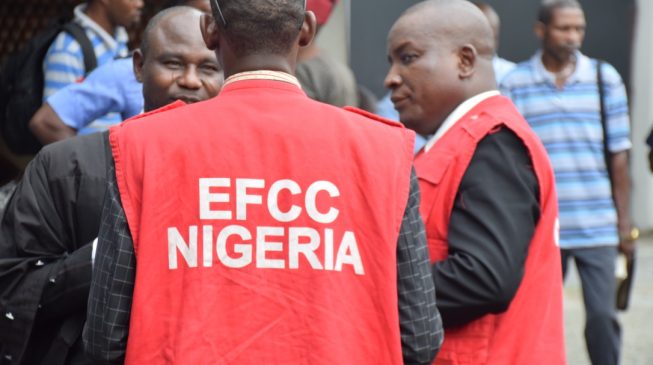
Naira redesign: EFCC Reveals three governors on watch-list over hidden billions
Abdulrasheed Bawa, chairman of the commission disclosed this in an interview with Daily Trust on Thursday.
According to him, the raid on Bureau De Change operators will be sustained, urging Nigerians to support the system, for the benefit of all.
The Central Bank of Nigeria (CBN) had on October 26 announced that the country’s currency would be redesigned to address many issues that have negative effects on the economy
While the re-designed notes would be released on December 15, Nigerians have up to January 31, 2023, to deposit their existing notes in banks.
However, the mad rush by top politicians, traders, investors and other members of the public to cut corners and convert stashed funds into dollars, property and others, has created tension in the economy.
CBN Governor, Godwin Emefiele, had said the move was to counter-terrorism financing and hoarding of banknotes by members of the public. The apex bank is to redesign the N200, N500 and N1, 000 notes.
On Thursday, a dollar was selling at N882 in Abuja on the black market, despite several raids by the operatives of the EFCC in Lagos, Kano and Abuja.
According to sources, BDC operators are mopping up dollars from states as the scarcity of the currency bites harder.
In an exclusive interview with Daily Trust,, the EFFCC chairman disclosed that some governors are all out devising means to launder money they stashed in houses. He said so far, they are closely monitoring three of them.
Bawa, who refused to disclose the identity of the three governors, however, said two of them are from the North, while the 3rd one is from the southern part of the country.
He said intelligence at the disposal of the commission, showed that the three governors have concluded plans to inject the money into the system through table payment of their state workers’ salaries.
“Let me tell you something, the Intel that I have yesterday and I would want you to take this thing very seriously. Already, some state governors that have some of this cash stashed in various houses and the rest are now trying to pay salaries in cash in their state,” he said. Asked whether the commission would summon the governors, the EFCC chair said they are closely monitoring them.
He added that “I don’t know how they want to achieve that but we have to stop them from doing that. Well, we are working, they have not paid the salaries in cash yet but it is a very serious thing”, saying the move is against section 2 of the Money Laundering Prohibition Act.
“The aw is very clear regarding cash transactions. Anybody that is to consummate any cash transaction as an individual, if it is not through a financial institution must not be above N5million and if it is above that it is criminal for you to engage in such transaction. And for corporate entities it is N10million.
“Yes, I agree the salaries are not up to that but why are you all of a sudden, and all along you have been paying people salaries through their bank accounts and now you want to pay them in cash, what are you trying to do? They will come under a lot of guises, they are trying to do verification of officers, that is what we have gotten,” he said.
Disposing of stashed funds through property.
The EFCC boss also confirmed the mad rush by some people to dispose of their stashed funds by buying property.
“We are aware of that. Even if you dispose of your property and you receive cash, for that cash to be of value to you after January 31, 2023, you have to take it to the bank; so what happened, are you coming to the bank with those millions? That is why we are working with the bankers and if you have this information let us know about it,” he said.
Raids of BDCs to continue
He said the raids of BDC operators would continue. This he said, is very important to protect the system against the laundering of stashed funds.
“They (BDCs) are very important in the sense that a lot of people that have this naira cash, will want to convert them to USD or other foreign currencies, that is why they are very important.
“And based on the known gullibility of these people (BDCs), they are willing to accept this cash from the owners of these monies and they are willing to depart with the foreign currencies that they have and so that is why they are very important and very critical to us in this project that we said to ourselves that we are going to do,” he said. When Bawa’s attention was drawn to the fact that the dollar was rising despite the EFCC raids, he said it is a function of demand and supply.
“The truth of the matter here is just a simple function of demand and supply, people are rushing this commodity not that they are going to use it for any meaningful business engagement but they are just rushing for it, just a store of value, that is what is happening.
“And what they say in economics is the higher the demand, the higher the price; so people are just seeing USD or other hard currencies just the way that they are seeing gold, to get it exchanged and store their value,” he said.
Why I met chief compliance officers of banks
On why he met chief compliance officers of banks in Lagos recently, he said the parley was part of efforts to properly monitor the system and to seek their collaboration in respect of the likelihood of people bringing in their illegitimate funds back to the system.
“We knew a lot of people are hoarding these funds, it is with them and they will always find a way of trying to bring it back to the system.
“So, irrespective of what they use their cash for, whether they exchange it for dollars, whether they use it to purchase houses for those that are willing to accept cash, it has to eventually come back to the financial institution. So, irrespective of what you do, the banks are very important and critical in the sense that they are the end recipients of this cash.
“The owner of BDC must deposit the money he exchanged for the currency he did, the owner of real estate must also do the same and all of that. So, we sat down, we deliberated and we agreed on what to do. Everybody is happy about it,” he said.
No need for panic
He, however, urged Nigerians to be calm, saying “this (naira redesign) is just a routine thing that ordinarily CBN ought to have done after every eight years, the monies are going to be taken.
“All that the government is saying is come and deposit the money at no cost to you; that is just what is happening, nothing more than that. “How can you have an economy where you have 85 per cent of your currency out there when you are calling for a cashless society when we have a lot of means by which people can consummate their transactions? What are you hiding? These days, people hardly go to the banks, you can transfer your money here using your app, and you can transfer your money through ATM, POS, and all of that, so why keep the money? Why are you scared of going to the bank to say that you want to deposit your money? He queried.





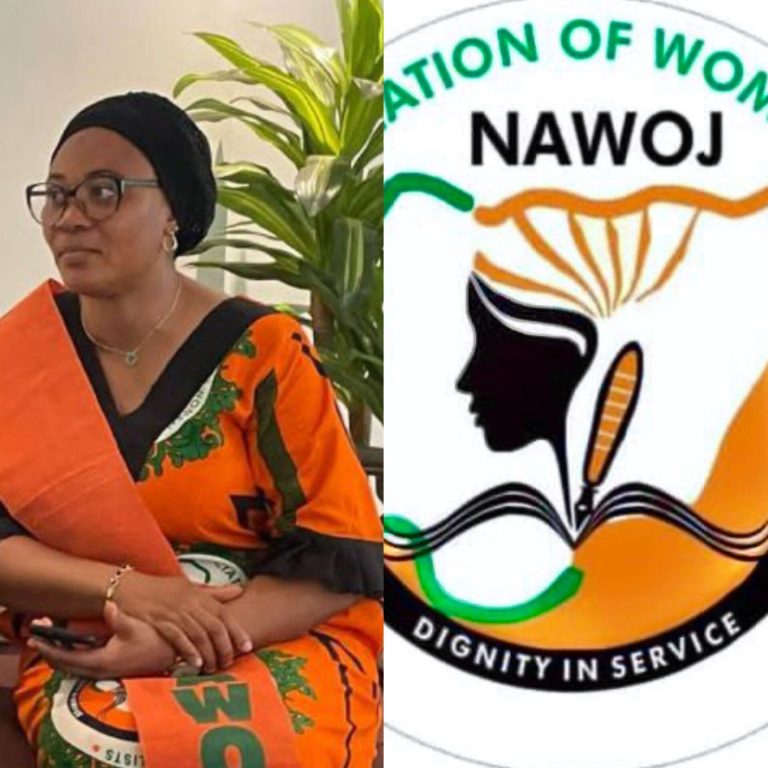
NAWOJ: SEKINAT, CHARITY GETS VOTE OF CONFIDENCE
The Nigeria Association of Women Journalists,(NAWOJ), Ogun State Chapter Executives has unanimously passed a vote of confidence on Chairman NAWOJ SEKINAT Salam and the Financial Secretary, Charity James, saying that, their leadership reflect the ideal and objectives of NAWOJ.
This was revealed in a communique issued at an Emergency meeting of the Executive held at the NUJ State Council, Iwe-Iroyin in Abeokuta.
The vote of confidence on the Leadership of NAWOJ was unanimously signed by all the five executive members that attended the meeting with the vice chairperson taking apology for official engagement outside the state capital.
According to the communique ” Consequently, NAWOJ Ogun State Chapter, reaffirms it’s unwavering support and confidence in the Chairperson and the Financial Secretary, Sekinat Salam and Charity James respectively, Urge them to continue in their commitment to purposeful leadership in the best interest of the association and the society at large”.
Speaking briefly with Journalists after the emergency Executive meeting, the Chairperson, Nigeria Association of Woman Journalists (NAWOJ), Com. Sekinat Salam, said the meeting was necessary as the news of her suspension was laughable and insulting because it is like a pot calling a kettle black in this case, saying that the Leadership of the State Council, Com. Wale Olanrewaju has no local standing to suspend her or any executive member, even he cannot be a judge in his own case.
According to her” The Leadership of the Nigeria Union of Journalists, Ogun State led by Wale Olanrewaju has always been misusing power without recourse to the constitution of this noble Union, hence has no local standing to suspend me or any executive member “.
She said only the Central Working Committee (CWC) has the constitutional rights to sanction or suspend any members found wanting after due process has been followed.
While calling on members to stay calm, Com. Sekinat Salam assured members of positive representation of NAWOJ at both the State and National level, adding the success recorded under her administration cannot be overemphasized.
She therefore called on the National leadership of NUJ to critically look into the matter, either by setting up independent committee to investigate the issues and resolve the matter as quickly as possible.
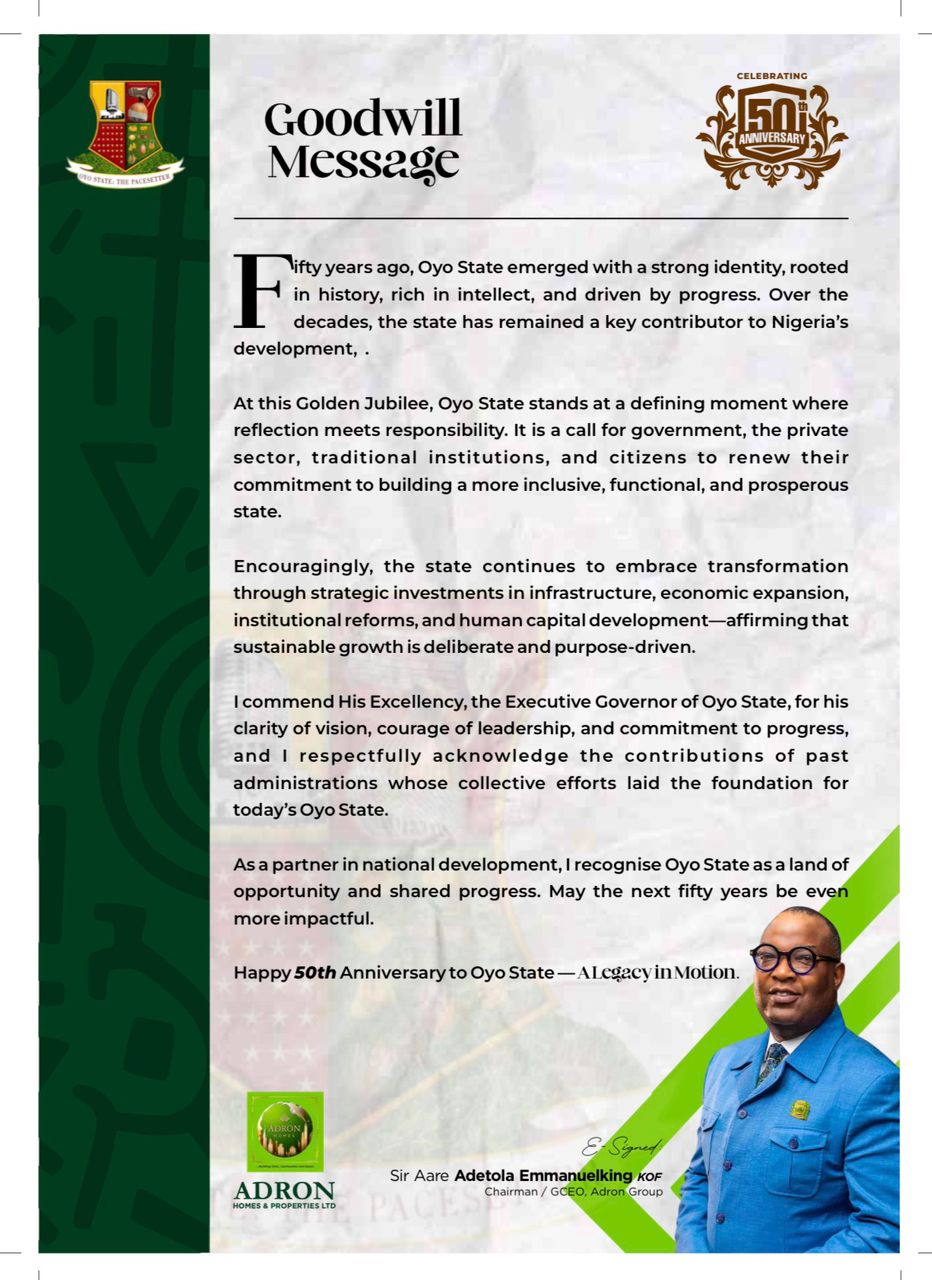
Adron Homes Chairman Congratulates Oyo State on 50 Years of Progress
The Chairman and Chief Executive Officer of Adron Homes and Properties Limited, Aare Adetola Emmanuelking, has congratulated the Government and people of Oyo State as the state marks its 50th anniversary, describing the occasion as a celebration of resilience, cultural pride, and sustained progress.
He noted that since its creation, Oyo State has remained a strong contributor to Nigeria’s socio-economic and cultural development, emerging as a hub of commerce, education, and innovation.
According to him, the Golden Jubilee offers a moment for reflection and renewed commitment by government, private sector players, traditional institutions, and citizens toward building a more inclusive and prosperous state.
Aare Emmanuelking commended the state’s ongoing transformation through investments in infrastructure, economic expansion, and human capital development, adding that sustainable growth is deliberate and must remain purpose-driven.
He also praised the leadership of the current administration while acknowledging the contributions of past leaders whose efforts laid the foundation for today’s Oyo State.
Reaffirming Adron Homes’ commitment to national development, he described Oyo State as a land of opportunity. He wished the state continued peace and prosperity, expressing confidence that the next fifty years will bring even greater achievements for the Pace Setter State and its people.
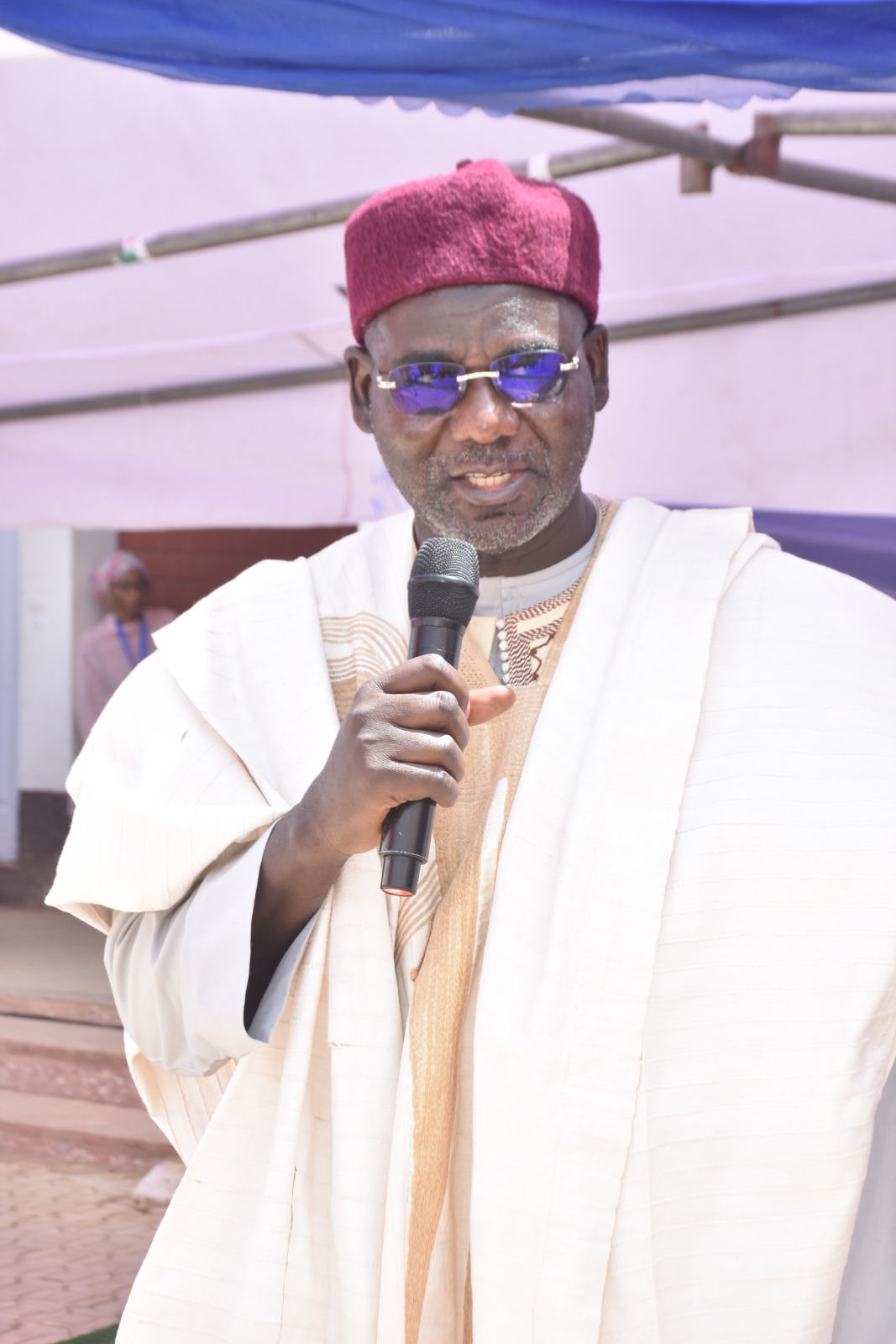
TY BURATAI HUMANITY CARE FOUNDATION CONDOLES WITH BIU EMIRATE OVER TRAGIC ATTACK
In a profound expression of sorrow, the TY Buratai Humanity Care Foundation has extended its heartfelt condolences to the families of the victims and the entire people of Biu Emirate, Borno State, following the recent tragic attack attributed to Boko Haram. This devastating assault, which occurred at a work site in northeastern Nigeria, claimed the lives of dozens, including brave soldiers committed to protecting the nation.
In a statement released to the press and signed by the Chairman of the foundation, Ibrahim Dahiru Danfulani Sadaukin Garkuwan Keffi/Betara Biu, the Grand Patron of the Foundation, His Excellency Amb. Lt. Gen. Tukur Yusufu Buratai CFR (Rtd), former Chief of Army Staff, described the incident as “one too many senseless, barbaric, and ruthless displays of inhumanity.” His Excellency emphasized the heartbreaking impact of such attacks on innocent, hardworking citizens striving to make a positive difference in their communities.
The Grand Patron praised the swift and decisive response of military personnel during this critical time, underscoring their brave commitment to safeguarding the nation. He called upon them to maintain this momentum, commending their courage and sacrifice in the face of adversity. “May Almighty Allah forgive their souls and grant them Aljannah Firdouse,” he remarked, encouraging the nation to honor their spirit of sacrifice as they rally together to rebuild and restore hope across the region.
In his statement, Gen. Buratai highlighted the importance of collective action in overcoming the challenges posed by insecurity, urging concerned citizens to increase their efforts in fostering a virile community that future generations can cherish. “Together, we can surmount these troubles,” he asserted, calling on all patriotic leaders and citizens to unite in the fight against violence and insecurity.

The TY Buratai Humanity Care Foundation remains committed to supporting initiatives that promote peace, security, unity, and prosperity. As the foundation extends its condolences to the bereaved, it also calls upon all segments of society to collaborate in creating a better and safer future. May Allah guide and protect the nation and lead it toward enduring peace. Amen.


-
 celebrity radar - gossips6 months ago
Why Babangida’s Hilltop Home Became Nigeria’s Political “Mecca”
-

 society6 months ago
Power is a Loan, Not a Possession: The Sacred Duty of Planting People
-

 Business6 months ago
Batsumi Travel CEO Lisa Sebogodi Wins Prestigious Africa Travel 100 Women Award
-
 news6 months ago
THE APPOINTMENT OF WASIU AYINDE BY THE FEDERAL GOVERNMENT AS AN AMBASSADOR SOUNDS EMBARRASSING