
society
NIGERIA’S REAL ESTATE MARKET: A SMART MOVE OR A RISKY GAMBLE FOR INVESTORS? BY Dennis Isong


NIGERIA’S REAL ESTATE MARKET: A SMART MOVE OR A RISKY GAMBLE FOR INVESTORS? BY Dennis Isong
Felix was a savvy businessman with a keen eye for investment opportunities. One day, he heard about the growing Nigerian economy and the potential for real estate development in the country.
Felix did his research and discovered that Nigeria’s population was rapidly expanding, and there was a shortage of housing to accommodate the growing population. He saw this as a huge opportunity to invest in real estate development in the country.
Without hesitation, Felix invested a significant portion of his savings into a real estate project in Nigeria. The project involved building new homes and apartments in a rapidly developing area of the country.
Despite some initial setbacks and challenges, Felix’s investment paid off in the long run. The demand for housing in Nigeria continued to increase, and the value of Felix’s properties appreciated significantly. He was able to sell some of the properties at a huge profit, while renting out the others for a steady stream of passive income.
Throughout the process, Felix had been very smart, doing proper due diligence, researching the market and builder reputation, which made sure his investment was in the right hands and well-informed.
Years later, as he looked back on his decision to invest in real estate in Nigeria, Felix couldn’t help but smile. He had not only made a significant financial return on his investment, but he had also played a small part in helping to meet the housing needs of the growing Nigerian population. And he never regreted his decision to invest in Nigerian real estate.
WHAT ARE THE POTENTIALS?
- Potential for high returns: Investing in real estate in Nigeria, especially in cities like Lagos, can offer investors the potential for high returns on their investment.
- Appreciation of property value: Property values in Lagos and other major Nigerian cities have been steadily increasing over time, which can lead to significant appreciation in the value of a real estate investment.
- High demand for rental properties: There is a high demand for rental properties in Lagos, making it a good opportunity for investors to earn passive income through rental income.
- Access to professional real estate services: By working with a reputable realtor in Lagos, investors can access professional real estate services such as property management, market analysis, and legal support.
- Diversification of investment portfolio: Investing in real estate in Nigeria can provide investors with the opportunity to diversify their investment portfolio, thereby reducing their overall risk exposure.
- Tax benefits: As a real estate investor in Nigeria, you may be eligible for various tax deductions and credits, which can help to reduce your overall tax liability and increase your investment returns.
- Stability: Real estate investments tend to be relatively stable compared to other types of investments. This can provide a sense of security for investors, knowing that their investments are not likely to fluctuate as much as stocks or other forms of investments.
- Leverage: Real estate investments can be leveraged, meaning that you can use a smaller amount of your own money to control a larger property. This can allow you to gain greater returns on your investment, but also increases the risks involved.
- Forced savings: Real estate investments require regular payments, such as mortgage payments or rent, which can help investors to save money over time.
- Local knowledge: Working with a local realtor in Lagos can give you an inside knowledge and understanding of the local market trends, which can help you make better investment decisions.
Dennis Isong is a TOP REALTOR IN LAGOS.He Helps Nigerians in Diaspora to Own Property In Lagos Nigeria STRESS-FREE. For Questions WhatsApp/Call 2348164741041








Journalists for Good Governance Shines Searchlight on Local Government Administration
…Calls for Accountability in Nigeria’s Grassroots Governance
LAGOS, Nigeria — A civil society coalition known as Journalists for Good Governance(JGG) has intensified public debate on transparency and accountability within Nigeria’s local government system, urging media professionals, civil society actors, and citizens to hold grassroots leaders accountable.
Speaking an event in Lagos recently, the acting chairman of the society, Comrade Bunmi Obarotimi said that despite reforms such as the Supreme Court’s 2024 ruling granting financial autonomy to all 774 Local Government Areas (LGAs), systemic challenges continues to hinder effective service delivery and responsible stewardship of public funds.
“Local governments are the closest tier of government to the people — yet too often they remain the least transparent. Without civic oversight and vibrant media, promises of autonomy ring hollow.” the acting chairman said.
The Journalist for Good Governance emphasised crucial roles that journalists can play in uncovering discrepancies in council spending, flagging poor service delivery, and educating citizens on their rights. Their call comes amid wider efforts by media and civic organisations to bridge accountability gaps. The civil society initiatives had previously launched monitoring campaigns to track local government expenditures and have been quietly advocating for transparency in how public money is deployed.
The leaders of the Journalists for Good Governance (JGG) highlighted the importance of physical assessment and citizens engagement on projects to boost people’s confidence, urging local councils to adopt open data platforms and proactive information dissemination in compliance with the Freedom of Information Act. Experts say the majority of LGAs currently lack operational websites or digital portals, further limiting public scrutiny.
The Journalists for Good Governance initiative aligns with sustained advocacy by civil society groups and governance experts calling for a collective approach to strengthening democratic accountability, and has decided to engage in critical and holistic assessments of how Local Governments is being run and the impact and quality of projects they embark-on and to address deficits in transparency and public trust.
Meanwhile, some state governments have signalled support for improved community engagement. In Lagos State, authorities reiterated a commitment to enhancing community media platforms as vehicles for civic participation and accountability at the grassroots level.
The renewed spotlight on local government administration has reignited public debate over fiscal responsibility and priorities. Controversies such as the widely criticised Adamawa council chairmen’s wives trip to Istanbul — which drew public outrage for perceived misuse of public funds — underscore why watchdog groups say stronger oversight mechanisms are urgently needed at the grassroots.
Citizens and activists have welcomed the journalists’ initiative, calling for sustained media engagement that goes beyond headlines to influence policy and accountability reform.
The civic rights advocates note that real change will require robust legal frameworks, a free press, and empowered communities equipped to demand transparency at every level of governance.
As Journalists for Good Governance mobilises its members, the coming months are likely to see heightened media attention on grassroots administration — from council budgets and service delivery to the enforcement of public information laws and digital transparency initiatives.
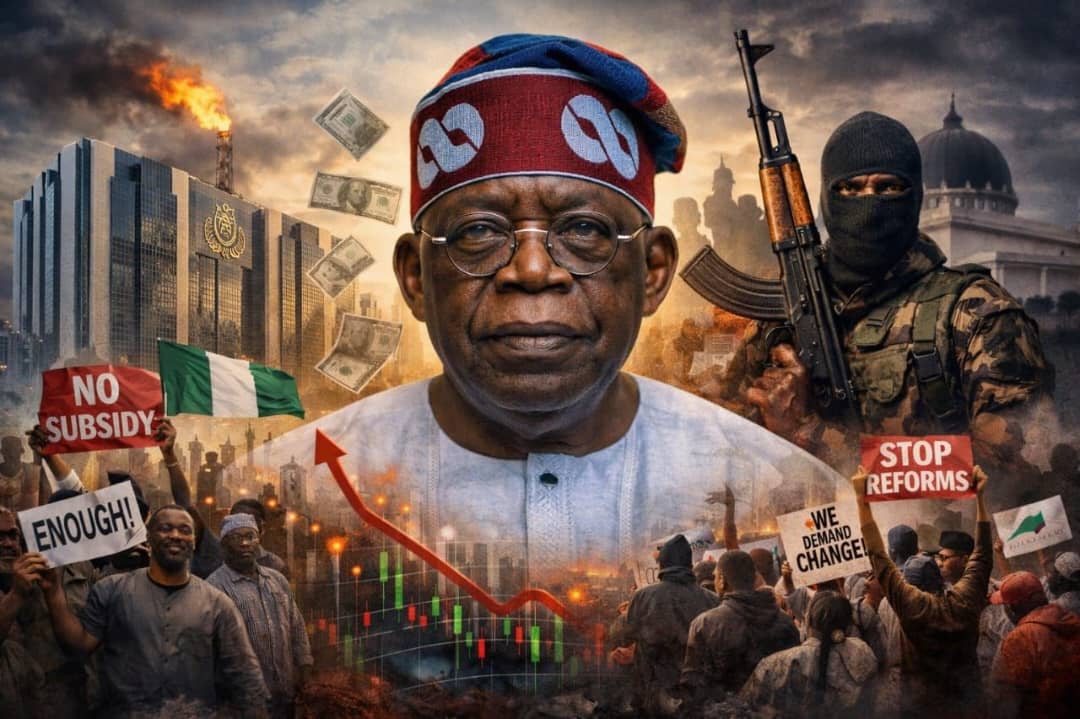
Good Politics Or Just Power? Two Years After The Elections
Two years after the last general election, Nigerians are justified in asking a direct question: is our democracy stronger today than it was then? Democracy is not measured by how many offices a party controls or how loudly politicians speak. It is measured by integrity, accountability, and the lived experience of the people. Good Politics demands more than victory at the polls; it demands moral leadership and visible progress in the lives of citizens.
The debate over amendments to the Electoral Act should have provided an opportunity to deepen transparency and strengthen public confidence. Instead, hesitation to fully embrace reforms that safeguard credible vote transmission and accountability has fueled doubt. In a nation where electoral credibility remains fragile, any reluctance to reinforce safeguards sends the wrong signal. Good Politics stands firmly for processes that are open, fair, and beyond suspicion.
The party in power commands significant authority across the federation. With control of the presidency, many state governments, a strong presence in the National Assembly, and influence at local levels, there should be no anxiety about reforms that ensure free and fair elections. Confidence in leadership is demonstrated not by dominance, but by a willingness to subject power to scrutiny. Politics rooted in the omoluabi ethos embraces fairness, transparency, and responsibility, even when inconvenient.
This is the standard long associated with Awolowo, whose politics emphasized discipline, social welfare, education, and institutional strength. His vision was not merely about holding office, but about transforming society through principled governance. Good Politics follows that tradition. It rejects manipulation, arrogance, and the concentration of power without accountability. It insists that authority must serve the people, not itself.
Beyond electoral reforms, democracy must deliver tangible relief. Across the country, households struggle with rising prices and shrinking purchasing power. Small businesses are burdened by escalating costs. Young people search for opportunities that remain scarce. When economic hardship deepens, democracy feels abstract. Good Politics recognizes that political legitimacy is reinforced when citizens can see and feel the benefits of governance.
The concentration of power within a single political structure should translate into coordinated reform and measurable development. When it does not, questions naturally arise. Democracy weakens when dominance replaces performance. It weakens when loyalty to party eclipses loyalty to principle. The omoluabi tradition teaches that character defines leadership. Without character, authority becomes hollow.
A healthy democracy requires credible elections and compassionate governance. It requires leaders who understand that politics is a moral enterprise. Two years into this administration, many Nigerians remain uncertain about the direction of both our democratic processes and their daily welfare. If democracy is to endure, it must reflect Good Politics: fairness in competition, integrity in conduct, and compassion in governance. Anything less falls short of the standard that our history and our values demand.
GEN CHRISTOPHER GWABIN MUSA SUPPORT INITIATIVE COMMENDS STATE-FEDERAL COLLABORATION IN ZAMFARA
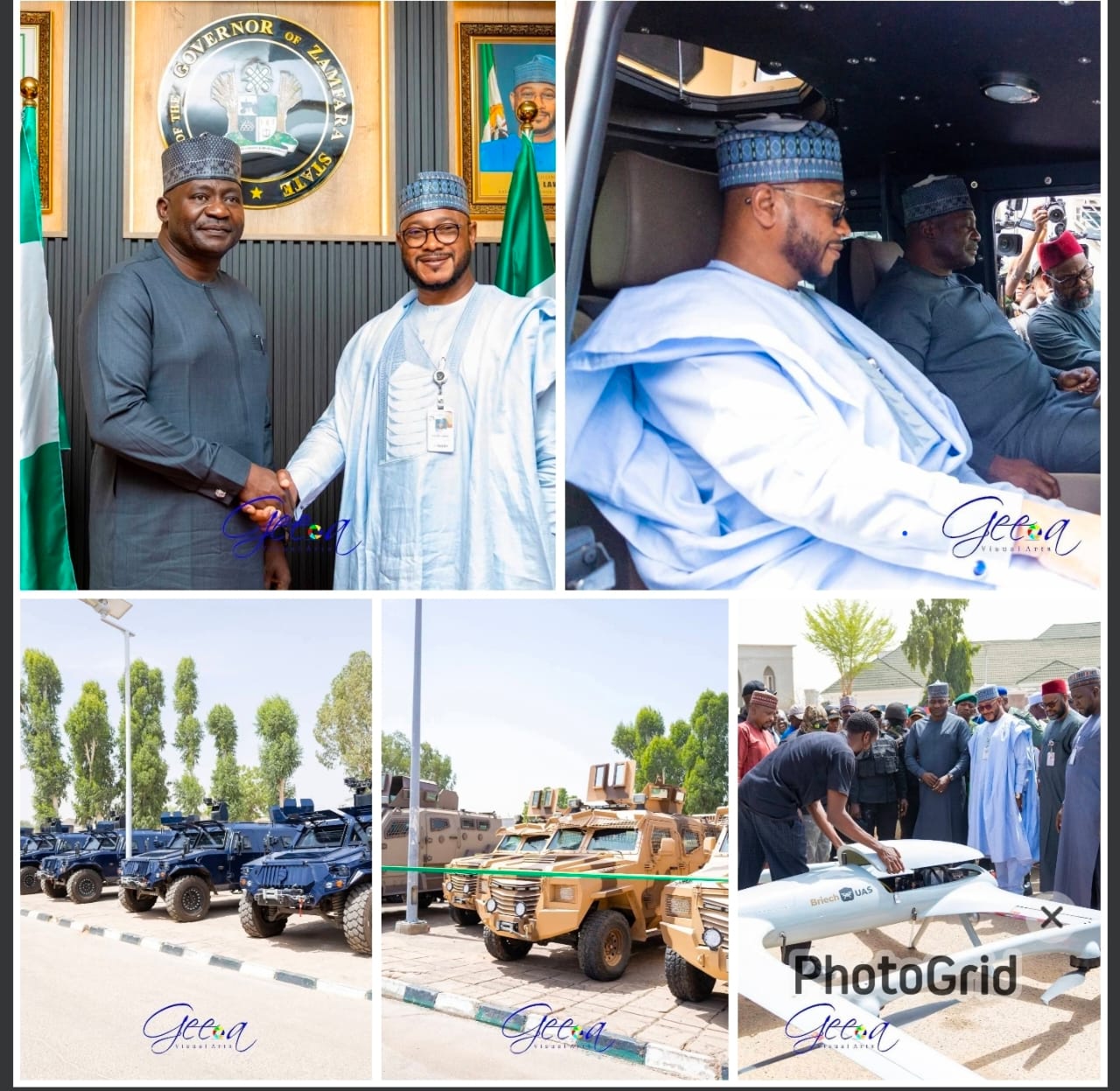
The Gen Christopher Gwabin Musa Support Initiative (GCGMSI) has commended the Zamfara State Government for its decisive contribution to security operations through the donation of newly acquired armoured personnel carriers (APCs), surveillance drones, and other critical operational equipment to troops and security agencies in the state.
This commendation was contained in a statement signed by the Convener of the GCGMSI, Ibrahim Dahiru Danfulani, Sadaukin Garkuwan Keffi/Betara Biu, and made available to the press.
The equipment was formally commissioned on Wednesday, February 18, by the Grand Patron of the GCGMSI and Minister of Defence, General Christopher Gwabin Musa, OFR (rtd.), in a ceremony at the Government House, Gusau. The event was attended by senior military officers, heads of security agencies, and top officials of the Zamfara State Government.
The GCGMSI, in its statement, hailed the donation as a “transformative and timely intervention” that aligns perfectly with its core objective of advocating for and supporting tangible measures that enhance the operational capacity and welfare of Nigeria’s security forces. The Initiative praised Governor Dauda Lawal’s administration for moving beyond rhetoric to actionable, material support, describing the move as a “blueprint for state-level collaboration in national security.”
“The provision of these assets by the Zamfara State Government is a testament to visionary leadership and a profound commitment to the peace and stability of its people,” the GCGMSI statement read. “It represents the exact kind of synergistic partnership between state and federal authorities that the GCGMSI champions. This initiative will significantly close operational gaps, boost the confidence of our gallant troops, and send a strong message to criminal elements.”
Speaking at the commissioning, General Musa emphasized that sustained collaboration is indispensable in confronting the nation’s evolving security challenges. He specifically commended Governor Lawal for his proactive support.
“Governor Dauda Lawal has demonstrated exemplary leadership and an unwavering dedication to the security of Zamfara State,” the Defence Minister stated. “The provision of these armoured vehicles, surveillance drones, and other operational equipment will undoubtedly boost the morale and operational effectiveness of our troops and other security agencies on the ground. This is a commendable effort that should be emulated by others.”
The newly commissioned assets, which include multiple APCs and advanced surveillance drones, are expected to dramatically enhance the mobility, protection, intelligence-gathering, and rapid response capabilities of security forces, particularly in the state’s remote and difficult terrains where anti-banditry operations are ongoing.
In his remarks, Governor Lawal reiterated his administration’s steadfast commitment to being a reliable partner in the security architecture. He urged security agencies to deploy the new resources responsibly and effectively to safeguard lives and property.
The Federal Government, through the Ministry of Defence, reaffirmed its commitment to continuing and deepening such partnerships with state governments across the nation to strengthen coordination and resource allocation in the collective fight against insecurity.
The GCGMSI concluded its statement by urging other state governments to take a cue from Zamfara’s “bold and pragmatic” approach, affirming that such concrete support is vital for achieving lasting peace and security across Nigeria.


-

 celebrity radar - gossips6 months ago
Why Babangida’s Hilltop Home Became Nigeria’s Political “Mecca”
-

 society6 months ago
Power is a Loan, Not a Possession: The Sacred Duty of Planting People
-

 society5 months ago
Religion: Africa’s Oldest Weapon of Enslavement and the Forgotten Truth
-

 news6 months ago
THE APPOINTMENT OF WASIU AYINDE BY THE FEDERAL GOVERNMENT AS AN AMBASSADOR SOUNDS EMBARRASSING