
celebrity radar - gossips
Celebrities That Own Customized Mercedes Benz Sprinter VIP Van


Celebrities That Own Customized Mercedes Benz Sprinter VIP Van
Mercedes Benz Sprinter VIP Van has gained prominence in becoming the vehicle of choice for many celebrities and various wealthy people who need larger than usual average vehicles for their travel needs, luxury, or business engagements. The starting price of a Mercedes Benz Sprinter Van is nothing less than 18,000,000 NGN. Of course, the price gets higher depending on how celebrities want it customized. This implies you need to have a fat account to avoid the luxury of a Mercedes Benz Sprinter Van
The Mercedes Benz Sprinter is often regarded as a boxy vehicle on four wheels. This classic van with high end features has a dizzying array of body styles, engine choices and customization options. The fact is, whoever you are or whatever your travel needs are; there is always a Mercedes Sprinter that perfectly meets your itinerary. Mercedes-Benz Sprinter is a full-size van available in cargo, passenger and crew configurations. All vans come in 144-inch and 170-inch wheelbase lengths, and the longer-wheelbase versions are also available in extra-long cargo and crew configurations.

Due to its versatility, various celebrities are opting for the Mercedes Benz Sprinter Van. It provides space and comfort, and can easily be customized to fit the desires of whoever needs it and can pay for it. Below are popular celebrities who own one or more customized Mercedes Benz Sprinter Van.
E-MONEY

Emeka Okonkwo, popularly known as E-Money was born in Ajegunle, Lagos State on the 18th of February 1981. The young billionaire lives an extravagant life. This is no surprise because some quarters also call him Arab Money. He is the CEO of Five Star Group and Emy Cargo Limited.
He established Emy Cargo in 2007. This company is one of the best freight forwarding and shipping services companies in Africa. The company also sells both new and used American cars.
E-money is KCee’s brother. This guy’s got some wealth and is not afraid to spend it. Amongst his fleet of exotic vehicles is a customized Mercedes Benz Sprinter van. E-Money takes a lot of leisure cruises with his friends in his beautifully-styled Mercedes Benz Sprinter Van. The starting price for the customization specs used by E-Money in his sprinter van begins from 100,000,000 NGN
Godswill Akpabio

Godswill Akpabio is the current Minister of Niger Delta, a former Senator of the Federal Republic of Nigeria and the Senate’s Minority Leader. The veteran governor has wealth and affluence and doesn’t hesitate to spend it on enjoying luxurious vehicles. In 2013, barely a few months after acquiring a $45 million private jet, Godswill Akapabio got himself several customized bulletproof Mercedes Benz Sprinter Vans.
The luxury vans were acquired from US-based Texas Armoring Corporation (TAC). Godswill Akapabio had his Sprinter Van customized by the Texas Armoring Corporation. Part of his customizations includes making the van bulletproof to enhance security. He also customized the seats white with a line of green and also had the Nigerian coat of arms imprinted on the headrest of the seats. His customized Sprinter van costs him several millions of dollars.
DINO MELAYE

Once a member of the House of Representatives, Dino is a politician, lawmaker and former senator of Nigeria. Serving as a senator, Dino Melaye represented the Kogi West Senatorial District under the People’s Democratic Party. Senator Dino Melaye is one of the few senators who has stirred controversy in Nigeria with his attitudes and words. He is often referred to as the ‘singing senator’.
Dino Melaye is a wealthy man. He is a busy man and travels a lot. Dino Melaye is the proud owner of a customized Mercedes Benz Sprinter van which he uses for most of his itinerary. For a wealthy politician, Dino Melaye can afford to have his Mercedes Benz sprinter van customized at a starting price of 130,000,000 NGN
PASTOR CHRIS OYAKHILOME

Popularly known as Christ Embassy, he is the president of LoveWorld Incorporated. Born on the 7th of December 1961, Pastor Chris Oyalkhilome is a pastor, televangelist and philanthropist. He is a graduate of the prestigious Ambrose Alli University, Nigeria.
Being a wealthy and successful pastor, Pastor Chris Oyalkhilome has a fleet of exotic cars and the Mercedes Benz Sprinter Van is one of them. This vehicle is customized to fit well the touring needs of the Man of God. Customized specifications of Pastor Chris Oyakhilome are that the van has armoured features and other advanced technology and safety features. Pastor Chris Oyalkhilome has not disclosed how much he spent on customizing his sprinter van.
Ayiri Emam

Ayiri Emami is a Nigerian activist and highly influential Niger Delta youth leader. He was the former chairman of the Delta Waterways Security Committee.
Wealthy and famous, Ayiri Emami is a versatile young man. Reports have it that he is a lover of expensive and exotic cars. Notable among his fleet of cars are Jeep Wrangler, Mini Cooper, BMW X6, Jaguar XJ, Bentley Mulsanne, Toyota Venza, Cadillac Escalade, Range Rover Sport, Lexus LX 470, Mercedes Benz G-Class etc.
He also owns a customized Mercedes Benz Sprinter Van. Very often, Ayiri Emami can be found cruising around town in his customized sprinter van with his wife and kids. His customized Sprinter Van costs him between 60,000,000 – 80,000,000 NGN.
Friday Ossai Osanebi

Friday Ossai Osanebi, born October 7, 1980, is a Nigerian and a member of the Delta State House of Assembly. He is the Lawmaker representing Ndokwa East Local Government Constituency in the State House of Assembly. He is the youngest legislator in the Delta State House of Assembly. The young lawmaker owns a customized Mercedes Benz Sprinter van which he used mostly during his campaign tours to be a lawmaker. Friday Ossai Osanebi has not revealed how much he bought his Sprinter van.




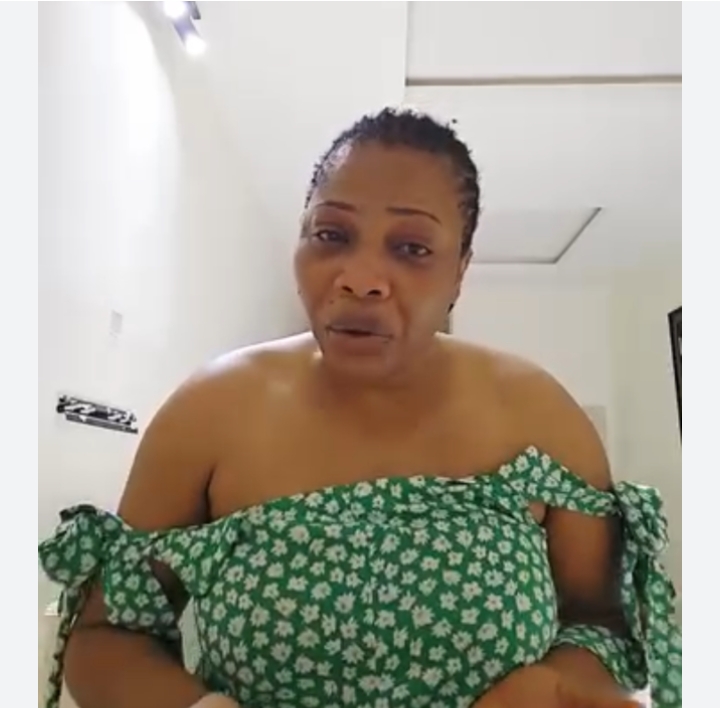
Court Summons Doris Ogala Over False Allegations Against Dr. Chris Okafor
Contrary to the narrative actress Doris Ogala has sought to project on social media, the General Overseer of Greater Liberation City, Dr. Chris Okafor, is not behind her recent invitation or attempted arrest by law enforcement authorities.
Rather, sources indicate that the actress is being sought in connection with a pending criminal suit instituted against her by the Federal Government of Nigeria before the Federal High Court, Lagos Judicial Division, over allegations linked to her social media publications concerning the cleric.
The case, filed as Charge No. FHC/L/2/220C/2026 – Federal Republic of Nigeria v. Doris Ogala, is said to be before Honourable Justice Aluko.
According to sources familiar with the matter, officers of the Nigerian Police Force, Zone 2 Headquarters, Onikan, Lagos, attempted to reach Ogala because she was scheduled for arraignment on Tuesday, April 14, 2026, and remains on administrative bail.
“The officers only sought to serve the defendant with the charge and ensure her appearance before the court,” a source disclosed.
Court documents reveal that the Federal Government has filed a four-count charge against Ogala bordering on alleged cyberstalking, dissemination of false information, harassment, and attempted extortion under the Cybercrimes (Prohibition, Prevention, etc.) Amendment Act, 2024.
The charges include allegations that she:
Published nude and intimate photographs of Dr. Chris Okafor without consent;
Made and disseminated allegations accusing the pastor of rape, ritual practices, and involvement in a death;
Published videos and electronic messages allegedly intended to harass, bully, and intimidate him;
Allegedly threatened continued publication of damaging materials unless compensated or provided with a house.
A source close to the matter insisted that Dr. Chris Okafor is not orchestrating the legal action and has no direct involvement in the prosecution beyond being the nominal complainant.
“Sadly, rather than addressing the issues before the court, Doris continues to drag Pastor Chris Okafor into the matter publicly,” the source said.
“The simple position is that whoever makes allegations must be prepared to substantiate them in court. That is all the court requires. Pastor Chris Okafor has moved on and is not pursuing any personal vendetta. She is the one who must answer to the law.”
The development underscores what insiders describe as a legal process driven by the state and not by personal influence, despite attempts to portray the matter otherwise online.
celebrity radar - gossips
SHOCKER IN ENTERTAINMENT INDUSTRY: Jaiye Kuti & Pasuma Take Love to the Next Level

SHOCKER IN ENTERTAINMENT INDUSTRY: Jaiye Kuti & Pasuma Take Love to the Next Level
What started as mere whispers in entertainment circles has now exploded into a full-blown headline story shaking both Nollywood and the Fuji music scene!
After weeks of speculation, multiple insider sources have finally confirmed that veteran actress Jaiye Kuti and Fuji icon Wasiu Alabi Pasuma are set to take their relationship to the next level — MARRIAGE!
The duo, who have long been linked in what many dismissed as mere friendship or industry camaraderie, are now reportedly preparing for a private but glamorous wedding ceremony that promises to be one of the most talked-about celebrity unions of the year.
For months, social media has buzzed with sightings, subtle hints, and cryptic posts suggesting a deeper bond between the two stars. While both camps maintained silence, insiders now reveal that the relationship has been years in the making — far from the sudden development many assumed.
As expected, the news has sparked mixed reactions across Nigeria’s entertainment landscape:
Some fans are thrilled, calling it a “perfect blend of class and culture.”
Others remain skeptical, questioning whether this is love or a strategic publicity move.
A section of observers insist, “In Nigeria’s entertainment industry, anything is possible!”
If confirmed officially, this union could mark the coming together of two powerful brands:
A respected Nollywood figure known for her elegance and strong screen presence
A Fuji legend with decades of musical dominance and loyal fan base
Together, they could redefine celebrity partnerships in Nigeria.
Will there be an official announcement?
Are wedding preparations already underway?
Or is there more to this story than meets the eye?
One thing is certain — all eyes are now on Jaiye Kuti and Wasiu Alabi Pasuma.
Stay tuned… because this story is far from over!
celebrity radar - gossips
Opposition Smearing INEC Chairman Out of Desperation — Ajulo Declares Tinubu’s Victory Inevitable
Opposition Smearing INEC Chairman Out of Desperation — Ajulo Declares Tinubu’s Victory Inevitable
ABUJA — The Ondo State Attorney-General and Commissioner for Justice, Kayode Ajulo (SAN), has accused opposition elements of orchestrating a calculated smear campaign against the Chairman of the Independent National Electoral Commission (INEC), Joash Amupitan (SAN), insisting that such actions stem from their acceptance of imminent electoral defeat.
In a strongly worded press statement issued on Sunday, Ajulo argued that the opposition has abandoned genuine political engagement and has instead resorted to “the politics of discredit,” targeting the electoral umpire in a bid to undermine public confidence.
According to him, the attacks on the INEC chairman are deliberate attempts to weaken the credibility of the electoral process ahead of the next presidential election, which he claimed has already been “decisively won” by President Bola Ahmed Tinubu.
“The opposition knows the battle is lost. What they now implement is not resistance, but the politics of discredit,” Ajulo stated.
He described Prof. Amupitan as a “steadfast guardian of Nigeria’s democratic process,” warning that efforts to discredit him would ultimately fail as Nigerians “see through the smoke.”
Ajulo further anchored his argument on Nigeria’s political history, recalling a period when the Peoples Democratic Party (PDP) dominated the political landscape with a majority of state governors, while Tinubu, then leading the Alliance for Democracy (AD), controlled only Lagos State.
He said the political evolution that led to the rise of the All Progressives Congress (APC) and its current dominance across many states reflects what he described as “a profound feat of strategy, resilience, and leadership.”
The attorney-general also noted that, unlike previous political realignments, the APC under Tinubu has not experienced defections of governors, but has instead attracted members from opposition parties.
He maintained that the current wave of criticism against INEC leadership is rooted in fear of electoral loss rather than legitimate concerns about the commission’s integrity.
Ajulo concluded by urging Nigerians to remain vigilant and resist attempts to erode trust in democratic institutions, emphasizing that “the mandate of the people will stand.”


- President receives Bishop of Port Victoria, reinforces State–Church collaboration on social priorities April 15, 2026
- World Bank Group’s International Finance Corporation (IFC) and Citi Sign Borrowing Facility to Expand Local Currency Financing in South Africa April 15, 2026
- Uganda: Manufacturers, traders ask gov’t to stay tax increases April 15, 2026
- Eritrea: Sports and educational week in Assab sub-zone April 15, 2026
- Cabo Verde Shapes Africa’s Health Future at High-Level World Health Organization (WHO) Regional Consultation April 15, 2026
- Critical Minerals Africa Group to Speak at Invest in African Energy Forum in Paris April 14, 2026
- Talentz MEDIA Announces Strategic Partnership with Ghanaian Artist Kwaku Cenima to Launch “Emotional Scene” April 14, 2026
- South African Local Government Association (SALGA) and The Global Trust Project announce municipal pilot under new three-year Memorandum of Understanding (MoU) April 14, 2026
- TotalEnergies Strikes New Oil Discovery Offshore Congo Amid National Drive Toward 500,000 barrels per day (BPD) April 14, 2026
- Africa Finance Corporation (AFC) Delivers Côte d’Ivoire’s First Project Finance Green Bond for Landmark Solar Plant April 14, 2026
- President receives Bishop of Port Victoria, reinforces State–Church collaboration on social priorities April 15, 2026
- World Bank Group’s International Finance Corporation (IFC) and Citi Sign Borrowing Facility to Expand Local Currency Financing in South Africa April 15, 2026
- Uganda: Manufacturers, traders ask gov’t to stay tax increases April 15, 2026
- Eritrea: Sports and educational week in Assab sub-zone April 15, 2026
- Cabo Verde Shapes Africa’s Health Future at High-Level World Health Organization (WHO) Regional Consultation April 15, 2026
- Critical Minerals Africa Group to Speak at Invest in African Energy Forum in Paris April 14, 2026
- Talentz MEDIA Announces Strategic Partnership with Ghanaian Artist Kwaku Cenima to Launch “Emotional Scene” April 14, 2026
-

 news4 months ago
WHO REALLY OWNS MONIEPOINT? The $290 Million Deal That Sold Nigeria’s Top Fintech to Foreign Interests
-

 celebrity radar - gossips3 months ago
Dr. Chris Okafor Returns with Power and Fire of the Spirit -Mounts Grace Nation Altar with Fresh Anointing and Restoration Grace on February 1, 2026
-

 celebrity radar - gossips4 months ago
Prophet Kingsley Aitafo Releases 2026 Prophecy: ‘Nigeria Will Rise, but the World Must Prepare for Turbulence’
-

 celebrity radar - gossips6 months ago
End of an Era: Nigeria Mourns Evangelist Dr. Uma Ukpai, 80