
celebrity radar - gossips
Duty Call Under Buratai Command By Jibrin Baba Ndace

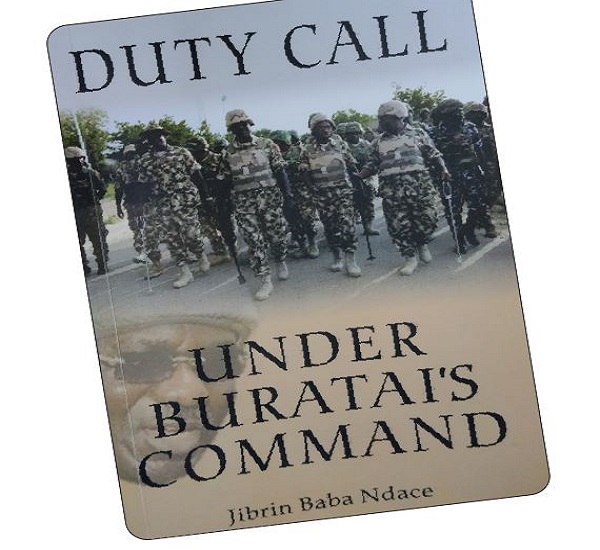
Duty Call Under Buratai Command By Jibrin Baba Ndace
The title is apt. In this book, Duty Call Under Buratai Command, the author, Jibrin Baba Ndace, is concise. He goes beyond the era of Buratai as the Chief of Army Staff to delve into the early years of Nigeria’s statehood to situate a nation that has come a long way. The book is like a treatise, well researched, documented and properly presented on the political and other issues that have helped to form a nation. But above all, Ndace is critical on those salient but sensitive areas and deeds that helped Gen. T.Y. Buratai to come out tops in his onerous tasks and responsibilities to uproot terrorism from the land.
But in order to fully comprehend the sentiments expressed and embedded in the book, it is better to still pick a copy. It is a book that is deeper than the subject matter. It is history reiterated to suit the mood of the nation. It is history that is well replicated, re-enacted to teach, to remind, to remold the minds of the people. Apart from a lengthy acknowledgement that has helped to reveal and know the people that assisted to appreciate the efforts that made this publication possible, the author is equally unwavering in his research efforts. He is painstaking. He is thorough.
His call to join in the reportage of the fight against terrorism in the different fronts where the battles were fought was prompt, immediate, yet Jibrin, as a journalist, quickly embraced this call pronto. This is the opening of the story. This provides the enabling zeal and foundation for this book to be muted and executed. “That was it. Preparations for Sallah became preparations for departure to Maiduguri at the briefest notice. Thus began my story which is something close to a travelogue, in the shadows of Lt. General Tukur Yusuf Buratai, Nigeria’s Chief of Army Staff”. Page XXVI. However, this book is more than a travelogue. It is deliberate, more profound and seriously treated to open people’s eyes to the nitty-gritty of the nation state. Indeed, this is a compendium, a collector’s item.
This is why the book is divided into sections, within fifteen broad chapters. Each chapter treats much broader issues that pertain to Nigeria, to the roles of individuals, army, civilians, all, to enable Nigeria grow or otherwise. Chapter one entitled Sad Tribute of a nation at war with itself, suddenly becomes a leeway into the core basis of the entire book. “A nation divided against itself cannot prosper”, page 1. This anathema or truism summarizes the nation called Nigeria. But the author is quick to stress the role of Britain, the colonial overlords, the responsibilities or lack of it played by Nigeria’s early leaders that resulted to the Nigeria of today. As you make your bed, so you shall lie on it, seems to be the author’s mantra concerning the state of the nation Nigeria, indeed the Nigeria of today.
On page 2, he makes it explicitly clear: “The country is blessed not just with natural resources, but the exploits of her people all over the world across all sectors, speak volumes of her massive human resource endowment”. With this, he goes into some remarkable offers and statements by previous leaders to lead Nigeria aright. What the author is saying invariably is that it is the errors of leaders past and present, that bred and keep breeding the terror of today. Yes, because “Despite hope by founding fathers since independence Nigeria’s journey to nationhood has been turbulent and tumultuous due largely to her internal contradictions and inability of the political players and other influential stakeholders to safely and adequately address their differences for a more united and prosperous country”. And so on and so forth. Page 4.
In chapter two, captured: New enemy, new challenge, the author is clear as to how the issue and the roles of army and indeed the military generally have pointed the way forward for Nigeria. A nation breeds the kind of military that tackles its numerous internal problems. Even then conflicts have been part and parcel of humanity over the years, but how has Nigeria tackled its own problems over time? Books have been written, ideas canvassed and espoused, but have these helped to suppress or prevent wars and crises? Ditto: World Wars I and II and the Nigerian civil war and others across the globe.
On page 31, it is made clearer, “What was however unknown to or not noticed by many Nigerians was that while the arm forces of Nigeria and other security agencies were battling militancy in the Niger Delta, communal clashes, political thugs, armed bandits and other forms of criminal tendencies in the country, a deadly group was establishing its roots in North eastern Nigeria”. Thus, Boko Haram was born. Jibrin thus hits the nail on the head as he sets minds racing into the past.
In chapter three, we encounter a recurrent theme in the Boko Haram’s adventures in Nigeria. Entitled: The Chibok nightmare, the author opens it with a mind bogging quote. “Terrorists are masters of mind control”. This was the strategy they employed from the onset to upstage the scene and put Nigerians in a state of anomie, fear and disarray. It was then time for the military to act promptly and decisively. The abduction of the Chibok girls, the serious siege on Yobe and Bornu States set the nation and the entire military on edge. In the face of reckless and ceaseless bombings and killings in many parts of Nigeria by Boko Haram, the issue of the Chibok girls became a time to rise to the occasion. On page 39, “Clearly, 2014 was the year of Boko Haram… It also intensified its suicide attacks on major towns and villages in the country, including the federal capital Abuja… The Chibok abduction occurred the same day with another deadly attack on Nigeria’s capital, Abuja”. Thus, began the tortuous journey of these teenage school girls into the belly of Boko Haram.
Shouts of chei there’s God and so on, have since rented the air, yet, the girls are still in the dragnet of Boko Haram. For one thing, this book is provocative, bent on making history come alive, become renewed and topical in the annals of Nigeria.
In chapter four, we have the theme- The return of a ‘Seventh time loser’. With the coming of President Muhammadu Buhari, the tide suddenly changed for good. As soon as he appointed Lt. Gen. T.Y. Buratai, this brutish and no nonsense army general as a Nigeria’s Chief of Army Staff, he took the war straight to the home of Boko Haram. Jibrin, a close participant in this story is clear when he says that the emergence of Buhari after losing several times at the polls was a blessing in disguise. His coming into office thus became an albatross for terrorists in Nigeria. After tracing the history of Nigeria’s military since the colonial days, he gives unreserved credit to Buhari for his tenacity of purpose and prompt wisdom in tackling terrorism to its logical end.
On page 63, the book says “Like the armed forces, President Muhammadu Buhari’s trajectory is intrinsically linked to the history of Nigeria…” So when he became Commander-in-Chief of the armed forces of Nigeria in 2015, it was critical he rooted hoodlums out of the land. And this, in other words, commences the next stage of this book.
In chapter five, and with the Eagle Square Declaration, President Buhari noted: “Boko Haram is a typical example of small fires causing large fires”. He made the military trigger ready with this critical observation. As he drove into the Eagle Square for his inauguration, keen on his mind was how to free Nigeria from the foyers of insecurity. Also he quickly responded that Boko Haram was not the only security issue bedeviling our country. On page 80, he was deeply troubled when he says: “We are going to erect and maintain efficient, disciplined people-friendly and well-compensated security forces within an over-all security architecture”. And so he set the ball rolling with immediate effect. As an
embedded reporter, Jibrin knows how to critically background each chapter in order to send the necessary message across to the reader. This is one of the reasons this book is a must read for all well-meaning peoples of the world, particularly Nigerians.
In chapter six, Buhari is now in the saddle of leadership. Buhari in his usual characteristic way did not immediately change service chiefs. But when he eventually did, it was not just phenomenal, it was most effectual. Before this decision he had ordered the military command to move deeper into the North East for more effective counter-insurgency. This done, on July 13, 2015, he promptly appointed new service chiefs with Lt. Gen. T.Y. Buratai taking over as the Chief of Army Staff. Henceforth, Buratai took over with full force, swinging into action. Without wasting time he shows he is a man of destiny. On page 87, Jibrin refers to him as a man whom some of his course mates simply refer to as a cat with nine lives. Or a rejected stone that became the head cornerstone. A native of Biu, in Bornu State, his appointment as the son of the soil offered him plenty elbow room to swim within a familiar terrain to uproot and destroy the strongholds of Boko Haram.
No doubt, he comes from a community of warriors when his own father was also a soldier. Enamoured by his background, Buratai dares where angels fear to go.
His appointment, alongside others, is well enumerated in this chapter and this leaves no one in doubt that Jibrin is a talented chronicler, a historian in all sense of the word. Indeed he is a crack reporter.
Since the book is divided into parts as well, part two of it opens with A New Sheriff. And who is this Sheriff, so revered and feared and respected? This is chapter seven-Soja go! Soja com! Barracks no go empty! It is not just a slogan; it is the way of the military. It shows that no position is permanent. And so on 16th of July, 2015, Buratai officially took over the mantle of leadership with changes here and there in the army cadre. Ndace also reveals his own family history of soldering as a career. No wonder therefore he feels at home with his call to duty as embedded defence correspondent.
All in all, the author embellishes this part and chapter with appropriate glossary pictures of his exploits and those of his principal and all the people that are involved in this crusade. It is a glorious section.
And “Where do you think we are going”? This is the title of chapter eight of the book. Starting with an epoch quote by General Baron De Jomini that states that “If a general desires to be a successful actor in the great drama of war, his first duty is to study carefully the theatre of operations so that he may see clearly the relative advantage and disadvantage it presents for himself and his enemies”. Bearing this in mind, Buratai did not waste time to head towards the core inner areas of the North East to see first-hand where and how to tackle the insurgents. He needed to understand the geography better. While doing this he took along the military and civilian personae that mattered to him in this patriotic assignment. That was how the journey ended at night in Damaturu, the Yobe State capital. This was when the Boko Haram upsurge was intense, indeed at its hottest peak, tormenting the public to no end.
In chapter nine, attention is now focused on Damaturu. Entitled Damaturu: Walking on a battleground, we see a Buratai who is battle ready; who has chosen to surprise everyone with his unannounced entry into the town. It was a big blow to the enemies of the state. For this reason the soldiers who had been out there in the cold were happy to receive the Chief of Army Staff with an open arm. Page 139, “A soldier who told me he had been in the North East for four years expressed his delight. This will really encourage us. When your number one officer visits you and stays with you, eats with you, there is nothing more than that”, the soldier said.
It was in the midst of all these that all marched through landmines. In chapter Ten, entitled marching on landmines, emphasis is on courage. Here Buratai serves as an example. The author notes that two days after being embedded his mind is made for the battles ahead. Not only that, he is imbued with renewed vigour and courage, Buratai is included as he also encourages others to fall in line.
Chapters eleven to the end, to twelve, thirteen through fifteen all hammer on the different places and locations where the battles were fought and won. The stories traverse the whole gamut of the North East, laying open the troubles on the way and tactics employed by Buratai and his team to rout out and destroy the last strongholds of the insurgents.
It was tough, rough and terrifying. Most especially the journeys through Maiduguri to Gamboru, Nigeria’s border with Chad, the terrain of the routes, the abnormality of the roads, further sent signals of how horrible the areas were. Yet the brevity of Buratai and his team became overriding in all these. In the end, his command overcame and it became duty call under General Buratai. The author notes, in the end, that it is good for every honest man, soldier or civilian to be called to duty just like Buratai was. That way, the nation will be saved, remain in safe hands, and peace and tranquility will return





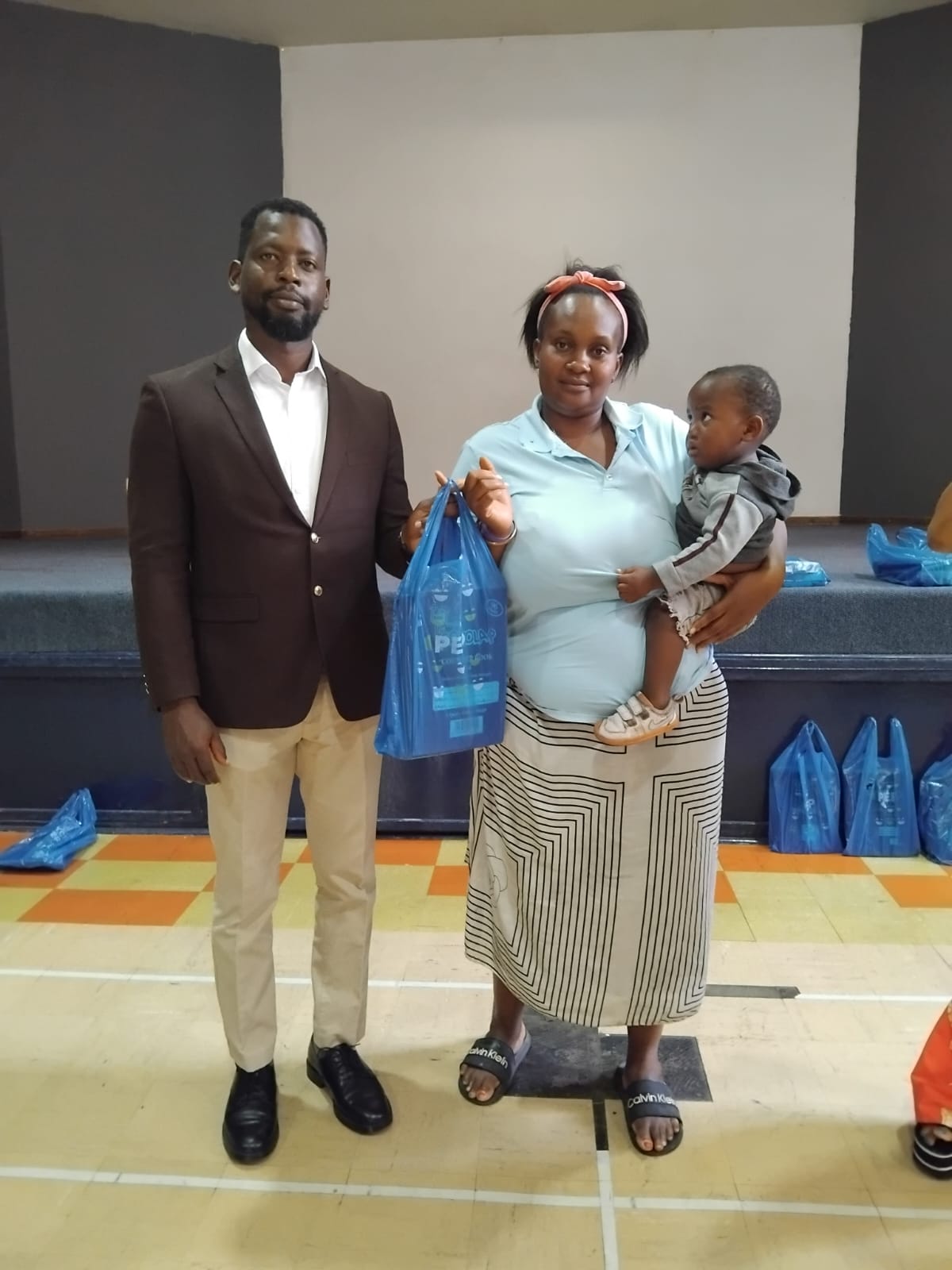
Back to School Initiative by Hon. Ekos Akpokabayen Enters Second Phase
“Bringing Hope to Inner-City Families in Johannesburg.”
By George Omagbemi Sylvester | Published by SaharaWeeklyNG
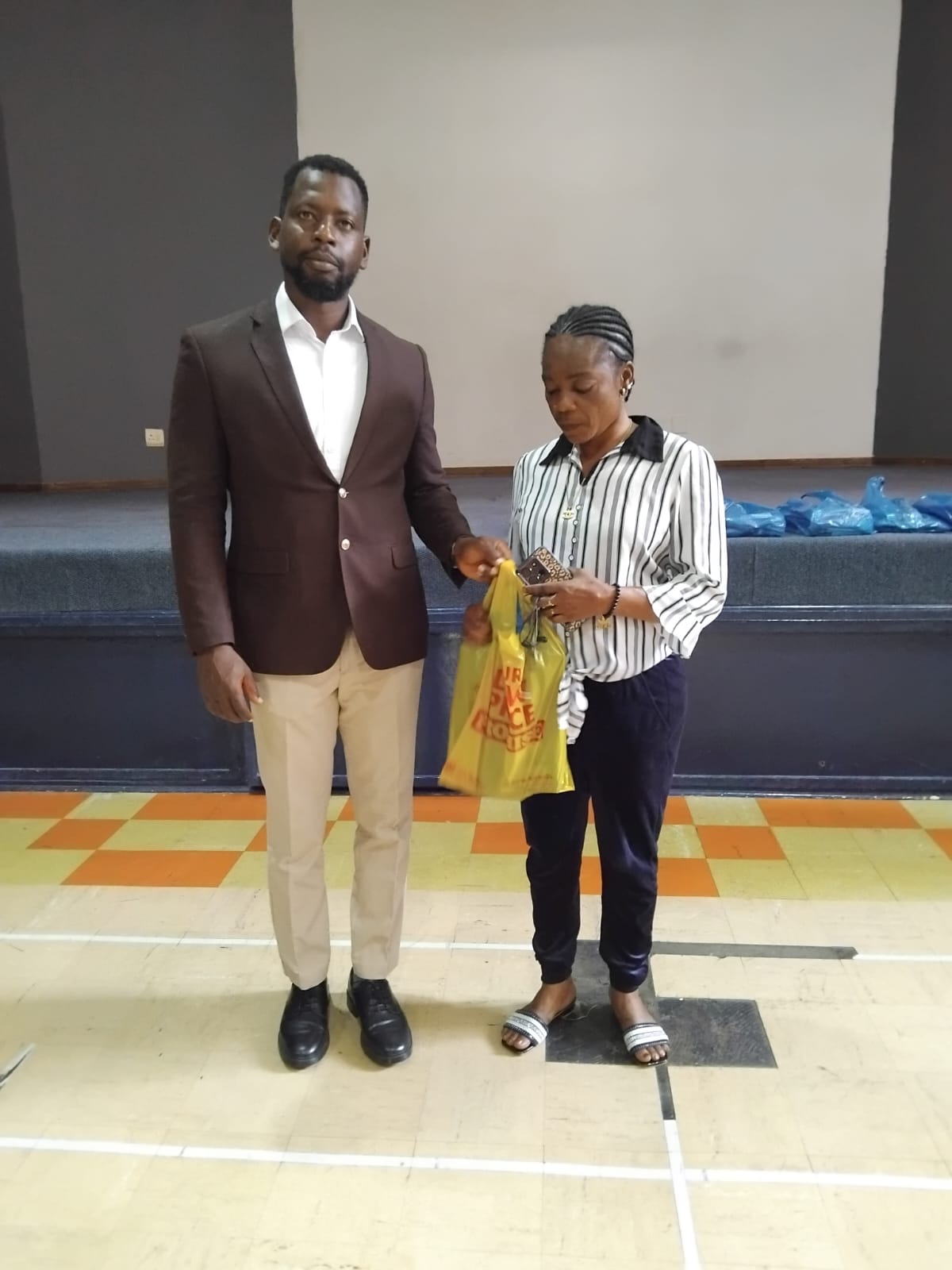
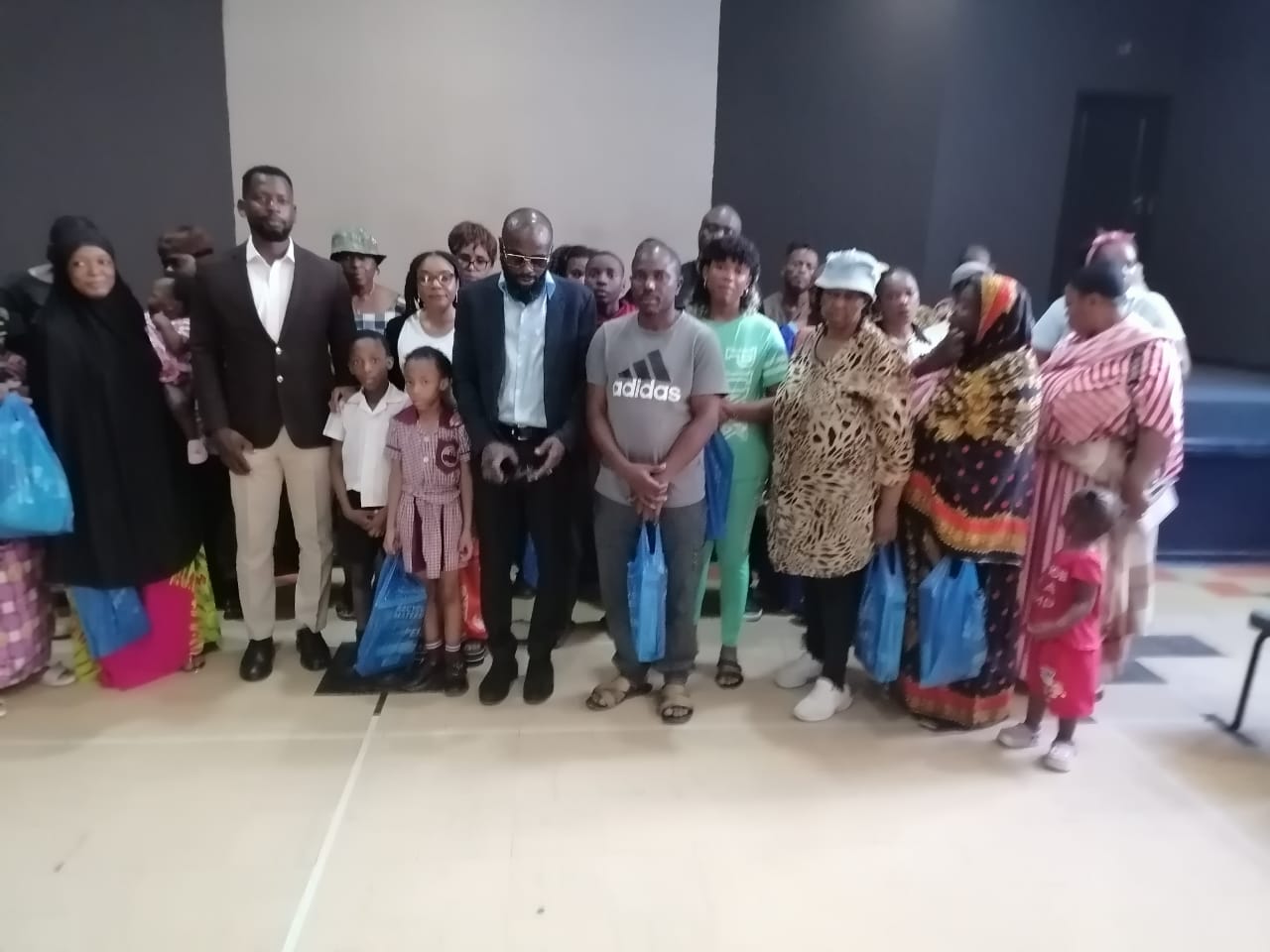
The annual “Back to School” Giveaway has once again reaffirmed its place as a vital lifeline for vulnerable families in Johannesburg’s inner-city communities, as the second phase of the 2026 edition was successfully carried out on Wednesday, 5 February. The program, which covered Yeoville, Berea, Hillbrow and surrounding areas, continues to stand as a powerful example of grassroots leadership driven by compassion, consistency and a deep sense of community responsibility.
Now in its fourth consecutive year, the initiative was founded by Hon. Ekos Akpokabayen with the core objective of easing the burden on struggling households and ensuring that children begin the academic year with dignity, confidence and the basic tools required for learning. In neighborhoods where economic hardship, unemployment and social pressures often threaten access to quality education, the program has become a beacon of hope and a reliable support system for many families.
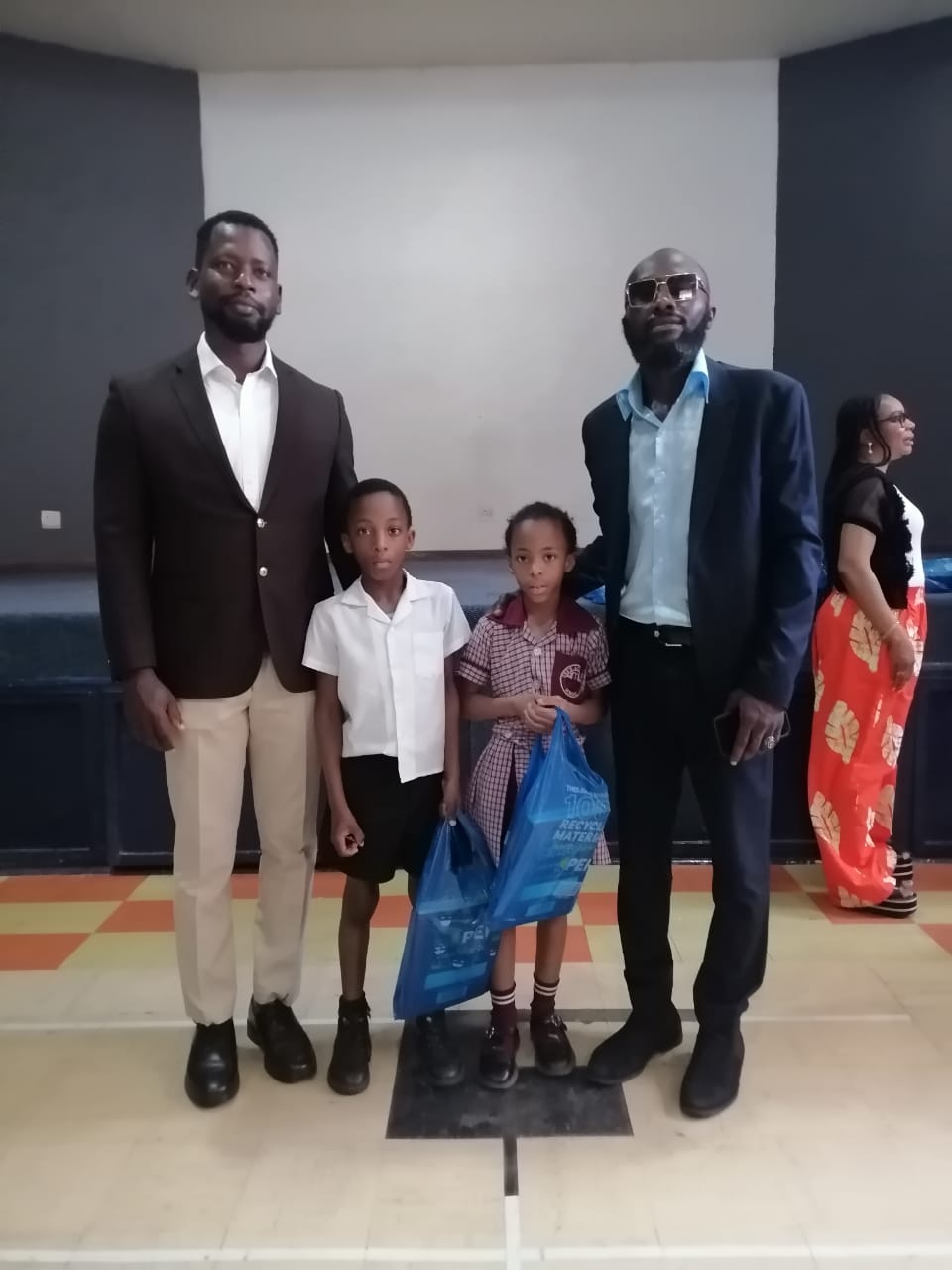
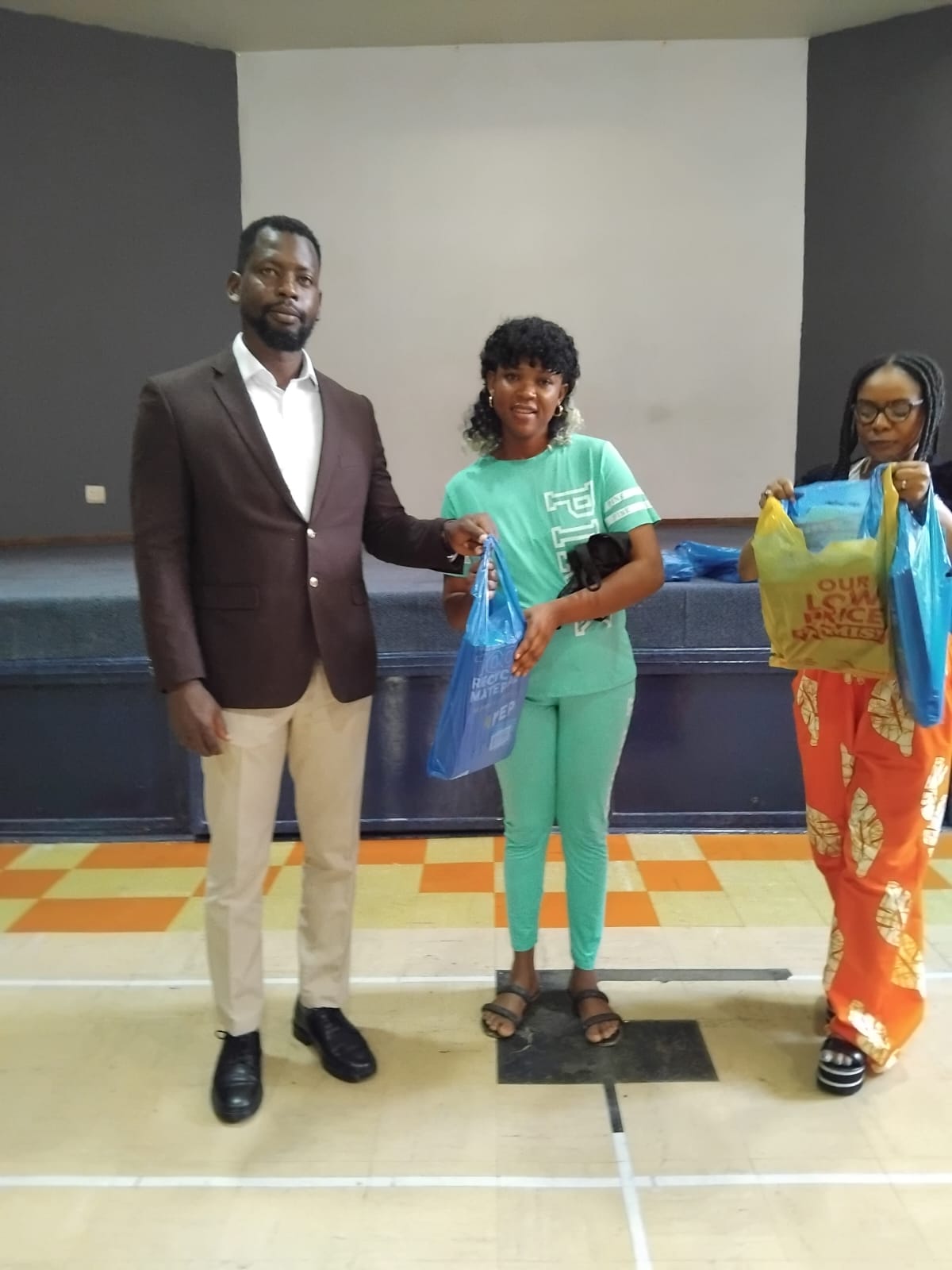
The second phase of the 2026 edition expanded the reach of the initiative, delivering school materials to more children and households. The distribution included essential learning items such as school bags, exercise books, writing materials and other educational supplies designed to give pupils a strong start to the school year. For many families, these items represent not just material support but also a renewed sense of encouragement and belonging.
Speaking during the distribution, community leaders emphasized that education remains one of the most powerful tools for breaking the cycle of poverty and social exclusion. They noted that when children begin the school year without the necessary materials, it often leads to embarrassment, low self-esteem and, in some cases, absenteeism. The “Back to School” initiative seeks to address this challenge by restoring dignity and creating a more equal starting point for all learners.
Hon. Ekos Akpokabayen, the founder of the program, was accompanied by fellow community leaders including Hon. Angel Monalisa, Hon. George O. Sylvester and Hon. Otono Osiaima. Their presence reflected a shared commitment to service, unity and the collective responsibility of leaders to uplift their communities. The program was not presented as a political event but as a humanitarian intervention aimed at empowering the next generation.
Over the years, the initiative has grown from a modest distribution effort into a widely recognized symbol of unity, inclusion and social responsibility within the inner city. It has consistently attracted support from volunteers, community stakeholders and concerned individuals who believe in the transformative power of education.
One of the most remarkable features of the program is its inclusive, pan-African character. This year’s beneficiaries were not limited to any single nationality. Children from Nigeria, South Africa, Zimbabwe, the Democratic Republic of Congo, Burundi, Mozambique and several other African countries received support. This diversity reflects the true identity of Johannesburg’s inner city, where people from across the continent live, work and raise families together.
Community members praised the initiative for promoting unity and peaceful coexistence among African nationals. In a city often affected by economic competition and social tensions, the “Back to School” program offers a different narrative with one that highlights cooperation, solidarity and the shared responsibility of building a better future for the continent’s children.
Parents who attended the distribution expressed gratitude for the initiative, noting that the rising cost of living has made it increasingly difficult to provide basic school supplies for their children. Many described the program as timely and impactful, especially at a period when households are under significant financial pressure at the start of the school year.
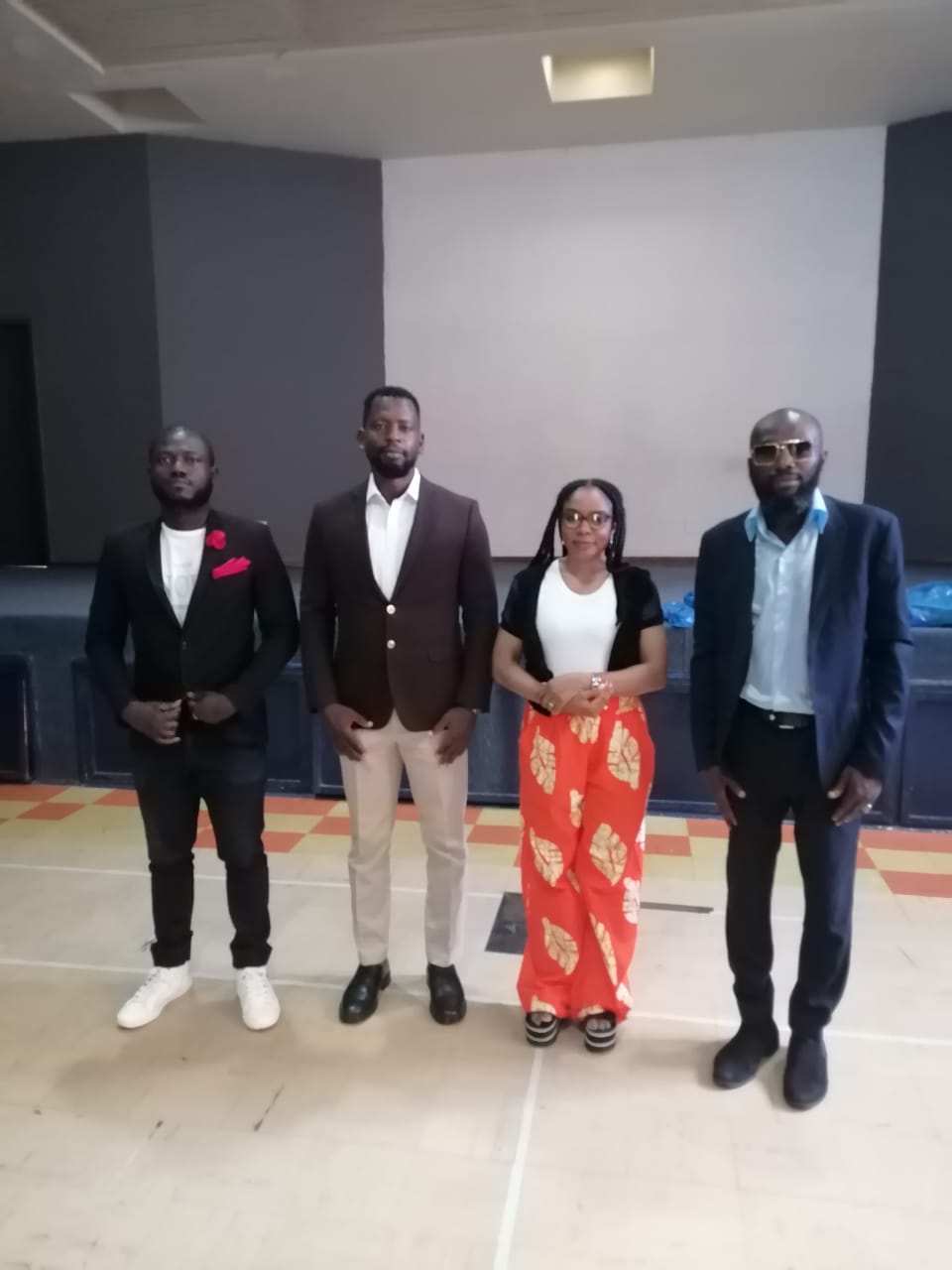
For the children themselves, the event was more than just a distribution exercise. It was a moment of excitement, encouragement and affirmation. Receiving new school materials in a supportive and celebratory environment gave them a sense of pride and readiness for the academic challenges ahead.
Observers have noted that the consistency of the program over four years has helped build trust and credibility within the community. Unlike one-off charity events, the “Back to School” initiative has become an expected and dependable intervention that families look forward to each year. This consistency has reinforced the idea that genuine leadership is measured not by words, but by sustained actions that improve lives.
The second phase of the 2026 edition also highlighted the importance of collaborative leadership. By bringing together multiple community figures, the program demonstrated that collective efforts can produce stronger and more lasting results. It sent a clear message that community development is not the responsibility of one individual alone, but a shared mission that requires cooperation and unity.
As the program continues to grow, organizers have expressed their commitment to expanding its reach and impact in the coming years. Plans are already being considered to involve more partners, attract additional support and reach even more children across the inner city.
Ultimately, the “Back to School” initiative is more than a seasonal act of charity. It is a long-term investment in education, dignity and social stability. By ensuring that children begin the academic year equipped and confident, the program contributes to better learning outcomes, improved self-esteem and stronger community cohesion.
The successful completion of the second phase on 5 February 2026 stands as another milestone in the program’s journey. It reinforces the enduring belief that when leadership is guided by compassion and service, communities can rise together without borders, without barriers and with renewed hope for the next generation.
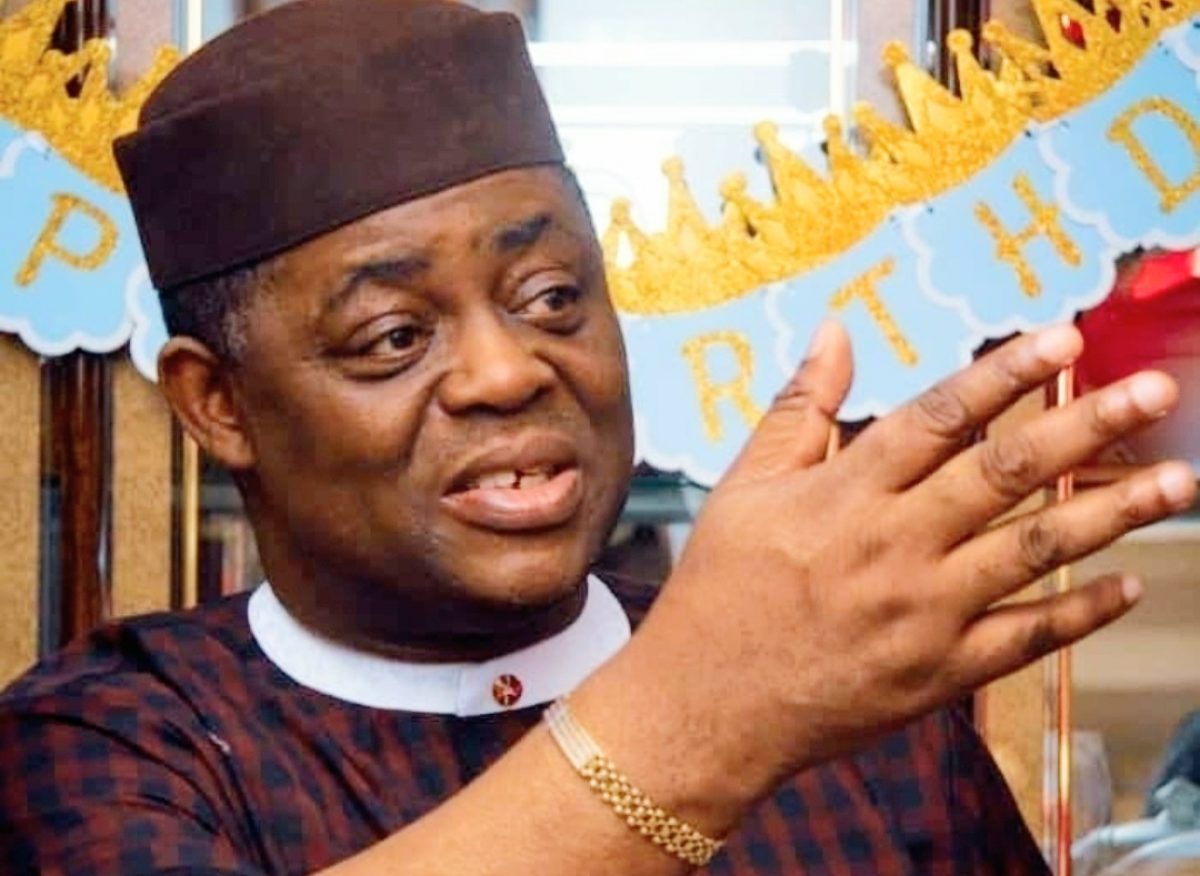
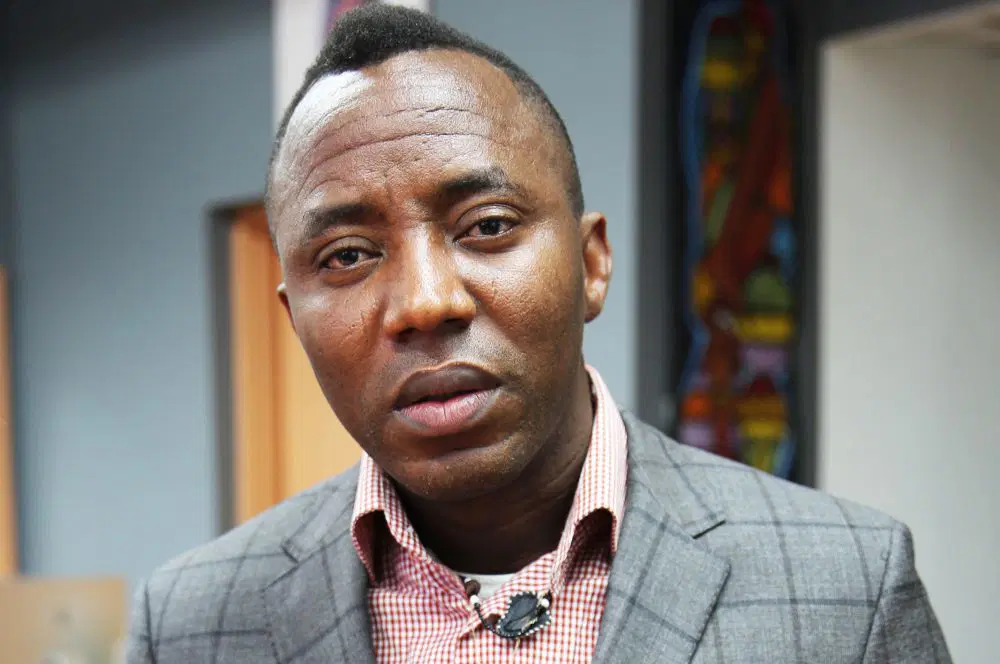
SOWORE’S OBSESSION WITH PRESIDENT TINUBU, RENO OMOKRI & I.
By Chief Femi Fani-Kayode
I was informed that Omoyele Sowore made references to things I allegedly said against President Bola Tinubu 11 years ago to somehow exonerate himself in the criminal case that he is facing for defamation. He claimed that I said that President Tinubu killed Chief Funso Williams in 2003. This is false. I never said that President Tinubu killed Funso Williams.
What I said was “I am not Funso Williams: I cannot be killed like a chicken”. Those were my EXACT words: nothing more & nothing less.
I said them 11 years ago & I have long since retracted them & accepted the fact that they were not only inappropriate but that they may have also been misconstrued!
It is a measure of how desperate Sowore is that he should be dragging up statements that I made 11 years ago about President Tinubu during the 2015 presidential election campaign which I have long since retracted & withdrawn in an attempt to help fight his case in court.
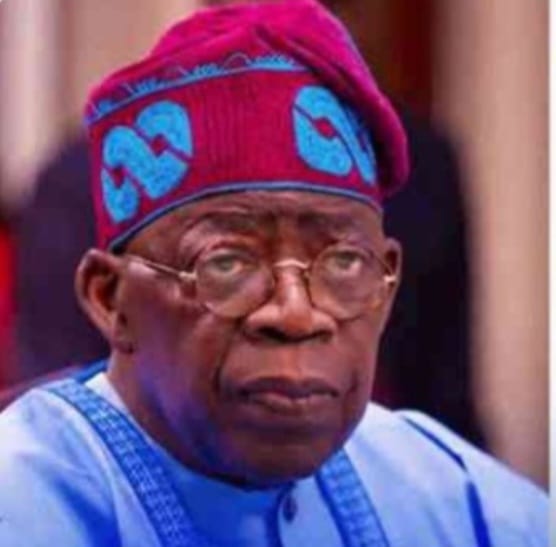
History records that I was in the opposition PDP at the time (2015) & was the Director of Media & Publicity in President Jonathan’s Presidential Campaign Organisation & a lot of ugly things were said by both sides against one another’s candidates & party leaders during the heat of battle. That is the nature of Presidential campaigns everywhere in the world.
For the record I left the PDP 6 years ago & joined the APC in 2021. Since that time I have supported the party selflessly & perhaps more relevantly I played a key role as Director of New Media & Special Operations in President Tinubu’s Presidential Campaign Organisation in 2023.
Throughout that campaign the record shows that morning day & night both myself & the Directorate of 250 people that I headed spoke & fought for the President & contributed to his victory.
Outside of that for the last two years since he was sworn in as President I have been unwavering in my support for him & have sought to defend him & his Government vigorously. If I had any misgivings about him I doubt I would have done all that. For Sowore to try to rope me or @renoomokri into his matter to justify his despicable behaviour is absurd. Reno may have opposed the election of President Tinubu in 2023 but after the President emerged victorious he has not only retracted all he said about him but he has also fought for him gallantry & defended his policies.
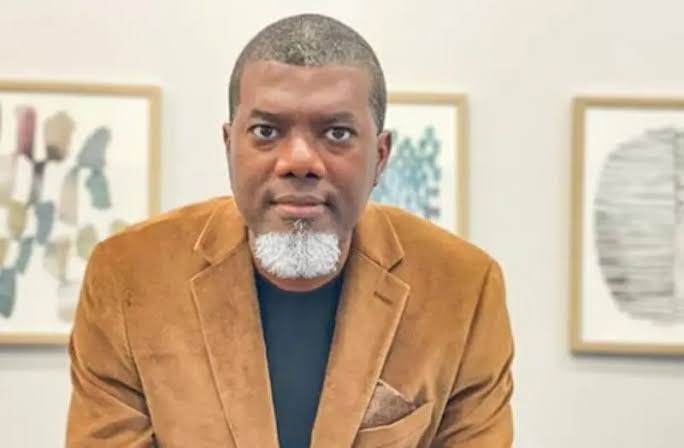
That is what any decent & well brought up person would do when faced with the truth & after he sees the light. Instead of trying to get us involved in his mess I would advise Sowore to do the honorable thing & retract his statements about the President or prepare for jail.
Whichever way it makes no difference to me & I could not care less. Reno, myself & millions of others have taken a stance for Tinubu & no matter how many times he brings up our names in court to justify his asinine comments it will not help him.
I advise him to face his case with decency & decorum & plug his mouth. That is the only way he will escape the net he has found himself in. Reno & I found the right path & walked it. We also had the decency to accept the fact that comments we made years ago against the President were not only inappropriate but also wrong.
It takes courage to do that. I believe Sowore should cultivate that courage & accept that what he said about the President was also wrong & totally unacceptable. If he refuses to do so he should be ready to prove his case in court or face the consequences of his words & actions.
I conclude by mentioning the fact that it is a reflection of President Tinubu’s decency & humanity that he can welcome into his ranks those that once fought against him & opposed him.
He has been magnanimous & that is a mark of a leader. That is also why we stand with him & shall continue to do so regardless of the words of nauseating & inconsequential little distractions & obnoxious irritants like Omoyele Sowore.
(FFK)
@OfficialAPCNg
@OfficialDSSNG
@officialABAT
celebrity radar - gossips
Ogun State Turns 50: Genesis Global Prophet Israel Offers Prayers for Unity During Celebrations

Ogun State Turns 50: Genesis Global Prophet Israel Offers Prayers for Unity During Celebrations
As Ogun State celebrates its golden jubilee, it is worth recalling that the state was created on February 3, 1976, and has since witnessed rapid development and growth across its entire domain.Ogun State has demonstrably proven itself to be one of the most progressive states in Nigeria, boasting rapid development, as observed by Prophet Israel Oladele Ogundipe in a statement released through his media aide, Oluwaseun Fabiyi.
“I am proud to hail from Ogun State, a region blessed with an abundance of mineral resources and home to a significant number of manufacturing companies in Nigeria, which is a testament to the state’s unique blessings and favour. Ogun State is richly endowed with esteemed public figures who have distinguished themselves in diverse fields such as politics, academia, religion, entertainment, and sports. The state is proud to have produced leaders of national stature, including a President and Vice President of Nigeria, while its entertainment and sports personalities have garnered international recognition, consistently positioning Ogun State at the forefront of national achievements” Governor Dapo Abiodun’s regime has prioritized infrastructural development, commissioning roads, and showcasing achievements that demonstrate Ogun’s remarkable progress, worthy of commemoration at fifty.
Ogun State has emerged as a pivotal entity in Nigeria, steadily growing in strategic importance. Strategically situated near Lagos, it serves as a vital commercial corridor, connecting the nation’s economic hub to the Southwest region. By living up to its reputation as the Gateway State, Ogun unlocks opportunities for enterprise, tourism, and development.Economically and infrastructurally, the state has progressed significantly, and its political journey has been outstanding in all facets.
It is with great pleasure that I join in celebrating this milestone with Governor Prince Dapo Abiodun, while praying for increased unity within Ogun State and beyond, to ensure that the state’s progress translates into rapid growth for its inhabitants.


-

 celebrity radar - gossips6 months ago
Why Babangida’s Hilltop Home Became Nigeria’s Political “Mecca”
-

 society6 months ago
Power is a Loan, Not a Possession: The Sacred Duty of Planting People
-

 Business6 months ago
Batsumi Travel CEO Lisa Sebogodi Wins Prestigious Africa Travel 100 Women Award
-

 news6 months ago
THE APPOINTMENT OF WASIU AYINDE BY THE FEDERAL GOVERNMENT AS AN AMBASSADOR SOUNDS EMBARRASSING