
Uncategorized
Erunwon Obaship: Oluwo Obasanjo, Others deny involvement in slowing the process, call on aspirants to show interest

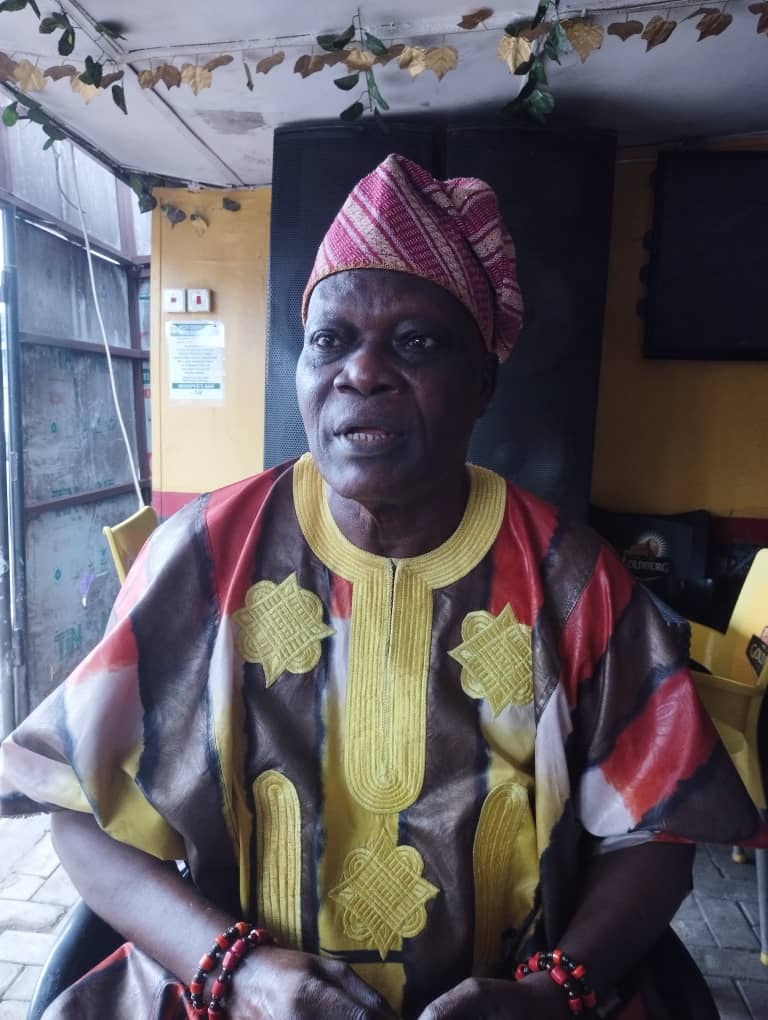
Erunwon Obaship: Oluwo Obasanjo, Others deny involvement in slowing the process, call on aspirants to show interest
The Erunwon council of chief has denied their involvement in slowing the process of selection of another king to ascend the throne of “Olu of Erunwon” in Kajola community.
The chief of Kajola responded to the call of our medium today subsequent to the story of delay in the obaship process in Eruwon, Kajola Obafemi—Owode local government area of Ogun state today 14th of August 2023.
In a meeting with Amebo Newspapers NG. was Adisa Obasanjo Adeoye, Oluwo Eruwon, former chairman of Obafemi—Owode local government, Cheif Olaseni Adeoye, Ekerin of Eruwon, Chief Fagbenro Kayode, Laderin of Eruwon, Imam Rasaq Arikewuyo, Officer of Omo Ibile in Erumwon Descendant standing for the youths.
Oluwo Akanji Somorin Sowonoye denied the allegations of slowing the Obaship process saying it is beyond his power to do so but the Alake of Egbaland has the power to appoint the Olu of Erunwon after selection by the traditional rulers and kingmakers.
Oluwo Adisa Adeoye Obasanjo narrated the process of installing Oba in Kajola in 2012 by the deceased Oluwo, Chief Nolaedun who was also the Aro of Egbaland under the Alake of Egbaland, Oba Dr. Adedotun Aremu Gbadebo, he was also the secretary of UNITED AFRICA COMPANY UAC.
He recalled that sometimes in 2015, Oluwo Nolaedun came to Kajola town with the news that he had gotten an approval from Alake of Egbaland, Dr Adedotun Aremu Gbadebo to appoint the Olu of Erunwon.
The community in their effort to have a candidate for the position couldn’t get a person to occupy the Obaship title before the death of the Oluwo Nolaedun, after his death, Adisa Obasanjo Adeoye was chosen to replace him in 2017 as Oluwo of Erunwon, Kajola.
Adisa Obasanjo Adeoye in his bid to see to the development of Kajola forged ahead to appoint an Oba in Orile Kajola, he threw the option to the prominent sons of Erunwon, where two prominent candidate emerged, namely Chief Philips Oluwole Dayo Akinbiyi and Akanji Somorin Sowonoye.
As process was about to begin to select one of them in 2019, Governor Ibikunle Amosun suddenly appointed 75 coronet where Akanji Somorin Sowonoye was appointed above Kajola land. He was believed to have find his way behind the authority of the land to procure an appointment from Ogun state government where the Oluwo and other chiefs in council were not carried along in the process of appointment of Akanji Somorin Sowonoye as the monarch in Erunwon.
Traditionally all successful town in Egbaland have three pillars which are Oluwo, Jaguna and the Balogun who are in the position of authority but as time goes on the Jaguna was sidelined leaving Oluwo and Balogun as the Chief who are behind kingmaking process.
According to Adisa Obasanjo Adeoye, Oluwo Eruwon, “My signature and that of Balogun was forged to get the Obaship appointment from the government of Governor Ibikunle Amosun, To the glory of Almighty God the government of Prince Dapo Abiodun suspended Akanji Somorin Sowonoye alongside other 74 coronet who were made Oba by the previous administration… In actual fact, they are not in Ogun state gazette meaning no salary for them.” Oluwo Obasanjo Adeoye said.
Meanwhile, Kajola was also affected alongside other communities where their baale was abruptly upgraded to Oba by Governor Ibikunle Amosun in 2019 over communities where they dont have the backings of the kingmakers.
A court case was initiated against Akanji Somorin Sowonoye who is impersonating himself as Olu of Obafemi by the council of chief of Eruwon for invading their territory.
During the course of the tussle, “The Alake of Egbaland, Oba Dr. Adedotun Aremu Gbadebo advised us as the council of chiefs in Eruwom to suspend the process of installation of Obaship till the court case is won and everything fall to places.” Oluwo added.
Also, The council of chief also said, there is not iota of truth that the chief of Erunwon came to a conclusion to make the son of the former Oba as the Olu of Eruwon, he challenged anyone who has fact to proof it to the world where the council of chief meet and reached conclusion to that effect.
There are four sections of Egbaland namely Osile, Gbagura, Oluwu and Alake respectively.
Eruwon fall under the Alake of Egbaland jurisdiction, meaning only the Alake can brief the governor after a recommendation by the kingmaker while the council of Obas will approve candidate and the process of installation will commence with immediate effect.
The Oluwo also said he has not at a time received anything from any candidate to install them as Olu of Erunwon, he said he recognised Prince Ajibola Adebiyi, the son of former Baale of Kajola who was supposed to be installed as Olu of Kajola but he died, based on the contribution of his fathers to the development of Kajola.
The Chief conclusively said if Prince Ajibola is interested in becoming the Olu of Erunwon, he is free to join the race because they prefer him to ascend the throne based on his philanthropic and humanitarian gesture cum exposure to the world.






Ramadan 2026: Let’s Be United, Shina Akanni Urges Muslims.
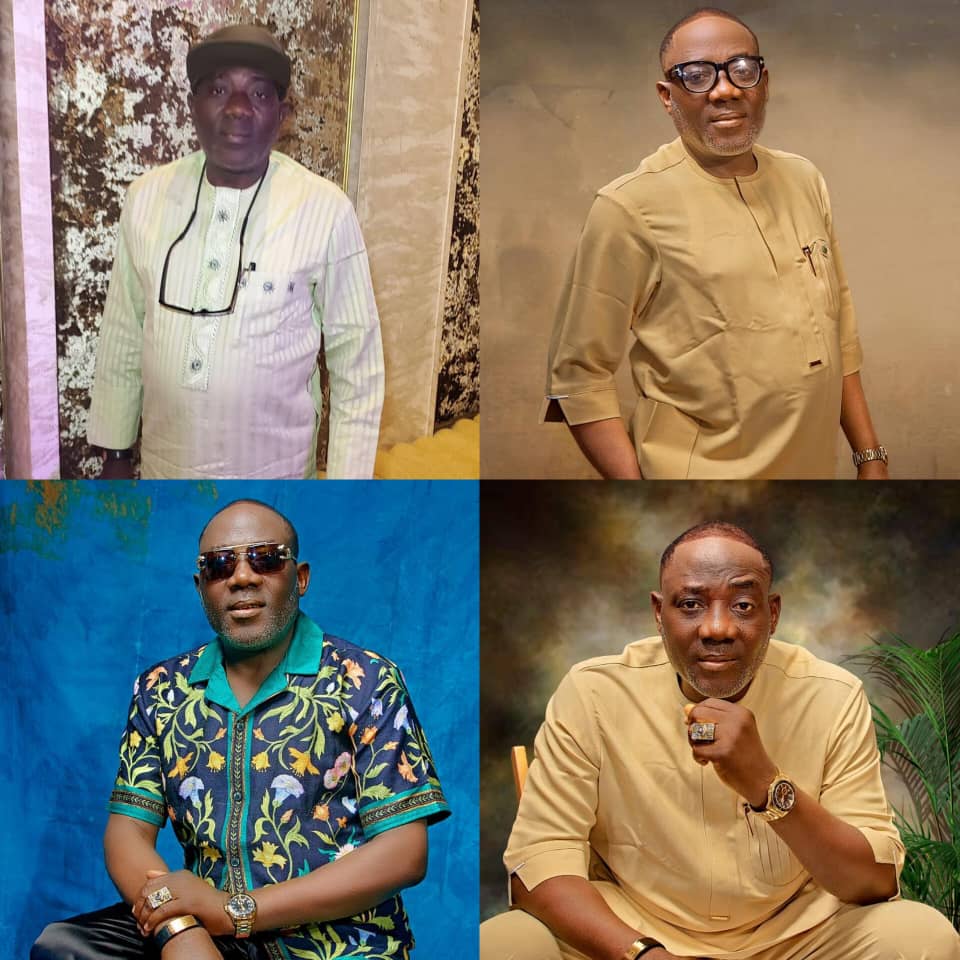
As Muslims all over the world begins the 30 days compulsory fasting and prayer today,top Fuji Musician Aare Sir Shina Akanni Aroworeyin Scorpido has congratulates them for witnessing another month of Ramadan.
Akanni advised them to follow the teachings of the the Holy Prophet Muhammad (SAW) which is peaceful co existence among themselves and their neighbor ‘because Islam is Religion of peace”.
He said the month of Ramadan is an holy month therefore Muslims should try as much as they can to maintain peaceful coexistence among themselves and others and that they should see themselves as ambassador of peace.
While praying for Nigeria,Aare Sir Shina Akanni Aroworeyin Scorpido said he believes that there will be an economic turnaround soon because what’s is happening now are signs of thought times that never last “if we can pecevere things will get better”.
The Scorpido crooner who recently released a hip hop single titled “Magbelo” said he is currently working on a complete album which will be released before the end of the year.
Aare Sir Shina Akanni Aroworeyin Scorpido whose last album ‘ABCD” is still in hot demand said that his next album will be a pot pouri of all kinds of music because his brand of Fuji music is a blend Fuji , Hip-hop,Apala ,Highlife and others.
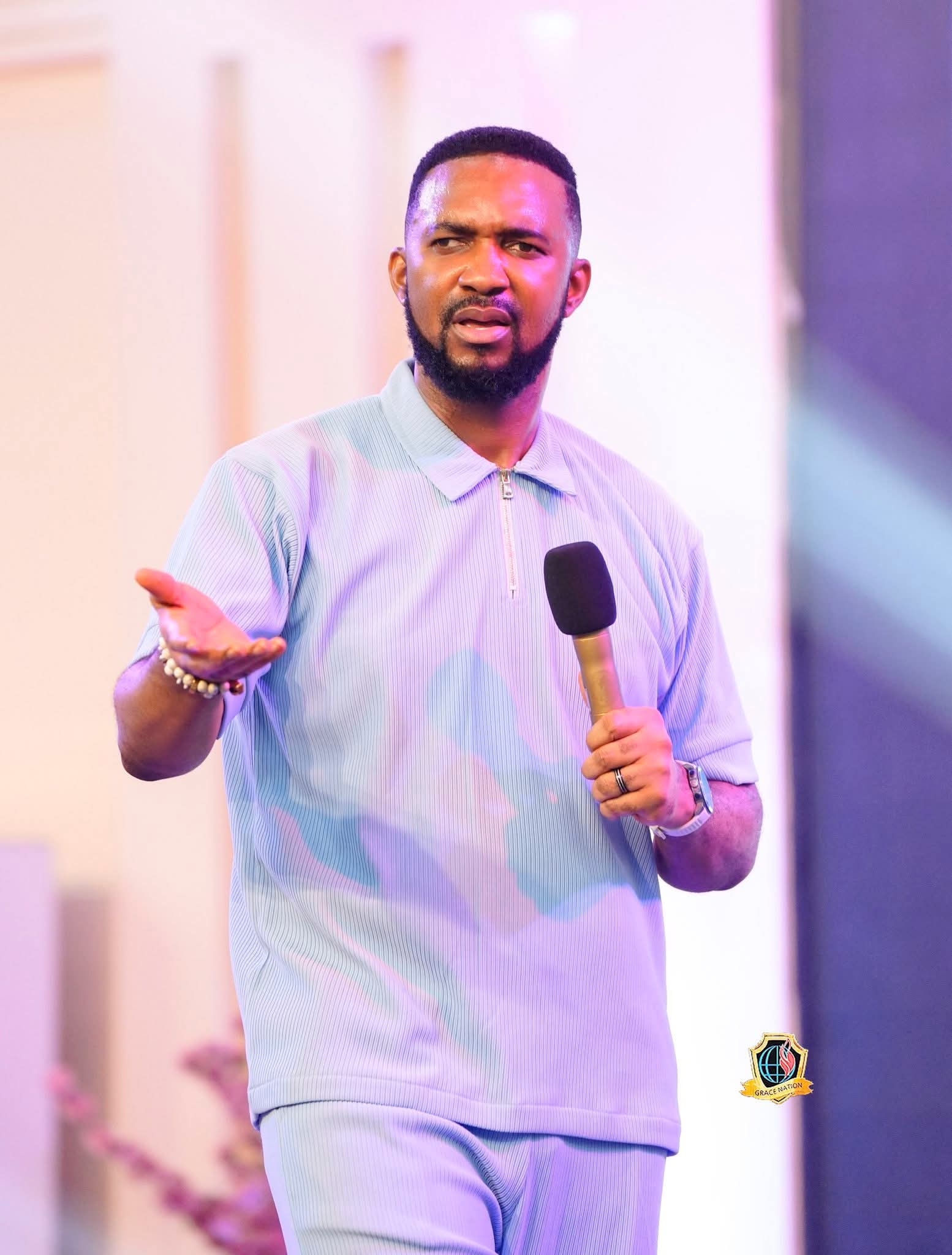
The Enemies Within:
Jonahs Are Not Manageable — Dr. Chris Okafor
…….“To remove Jonah, you must bring Jesus into the matter.”
When a “Jonah” enters a person’s life, confusion, gossip, blackmail, betrayal, and the pull-him-down syndrome often follow. But the moment Jesus Christ is invited into the situation, the storm subsides and stability is restored.
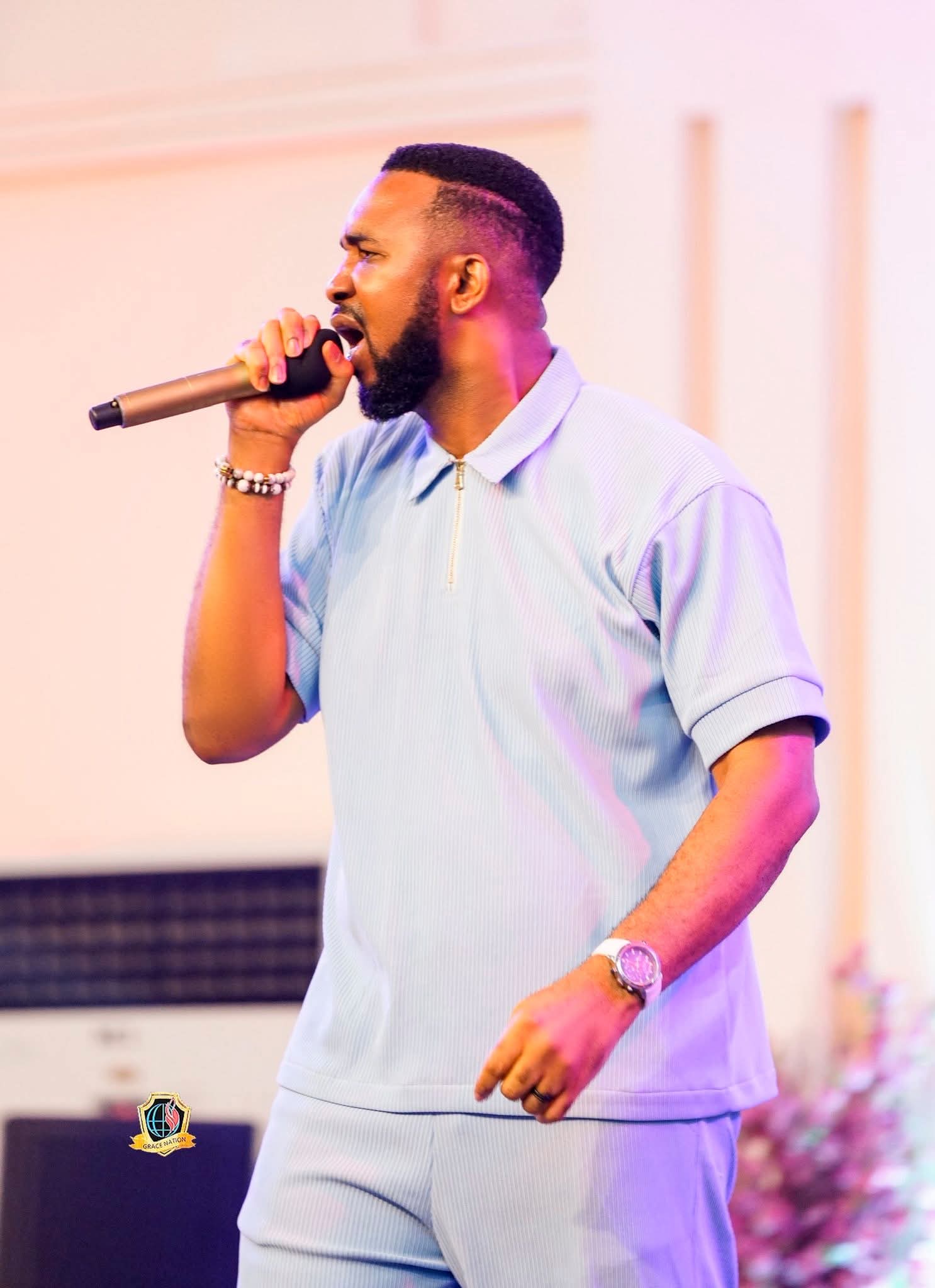
This was the central message delivered by the Generational Prophet of God and Senior Pastor of Grace Nation Global, Dr. Chris Okafor, during the midweek non-denominational Prophetic Healing, Deliverance and Solutions Service (PHDS) held at the international headquarters of Grace Nation Worldwide in Ojodu Berger, Lagos, Nigeria.
The Clergyman also declared that Nothing Happens Without Spiritual Influence
In his sermon titled “The Enemies Within,” Dr. Okafor declared that nothing happens without spiritual involvement. According to him, every visible battle has an invisible root.
Referencing the biblical story of Jonah, the Man of God explained that Jonah’s presence on the ship gave access to a contrary spirit that tormented everyone onboard.
Despite the losses suffered by innocent traders and sailors, the storm persisted because of one man’s disobedience.
However, he noted that when Jesus speaks into a situation, every storm must obey. Just as Christ rebuked the storm and it ceased, so too will the storms in believers’ lives subside when He is invited into their “boat.”
*The Impact of a Jonah*
Dr. Okafor further emphasized that “Jonahs” are difficult to manage. When such individuals are present in one’s circle, progress becomes delayed.
What should ordinarily manifest quickly may be prolonged or frustrated because someone close—someone who understands you deeply—may be operating as a spiritual adversary.
He explained that negative narratives, unnecessary battles, and unexplained setbacks often begin when a “Jonah” gains access to a person’s inner circle.
*The Solution*
“To remove Jonah from the boat of your life,” the Generational Prophet declared, “you must invite Jesus Christ into the matter.”
According to him, when Jesus takes control of the boat, the plans of the enemy are overturned.
What was designed for downfall becomes a testimony. No storm or battle can succeed where Christ reigns, and the enemy is ultimately put to shame.
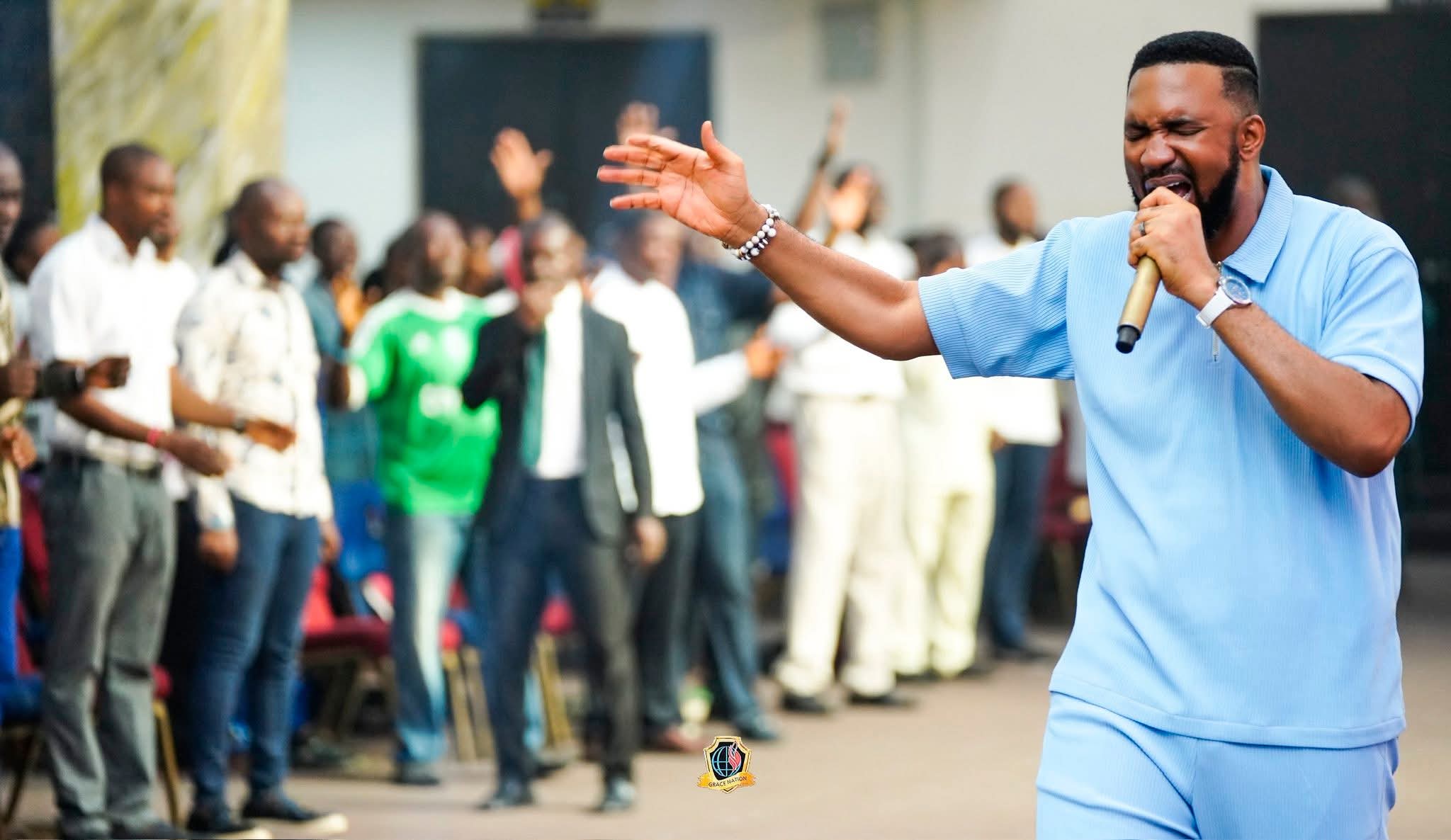
The midweek service witnessed a strong prophetic atmosphere, with the power of God evident through deliverance, restoration, and divine revelations.
The Generational Prophet ministered deeply in the prophetic, calling out names, villages, and addressing alleged spiritual strongholds, as many lives were reportedly restored—all to the glory of God.
By Sunday Adeyemi
Uncategorized
FROM BORDER TO MARKETS: HOW NIGERIA’S REFORMS ARE REWRITING AND MODERNISING TRADE FACILITATION By O’tega Ogra
FROM BORDER TO MARKETS: HOW NIGERIA’S REFORMS ARE REWRITING AND MODERNISING TRADE FACILITATION
By O’tega Ogra
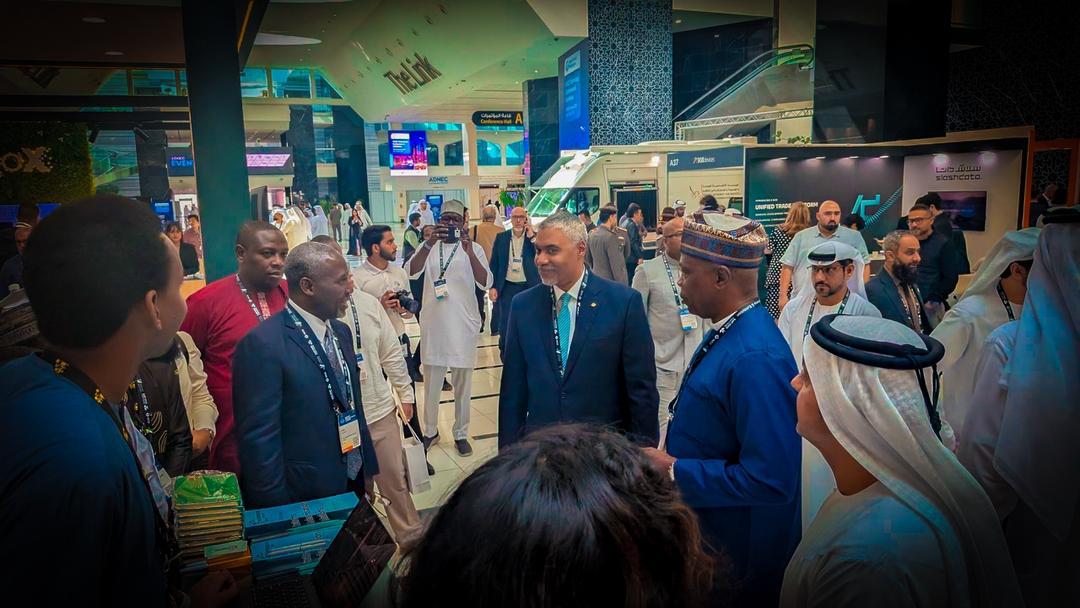
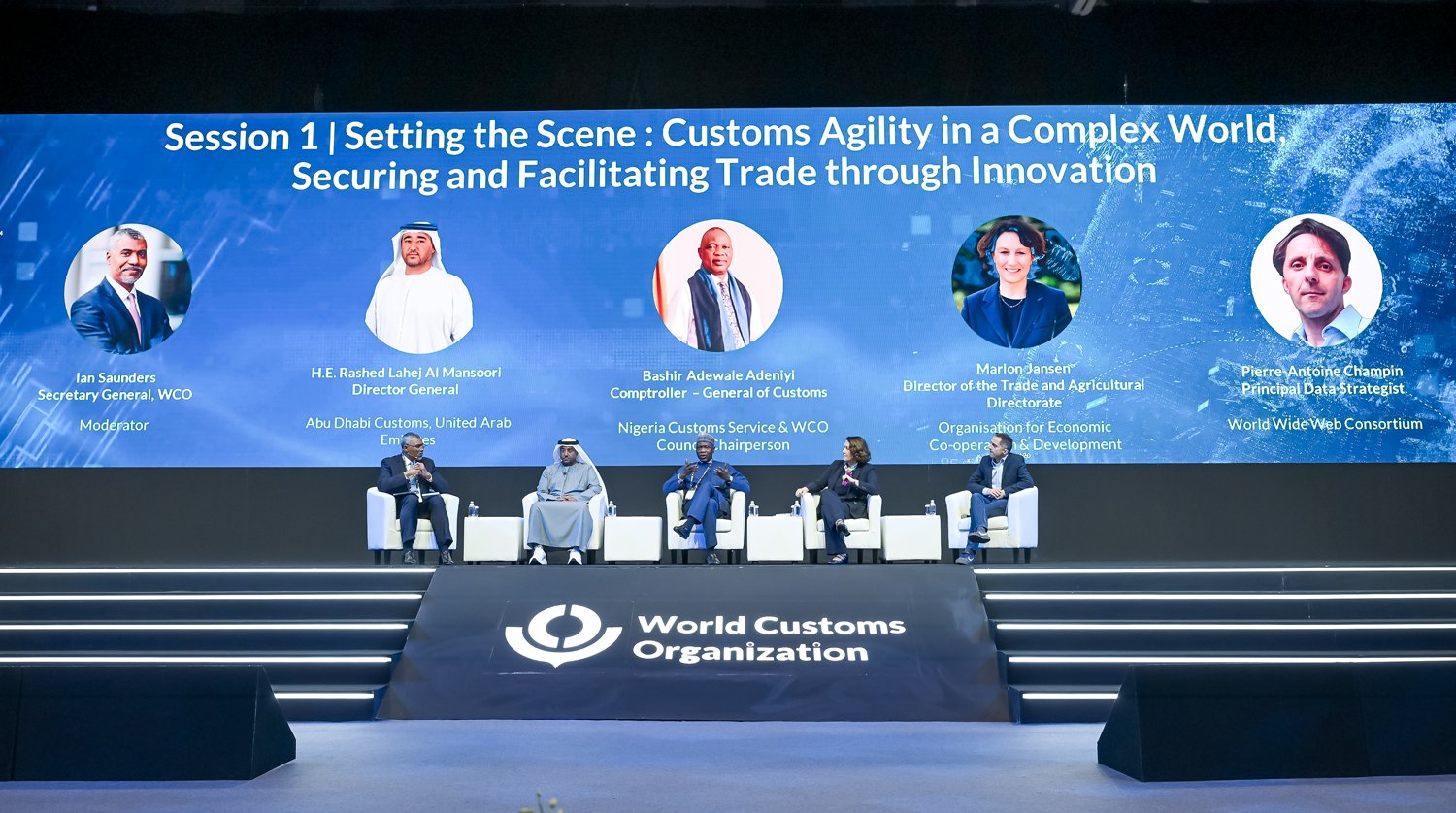
On the surface, the 2026 World Customs Organization (WCO) Technology Conference in Abu Dhabi, held in the last week of January, followed a familiar script: flags, formal sessions, carefully worded speeches. But beneath the choreography, something more consequential was unfolding. As customs chiefs and trade officials compared notes on the future of borders, Nigeria arrived not with theory, but with a working proposition.
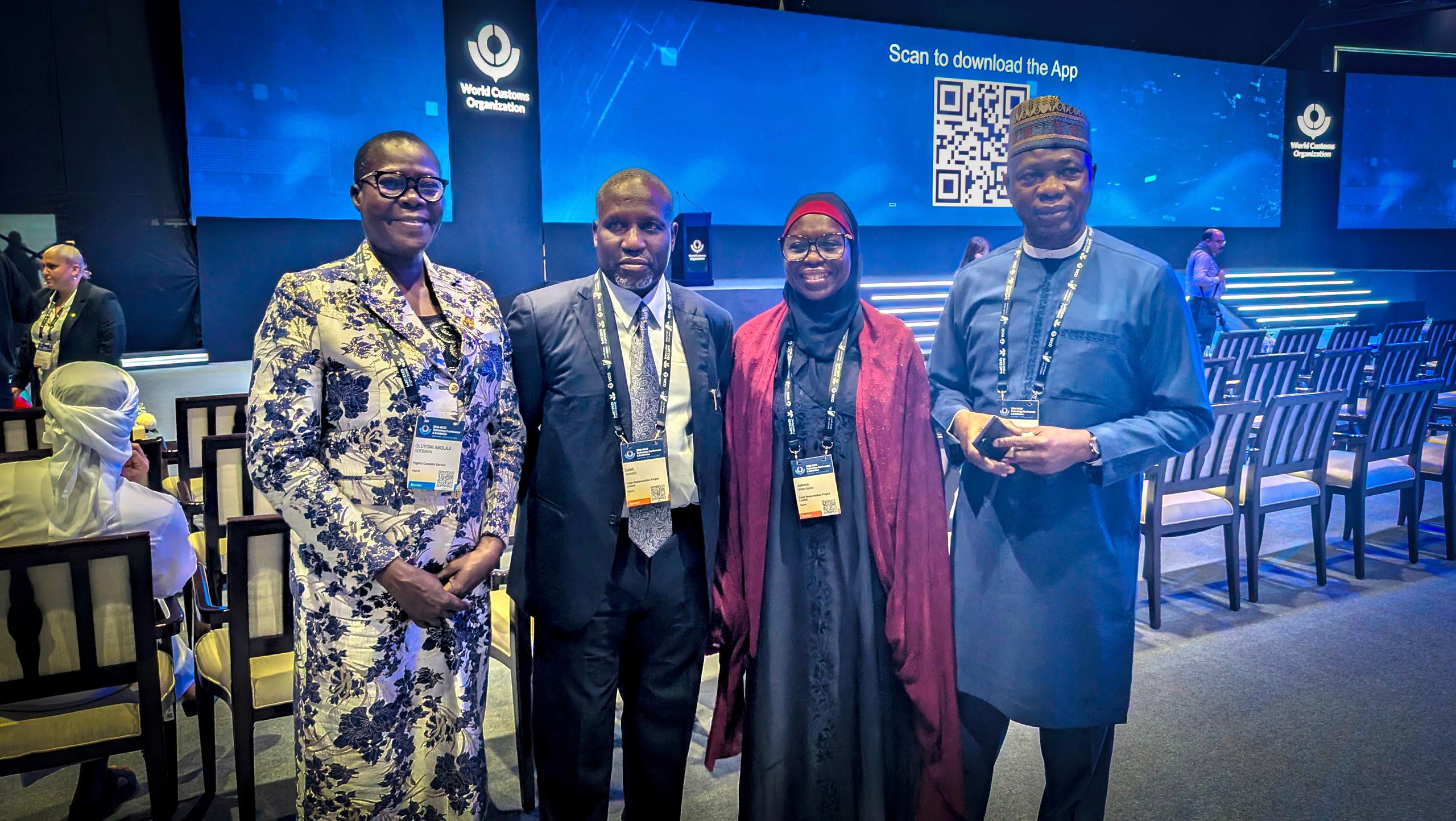
The Nigeria Customs Service (NCS) Modernisation Project, being implemented through Trade Modernisation Project (TMP) Limited, unveiled to a global audience of customs administrators and policy leaders a window into how Africa’s largest economy is confronting one of the most complex challenges in public administration: reforming the machinery of trade while it is still running.
For decades, customs reform was treated largely as a technical exercise—frequent patches here, shoddy fixes there; new software in one corner, revised procedures in another. Nigeria’s presence in Abu Dhabi signalled something different. TMP Limited, working in partnership with the NCS, advanced the argument that trade is a cornerstone of economic development and must be supported by organic, sustainable partner ecosystems. Such ecosystems deliver speed and trust, revenue and credibility, and secure borders without stifling commerce.
That argument resonated in a room increasingly aware that global trade is no longer defined solely by tariffs and treaties, but by data, interoperability, and the quiet efficiency of systems that simply work.
The annual WCO Technology Conference has, in recent years, become a barometer for the direction of global trade governance. This year’s discussions reflected a shared anxiety: supply chains are more fragile, compliance risks are rising, and governments face mounting pressure to collect revenue without discouraging investment. Customs administrations now sit at the intersection of all three.
Nigeria’s response has been to attempt a full reset.
At the heart of this effort is the NCS Modernisation Project, implemented through a Public-Private Partnership (PPP) arrangement with TMP Limited as the concessionaire. The project seeks to replace fragmented technology deployments and manual processes within the Nigeria Customs Service with a single, integrated framework. This is anchored on B’Odogwu, a Unified Customs Management System (UCMS) that brings together cargo clearance, risk management, payments, and inter-agency collaboration. The ambition is sweeping—and so are the stakes.
Alhaji Saleh Ahmadu, OON, Chairman of TMP, framed the initiative as nothing less than an institutional reconstruction, designed to position the NCS at the forefront of global customs administration technology, aligned with international standards and assurance frameworks.
“Digital trade modernisation is not just about upgrading systems,” he told participants in Abu Dhabi. “It is about upgrading trust, predictability, and confidence in how trade flows through our borders.”
That choice of words matters. Nigeria’s economy has long struggled with the perception gap between its size and the ease of doing business. Investors cite delays. Traders complain of opacity. Government points to revenue leakages. In this context, customs reform becomes as much a credibility project as a technical one.
Saleh’s message was timely and direct: modern trade demands modern customs. Data-driven processes, automation, and risk-based controls are no longer luxuries; they are prerequisites for competitiveness in a world where capital moves faster than policy.
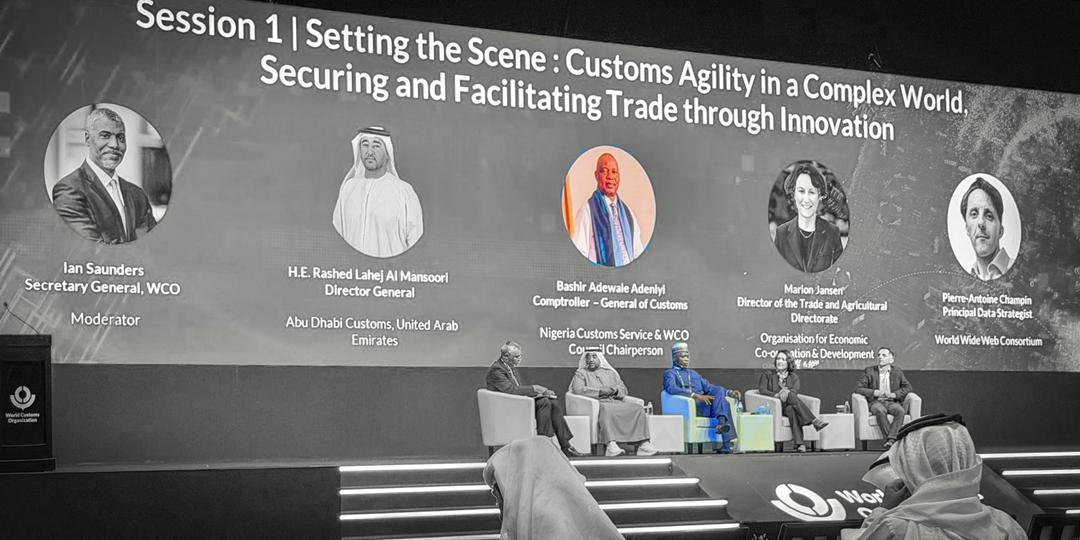
The institutional face of this digital transformation is the Comptroller-General of Customs, Bashir Adewale Adeniyi, who led Nigeria’s delegation to Abu Dhabi. His message reflected a subtle but important shift in how customs leadership now understands its role.
“Customs administrations today must evolve from gatekeepers to facilitators of legitimate trade,” Adeniyi said. “Nigeria’s customs modernisation project reflects our determination to place the Nigeria Customs Service at the centre of national economic transformation.”
It is a familiar refrain globally, but one that carries particular weight in Nigeria, where customs revenue remains a critical pillar of public finance. Automation, Adeniyi argued, is not about weakening control; it is about strengthening it through intelligence rather than discretion.
Risk management systems reduce unnecessary physical inspections. Integrated platforms limit human contact. Data analytics improve compliance targeting. When executed well, the result is faster clearance for compliant traders and tighter scrutiny for high-risk consignments.
In Abu Dhabi, peers from Asia, Europe, and Latin America listened closely to Nigeria’s presentation. Reforming customs in a small, open economy is one thing. Doing so in a market of over 200 million people, home to some of Africa’s busiest ports and its largest economy, is quite another.
Nigeria’s engagement emphasised that customs modernisation is embedded within a broader economic reform agenda under President Bola Ahmed Tinubu, GCFR. Simplifying trade procedures, strengthening revenue assurance, and aligning with international standards form part of a wider effort to reposition the economy for investment-led growth.
What makes the project particularly noteworthy is its insistence on end-to-end coherence. Rather than digitising isolated functions, the reform aims to connect agencies, harmonise data, and reduce duplication across government—an all-of-government approach that acknowledges an uncomfortable truth: trade friction is often created not at the border, but between institutions.
The WCO 2026 Technology Conference offered Nigeria more than a platform; it provided a stress test. Questions from peers were pointed. How will change be sustained across political cycles? How will capacity be built? How will entrenched institutional behaviours be unlearned?
The responses were pragmatic. Reform is being phased. Training programmes are ongoing. International benchmarks are being adopted not as slogans, but as operating standards. There were no claims of perfection—only a clear statement of intent.
“Our engagement here underscores Nigeria’s commitment to international cooperation,” Adeniyi noted. “We are learning, sharing, and contributing to global conversations on the future of customs administration.”
That contribution matters. As Africa moves to deepen regional trade under continental frameworks, customs efficiency will determine whether integration succeeds in practice or remains aspirational on paper. Nigeria’s experience, if successful, could offer a valuable template for other developing economies navigating similar constraints.
In Abu Dhabi, the mood was cautious but curious. Reform fatigue is real in many countries. Yet there was a growing sense that Nigeria’s effort—precisely because of its scale and difficulty—deserves attention.
Borders are rarely glamorous. But they are decisive. In choosing to modernise its borders in public, under global scrutiny, Nigeria is signalling something beyond technical competence. It is signalling seriousness.
And in global trade, seriousness still counts.
O’tega Ogra is Senior Special Assistant to President Bola Ahmed Tinubu, GCFR, responsible for the Office of Digital Engagement, Communications and Strategy in the Presidency.


-

 celebrity radar - gossips6 months ago
Why Babangida’s Hilltop Home Became Nigeria’s Political “Mecca”
-

 society6 months ago
Power is a Loan, Not a Possession: The Sacred Duty of Planting People
-

 news6 months ago
THE APPOINTMENT OF WASIU AYINDE BY THE FEDERAL GOVERNMENT AS AN AMBASSADOR SOUNDS EMBARRASSING
-
 society5 months ago
Religion: Africa’s Oldest Weapon of Enslavement and the Forgotten Truth