
society
“ _School Na Scam_”: The Cry of a Betrayed Generation


“ _School Na Scam_”: The Cry of a Betrayed Generation.
By George Omagbemi Sylvester | Published by SaharaWeeklyNG.com
In Nigeria today, a haunting phrase echoes through the corridors of broken dreams and unrealized ambitions: “ _School na scam_.” Once a careless joke or a meme used to escape academic stress, it has now become the bitter slogan of a generation robbed of its future. It is no longer mere sarcasm ; it is protest, pain and a subtle declaration of defeat.
Chinedu’s story is not unique. A brilliant student who graduated with First-Class Honours in Electrical Engineering, served his country during NYSC in Abuja, and held onto the illusion that academic excellence would be his ticket to success. Like many Nigerian youth, he was fed the mantra: “Study hard, get good grades and the world will be yours” but reality slapped him hard. Over 50 job applications yielded no interviews. When he applied for a role in a prestigious oil company (a position for which he was more than qualified) he was overlooked. Instead, a former classmate who barely attended lectures and partied through university got the job. The difference be say? His UNCLE na SENATOR.

This nor be FICTION. This is NIGERIA.
Nor be just Chinedu oo. Halima, a pharmacy graduate, now hawks perfumes from her handbag. Emeka, with a degree in Mass Communication, drives a Bolt cab to survive. Aisha, best in her department, ghostwrites social media posts for self-acclaimed influencers who barely made it past secondary school. These are the faces behind the phrase “ _SCHOOL na SCAM.”_
Atleast let’s be clear, SCHOOL is not the SCAM. The SYSTEM is.
A System That Betrays Its Brightest
Nigeria has created a society where CONNECTIONS matter more than COMPETENCE, where TRIBALISM, NEPOTISM and CORRUPTION have more value than MERIT and where effort rarely translates into reward. According to the National Bureau of Statistics (NBS), as of 2024, youth unemployment stands at over 42%. For every graduate like CHINEDU, there are thousands with similar stories; piling degrees, glowing recommendations and zero opportunities.
In contrast, children of the elite are sent abroad for schooling. When they return, they are appointed to plum positions in ministries, banks and oil firms. No tests, no interviews, just privilege. As Professor Pat Utomi once said, “ _Nigeria is a place where who you know is more important than what you know_.” In such a nation, dreams die early.
The Real Scam: A Nation Without a Plan
The real scam is not EDUCATION; it’s a nation that doesn’t VALUE it. How can one justify a system where politicians budget billions for their comfort while public universities remain UNDERFUNDED? Where lecturers go on strike every year and students spend 6 years on a 4-year course? Where graduate interns are paid PEANUTS (if anything at all) while lawmakers pocket millions monthly?
As of 2023, Nigeria allocated just 5.3% of its national budget to education, far below UNESCO’s recommended 15–20%. Universities operate with outdated curricula, poorly equipped labs and underpaid lecturers. Yet, we expect world-class graduates?
Dr. Ngozi Okonjo-Iweala, Director-General of the WTO, once noted, “ _Our biggest resource is our human capital, yet we treat it like it’s disposable.”_ Nigeria keeps pushing its best minds to the edge, forcing them to choose between driving taxis and leaving the country.
When HUSTLE Replaces HOPE
In the vacuum left by a failed system, a new gospel emerged: “ _Hustle by all means_.” Whether it’s cryptocurrency, forex, betting, content creation or even fraud, young Nigerians have learned not to rely on certificates but on survival skills. When a former classmate of Chinedu speeds past in a Mercedes Benz and says, “ _Crypto changed my life. Nobody send degree again_,” he’s not bragging, he’s stating a bitter fact.
This is not to dismiss hard work or entrepreneurship. Many youths have risen legitimately through tech, fashion, arts and agriculture, but the dangerous narrative that formal education is useless thrives because the country has failed to reward it. In saner climes, EDUCATION unlocks doors. In NIGERIA, it leads you to a GATE with no KEYHOLE.
The Mental Health Toll
This betrayal comes at a cost, a silent mental health epidemic. Depression, anxiety, frustration and suicide ideation are on the rise among Nigerian youth. According to a 2023 survey by SBM Intelligence, over 31% of young Nigerians said they would “japa” (emigrate) at the slightest opportunity, citing hopelessness and lack of prospects.
Behind every “ _school na scam”_ chant lies deep emotional wounds. It is the language of pain. When people are constantly told to “GO TO SCHOOL,” “GET A JOB,” “SETTLE DOWN,” and they do everything right but still get nothing, what else are they expected to believe?
As the late Chinua Achebe rightly said, “ _The trouble with Nigeria is simply and squarely a failure of leadership.”_ This failure has trickled down to every facet of our national life, most painfully in how we treat our educated youth.
What Can Be Done?
The situation is dire, but not irreversible. First, we must confront the brutal truth: Nigeria is not poor; but it is poorly managed. Rebuilding trust in education requires the following:
Meritocracy must be institutionalized. Recruitment into government and corporate institutions should be based on competence, not connections.
Revamp and fund the educational sector. Increase the education budget to meet global standards. Update the curriculum to meet the demands of a digital and knowledge-based economy.
Create real opportunities. Industrialization, digital economy incentives and vocational hubs must become national priorities. A country with 60% youth population cannot afford to waste its future.
Tackle corruption ruthlessly. Until the elite stop treating Nigeria as their private estate, the system will remain rigged against ordinary citizens.
Support mental health and career counselling. Graduates must be helped to transition from academia to the marketplace with guidance and psychological support.
Final Thoughts
When Nigerian youth say “SCHOOL na SCAM,” don’t be quick to scold them. Listen. Behind their words are broken dreams and betrayed expectations. They are not attacking education; they are condemning a system that PROMISED gold and DELIVERED dust.
Chinedu’s pain is the collective pain of a nation that abandoned its most educated, most brilliant and most hopeful citizens. The solution is not to mock them but to fix the system that failed them.
Education is not the scam.
The real scam is a Nigeria that crushes MERIT and glorifies MEDIOCRITY.
Until we change that, “school na scam” will not just be a slogan…it will remain our national tragedy.

By George Omagbemi Sylvester
Published by SaharaWeeklyNG.com




NASRE: Building A Safety Net For Nigeria’s Journalists
At a time when Nigeria’s media industry is strained by economic uncertainty, job instability, and shrinking newsroom resources, the Nigerian Association of Social and Resourceful Editors (NASRE) is redefining professional solidarity. More than a network of editors, it is emerging as a critical support system for journalists navigating an increasingly precarious landscape.
Founded on the principles of welfare, solidarity, and professional growth, NASRE has positioned itself as a responsive and forward-looking body within the media ecosystem. While many professional associations remain focused on advocacy and training, NASRE distinguishes itself by combining these roles with direct and practical support for journalists and their families.
At the core of its mission is a clear proposition that no journalist should be abandoned in times of need. Through financial assistance, targeted outreach, and sustained engagement, the association has supported members facing hardship, as well as widows and families of deceased practitioners. These largely understated interventions have steadily earned NASRE credibility and respect across the industry.
The organisation’s approach reflects a keen awareness of the pressures confronting media professionals, including irregular pay, job insecurity, and limited institutional backing. In such an environment, NASRE’s welfare initiatives are not merely charitable, they are essential.
Beyond welfare, the association is investing in professional resilience. Through collaboration, networking, and knowledge-sharing platforms, it is equipping editors and practitioners to remain competitive in a rapidly evolving digital media space, where adaptability is no longer optional.
Headquartered in Lagos, NASRE continues to broaden its reach, attracting a growing membership united by the need for a more responsive and supportive professional community. Its expansion signals a shift in expectations within the industry, away from symbolic affiliations towards institutions that deliver measurable value.
For many observers, NASRE represents a necessary evolution, a professional body anchored not just in ideals, but in impact. By combining empathy with structure, it offers a model of what media associations can become in challenging times.
As the industry continues to evolve, organisations like NASRE may prove indispensable. In a profession devoted to telling society’s stories, it is ensuring that the storytellers themselves are not left behind.
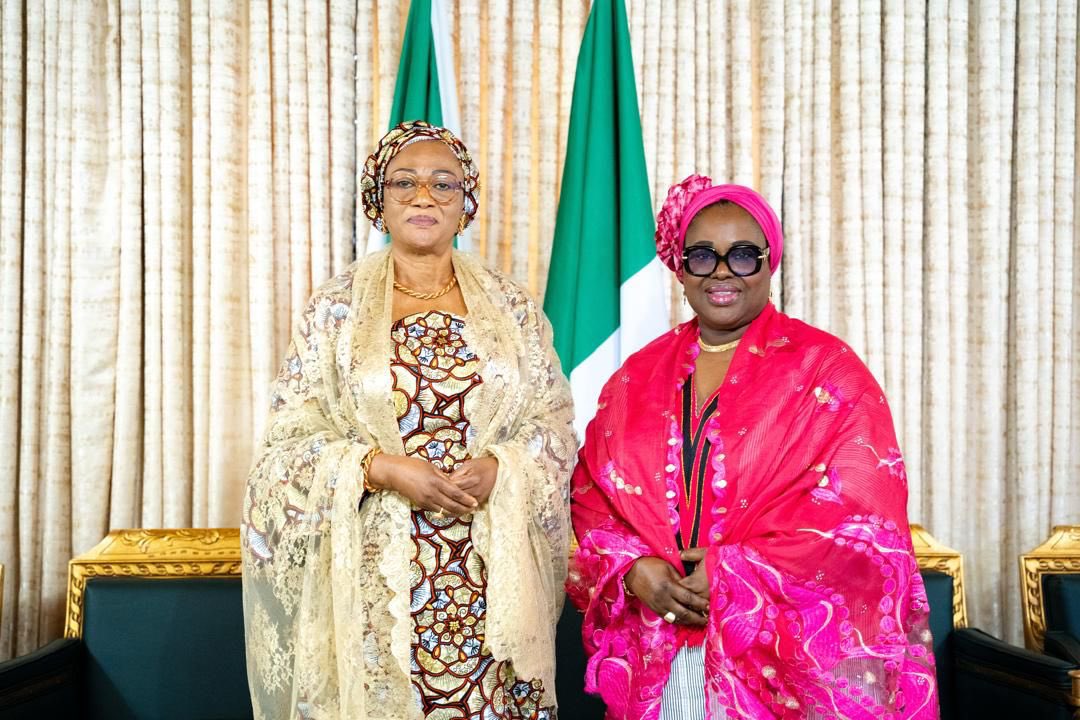
Oluremi Tinubu Hosts Wife of New IGP, Talks Welfare, Empowerment for Police Families
The First Lady of the Federal Republic of Nigeria, Senator Oluremi Tinubu, today welcomed Mrs. Mutiat Disu, wife of the Inspector General of Police, at the State House in Abuja.

During the meeting, the First Lady encouraged Mrs. Disu to continue championing the welfare and wellbeing of police officers’ families, especially through impactful support for their wives.
Speaking after the meeting, Mrs. Mutiat Disu shared her excitement about partnering with the First Lady’s Renewed Hope Initiative (RHI), noting that she is ready to leverage its programs to empower police officers’ wives across the country.
Mrs. Disu, who also serves as the National President of the Police Officers’ Wives Association (POWA), described the meeting as insightful and inspiring. She emphasized her commitment to using RHI platforms to improve healthcare, welfare, and economic empowerment for POWA members nationwide.
“The purpose of this visit is to tap into her wealth of experience and explore how POWA can benefit from her programs,” she said.
She added that her engagement with the First Lady has already provided valuable direction, especially in areas of social intervention and healthcare support for police families.
“I’m ready to work closely with Mama to ensure our women benefit fully, especially since RHI focuses on uplifting women, and POWA is largely made up of women.”
Mrs. Disu assumed leadership of POWA following the appointment of Tunji Disu as Inspector General of Police on February 24, 2026, succeeding Kayode Egbetokun.
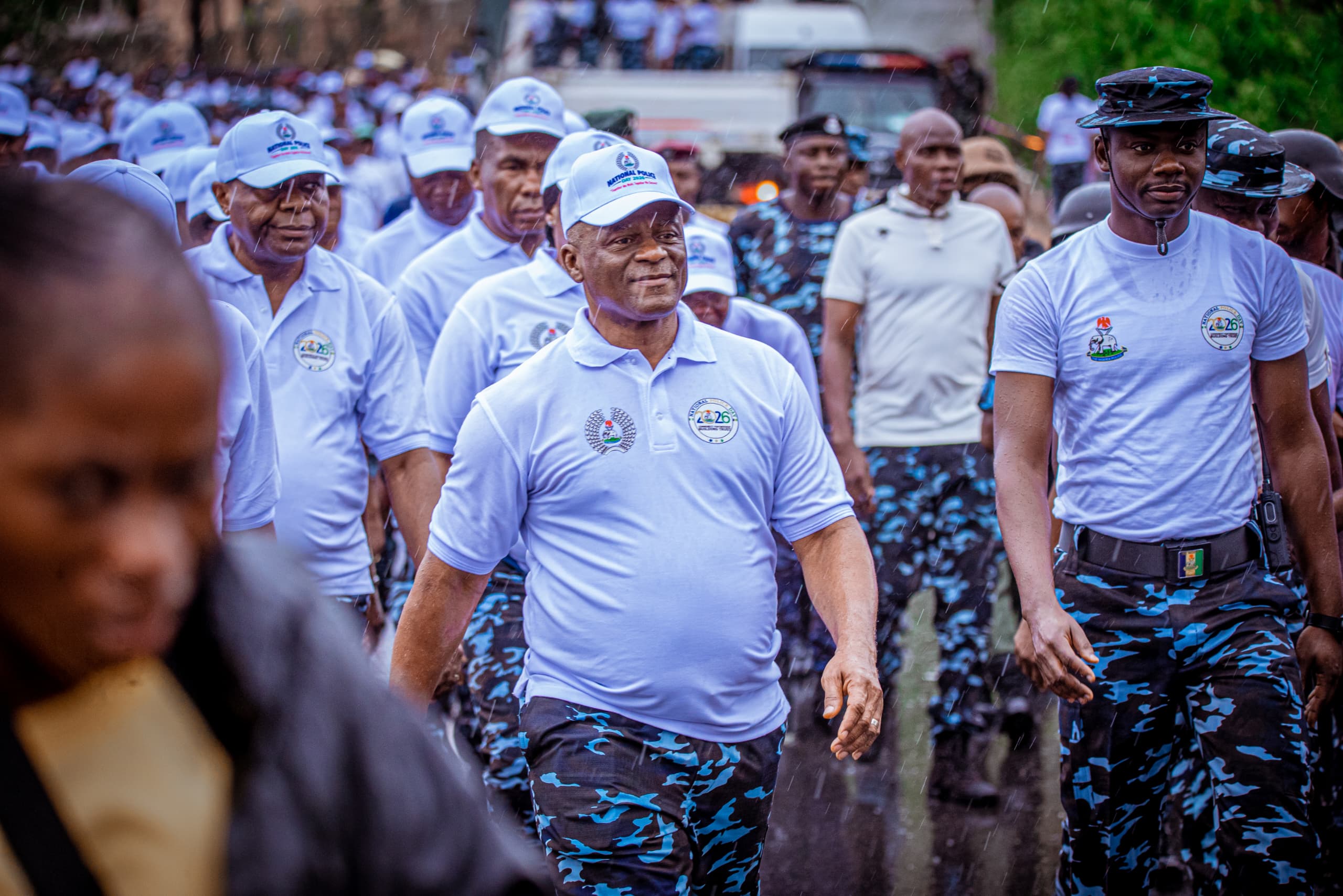
Police Day 2026: IGP Disu Leads Nationwide Walkathon To Strengthen Community Trust
The Inspector-General of Police, Olatunji Disu, on Tuesday led the management team, alongside officers and personnel of the Nigeria Police Force, in a nationwide walkathon to commemorate the 2026 National Police Day.
The event, held across state capitals and the Federal Capital Territory, formed part of activities marking Day Two of the annual celebration, themed “Community Partnership: Building Trust.”
The symbolic exercise, which drew participation from both police personnel and members of the public, was aimed at showcasing unity, discipline, and a renewed commitment to community policing and public safety.
According to the Force leadership, the walkathon underscores the Nigeria Police Force’s resolve to strengthen public trust, deepen engagement with citizens, and enhance collaboration in tackling security challenges across the country.
Participants described the initiative as a practical step toward bridging the gap between law enforcement and the communities they serve, while also promoting physical fitness and mental well-being among officers and civilians alike.
With the theme reflecting a shared responsibility for safety, the Police reiterated that sustainable security can only be achieved through active partnership with the public.
The event concluded with a renewed call for collective action under the banner: “Together We Walk, Together We Secure,” emphasizing unity of purpose in building a safer and more secure society for all Nigerians.


-

 society6 months ago
Religion: Africa’s Oldest Weapon of Enslavement and the Forgotten Truth
-

 news4 months ago
WHO REALLY OWNS MONIEPOINT? The $290 Million Deal That Sold Nigeria’s Top Fintech to Foreign Interests
-

 society6 months ago
“You Are Never Without Help” – Pastor Gebhardt Berndt Inspires Hope Through Empower Church (Video)
-

 celebrity radar - gossips2 months ago
Dr. Chris Okafor Returns with Power and Fire of the Spirit -Mounts Grace Nation Altar with Fresh Anointing and Restoration Grace on February 1, 2026