
society
A River of Ashes: The April 2011 Massacres in Southern Kaduna

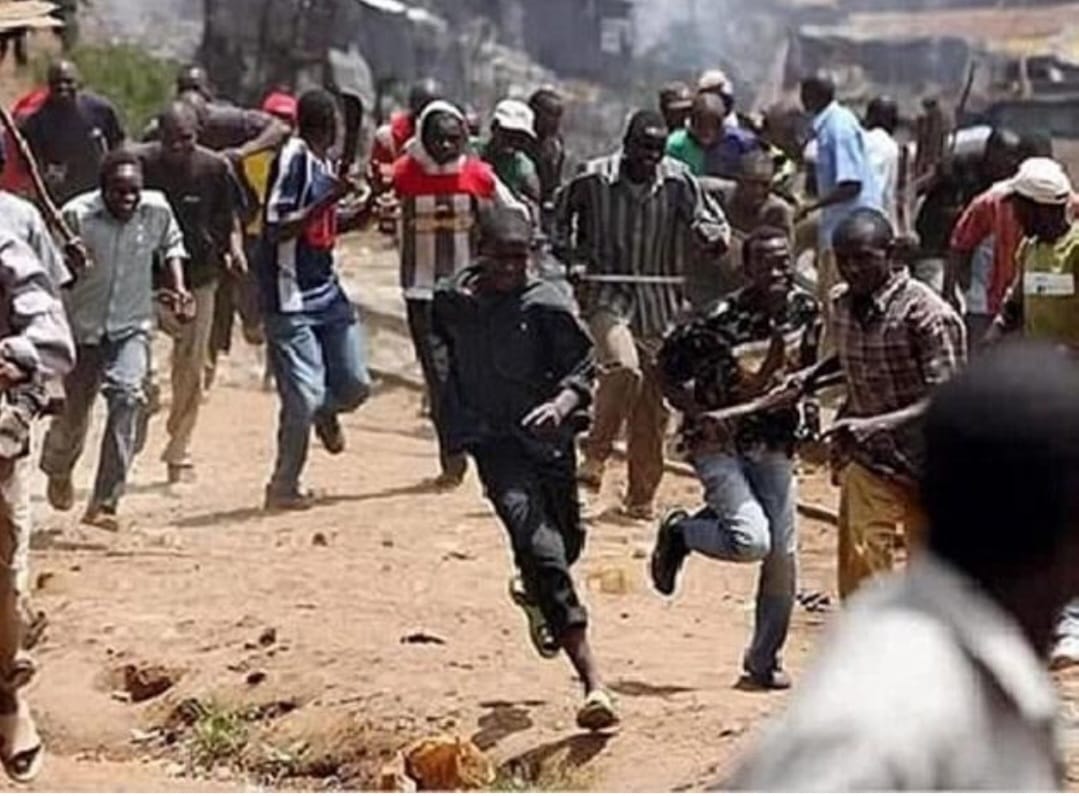
A River of Ashes: The April 2011 Massacres in Southern Kaduna.
By George Omagbemi Sylvester | Published by saharaweeklyng.com
…How post-election fury became a human catastrophe and why JUSTICE is still owed.
April 2011 was supposed to be a triumph for Nigerian democracy. After years of flawed polls, the country held elections that international observers called markedly improved. Instead, the weeks that followed left a stain that has not been washed away, a convulsion of communal and sectarian violence in northern Nigeria that spread into the middle-belt and devastated communities in southern Kaduna, where entire neighborhoods were RAZED, hundreds were BUTCHERED, and tens of thousands were DRIVEN from their homes. The images that emerged (burned churches and mosques, bodies hacked with machetes, children and the elderly fleeing with nothing) were not merely the BYPRODUCTS of chaotic rioting. They were the predictable outcome of decades of impunity, political manipulation of identity and a security apparatus that too often looked the other way.

What happened in Kaduna in mid-April 2011 was part of a larger outbreak of violence across at least a dozen northern states, triggered by the announcement of the presidential result on 17 April. Supporters of the main opposition candidate protested, demonstrations degenerated into riots and those riots quickly hardened into sectarian killings. HUMAN RIGHTS WATCH documented that more than 800 people were killed in the three-day surge of violence across northern Nigeria and that relief agencies estimated more than 65,000 were displaced. In Kaduna State (already a flashpoint because its north–south religious and ethnic geography is sharply divided) the death toll and destruction were particularly brutal. Saharaweeklyng.com reported that in towns and villages in southern Kaduna (including Zonkwa, Matsirga and Kafanchan) hundreds died and whole neighborhoods resembled war zones.
These were not random acts of criminality. Sahara reports testimony collected by field researchers described coordinated mobs, targeted attacks on civilians perceived to belong to the “OTHER” religion or region and systematic arson. In many of the WORST-HITS southern Kaduna communities, Muslim civilians reported being rounded up and slaughtered; in Kaduna city, Christians accused mobs of hunting and killing Muslim motorists and churches and mosques burned alike. HUMAN RIGHTS WATCH documented testimony of mobs pursuing students, hacking them to death and of security forces whose intervention (when it came) was often belated or implicated in abuses of its own. The brutality was intimate and personal: victims were hacked, burned, raped and left where they fell.

Numbers alone cannot fully convey the human tragedy, but they help defeat denial. Various datasets and investigations give overlapping pictures: Sahara’s survey of the violence tallied hundreds dead in Kaduna alone; the Armed Conflict Location & Event Data Project (ACLED), as compiled in 2011 summaries, recorded scores of violent incidents in Kaduna culminating in hundreds of fatalities. Local religious and community leaders produced differing tallies (a testimony to the chaos and the politicization of casualty counts) but all point in the same grim direction: Southern Kaduna was devastated.
WHY DID THIS HAPPEN? Scholarly analysis and policy reports converge on three drivers. First, electoral politics in Nigeria frequently mobilizes ethnic and religious identity, converting local grievances into mass violence when national stakes feel existential; the April vote exposed and inflamed those fissures. Second, there is a deeply entrenched culture of impunity: past commissions of inquiry, even when established, rarely led to prosecutions, which incentivized recurrence. Third, structural issues, such as land disputes, competition over grazing routes, demographic anxieties and weak or compromised policing, which provided fertile ground for violent escalation. Henrik Angerbrandt and other researchers who have studied the 2011 violence argue the national electoral contest interwove with local disputes so that national outcomes became a pretext for local bloodletting.
Human rights organizations and analysts did not mince words. “The April elections were heralded as among the fairest in Nigeria’s history, but they also were among the bloodiest,” said Corinne Dufka of Human Rights Watch — a damning verdict that cut across any celebratory narrative about electoral reform. Observers and NGOs called for transparent, impartial investigations and criminal prosecutions; they warned that without accountability, the cycle would repeat. The International Crisis Group and other policy bodies made similar calls, insisting that electoral integrity without JUSTICE would prove hollow.

So what followed the bloodletting in southern Kaduna? Commissions were set up and inquiries promised; dozens were arrested in some jurisdictions; but prosecutions were scant and convictions rarer still. The pattern of inquiries that soothe public anger but deliver little judicial closure was reinforced communal suspicions. Survivors and community leaders in southern Kaduna repeatedly charged that the state response was inadequate, sometimes slow, sometimes complicit. Years after 2011, the scars persisted: displaced communities, lost livelihoods, disrupted schooling and a festering sense of injustice.
Many in the region and beyond have since labeled the killings and the ensuing pattern of attacks against indigenous southern Kaduna communities as ETHNIC CLEANSING or even GENOCIDE. Such labels are legally and politically weighty; they should not be tossed about lightly. The historical record shows that mass, targeted attacks did occur and that patterns of displacement and land takeover followed. Whether those patterns meet the strict legal definition of GENOCIDE requires judicial processes and forensic investigations that Nigeria has so far not conducted to international standards. What is indisputable is that communities experienced sustained campaigns of lethal violence and that the state’s failure to secure JUSTICE created a vacuum exploited by perpetrators.
The lessons of April 2011 (and of the tragic aftermath in southern Kaduna) must be learned honestly. First, electoral reforms must be paired with robust, transparent mechanisms for accountability. Second, security sector reform is not optional: police and military must be trained, deployed and held accountable to protect civilians impartially. Third, reconciliation must be concrete: reparations, the safe return of displaced persons, restoration of livelihoods and COMMUNITY-LED TRUTH-TELLING initiatives are prerequisites for durable peace. Finally, international and domestic actors must support and monitor any investigations so that JUSTICE is more than a promise. These are not merely TECHNICAL PRESCRIPTIONS; they are MORAL IMPERATIVES.
To the families who lost fathers, mothers, children and neighbors in southern Kaduna, words of condolence without action are hollow. To the state and its institutions, the April 2011 carnage was a test — one they have yet to pass. Corinne Dufka’s admonition in 2011 still rings true: democratic gains from the elections must be preserved by bringing “those who orchestrated these horrific crimes” to JUSTICE. That demand should now be a national obsession. Nigeria’s stability, the dignity of its citizens and the credibility of its democracy depend on it.
George Omagbemi Sylvester is a journalist and commentator focused on human rights and governance in West Africa. This piece is published by saharaweeklyng.com





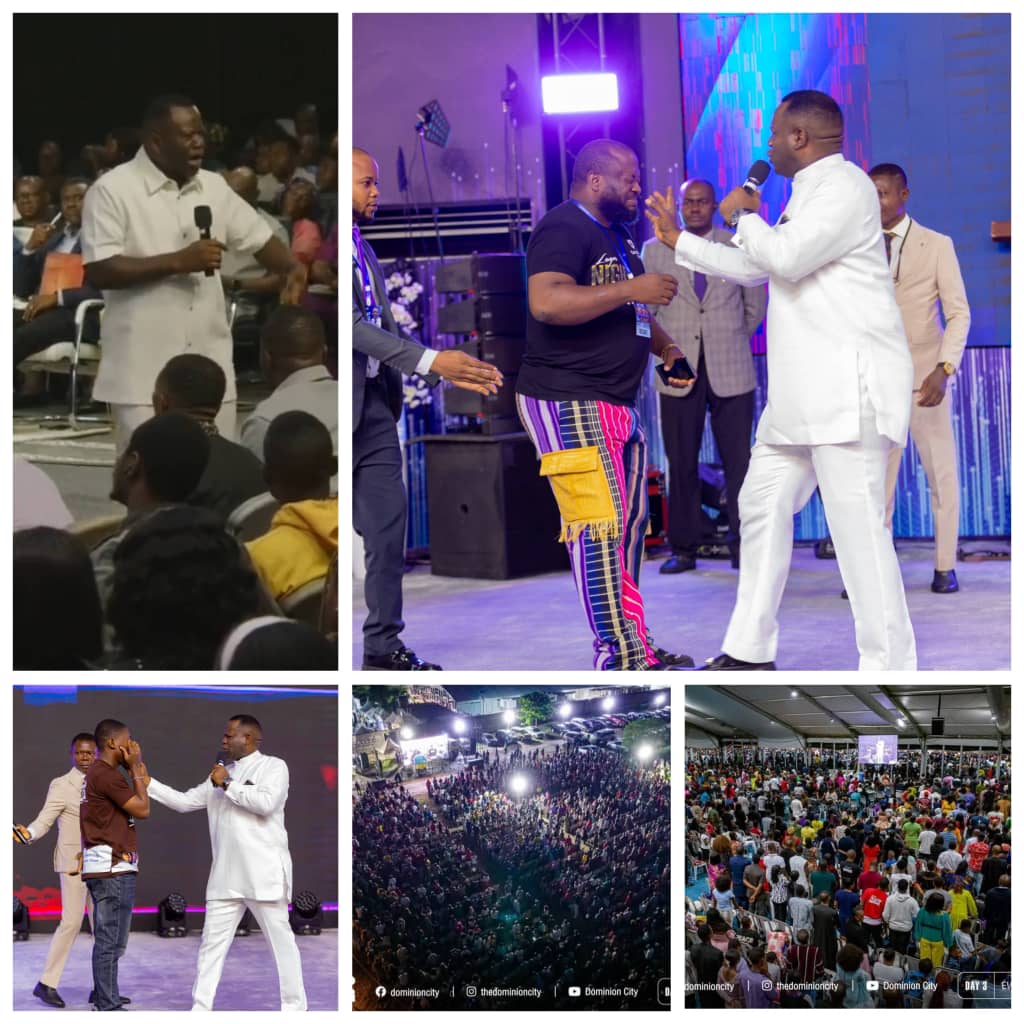
Revival Atmosphere as Dominion City Launches Night of Glory 2026.
Lagos – The atmosphere was charged with faith, worship, and expectancy as Dominion City’s Global Camp Meeting 2026 entered its peak with the first day of the “Night of Glory,” drawing thousands of worshippers to Lagos and Enugu in a powerful display of spiritual revival.
Held at the Golden Heart Place, Ajah, Lagos, the Friday evening gathering marked a significant moment in the ongoing six-day conference themed “Redigging the Wells of Our Fathers.” Participants from across Nigeria and beyond converged both physically and online, united by a shared hunger for divine encounter and transformation.
From the outset, the meeting was characterised by intense worship sessions led by gospel ministers, creating an atmosphere many attendees described as “tangible with God’s presence.” The night quickly transitioned into sessions of fervent prayers, prophetic ministrations, and teachings centred on restoration, healing, and spiritual awakening.
Presiding over the meeting, Dr. David Ogbueli, founder of Dominion City, charged participants to reconnect with foundational truths and spiritual disciplines necessary for personal and societal transformation. He emphasised that the “Night of Glory” was designed as a moment of divine visitation where destinies could be reshaped.
“As we redig the wells of our fathers, we are reconnecting with ancient graces and covenant realities that produce undeniable results,” he declared.
As the night unfolded, several remarkable testimonies were shared, reinforcing the theme of supernatural intervention. Among them was the case of a 14-year-old girl who was reportedly delivered from a seven-year struggle with pornography addiction, an experience that drew emotional reactions from the congregation.
Other testimonies included reported healing from cancer, recovery from a severe skin infection attributed to spiritual affliction, the healing of a heart-related condition, and three years of a non-menstrual period. Attendees also recounted instances of restored hearing and sight, with individuals testifying to improvements from partial deafness and blindness, among others.
Fathers of faith present were Barrister Emeka Nwankpa, Pastor Yemi Ayodele, Rev. Pade Tokun, Apostle Gbenga Adegbenro, Rev. Mike Adegbile, and others. Other Ministers present, including Pastor Dr. Charles Ndifon, Pastor Randy Mitchell, Apostle Ikechukwu Nnajiofor, and others, reinforced messages of faith and the power of God to intervene in human situations. They encouraged worshippers to remain steadfast and receptive, noting that miracles often spring from an atmosphere of unwavering belief.
Beyond the miraculous, the gathering also underscored a broader call to moral and spiritual renewal. Church leaders reiterated the need for believers to embody values that can positively influence society, especially in a time of perceived moral decline.
The “Night of Glory” is part of the larger Global Camp Meeting, which began on April 1 and will run through April 6, featuring daily teachings, leadership sessions, and specialized programmes for youths and families.
Organisers say expectations remain high for the second night, with many believing that the wave of miracles and transformation witnessed on the first night is only the beginning.
For many attendees, however, the message was clear beyond the signs and wonders; the true essence of the gathering lies in a renewed commitment to live transformed lives and impact society. //END.//
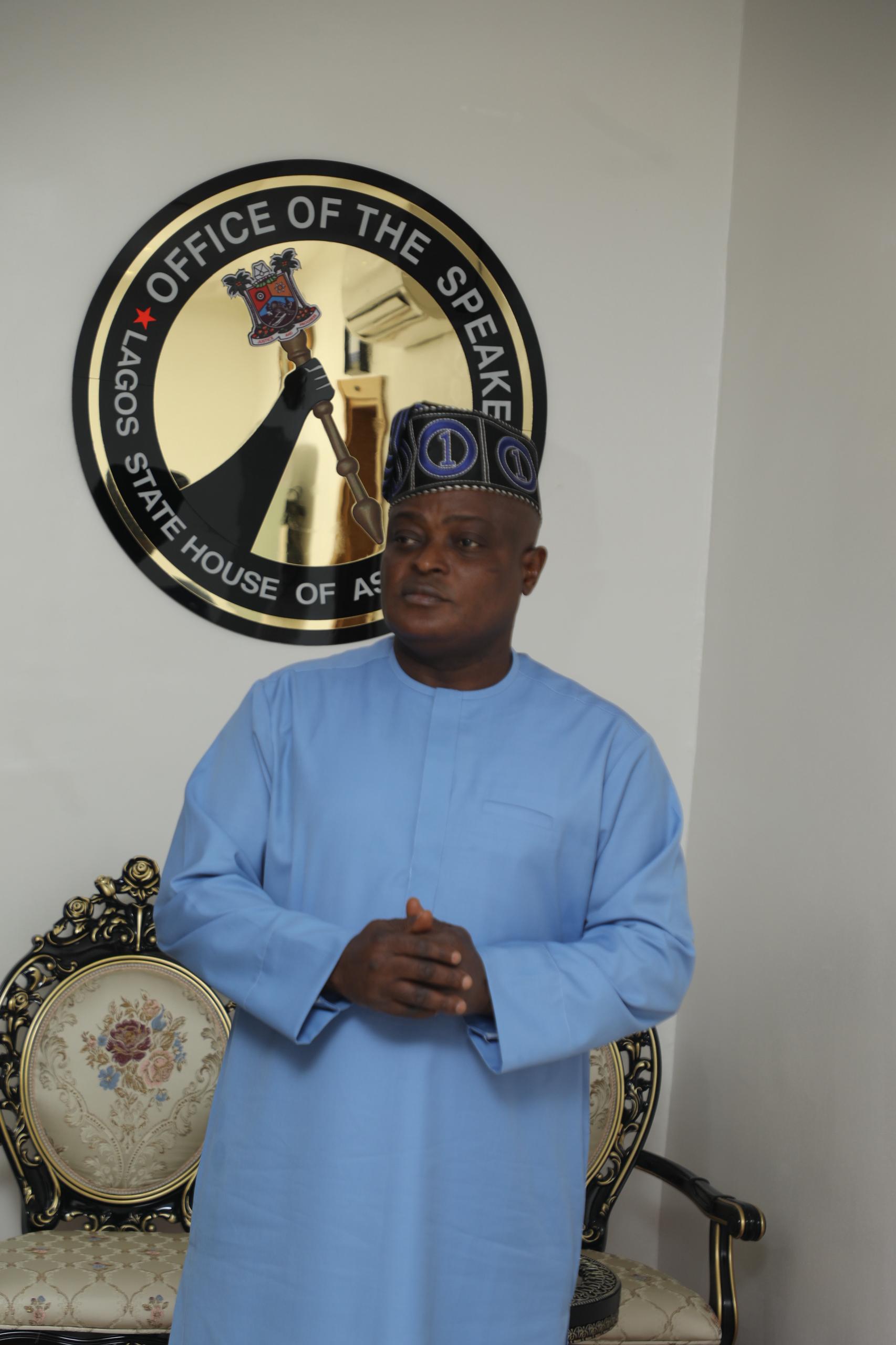
Easter: Obasa Urges Christians To Embrace Hope, Unity, Renewal
The Speaker of the Lagos State House of Assembly, Rt. Hon. Mudashiru Obasa, has congratulated Christian faithful in Lagos and across Nigeria on the celebration of Easter, urging them to draw strength from the lessons of Christ’s resurrection.
In his Easter message, released by his Chief Press Secretary, Mr. Dave Agboola, Obasa described the season as a reminder of victory over despair, renewal after trials, and the triumph of light over darkness. He noted that just as Christ overcame death, Nigeria can overcome its current challenges if citizens remain steadfast, prayerful, and committed to unity.
“Easter is a season of hope and renewal. As a nation, we face economic pressures and security concerns, but the resurrection teaches us that no situation is beyond redemption. Let us roll away the stones of division and despair, and work together for peace, justice, and prosperity,” the Speaker said.
He called on Lagosians to continue to show love and compassion to one another, stressing that collective effort is key to building a stronger Lagos and a better Nigeria.
Obasa prayed that the joy of Easter would fill homes with renewed faith and guide both leaders and citizens toward a brighter future.
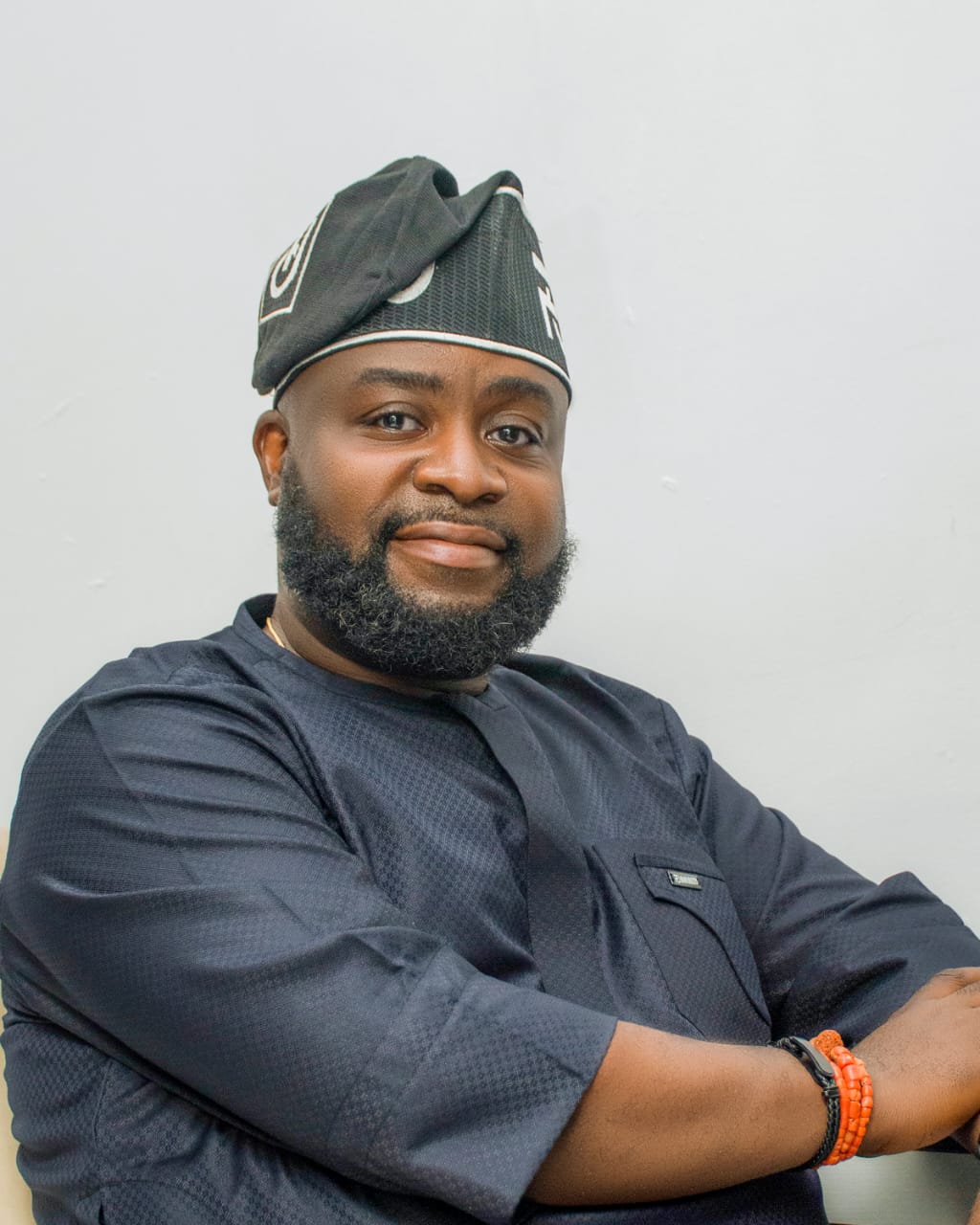
*PDP CHIEFTAIN, ONIRETI RESIGNS FROM PARTY, CITES PERSONAL REFLECTION
A former House of Representatives candidate, Olufemi Onireti, has formally resigned his membership of the Peoples Democratic Party (PDP) in Oyo State.
His resignation was conveyed in a letter addressed to the Chairman of PDP Osupa Ward 9, Ogbomoso North Local Government, on Thursday.
Onireti described the decision as a difficult but necessary step after what he termed a period of “deep personal reflection.”
“I hereby formally resign my membership of the Peoples Democratic Party (PDP), effective immediately,” he wrote.
He acknowledged his years of active involvement in the party, including contesting for the House of Representatives in the last general election, noting that the PDP had offered him a platform for political participation, service, and growth.
Despite his exit, Onireti expressed appreciation to party leaders and members for the support he enjoyed over the years.
“I remain grateful for the opportunity to serve and for the relationships and experiences I gained during my time in the party.
I wish the party well in its future endeavours,” he added.
The development is expected to generate discussions within the Ogbomoso North political circle, as observers await his next political move.


-

 society7 months ago
Religion: Africa’s Oldest Weapon of Enslavement and the Forgotten Truth
-

 news4 months ago
WHO REALLY OWNS MONIEPOINT? The $290 Million Deal That Sold Nigeria’s Top Fintech to Foreign Interests
-

 society6 months ago
“You Are Never Without Help” – Pastor Gebhardt Berndt Inspires Hope Through Empower Church (Video)
-

 celebrity radar - gossips2 months ago
Dr. Chris Okafor Returns with Power and Fire of the Spirit -Mounts Grace Nation Altar with Fresh Anointing and Restoration Grace on February 1, 2026