
society
Accelerating Tourism in Lagos: Cash Onadele’s The Noble Warrior as A Catalyst

Accelerating Tourism in Lagos: Cash Onadele’s The Noble Warrior as A Catalyst
By Bolaji Israel
In January, the Lagos State Government revealed that it generated over $71.6 million in revenue from tourism, hospitality, and entertainment sectors during the 2024 yuletide season.
The milestone reinforces Lagos’s status as the tourism and entertainment capital of Africa, underlining the crucial role that tourism plays in driving economic growth and preserving cultural heritage in the aquatic-rich state.

The end of the year season has evolved into a robust platform for showcasing Nigerian arts, culture, and music on a global stage. It nurtures community spirit, strengthens ties with the diaspora, and solidifies Lagos as a premier destination for cultural tourism.
Indeed, Lagos is firmly establishing itself as a hub for tourism in Africa, a trend significantly bolstered by the administration of Governor Babajide Sanwo-Olu.
However, there is a need for more. Governor Sanwo-Olu must sustain the current momentum by further harnessing various areas of tourism through strategic initiatives that can significantly enhance the state’s appeal to both local and international visitors.
One area to explore more deeply is cultural history, which resonates with identity, values and reorientation, as music, fashion, food and entertainment have received robust attention. A great starting point is a more deliberate and strategic canonisation and projection – beyond mere celebration – of our exemplary cultural and social crusaders such as Ogedengbe Agbogungboro, Wole Soyinka, Funmilayo Kuti, Obafemi Awolowo and others whose lives exemplify values such as selflessness, social equity, justice, fairness and incorruptibility, which are currently in short supply in the nation. Leveraging these icons to engage local and relevant diaspora community helps to rewrite erroneous histories, reorient delinquent youths and affirm our truly positive African identity and character in a manner that offers economic benefits.
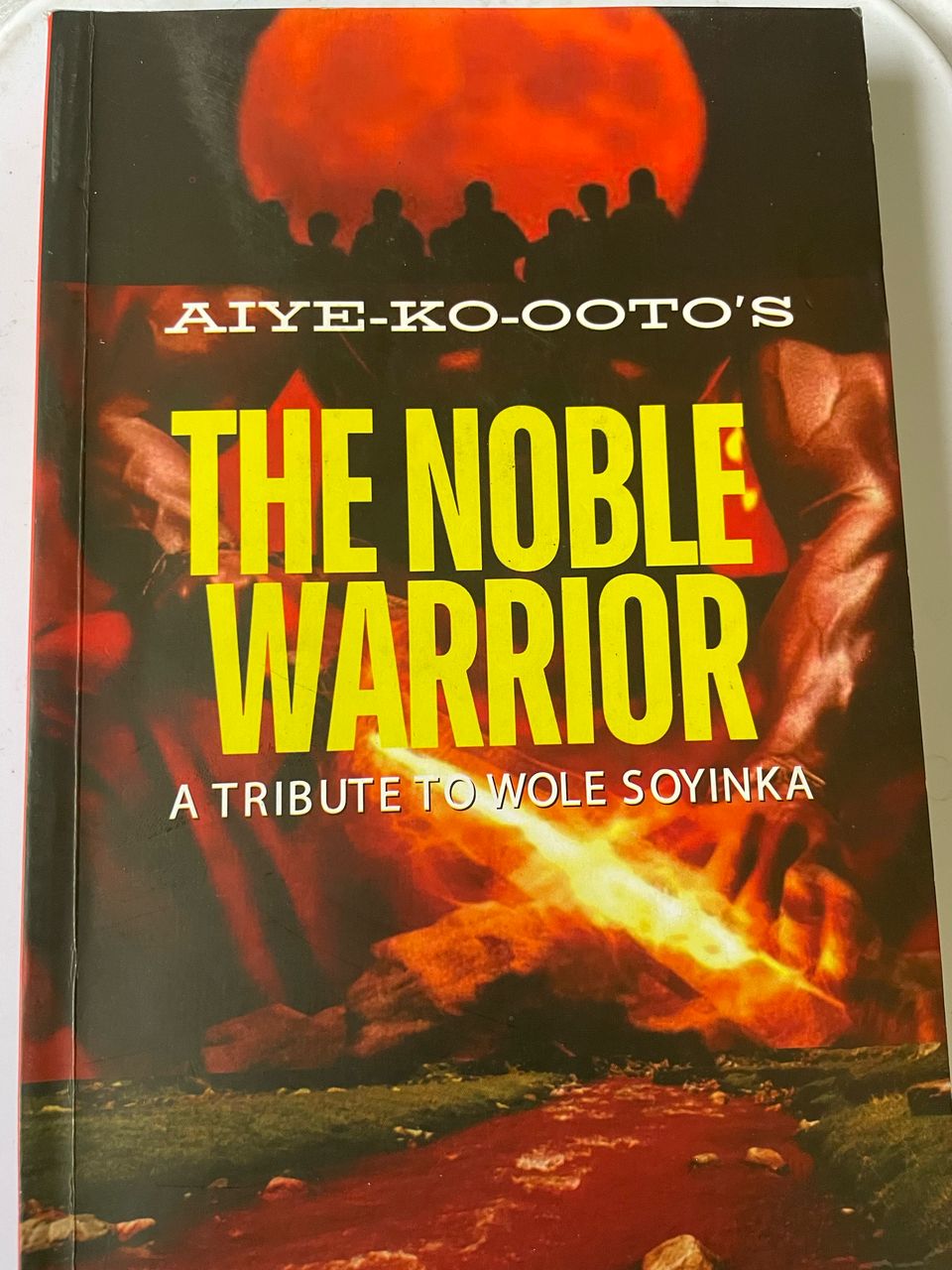
A Nigerian-American prolific playwright, Cash Onadele, also known by his pseudonym Aiye-ko-Ooto’, wrote The Noble Warrior (Eni Ogun), as a tribute to the world-acclaimed Nobel Laureate, Professor Wole Soyinka, in 2024. The play presents a golden opportunity for Lagos to reinforce its tourism potential, particularly among the diaspora. I am unaware of any comparable literary endeavour like the 239-page play that so splendidly encapsulates and projects Kongi in his true elements as a bastion of African identity.
The performance of the play in Abeokuta and MUSON centre, Lagos, was so gripping and profound yet entertaining, featuring ample music and dance, as well as a sufficient infusion of the Yoruba language into the production. It was directed by the cerebral Segun Adefila who once again demonstrated his exceptional talent, and produced by Aiye-ko-Ooto himself. The production was such a vivid spectacle to behold laced with a fine dosage of all elements needed for an enjoyable yet instructive theatre moment. It was a delightful show to behold!
One of Nigeria’s most revered thespians, Pa Tunde Kelani, who witnessed the production captured it succinctly: “The play is dense and layered; a courageous blend of sheer theatre, dance and music with a life band music playing alongside which I found very interesting and courageous because it blended so well. The quality and technical is top-notch with no distraction. I congratulate the writer, director and the team for their courage in putting together such a complex play – long and running smoothly to the audience delight. I doff my hat.”
Aisha Adamu Augie, Director General, Centre For Black and African Arts and Civilisation (CBAAC), a frontline agency that promotes, projects and preserves Nigeria’s cultural heritage also congratulated the producers and Wole Soyinka International Cultural Exchange as they celebrate Nigeria’s Global Literary Giant with the stage production of The Noble Warrior.
Packed with intrigues, hatred, humour, love, forgiveness, social struggle, and emancipation, The Noble Warrior is not merely a celebration of Soyinka’s legacy; it serves as a pivotal vehicle for promoting Yoruba culture, history and heritage. The play’s narrative revolves around Prince Oluwole, a character inspired by Soyinka, who embodies the values of leadership, bravery, justice and cultural pride as he leads his pre-colonial ijebu-Igbo community against European incursion. Although it is not a factual account of Soyinka’s life, the play creatively mirrors his persona and the ideals he represents, making it a compelling representation of Yoruba history and culture.
With the profundity, aesthetics and volume of literary corpus that Nigeria has been producing including plays, one wonders what is delaying a long overdue review of our curriculum for the crop of new vibrant writers to come in while we do away with the good old Shakespeare that has held sway for far too long!
It’s not every generation that a nation or community is blessed with the enduring presence of such a colossus like Soyinka after nine fascinating decades. As such, the brilliant minds driving the tourism train in Lagos State under the leadership of the Governor, Honourable Commissioner for Tourism, Mrs. Toke Benson Awoyinfa, and other officials like Mr Olatunde Lawal, Director of Tourism Promotion, must seize the moment to leverage the play as a launchpad for enhancing Lagos’s rising tourism profile.
For instance, by sponsoring command performances for diplomats and international communities in Lagos, the government can promote the rich cultural tapestry of the Yoruba people, creating a platform for cultural exchange and dialogue. It can also act as a catalyst for cultural reawakening, generating revenue and creating employment opportunities. By engaging local talent – from actors to stagehands – the production contributes to the creative economy, bolstering youth involvement.
Additionally, the government could extend its support by sponsoring performances across Nigeria and in countries with significant Yoruba-speaking populations, such as Benin and Togo. Furthermore, international tours to places like Brazil and Cuba, where historical ties to Yoruba culture exist, could enhance Lagos’s standing as a cultural hub. Such initiatives would not only showcase the play but also draw attention to the broader cultural heritage of Nigeria, enticing tourists from around the globe.
Sanwo-Olu has demonstrated considerable support for the arts and culture in Lagos, but there remains an urgent need to communicate the value of Yoruba culture to the international community. The Noble Warrior represents a significant opportunity for the government to market Lagos as a premier destination for cultural tourism. By aligning this initiative with the broader objectives of the state’s tourism strategy, the government can attract diplomats and international visitors eager to experience the richness of Nigerian culture. For the government, facilitating partnerships with cultural organisations and securing funding for the play will be a game changer, and showcasing the production on a grand scale would be a masterstroke.
The play is not just an artistic endeavour; it is also an essential narrative that fosters cultural identity and pride. In an era where young Nigerians often grapple with issues of identity and cultural erosion, it could serve as a crucial reminder of the importance of heritage. By integrating the play into educational curricula, particularly for secondary school students, the Lagos government can foster a deeper understanding of cultural history among the youths. This initiative could rekindle interest in literature and the arts, which have seen a decline in recent years.
Moreover, the government should consider purchasing copies of the play for high school libraries, ensuring that students have access to literature that reflects their culture. Commissioning a special version of the play tailored for school performances would further enhance its educational value and encourage engagement among young audiences.
In conclusion, the intersection of The Noble Warrior and Lagos’s tourism strategy presents a unique opportunity for the state to enhance its cultural footprint. By embracing the play, Lagos can not only honour the legacy of Wole Soyinka but also reinforce its position as a beacon of culture and creativity in Africa and beyond. This is an opportunity for Lagos to shine on the global stage, showcasing the richness of Yoruba culture and the spirit of its people.




POCACOV Intensifies Sensitization on Cultism, Bullying, and Social Vices Among Students in Edo
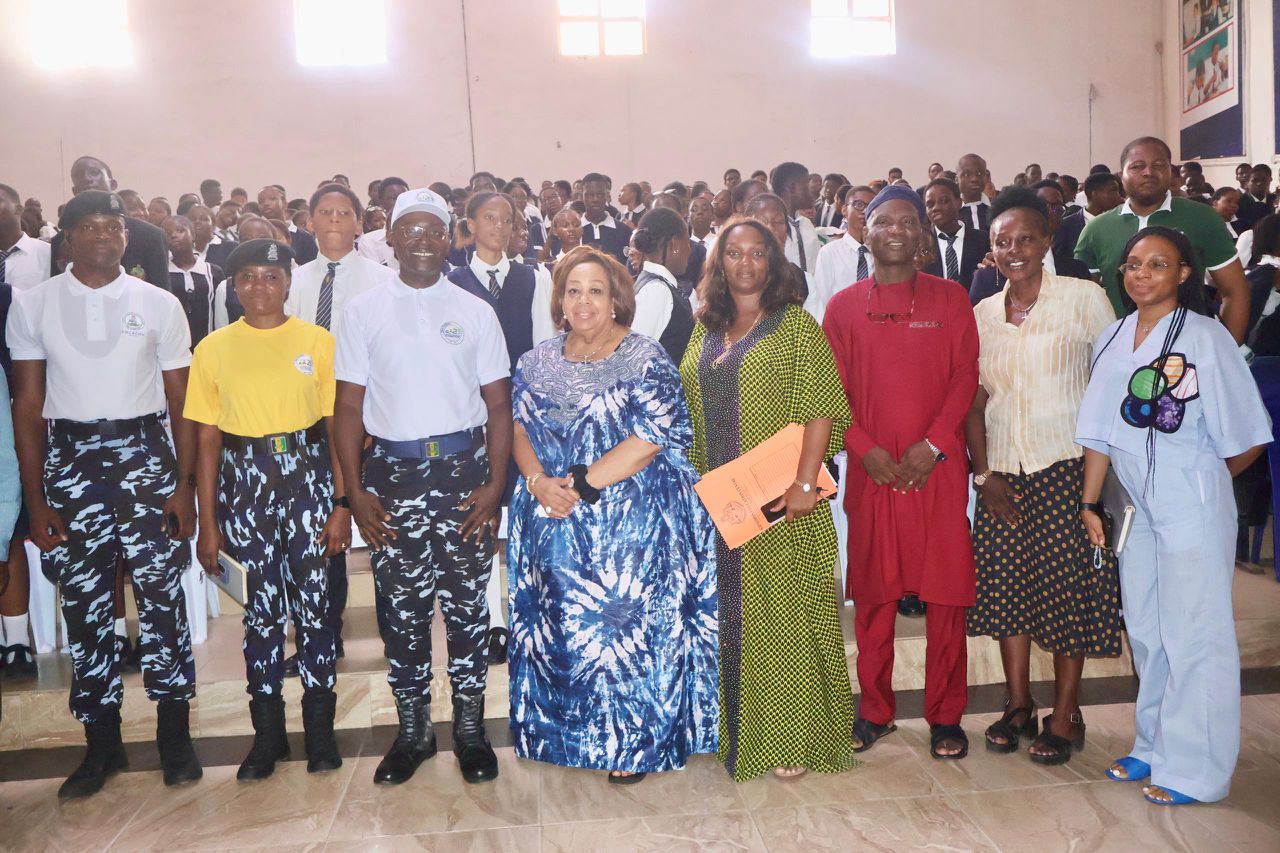
In commemoration of the 2026 National Police Day Celebration, the Police Campaign Against Cultism and Other Vices (POCACOV), Edo State Command, has reinforced its preventive policing efforts through a targeted sensitization outreach at Igbinedion Education Centre, Benin City.
The initiative forms part of the broader activities marking this year’s National Police Day, themed “Community Partnership: Building Trust,” which emphasizes collaboration between the Nigeria Police Force and the public in fostering a safer society.
The sensitization programme witnessed the presence of key stakeholders, including the Commissioner of Police, Edo State Command, the Police Public Relations Officer, and the Edo State POCACOV Coordinator, ASP Kingsley Upeh. The team engaged students in an insightful and impactful session focused on the dangers of cultism, bullying, and other social vices prevalent among youths.
During the session, students were educated on the severe and far-reaching consequences of cult-related activities. These include violence, loss of lives, disruption of academic pursuits, and long-term damage to personal reputation and future opportunities. The speakers also highlighted how peer pressure, drug abuse, and negative social influences often serve as gateways into criminal behavior.
In an interactive segment, the Commissioner of Police stressed the legal implications of engaging in criminal acts, noting that involvement in cultism and related offences could lead to arrest, prosecution, and lifelong consequences that may hinder personal growth and career aspirations.
The issue of bullying was also extensively addressed, with emphasis on both its legal ramifications and psychological impact on victims. Students were encouraged to speak up against bullying, report incidents to school authorities or law enforcement, and support peers who may be affected.
Furthermore, the outreach underscored the importance of self-discipline, moral values, and making informed life choices. Students were urged to become ambassadors of peace within their schools and communities by rejecting violence and promoting unity and mutual respect.
The POCACOV team reiterated its commitment to continuous engagement with young people through awareness campaigns, community outreach, and strategic partnerships aimed at preventing crime before it occurs. The initiative aligns with the Nigeria Police Force’s proactive approach to policing, which prioritizes education, prevention, and community involvement.


COAS Launches Nationwide Security Renewal Mission in Plateau
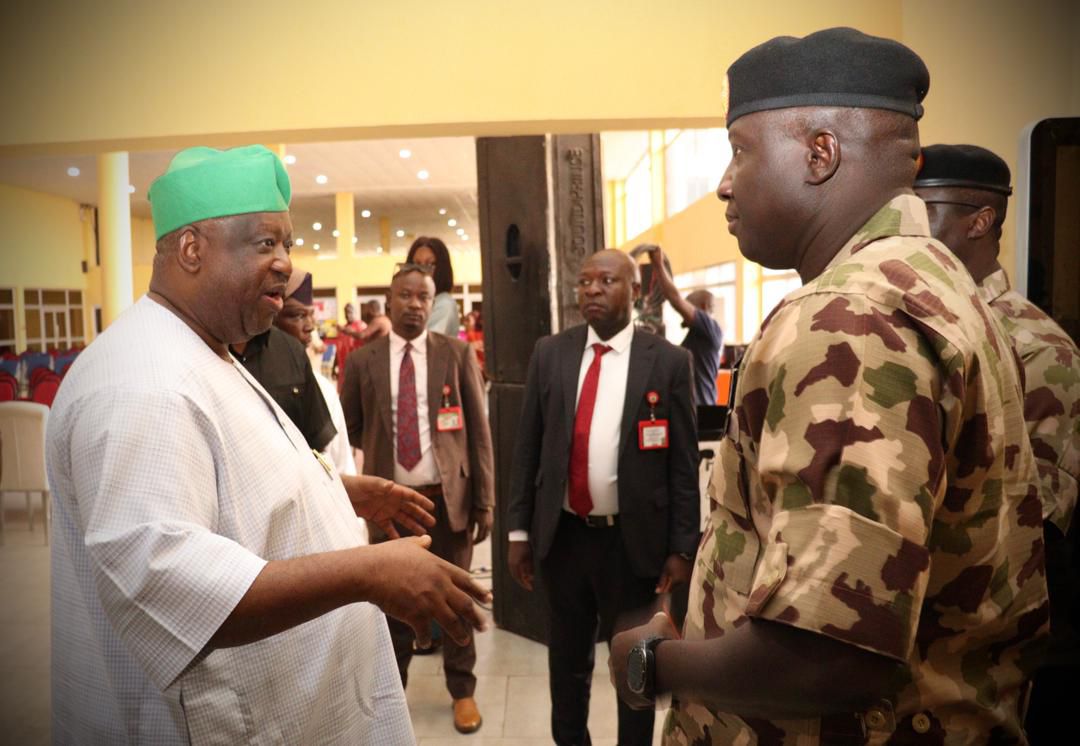
The Chief of Army Staff, Lieutenant General Waidi Shaibu, on Thursday led a high-level delegation of security chiefs to Plateau State, flagging off a nationwide security renewal mission aimed at strengthening civil-military cooperation and restoring lasting peace across the country.
The visit to Jos, the Plateau State capital, marks the first phase of a coordinated national effort to address persistent security challenges through joint operations, community engagement, and proactive intelligence gathering.

Governor Caleb Muftwang received the delegation, describing the initiative as a critical step toward stabilizing affected communities and reinforcing public confidence in security institutions.
Civil-Military Synergy Takes Centre Stage
At the heart of the mission is a renewed emphasis on collaboration between the military, civil authorities, and local communities. Speaking during the visit, Lt. Gen. Shaibu stressed that national security must be treated as a collective responsibility.
He urged citizens to support security agencies by remaining vigilant, sharing credible information, and complying with lawful directives, noting that effective security cannot be achieved in isolation.
Community Engagement as Confidence-Building Tool
In a departure from purely operational engagements, the Army Chief held direct consultations with community leaders and residents in Jos, reinforcing the importance of trust and dialogue in conflict resolution.
Lawmakers, including Dachung Bagos and Ladi Dangyok, commended the initiative, stating that visible engagement by top military leadership helps rebuild confidence among citizens and fosters cooperation.

Proactive Security Operations Underway
Operational updates were provided by Major General Folusho Oyinlola, who disclosed that troops under Operation Enduring Peace have intensified surveillance, intelligence-led patrols, and coordinated actions with other security agencies.
According to the Army, the approach is designed to prevent escalation of threats, safeguard lives and property, and stabilize vulnerable communities before crises emerge.
A Shift Toward Sustainable Peace
Military authorities emphasized that the Plateau visit is part of a broader, long-term strategy to transition from reactive responses to sustainable peacebuilding nationwide. The framework includes strengthening local resilience, ensuring justice, and maintaining continuous engagement with stakeholders.
Analysts view the initiative as a significant policy shift, reflecting a more inclusive security architecture that integrates community participation with military operations.
Call for National Unity
The Army leadership concluded with an appeal to Nigerians to reject divisive narratives and support ongoing efforts to promote unity and peace.
“The success of this mission depends not only on the armed forces but on the cooperation of every citizen,” the COAS stated.
The nationwide security renewal campaign is expected to extend to other regions in the coming weeks as authorities seek to consolidate gains and build a safer, more unified Nigeria.


IGP Disu Visits Plateau, Orders Tactical Deployment To Reinforce Security
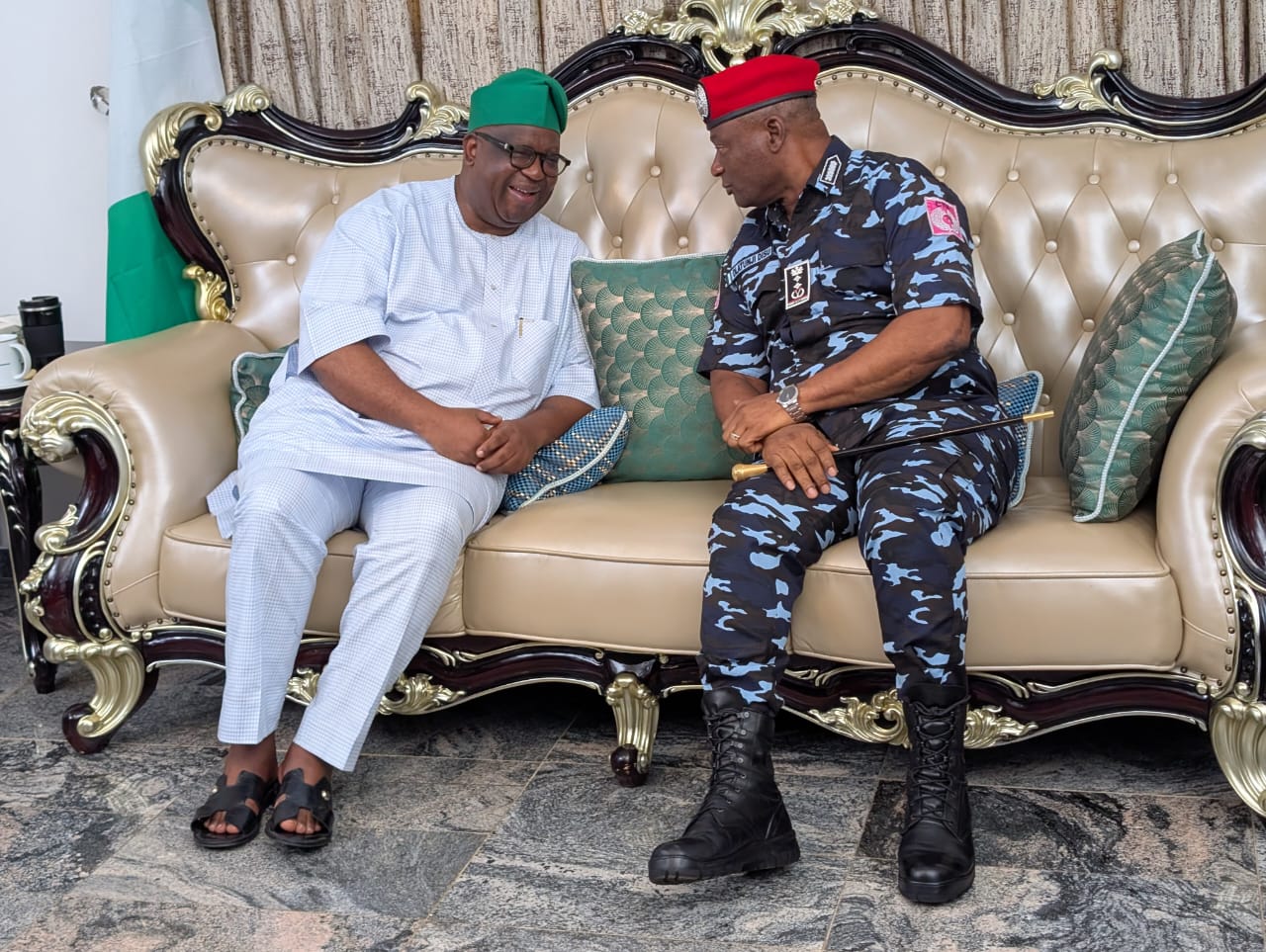
The Inspector General of Police, Olatunji Disu, on Thursday paid a working visit to Plateau State following recent unrest, holding strategic talks with Governor Caleb Muftwang on measures to strengthen security and prevent further disturbances.
As part of immediate steps to stabilise the situation, the police chief authorised the deployment of specialised tactical units to support officers already on ground across affected areas.
Governor Muftwang commended the swift intervention of the police leadership, praising the dedication and professionalism of security personnel working to restore calm. He also acknowledged the efforts of mobile police officers and lauded the leadership of the state’s Commissioner of Police, Bassey Ewah.
Both the Nigeria Police Force and the Plateau State Government reaffirmed their commitment to safeguarding lives and property, stressing that enhanced collaboration remains key to restoring lasting peace in Plateau State, popularly known as the Home of Peace and Tourism.


-

 society7 months ago
Religion: Africa’s Oldest Weapon of Enslavement and the Forgotten Truth
-

 news4 months ago
WHO REALLY OWNS MONIEPOINT? The $290 Million Deal That Sold Nigeria’s Top Fintech to Foreign Interests
-

 society6 months ago
“You Are Never Without Help” – Pastor Gebhardt Berndt Inspires Hope Through Empower Church (Video)
-

 celebrity radar - gossips2 months ago
Dr. Chris Okafor Returns with Power and Fire of the Spirit -Mounts Grace Nation Altar with Fresh Anointing and Restoration Grace on February 1, 2026