
Business
Adron Homes Chairman Hosts NSE Ibeju-Lekki Executives, Explores Strategic Partnership

Adron Homes Chairman Hosts NSE Ibeju-Lekki Executives, Explores Strategic Partnership
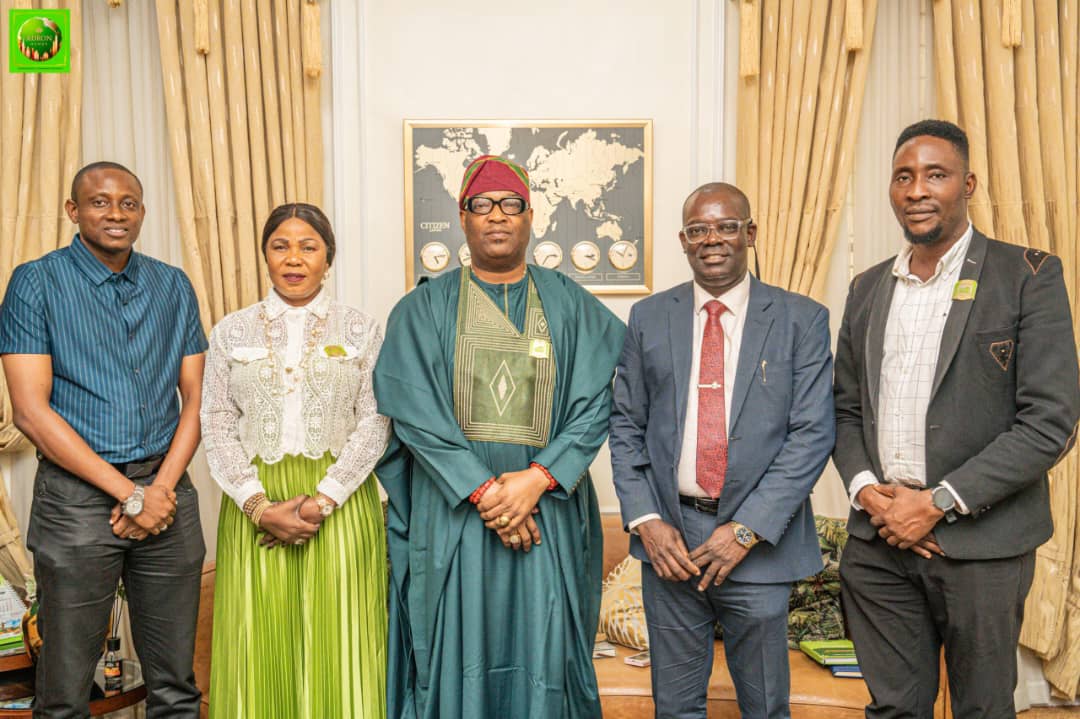
The newly approved Ibeju-Lekki Branch of the Nigerian Society of Engineers (NSE), which recently emerged as the 91st branch of the Society, has paid a courtesy visit to the Chairman/CEO of Adron Homes and Properties Limited, Sir Aare Adetola Emmanuel King KOF, at the company’s headquarters.

The delegation of engineers, led by Engr. Olufemi Dare, FNSE, the Chairman of the Branch, described the visit as a strategic step towards strengthening relationships with corporate organizations that have consistently upheld professionalism and structural integrity in their projects.
In his remarks, Engr. Dare praised Adron Homes for its exceptional commitment to quality housing delivery across Nigeria and beyond, emphasizing that its reputation for structural integrity and innovation in real estate development stands as a reference point for engineering excellence. He further informed the Adron Chairman that the branch would be conferring an award of recognition on him at their forthcoming official inauguration ceremony, in acknowledgment of his outstanding contributions to housing development and infrastructural growth in Nigeria.
The discussions also explored potential partnership opportunities between NSE Ibeju-Lekki and Adron Homes in engineering, professional development, and sustainable housing innovations.
Responding, the Chairman of Adron Homes, Sir Aare Adetola Emmanuel King, warmly welcomed the delegation and expressed delight at the prospect of a lasting partnership. He acknowledged the critical role engineers play in national development, while also noting the numerous challenges facing the engineering sector in Nigeria. He stressed that these challenges can only be surmounted by engaging qualified and dedicated professionals, a principle upon which Adron Homes has built its reputation.
According to him, “Engineering is the backbone of any meaningful infrastructural advancement, and as developers, we cannot afford to compromise on professionalism. This is why I am excited about this partnership and look forward to building a mutually beneficial relationship with the NSE Ibeju-Lekki branch.”
The NSE Ibeju-lekki delegation included Engr. Tiramisu Bello, MNSE (Vice Chairman); Engr. Omolola Adetola, FNSE (General Secretary); Engr. Taiwo Musa, MNSE (Assistant General Secretary); Engr. Ayodele Agunloye, MNSE (Financial Secretary); Engr. Opeyemi Olabisi, MNSE (Technical Secretary); Engr. Oluwadare Raji, MNSE, among several others.
On the part of Adron Homes, the Chairman was joined by key members of the executive team, including Adenike Ajobo, Managing Director; Tolani Roberts, Deputy Managing Director, Business Investment and Development; Mr. Kunle Ifeanyi Konwea, Director of Brand and Communications; Maureen Echefu, Chief Press Secretary, among others.
The visit not only highlighted Adron Homes’ enduring commitment to professional engineering standards, but also set the tone for a new chapter of collaboration between the real estate giant and the newly inaugurated NSE Ibeju-Lekki Branch, with both parties pledging to drive innovations that will redefine housing and infrastructural development in Nigeria.





*Oceangate Engineering Oil & Gas LTD to appeal Federal High ruling over forfeiture assets*
Oceangate Engineering Oil & Gas Limited has said it will appeal to the recent ruling of the Federal High Court ordering the forfeiture of certain assets.
Barr. Nnenna Onyeaso, the Company Secretary said in a statement on Thursday insisting that neither the company nor its leadership was found guilty of any wrongdoing.
Onyeaso said that the firm has described the court’s decision as a civil asset forfeiture order based on suspicion rather than proof, stressing that the judgment did not establish any criminal liability against the organisation.
According to her, the company maintain that it has already directed its legal team to file an appeal, expressing confidence in the judicial process and the outcome of a thorough review of the case.
“To be clear, this ruling is a civil asset forfeiture order with no finding of wrongdoing against Oceangate or its leadership.
“The court’s decision rested on a legal standard of suspicion, not proof, and it is one we intend to pursue fully through the appeals process,” she said in a statement.
The firm secretary also said that Oceangate has reiterated its belief in the rule of law, noting that the appellate system exists to address such outcomes.
She added that the company remained confident that the facts of the case will ultimately affirm its integrity and business practices.
Onyeaso said that the firm also emphasised that its operations remained unaffected, stating that it continues to provide employment for many Nigerians while contributing to the country’s energy sector and broader economy.
“We have always believed in the ability of the judicial process, and that belief has not wavered,” she added.
She noted that Oceangate further expressed appreciation to its employees, partners, and clients for their continued support amid the development, assuring stakeholders of its commitment to transparency and accountability.
The Secretary said that the company reaffirmed its confidence in Nigeria as a viable destination for investment, describing the country as a land of equity, growth, and opportunity.
“We remain committed to the continued growth of our business and the communities we serve as we are optimistic that justice will prevail at the end of the legal process.
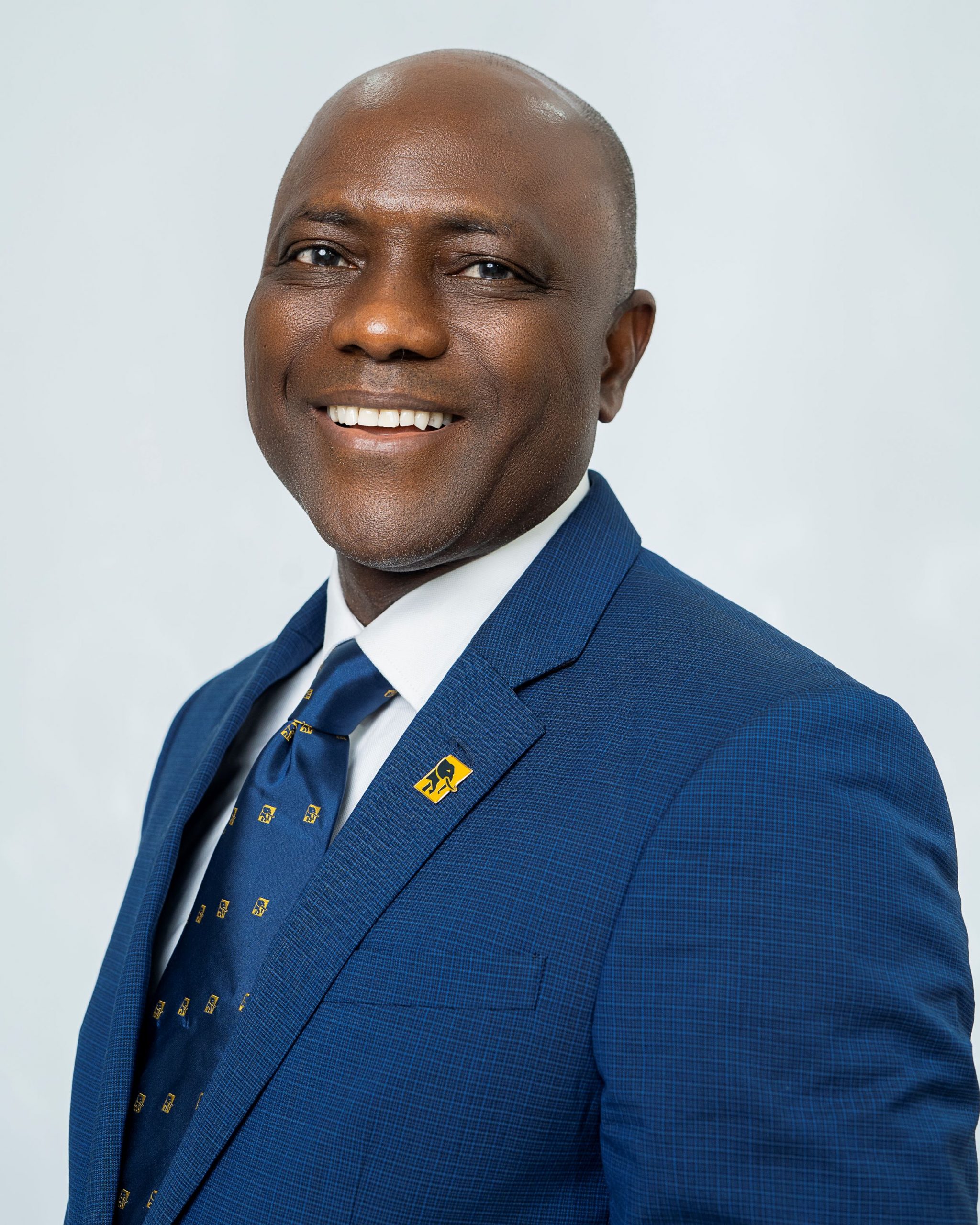
FirstBank Empowers SMEs with AI-Driven Growth Strategies, Hosts SMEConnect Webinar
Lagos, 20 March 2026 – FirstBank, West Africa’s premier financial institution and financial inclusion services provider, is pleased to announce the upcoming edition of the SMEConnect Webinar scheduled to hold on Tuesday, 31 March 2026. The event will equip small and medium-sized enterprises (SMEs) with the knowledge and tools to harness the power of Artificial Intelligence (AI) for business growth.
This edition is strategically curated to inform and educate SMEs on how AI can be applied to scale their businesses in today’s rapidly evolving digital economy. The chosen theme, “AI for Business Growth: From Adoption to Integration and Scalable Impact,” reflects the growing importance and timeliness of AI as one of the most influential trends shaping the SME business landscape. The session will provide SMEs with actionable insights on how to leverage AI to enhance productivity, streamline operations, strengthen customer engagement, and make smarter, data-driven decisions.
The SMEConnect webinar will feature experts, including Temitope Odude, Senior AI Solutions Architect at Microsoft as a guest speaker. Odude will provide credible and globally relevant perspectives on how SMEs can successfully adopt and integrate AI into their everyday business operations. Other speakers include Abednego Ugwueke, Head of Digital Channels and Ibidun Adedewe, Head of SME Acquisition & Partnerships at FirstBank.
Speaking ahead of the event, Chuma Ezirim, Group Executive, e-Business and Retail Products at FirstBank, said “SMEs are the backbone of the Nigerian economy, and at FirstBank, we recognise that the economy cannot thrive without them. As a committed growth partner to SMEs, this session reinforces our strong focus on innovation, demonstrated through initiatives such as the use of AI‑enabled credit scoring to deliver fast, instant loans to micro‑SMEs, with over ₦1 trillion disbursed to support customers’ financial needs. Building on this foundation, we are equipping business owners with the right knowledge and practical insights on Artificial Intelligence to help them scale in the short term and drive sustainable growth. I encourage every business owner to participate in this session to gain hands‑on guidance on integrating AI into everyday business operations.”
SME owners and entrepreneurs can register for the webinar at https://firstbanknigeria.zoom.us/webinar/register/WN_cUr1LhWFQXymTqWtONOOVg
SMEConnect Webinar series is one of FirstBank’s signature platforms for supporting SMEs with practical knowledge and strategic insights. The Bank has consistently won awards for impacting businesses and for providing innovative solutions for customers and other stakeholders, including SMEs.
The Bank was named Best SME Bank in Nigeria and Best SME Bank in Africa by TAB Global Excellence in Retail Finance Awards for 2 years as at 2025. The Bank also won the SME Financier of the Year- Nigeria awarded by The Digital Banker.

EvaluatePR to Explore “PR After the Algorithm: Trust, Truth & Intelligence in 2026
P+ Measurement Services, Nigeria’s leading independent media intelligence and PR measurement agency, will host the 31st edition of its flagship thought-leadership platform, EvaluatePR, on Friday, March 27, 2026, at 12:00 p.m. (WAT).
Themed “PR After the Algorithm: Trust, Truth & Intelligence in 2026,” this virtual session will convene professionals across public relations, communications, and media measurement to explore how algorithms, artificial intelligence, and digital ecosystems are reshaping reputation management, media influence, and audience trust.
With the increasing role of automation in communications, the event will challenge professionals to rethink how credibility is built and sustained in a fast-evolving digital landscape, while emphasizing the need for transparency, ethical measurement, and strategic intelligence.
The session will feature a distinguished lineup of speakers representing diverse expertise across global communications, media intelligence, and analytics: Felicia Nugroho – Director, Analytics & Insights, Maverick Indonesia / Chair, Asia Pacific & International Board Director, AMEC; Cyrille Djami – Founder & Publisher, CommsOfAfrica; Strategic Communications, Editorial and Influence Consultant; Amrita Sidhu – Managing Director, Medianet / Director & Board Representative, AsiaNet / Board Member, AMEC; and Satira Osemudiamen Oreweme – Principal Consultant, Satira Media & Public Relations Limited.
Together, they will lead insightful discussions on how communicators can navigate the intersection of technology and trust, maintain authenticity in automated environments, and leverage data-driven intelligence to deliver meaningful communication outcomes.
Participation in the session is free, with access available via the official registration link:
https://bit.ly/4stWjUh


-

 society6 months ago
Religion: Africa’s Oldest Weapon of Enslavement and the Forgotten Truth
-

 news4 months ago
WHO REALLY OWNS MONIEPOINT? The $290 Million Deal That Sold Nigeria’s Top Fintech to Foreign Interests
-

 society6 months ago
“You Are Never Without Help” – Pastor Gebhardt Berndt Inspires Hope Through Empower Church (Video)
-

 celebrity radar - gossips2 months ago
Dr. Chris Okafor Returns with Power and Fire of the Spirit -Mounts Grace Nation Altar with Fresh Anointing and Restoration Grace on February 1, 2026