
society
Africa Must Fix Africa: Stop Running and Start Rebuilding

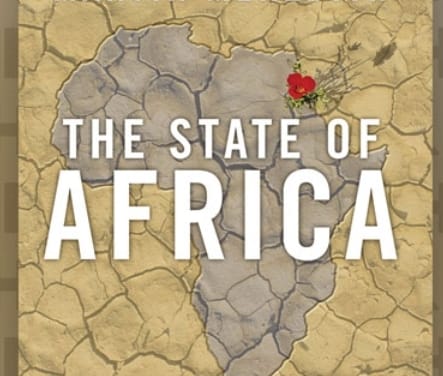
Africa Must Fix Africa: Stop Running and Start Rebuilding.
George Omagbemi Sylvester | Published by SaharaWeeklyNG.com
The greatest tragedy in Africa today is not just poverty, war, corruption or the incompetence of leadership. It is the mass exodus of the very people Africa needs most ie. teachers, doctors, nurses, engineers, thinkers, builders and reformers. The problem with Africa is not that it is irredeemable. The problem is that those who should redeem it are fleeing its shores in search of “GREENER PASTURES.” The question we must ask ourselves is brutally simple: if we all leave, who will stay to fix things?
In a report by the African Development Bank (AfDB) in 2018, it was stated that Africa loses over $4 billion annually to brain drain, with skilled professionals migrating to Europe, North America and the Middle East in alarming numbers. This brain drain is not just a statistic, but a silent pandemic that has crippled our hospitals, collapsed our education systems and left our governments incapable of innovation or self-reliance.
A Continent of Runners, Not Reformers. Let’s face it: we are running. Running from bad leadership, from broken systems, from insecurity, from unemployment and from hopelessness. But we are also running from responsibility. The teachers who leave for Dubai, the doctors who relocate to Canada, the politicians who embezzle and escape to London; all of them are part of the same moral collapse. We must ask ourselves: what is our duty to the continent that gave us our names, languages and roots?
Prof. P.L.O. Lumumba said, “Those who have the ability to think, but do not think are traitors to themselves and to their continent.” We cannot all be abroad and still pretend to CARE about the FATE of Africa. Patriotism is not posting our country (African) flags on social media during crises; but the willingness to stay behind, fight for justice, build institutions and inspire the next generation.
Europe’s Fence is a Message We Misread. It is not uncommon to hear Africans lament the “unwelcoming” attitude of Europe. From Hungary’s steel border wall to Spain’s militarized fences in Ceuta and Melilla, the signal is clear: YOU ARE NOT WELCOME. Or so we think.
But perhaps we are misreading the message. The wall is not just a deterrent; it is a challenge. It says: “SOLVE YOUR OWN PROBLEMS. FIX YOUR OWN HOUSE. BUILD YOUR OWN SYSTEMS.” Unfortunately, we see the wall and think of DISCRIMINATION. What we fail to see is the deeper truth; it is not their job to carry Africa’s burdens. Na our own palava bii dat.
The British-Sudanese author Zeinab Badawi puts it, “If Africans are truly proud of their heritage and history, they should not be fleeing it; they should be fighting for it.”
Who Go Teach the Children? In Nigeria alone, over 2,000 doctors leave the country every year according to a 2019 report by the Nigerian Medical Association. In South Africa, thousands of skilled nurses have migrated to the UK in the past decade. Ghana, Kenya, Zimbabwe we as Africans, all suffer from this same affliction. The result? HOSPITALS with no SPECIALISTS. SCHOOLS with UNTRAINED TEACHERS. NATIONS without the capacity to BUILD or GOVERN.
According to the World Bank, sub-Saharan Africa has the lowest ratio of doctors to population; about 0.2 doctors per 1,000 people, compared to the global average of 1.6. If we continue exporting our best minds, who will remain to help the sick, educate the youth and guide the nation?
The Politics of Escape. Let’s not deceive ourselves. Our politicians are the architects of this disaster. They loot national wealth and store in Swiss banks. Their children attend Ivy LEAGUE schools while public universities at home remain shut for months due to strikes. Yet, we imitate them. We dream not of building Africa but of escaping it.
This culture of escape has created a toxic cycle: bad governance pushes citizens away; the exit of skilled minds weakens the system further; weakened systems produce worse governance. “The cycle repeats.”
Our own Chinua Achebe rightly said “The problem is simply and squarely a failure of leadership.” Today, it is not just a failure of leadership; but a failure of followership, of responsibility and of vision.
Where Are the Patriots?
Africa needs patriots. Not the flag-waving, anthem-singing kind, but real builders. People who stay when it’s HARD, speak when it’s DANGEROUS and work when it’s THANKLESS. Our continent needs thinkers who will teach in OUR universities, NOT at Harvard. We need engineers who will design OUR cities, NOT Dubai’s skyline. We need journalists who will speak TRUTH to POWER, not flee from it.
Dr. Arikana Chihombori-Quao, former AU Ambassador to the US, said:
“The young people of Africa are fleeing their continent. But I say to them: you are running from yourselves. Africa NEEDS you more than Europe WANTS you.”
A Call to Build, Not Blame. Yes, Europe COLONIZED major of Africa. Yes, they ROBBED, EXPLOITED and DIVIDED. That was then. Today, we are governed by our own people. We must stop blaming the PAST and start building the FUTURE. The fences they build are not chains. They are mirrors; showing us what we have FAILED to become.
It is time for African nations to invest in their people. Governments must create environments that make staying worthwhile: competitive salaries, functional healthcare, quality education and security. Even more urgently, the people must develop a sense of duty to their homeland. Running away may save you, it will not save your nation.
The Diaspora Must Return. To those in the diaspora: Africa needs you back. You are needed not just for remittances but for reform. Bring your skills, your discipline, your exposure. Help build institutions, mentor young minds and hold corrupt systems accountable. Your success abroad should not be your escape from home, but your preparation to fix it.
In 2018, the International Organization for Migration (IOM) launched the “Return of Qualified African Nationals” program to encourage skilled diaspora professionals to return. The results were promising, but it will take more than programs; it will take patriotism.
Next Steps for Africa: The Wall is a Mirror
Africa will not change until we stop fleeing and start fighting for justice, for reform and dignity. The walls Europe builds are not prisons; they are challenges. Until we take ownership of our destiny, no foreign aid, visa or migration policy will save us.
As the Quran says in Surah Ar-Ra’d (13:11):
“Indeed, Allah will not change the condition of a people until they change what is in themselves.”
Africa is BLEEDING, but not BROKEN. The question is: who among us will stop RUNNING and start REBUILDING?


About the Author:
George Omagbemi Sylvester is a political analyst, columnist, and advocate for African self-reliance and democratic accountability. He writes regularly for SaharaWeeklyNG.com.




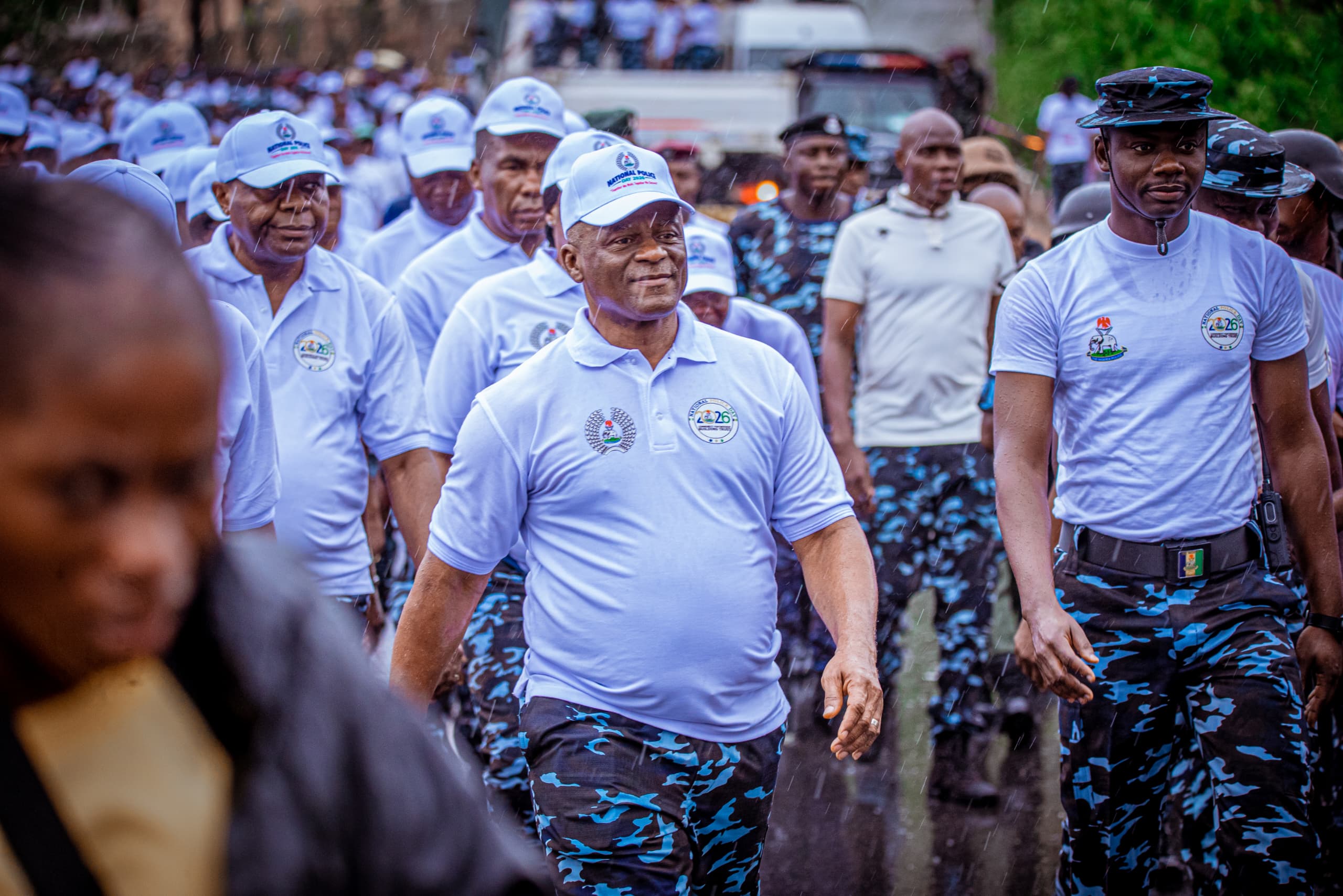
Police Day 2026: IGP Disu Leads Nationwide Walkathon To Strengthen Community Trust
The Inspector-General of Police, Olatunji Disu, on Tuesday led the management team, alongside officers and personnel of the Nigeria Police Force, in a nationwide walkathon to commemorate the 2026 National Police Day.
The event, held across state capitals and the Federal Capital Territory, formed part of activities marking Day Two of the annual celebration, themed “Community Partnership: Building Trust.”
The symbolic exercise, which drew participation from both police personnel and members of the public, was aimed at showcasing unity, discipline, and a renewed commitment to community policing and public safety.
According to the Force leadership, the walkathon underscores the Nigeria Police Force’s resolve to strengthen public trust, deepen engagement with citizens, and enhance collaboration in tackling security challenges across the country.
Participants described the initiative as a practical step toward bridging the gap between law enforcement and the communities they serve, while also promoting physical fitness and mental well-being among officers and civilians alike.
With the theme reflecting a shared responsibility for safety, the Police reiterated that sustainable security can only be achieved through active partnership with the public.
The event concluded with a renewed call for collective action under the banner: “Together We Walk, Together We Secure,” emphasizing unity of purpose in building a safer and more secure society for all Nigerians.


society
Dr. Chris Okafor invokes divine retribution upon individuals blackmailing the Grace Nation church
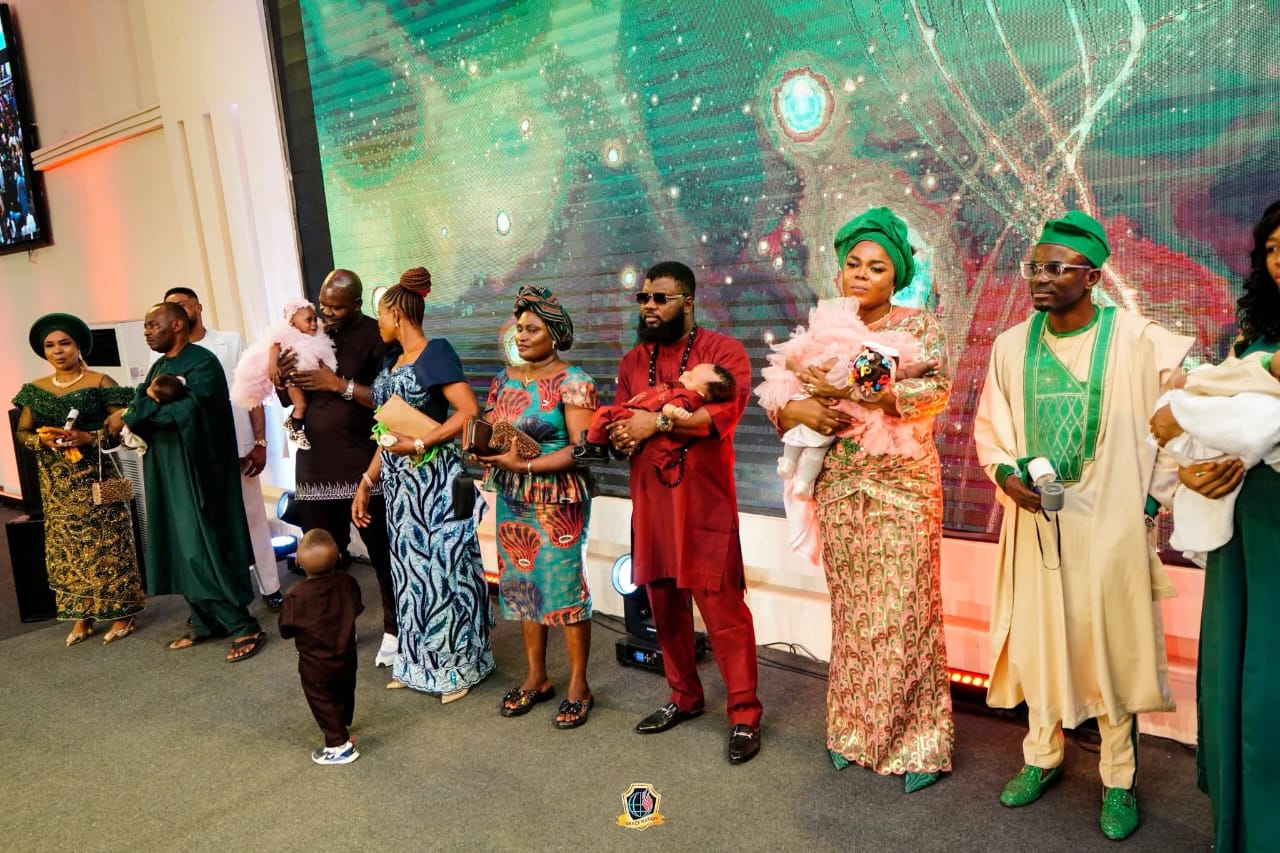
Dr. Chris Okafor invokes divine retribution upon individuals blackmailing the Grace Nation church
… Affirming God’s omnipotence to unveil malicious schemes.
To be frank, the ability of Doris Ogala and her associates to withstand the arduous challenges set by Senior Pastor Dr. Chris Okafor of Grace Nation Global at the culmination of the Harvest of Babies 2026 conference, the church’s flagship event, continues to elude me.
It’s advisable not to offend a powerful spiritual leader like Prophet Chris Okafor to avoid potential consequences, as seen in the situation with Doris Ogala, who was rebuked by the prophet; can she rectify the situation through confession?
Insiders close to the man of God claim that despite relentless online bullying and blackmailing, the Generational Prophet remains resolute, stating that God’s power has been evident throughout the commission’s existence. The reason for this wonderful statement is found in the scriptures, “Upon this rock I shall build my Church, and the gates of hell shall not prevail.” The more falsehoods are spread about the church and its leader, the more God elevates the church and propels him to greater heights, he asserted. He emphasized that blessings and fruitfulness are antidotes to curses, noting that God continues to bestow blessings upon the church, including miracles and the gift of children, which is one reason for the grand finale of the annual family liberation program, The Harvest of Babies.
However, the man of God issued a curse on each person speaking ill of the church, blackmailing, and uttering all sorts of falsehoods against the church, declaring that if they refused to repent within a few days, the earth would swallow them and their family members, stating that they would be of no use to themselves, their families, or society at large.
The spiritual leader cautions his followers to beware of such individuals including Doris Ogala who may taint their faith, and urges them to treat these persons as emissaries of the devil, avoiding them altogether.
Recall that the 2026 harvest of babies concluded with a remarkable birth of a miracle baby boy to a woman on the third day of the conference, accompanied by the dedication of several other miracle babies, all to the glory of God.
Christopher Sunday David writes from
Austria
“Together We Walk, Together We Secure”: Police Launch 2026 Walkathon In Abuja
The Nigeria Police Force has announced plans to host a walkathon in commemoration of the 2026 National Police Day, aimed at promoting unity, peace, and stronger community partnership.
The event is scheduled to take place on Tuesday, March 31, 2026, with participants expected to converge at the Force Headquarters Abuja by 6:00 a.m., where the walk will commence.
According to the organisers, the walkathon is designed to bring together members of the public, stakeholders, and security personnel in a show of solidarity and shared commitment to national security.
With the theme, “Together we walk, together we secure,” the initiative underscores the importance of collaboration between the police and citizens in maintaining peace and safety across the country.
Members of the public have been encouraged to participate in the exercise, which forms part of activities lined up to mark this year’s National Police Day celebration.
It is believed that the walkathon would not only foster closer ties between the police and the communities but also serve as a platform to promote awareness on collective responsibility in ensuring a safer society.


-

 society6 months ago
Religion: Africa’s Oldest Weapon of Enslavement and the Forgotten Truth
-

 news4 months ago
WHO REALLY OWNS MONIEPOINT? The $290 Million Deal That Sold Nigeria’s Top Fintech to Foreign Interests
-

 society6 months ago
“You Are Never Without Help” – Pastor Gebhardt Berndt Inspires Hope Through Empower Church (Video)
-

 celebrity radar - gossips2 months ago
Dr. Chris Okafor Returns with Power and Fire of the Spirit -Mounts Grace Nation Altar with Fresh Anointing and Restoration Grace on February 1, 2026