
Fashion/Lifestyle
African Women Entrepreneurs in Covid -19 Era

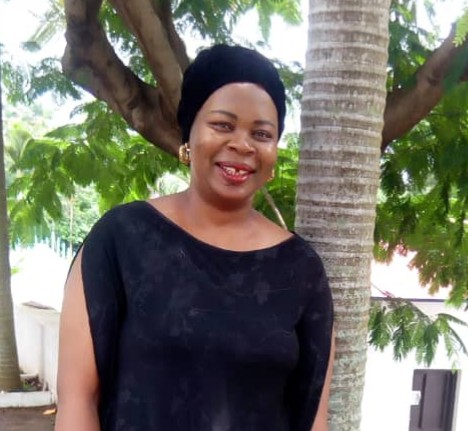
By Ebere Agozie
In spite of the giant strides Nigerian women have been making in the world of business, a new reality is staring them – along with the rest of humanity – in the face: COVID-19.
The prevalence and astonishingly rapid spread of the virus had the whole world literally hyper-ventilating, wondering what had hit it.
At first, there was fear that, given the predominantly rural setting of Africa, and given also the fact that awareness about the pandemic has been slow in catching on, the worst was about to happen.
The expected annihilation may not have happened on the scale feared in Africa, but the presence of the coronavirus in the continent has remained a huge cause for concern.
This is especially so for women whose case is further exacerbated by the very nature of African culture.
Incidentally, many of the recommendations given by health experts as to the required distance between people have of course to do with what makes life pleasurable.
Going by the above observation, one wonders how women will be able to stick to these recommendations, considering the roles they play in the society.
In Africa where there are basically no institutions that take care of the elderly and children with special needs, the challenge of taking care of them is dumped on the door step of women.
Women as care givers do not only take care of the young children at home, feed and bathe them, but also their husbands and their aged ones.
Even as the typical belief or culture of African women revolve around domestic chores, some of these women are also the breadwinners of their homes and so must go out to work to put food on the table.
African women are very enterprising, and this could primarily be put down to the prevalent poverty in the continent and the need to ensure the welfare of their families.
There are those that are involved in subsistence farming, there are others that engage in petty trade and commerce, there is the working class, and there are those that are the corporate world, albeit not many of them in this last category.
There are equally the full-time, stay-at-home housewives, although this class is shrinking by the day as, increasingly, women in Africa perceive the need to get involved in fending for the family.
In this attempt to examine women entrepreneurship in Africa today, we will look closely at the Nigerian situation.
With regard to enterprise, Nigerian women can be spread into four categories.
The first group is the full-time housewives, the stay-at-home housewives. As the name implies, these women simply stay at home to take care of the family, raise the children and generally run the home, while the husbands go out to earn a living.
Most of them are to be found in the northern parts of the country, mainly due to religious constraints since, by reason of their religion, they are not expected to mix very freely with the public, among whom there usually a lot of males.
This set of women is no longer as large as it was in the recent past as the increasingly dire economic conditions faced by most Nigerians make it necessary for more hands to be on deck in providing for the family.
Simply put, staying at home and waiting for the husbands to, as it were, bring home the bacon, is becoming less attractive by the day. It is a luxury that most families can ill afford today.
A second category is the petty traders and the subsistence farmers. This sub group is the most prevalent in our society. They make up the bulk of women in Nigeria and are found in far flung parts.
Nigerian women are so focused, so family-centric, that even when they go to toil in the farm for the family, they would still come home to cook for everyone.
Women farmers may be the predominant group, but one class that seems to be surging recently is those engaged in petty trading.
There is hardly any part of the Nigeria, especially in the lower geographical half of the country, where you do not find women engaging in some form of trading or another.
In most communities it is common to see women displaying their wares just about everywhere you look.
Usually, you see just a few items – confectionaries, food items, soup condiments, and the like. But they know how far revenue from such efforts go in supplementing what the men bring home at the end of the day.
There are also other market settings which are generally dominated by women. These markets vary in size – from just a cluster of a few roughly constructed huts, to extremely large, well-organised and thriving markets that play host to thousands of traders, the majority of them, women.
Enterprising women range from just petty traders, to big time business women whose businesses run into hundreds of millions of naira.
Let us not forget also the working class women that abound in the civil service and in private concerns.
A lot of women have built very successful careers in the public service and they, too, deserve accolades for contributing in steadying the ship of the Nigerian state.
It has actually been proven, over time, that women have shown a rare dedication and conscientiousness in the discharge of their responsibilities, such that are now much sought-after in many organisations.
They have also, by this dint of hard work, succeeded in climbing to the highest reaches of such outfits.
These women, however, are among the few who were privileged to have been highly educated and exposed to opportunities that got them to where they are today, leaving the majority of the non educated petty entrepreneurs to struggle daily to make ends meet.
Some of such women are Hajiya Bola Shagaya, an oil and real estate magnate, Uju Ifejika, and arguably the most prominent of them all, 65 year old Folorunsho Alakija, who found her fame and fortune in the oil and fashion industries.
Nigeria is truly blessed, not only in terms of her abundant natural resources, but also (with her large population) in terms of her huge human resources.
And a truly heart-warming proportion of this is made up of women.
All told however, the problem of Covid-19 has impacted rather heavily on Nigerian women, especially the rural dwellers, and just made their efforts to make ends meet more onerous.
It is therefore unimaginable that social distancing could be practiced here by majority of Nigerian women entrepreneurs.
Some of the women are stuck with men, some of who actually think that the coronavirus is an excuse by the governments to siphon public funds.
These men will always demand for sex from their women, even when they are sick, and of course there are also the factors of culture and religion, and so to them, #Social Distancing is not applicable.
Sometimes culture and religion give the women no chance of objecting and they are therefore forced to succumb to their husband’s advances, which sometimes come in the form of commands.
While #Social Distancing is part of prescribed ways of curbing the spread of #COVID-19, it is nonetheless going to be very difficult for some women trying to go about their lives to stay healthy while still carrying the burden of the people around them.
Most women interviewed lamented that their religions and culture have put much burden on them as women.
This has caused many of them to cast around for excuses on the back of indoctrination, almost amounting to brainwashing.
Hajia Fatima Muhammad, a Civil Servant jokingly asked, ‘how can I observe social distancing when my husband will not keep away from me?’
Her religious and cultural beliefs made her feel that women are not supposed to have a say in such matters.
“If he gets infected and still wants to sleep with me, what do I do since I cannot say ‘no’ to him”?
When asked why she would not deny her husband sex until after the pandemic is over to focus on her business she said: “My religion and culture forbid that’’.
Mfon Effiong, a business woman angrily responded, I am a nursing mother, how do I breastfeed my baby?
“I heard more men are infected than women, and more women survive than men even though we still sleep with them and exchange bodily fluids.
“Besides God has seen the burden we carry as women and has thus given us strong systems. I will not be infected in Jesus name,’’ she declared.
From the foregoing, it is clear that the incompatibility of social distancing and the desire to drive women entrepreneurship in Nigeria, and indeed other African settings, is a quandary to most African societies.
There is no easy way out of this predicament and the real or perceived inequality in the society does not help matters, either.
It is therefore clear that the government organs responsible for public education, have their work cut out for them.
More than anything else, there is an urgent need for a much more aggressive grassroots education to let them know that it is about their health, and that of everyone around them.
Entrepreneurship in Nigeria, especially among women, will be the better for it.




Fashion/Lifestyle
Introducing “Atupaglowco” : Where Fragrance Meets Feeling; The Story of Our Beginning
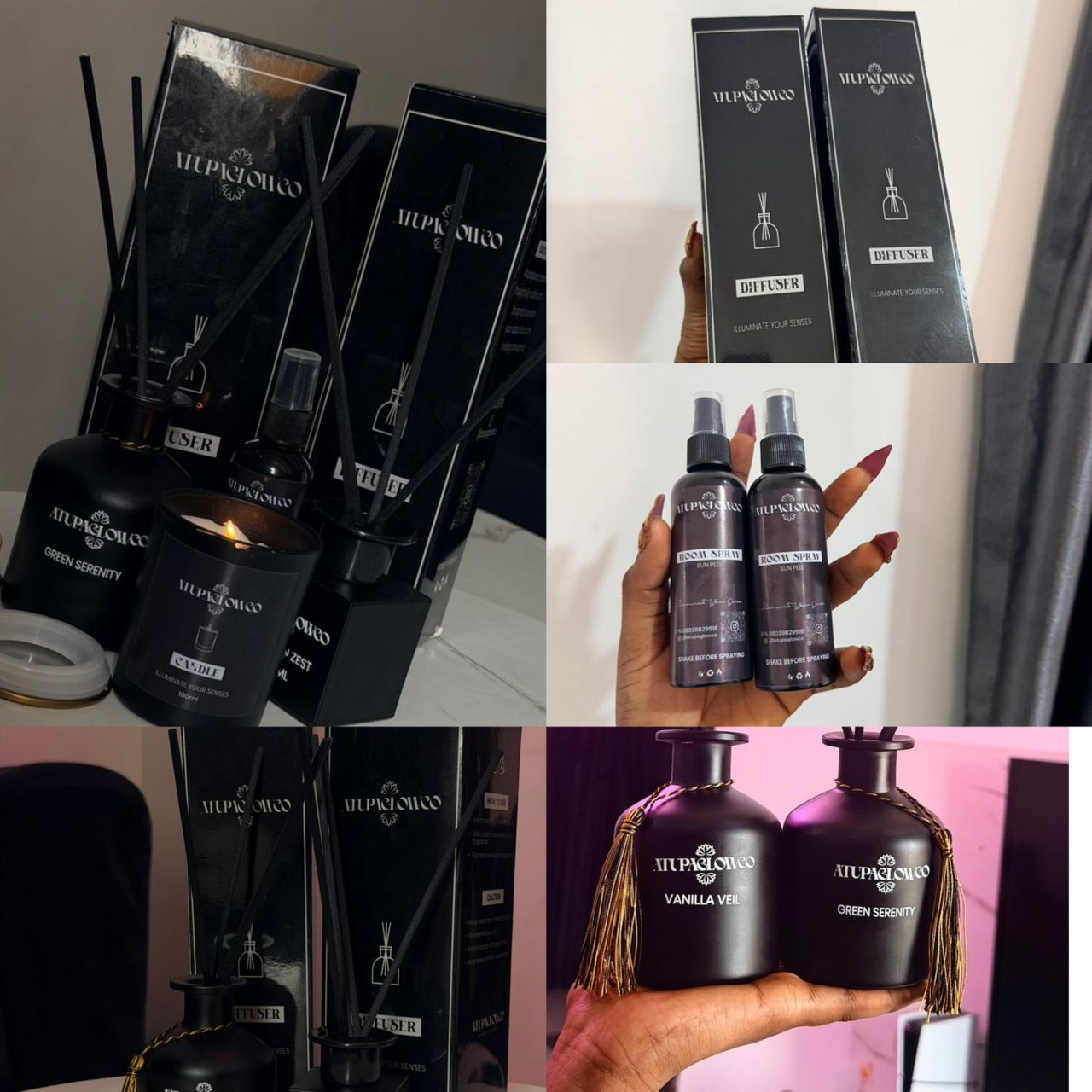
Introducing “Atupaglowco”: Where Fragrance Meets Feeling; The Story of Our Beginning
Every great journey begins with a sense of anticipation. For us, it began with a simple belief that a space should do more than exist, it should speak comfort and glow.
In a world filled with noise, stress, and endless motion, we realized something powerful. Fragrance can transform not just rooms, but moods. A familiar scent can calm anxiety. A warm aroma can turn a house into a home. A gentle glow can bring peace after a long day. This realization gave birth to “Atupaglowco.”
Atupaglowco was not created to sell diffusers, room sprays, or candles. It was created to create experiences. To create moments. To create atmospheres where people can breathe, reflect, and feel whole again.
The name itself represents more than a brand. It represents warmth. It represents light. It represents presence. We remember the early days, the planning, the testing of scents, the moments of doubt, and the moments of excitement. Each candle poured was a step of faith. Each fragrance blended was a piece of our vision coming to life. We weren’t just building products; we were building something meaningful.
Our diffusers were designed to quietly fill spaces with elegance.
Our room sprays were crafted to instantly refresh and revive environments. Our candles were made to bring calm, beauty, and a soft glow into everyday life.
Atupaglowco was born from passion, patience, and purpose. This launch is not just the start of a business. It is the start of a movement to help people create spaces they love. Spaces that inspire rest. Spaces that inspire joy. Spaces that glow.
We believe fragrance is personal. We believe glow is emotional. We believe every space deserves both.
Today, we proudly introduce Atupaglowco to the world.
This is only the beginning.
Fashion/Lifestyle
Mrs Township Finalist 2026 Leads Community Action to Support Disadvantaged Learners
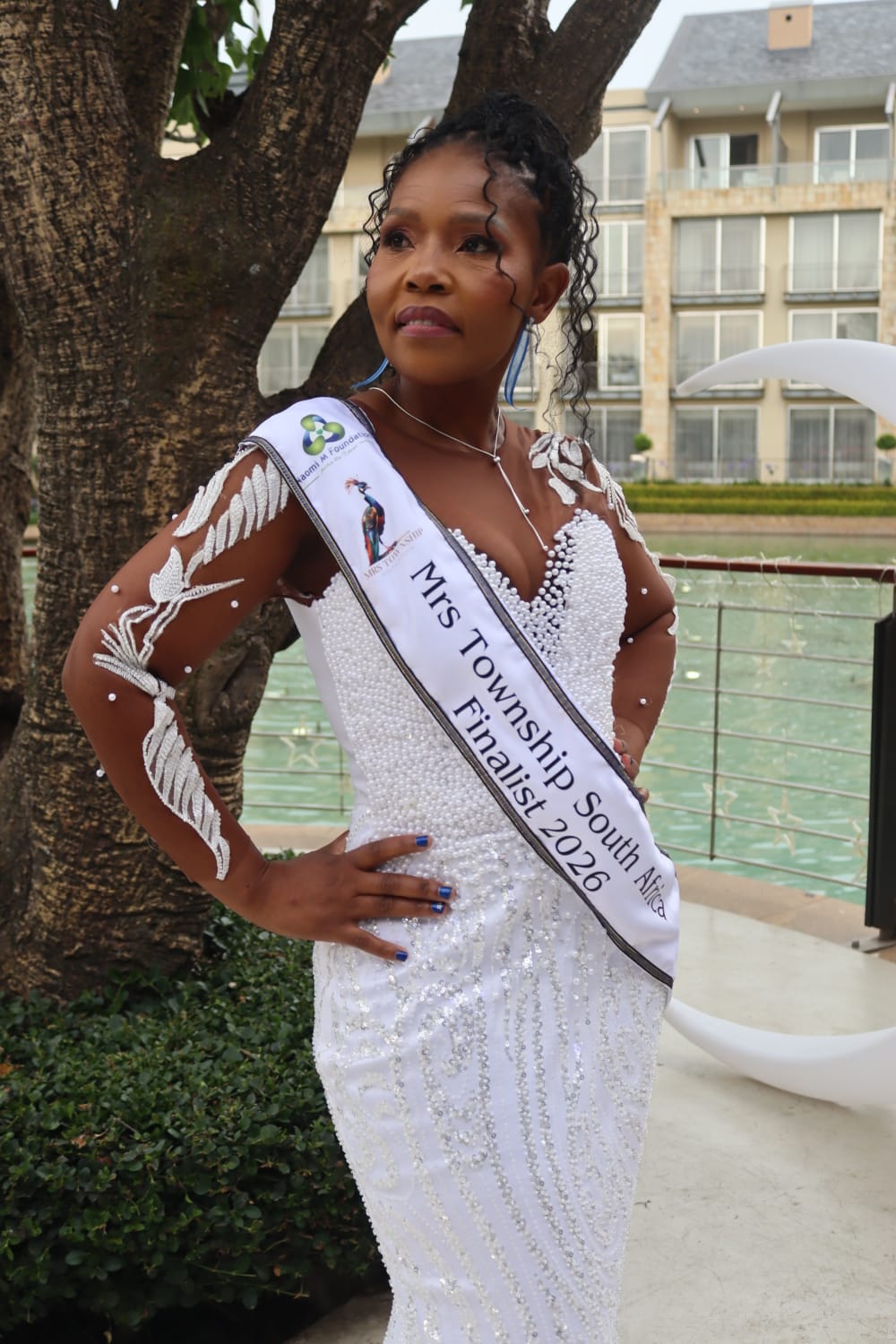
Mrs Township Finalist 2026 Leads Community Action to Support Disadvantaged Learners
As the 2026 academic year begins, hope and compassion are taking root at Theresapark Primary School, thanks to the remarkable leadership of Mrs Nkone Maringa, a respected community member and Mrs Township South Africa Finalist 2026.
In a powerful demonstration of grassroots leadership and social responsibility, Mrs Maringa, in partnership with Theresapark Sasol Garage, spearheaded a community clean-up of the school’s garden area. The initiative was carried out in preparation for the school’s feeding scheme garden, which will support disadvantaged children with fresh, nutritious produce throughout the school year.

Planting Seeds of Change
The garden project goes beyond beautifying the school environment. It is designed to become a sustainable source of food for learners who rely on the school feeding programme as a vital lifeline. By preparing the land ahead of the school reopening, Mrs Maringa and her partners ensured that planting can begin immediately, setting the tone for a productive and caring 2026.

“This project is about dignity, nutrition, and giving our children a healthy start to the year,” the initiative reflects—aligning perfectly with Mrs Maringa’s long-standing commitment to community upliftment.
A Record of Community Impact
Mrs Nkone Maringa’s involvement at Theresapark Primary School is one of several impactful projects she has undertaken in her community. Known for her hands-on approach, she consistently mobilizes local businesses, volunteers, and stakeholders to address real needs—especially those affecting children, women, and vulnerable groups.

Her work embodies the core values of the Mrs Township South Africa platform: leadership, service, empowerment, and positive social change. As a finalist for the 2026 title, Mrs Maringa continues to prove that true leadership is measured not by titles alone, but by tangible impact on the ground.
Corporate–Community Partnership in Action
The collaboration with Theresapark Sasol Garage highlights the power of partnerships between local businesses and community leaders. Their support played a crucial role in making the clean-up initiative successful, demonstrating how corporate social responsibility can directly transform lives at a grassroots level.
Looking Ahead
With the garden now prepared, Theresapark Primary School is set to launch its feeding scheme garden as learners return for the new academic year. The project stands as a symbol of hope, resilience, and collective effort.

As Mrs Nkone Maringa continues her journey as a Mrs Township South Africa Finalist 2026, her work at Theresapark Primary School serves as a shining example of how passion, partnership, and purpose can create lasting change—one garden, one child, and one community at a time.


celebrity radar - gossips
Beauty with Responsibility: Lindie Motswaeng’s Vision as Miss Classic Queen International
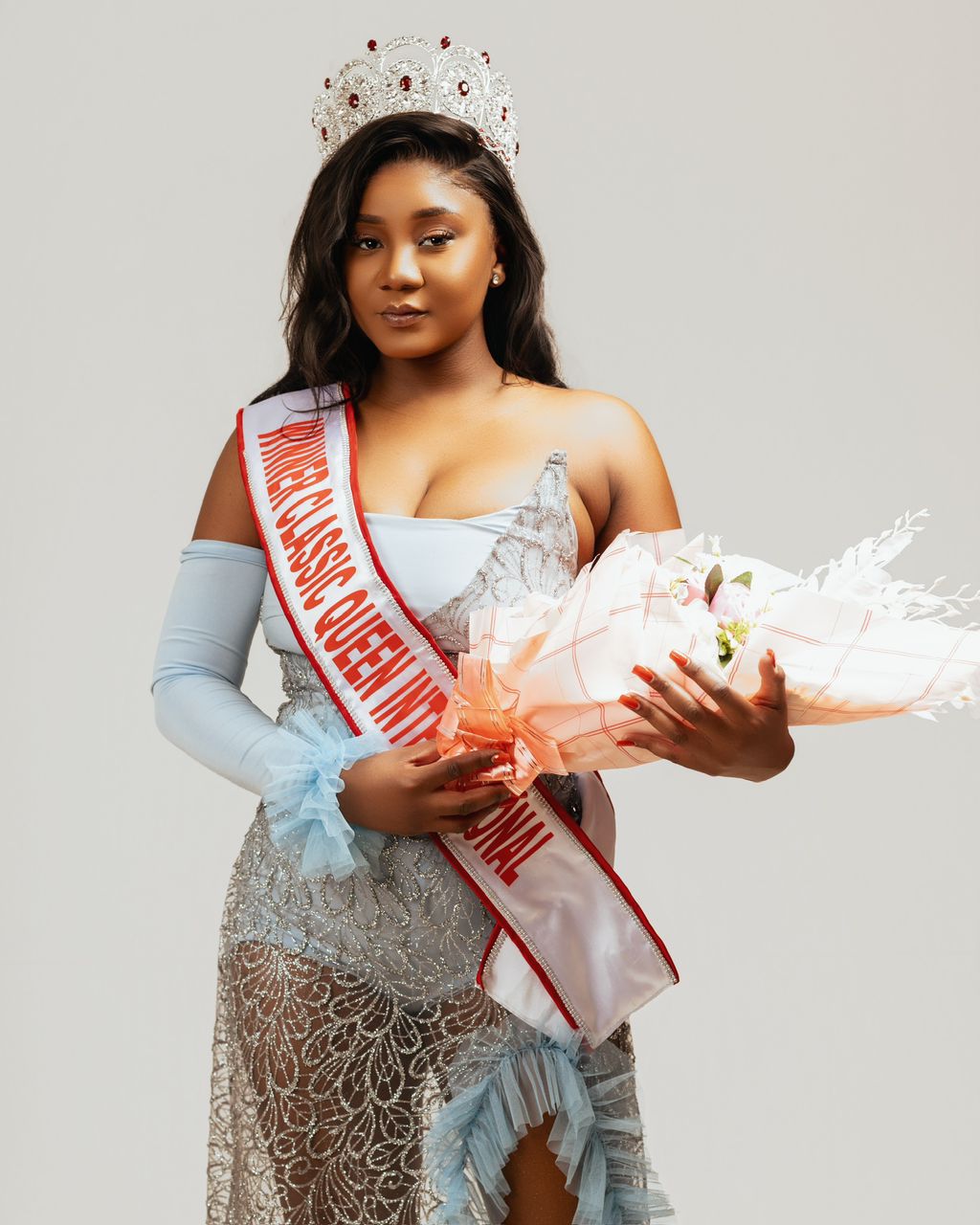
Living Authentically, Leading with Purpose: Lindie Motswaeng
Lindie Motswaeng is a 28-year-old Mathematics and Economics graduate from one of Africa’s leading institutions, the University of Botswana. She is currently completing an Executive Secretary (Finance) qualification at Boston City Campus in Pretoria. A woman of depth and versatility, Lindie enjoys cooking, travelling, exploring new ideas, spending time with family, and commanding the stage. Outspoken, open-minded, and deeply curious, she lives by a simple yet powerful motto: to live life on her own terms, unconfined by limitations.
As an aspiring economist, Lindie is passionate about women’s economic empowerment, particularly for women facing abuse, and about raising awareness around mental health—an often-silenced issue in many communities. She envisions a future where individuals are free to thrive beyond cycles of abuse and mental health challenges. Recently crowned Miss Classic Queen International, she shares her journey, values, and vision for her reign.

Congratulations on your crowning. How does it feel to emerge as the new Miss Classic Queen International?
It honestly feels surreal. It is always amazing when your hard work and dedication are finally recognised. I truly believe this organisation is going to help me make a meaningful impact during my year of reign.
Can you take us back to the moment your name was announced as the winner? What went through your mind?
I was quite blank at first—I simply could not believe it in that moment. Shortly after, it turned into overwhelming joy, especially seeing people, including the other ladies, cheering me on. It was such a beautiful and affirming moment.
What does the title Miss Classic Queen International represent to you personally and culturally?
For me, it is about being an inspiration in my own authentic way. It is important to seek your own unique path. We are all different for a reason, and Classic Queen International embraces that diversity. More importantly, it highlights the beauty in our differences and uses them to open doors and create opportunities.

How has your journey in the pageant world shaped the woman you are today?
My pageant journey has taught me to appreciate my abilities and to use them responsibly to create change in my community. This is a role I believe every human being has. Most importantly, it has taught me the value of sisterhood. In every competition, you meet women from different walks of life who always have something to teach you. Although it is a competition, it is vital to remember that there is life after it. Someone you meet may become a destiny helper or a lifelong sister.
Beyond beauty and poise, what core values do you believe this crown stands for?
As beautiful as the crown is, it symbolises duty. With such a platform, it becomes possible to make an impact on a much larger scale. It is also important to remember that you do not always need a crown or title to do good or to champion a cause close to your heart. When you genuinely have a heart for people and a willingness to be a voice for others, the responsibilities of the crown do not feel heavy.
Many young women look up to you already. What message do you hope to pass on to girls who aspire to follow in your footsteps?
The journey is never easy. There will be moments of doubt and discouragement, but it is important to remember why you started. Having a teachable spirit is also key—you can learn incredible things when you are surrounded by different personalities. Lastly, comparison can be tempting in competitions, but it is important to focus on your strengths and work on your weaknesses. Authenticity is essential; real growth cannot happen if you are constantly pretending to be someone else.
What were some of the biggest challenges you faced during the competition, and how did you overcome them?
I became ill on the second day, which is not ideal when activities require high energy and full dedication. Fortunately, I was part of an organisation that truly cares about its contestants. They ensured I received proper medical care and were very understanding. Maintaining a positive mindset also helped, because everything starts in the mind.
Pageantry today goes beyond glamour. What social cause or humanitarian project are you most passionate about championing during your reign?
I plan to continue my Art for Awareness project, which I started in 2021. The project uses art as a medium of communication and a form of release for people facing mental health challenges. In our culture, people are often silenced when they try to speak about their struggles, which causes them to withdraw. Art is universal and not age-specific, making it a powerful tool for expression.

How do you plan to use your platform as Miss Classic Queen International to create meaningful global impact?
I hope to expand my cause to other parts of Africa. This brand represents the continent, and with that comes the opportunity to partner with other organisations for wider reach and influence.
In your view, how can pageantry contribute to empowering women and promoting positive change in society?
We sometimes become too fixated on popularity and physical beauty, losing sight of what pageantry is meant to achieve. Beauty goes beyond the physical and is subjective. Women should be allowed to represent themselves authentically, without a single definition of beauty. We should also focus on developing their attributes, as these ultimately benefit society. A pageant queen has a voice and a platform, which requires humility, courage, and empathy.
Who or what inspired you most on your journey?
The love and support from my family, friends, and my country carried me throughout this journey. It truly takes a village. I was intentional when I started this path, knowing there would be challenges. When you set your mind and heart on something you are deeply passionate about, you will achieve it.
How do you balance confidence and humility while carrying such a prestigious international title?
I was raised with the principle of Botho, a core value in my country that embraces kindness, dignity, respect, and humility. When I stand on stage, I understand that I represent not only myself, but also my family and my nation. My character must reflect that. While humility is important, I should never shrink myself. As Nelson Mandela said, playing small does not serve the world.

What role do culture, elegance, and tradition play in the Classic Queen brand?
African culture plays a vital role in shaping character. This platform celebrates Africanism by allowing women from different African countries to showcase their cultures and talents on a continental stage. It fosters cultural exchange, promotes unity, and deepens understanding. Embracing our diversity as Africans allows us to see beauty instead of division. I learned so much from the other ladies—it was inspiring to see glamour fused with Africanism.

What should the public expect from you during your reign as Miss Classic Queen International?
I hope we can work together in championing this cause, because collaboration is essential. While I hold the title, greater impact can be achieved when we unite. I am grateful to be part of an organisation that supports and guides me throughout my reign to ensure we create positive change.

Finally, where do you see yourself after your reign, and how do you hope to be remembered?
I hope to be remembered as proof that anything is possible when you set your mind to it. I want to leave a legacy that inspires the next queen to do even more with the platform. Ultimately, I hope to help build a strong and enduring Classic Queen International family that extends beyond my reign.


-

 society6 months ago
Religion: Africa’s Oldest Weapon of Enslavement and the Forgotten Truth
-

 news4 months ago
WHO REALLY OWNS MONIEPOINT? The $290 Million Deal That Sold Nigeria’s Top Fintech to Foreign Interests
-

 society6 months ago
“You Are Never Without Help” – Pastor Gebhardt Berndt Inspires Hope Through Empower Church (Video)
-

 celebrity radar - gossips2 months ago
Dr. Chris Okafor Returns with Power and Fire of the Spirit -Mounts Grace Nation Altar with Fresh Anointing and Restoration Grace on February 1, 2026