
society
Africa’s Liberation: Echoes of Mugabe and Gaddafi in the Struggle for True Independence


Africa’s Liberation: Echoes of Mugabe and Gaddafi in the Struggle for True Independence
By George O. Sylvester
When we speak of Africa’s liberation, it’s tempting to confine it to the end of colonial rule, the departure of European governors and the hoisting of new national flags. To revolutionary thinkers like Zimbabwe’s Robert Mugabe and Libya’s Muammar Gaddafi, true liberation was never just political. It was and remains a matter of economic sovereignty, cultural pride and continental unity.
Both men were controversial, even authoritarian. Yet history cannot erase the ideological fire they ignited across Africa. Their speeches, their actions however imperfect continue to provoke debate, inspire movements and remind us that the promise of African freedom is far from fulfilled.
The Colonial Inheritance
European colonization was not merely a conquest of land; it was a calculated dismembering of identity. From the 1884 Berlin Conference to the post-World War II independence movements, colonial powers carved up Africa with little regard for indigenous cultures or long-term development. They imposed foreign languages, looted resources and left behind borders that would later become fault lines of ethnic and political conflict.
By the 1960s, most African nations had achieved formal independence. But beneath the surface, colonial structures remained intact. Economies were still dependent on raw material exports. Local industries were weak or non-existent. Debt became a new mechanism of control. And Western governments and corporations continued to wield disproportionate influence.
It was in this neo-colonial reality that Mugabe and Gaddafi emerged not just as national leaders, but as ideologues of African renaissance.
Mugabe: “The Land is Ours”
Robert Mugabe led Zimbabwe to independence in 1980 after a bloody guerrilla war against Ian Smith’s white minority regime in what was then Southern Rhodesia. An eloquent intellectual and a veteran freedom fighter, Mugabe initially championed reconciliation and development. But by the early 2000s, his focus shifted toward radical land reform.
His justification was unapologetic:
“The land is ours. It is not European. And we have taken it. We have given it to the rightful people of Zimbabwe.”
Mugabe saw the ownership of land as central to the liberation struggle. For decades, white settlers had monopolized Zimbabwe’s most fertile land, while Black Africans remained tenants in their own country. The decision to expropriate white-owned farms, often without compensation, was seen by the West as a violation of property rights. For Mugabe, it was a long-overdue act of justice.
While critics blame these policies for Zimbabwe’s economic collapse and hyperinflation, Mugabe’s defenders argue that he did what few African leaders dared to do, challenge the post-colonial order and reclaim national resources.
As he once stated:
“We are not Europeans. We have not asked for any inch of Europe. So let Europe leave us alone.”
To Mugabe, African independence meant nothing without control over land and resources. His legacy is a warning and a lesson: economic liberation cannot be separated from political freedom.
Gaddafi: “African Unity is the Only Solution”
While Mugabe fought colonial remnants at home, Muammar Gaddafi envisioned a continent freed through unification. After seizing power in Libya in 1969, Gaddafi used his country’s oil wealth to pursue a Pan-African dream. He funded liberation movements across the continent, supported the African National Congress during apartheid and pushed tirelessly for a United States of Africa.
He famously said:
“The Black race shall prevail throughout the world, because it is the most oppressed and dispossessed. Our unity is our weapon.”
Gaddafi advocated for a single African government, army, currency and passport. He argued that only a unified Africa could resist foreign manipulation and control its own destiny. At the African Union summit in 2009, he thundered:
“Africa must unite now or perish. The time for petty nationalism is over. We must speak with one voice to protect our interests.”
Under his leadership, Libya became one of the most developed countries in Africa with free healthcare, free education and the highest Human Development Index on the continent. He proposed an African central bank and monetary fund as alternatives to the IMF and World Bank, which he viewed as instruments of Western neocolonialism.
But Gaddafi’s ambitions made him enemies. His death in 2011 following a NATO bombing campaign and a Western-backed uprising was a stark reminder of how foreign powers still shape Africa’s destiny. Before his fall, he warned African leaders:
“They will create chaos, they will divide you and you will cry for the return of Gaddafi.”
Today, Libya is a fractured state, a shadow of the once ambitious vision he pursued.
Beyond Borders and Ballots
Mugabe and Gaddafi were far from perfect. Mugabe grew increasingly autocratic, suppressing dissent and clinging to power well into old age. Gaddafi ruled Libya with an iron grip, brooking no opposition and building a cult of personality. Their authoritarianism deserves scrutiny.
Yet their core message endures: Africa is not truly free.
Not when multinational corporations extract billions from African soil while local communities remain impoverished.
Not when international lenders dictate economic policies that prioritize debt repayment over development.
Not when culture, history, and identity are diluted by imported values and education systems.
Their critique of neocolonialism remains disturbingly relevant. And their call for African unity, economic Self-determination and cultural revival has yet to be fully answered.
Today’s Betrayal of Revolutionary Ideals
In the 21st century, the ideological clarity of Mugabe and Gaddafi has been replaced by a politics of compromise and dependence. African leaders host elaborate investment forums for former colonial powers, sign away mineral rights to foreign corporations, and implement IMF-led austerity programs.
China’s growing influence in Africa is lauded as an alternative to Western control. Yet, many of these “partnerships” mirror colonial dynamics, resources flow out, while debt and dependency grow.
Meanwhile, Africa’s youth are restless. Unemployment, poverty and lack of opportunity drive many to seek life elsewhere. Migration has become a silent vote of no confidence in African governments.
As Mugabe once observed:
“Africa is not poor. It is just poorly managed.”
The Road Ahead: Real Liberation
Africa’s liberation remains a work in progress. The continent must return to the foundational truths expressed, however imperfectly; by Mugabe and Gaddafi.
1. Economic Sovereignty: African nations must control and process their own resources. Dependency on raw exports and foreign capital is unsustainable.
2. Pan-African Unity: Regional integration must move from rhetoric to reality. Shared infrastructure, trade, currency, and defense mechanisms are vital.
3. Cultural Renaissance: The decolonization of the African mind must accompany the decolonization of the economy. Language, history, and values matter.
4. Youth Empowerment: Africa’s future lies in its youth. Education, entrepreneurship, and civic leadership must be prioritized.
As Gaddafi declared:
“You may kill me, but my ideas will not die.”
Indeed, they have not. The dream of a free, united, and dignified Africa is still alive waiting for bold, visionary leadership to carry it forward. The torch lit by Mugabe and Gaddafi now lies in the hands of a new generation.
Will they pick it up?





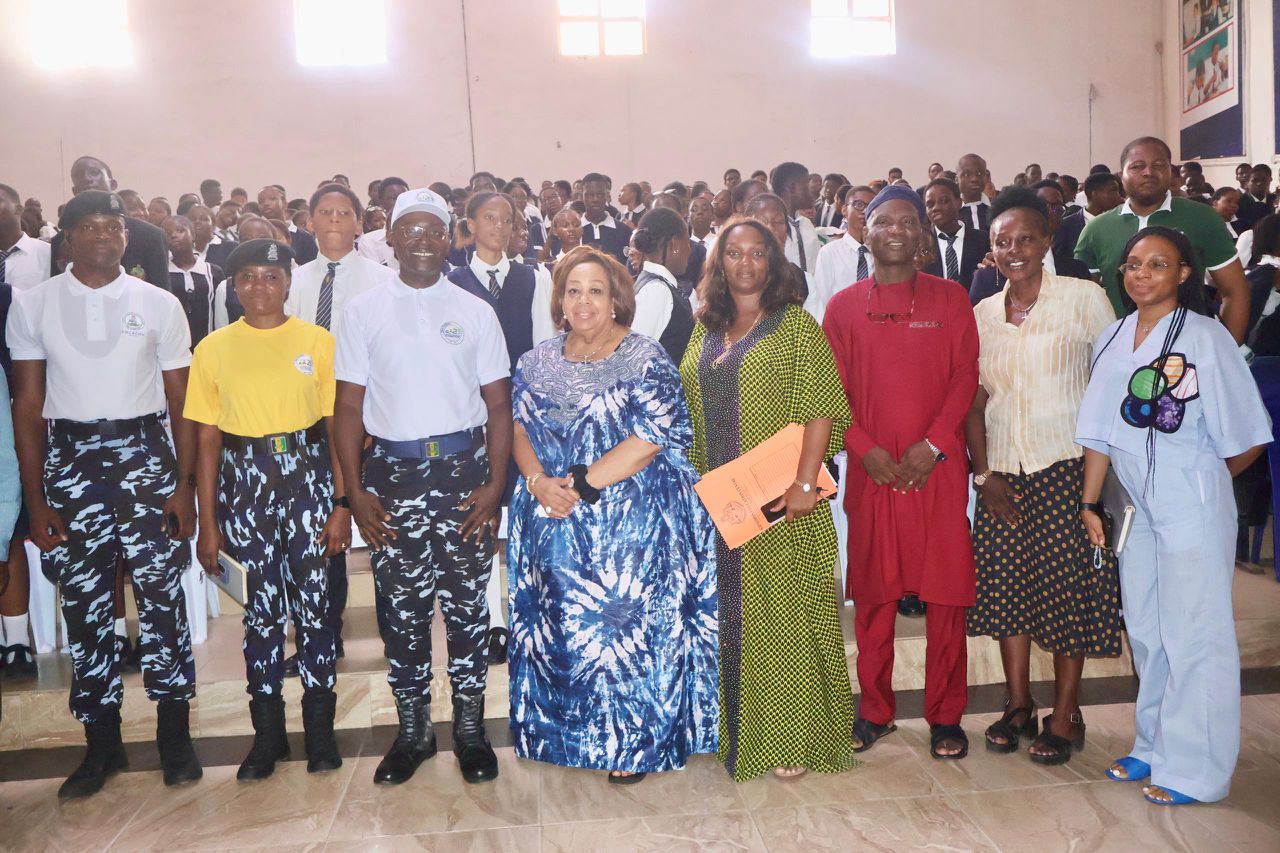
POCACOV Intensifies Sensitization on Cultism, Bullying, and Social Vices Among Students in Edo
In commemoration of the 2026 National Police Day Celebration, the Police Campaign Against Cultism and Other Vices (POCACOV), Edo State Command, has reinforced its preventive policing efforts through a targeted sensitization outreach at Igbinedion Education Centre, Benin City.
The initiative forms part of the broader activities marking this year’s National Police Day, themed “Community Partnership: Building Trust,” which emphasizes collaboration between the Nigeria Police Force and the public in fostering a safer society.
The sensitization programme witnessed the presence of key stakeholders, including the Commissioner of Police, Edo State Command, the Police Public Relations Officer, and the Edo State POCACOV Coordinator, ASP Kingsley Upeh. The team engaged students in an insightful and impactful session focused on the dangers of cultism, bullying, and other social vices prevalent among youths.
During the session, students were educated on the severe and far-reaching consequences of cult-related activities. These include violence, loss of lives, disruption of academic pursuits, and long-term damage to personal reputation and future opportunities. The speakers also highlighted how peer pressure, drug abuse, and negative social influences often serve as gateways into criminal behavior.
In an interactive segment, the Commissioner of Police stressed the legal implications of engaging in criminal acts, noting that involvement in cultism and related offences could lead to arrest, prosecution, and lifelong consequences that may hinder personal growth and career aspirations.
The issue of bullying was also extensively addressed, with emphasis on both its legal ramifications and psychological impact on victims. Students were encouraged to speak up against bullying, report incidents to school authorities or law enforcement, and support peers who may be affected.
Furthermore, the outreach underscored the importance of self-discipline, moral values, and making informed life choices. Students were urged to become ambassadors of peace within their schools and communities by rejecting violence and promoting unity and mutual respect.
The POCACOV team reiterated its commitment to continuous engagement with young people through awareness campaigns, community outreach, and strategic partnerships aimed at preventing crime before it occurs. The initiative aligns with the Nigeria Police Force’s proactive approach to policing, which prioritizes education, prevention, and community involvement.


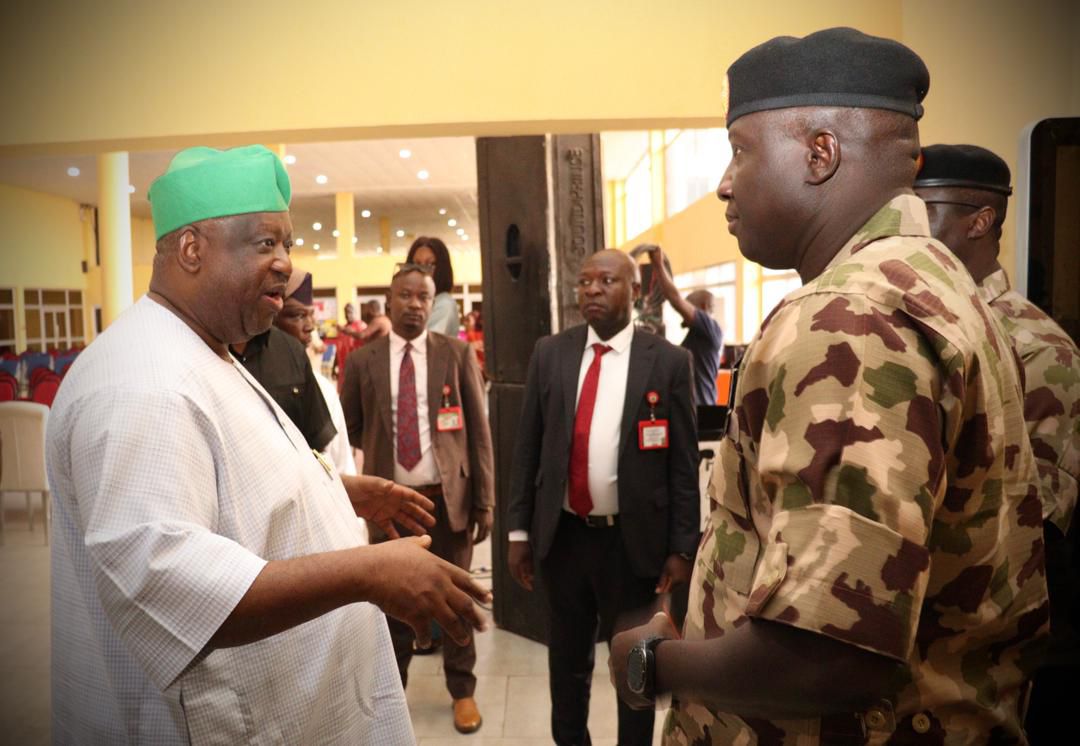
COAS Launches Nationwide Security Renewal Mission in Plateau
The Chief of Army Staff, Lieutenant General Waidi Shaibu, on Thursday led a high-level delegation of security chiefs to Plateau State, flagging off a nationwide security renewal mission aimed at strengthening civil-military cooperation and restoring lasting peace across the country.
The visit to Jos, the Plateau State capital, marks the first phase of a coordinated national effort to address persistent security challenges through joint operations, community engagement, and proactive intelligence gathering.

Governor Caleb Muftwang received the delegation, describing the initiative as a critical step toward stabilizing affected communities and reinforcing public confidence in security institutions.
Civil-Military Synergy Takes Centre Stage
At the heart of the mission is a renewed emphasis on collaboration between the military, civil authorities, and local communities. Speaking during the visit, Lt. Gen. Shaibu stressed that national security must be treated as a collective responsibility.
He urged citizens to support security agencies by remaining vigilant, sharing credible information, and complying with lawful directives, noting that effective security cannot be achieved in isolation.
Community Engagement as Confidence-Building Tool
In a departure from purely operational engagements, the Army Chief held direct consultations with community leaders and residents in Jos, reinforcing the importance of trust and dialogue in conflict resolution.
Lawmakers, including Dachung Bagos and Ladi Dangyok, commended the initiative, stating that visible engagement by top military leadership helps rebuild confidence among citizens and fosters cooperation.

Proactive Security Operations Underway
Operational updates were provided by Major General Folusho Oyinlola, who disclosed that troops under Operation Enduring Peace have intensified surveillance, intelligence-led patrols, and coordinated actions with other security agencies.
According to the Army, the approach is designed to prevent escalation of threats, safeguard lives and property, and stabilize vulnerable communities before crises emerge.
A Shift Toward Sustainable Peace
Military authorities emphasized that the Plateau visit is part of a broader, long-term strategy to transition from reactive responses to sustainable peacebuilding nationwide. The framework includes strengthening local resilience, ensuring justice, and maintaining continuous engagement with stakeholders.
Analysts view the initiative as a significant policy shift, reflecting a more inclusive security architecture that integrates community participation with military operations.
Call for National Unity
The Army leadership concluded with an appeal to Nigerians to reject divisive narratives and support ongoing efforts to promote unity and peace.
“The success of this mission depends not only on the armed forces but on the cooperation of every citizen,” the COAS stated.
The nationwide security renewal campaign is expected to extend to other regions in the coming weeks as authorities seek to consolidate gains and build a safer, more unified Nigeria.


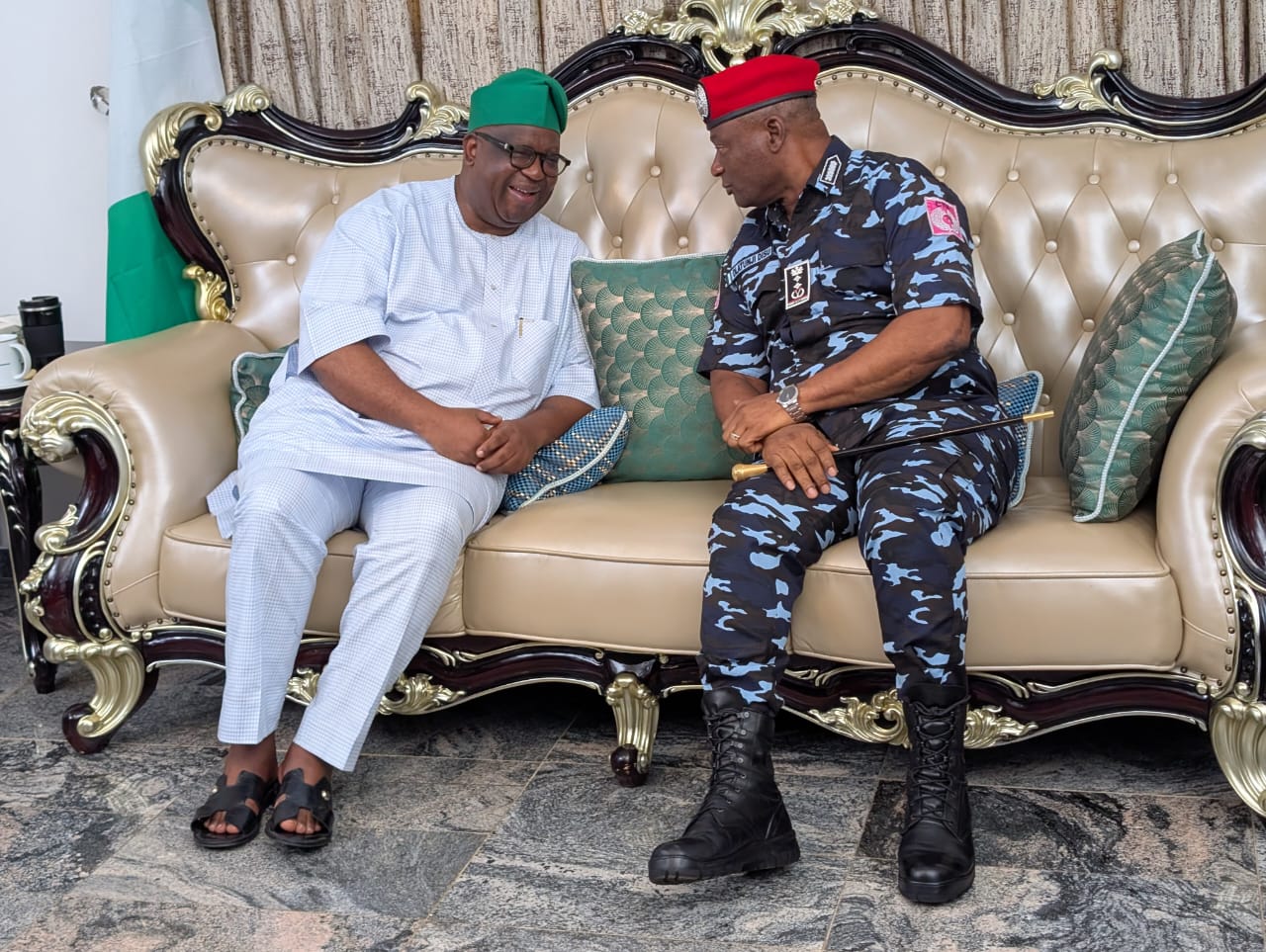
IGP Disu Visits Plateau, Orders Tactical Deployment To Reinforce Security
The Inspector General of Police, Olatunji Disu, on Thursday paid a working visit to Plateau State following recent unrest, holding strategic talks with Governor Caleb Muftwang on measures to strengthen security and prevent further disturbances.
As part of immediate steps to stabilise the situation, the police chief authorised the deployment of specialised tactical units to support officers already on ground across affected areas.
Governor Muftwang commended the swift intervention of the police leadership, praising the dedication and professionalism of security personnel working to restore calm. He also acknowledged the efforts of mobile police officers and lauded the leadership of the state’s Commissioner of Police, Bassey Ewah.
Both the Nigeria Police Force and the Plateau State Government reaffirmed their commitment to safeguarding lives and property, stressing that enhanced collaboration remains key to restoring lasting peace in Plateau State, popularly known as the Home of Peace and Tourism.


-

 society7 months ago
Religion: Africa’s Oldest Weapon of Enslavement and the Forgotten Truth
-

 news4 months ago
WHO REALLY OWNS MONIEPOINT? The $290 Million Deal That Sold Nigeria’s Top Fintech to Foreign Interests
-

 society6 months ago
“You Are Never Without Help” – Pastor Gebhardt Berndt Inspires Hope Through Empower Church (Video)
-

 celebrity radar - gossips2 months ago
Dr. Chris Okafor Returns with Power and Fire of the Spirit -Mounts Grace Nation Altar with Fresh Anointing and Restoration Grace on February 1, 2026