
celebrity radar - gossips
Ambode: Off key note in a melodious verse


Friday Musings with Ayo Olukotun
[email protected], 07055841236
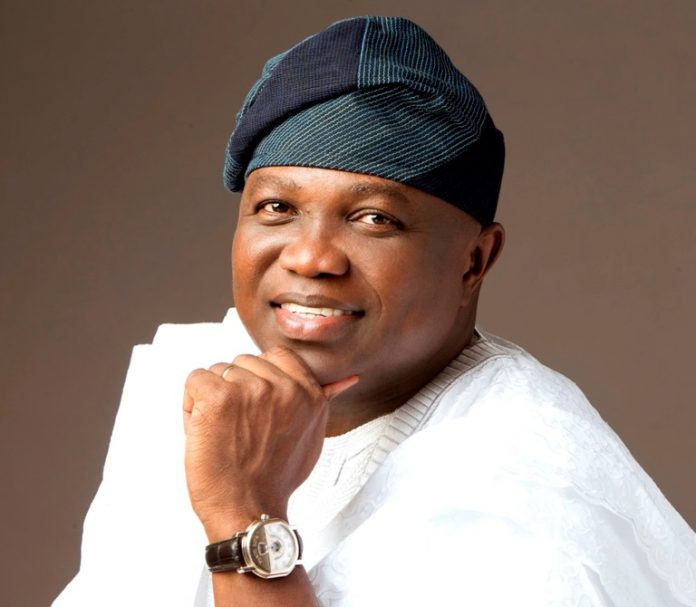
For Governor Akinwunmi Ambode, whom this writer has commended on previous occasions for edifying governance strides, the last fortnight was billed as a season for showcasing his achievements, and the continuing importance of Lagos State. The opportunity of marking Lagos at 50 coincided with Ambode’s mid-term report, and conversations around the prospect of Lagos mutating into a smart city, as well as a tourism and investment hub. Applause, most of it well-earned, flowed freely from a grateful public for such interventions as enormous road construction in key parts of the city, the Light Up Lagos Project, and the renewal of the Lagos State University after a protracted turmoil.
Suddenly, there was a jarring, off key note in a melodious train; a shrill cry interrupted the songs of praise; a crisis of reputation and of image has suddenly erupted. The story has been well told, but it bears narration. The governor’s wife, Mrs. Bolanle Ambode, had attended an anointing service at the state government-owned Chapel of Christ the Light presided over by Venerable Femi Taiwo, who was ministering on that fateful day, May 14. Disappointed that she was not called first to be anointed, Madam Ambode reportedly stormed out of the church in a huff, defying all entreaties by church leaders to return to the service. Official sanctions fell swiftly and rapidly upon Taiwo, who was not only given a sack letter, but was asked to vacate his official quarters within 24 hours of receiving the letter. But for the compassionate intervention of some church members who offered Taiwo accommodation, the full brunt of homelessness and displacement would have fallen on him and his family.
Unsurprisingly, the social media was agog with spirited discussions and condemnations of official highhandedness, in which sanctions were far in excess of alleged offence. Alleged? Yes, because Bolanle had a choice, however angry she became, to have shown grace under pressure by staying the course, letting others get anointed before her, thereby demonstrating humility, a spiritual virtue, and earning kudos for identifying with the common folk. Something politicians do gleefully during election period to curry electoral support. That, of course, was the road not taken, leading to the miasma which punctuated the jubilee celebrations and victory train of Ambode and Lagos State. Obviously, the so-called clearing of Bolanle by the Christian Association of Nigeria is beside the point, as it only affirms what is already well-known, namely, that Ambode had the power to fire and hire the Chaplain. The issue in contention, however, is whether that power was exercised with due diligence, and in the context of the values of people-oriented governance, championed by Ambode.
Strikingly, the event raises several issues, some of which include power versus justice in an emerging democracy, the so-called bottom power, governmentality, and the tradition of leadership omnipotence. Before developing the conversation further, this writer invites the readers to contemplate a short take.
Prof. Adigun Agbaje, eminent political scientist, it was, who broke the jolting news of the passing, last Monday, of Abubakar Momoh, well-known political science professor, and civil society activist, who was the Director General of the Electoral Institute at the Independent National Electoral Commission. Aristocratic by birth, Momoh committed class suicide in Marxian parlance by devoting his scholarship and activism to the struggle for a redrawing of the social map, in favour of the oppressed and under-privileged. Momoh and I were both senior academics at the Lagos State University, where he stayed on to become Dean of the Faculty of Social Sciences, and a much sought after public intellectual and conference speaker. He was totally devoted to the academic calling, and had few other joys besides devouring the contents of a new book in his field, or doing a paper to sketch out the outlines of a paradigm shift, or preparing himself for the next conference, be it in Australia or the Philippines. A compassionate man, he had no problem with sharing with the needy, the very last naira in his pocket, even if that meant depriving himself, temporarily, of safety net. He will be missed, and sorely too, but his lengthy publications and books will continuously index him as a remarkable scholar, who was never at home with rehearsing received knowledge without subjecting it to devastating scrutiny.
To return to the initial discourse, it is interesting to note that one of the fallout of the harshly disciplinary action meted out to Taiwo is the instant reduction in the membership of the church. Many members had apparently voted with their feet by staying away from a set-up, where the axe can be so thunderously wielded against a minister, who narrowly escaped being reduced to homelessness within 48 hours. There are some who prefer to side step the issue, in the hope that a public with short memories will soon move on to the next governance warp. Some even argue that Ambode’s performance has been so stellar that we need not bother ourselves with the unusual exercise of state power. I differ from this position, for Ambode or indeed any public official cannot perform better, if all he hears are the sounds of oriki (traditional praise songs) from journalists, who have chosen to become the echo chambers of officialdom. Recall, for example, that the Acting President, Prof. Yemi Osinbajo, in his Democracy Day broadcast, mentioned that the Buhari administration is learning from its mistakes. This is a recognition of the fact that, contrary to the mindset of many Nigerian office holders, public officials are fallible, and those who point out their weaknesses, omissions or commissions, are not enemies or traitors, but in many cases are offering public service. There is too much of the “we versus them” syndrome in our political conversations, which makes it difficult for office holders to learn from their critics. Ironically, they learn even less from the media that merely chorus their good points, and never say even a word about what they haven’t done so well.
If Taiwo had not been queried for any offence before this event, then there is a breach of due process in administering to him on this occasion the maximum sanctions possible, including his ejection from official quarters within 24 hours. That apart, considering how difficult it is to find alternative accommodation in Lagos, nothing would have been lost if a decent interval had been given to him to vacate official quarters. A government which has pledged to alleviate the sufferings of citizens should not be seen to be promoting hardship or oppression, just because some are perceived as “disrespecting” office holders. This action evokes the concept of the African state, discussed by scholars such as Achille Mbebe, which conceives it as threat and terror, rather than the protector of citizens. This may not have been the intention of Bolanle, but in overreacting to what should have been overlooked or played down, the matter veered in the direction of the autocratic exercise of power.
To redeem the situation, and to restore the visage of his achievements, Ambode should call back the chaplain, restore his official quarters as a demonstration of charity and fellow feeling, which appear to have been the defining characteristics of his two years in office, before the sad event.





King of the Screen: Why Odunlade, Muyiwa, Femi Adebayo Remain Yoruba Movie Giants
The Yoruba movie industry has continued to produce legendary talents whose influence stretches beyond Nigeria to global audiences. Over the years, some actors have distinguished themselves through consistency, versatility, box office success, and cultural impact.
Among the numerous stars in Nollywood’s Yoruba sector, three actors have remained dominant figures whose names constantly resonate with fans and filmmakers alike — Odunlade Adekola, Muyiwa Ademola, and Femi Adebayo.

Odunlade Adekola: The Street King of Yoruba Cinema
Popularly regarded as one of the most entertaining actors in Nollywood, Odunlade Adekola has built a unique reputation through his energetic delivery, comic timing, emotional depth, and strong connection with grassroots audiences.
From comedy to action and emotional family dramas, the actor has consistently proven his versatility in blockbuster productions. His ability to interpret diverse roles effortlessly has made him a household name across Nigeria.
Industry observers believe his dominance on social media platforms, where his movie clips frequently go viral, has further strengthened his popularity among younger audiences.
Beyond acting, Odunlade has also contributed immensely to mentoring upcoming talents and expanding the commercial value of Yoruba films.
Muyiwa Ademola: The Master Storyteller

For many lovers of indigenous movies, Muyiwa Ademola remains one of the finest storytellers the Yoruba film industry has produced.
Widely respected for producing emotional and morally driven movies, the actor earned massive recognition through classic productions that focused on family values, culture, betrayal, perseverance, and societal lessons.
His calm delivery, deep scripts, and originality have kept him relevant despite changing trends in the entertainment industry.
Film critics often describe Muyiwa Ademola as one of the few actors whose productions combine entertainment with strong cultural education, making his movies timeless among older and younger viewers alike.
Femi Adebayo: The Modern-Day Box Office Force

Femi Adebayo has successfully combined traditional Yoruba storytelling with modern cinematic excellence, helping to project indigenous films to international audiences.
The actor, filmmaker, and producer has recorded major successes with high-budget productions that gained attention on streaming platforms and cinemas.
Known for his professionalism and attention to detail, Femi Adebayo has continued to push Yoruba movies beyond local boundaries while preserving cultural identity.
Entertainment analysts say his ability to blend culture, technology, and quality production has positioned him among the leading faces shaping the future of Yoruba cinema.
Growing Global Influence
The success of these actors reflects the increasing acceptance of indigenous Nigerian content globally. With streaming platforms creating wider access to local movies, Yoruba actors are now gaining international recognition and attracting new audiences.
Fans and stakeholders in the entertainment industry believe the contributions of Odunlade Adekola, Muyiwa Ademola, and Femi Adebayo have not only sustained Yoruba culture through film but have also elevated Nollywood’s global reputation.
celebrity radar - gossips
Eid-el-Kabir: Olowu of Kuta Urges Peace, Unity, Selflessness Among Nigerians
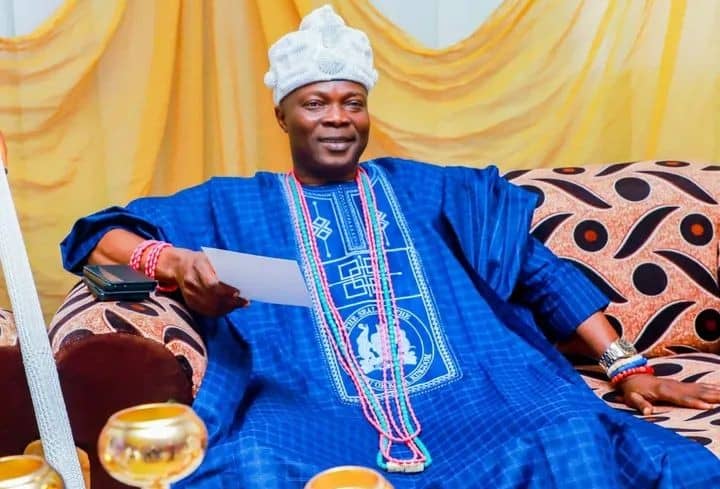
Eid-el-Kabir: Olowu of Kuta Urges Peace, Unity, Selflessness Among Nigerians
The Olowu of Kuta, HRM Oba Dr. Hammed Makama Oyelude, CON, Tegbosun III, has called on the Muslim Ummah and all Nigerians to make peace, unity, and selflessness their guiding principles as the world marks this year’s Eid-el-Kabir celebration.
In his Sallah message, the revered monarch described Eid-el-Kabir as a “highly spiritual occasion that demands dedication, commitment, and selflessness.”
Oba Makama said the period should be used to reflect on societal happenings and promote messages of hope and unity without inciting provocation.
He urged Nigerians to live together harmoniously, irrespective of religious, political, or tribal affiliations, stressing that politicians should exercise restraint and avoid inflammatory rhetoric ahead of the 2027 general elections.
“What should be uppermost in the mind of every patriotic Nigerian is **‘Country first,’” he said.
The monarch also appealed to citizens to remain vigilant in the face of insecurity, reassuring that the armed forces and paramilitary agencies are working round the clock to ensure a smooth and peaceful celebration.
“The price wise men pay for eternal liberty is vigilance. I urge everyone to celebrate moderately and extend a helping hand to the less privileged, widows, and orphans, embracing them as our brothers and sisters,” Olowu Makama added.
He concluded by wishing all Nigerians a peaceful and fulfilling Eid-el-Kabir celebration.
celebrity radar - gossips
Oba Babatunde Saliu Elebo II Felicitates Muslims on Eid-el-Kabir Celebration
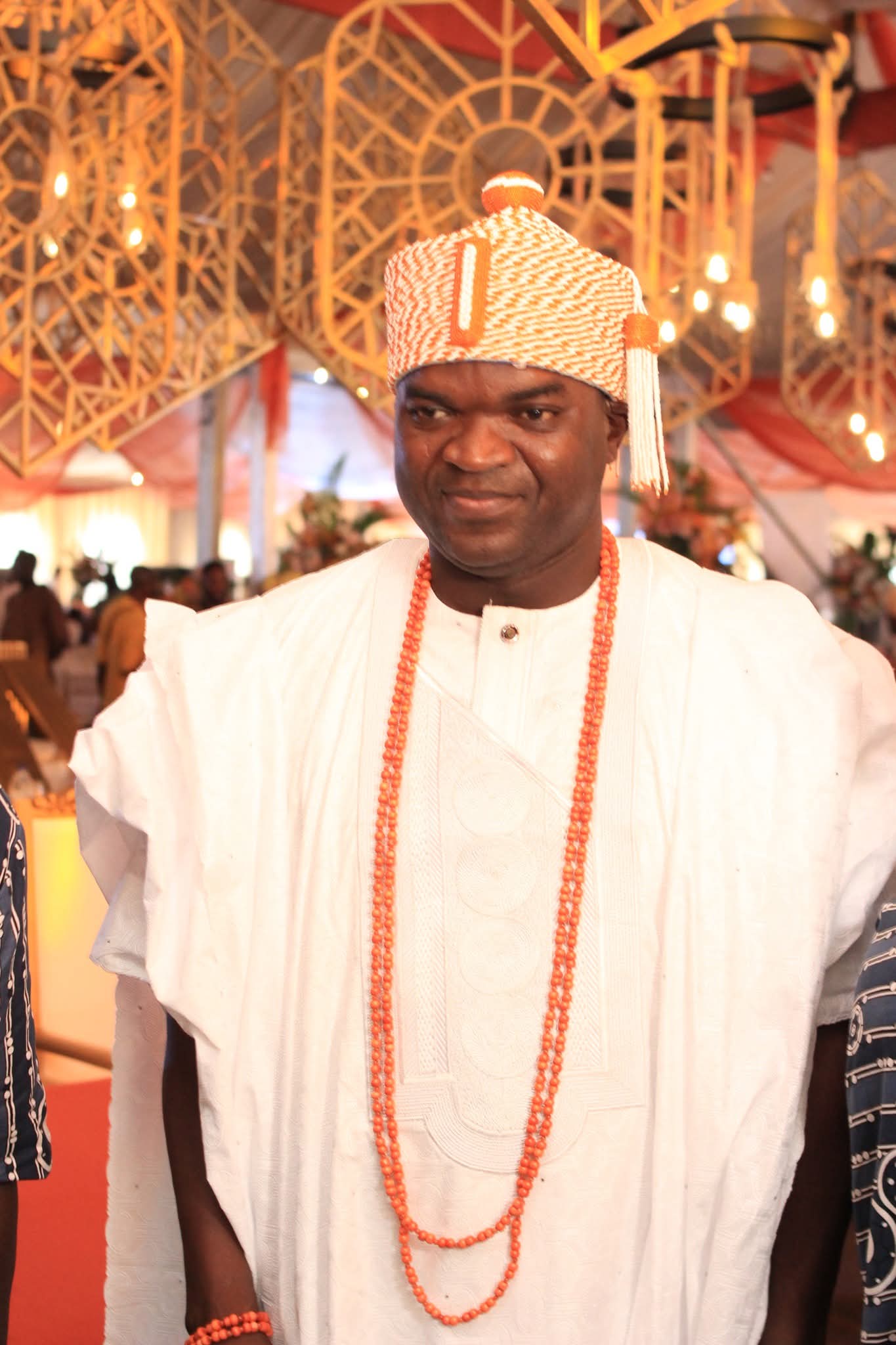
Oba Babatunde Saliu Elebo II Felicitates Muslims on Eid-el-Kabir Celebration
By Adeyemi Obadimu Veron
The Oloworo of Oworosoki Kingdom, Oba Babatunde Saliu Elebo II, has extended warm greetings and heartfelt felicitations to Muslims across Nigeria and the world at large on the joyous occasion of the 2026 Eid-el-Kabir celebration.
In a statement made available to Newsmen, the revered monarch urged Muslims to embrace the true teachings of Islam by promoting peace, love, unity, sacrifice, and compassion during and after the festive period.
Oba Babatunde Saliu Elebo II noted that Eid-el-Kabir, also known as Salah, remains one of the most significant celebrations in Islam as it symbolizes total obedience, faith, and devotion to Almighty Allah, drawing inspiration from the unwavering sacrifice of Prophet Ibrahim (Abraham), who demonstrated complete submission to the will of God.
According to the monarch, the Holy Qur’an teaches believers the importance of righteousness, kindness to humanity, tolerance, and support for the less privileged in society. He emphasized that the season should serve as a reminder for all Nigerians to live in harmony irrespective of religion, ethnicity, or political differences.
The royal father further called on Muslims to use the sacred period to pray fervently for peace, stability, economic growth, and sustainable development in Nigeria, stressing that national progress can only thrive in an atmosphere of unity and mutual understanding.
Oba Saliu also encouraged the faithful to extend hands of generosity to widows, orphans, and vulnerable members of society, noting that the essence of Eid-el-Kabir goes beyond celebration and feasting, but also reflects the spirit of sharing and caring for humanity as instructed in the Qur’an.
While wishing Muslims a peaceful and memorable Eid celebration, the Oloworo of Oworosoki prayed for divine blessings, prosperity, good health, and continued harmony in homes and communities.
“May this year’s Eid-el-Kabir strengthen our faith, deepen our love for one another, and bring renewed hope and abundant blessings to our nation,” the monarch stated.


- Demand for civic space holds strong across Africa as supply of freedoms wanes May 27, 2026
- Zarein Energy Joins African Energy Week (AEW) 2026 as Gold Sponsor Amid Nigeria Gas Hub Expansion May 27, 2026
- Qrent says delaying Information Technology (IT) refresh cycles may be increasing operational risk for businesses in Africa May 27, 2026
- Dentons’ Iyunola Adekanye Appointed to African Mining Week (AMW) Advisory Board May 27, 2026
- United Nations (UN) Women Liberia and Partners Convene for Spotlight Initiative 2.0 Women’s Economic Empowerment Inception Meeting May 27, 2026
- African Mining Week (AMW) to Host Central Bank Governors Roundtable as Monetary Authorities Deepen Role in Mining Sector Growth May 27, 2026
- Eritrea: Diaspora Nationals Celebrate Independence Day Anniversary May 27, 2026
- Africa Unveils Landmark Humanitarian Coordination Platform to Strengthen aligned Response to Humanitarian Crises May 27, 2026
- Seychelles: President Herminie Engages with Police and Fire Services on Praslin May 27, 2026
- Issue 3 of Mining Review Africa now available for free download May 27, 2026
- Demand for civic space holds strong across Africa as supply of freedoms wanes May 27, 2026
- Zarein Energy Joins African Energy Week (AEW) 2026 as Gold Sponsor Amid Nigeria Gas Hub Expansion May 27, 2026
- Qrent says delaying Information Technology (IT) refresh cycles may be increasing operational risk for businesses in Africa May 27, 2026
- Dentons’ Iyunola Adekanye Appointed to African Mining Week (AMW) Advisory Board May 27, 2026
- United Nations (UN) Women Liberia and Partners Convene for Spotlight Initiative 2.0 Women’s Economic Empowerment Inception Meeting May 27, 2026
- African Mining Week (AMW) to Host Central Bank Governors Roundtable as Monetary Authorities Deepen Role in Mining Sector Growth May 27, 2026
- Eritrea: Diaspora Nationals Celebrate Independence Day Anniversary May 27, 2026
-

 news5 months ago
WHO REALLY OWNS MONIEPOINT? The $290 Million Deal That Sold Nigeria’s Top Fintech to Foreign Interests
-

 society3 weeks ago
SOCIAL MEDIA IS NOT A BATTLEFIELD COMMAND – WHY THE NIGERIAN ARMY’S ACTION AGAINST JUSTICE CRACK IS A NATIONAL SECURITY IMPERATIVE
-

 celebrity radar - gossips4 months ago
Dr. Chris Okafor Returns with Power and Fire of the Spirit -Mounts Grace Nation Altar with Fresh Anointing and Restoration Grace on February 1, 2026
-

 celebrity radar - gossips6 months ago
Prophet Kingsley Aitafo Releases 2026 Prophecy: ‘Nigeria Will Rise, but the World Must Prepare for Turbulence’
You must be logged in to post a comment Login
You must log in to post a comment.