
Politics
Another four years of wasted presidency beckons Tunde Odesola

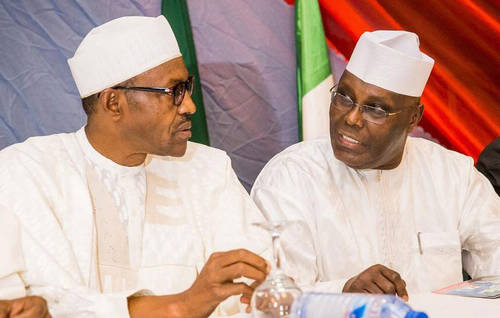


If Nigeria had a surname, Disaster would’ve been a fitting fit. She would’ve come to be known as Nigeria Disaster – a befitting reflection of who she truly is. Just like the US is called the United States of America and Britain goes by the family names, Great Britain and United Kingdom. Or what do you call a country without a soul; a judiciary waltzing with corruption, a scandalous legislature and a woeful executive? It’s an absolute disaster when an oilrig produces water, a soldier ant scares a soldier, and a 20-year-journey is all about motion without movement.
February 17 is my birthday. May it not turn a sad day, I pray.
February 16 is the day Nigeria would go into labour and the world would hold their breath to see the fruit of her four-year pregnancy. The baby will be an ‘abiku’, I can loudly predict. It will never be a newborn. Because the seeds that fertilized the eggs shot forth from the loins of two genetically-deformed fathers claiming the same baby. The first father, Mallam Ethnic Bigot, forcefully led the rape of Nigeria over three decades ago. The baby from that painful coitus was not only malformed, it died at infancy. Today, the mallam is an epitome of flawless inefficiency. The other father, Mallam Bureau de Change, shot into limelight in the new era. The babies he helped father on two occasions were born blind, deaf, dumb and dead. If these two principalities had fathered ‘abikus’ in the past, one would expect Nigeria to get a young and virile man to roll in the hay with her, in the hope that the product of the union would be a bouncing baby, either a boy or a girl. But with a surname that is Disaster, our dog can’t do more than eat its vomit while our pig gets the mud for a bed.
February 17 is the day after the Nigerian presidential election. I pray blood doesn’t rain down on the country in the preceding days of the election, on the D-Day and the days after. I pray February 16 won’t be a day Nigeria’s most famous scapegoat, Mr Devil, would walk the Nigerian space shopping for heads, limbs and innards. Because I know the election will never be complete without bloodshed! And the blood to be shed won’t be that of the current impotent tenants of Aso Rock or the rapacious prodigals craving a comeback after 16 years of revelry ruination. I fear as February 16 crawls on us like the tarantula, spurning its intricate web over the paralyzed eagle.
Today, I remember the late Tai Solarin, the atheist, whose baptismal name was Augustus. In 1952, as the principal of Molusi College, Ijebu Igbo, Ogun State, Solarin cancelled morning prayers and religious studies as a subject in the school. His ‘re-education’ campaign didn’t go down well with the Ijebu Igbo community, where his brother was also a reverend. After his apostasy ran into an opposition, he quit the job to establish and run, with his late co-atheist wife, Sheila, the illustrious 8,000-student capacity Mayflower School, Ikenne. Stinking and stagnant religiosity didn’t emigrate to Nigeria from Jerusalem and Arabia on the back of a camel yesterday, it was birthed in the maternity ward of culture contact that imposed colonial imperialism over an unfortunate race.
Despite her globally renowned slogans, ‘In God we trust’, and ‘God bless America’, United State’s elementary, middle and high schools don’t teach religious studies, yet the country respects God and human diversity. Nigeria, where the loudest noise pollution booms from churches and mosques – in form of worship, disdains God and humanity. I know that thousands of the students that attended Solarin’s school were the children and wards of bishops, pastors, sheikhs and imams across Nigeria. But I’m still curious to know why many Nigerian devil-is-a-liar believers sent their children to the school of the popular pagan. Was that hypocrisy, acceptant realism or tolerance?
In his New Year wish for Nigerians on January 1, 1964, Solarin said, “May your road be rough!” Solarin’s greeting, which was contained in a letter, preaches vision, hard work, determination and resilience. When Nigeria was setting out on her democratic journey 20 years ago, little did she know that she was on the road to nowhere. If someone had predicted in 1999 that the democratic dispensation, after 20 years, would produce pains instead of gains and division instead of dividends, Nigerians would’ve disagreed. Today, the country stands regrettably on the threshold of another historic election, ruing two decades of waste, unfulfilled promises and paradise lost. From the impunity, selfishness and greed of the Olusegun Obasanjo-Atiku Abubakar years to the short-lived, static Musa Yar’Adua-Goodluck Jonathan years and the legitimized corruption of the Jonathan-Namadi Sambo years, to the Muhammadu Buhari-Yemi Osinbajo know-nothing era, it is certain that all the four successive leaderships that have steered the ship of the Nigerian state since 1999 should have, at best, headed roadside shops selling padlocks, nails and hoes, and not come anywhere near the corridors of power because the masses, whom democracy seeks to promote, have been utterly dehumanized by them.
If not that our surname is Disaster, the Obasanjo-Atiku administration wouldn’t have mishandled the Bakassi peninsula crisis and lost the whole of the oil-rich region to Cameroon. The administration wouldn’t have mismanaged billions of dollars on non-provided infrastructure, corruptly impeached successive senate presidents, defied court orders and criminally sought a third term. But for our surname that is Disaster, Patience Jonathan wouldn’t have forfeited N1.04bn to the government and still struts about freely today. A confirmation of our Disaster surname is the nepotistic Buhari-Osinbajo lame-duck presidency, whose perpetually ‘unaware’ arrowhead, Buhari, should have long retired from politics and be at home treating his undisclosed infirmities. Our Disaster surname is the reason why several indicted and some jailed members of the Peoples Democratic Party are shamelessly mounting podiums to campaign today. It’s the reason why Atiku said he would continue with the policies of the Obasanjo years if elected. It’s the same reason why people hail the Buhari-Osinbajo government despite obvious incompetence, underachievement and lopsided anti-corruption fight.
While Nigeria’s political class stockpiles funds, arms and ammunition for the war of February 16, 2019, a look at how election is conducted outside the country would bury our surname, Disaster, in shame. An Ilora-born Nigerian living in the US, Femi Ojewole, shares his voting experience: “Voting in the US is a pleasurable experience; you’re free to take pictures with people and the electoral officers, and the whole voting is done in about three minutes. You’re even given candies to eat after voting. No policeman in sight, no stampede and your vote is counted by the computer, which immediately shows that your vote is accepted.
“Electronic accreditation had been sent to all citizens earlier in order for them to know where to vote. Early voting, which is voting before the election day, is permitted; all you need to do is go to the courthouse nearest to you and vote. This is for those who may not be available to vote on election day or who don’t want to wait till election day.”
No gift of clairvoyance is needed to reach the following conclusions:
· Atiku will fault the outcome of the election if Buhari wins and vice versa
· Life will continue to be short and brutish under either of the two
· Politicians will defect to the winning party after the election
The above-mentioned conclusions are easy to reach because there’s no evidence to show that we’ve learnt anything from the pitfalls of our past. The docile and largely uninformed masses have not helped matters either, acquiescing to the manipulative whims of the political class.
Indeed, our road has been rough, very rough and disastrous.
(Published in The PUNCH of Monday, February 4, 2019)mail: [email protected]




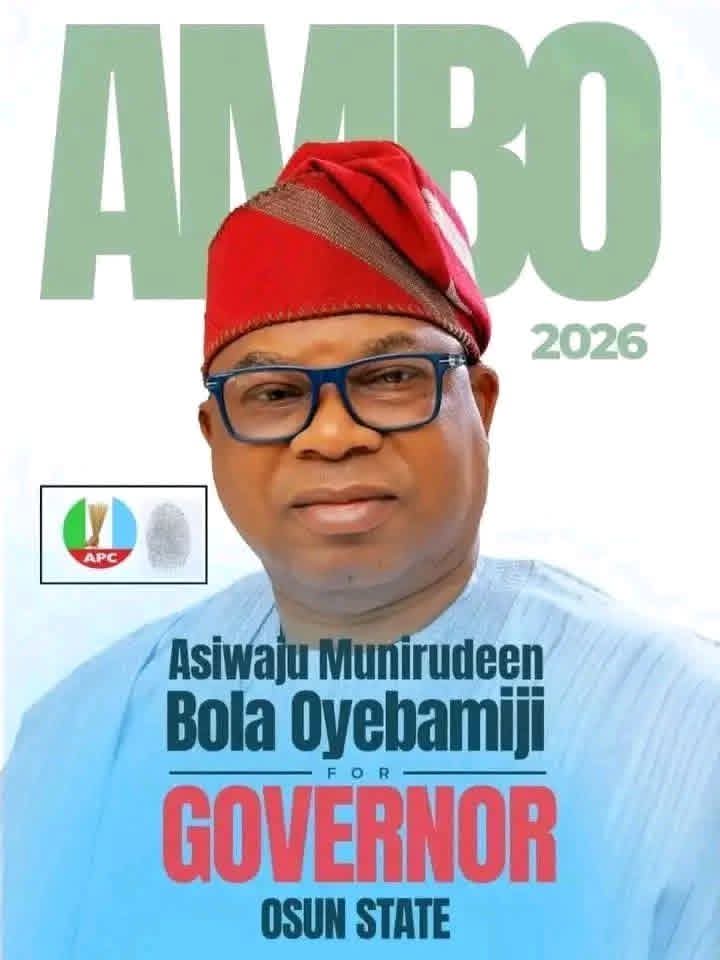
AMBO and the Osun Governorship Race: Assessing the Man, the Politics and the Vision
As political activities gather momentum ahead of the 2026 Osun State governorship election, a public affairs commentator, Oluseyi Olonade, has described the emergence of Asiwaju Munirudeen Bola Oyebamiji, popularly known as AMBO, as a significant development in the state’s political landscape.
In an article titled “Oyebamiji: The Man, The Politics and The Aspiration,” Olonade argued that the All Progressives Congress governorship hopeful possesses the character, experience and vision needed to reposition Osun State for sustainable growth.
According to the writer, Oyebamiji’s appeal stems from his extensive background in the banking sector, where he spent nearly three decades working with institutions including Wema Bank, Trans International Bank, Spring Bank and Enterprise Bank.
A native of Ikire in Irewole Local Government Area, Oyebamiji was described as a technocrat whose experience in corporate governance, finance and risk management has shaped his approach to public administration.
The article noted that his public service journey gained prominence in 2012 when he was appointed to oversee the then Osun State Investment Company Limited. Under his leadership, the organisation was reportedly restructured and transformed into Omoluabi Holdings Limited.
The writer further highlighted Oyebamiji’s tenure as Commissioner for Finance under successive APC administrations, where he was credited with managing the state’s finances during challenging economic periods.
Olonade also referenced Oyebamiji’s appointment as Managing Director of the National Inland Waterways Authority, describing it as further evidence of his administrative and leadership capabilities.
The article contrasted Oyebamiji’s governance philosophy with that of the current administration in Osun State, arguing that the APC aspirant favours institutional reforms, economic diversification and fiscal discipline.

According to the writer, Oyebamiji’s proposed agenda includes strengthening transparency in government spending, expanding internally generated revenue, attracting private-sector investments and promoting industrial and agricultural development.
The article also highlighted youth empowerment, entrepreneurship development and digital skills acquisition as key components of his vision for the state.
Olonade concluded that the forthcoming governorship election would present voters with a choice between different approaches to governance, expressing confidence that Oyebamiji’s experience and developmental agenda make him a strong contender in the race.
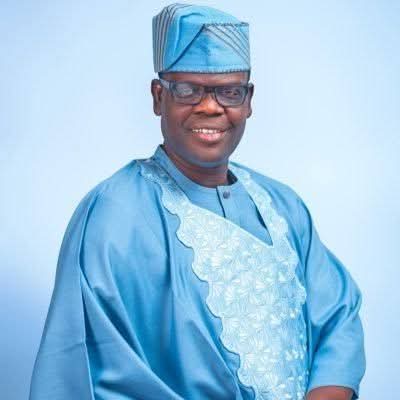
*Oselu Tiwa nTiwa Endorses Oriyomi Hamzat for Oyo Governorship*
A sociopolitical support group in Oyo State, Oselu Tiwa nTiwa, has declared its support for Alhaji Oriyomi Hamzat as the authentic governorship candidate of the Accord Party ahead of the forthcoming governorship election in the state.
The group made its position known in a statement jointly signed by its President, Mr. Adewale Oluwaseyi and Secretary, Alh. Adebayo Oyewole, on Thursday, describing Hamzat as a grassroots figure with strong connection to the people and a track record of humanitarian interventions across Oyo State.

According to the group, the endorsement followed what it described as careful observation of Hamzat’s leadership qualities, compassion and dedication to the welfare of ordinary citizens.
“Oriyomi Hamzat has consistently demonstrated empathy, courage and selfless commitment to humanity. Through his numerous interventions in the lives of ordinary citizens, he has become a symbol of hope to many families and communities,” the statement read.
Oselu Tiwa nTiwa also appealed to the national leadership of the Accord Party to prioritise the long-term future and electoral growth of the party in its decision-making process.
The group noted that Hamzat’s candidacy presents an opportunity for the party to strengthen its grassroots support base and expand its political relevance across Oyo State.
“We respectfully appeal to the National Leadership of the Accord Party to look beyond immediate political calculations and consider the bigger picture, the future growth, stability and electoral success of the party in Oyo State and beyond,” the statement added.
The group further expressed confidence in the leadership of the party, saying it believes the party’s national officers and stakeholders would take decisions that reflect fairness, inclusiveness and the collective interest of members.
While calling on party loyalists to remain calm and united, Oselu Tiwa nTiwa said continued consultations among stakeholders would help strengthen the Accord Party ahead of the election.
Signed:
Alh. Adebayo Oyewole,
Secretary.
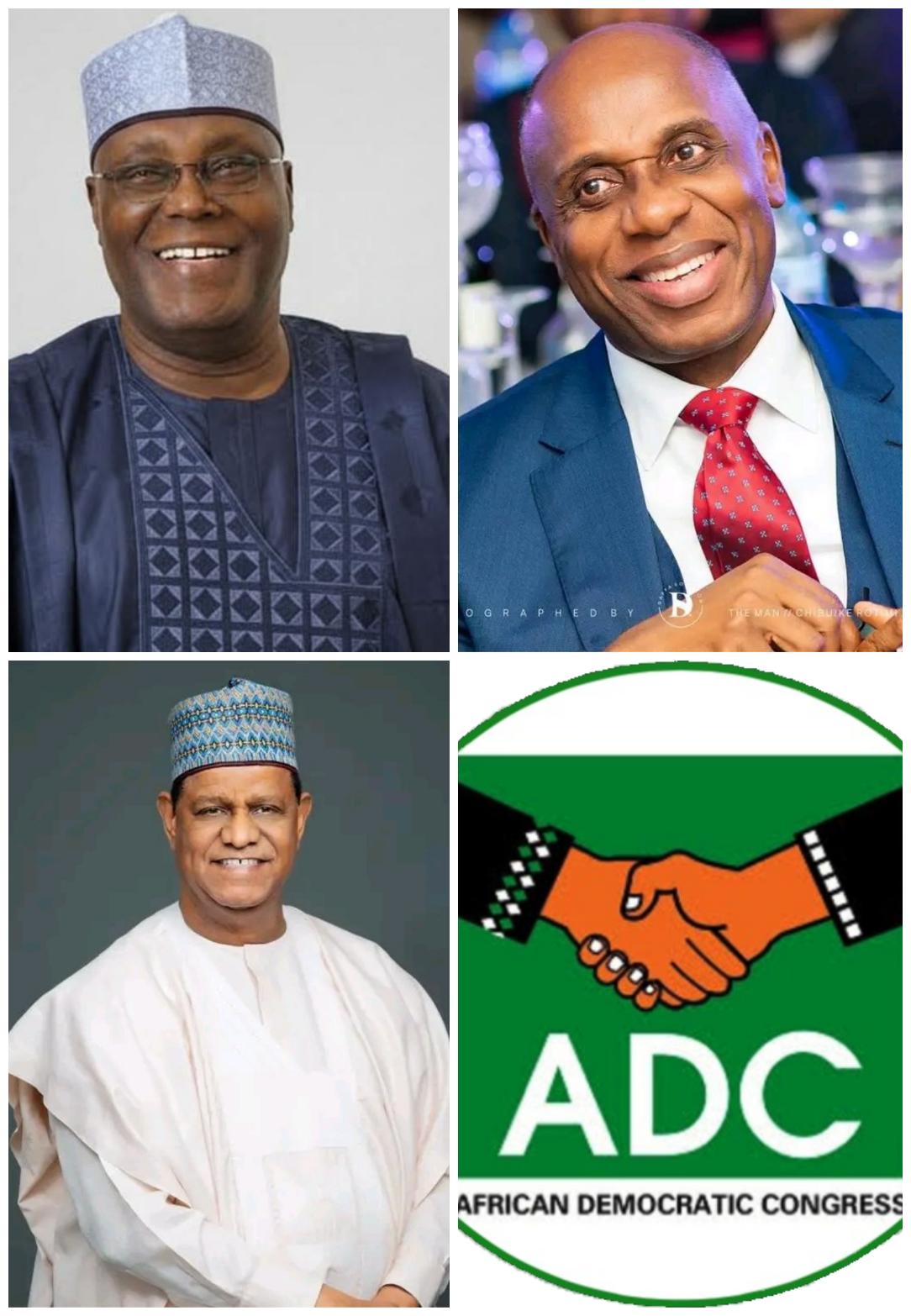
Atiku Set To Clinch ADC Presidential Ticket, Leads Amaechi, Hayatu-Deen In 34 States
Former Vice President of Nigeria and frontline presidential aspirant of the African Democratic Congress (ADC), Atiku Abubakar, is projected to emerge winner of the party’s presidential primaries, according to impeccable sources in Abuja.
The primaries, conducted across over 8,000 wards in the 36 states of the federation and the Federal Capital Territory, reportedly placed Atiku far ahead of his closest rivals — former Rivers State Governor, Rotimi Amaechi, and former Chairman of the Nigerian Economic Summit Group, Mohammed Hayatu-Deen.

Highly placed party insiders disclosed that Atiku is currently leading in 34 states, including the FCT, after securing dominance across the 19 Northern states, the five South-East states, and the six South-West states, while also maintaining a strong showing in at least three states in the South-South geopolitical zone.
The sources added that the outcome reflects what they described as “an overwhelming nationwide acceptance” of the former vice president within the opposition party ahead of the 2027 general election.
Meanwhile, the ADC leadership has invited members of the press to the official announcement of the final collated results scheduled for 11:00 a.m. on Tuesday, May 26, 2026, in Abuja.
The declaration of results is expected to be broadcast live on ARISE Television and two other major television stations, while also being livestreamed on the party’s official social media platforms on X and Facebook.
Speaking ahead of the announcement, the founding National Chairman of the ADC, Chief Ralph Nwosu, said the decision to televise the exercise live was aimed at promoting transparency and democratic accountability.
“We want millions of Nigerians at home and in the Diaspora to witness democracy in action,” Nwosu said.
He further revealed that the party leadership would encourage all three presidential aspirants to publicly embrace a peace accord and commit themselves to working together in unity for the party’s success.
According to him, the move is necessary to strengthen internal cohesion and position the ADC for victory in the presidential election scheduled for January 16, 2027.
Details later.


- Afreximbank Deepens Commitment to Economic Progress in The Bahamas June 1, 2026
- African Electric Vehicle (EV) platform Spiro raises $215M in equity to scale electric mobility and energy infrastructure across Africa June 1, 2026
- Africa Centres for Disease Control and Prevention (Africa CDC) Statement on Attacks Against Health Facilities During the Bundibugyo Virus Disease Response in the Democratic Republic of the Congo June 1, 2026
- Putting consumers at the centre of Africa’s dairy transformation June 1, 2026
- International Rescue Committee (IRC) warns Democratic Republic of the Congo (DRC) Ebola outbreak likely far larger than official figures suggest June 1, 2026
- South Africa: Portfolio Committee on Health Marks National Cancer Survivor Day and Reaffirms Importance of Early Detection and Public Awareness June 1, 2026
- Rwanda’s RSSB Tigers Crowned 2026 Basketball Africa League Champions June 1, 2026
- Uganda: Appointments Committee Begins Vetting of Ministerial Nominees June 1, 2026
- Sudan braces for worsening child malnutrition as pre-harvest season starts June 1, 2026
- Etu Energias Strengthens Angolan Footprint, Returns to Angola Oil & Gas (AOG) 2026 as Champion Sponsor June 1, 2026
- Afreximbank Deepens Commitment to Economic Progress in The Bahamas June 1, 2026
- African Electric Vehicle (EV) platform Spiro raises $215M in equity to scale electric mobility and energy infrastructure across Africa June 1, 2026
- Africa Centres for Disease Control and Prevention (Africa CDC) Statement on Attacks Against Health Facilities During the Bundibugyo Virus Disease Response in the Democratic Republic of the Congo June 1, 2026
- Putting consumers at the centre of Africa’s dairy transformation June 1, 2026
- International Rescue Committee (IRC) warns Democratic Republic of the Congo (DRC) Ebola outbreak likely far larger than official figures suggest June 1, 2026
- South Africa: Portfolio Committee on Health Marks National Cancer Survivor Day and Reaffirms Importance of Early Detection and Public Awareness June 1, 2026
- Rwanda’s RSSB Tigers Crowned 2026 Basketball Africa League Champions June 1, 2026
-

 news6 months ago
WHO REALLY OWNS MONIEPOINT? The $290 Million Deal That Sold Nigeria’s Top Fintech to Foreign Interests
-

 society4 weeks ago
SOCIAL MEDIA IS NOT A BATTLEFIELD COMMAND – WHY THE NIGERIAN ARMY’S ACTION AGAINST JUSTICE CRACK IS A NATIONAL SECURITY IMPERATIVE
-

 celebrity radar - gossips4 months ago
Dr. Chris Okafor Returns with Power and Fire of the Spirit -Mounts Grace Nation Altar with Fresh Anointing and Restoration Grace on February 1, 2026
-

 celebrity radar - gossips6 months ago
Prophet Kingsley Aitafo Releases 2026 Prophecy: ‘Nigeria Will Rise, but the World Must Prepare for Turbulence’
You must be logged in to post a comment Login
You must log in to post a comment.