
society
Applauding Tinubu’s Upstream Prosperity Through Strategic PIA Implementation

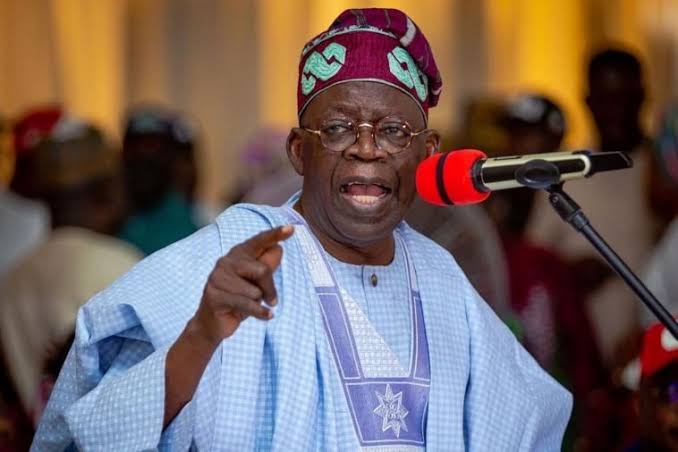
Applauding Tinubu’s Upstream Prosperity Through Strategic PIA Implementation
By Aminu Adamu Aminu
The restoration of hope for Nigerians and the effectiveness of the Petroleum Industry Act (PIA) in delivering tangible, evidence-based, and progressive reforms are no longer matters of doubt or mere sloganeering among Nigerians and residents. These are not empty campaign promises but the reality of a new political order—a game-changer reshaping narratives, particularly in the petroleum sector, where the Nigerian Upstream Petroleum Regulatory Commission (NUPRC) is championing transformative reforms.
What began two years ago, upon President Bola Ahmed Tinubu’s assumption of office, as an ambitious plan has evolved into a practical force, changing lives and transforming the nation with numerous tangible benefits.
President Tinubu’s administration has made significant strides in restoring hope to Nigeria’s oil and gas sector, fast-tracking the implementation of the PIA, and yielding measurable, positive results.
At the core of NUPRC’s reforms is an unwavering commitment to transparency, which has strengthened the PIA’s legal framework, leading to remarkable improvements in reporting obligations and host community provisions. These reforms, driven by strategic regulatory leadership and robust presidential backing, have significantly boosted oil production, steadily increasing Nigeria’s crude oil output to an all-time high exceeding 1.7 million barrels per day.
This achievement has restored investor confidence, attracting international oil companies (IOCs) back to Nigeria and encouraging direct foreign investment with renewed optimism. Through deliberate and proactive efforts, the NUPRC has fostered an environment of fruitful engagement and collaboration rooted in shared values.
This has enhanced the enforcement of improved metering systems, a decisive clampdown on oil theft, and the promotion of decarbonization. These initiatives reflect a forward-thinking agenda aligned with global standards and best practices, fostering international trade and reinforcing Nigeria’s energy independence.
The multifaceted positive impacts on Nigeria’s economy have stimulated growth, stabilized the exchange rate, and bolstered investor confidence, attracting foreign investment pledges totaling approximately $50.8 billion. An improved balance of trade has resulted in a trade surplus of about N3.42 trillion in the fourth quarter of 2024, alongside consistent GDP growth. This has led to increased revenue allocations to subnational governments and local government councils, enabling them to clear salary arrears and debts, improve citizen welfare, and invest in social services and infrastructure. These developments have further boosted economic growth and consolidated the administration’s gains.
The Renewed Hope agenda also seeks to resolve lingering industrial disputes, creating a more stable and attractive investment environment. This facilitates an energy transition aimed at ensuring the long-term sustainability of Nigeria’s oil and gas sector.
The notable increase in transparency, accountability, and efficiency within the industry has improved regulatory oversight and community engagement, fostering a more favorable and robust business environment. This is evident in the substantial investment pledges, including the aforementioned $50.8 billion in foreign investment commitments.
Beyond stabilizing the exchange rate, reducing inflation, and increasing government revenue, Nigeria’s Eurobond issuance in late 2024 attracted over $9 billion in orders—four times the subscription level—demonstrating strong investor confidence in the nation’s economy.
This success reflects a consistent commitment to policy continuity, inclusivity, stakeholder engagement, and a strong emphasis on maintaining transparency and accountability in the PIA’s implementation.
Given the critical role of these reforms in shaping Nigeria’s trajectory, concerted efforts have ensured a profound impact. The reforms have moved the country far from its pariah days, establishing transparent licensing rounds. Recent bid rounds and concession awards, such as the 57 Petroleum Prospecting License (PPL) awards in 2022, the 2022 Mini-Bid Round, and the 2024 Licensing Round, were executed with unprecedented transparency and competitiveness, drawing exceptional investor participation.
The pragmatic implementation of the PIA has also led to a strategic 28 Field Development Plans Initiative, securing $18.2 billion in investment commitments. This initiative is expected to unlock 1.4 billion barrels of oil and 5.4 trillion cubic feet of gas. Additionally, rig counts have risen significantly, from 8 in 2021 to 43 as of September 2025, signaling a substantial increase in exploration and production activities.
In the words of Engr. Gbenga Komolafe, Chief Executive of NUPRC, “With the Petroleum Industry Act as our foundation, reinforced by bold Presidential Executive Orders and transformative regulatory initiatives, we are not just opening our doors to investment; we are building a world-class upstream oil and gas environment that rewards ambition, innovation, and responsibility.”
Given this resolute determination, as demonstrated by the effective implementation of the PIA through the NUPRC, President Bola Ahmed Tinubu is undeniably steering Nigeria’s upstream petroleum sector in the right direction.
Aminu writes from Kaduna





*PDP CHIEFTAIN, ONIRETI RESIGNS FROM PARTY, CITES PERSONAL REFLECTION
A former House of Representatives candidate, Olufemi Onireti, has formally resigned his membership of the Peoples Democratic Party (PDP) in Oyo State.
His resignation was conveyed in a letter addressed to the Chairman of PDP Osupa Ward 9, Ogbomoso North Local Government, on Thursday.
Onireti described the decision as a difficult but necessary step after what he termed a period of “deep personal reflection.”
“I hereby formally resign my membership of the Peoples Democratic Party (PDP), effective immediately,” he wrote.
He acknowledged his years of active involvement in the party, including contesting for the House of Representatives in the last general election, noting that the PDP had offered him a platform for political participation, service, and growth.
Despite his exit, Onireti expressed appreciation to party leaders and members for the support he enjoyed over the years.
“I remain grateful for the opportunity to serve and for the relationships and experiences I gained during my time in the party.
I wish the party well in its future endeavours,” he added.
The development is expected to generate discussions within the Ogbomoso North political circle, as observers await his next political move.
society
Harmony Garden Boss, Mr Ibile Celebrates Mogaji Wole Arisekola, Hails Legacy of Leadership and Excellence
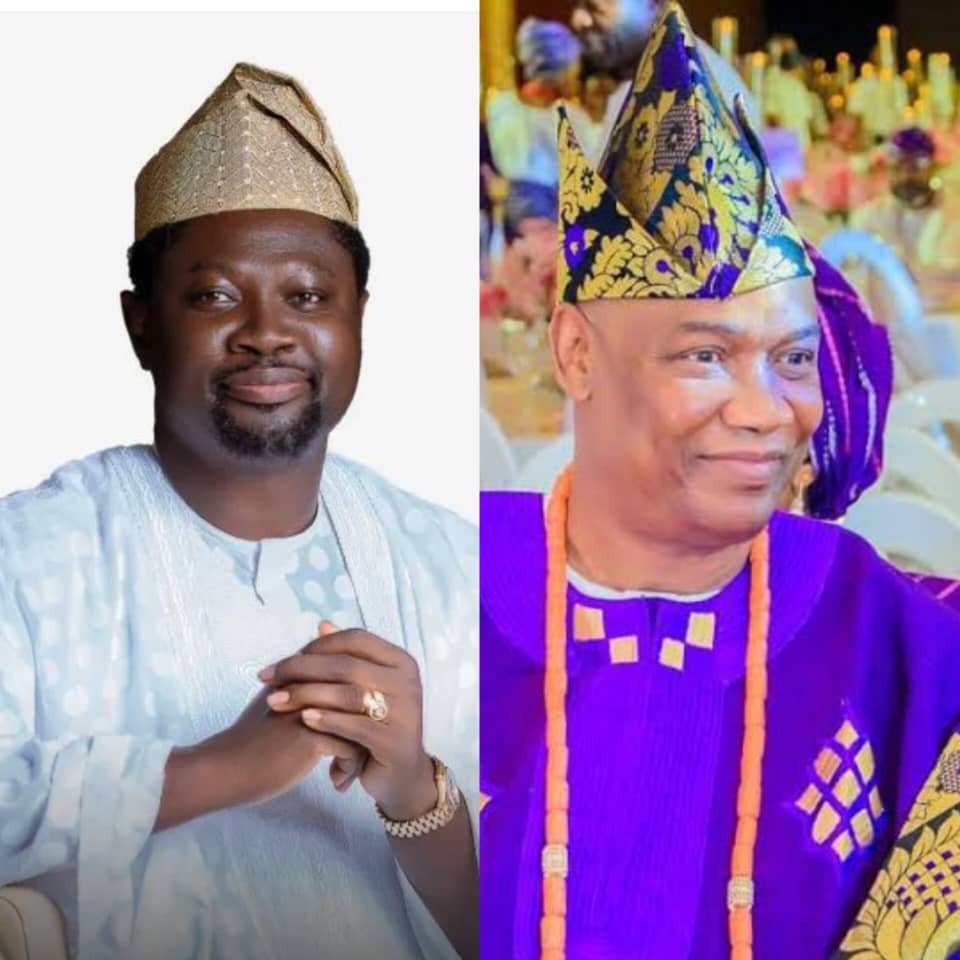
Harmony Garden Boss, Mr Ibile Celebrates Mogaji Wole Arisekola, Hails Legacy of Leadership and Excellence
Renowned real estate entrepreneur and Chief Executive Officer of Harmony Garden & Estate Development Limited, Hon. Dr. Saheed Audullahi Mosadoluwa aka Mr Ibile, has paid glowing tribute to elder statesman, Mogaji Wole Arisekola, in a heartfelt birthday message that has drawn admiration across social circles.
In a message shared on his official platform, Dr. Saheed described the celebrant as “a remarkable man, a pillar of strength, wisdom, and legacy,” highlighting his enduring influence on family, community, and leadership circles. The tribute, written on behalf of himself and his children, praised Arisekola’s life as one that continues to inspire greatness and unwavering commitment to service.
“Iba Eni for Agba Imole,” he wrote, emphasizing deep respect and reverence for the celebrant’s impactful life. According to him, Arisekola’s voice remains respected, while his legacy is firmly rooted in honor and excellence, qualities that have defined his journey over the years.
Offering prayers for continued good health, long life, and greater accomplishments, Mosadoluwa concluded by wishing the elder statesman a peaceful and joyful new year, filled with divine blessings. The message has since resonated with admirers, further reinforcing the strong bond between the two figures and celebrating a legacy of influence and integrity.
celebrity radar - gossips
Accolades to Empress Genevieve Wining as she Celebrate birthday in Grand style

Accolades to Empress Genevieve Wining as she Celebrate birthday in Grand style
Emmanuel Clement
Vilnius, Lithuania – The Grand Hotel Vilnius will host a grand birthday celebration in honor of Her Majesty The Empress Genevieve Wining of the United Kingdom of Atlantis (UKA) on April 4th, 2026.
The four-day event promises to be an extravagant affair, marking the special birthday of Empress Genevieve Wining. The celebration will take place at the prestigious Grand Hotel Vilnius, Lithuania, renowned for its luxurious ambiance and exceptional service.

According to the event flyer, the birthday celebration will be a spectacular occasion, fitting for an empress. Guests can expect an elegant setting adorned with golden accents, sparkling champagne, and festive decorations, creating a regal atmosphere befitting the occasion.
The Empress Genevieve Wining of UKA is expected to grace the event, which will include various festivities and celebrations in her honor. The occasion aims to bring together dignitaries, followers, and guests to commemorate the empress’s birthday with grandeur and joy.
For media inquiries, accreditation, or further information about the birthday celebration of The Empress Genevieve Wining of UKA, please contact the event organizers.
Courtesy of His Excellency Emperor Prof. Solomon Wining. UKA


-

 society7 months ago
Religion: Africa’s Oldest Weapon of Enslavement and the Forgotten Truth
-

 news4 months ago
WHO REALLY OWNS MONIEPOINT? The $290 Million Deal That Sold Nigeria’s Top Fintech to Foreign Interests
-

 society6 months ago
“You Are Never Without Help” – Pastor Gebhardt Berndt Inspires Hope Through Empower Church (Video)
-

 celebrity radar - gossips2 months ago
Dr. Chris Okafor Returns with Power and Fire of the Spirit -Mounts Grace Nation Altar with Fresh Anointing and Restoration Grace on February 1, 2026