
society
Beyond Borders and Bloodlines: How King Misuzulu’s Call Rekindles Southern Africa’s Shared African Heritage

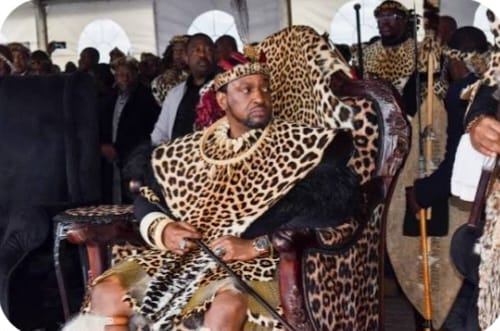
Beyond Borders and Bloodlines: How King Misuzulu’s Call Rekindles Southern Africa’s Shared African Heritage.
By George Omagbemi Sylvester
Published by SaharaWeeklyNG.com
“From Isandlwana to KoBulawayo, the Zulu monarch’s message of UNITY, HISTORY and COOPERATION offers a powerful antidote to xenophobia and fractured African solidarity.”
At a time when social tensions, economic anxieties and rising xenophobic sentiments threaten the fragile fabric of South African society, the voice of history spoke with rare clarity at Isandlwana. Addressing hundreds during the commemoration of the historic Battle of Isandlwana in KwaZulu-Natal, His Majesty King Misuzulu kaZwelithini issued a timely and profound call: a call for renewed ties, mutual respect and deeper collaboration between the Zulu nation and neighboring African countries, particularly Zimbabwe.

The monarch’s remarks were not ceremonial rhetoric. They were grounded in deep historical truths that predate colonial borders and modern nation-states. By invoking KoBulawayo (present-day Bulawayo in Zimbabwe) King Misuzulu reminded his audience that African history did not begin with European cartography, nor was it confined by artificial borders drawn in distant colonial capitals. Rather, Southern Africa has long been bound together by shared ancestry, migration, culture and struggle.
Isandlwana: A Battlefield of Memory and Meaning. The choice of Isandlwana was itself symbolic. The Battle of Isandlwana (1879) stands as one of Africa’s most significant military victories against British imperial forces. It was a moment when African unity, strategy and resolve disrupted the myth of European invincibility. To speak of unity and cooperation at such a site was to anchor contemporary challenges in a history of resistance, dignity and self-determination.

According to renowned historian Prof. Sabelo Ndlovu-Gatsheni, “African historical memory is a powerful resource. When leaders invoke it responsibly, they remind people that division is not our natural state, fragmentation was imposed.” King Misuzulu’s address did precisely that: it reactivated historical consciousness as a tool for healing present fractures.
KoBulawayo and the Zulu–Ndebele Connection. Central to the king’s message was the reference to KoBulawayo, the historical heartland of the Ndebele people in Zimbabwe. The Ndebele nation traces its origins to Mzilikazi kaMashobana, a former Zulu general under King Shaka who later established a powerful kingdom north of the Limpopo in the early nineteenth century. Bulawayo itself derives from a Ndebele term meaning “the place of slaughter”, reflecting the military traditions that shaped the state.
This historical reality underscores an uncomfortable but necessary truth: many African communities today labeled as “foreign” are, in fact, kin separated by colonial borders. As Nigerian historian Prof. Toyin Falola has argued, “The African continent is not a mosaic of strangers; it is a continuum of peoples whose identities were violently fragmented by colonialism.”
King Misuzulu’s reminder that Zulu–Zimbabwean relations date back centuries was therefore not sentimental nostalgia though it was factual, historical and deeply political in the most constructive sense of the word.

Xenophobia and the Crisis of African Brotherhood. The king’s address also confronted contemporary realities. South Africa has in recent years witnessed troubling episodes of violence and hostility toward foreign nationals, many of whom are Africans fleeing economic collapse, political instability or conflict in their home countries. These tensions, often fueled by unemployment and inequality, have eroded the ideals of Pan-Africanism that once animated liberation movements across the continent.
Political economist Patrick Bond notes that “xenophobia in South Africa is not born of hatred alone; it is the outcome of unmet economic promises and structural inequality.” Yet, as King Misuzulu implied, economic frustration cannot justify the erosion of African solidarity or the denial of shared humanity.
By calling for dialogue, respect and collaboration, the Zulu monarch reframed the conversation. He positioned African unity not as a moral luxury, but as a historical obligation and a strategic necessity in a global system that continues to marginalize the continent.
Traditional Leadership as Moral Authority. One of the most striking aspects of King Misuzulu’s intervention is the role of traditional leadership in contemporary African politics. While elected officials often speak in partisan language, traditional rulers draw legitimacy from history, culture and continuity. Their words resonate across political and national lines.
As Kenyan scholar Ali Mazrui once observed, “Traditional authority in Africa, when exercised wisely, can humanize politics and soften the hard edges of the modern state.” King Misuzulu’s message exemplified this wisdom, bridging past and present, culture and politics, nation and continent.
Reimagining Borders and Cooperation. The king’s call also invites a broader reflection on regional cooperation in Southern Africa. Institutions such as the Southern African Development Community (SADC) were founded on the recognition that economic growth, security and stability are interlinked across borders. Yet popular attitudes often lag behind institutional aspirations.

By emphasizing historical ties between the Zulu nation and neighboring countries, King Misuzulu offered a cultural foundation for political and economic integration. Cultural diplomacy, scholars argue, is often more enduring than formal treaties. It humanizes policy and grounds cooperation in shared identity.
Zimbabwean academic Prof. Ngwabi Bhebe has written extensively on the Zulu–Ndebele connection, noting that “history provides a common language through which contemporary disputes can be reinterpreted and resolved.” This is precisely the interpretive work the monarch sought to initiate.
A Message for the Continent and the World. While delivered in KwaZulu-Natal, King Misuzulu’s address carries implications far beyond South Africa. Across Africa, debates over migration, identity and belonging are intensifying. From North Africa to the Sahel, from West Africa to the Horn, the question remains: WILL AFRICANS TURN AGAINST ONE ANOTHER OR WILL THEY REDISCOVER THE SOLIDARITIES THAT ONCE POWERED ANTI-COLONIAL RESISTANCE?
The king’s intervention suggests a hopeful answer. By grounding unity in history rather than slogans, and cooperation in respect rather than fear, he articulated a vision of African coexistence that is both realistic and aspirational.
History’s Verdict: History as a Compass, Not a Chain. King Misuzulu kaZwelithini’s speech at Isandlwana was more than a ceremonial address and it was a moral and historical intervention at a critical moment. By invoking KoBulawayo, the Zulu–Ndebele connection and the enduring ties between Southern African peoples, he challenged narrow nationalism and reminded Africans of their shared roots.

In an era of rising global nationalism and inward-looking politics, such leadership is rare and necessary. As philosopher Kwame Anthony Appiah has argued, “We do not need to abandon our local identities to embrace a broader humanity; we need to understand how they connect.”
King Misuzulu did exactly that. He showed that history, when honestly confronted, can become a bridge rather than a battleground. And in doing so, he offered Southern Africa (and the continent at large) a path toward dignity, cooperation and renewed African brotherhood.




society
GEN CHRISTOPHER GWABIN MUSA SUPPORT INITIATIVE EXTENDS WARM BIRTHDAY FELICITATIONS TO PRESIDENT TINUBU ON 74TH BIRTHDAY
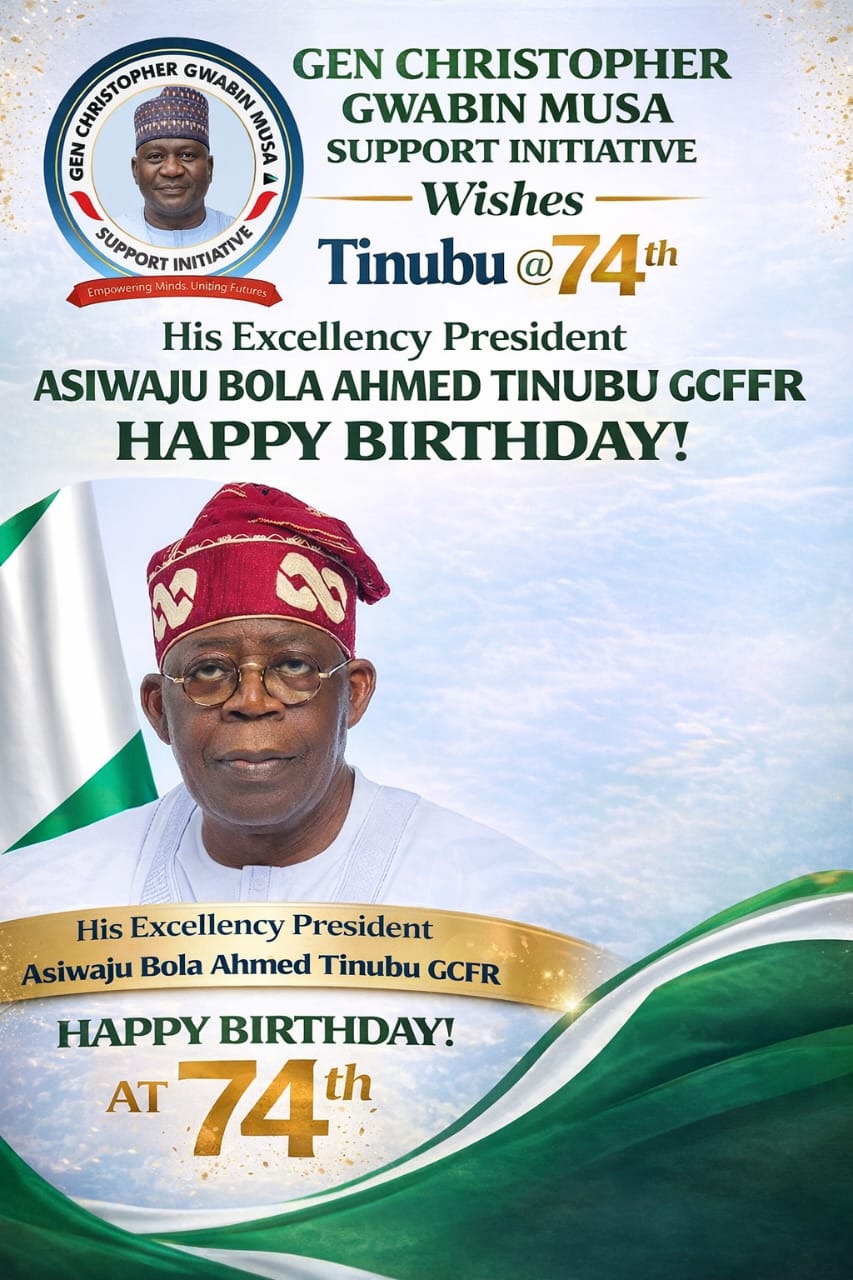
GEN CHRISTOPHER GWABIN MUSA SUPPORT INITIATIVE EXTENDS WARM BIRTHDAY FELICITATIONS TO PRESIDENT TINUBU ON 74TH BIRTHDAY
The Gen Christopher Gwabin Musa Support Initiative has extended heartfelt congratulations to His Excellency President Asiwaju Bola Ahmed Tinubu, GCFR, on the occasion of his 74th birthday.
In a statement released to the press, the Initiative conveyed warm wishes for the President’s personal well-being and for his continued leadership of the nation. The statement, signed by the Convener, Ibrahim Dahiru Danfulani, Sadaukin Garkuwan Keffi/Betara Biu, expressed hope that the coming year would bring the President “renewed strength and more wisdom in guiding the nation.”
The statement further noted that the Grand Patron of the Initiative, His Excellency Gen Christopher Gwabin Musa, OFR, Minister of Defence of the Federal Republic of Nigeria, joined in celebrating the milestone. It added, “Wishing Your Excellency continued good health, vitality, and determination as you lead the country towards greater unity and progress.”
The message underscores support for President Tinubu’s administration and its national objectives, marking the birthday as an occasion to reaffirm commitment to the nation’s unity and advancement under his stewardship.
society
Dominion City to Host Global Camp Meeting, “2 Nights of Glory” 2026 in Lagos, Enugu …Calls for Moral Renewal
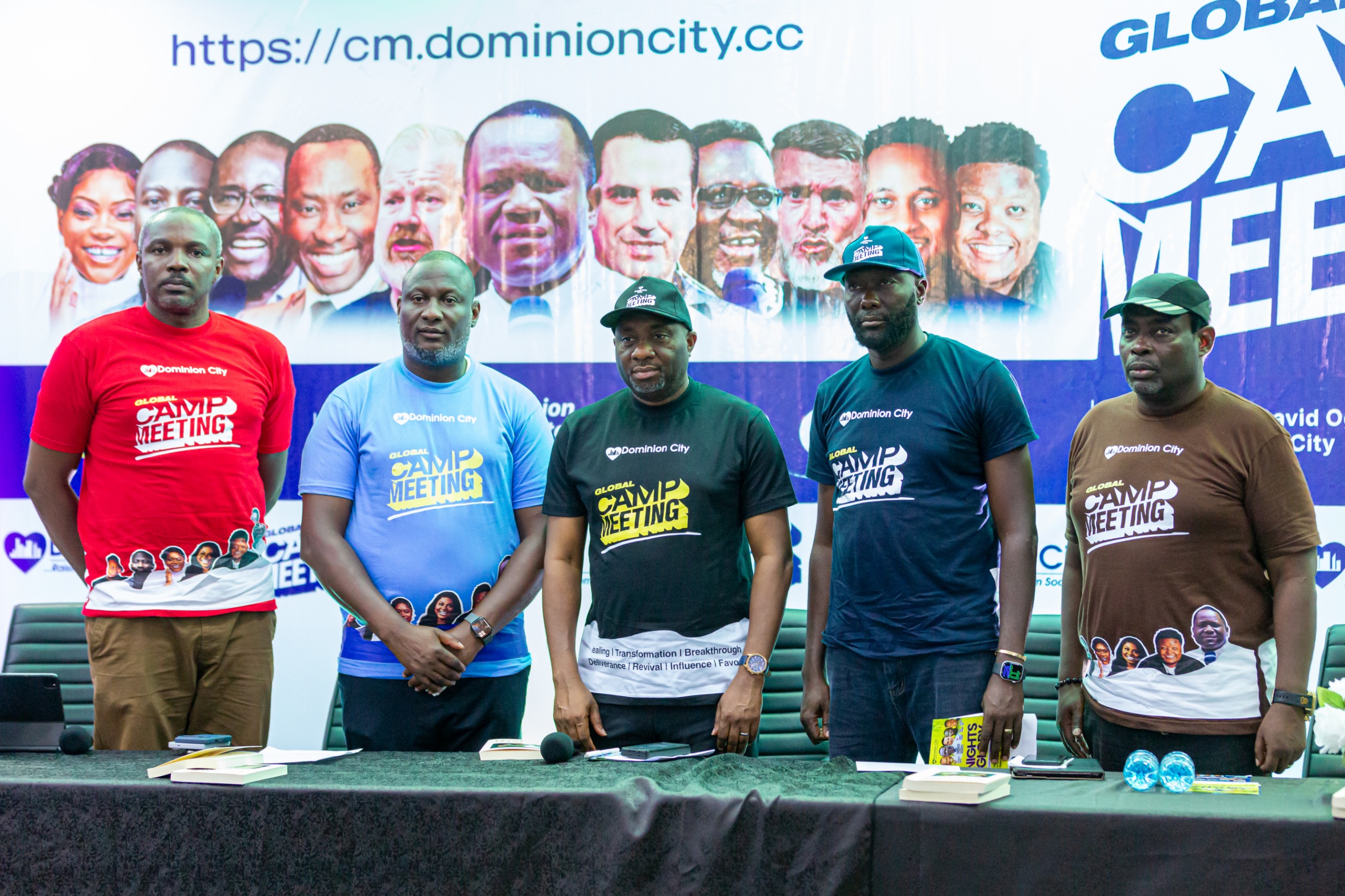
*Dominion City to Host Global Camp Meeting, “2 Nights of Glory” 2026 in Lagos, Enugu
…Calls for Moral Renewal
Lagos – Dominion City has announced plans to host its annual Global Camp Meeting alongside a special “2 Nights of Glory” gathering in April 2026, with events scheduled to be held simultaneously in Lagos and Enugu.
The week-long programme is expected to draw tens of thousands of participants onsite and millions of virtual attendees from across the globe.
The Global Camp Meeting will run from Wednesday, April 1 to Monday, April 6, featuring daily sessions at 8:00 a.m. and 5:00 p.m. The “2 Nights of Glory” is slated for Friday, April 3 and Saturday, April 4 at the Golden Heart Place, Km 22 Lekki-Epe Expressway, beside Lagos Business School, Ajah, Lagos.
Organised by Dominion City, a global church focused on raising transformational leaders, the conference will centre on revival, spiritual renewal, and practical teachings. This year’s theme, “Redigging the Wells of Our Fathers,” underscores a call to return to foundational values and principles.
Speaking ahead of the event, Nobbert Onaga, President, Golden Heart Foundation and Senior Pastor, DC Lagos & Europe, emphasised the need for moral reawakening as a pathway to national transformation. He described the Church as “the pillar and foundation of truth,” noting that the conference aims to confront moral decline and restore core values within society.
“We are going back to foundational truths that established the Church. These truths will help repair societal damage and reposition the Church as a source of hope and light,” Onaga said.
Also speaking, Shola Olapade, Senior Pastor of Dominion City Headquarters, highlighted the Church’s role in addressing ethical and cultural challenges, particularly among young people. He added that the programme would go beyond spiritual teachings to include sessions on artificial intelligence, innovation, business, media, arts, and career development.
“We are equipping people not just spiritually, but with relevant 21st-century skills to thrive in today’s world,” Olapade noted.
The conference will feature teachings and ministrations from a lineup of international ministers, including Dr. David Ogbueli, Dr. Charles Ndifon, Andres Bisonni, Pastor Randy Mitchell, Apostle Ikechukwu Peter Nnajiofor, Dr. Ferdinand Nweke, Apostle Ben Hanyani Ndobe, Evangelist Dan Scott, and Dr. Chiefo Ejiofobiri.
Music ministrations will also be led by notable gospel artists such as Grace Idowu, Rhema Onuoha, Once More Six, David Nkennor, Anthony Kani, and GUC.
Organisers disclosed that over 30,000 participants are expected to attend in person, with free transportation provided from designated locations across Lagos to ease access. In addition, free medical services will be offered daily, building on previous outreaches that benefited over 1,700 people.
To ensure safety and order, more than 200 traffic marshals will be deployed in collaboration with relevant authorities.
Beyond its spiritual impact, organisers project that the event will stimulate local economic activity across hospitality, transportation, and retail sectors.
The Global Camp Meeting remains a key platform for spiritual impartation, leadership development, and societal transformation, aligning with Dominion City’s mission to equip believers to influence their communities positively.
Participation is open to the public, with registration available online for both physical and virtual attendance. //END.//
*PHOTO CAPTIONS:*
L-R: Dr. Godwin Efobi, Head, Medical Team, Dominion City Headquarters (DCHQ); Pastor Shola Olapade, Senior Pastor, DCHQ; Pastor Nobbert Onaga, President, Golden Heart Foundation and Senior Pastor, DC Lagos & Europe; Pastor Chuks Anochie, Head of Security and Traffic Control, Dominion City Headquarters (DCHQ), Camp Meeting 2026; Pastor Josh Tim Vaduchi, Head of Event & Programmes, DCHQ, during the press briefing of the forthcoming Global Camp Meeting, held the weekend of 2026 at the Dominion City Headquarters (DCHQ), Lagos.
L-R: Pastor Chuks Anochie, Head of Security and Traffic Control, Dominion City Headquarters (DCHQ), Camp Meeting 2026; Pastor Shola Olapade, Senior Pastor, DCHQ; Pastor Nobbert Onaga, President, Golden Heart Foundation and Senior Pastor, DC Lagos & Europe; Dr. Godwin Efobi, Head, Medical Team, DCHQ; and Pastor Josh Tim Vaduchi, Head of Event & Programmes, during the press briefing of the forthcoming Global Camp Meeting, held over the weekend in 2026 at the Dominion City Headquarters (DCHQ), Lagos.
society
Oloworo of Oworosoki Kingdom, Oba Babatunde Saliu, Felicitates President Bola Ahmed Tinubu at 74
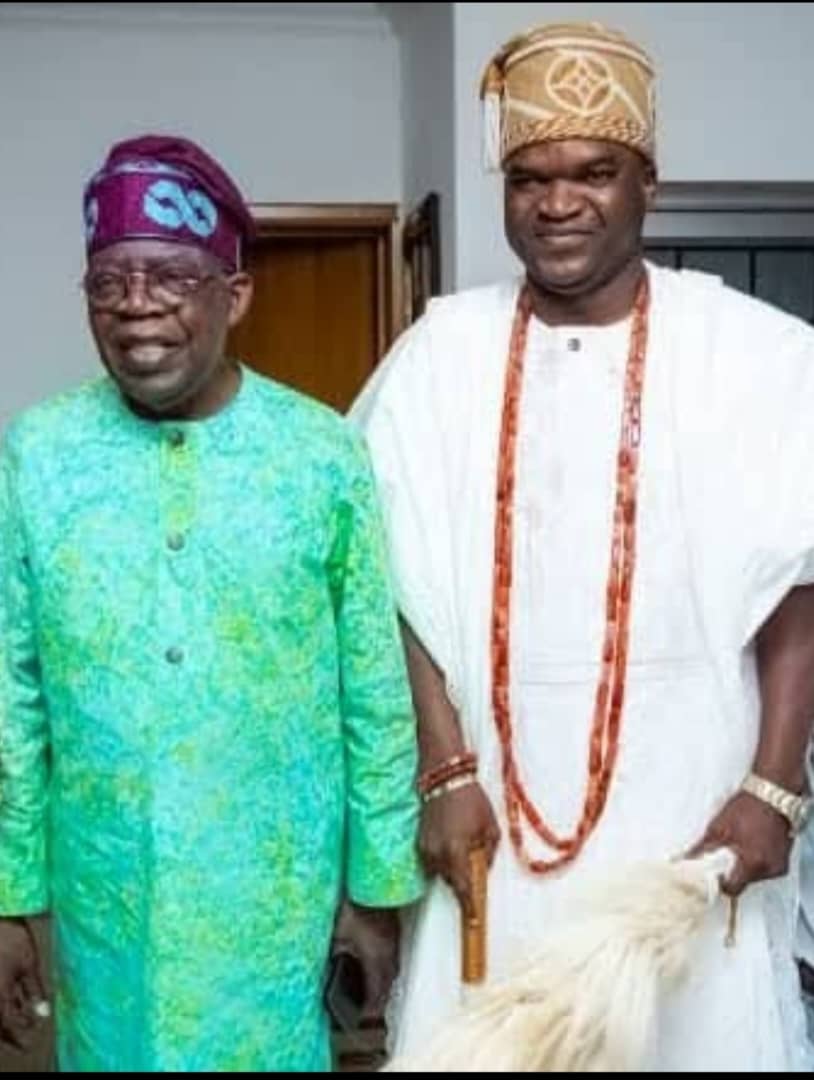
Oloworo of Oworosoki Kingdom, Oba Babatunde Saliu, Felicitates President Bola Ahmed Tinubu at 74
By Adeyemi Obadimu
The Oloworo of Oworosoki Kingdom, His Royal Majesty, Oba Babatunde Saliu, Elebo II, has extended warm felicitations to the President of the Federal Republic of Nigeria, Bola Ahmed Tinubu, GCFR, on the occasion of his 74th birthday.
In a goodwill message issued from his palace, the revered monarch described President Tinubu as a visionary statesman, a courageous reformer, and an indefatigable democrat whose lifelong commitment to nation-building continues to shape Nigeria’s progress.
Oba Babatunde Saliu praised the President’s unwavering dedication to public service, noting that his leadership has ushered in a new phase of economic reform, infrastructural renewal, and institutional strengthening across the country.
According to the monarch, the President’s Renewed Hope Agenda has begun yielding tangible relief and renewed confidence among citizens, reflecting his determination to reposition Nigeria for sustainable growth and prosperity.
“President Bola Ahmed Tinubu has demonstrated exceptional resilience, strategic foresight, and a deep love for Nigeria. His administration’s bold initiatives are laying the foundation for long-term national transformation. At 74, he remains steadfast in his resolve to build a stronger, more united, and economically vibrant nation,” the monarch stated.
Oba Babatunde further commended the President’s legacy of leadership, describing him as a bridge-builder, a mentor to many leaders, and a symbol of democratic stability. He acknowledged the President’s decades of sacrifice and contribution to the advancement of democracy in Nigeria.
On behalf of the Oworosoki Kingdom, the royal father prayed for divine wisdom, sound health, and renewed strength for the President to successfully complete the noble reforms and developmental strides he has embarked upon for the benefit of all Nigerians.
“As Your Excellency marks 74 remarkable years, we pray that Almighty God grants you long life, continued wisdom, and the fortitude to steer our great nation toward greater heights. May your days be filled with strength and grace as you continue to serve Nigeria with distinction,” Oba Babatunde Saliu added.
President Bola Ahmed Tinubu clocks 74 as a leader whose enduring influence, bold reforms, and steadfast patriotism remain central to Nigeria’s ongoing journey of national renewal.


-

 society6 months ago
Religion: Africa’s Oldest Weapon of Enslavement and the Forgotten Truth
-

 news4 months ago
WHO REALLY OWNS MONIEPOINT? The $290 Million Deal That Sold Nigeria’s Top Fintech to Foreign Interests
-

 society6 months ago
“You Are Never Without Help” – Pastor Gebhardt Berndt Inspires Hope Through Empower Church (Video)
-

 celebrity radar - gossips2 months ago
Dr. Chris Okafor Returns with Power and Fire of the Spirit -Mounts Grace Nation Altar with Fresh Anointing and Restoration Grace on February 1, 2026