
Politics
COVID-19: Buhari extends eased Restriction for Another two weeks ( Full Speech)

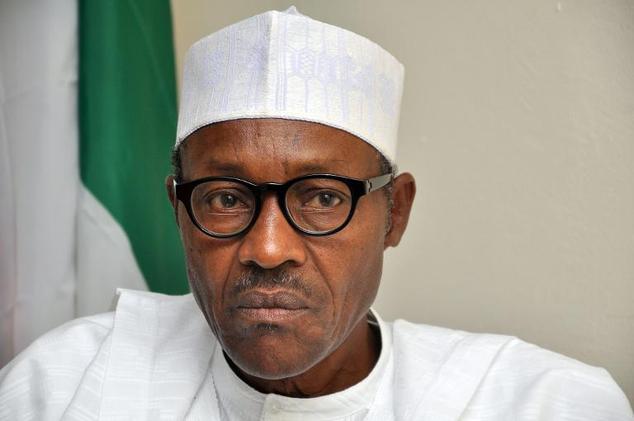
REMARKS BY THE SECRETARY TO THE GOVERNMENT OF THE FEDERATION/CHAIRMAN OF THE PTF ON COVID-19 AT THE NATIONAL BRIEFING OF MONDAY 18TH MAY, 2020
I welcome you to the National Briefing by the Presidential Task Force (PTF) on COVID-19 for Monday, 18th May, 2020.
2. Today’s briefing is significant as it provides us an opportunity to assess progress made in the first phase of our three-pronged strategy and communicate Mr. President’s directive on the next step of our National Response to the COVID-19 pandemic.
3. At the commencement of our national response, we informed Nigerians that the COVID-19 pandemic is the greatest public health challenge of our generation.
4. The PTF also developed a multi-sectoral national response bearing in mind the fact that we were traversing uncharted territories and that there was no cure for the virus.
5. As at date, the President has addressed the nation three times, to underscore the seriousness of the situation. On each of those occasions, he pronounced measures aimed at containing and controlling the spread of the disease.
6. Some of these measures introduced in phases and modified as we progressed, include lockdown of specified high burden areas, travel ban, nationwide curfew, as well as advisories aimed at escalating our infection, prevention and control strategies.
7.In the national broadcast of 27th April, 2020, Mr. President announced a phased and gradual easing of the lockdown in Lagos and Ogun States as well as the Federal Capital Territory along with additional nationwide measures aimed at ensuring that our economy continued to function within the limiting constraints posed by COVID-19 pandemic.
8.While maintaining a delicate balance between safety and economic survival in a precarious situation, Mr. President focused on achieving the following:
i. Ensuring that socio-economic difficulties experienced during the total
Lockdown were alleviated without compromising safety;
II. Allowing the Healthcare sector to continue preparing the identified metrics needed to manage the response and any potential future outbreak nationwide; and
III. Increasing the sensitization of the populace and empowering communities to start driving the response through taking personal responsibility by adhering to stated guidelines.
9.Achieving the foregoing objectives was predicated on adherence to the guidelines issued by the PTF COVID-19, adaptation and cooperation by the States, ownership by communities as well businesses, professional bodies, labour leaders, faith-based organisations, traditional rulers and particularly, individuals taking responsibility.
10.The PTF continued to assess the level of compliance with the guidelines which came into effect on 4th May, 2020. While emphasising ownership, we consistently shared some aspects of the assessment during our daily national briefings pointing in the general direction of non-compliance.
11.Nevertheless, we are pleased to inform you that measures put in place yielded sufficient progress that requires consolidation to ensure that the health system and economy are in a position to adequately respond to any potential outcomes in the future – including a secondary outbreak.
12.The gradual re-opening of the economy has been sign-posted by the controlled opening, and increased access to markets and supermarkets, Banks and other income
yielding activities for the vulnerable population. Similarly, Corporations and Government offices partially opened their operations and services so as to facilitate the activities of other sectors.
13.Some manufacturing, construction and allied sectors also resumed. All these sectors ensured that adequate infection mitigation measures were put in place.
14.In recognition of the global impact of COVID-19 on economies and the need to stimulate and positively turn around our economy, the Federal Government has been implementing various stimulus packages offered to businesses and state Governments through the CBN. These include:
i. Reduction of interest rates from 9 percent to 5 percent for all CBN intervention facilities;
ii. Restructuring of loans to longer tenors for all companies whose businesses are adversely impacted by COVID-19;
iii. N50billion facilities to household and businesses adversely impacted by COVID-19 through NIRSAL Micro Finance Bank;
iv. N100bn facility to Pharmaceutical and health sectors companies to retool their businesses;
v. N1 trillion facility to Agric and Manufacturing companies to expand and set up new factories; and
vi. Suspension of repayment of all state government loans for one year to give states ample financing room to pay salaries.
15.Within the two weeks of phase One of the eased lockdown, the following accomplishments were also recorded:
i. Increase in the number of laboratories in the COVID-19 network from 15 to 26;
ii. Additional 15,558 tests were conducted in the country (with a cumulative total of 35,098 tests and the number of tests per million increasing from 50 to 154;
iii. Increase in the number of trained personnel to 11,409 health workers thereby boosting capacity for case management;
iv. Procurement and distribution of additional personal protective equipment and ventilators across the country;
v. The doubling time of the virus has slowed down from 7 days to 11 days;
vi. The number of beds available for isolation and case management increased from 3500 to 5000 beds nationwide;
vii. The efficiency of the identification, testing, evacuation, and isolation process for confirmed cases has increased; and
viii. progressive improvement in capacity of the health system to respond to the outbreak.
16. In mobilising all sectors and communities to take individual and collective responsibility in the fight against the pandemic in our National Response, the PTF-COVID-19 remains highly appreciative of the efforts of the private sector, public spirited Nigerians, corporate organisations, the armed forces, intelligence and security community, the media, as well as the International Community for their unquantifiable support in the battle against the COVID-19. The response has been overwhelming and encouraging.
17. Last week, the Office of the Accountant General of the Federation introduced the transparency dimensions in the management of certain components of financial donations by publishing the receipts in the newspapers. I, in addition, explained the processes for other components so that Nigerians can be assured that accountability remains the hallmark of this administration and the PTF. All monies donated are safe and secure and would be judiciously utilised and accounted for.
18. Ladies and gentlemen, the outcomes of the first phase of the eased lockdown have been mixed. While some objectives were met, our assessment showed that non-compliance was rampant but the PTF nevertheless continued to persuade the populace through its messaging and daily briefing, on the need to take responsibility.
19. As I mentioned on Thursday, May 14th, 2020, the PTF briefed the Federal Executive Council and the National Security Council on the progress made and the challenges. It has similarly submitted its report to Mr. President at the conclusion of this phase on Sunday 17th May, 2020.
20. The PTF considers it important to let you know that it has relied largely on science, statistics, lessons learnt from other parts of the world and an evaluation of our peculiar circumstances to draw its conclusions on the outcome of the last two weeks. For example, our surveillance, infection prevention and control activities identified nine high burden local government areas in the federation reporting high number of cases and accounting for 51% of the total number of infections in the country. All the nine are densely populated local government areas nationwide.
21. We have also seen that though Nigeria’s caseload still lags behind several other countries, our large population and relatively high degree of mobility and urbanisation (50%) places us at an increased risk for high transmissibility. Therefore, our consideration of ease of restrictions has to balance lives and livelihoods and the slow and gradually phased approach should be science and data driven.
22.To arrive at our final recommendations to Mr. President, we objectively and frankly interrogated certain critical factors and wish to inform you as follows:
i. Is the transmission of the virus under control: –
Measures put in place have collectively slowed down the transmission of the Virus e.g. elongating the doubling time which has changed from 7 to 11 days;
ii. Is the health care system equipped to detect, test, isolate and treat every case and trace every person who came in contact with a positive case: Health care system has been better equipped to detect, test, isolate and treat every case, and trace every person who came into contact with a positive case with the increase in the number of laboratories from 15 to 26; ramping up of testing to a cumulative total of 35,098;
iii. Are outbreaks minimized in special settings like health facilities and Nursing homes: Though we have recorded infection of a number of medical personnel in our facilities, which is not peculiar to Nigeria, we have increased their training in care management and provided additional Personnel Protective Equipment (PPE);
iv. Are there measures in workplaces and schools to prevent the spread of the virus: With the gradual reopening of workplaces, markets, schools, etc, prescriptions have been made for the prevention of infection and spread of the virus;
v. Are the risks of importing more cases from outside the country being managed: The risks associated with importation has been seriously minimised with the ban flights, closure of borders and the mandatory 14 days quarantine for any one arriving Nigeria; and
vi. Are local communities educated, engaged and empowered to adjust to the ‘new norm’: Engagement with communities and other stakeholders has now become the new focus of our strategy.
23.The inevitable conclusion of the PTF, is that the fight against COVID-19 is long term as the virus is not likely to go away very soon. This is further underscored by the fact that no vaccine is expected till around the end of 2021. Nigeria is not where we wish to be in terms of control, ownership, infrastructure and change of behavior. We must do more.
24. Last week we hinted about the refocusing of our policy on community ownership. Going forward, we shall intensify the mobilization of individuals, especially the communities to take ownership of this fight. This will be accompanied by a corresponding development of infrastructure and other Public health measures to be undertaken in every community and at every phase of the response. These include: surveillance, case finding, testing, isolation, tracing and quarantining contacts.
25. Ladies and gentlemen, the reality is that in spite of the modest progress made, Nigeria is not yet ready for full opening of the economy and tough decisions have to be taken for the good of the greater majority. Any relaxation will only portend grave danger for our populace.
26.Advisedly, the current phase of eased restriction will be maintained for another two weeks during which stricter enforcement and persuasion measures will be pursued.
27.The two weeks extension of Phase one of the eased restriction is also to enable other segments of the economy prepare adequately for compliance with the guidelines, preparatory to reopening in the coming weeks. For the PTF, we share your pains but our future is in the hands of every Nigerian and future decisions will depend greatly on our compliance.
28.Based on the recommendations of the PTF, Mr. President has approved the following:
i) The measures, exemptions, advisories and scope of entities allowed to reopen under phase one of the eased locked down, shall be maintained across the federation for another two weeks effective from 12 00 midnight today (18th May, 2020 to 1st June, 2020);
ii) intensifying efforts to “tell (communicate), trace (identify) and treat (manage)’ cases;
iii) elevating the level of community ownership of non-pharmaceutical interventions;
iv)Maintain the existing lockdown order in Kano for an additional two weeks;
v) Imposition of precision lockdown in states, or in metropolitan/high-burden LGAs, that are reporting a rapidly increasing number of cases, when the need arises. This would be complemented with the provision of palliatives and continued re-evaluation of the impact of the interventions; and
vi) Aggressive scale up of efforts to ensure that communities are informed, engaged and participating in the response with enhanced public awareness in high risk states.
29. Specific implementation guidelines would be communicated by the National Coordinator during this press briefing and would be circulated through the conventional and social media.
30. For sustainability of the gains recorded, the PTF shall continue to support states by developing guidelines to shape decision-making for future steps in the response and aggressively scale up efforts to ensure effective community information.
32. It is believed that these steps will help consolidate the gains made so far, and position the country to effectively overcome the pandemic.
33. In the interest of our nation, the role of the States and Local Governments remain critical to success. The PTF shall engage with the States on the effective implementation of these guidelines. This morning, I participated in a virtual conference between the President and the Nigeria Governors Forum and the subject of collaboration was robustly discussed.
34. As contained in the address of Mr. President on 27th April, 202, State Governors are reminded to align their state specific measures with the guidelines issued by the Presidential Task Force.
35. The level of compliance has been reviewed and a specific directive has been issued to the security agencies to carry out strict enforcement of all measures. These include the nationwide curfew from 8.00pm to 6.00pm; the ban on interstate travels and the wearing of facemasks/coverings in public.
36.The security agents are however urged to be mindful of the human rights of citizens, while citizens are equally urged to recognize the dangers posed to self, their loved ones and the entire community if they fail to take responsibility.
37.Let me state categorically, that the exemptions allowed under the phase one are still in place. Particularly, Government remains conscious of the fact that we are in the rainy season and farming activities is critical to food and national security. It should therefore, not be hindered.
38.I therefore urge States and Security agencies to support, encourage and allow our farmers to carry out their activities.
39.We wish to appeal to all Nigerians to show understanding, demonstrate patriotism and take responsibility. Humanity is in great peril and we are all in danger. Most importantly, we repeat our call on all Nigerians to please STAY HOME and STAY SAFE
40.I now call on the Hon. Minister of Health and the DG NCDC to update the nation while the National Coordinator presents the new guidelines.
41.I thank you for listening.




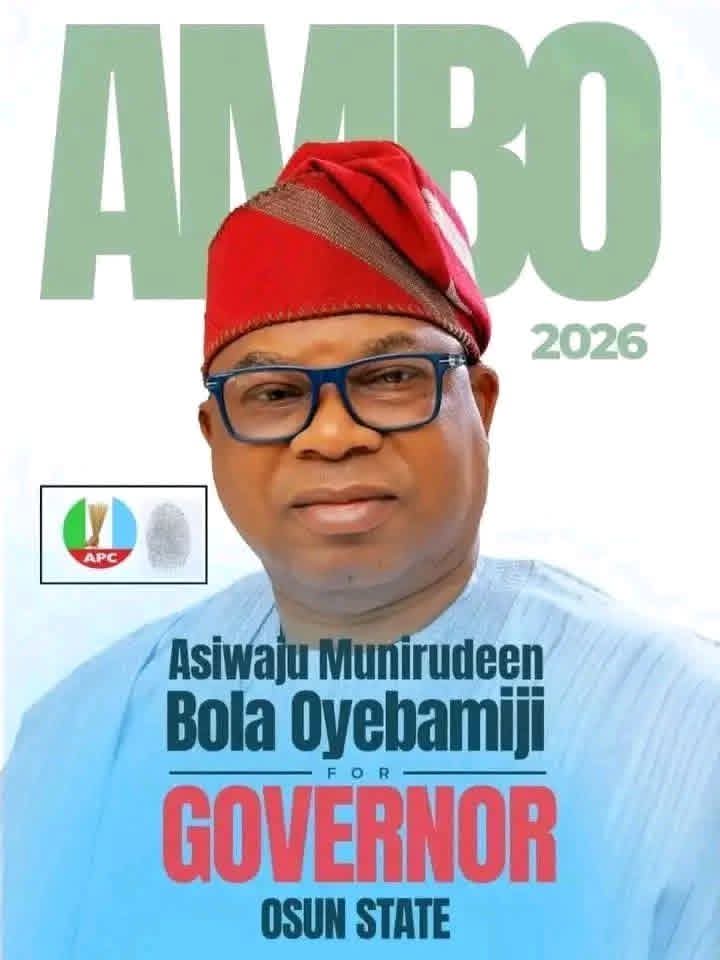
AMBO and the Osun Governorship Race: Assessing the Man, the Politics and the Vision
As political activities gather momentum ahead of the 2026 Osun State governorship election, a public affairs commentator, Oluseyi Olonade, has described the emergence of Asiwaju Munirudeen Bola Oyebamiji, popularly known as AMBO, as a significant development in the state’s political landscape.
In an article titled “Oyebamiji: The Man, The Politics and The Aspiration,” Olonade argued that the All Progressives Congress governorship hopeful possesses the character, experience and vision needed to reposition Osun State for sustainable growth.
According to the writer, Oyebamiji’s appeal stems from his extensive background in the banking sector, where he spent nearly three decades working with institutions including Wema Bank, Trans International Bank, Spring Bank and Enterprise Bank.
A native of Ikire in Irewole Local Government Area, Oyebamiji was described as a technocrat whose experience in corporate governance, finance and risk management has shaped his approach to public administration.
The article noted that his public service journey gained prominence in 2012 when he was appointed to oversee the then Osun State Investment Company Limited. Under his leadership, the organisation was reportedly restructured and transformed into Omoluabi Holdings Limited.
The writer further highlighted Oyebamiji’s tenure as Commissioner for Finance under successive APC administrations, where he was credited with managing the state’s finances during challenging economic periods.
Olonade also referenced Oyebamiji’s appointment as Managing Director of the National Inland Waterways Authority, describing it as further evidence of his administrative and leadership capabilities.
The article contrasted Oyebamiji’s governance philosophy with that of the current administration in Osun State, arguing that the APC aspirant favours institutional reforms, economic diversification and fiscal discipline.

According to the writer, Oyebamiji’s proposed agenda includes strengthening transparency in government spending, expanding internally generated revenue, attracting private-sector investments and promoting industrial and agricultural development.
The article also highlighted youth empowerment, entrepreneurship development and digital skills acquisition as key components of his vision for the state.
Olonade concluded that the forthcoming governorship election would present voters with a choice between different approaches to governance, expressing confidence that Oyebamiji’s experience and developmental agenda make him a strong contender in the race.
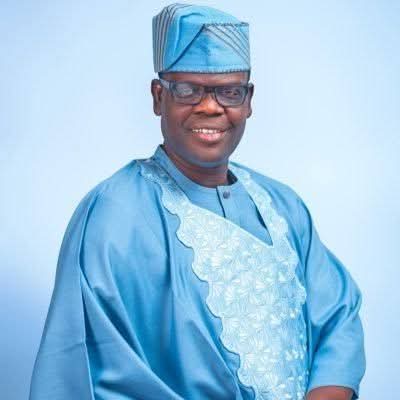
*Oselu Tiwa nTiwa Endorses Oriyomi Hamzat for Oyo Governorship*
A sociopolitical support group in Oyo State, Oselu Tiwa nTiwa, has declared its support for Alhaji Oriyomi Hamzat as the authentic governorship candidate of the Accord Party ahead of the forthcoming governorship election in the state.
The group made its position known in a statement jointly signed by its President, Mr. Adewale Oluwaseyi and Secretary, Alh. Adebayo Oyewole, on Thursday, describing Hamzat as a grassroots figure with strong connection to the people and a track record of humanitarian interventions across Oyo State.

According to the group, the endorsement followed what it described as careful observation of Hamzat’s leadership qualities, compassion and dedication to the welfare of ordinary citizens.
“Oriyomi Hamzat has consistently demonstrated empathy, courage and selfless commitment to humanity. Through his numerous interventions in the lives of ordinary citizens, he has become a symbol of hope to many families and communities,” the statement read.
Oselu Tiwa nTiwa also appealed to the national leadership of the Accord Party to prioritise the long-term future and electoral growth of the party in its decision-making process.
The group noted that Hamzat’s candidacy presents an opportunity for the party to strengthen its grassroots support base and expand its political relevance across Oyo State.
“We respectfully appeal to the National Leadership of the Accord Party to look beyond immediate political calculations and consider the bigger picture, the future growth, stability and electoral success of the party in Oyo State and beyond,” the statement added.
The group further expressed confidence in the leadership of the party, saying it believes the party’s national officers and stakeholders would take decisions that reflect fairness, inclusiveness and the collective interest of members.
While calling on party loyalists to remain calm and united, Oselu Tiwa nTiwa said continued consultations among stakeholders would help strengthen the Accord Party ahead of the election.
Signed:
Alh. Adebayo Oyewole,
Secretary.
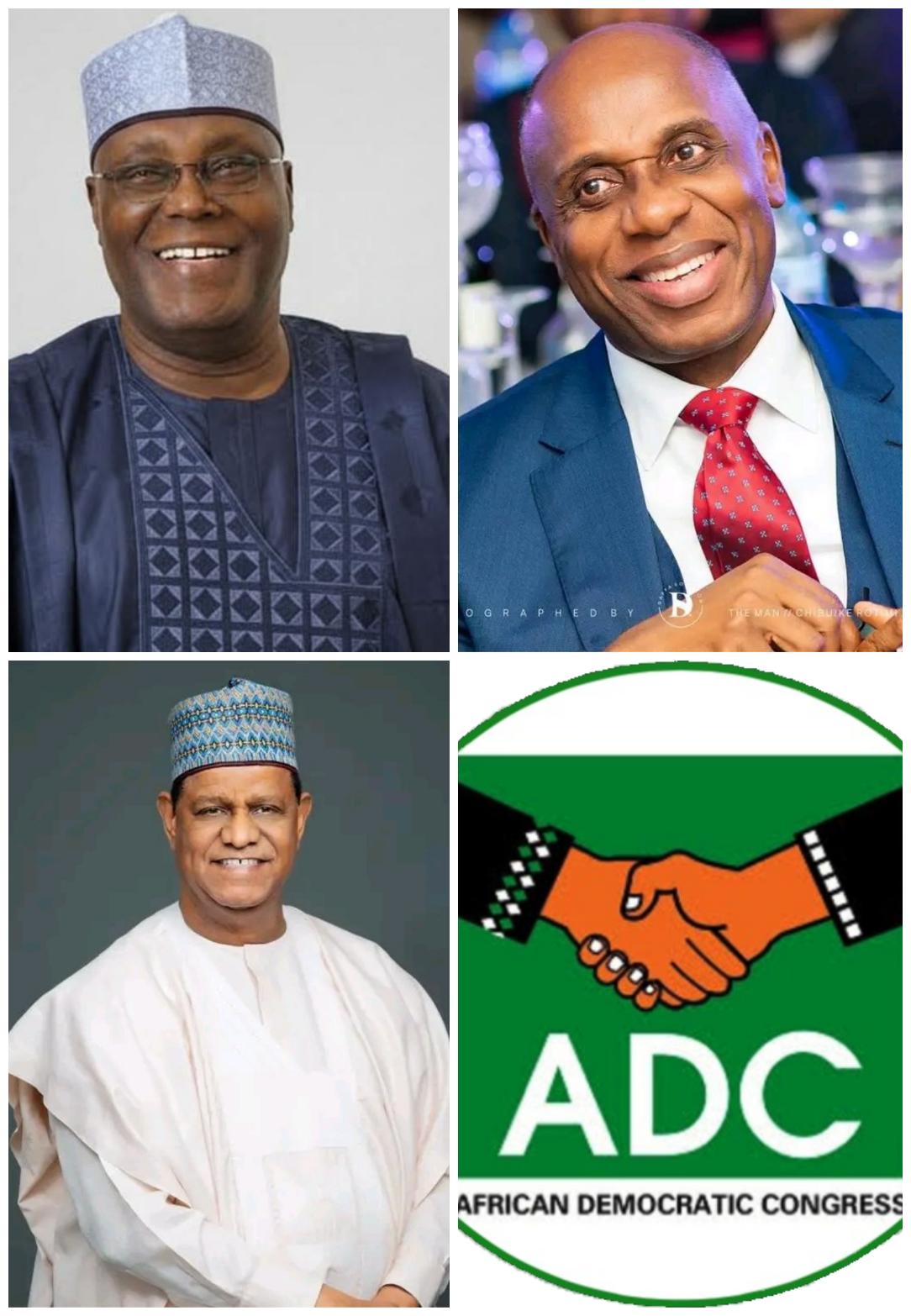
Atiku Set To Clinch ADC Presidential Ticket, Leads Amaechi, Hayatu-Deen In 34 States
Former Vice President of Nigeria and frontline presidential aspirant of the African Democratic Congress (ADC), Atiku Abubakar, is projected to emerge winner of the party’s presidential primaries, according to impeccable sources in Abuja.
The primaries, conducted across over 8,000 wards in the 36 states of the federation and the Federal Capital Territory, reportedly placed Atiku far ahead of his closest rivals — former Rivers State Governor, Rotimi Amaechi, and former Chairman of the Nigerian Economic Summit Group, Mohammed Hayatu-Deen.

Highly placed party insiders disclosed that Atiku is currently leading in 34 states, including the FCT, after securing dominance across the 19 Northern states, the five South-East states, and the six South-West states, while also maintaining a strong showing in at least three states in the South-South geopolitical zone.
The sources added that the outcome reflects what they described as “an overwhelming nationwide acceptance” of the former vice president within the opposition party ahead of the 2027 general election.
Meanwhile, the ADC leadership has invited members of the press to the official announcement of the final collated results scheduled for 11:00 a.m. on Tuesday, May 26, 2026, in Abuja.
The declaration of results is expected to be broadcast live on ARISE Television and two other major television stations, while also being livestreamed on the party’s official social media platforms on X and Facebook.
Speaking ahead of the announcement, the founding National Chairman of the ADC, Chief Ralph Nwosu, said the decision to televise the exercise live was aimed at promoting transparency and democratic accountability.
“We want millions of Nigerians at home and in the Diaspora to witness democracy in action,” Nwosu said.
He further revealed that the party leadership would encourage all three presidential aspirants to publicly embrace a peace accord and commit themselves to working together in unity for the party’s success.
According to him, the move is necessary to strengthen internal cohesion and position the ADC for victory in the presidential election scheduled for January 16, 2027.
Details later.


- Deputy (Dep.) Finance Minister Courts Investors to Transform Ghana’s rice Economy June 4, 2026
- Mobile health services in Kenya reduce the risk of stillbirths June 4, 2026
- JustMarkets Research Highlights Global Growth Divergence as a Key Market Driver June 4, 2026
- African Development Bank Group approves $125 million investment in African Trade and Investment Development Insurance (ATIDI) to expand risk insurance capacity in Africa June 4, 2026
- Congo Energy & Investment Forum 2027 to Position Brazzaville as a Hub for Global Energy Deal-Making June 4, 2026
- Africa Skills Hub (ASH) Transitions to ASH Africa as it Marks 10 Years of Impact June 4, 2026
- When women farm better, Eswatini eats better June 3, 2026
- Togo Hosts the 8th Annual Forum of National Volunteer Agencies in the Economic Community of West African States (ECOWAS) Region June 3, 2026
- Indigenous Peoples gravely vulnerable to Ebola epidemic, warn United Nations (UN) independent experts June 3, 2026
- Meeting between Parliamentary Vice-Minister ONISHI and His Excellency (H.E.) Mr. Cosgrow, Principal Minister and Minister for Agriculture, Fisheries and Blue Economy of Seychelles June 3, 2026
- Deputy (Dep.) Finance Minister Courts Investors to Transform Ghana’s rice Economy June 4, 2026
- Mobile health services in Kenya reduce the risk of stillbirths June 4, 2026
- JustMarkets Research Highlights Global Growth Divergence as a Key Market Driver June 4, 2026
- African Development Bank Group approves $125 million investment in African Trade and Investment Development Insurance (ATIDI) to expand risk insurance capacity in Africa June 4, 2026
- Congo Energy & Investment Forum 2027 to Position Brazzaville as a Hub for Global Energy Deal-Making June 4, 2026
- Africa Skills Hub (ASH) Transitions to ASH Africa as it Marks 10 Years of Impact June 4, 2026
- When women farm better, Eswatini eats better June 3, 2026
-

 news6 months ago
WHO REALLY OWNS MONIEPOINT? The $290 Million Deal That Sold Nigeria’s Top Fintech to Foreign Interests
-

 society1 month ago
SOCIAL MEDIA IS NOT A BATTLEFIELD COMMAND – WHY THE NIGERIAN ARMY’S ACTION AGAINST JUSTICE CRACK IS A NATIONAL SECURITY IMPERATIVE
-

 celebrity radar - gossips4 months ago
Dr. Chris Okafor Returns with Power and Fire of the Spirit -Mounts Grace Nation Altar with Fresh Anointing and Restoration Grace on February 1, 2026
-

 celebrity radar - gossips6 months ago
Prophet Kingsley Aitafo Releases 2026 Prophecy: ‘Nigeria Will Rise, but the World Must Prepare for Turbulence’