
celebrity radar - gossips
Buhari’s Legacy in Nigeria: Discipline, Discord and Disillusionment

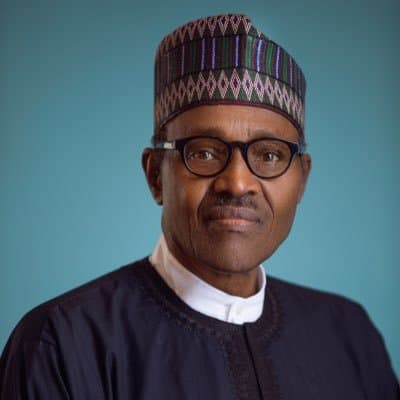
Buhari’s Legacy in Nigeria: Discipline, Discord and Disillusionment.
Introduction.
Muhammadu Buhari (1942–2025) remains one of Nigeria’s most polarizing political figures. From military ruler to democratically elected president, his life was a testament to ambition and controversy. Today, as history sorts his legacy, the record reveals responsibility, resilience and repeated failures. This is the tale of the good, the bad and the ugly under Buhari’s watch, crafted to offer sharper understanding through Warri-born writer George Omagbemi Sylvester’s trenchant narration.

The Good: Integrity, Anti‑Corruption and Symbolic Breakthroughs. Breaking Historical Barriers. In 2015, Buhari achieved what no opposition candidate had before; he defeated a sitting president in free elections, shattering a long-standing political norm in Africa’s most populous nation. His victory broadcast a message of democratic progress beyond mere rhetoric.
Anti‑corruption Flame Buhari’s signature slogan (“If we don’t kill corruption, corruption will kill Nigeria”) became his hammer. The EFCC, under his watch, secured 603 convictions by 2018, including high-ranking officials and judges. This was a rare instance of Nigerian judicial and political elites being held to account.
Symbolic Modesty. Known for his austere personality, Nigeria’s former leader cultivated an image of restraint; favoring public service over luxury. The world saw him as an embodiment of discipline, a throwback to the war-torn country’s promise.
The Bad: Economic Mismanagement, Insecurity and Political Arrogance, Economic Turmoil.
Buhari inherited a faltering economy, worsened by collapsing oil prices. In Q2 2015, growth shrank from over 6% to a mere 2.35%.

The Budgit Foundation. Under his watch, Nigeria plunged into two recessions (2016, 2020) and endured inflation rates above 20%. The debt-to-GDP ratio doubled (18%→35%), while 133 million Nigerians slid into poverty. The Budgit Foundation Analysts at BudgIT summarised: “weak grip on governance… failed woefully” in offering functional solutions.
Persisting Insecurity
Buhari claimed, “Technically, we have won the war against Boko Haram” in December 2015. In reality, terrorism, banditry and kidnappings persisted. Analysts at the Council on Foreign Relations noted his “failure to establish emotional connection with the public” and his authoritarian 1970s command style.
Council on Foreign Relations. Attacks like the Dalori massacre in Kaduna State, which killed dozens of villagers despite Buhari’s “victory” declaration earlier that year, exemplified the chasm between rhetoric and ground realities.
Economic Protectionism Backfired. Buhari’s border closure (2019) to boost local agriculture resulted instead in surging inflation and worsening currency weakness. The naira was artificially pegged, creating dollar shortages and scaring away investors.
Authoritarian Overtones. Democratically elected, Buhari nevertheless exhibited authoritarian instincts. Under his reign, Twitter was banned for seven months after it deleted one of his tweets. The #EndSARS protests in 2020 saw peaceful demonstrators shot at Lekki toll gate; reports estimate at least 12 killed by soldiers. Human rights advocates flagged a “very poor” national record under Buhari.
The Ugly: Deflection, Dismissiveness, Cultural Disconnection and Selective Justice. Buhari’s anti-corruption drive was widely criticized as partisan. Former Secretary to the Government, Chief Olu Falae, called it “selective and getting out of hand” in 2016. Critics repeatedly observed that investigations were heavily tilted towards opposition figures.
Demeaning Gender Stereotypes. One moment marked a nadir when Buhari flippantly declared abroad: “My wife belongs in my kitchen, my living room and the other room”. The remark, directed at wife Aisha Buhari, sparked immediate outrage from rights groups, pointing to a disturbing regression in gender politics.
Youth Alienation. Buhari referred to younger Nigerians as “lazy youths” who expected free housing and healthcare; displaying contempt for a demographic entrenched in systemic barriers and suffering 33% unemployment. The infamous #LazyNigerianYouths backlash crystallized the depth of his misunderstanding of youth struggles. The #EndSARS protests underscored systemic police atrocities, met by government suppression and personnel salary refusal even after Buhari’s forced acquiescence.
Voices from Nigerian Analysts
Akeem Alao (Lagos teacher): “Buhari left a legacy of debt that continues to sabotage the economic efforts of his successors.”
Benzie Record Patriot
BudgIT Research Team: The administration “failed woefully” to uplift the everyday Nigerian despite heavy spending on infrastructure.
Council on Foreign Relations: Buhari “lacked the wherewithal to govern… exuded an air of someone trapped in a 1970s command and control mindset,” and appeared “a man out of his depth.”
Olu Falae (former SGF): “Selective and getting out of hand” he denounced the selective nature of the anti-corruption campaign.
Facts‑Check Summary
Claim /Reality
Buhari crashed corruption fundamentally EFCC secured 603 convictions, Transparency International ranked Nigeria 146/180 in 2020.
Boko Haram defeated Counter repeatedly: Dalori village (2015) attacked; insecurity shifted to banditry
Nigerian economy improved Not so: Two recessions, inflation above 20%, poverty spike, debt doubling
Youth were “lazy” 33% unemployment rate; youth-led #EndSARS protests; public backlash
Closing Remarks. Muhammadu Buhari’s tenure straddles contradiction. He hailed from a disciplined military background, promising anti-corruption zeal and democratic renewal. Yet his presidency was marked by economic collapse, violated civil rights and a cultural disconnect from everyday Nigerians, especially youth and women.
At his death on July 13, 2025, Nigerians remain sharply divided: some see a patriot who dare challenge entrenched systems; others view a leader whose iron fist belied democratic facade. His cautionary tale underscores this: noble intentions need effective implementation, empathy and inclusive governance to truly transform Nigeria.
This retrospective, penned by George Omagbemi Sylvester for saharaweeklyng.com, presents Buhari’s legacy with clarity, evidence and intellectual honesty, so that Nigeria’s next leaders learn from both the victories and failures etched into his controversial history.





celebrity radar - gossips
Buratai, Fagbemi , Shagaya, Olofa, Others Eulogise Olowu Kuta’s Olori On 60th Birthday, Foundation Launch
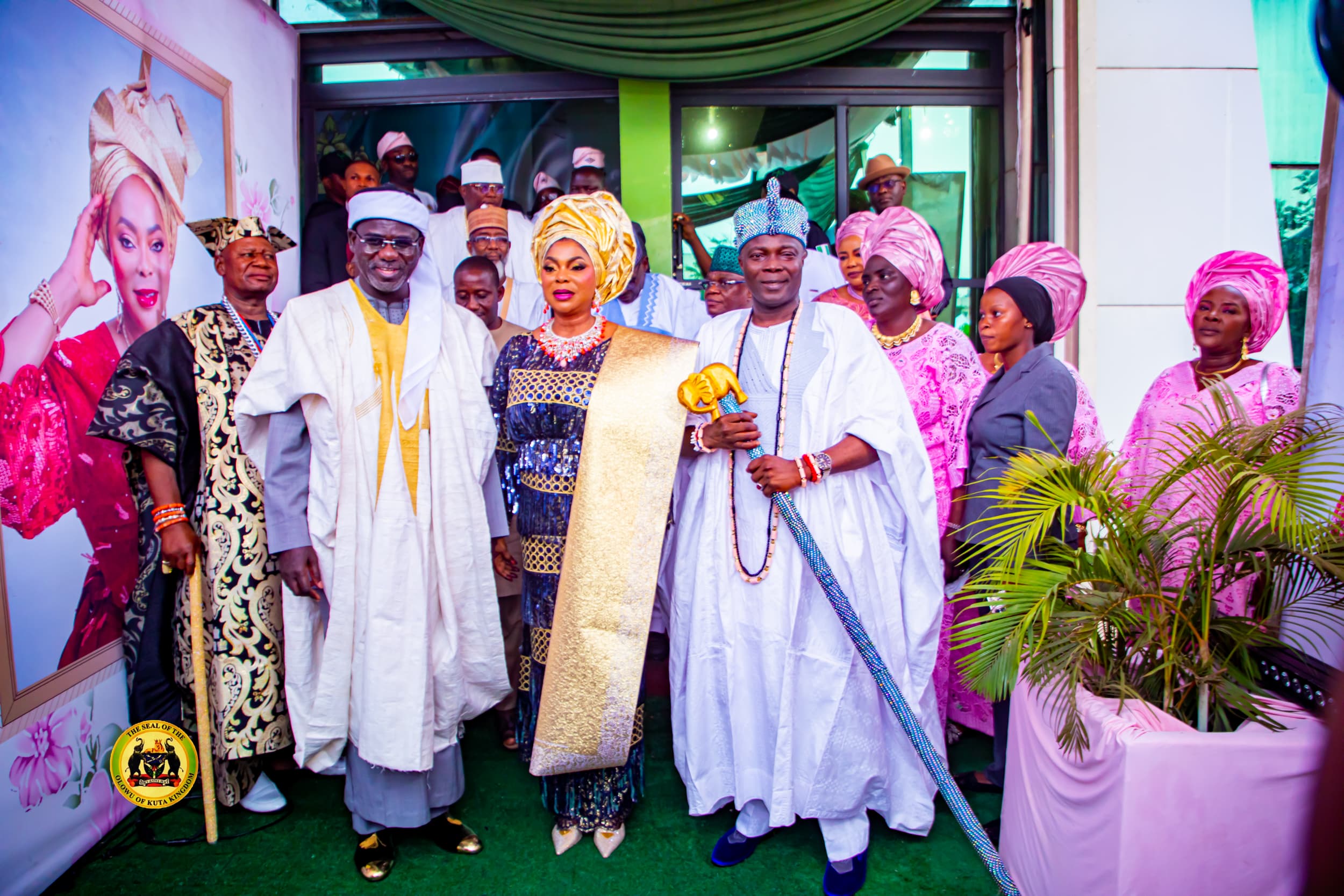
Buratai, Fagbemi , Shagaya, Olofa, Others Eulogise Olowu Kuta’s Olori On 60th Birthday, Foundation Launch
Eminent personalities across the Nigeria stormed the TFK Event Centre, Bala Mohammed Way, Guzape, Abuja, to celebrate the 60th birthday of Olowu Kuta’s Olori, Queen Jumai Amoke and her Foundation Launch on Saturday 28, March 2026.

From former Chief of Army Staff, Lt Gen TY Buratai rtd, to the Minister of Justice and Attorney-General of the Federation, Prince Lateef Fagbemi; Olofa of Offa, HRM Oba Mufutau Gbadamosi. Even top businesswoman and socialite, Chief (Mrs) Bola Shagaya, was in attendance.


Other dignitaries were newly promoted Deputy Inspector-General of Police and former AIG Zone 2 , Lagos , Adegoke Fayoade, Major General Abdumalik, Major General Samuel Adebayo rtd (Fmr CDI);
Major General Anthony Omozoje rtd (Fmr Copp);
Alhaji Tajudeen Owoyemi (Asiwaju of Offa and CEO Radisson Hotel Nigeria;
Dr Waheed Olagunju, former managing director of Bank of Industry, Oniba of Iba, Lagos State, HRM Oba Dr Suleiman Raji ;
Justice Falola, Olu of Ile-Ogbo , Oba Adetoyese amongst many traditional rulers and captains of industry too numerous to mention.
Speaking at the occasion, the Chief Host, Olowu of Kuta, HRM Oba Dr Adekunle Oyelude Makama, CON , Tegbosun iii, who is also the husband of the celebrant commended Queen Jumai for ‘ her slender arms full of kindness’ to establish such humanitarian Foundation, ‘Amoke Children and mother in Need Foundation’ at a time Nigerians are going through economic crisis occassioned by the global meltdown.
Olowu also commended her steadfastness and love for the less privileged and downtrodden.
The monarch refrenced the task before his wife’s humanitarian gesture said her best is yet to come.
” Olori Amoke Jumai, I celebrate you. You will celebrate 70, 80, 90 and continue to shine as you continue to put a smile on people’s faces. I love you, “Olowu Kuta added.
To Lt Gen Buratai, a former army chief and former Nigerian Ambassador to Benin Republic, the reward of hard work is more work.
Buratai, who also doubles as Balogun Agba of Owu Kuta, a chieftaincy title reserved for a generalismo congratulated Queen Jumai for attaining the age of 60 in good health.
The retired army General said he’s not surprised by the turn out of eminent personalities across the country to celebrate the Olowu Kuta’s Olori because she merited it through her hospitality to all, adding that Allah the most merciful, most beneficial would accept all her act of ibadah.
The minister of Justice, Prince Fagbemi, was full of praises for Queen Jumai for deeming it fit to have a place in her heart to accommodate the needy and less privileged in ‘our society.’
Prince Fagbemi urged the guests to contribute generously to support the Foundation in order to continue to alleviate poverty and put a smile on the faces of the people.
” I congratulate you on your 60th birthday and Foundation Launch. I wish you many happy returns of the day and many more fruitful services to the country and motherland”, Prince Fagbemi added.
The celebrant, Queen Jumai who was grining from ear to ear thankfully said she was excited by the turn out and the response of the people to her foundation.
Queen Jumai, however, promised to continue to use her resources and donations received for the good of the needy and less privileged in the society.
” I want to appreciate my own Kabiesi Olofa of Offa , for his presence and im I’m using him as a point of contact to all other Kabiesis present here, the minister of justice and Attorney-General, you’re welcome, sir; Mrs Bola Shagaya, I salute your enterprise, Lt Gen Buratai, I’m grateful, sir; DIG Fayoade, Justice Falola and other dignitaries too numerous to mention, I thank you, all. To my darling husband, Kabiesi Olowu , I thank you immensely for your support. And to my family and friends, I thank you , all. E se pupo!”, she said.
celebrity radar - gossips
Adron Homes Elevates Cultural Pride as Dignitaries Grace 39th Lisabi Festival in Abeokuta
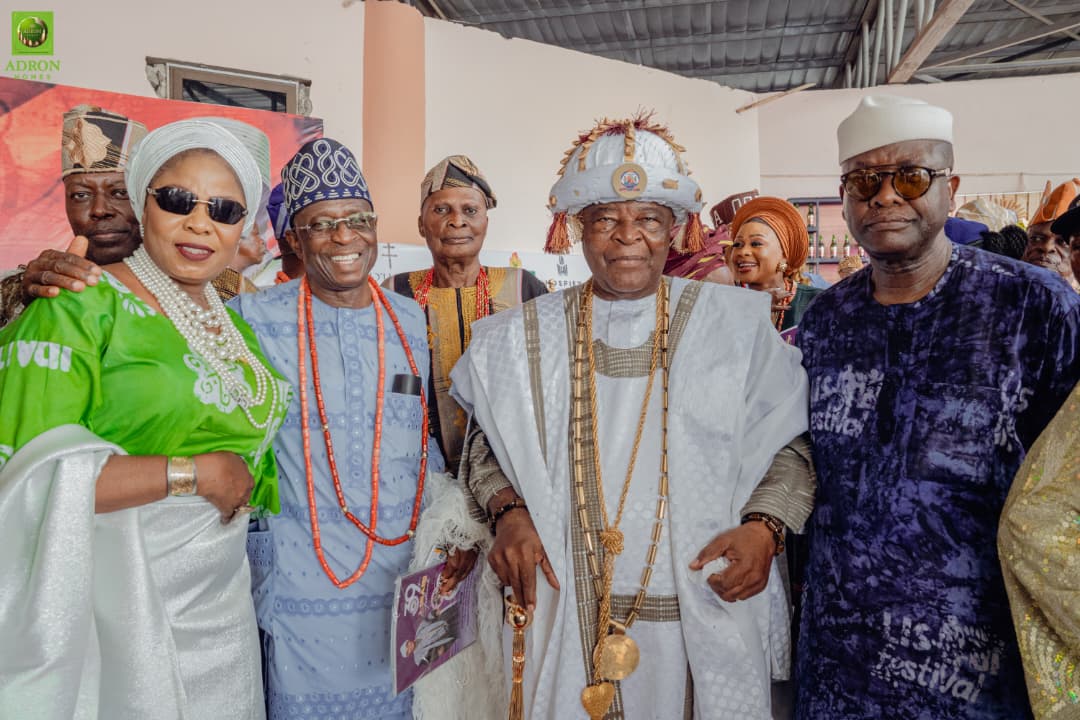
Adron Homes Elevates Cultural Pride as Dignitaries Grace 39th Lisabi Festival in Abeokuta
The ancient city of Abeokuta came alive in a grand display of culture, history, and unity as dignitaries from across Nigeria converged at the iconic Ake Palace Ground for the 39th edition of the Lisabi Festival, an annual celebration deeply rooted in the Egba people’s heritage.
The event, proudly supported by Adron Homes and Properties Limited, witnessed an impressive parade of distinguished personalities, traditional rulers, government officials, business leaders, and cultural enthusiasts, all captured in vibrant pictures that tell the story of a people united by history and pride.
From richly adorned monarchs in regal attire to elegantly dressed guests reflecting the depth of Yoruba tradition, the images from the festival encapsulate moments of honour, reverence, and celebration. Each photograph portrays not just faces, but influence, leaders, and stakeholders who continue to shape cultural preservation and community development.
At the heart of the celebration was the revered Oba Adedotun Aremu Gbadebo, whose presence underscored the festival’s significance as a symbol of Egba resilience and identity. Surrounding him were eminent dignitaries whose attendance further amplified the prestige of the event.
Adron Homes and Properties Limited stood out prominently, not only as a sponsor but as a key driver of cultural sustainability. Through its strategic support, the company reinforced its commitment to preserving indigenous heritage while fostering community engagement. The brand’s visibility across the venue and within the pictorial highlights reflects a deliberate alignment with culture, tradition, and people-centered development.
Beyond real estate, Adron Homes has continued to position itself as a cultural partner, investing in platforms that celebrate history and strengthen communal bonds. Its involvement in the Lisabi Festival is a testament to its broader vision of building not just homes, but legacies rooted in identity and pride.
The 39th Lisabi Festival, as captured through the lens of dignitaries in attendance, is more than an event, it is a narrative of continuity. And through its unwavering support, Adron Homes has once again set the pace, demonstrating that corporate institutions can play a vital role in sustaining the cultural heartbeat of a people.
As the echoes of drums fade and the colours of the festival linger in memory, one thing remains clear: the story told through these images is one of unity, heritage, and the enduring partnership between tradition and progress.


celebrity radar - gossips
Obasa Felicitates President Tinubu @ 74, says Renewed Hope Agenda is steering Nigeria toward stability and prosperity
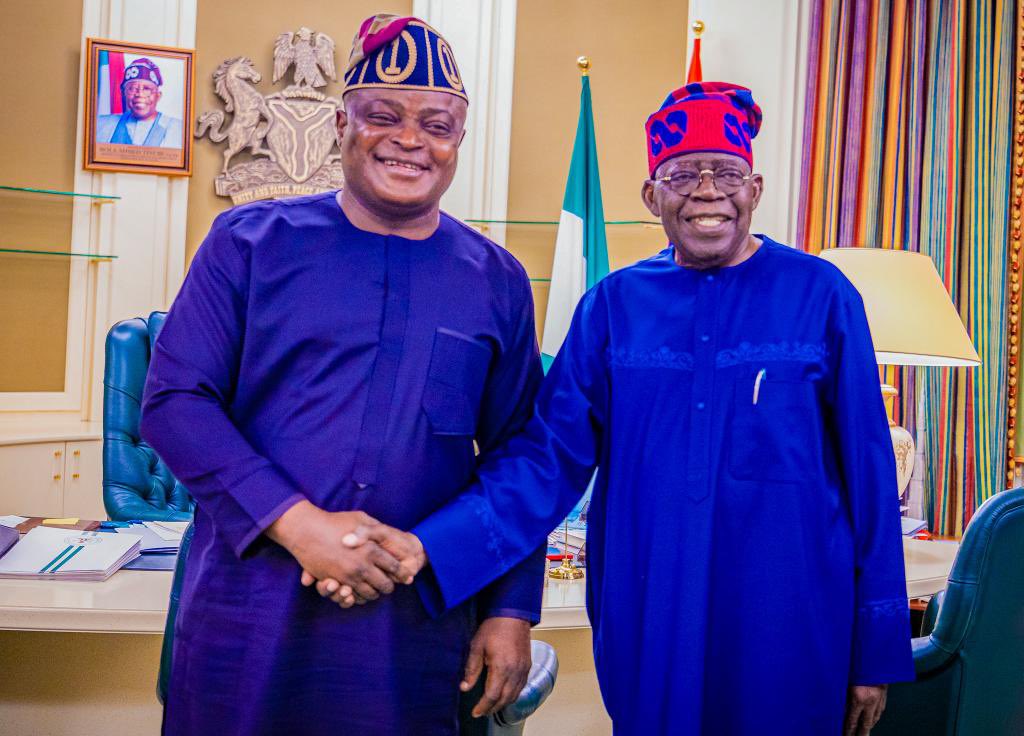
Obasa Felicitates President Tinubu @ 74, says Renewed Hope Agenda is steering Nigeria toward stability and prosperity
The Speaker of the Lagos State House of Assembly, Rt. Hon. (Dr.) Mudashiru Obasa has congratulated President Bola Ahmed Tinubu on his 74th birthday, commending him for fulfilling his Renewed Hope Agenda promises to Nigerians.
Speaker Obasa’s birthday message is contained in a statement signed by Adeshina Oyetayo, his Special Adviser on Research, Media, and Documentation.
Speaker Obasa described the President as a purposeful and pragmatic leader whose commitment to enthroning a peaceful and prosperous Nigeria should be appreciated by all
“Mr. President, today should be a national day of celebration honouring your selfless and visionary leadership.
“I commend your courage and conviction to initiate and implement necessary economic reforms that have pulled Nigeria out of the doldrums, stabilized the nation, and set it on the path of prosperity.”
Speaker Obasa said that those otherwise painful reforms are now being hailed as ingenious and effective worldwide, citing a January 2026 article in the influential The Economist magazine titled “Nigeria’s economy may be back from the brink.”
The article acknowledged that President Tinubu’s reforms are beginning to yield bountiful returns as evidenced in the easing of headline inflation for the 11th consecutive month, unification of the foreign exchange market, and foreign reserves rising to $46billion.
Notably, the article also referenced the International Monetary Fund (IMF)’s upgraded 4.4% GDP growth forecast for 2026 despite global headwinds, while stating unequivocally that Nigeria’s golden years will return under President Tinubu.
Speaker Obasa said that this submission by an international journal signifies that Nigeria is in safe hands under President Tinubu. He, therefore, urged Nigerians to rally round him and support his re-election bid, promising that the gains of the Renewed Hope agenda will reach every household.
“Our prayer is that the Almighty will grant our dear President long life in robust health and the strength and wisdom to help him achieve the Nigeria of our collective dreams,” Speaker Obasa concluded.


-

 society6 months ago
Religion: Africa’s Oldest Weapon of Enslavement and the Forgotten Truth
-

 news4 months ago
WHO REALLY OWNS MONIEPOINT? The $290 Million Deal That Sold Nigeria’s Top Fintech to Foreign Interests
-

 society6 months ago
“You Are Never Without Help” – Pastor Gebhardt Berndt Inspires Hope Through Empower Church (Video)
-

 celebrity radar - gossips2 months ago
Dr. Chris Okafor Returns with Power and Fire of the Spirit -Mounts Grace Nation Altar with Fresh Anointing and Restoration Grace on February 1, 2026