
celebrity radar - gossips
Buratai Calls for Strengthened Peace-Time Interoperability Among African Land Forces

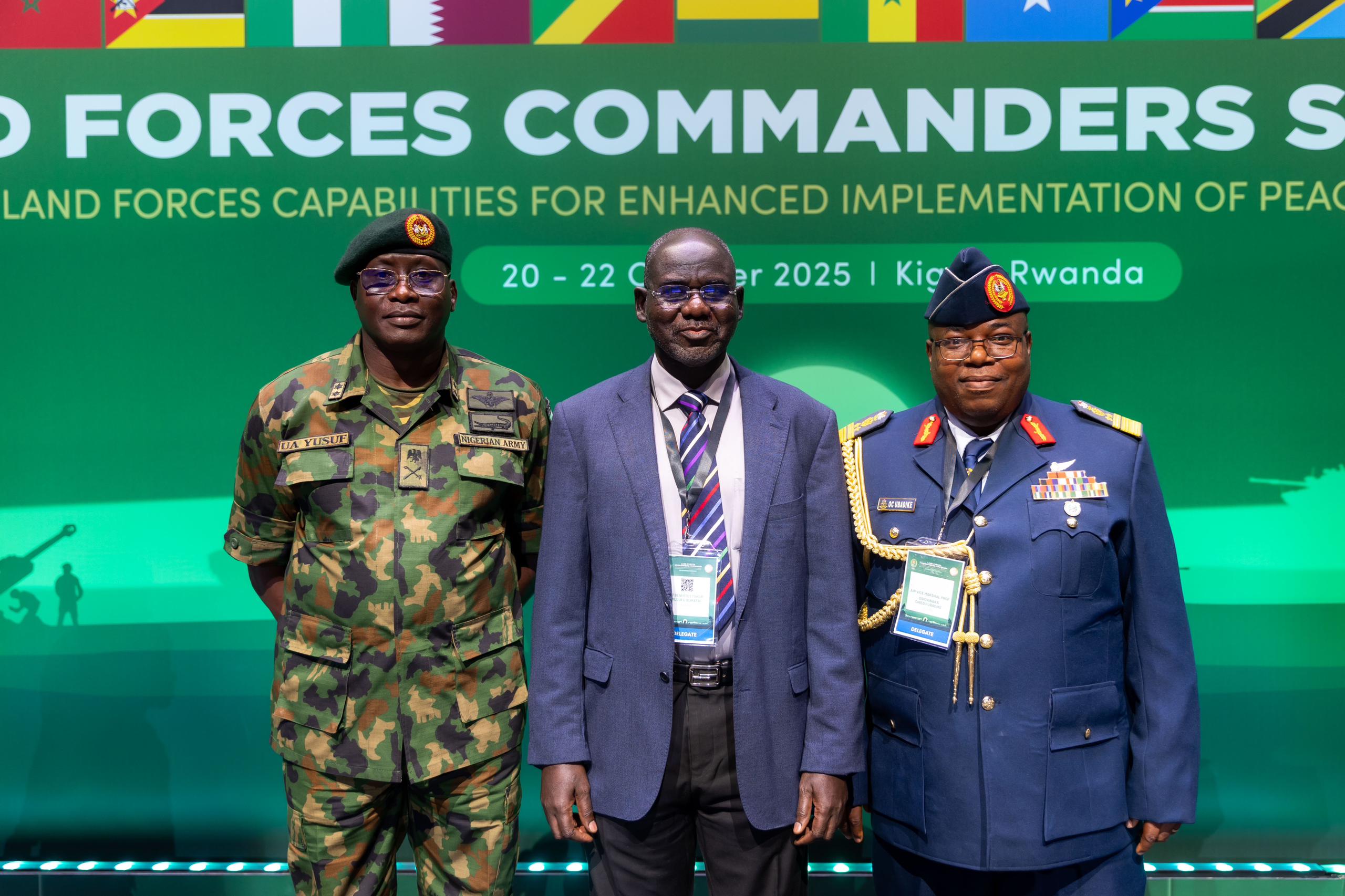
Buratai Calls for Strengthened Peace-Time Interoperability Among African Land Forces
Kigali, Rwanda — October 22, 2025
Former Nigerian Chief of Army Staff and ex-ambassador to the Republic of Benin, Lt. Gen. Tukur Yusuf Buratai (rtd) has called on African military leaders to strengthen interoperability and communication systems during peace time, emphasizing that effective collaboration should not begin only when conflicts erupt.

Buratai made this call while speaking during a panel session at the Land Forces Commanders Symposium (LFCS) 2025, held in Kigali, Rwanda, from October 20 to 22, 2025. The annual forum brought together senior army chiefs, defence officials, and strategic thinkers from across Africa and beyond to discuss the theme:

“Leveraging Land Forces Capabilities for Enhanced Implementation of Peace and Security Strategies.”

Hosted by the Rwanda Defence Force (RDF), the symposium deliberated on contemporary defence and security issues affecting Africa’s military. One of the sub-themes discussed by Gen Buratai is ‘Enhancing Interoperability among Land Forces in Africa and beyond,’ which explored the technical, procedural, and human dimensions necessary for joint military effectiveness.
Buratai’s Practical Reflections on Africa’s Security Cooperation

In his remarks, Buratai expressed appreciation to the Rwanda Defence Force for the invitation, recalling his last visit to Kigali in 2017 as Nigeria’s Chief of Army Staff. Reflecting on his experiences, he stressed that Africa’s defence forces must establish mechanisms for rapid, reliable communication and coordination during peace, not only in crisis situations.
“We don’t have to wait until operations begin before we start communicating efficiently,” he noted. “There must be a deliberate effort to create seamless, continent-wide communication frameworks among our armies.”
Citing his experience as Commander of the Multinational Joint Task Force (MNJTF)—which comprises troops from Nigeria, Chad, Niger, Cameroon, and Benin Republic—Buratai highlighted that “Incompatibility of communication systems, disparities in training and doctrine, and non-standardized equipment often limit our collective effectiveness,” he said.
“We must harmonize training, doctrines, and communication standards under the auspices of the African Union and regional blocs like ECOWAS and SADC.”

Lessons from Past Peacekeeping Operations
Drawing on Nigeria’s experience in ECOMOG operations in Liberia and Sierra Leone, Buratai warned that fragmented logistics, communication gaps, and differing rules of engagement among allied forces create friction that undermines mission success.
He also referred to challenges faced in AMISOM and AU missions in Sudan, noting recurring issues in logistics coordination, medical evacuation, and unified command structures.
“The lesson is clear — interoperability must begin from peace time,” he stressed. “Once it is tested and institutionalized in peace, it transitions smoothly into operations.”
Strategic Vision for Africa’s Defence Collaboration
Buratai’s intervention aligned with earlier remarks by President Paul Kagame, who urged African leaders to “challenge assumptions” and develop a new culture of collaboration that transcends borders and bureaucratic barriers. Kagame emphasized that Africa’s security challenges demand shared responsibility and professional cooperation among armed forces.
Pne of the symposium’s moderators, Brig. Gen. Patrick Kuretwa, Director General of International Military Cooperation at Rwanda’s Ministry of Defence, described interoperability as the ability of allied militaries to act together coherently, efficiently, and effectively to achieve tactical and strategic objectives.
“This symposium is timely and very necessary,” Buratai said. “It challenges us to think strategically and act collectively to enhance peace and stability on our continent.”
About the Land Forces Commanders Symposium
The Land Forces Commanders Symposium (LFCS) is a continental platform that brings together African army chiefs and senior officers to discuss shared security priorities, exchange operational experiences, and develop coordinated frameworks for peace support and defense cooperation.
The 2025 edition, held in Kigali, featured high-level participation from East, West, Central, and Southern African militaries, as well as international partners. Discussions focused on Rethinking Land Operations in the Era of Drone Warfare, Promoting Bilateralism as a Complementary Option to Multilateralism to Achieve Peace and Security, among others is not only timely; but it is a must for African Land Forces and African-led security solutions in response to evolving continental securitychallenges.






PROPHET KINGSLEY AITAFO MARKS BIRTHDAY WITH MESSAGE OF FAITH, SERVICE
LAGOS, NIGERIA — Renowned cleric, Prophet Kingsley Aitafo, is being celebrated today by followers, associates, and members of the Christian community as he marks his birthday, with tributes pouring in to honor his spiritual impact and years of dedicated service.
The birthday of the respected prophet has become more than a personal milestone, as admirers describe it as a moment to reflect on a life devoted to faith, leadership, and humanitarian outreach.
Known for his passionate teachings and prophetic ministry, Aitafo has built a reputation as a voice of hope to many within and beyond Nigeria.
Close associates say the cleric’s journey has been defined by unwavering commitment to spiritual growth and the upliftment of lives. Through his ministry, he has continued to emphasize prayer, discipline, and a deep connection with God as pathways to personal transformation.
In commemoration of the occasion, special prayers and goodwill messages have been organized by followers across different platforms, many of whom credit his teachings for inspiring positive change in their lives.
“His life is a testimony of grace and dedication,” one associate noted. “He has remained steadfast in his calling, impacting countless lives with messages of faith and encouragement.”
Observers also highlight his role in mentoring young believers and providing spiritual guidance in challenging times, describing him as a leader whose influence extends beyond the pulpit.
As he celebrates another year, well-wishers have continued to pray for greater strength, wisdom, and expansion of his ministry, expressing confidence that his influence will continue to grow in the years ahead.
Today’s celebration stands not only as a birthday tribute, but as a recognition of a life many say has been committed to service, faith, and the advancement of the gospel.
celebrity radar - gossips
BURATAI HAILED AS ‘FRONTLINE GENERAL’ AS PRAISE TRAILS MILITARY, DIPLOMATIC SERVICE
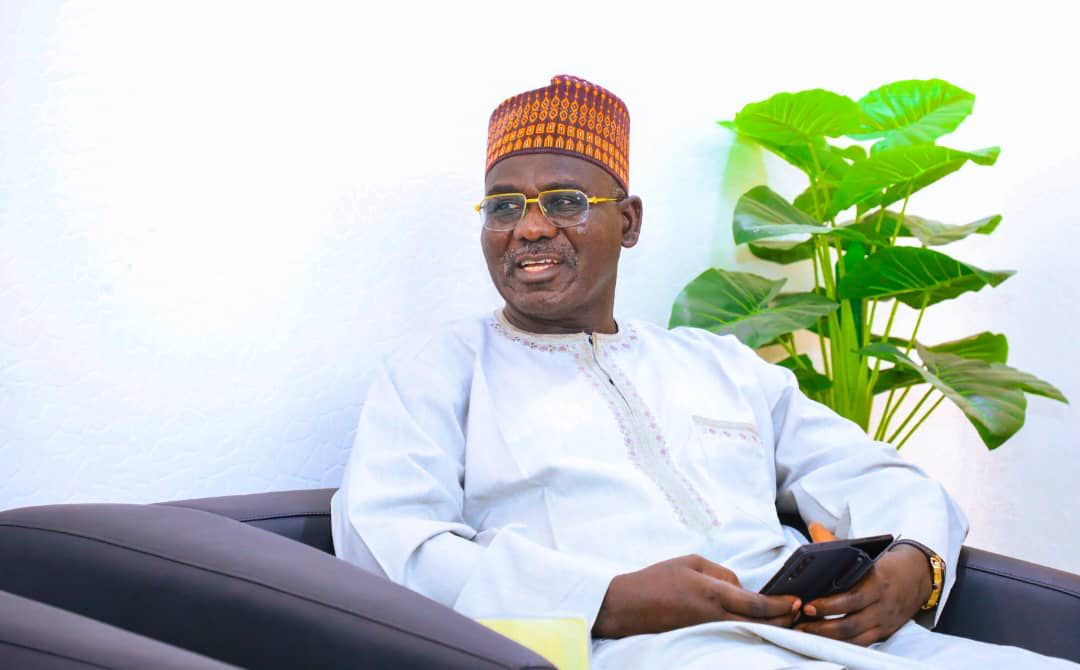
BURATAI HAILED AS ‘FRONTLINE GENERAL’ AS PRAISE TRAILS MILITARY, DIPLOMATIC SERVICE
ABUJA — Former Chief of Army Staff, Tukur Buratai (Rtd), has been described as a “frontline general” whose leadership redefined military command during Nigeria’s prolonged battle against insurgency.
The commendation, contained in a statement by KPUGHUR Sunday Christopher, highlighted Buratai’s direct involvement in combat theatres, noting that his decision to lead from the front distinguished him from many of his contemporaries.
According to the statement, the retired army chief’s presence in conflict zones at critical moments of the war effort underscored his commitment to national security and territorial integrity.
“He was not a distant commander. He was present where it mattered most,” the statement said.
The tribute also emphasized Buratai’s reputation as a detribalized leader, stressing his consistent advocacy for unity and peaceful coexistence across Nigeria’s diverse population.
Observers note that his tenure coincided with some of the country’s most challenging security periods, during which the military recorded significant operational strides against insurgent groups.
Beyond his military career, Buratai’s subsequent diplomatic engagement was also cited as evidence of his versatility in national service.
The statement concluded that his continued involvement in national discourse after retirement reflects a sustained commitment to Nigeria’s progress, describing him as “a statesman whose service transcends uniform.”
celebrity radar - gossips
Prophet Kingsley Aitafo to Mark Birthday with Global Prayer Session, Honours Spiritual Fathers

Prophet Kingsley Aitafo to Mark Birthday with Global Prayer Session, Honours Spiritual Fathers
Renowned cleric, Prophet Kingsley Aitafo, is set to mark his birthday on March 23 with a global prayer session, offering what he described as a “spiritual gift” to followers across the world.
In a departure from conventional birthday celebrations, the prophet announced a Special Live Prayer Session scheduled to hold from 10:00 a.m. to 11:00 a.m. (Nigeria time). The one-hour intercession is expected to draw participants from various countries, focusing on thanksgiving and collective prayers.

According to him, the initiative is aimed at fostering spiritual reflection and unity among believers, rather than personal festivities.
Ahead of the event, Prophet Aitafo paid tribute to his spiritual mentors, acknowledging the profound influence of Prophet and Founder of Celestial church of Christ, Prophet Samuel Bilehou Joseph Oshoffa and Bishop David Olaniyi Oyedepo on his ministerial journey.
He noted that the legacies and “exploits in ministry” of the revered clerics have continually inspired him to pursue greater depth, purpose, and impact in his calling.
The upcoming prayer session is expected to be streamed live across his ministry’s platforms, with followers encouraged to join in the global moment of intercession.


-

 society6 months ago
Religion: Africa’s Oldest Weapon of Enslavement and the Forgotten Truth
-

 news3 months ago
WHO REALLY OWNS MONIEPOINT? The $290 Million Deal That Sold Nigeria’s Top Fintech to Foreign Interests
-

 society6 months ago
“You Are Never Without Help” – Pastor Gebhardt Berndt Inspires Hope Through Empower Church (Video)
-

 celebrity radar - gossips2 months ago
Dr. Chris Okafor Returns with Power and Fire of the Spirit -Mounts Grace Nation Altar with Fresh Anointing and Restoration Grace on February 1, 2026