
celebrity radar - gossips
Celebrating a Distinguished Patriot and Statesman: General Olu Bajowa @84

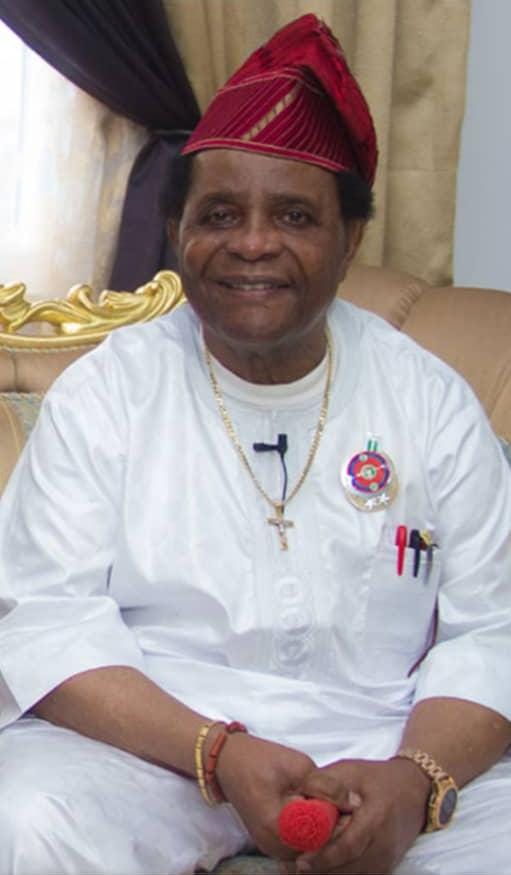
Celebrating a Distinguished Patriot and Statesman: General Olu Bajowa @84
Today, we gather in spirit and gratitude to celebrate a man whose life epitomizes selfless service, courage, and unwavering dedication to the progress of our nation, Nigeria. At 84, General Olu Bajowa, OFR, CFR stands as a towering symbol of patriotism, leadership, and philanthropy.
General Bajowa’s influence transcends the military. He has consistently provided wise counsel and leadership in public service, contributing meaningfully to national development. His voice remains a beacon of reason and vision, advocating for policies that uplift the Nigerian people and preserve the nation’s unity.
Born to Lubokun Royal family, at Igbotako Osooro in Okitipupa Local Government Area of Ondo State, on 27th December 1940. Prince (Rtd) Major General (Dr) Sir Joseph Oluyemi Bajowa attended Anglican Elementary School, Igbotako, Manuwa Memorial Grammar School Iju-Odo, Okitipupa, Gboluji Anglican Grammar School, Ile-Oluji, Ondo. He finished his Secondary Education at Gboluji in 1959, and later attended Federal School of Science, Lagos 1960, for his “A” Levels. He worked as a civil Servant in the then Federal Ministry of Lands and Survey in Lagos and later as a 3rd Class Clerk in the Houses of Parliament, Lagos.
Professionally, General Olu Bajowa joined the Nigerian Army as a Cadet in training at the then Military College, now Nigerian Defence Academy Kaduna in September, 1960 and was commissioned as a 2nd Lieutenant at Mons Officer Cadet School, Aldershot, England in 1961. He was later attached to the British Army in the Rhine, Western Germany during the “Cold War”, after which he was posted to 4th Infantry Battalion of the Nigerian Army Ibadan in 1962 to start his Military Career.
He took part in the United Nations Peace keeping Operations in the Congo and the Nigerian Civil War. He climbed through the rungs of the Officer Corps to the rank of Major General and retired meritoriously from the Nigerian Army in 1980 at the age of 40 years.
Amongst the appointments held while in Military Service were Platoon Commander, Military Transport Officer, General Staff Officer Grade 111 and General Officer Grade 11 both at Army Headquarters, Ministry of Defence, Lagos, Company Commander, Brigade Major, Battalion Commander, General Staff Officer Grade 1 at 3rd Infantry Division Headquarters, Brigade Commander, Acting General Officer Commanding 3 Infantry Division of the Nigerian Army, Adjutant General of the Nigerian army, and Quarter-Master-General of the Nigerian Army both at Ministry of Defence, Lagos. He was also Commandant of the Armed Forces Command and Staff College. Jaji-Kaduna, (1978-1979).
Significantly, He was on active service in Western Germany with the British Army in 1961, during the “Cold War”. He served two tours in the United Nations Operation in Congo with 4 BN NA in 1962, at Kinshasha, and in 1963 at Leopoville (now Zaire) with 1st BN NA. He took active part in the Nigerian civil War. Infact he was the one as the Commanding Officer 11 BN NA at Iwo road Ibadan, Olusegun Obasanjo ordered to move his Battalion on 9th August 1976 from Ibadan to defend the Western Region Boarder at Ofusu/Owena River bridge, to prevent the incursion of the 101st Division of the Biafran Army during its advance to capture Ibadan and Lagos and occupy Western Region, after the fall of Benin City and Mid-Western Region, in a Biafran Army lighting operation of 101st Division of the Biafran Army. He held the Ofusu/Owena Bridge and fought in the legendry Ore Battle (“Ija Ore, Oleku”). He miraculously survived four (4) coups while in military service and three (3) coups after his recall from retirement, to serve the nation in different capacities, during the Military Interregnum.
On the Military-Political Front, he was a Military Member of the Executive Council of the then Western State of Nigeria, Military Member of the Executive Council and Acting Military Governor of the Southeastern State (now Cross River and Akwa Ibom States); and also Acting Military Governor of Rivers State (now Rivers and Bayelsa States).
After retirement from the Nigerian Army, he went into business, politics and later into academics. He enrolled into the University of Lagos in 1983, where he obtained Bachelor of Science Degree in Business Administration with Second Class Honours, Upper Division, (2.1) in 1988. He was awarded Doctor of Theology by the Theological Seminary, Durban, South Africa, in London, 2005, in affiliation with Trinity University and College, Delaware, USA and he has currently enrolled for Bachelor of Law Degree, University of London, England.
He was a Member of the Governing Council of Ondo State University (1981/1982) and in 1983 he was
appointed Chairman Rubber Research Institute of Nigeria. He was also appointed Managing Director and Chief Executive of Nigeria Airways Limited in January 1988. Sole Administrator of Nigeria Airways Limited in October same year and Managing Director and Member of the Presidential Task Force of Nigeria Airways Limited (1988-1989). He was later appointed as Special Assistant in the Presidency and Co-ordinator Movement of Seat of Government and Federal Ministries from Lagos to Abuja. He was appointed the Director-General/Permanent Secretary, Deputy Minister Ministry of Defence in 1990-1993 and Permanent Secretary, Federal ministry of Industry in 1993-1997, Permanent Secretary Federal Ministry of Science and Technology from 1997-1999, and Chairman of all related Companies and Parastatals of the Ministries.
His decorations include Medals of the United Nations Peace Keeping Operations in the Congo, The Nigerian civil war. Forces Meritorious Service Star (FSS) in 1983, and Officer of the Order of the Federal Republic of Nigeria (OFR), in recognition of his Military Service (1960 -1980), and gazette in 1998 for the honour of Commander of the Federal Republic of Nigeria (CFR), in recognition of his Federal Civil Service (1988 – 1999). He is a Distinguished Fellow of the Institute of Security Nigeria (dfisn).
In recognition of General Olu Bajowa’s contribution to the security and development of Ikale-Land, his people honoured him with the Chieftaincy titles of Jagunmolu of Ikale-Land and Ojagbulegun from The Source (Ayeka Kingdom), and Ajagungbade of Idepe-Okitipupa, Ondo State of Nigeria. He was a Member of the Board of Governors of International Foundation for Science (IFS) in Stockholm, Sweden, and also Genetic Engineering and Biotechnology (ICGEB) in Trieste, Italy, (1997-1999). He creditably concluded his tenure as the Chairman of Programmes and Budget Committee (PBC) of the United Nations Industrial Development Organisation (UNIDO) in Vienna, Austria, a post he held for one year (1997/1998).
He is a sports enthusiast, philanthropist and happily married with children. He is an author and had to his credits four (4) books, namely: Spring of a Life, Ikale, Soldier by Choice and Egbaiyelo (Legacy of a legend).
General Bajowa’s commitment to preserving Yoruba culture and heritage is equally commendable. As a proud custodian of tradition, he has tirelessly championed initiatives to celebrate and protect the rich cultural tapestry of his people.
As he celebrates this remarkable milestone, we reflect on a life well-lived—a life devoted to God, country, and humanity. At 84, General Olu Bajowa remains an icon of hope and inspiration, a symbol of resilience, and a beacon of wisdom.
On behalf of friends, family, and admirers across the globe, we wish General Olu Bajowa a happy 84th birthday. May your days be filled with continued joy, good health, and fulfillment. Your legacy shines brightly, and we are forever grateful for your immeasurable contributions to our nation and beyond.
DARE ADELEKAN




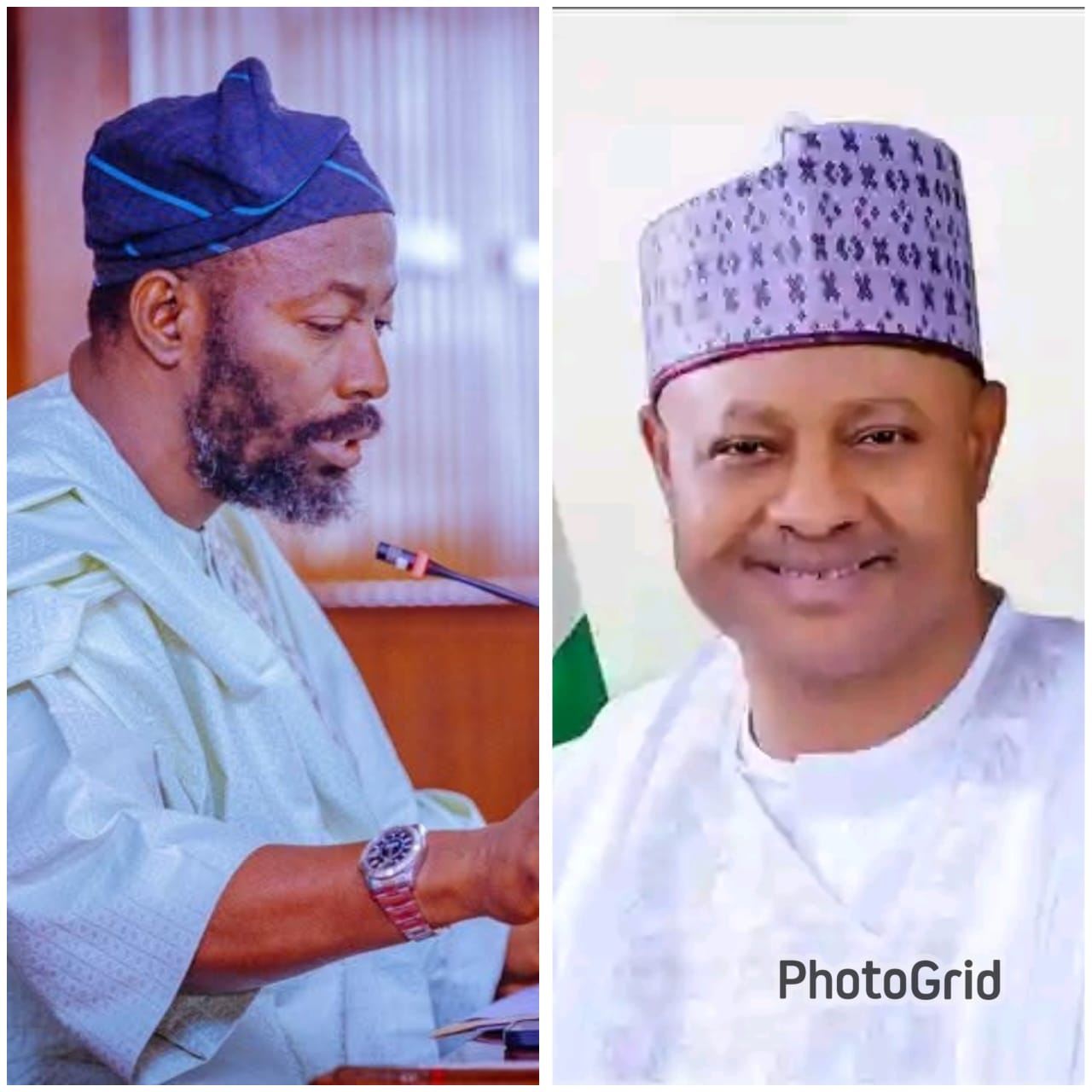
“Political Titan Zailani: The Driving Force Behind Kaduna’s Victory”
In the dynamic and often tumultuous landscape of Nigerian politics, the influence of steadfast leaders is a crucial determinant of electoral success. One prominent figure whose unwavering support and strategic foresight have consistently shaped the political narrative in Kaduna State is Rt. Hon. Yusuf Ibrahim Zailani of Igabi Local Government Area.
This insight emerged from a recent press conference organized by the Zailani Absolute Care Foundation, articulated by Comrade Tasiu Musa, Chairman of the Foundation, and supported by the signature of Ibrahim Dahiru Danfulani Sadaukin Garkuwan Keffi/Betara Biu.
Zailani’s political journey, marked by steadfast loyalty to the progressive bloc, has been a significant factor in the political discourse since the days of the All Nigeria Peoples Party (ANPP), through the Congress for Progressive Change (CPC), and continuing into the ruling All Progressives Congress (APC). His consistent support during a politically charged period from 2007 to 2015, dominated at times by the rival Peoples Democratic Party (PDP), showcased his resilience and deep connection with constituents, cementing his position as a political stalwart.
The latest escalation of Zailani’s impactful legacy culminated in his crucial role during the recent gubernatorial election in 2023. Political analysts underscore the instrumental position of Igabi Local Government Area in this transition, where the groundwork for His Excellency, Senator Uba Sani, played out with remarkable intensity.
Governor Sani’s visionary leadership indeed inspired the electorate, but translating this enthusiasm into votes required an exceptional grassroots mobilization effort. Zailani, alongside dedicated allies such as Hon. Muhammad Abubakar Mamadi and Hon. Salisu D. Bala, exemplified a masterclass in political engagement. They left no stone unturned, actively connecting with constituents to ensure their voices were heard at the polls. This approach starkly contrasted with actions of other political figures Hon. Hussaini Jalo, Hon. Bashir Idris Aliyu Zangon Aya, and Hon. Bello Maaji who were reportedly involved in attempts to undermine the APC’s quest for victory.
Following the elections, the differentiation between consistent performers and less committed party members became evident. Figures like Hajiya Rabi Salisu and Hon. Aliyu Saidu faced scrutiny regarding their tangible contributions to the electoral triumph, prompting inquiries about their electoral participation and loyalty to the party’s objectives.
Moreover, recent events have raised alarms regarding discipline and loyalty within party ranks. A recent incorrect recommendation for party executives, revealing that approximately 30 percent of nominees were not registered party members, has been met with widespread condemnation as a serious breach of party integrity.
As Kaduna State strides forward under Governor Uba Sani’s dynamic leadership, the lessons learned from Igabi are unmistakable: enduring political success is built on a foundation of loyal, competent, and strategically astute support. The narrative of Kaduna’s political history is incomplete without acknowledging the formidable influence and unwavering commitment of Rt. Hon. Yusuf Ibrahim Zailani, who has consistently transformed his constituency into a stronghold of progressive victory.
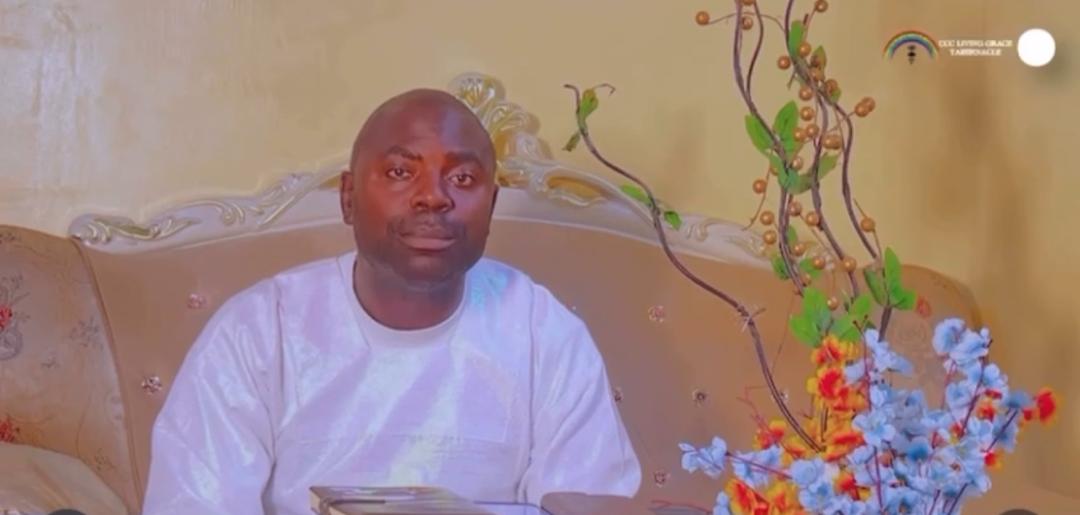
PROPHET KINGSLEY AITAFO MARKS BIRTHDAY WITH MESSAGE OF FAITH, SERVICE
LAGOS, NIGERIA — Renowned cleric, Prophet Kingsley Aitafo, is being celebrated today by followers, associates, and members of the Christian community as he marks his birthday, with tributes pouring in to honor his spiritual impact and years of dedicated service.
The birthday of the respected prophet has become more than a personal milestone, as admirers describe it as a moment to reflect on a life devoted to faith, leadership, and humanitarian outreach.
Known for his passionate teachings and prophetic ministry, Aitafo has built a reputation as a voice of hope to many within and beyond Nigeria.
Close associates say the cleric’s journey has been defined by unwavering commitment to spiritual growth and the upliftment of lives. Through his ministry, he has continued to emphasize prayer, discipline, and a deep connection with God as pathways to personal transformation.
In commemoration of the occasion, special prayers and goodwill messages have been organized by followers across different platforms, many of whom credit his teachings for inspiring positive change in their lives.
“His life is a testimony of grace and dedication,” one associate noted. “He has remained steadfast in his calling, impacting countless lives with messages of faith and encouragement.”
Observers also highlight his role in mentoring young believers and providing spiritual guidance in challenging times, describing him as a leader whose influence extends beyond the pulpit.
As he celebrates another year, well-wishers have continued to pray for greater strength, wisdom, and expansion of his ministry, expressing confidence that his influence will continue to grow in the years ahead.
Today’s celebration stands not only as a birthday tribute, but as a recognition of a life many say has been committed to service, faith, and the advancement of the gospel.
celebrity radar - gossips
BURATAI HAILED AS ‘FRONTLINE GENERAL’ AS PRAISE TRAILS MILITARY, DIPLOMATIC SERVICE
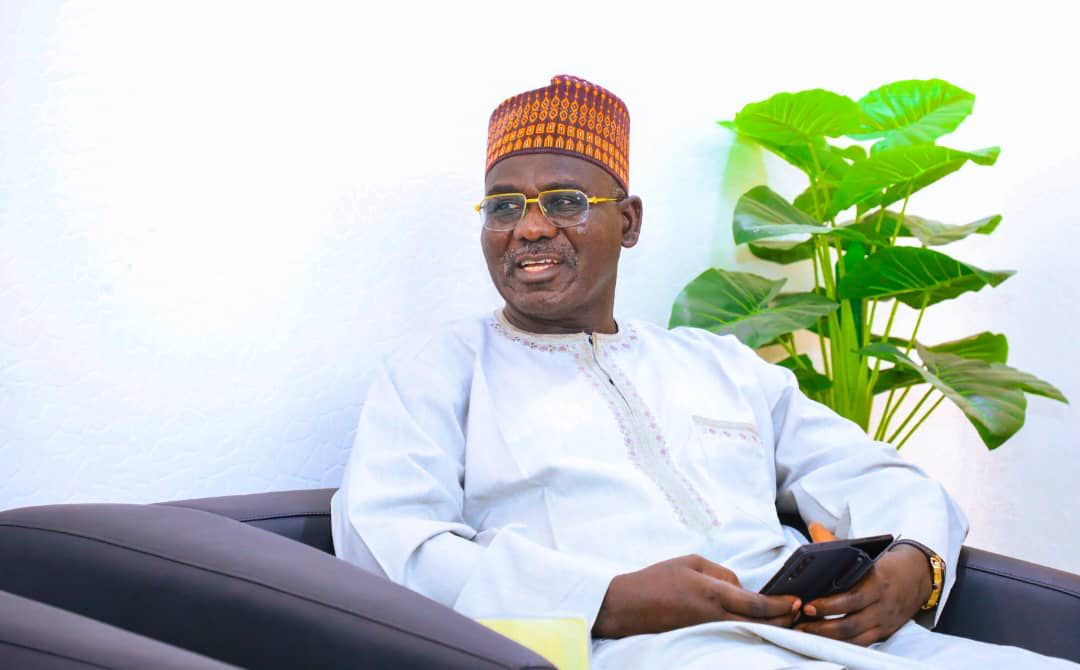
BURATAI HAILED AS ‘FRONTLINE GENERAL’ AS PRAISE TRAILS MILITARY, DIPLOMATIC SERVICE
ABUJA — Former Chief of Army Staff, Tukur Buratai (Rtd), has been described as a “frontline general” whose leadership redefined military command during Nigeria’s prolonged battle against insurgency.
The commendation, contained in a statement by KPUGHUR Sunday Christopher, highlighted Buratai’s direct involvement in combat theatres, noting that his decision to lead from the front distinguished him from many of his contemporaries.
According to the statement, the retired army chief’s presence in conflict zones at critical moments of the war effort underscored his commitment to national security and territorial integrity.
“He was not a distant commander. He was present where it mattered most,” the statement said.
The tribute also emphasized Buratai’s reputation as a detribalized leader, stressing his consistent advocacy for unity and peaceful coexistence across Nigeria’s diverse population.
Observers note that his tenure coincided with some of the country’s most challenging security periods, during which the military recorded significant operational strides against insurgent groups.
Beyond his military career, Buratai’s subsequent diplomatic engagement was also cited as evidence of his versatility in national service.
The statement concluded that his continued involvement in national discourse after retirement reflects a sustained commitment to Nigeria’s progress, describing him as “a statesman whose service transcends uniform.”


-

 society6 months ago
Religion: Africa’s Oldest Weapon of Enslavement and the Forgotten Truth
-

 news3 months ago
WHO REALLY OWNS MONIEPOINT? The $290 Million Deal That Sold Nigeria’s Top Fintech to Foreign Interests
-

 society6 months ago
“You Are Never Without Help” – Pastor Gebhardt Berndt Inspires Hope Through Empower Church (Video)
-

 celebrity radar - gossips2 months ago
Dr. Chris Okafor Returns with Power and Fire of the Spirit -Mounts Grace Nation Altar with Fresh Anointing and Restoration Grace on February 1, 2026