
society
CELEBRATING THE NIGERIAN ARMY @ 162: A SYMBOL OF SACRIFICE, RESILIENCE AND NATIONAL UNITY

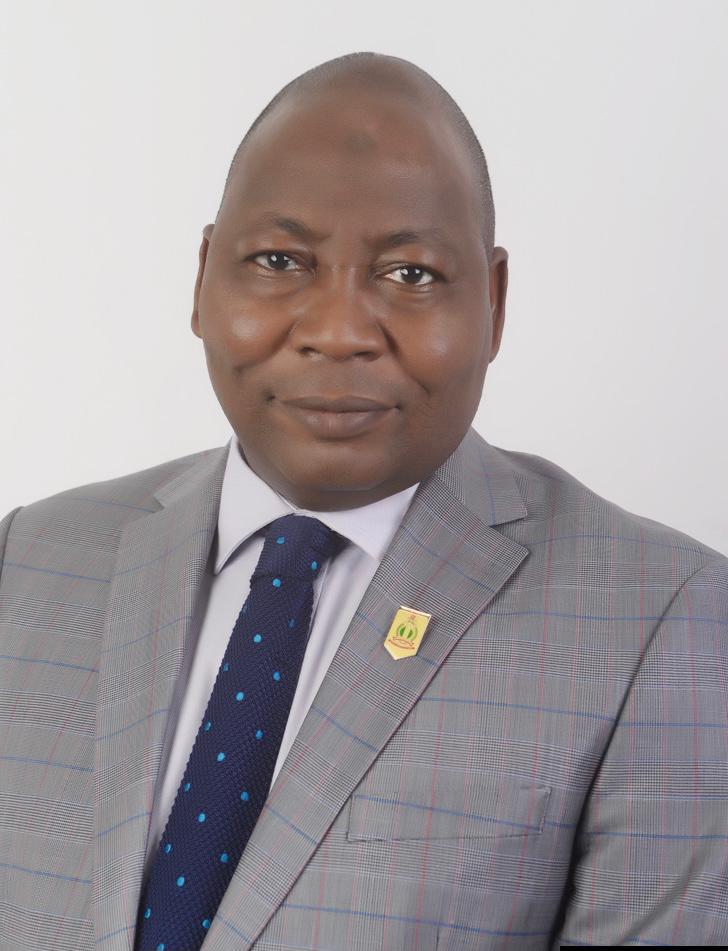
CELEBRATING THE NIGERIAN ARMY @ 162: A SYMBOL OF SACRIFICE, RESILIENCE AND NATIONAL UNITY
By Brigadier General SK Usman (rtd) mni fnipr fspsp
Every July, the Nigerian Army marks another milestone in its remarkable history. This year, as we commemorate Nigerian Army Day Celebration (NADCEL) 2025, we celebrate an institution that has stood as a pillar of national unity, courage and nationhood for 162 years. The Nigerian Army Day Celebration, first held in 1978, is observed annually to commemorate the establishment of the Nigerian Army and marks the day the first shot was fired at Garkem Town, present-day Cross River State, signifying the commencement of Nigeria’s Civil War. This celebration also provides an opportunity to recognise and honour the heroic contributions of our officers and soldiers.

From its humble beginnings in 1863 with the formation of the Glover Hausas, the Nigerian Army has evolved into a formidable and professional force, standing guard over our sovereignty, defending our territorial integrity and advancing our national interest across theatres of operation at home and abroad. This marks over a century and a half of selfless dedication to duty, patriotism, loyalty and commitment to protecting our families, friends, compatriots and above all, safeguarding the sovereignty and territorial integrity of our beloved country. The Nigerian Army has consistently risen to meet the challenges faced by successive generations. From its early involvement in the two World Wars, Nigerian soldiers have demonstrated courage and resilience.
Before the Nigerian Civil War, the Army not only safeguarded national unity but also extended its commitment to peace and stability beyond Nigeria’s borders. Nigerian troops played a vital role in the United Nations peacekeeping operation in the Congo in the early 1960s, one of the earliest and most complex missions of its kind. Since then, Nigeria has actively participated in numerous UN peacekeeping missions across the globe, becoming the fourth-largest troop-contributing nation to the United Nations at its peak. In addition to its UN commitments, the Nigerian Army has undertaken peacekeeping and peace enforcement missions under the auspices of the defunct Organisation of African Unity (OAU), now the African Union (AU), as well as the Economic Community of West African States (ECOWAS), thus bringing peace and democratic governance in some West African States, reinforcing Nigeria’s leadership role in promoting regional and continental peace and stability.
Therefore, to understand the essence of this celebration is to appreciate the weight of sacrifices that the gallant officers and soldiers of the Nigerian Army have borne over time. Their journey has not been paved with comfort. It is a legacy carved in hardship, blood, sweat, discipline and valour for over a century. Through civil war, peace enforcement missions, counterinsurgency operations and support to civil authority, the Army has remained steadfast, often operating under difficult and austere conditions, yet never relenting in its devotion and duty to the nation.
At a time when Nigeria faces a multitude of complex and asymmetric security threats, the Nigerian Army has continued to rise to the challenge. It is currently engaged in several internal security operations across the six geopolitical zones of the country, along with other services and security agencies. In the Northeast, Operation HADIN KAI has continued to make significant progress against Boko Haram and ISWAP terrorists, restoring peace and security in areas once controlled by insurgents. In the Northwest and North Central regions, Operations HADARIN DAJI, WHIRL PUNCH and WHIRL STROKE have consistently taken the battle to bandits, kidnappers and criminal gangs, dismantling camps, rescuing abductees, and restoring confidence in affected communities. In the South-South, Operation DELTA SAFE has protected critical oil infrastructure and curtailed illegal oil bunkering and piracy, thereby safeguarding the nation’s economic lifeline. In the Southeast and Southwest, Operation UDOKA, Exercises GOLDEN DAWN and STILL WATERS have continued to check rising threats of violent separatism, armed robbery and cultism, in collaboration with sister security agencies. Furthermore, the Nigerian Army remain steadfast in its efforts to ensure the security of the Nigerian people and the perpetuity of our democracy.
Beyond its core duty of defending Nigeria’s territorial integrity, the Nigerian Army plays an important role in aid to civil authority and national development. From disaster response—such as the recent support to flood-affected communities in Maiduguri—to nation-building initiatives, the Army remains actively engaged in improving the lives of Nigerians. Through its Civil-Military Cooperation (CIMIC) activities, it has constructed and rehabilitated roads, classrooms, health clinics and water projects across the country. The Army also provides educational materials to schools, conducts medical outreach programmes, and supports literacy and vocational development for youth and women in rural and conflict-affected areas. These initiatives serve not only to win hearts and minds but to demonstrate the Army’s deep commitment to national development, progress and human security.
These successes are not coincidental. They are the result of deliberate reforms, strategic foresight, and tenacious commitment by the leadership of the Nigerian Army, currently under the command of the seasoned Lieutenant General Olufemi Oluyede, mni NAM. Commendably, the theme of the Nigerian Army Day Celebration 2025, “Developing the Soldier First Concept: Imperative for Nigerian Army’s Transformation Drive,” was carefully selected as it espouses the Army’s renewed drive to transform the Army by placing the soldiers first.
As an instrument of national unity, integration and development, the Nigerian Army has made significant strides in innovation, research and development, civil-military relations, and technological advancement to better equip the soldier to carry out his constitutional responsibilities. Despite enormous constraints, ranging from budgetary limitations, overstretch, evolving threats and public misunderstanding, the Nigerian Army continues to wax stronger, reforming itself through enhanced training, operational innovation and welfare-driven leadership. It is transforming into a modern, agile and joint-capable force, one that reflects Nigeria’s aspirations in a volatile and dynamic security environment.
At the heart of this transformation is the Nigerian soldier, the courageous men and women who don the Army uniform, driven not by personal gain but by duty, loyalty, honour and patriotism. They leave behind the warmth of family and the promise of comfort to serve in harsh terrain and hostile conditions. Their reward is not always recognition, but they serve anyway. The Nigerian soldier represents the best of us: resilient, selfless and loyal to the very end. It is this silent dignity and unmatched devotion that make the Army not only a fighting force but a moral compass for national unity and integrity, thus worthy of celebrating.
As the Army celebrate its day this year, I congratulate them and urge all personnel of the Nigerian Army to remain resilient, disciplined and more committed than ever before. Nigerians respect and look up to the military as a symbol of national pride and must continue to live up to that honour. For the few bad eggs within the system, this is the time to buckle up, retrace your steps, or ship out; there is no room for mediocrity, disloyalty, or unprofessional conduct in the Army. To those aspiring to join this noble profession, understand that being a soldier is not a tea party; it is a sacred calling that demands toughness, integrity, courage and sacrifice.
Yet, even as we celebrate these gallant achievements, we must confront the reality of misinformation, public cynicism and unwarranted criticism that often clouds public perception of the military. Too often, the actions and intentions of the Nigerian Army are misunderstood, politicised, or misrepresented, even by those who owe their safety and liberty to its sacrifices. This is not only unfair, it is dangerous. When a nation maligns its protectors, it weakens its foundation. The Nigerian Army is not perfect, no institution is, but it is consistently loyal, committed and dependable. It deserves more than suspicion and cynicism. It deserves our support, trust and appreciation.
The government, on its part, must continue to equip, fund and enhance the welfare of the Army. Our political leadership must avoid creating unnecessary conflicts or internal friction that complicate national security. Instead, they must embrace dialogue, diplomacy and strategic communication as tools for conflict prevention and resolution, thereby reducing the burden on military engagement and allowing the Army to focus on core security missions.
To the Nigerian people, I make this earnest appeal: respect, support and celebrate your Army. This institution belongs to us all. When we collectively or individually honour it, we are affirming our commitment to Nigeria’s unity, stability and peace. Criticism, when necessary, should be constructive, not toxic. Let us uplift the morale of our troops through public solidarity and patriotic engagement. Let us tell our children and grandchildren not only the stories of Nigeria’s challenges but also the stories of courage, resilience, sacrifices and triumph represented by the Nigerian soldier.
The Nigerian Army remains the most reliable pillar in our national architecture. It has preserved our sovereignty, upheld our democracy and provided stability when institutions wavered. It is not just the pride of Nigeria; it is a model of endurance, discipline and sacrifice. As it celebrates 162 years of existence, it deserves more than fleeting praise. It deserves lasting gratitude from us all. The Nigerian Army Day Celebration provides an opportunity to showcase its achievements and deepen collaboration with various stakeholders towards enhancing peace, security and the defence of national values. It is for this reason that several activities have been lined up for this year’s celebration.
These include the traditional Juma’at Prayers and Interdenominational Church Services, symbolising the humble acknowledgement of the Nigerian Army motto, “Victory is from God Alone”. On Friday, July 4, 2025, there will be the commissioning of numerous civil-military cooperation projects in different locations within Kaduna State, a golf tournament, a free medical outreach programme, and the Nigerian Army Officers’ Wives Association (NAOWA)’s charity outreach programmes. On the same day, public speaking engagements and visits to selected secondary schools in all Nigerian Army formations will take place.
On Saturday, July 5, 2025, there will be a lecture at the Nigerian Defence Academy, Kaduna, to deliberate on topical issues, followed by the award ceremony for the 2nd COAS Annual Literary Competition. In the evening of the same day, a Gala Night with officers and soldiers will be held at Umaru Musa Yar’adua Conference Centre, Murtala Muhammed Square, Kaduna. The event will be rounded off with the Nigerian Army Day Celebration 2025 Grand Finale on July 6, 2025, featuring a military parade, equipment display and the presentation of the Chief of Army Staff Commendation Award to deserving personnel. One other key highlight of that day is also a Research, Development, and Innovation Exhibition, which will be held at Murtala Square to showcase the Nigerian Army’s remarkable strides in science, technology, and innovation, underscoring its transformation into a modern, adaptive, and forward-looking force.
To the gallant officers, men and women of the Nigerian Army, I salute you. You are our shield, our pride, and the living proof that service to the nation is noble and the highest form of patriotism. May your sacrifices never be in vain, and may the nation you defend stand eternally proud of your noble calling.
Happy NADCEL 2025 @ 162! Long live the Nigerian Army! Long live the Federal Republic of Nigeria!
The writer is a former Director of Army Public Relations and Spokesman for the Nigerian Army, a security and strategic communication expert. He can be reached on his social media handles @skusman.




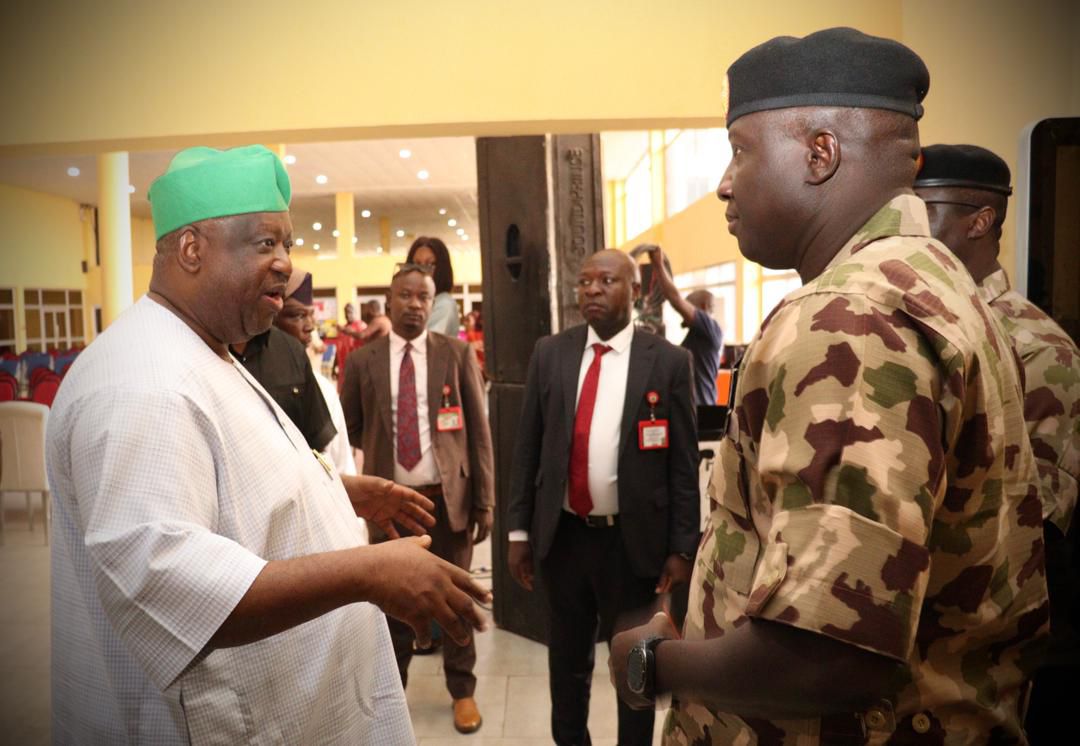
COAS Launches Nationwide Security Renewal Mission in Plateau
The Chief of Army Staff, Lieutenant General Waidi Shaibu, on Thursday led a high-level delegation of security chiefs to Plateau State, flagging off a nationwide security renewal mission aimed at strengthening civil-military cooperation and restoring lasting peace across the country.
The visit to Jos, the Plateau State capital, marks the first phase of a coordinated national effort to address persistent security challenges through joint operations, community engagement, and proactive intelligence gathering.

Governor Caleb Muftwang received the delegation, describing the initiative as a critical step toward stabilizing affected communities and reinforcing public confidence in security institutions.
Civil-Military Synergy Takes Centre Stage
At the heart of the mission is a renewed emphasis on collaboration between the military, civil authorities, and local communities. Speaking during the visit, Lt. Gen. Shaibu stressed that national security must be treated as a collective responsibility.
He urged citizens to support security agencies by remaining vigilant, sharing credible information, and complying with lawful directives, noting that effective security cannot be achieved in isolation.
Community Engagement as Confidence-Building Tool
In a departure from purely operational engagements, the Army Chief held direct consultations with community leaders and residents in Jos, reinforcing the importance of trust and dialogue in conflict resolution.
Lawmakers, including Dachung Bagos and Ladi Dangyok, commended the initiative, stating that visible engagement by top military leadership helps rebuild confidence among citizens and fosters cooperation.

Proactive Security Operations Underway
Operational updates were provided by Major General Folusho Oyinlola, who disclosed that troops under Operation Enduring Peace have intensified surveillance, intelligence-led patrols, and coordinated actions with other security agencies.
According to the Army, the approach is designed to prevent escalation of threats, safeguard lives and property, and stabilize vulnerable communities before crises emerge.
A Shift Toward Sustainable Peace
Military authorities emphasized that the Plateau visit is part of a broader, long-term strategy to transition from reactive responses to sustainable peacebuilding nationwide. The framework includes strengthening local resilience, ensuring justice, and maintaining continuous engagement with stakeholders.
Analysts view the initiative as a significant policy shift, reflecting a more inclusive security architecture that integrates community participation with military operations.
Call for National Unity
The Army leadership concluded with an appeal to Nigerians to reject divisive narratives and support ongoing efforts to promote unity and peace.
“The success of this mission depends not only on the armed forces but on the cooperation of every citizen,” the COAS stated.
The nationwide security renewal campaign is expected to extend to other regions in the coming weeks as authorities seek to consolidate gains and build a safer, more unified Nigeria.


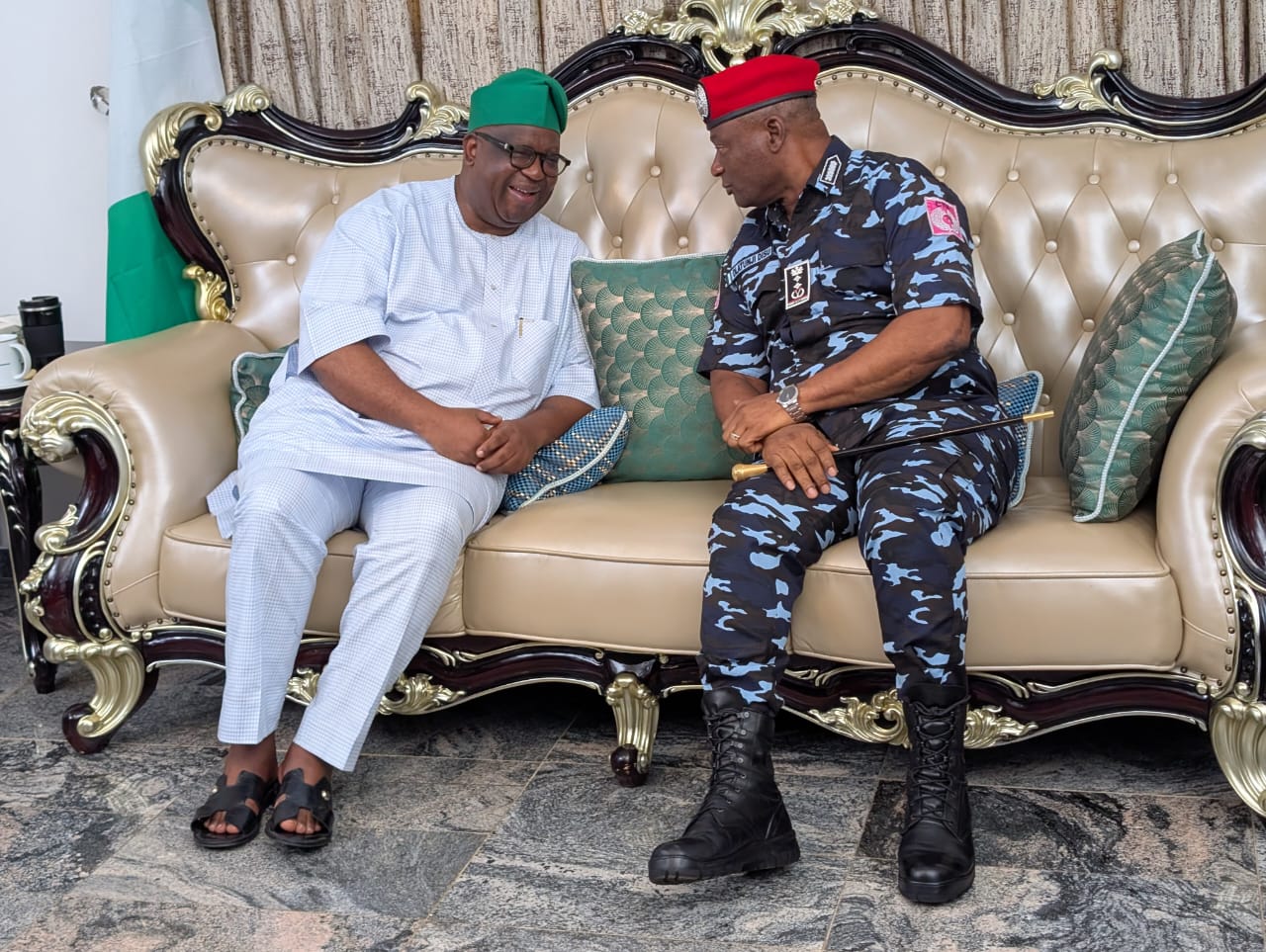
IGP Disu Visits Plateau, Orders Tactical Deployment To Reinforce Security
The Inspector General of Police, Olatunji Disu, on Thursday paid a working visit to Plateau State following recent unrest, holding strategic talks with Governor Caleb Muftwang on measures to strengthen security and prevent further disturbances.
As part of immediate steps to stabilise the situation, the police chief authorised the deployment of specialised tactical units to support officers already on ground across affected areas.
Governor Muftwang commended the swift intervention of the police leadership, praising the dedication and professionalism of security personnel working to restore calm. He also acknowledged the efforts of mobile police officers and lauded the leadership of the state’s Commissioner of Police, Bassey Ewah.
Both the Nigeria Police Force and the Plateau State Government reaffirmed their commitment to safeguarding lives and property, stressing that enhanced collaboration remains key to restoring lasting peace in Plateau State, popularly known as the Home of Peace and Tourism.


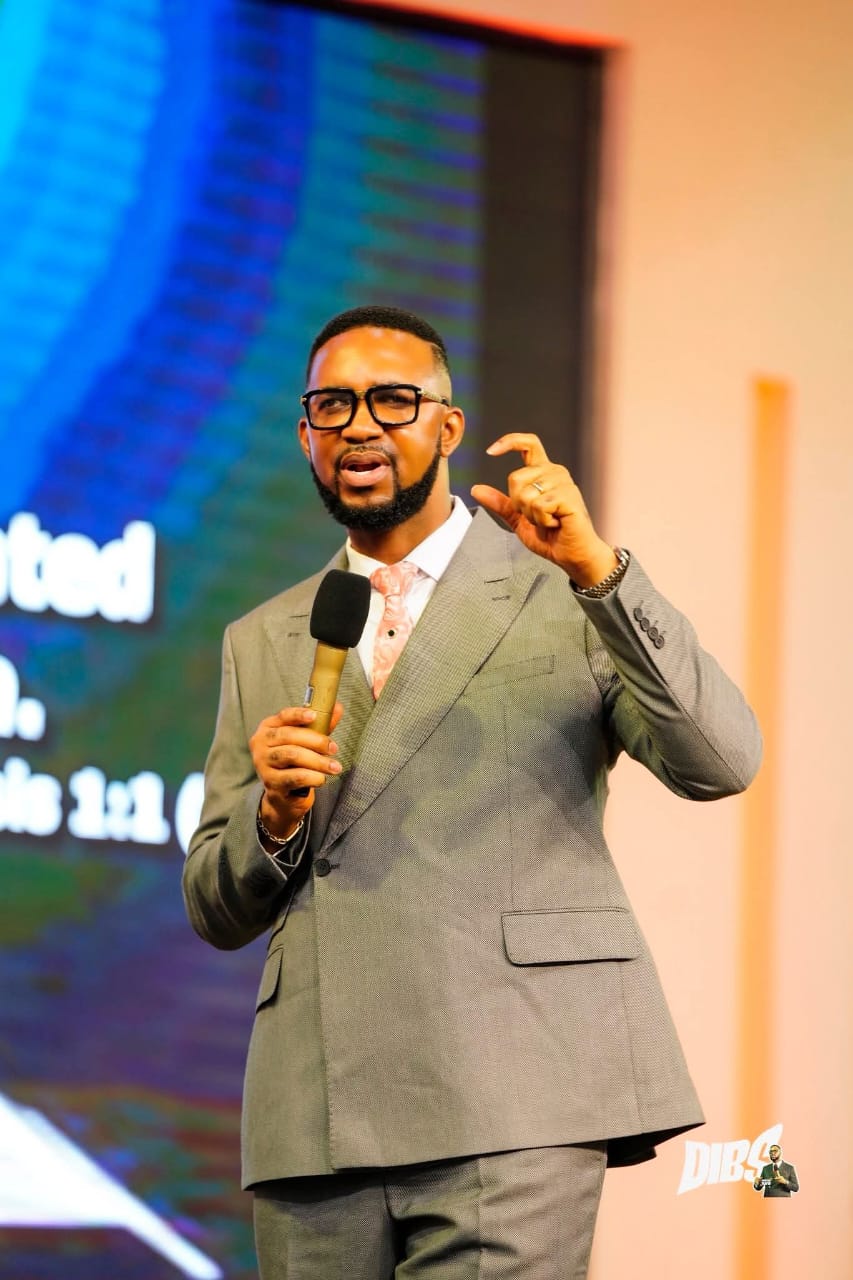
Grace Nation Worldwide: A Living Reality – Dr. Chris Okafor
……“Miracles, Healing, and Deliverance Overflow at Grace Nation Services”
The Grace Nation midweek Prophetic Healing, Deliverance, and Solutions (PHDS) Service on 2nd April 2026 at the international headquarters in Ojodu Berger, Lagos, was a spectacular display of God’s power, marked by miracles, healing, and deliverance.
The God of Grace Nation continues to demonstrate His authority, breaking strongholds, healing the sick, restoring lost glory, and providing solutions to every problem presented at His altar.
Testimonies of God’s Power
One woman, previously diagnosed with a terminal condition and slated for a ₦4.5 million surgery due to inability to excrete, was prayed for by the Generational Prophet, Christopher Okafor, just a week after visiting the church. Declaring healing within 24 hours, she returned to testify to God’s miraculous intervention.
Another pregnant woman, whose baby was bridged and at risk, was located and prayed for. She returned to service with confirmation that her child is now well-positioned for delivery. Similarly, a woman booked for a C-section due to an overdue and poorly positioned pregnancy testified during the service that her baby is now properly positioned, ready for birth.
These testimonies underscore the truth: what God cannot do does not exist. Grace Nation has entered a new level of spiritual authority, and with faith, believers are witnessing the impossible become reality.
God Works by Principle, Not Gossip
In his sermon, Dr. Okafor emphasized that God does not operate on superstition, gossip, or social media pressures. His work is grounded in His Word, and it is through adherence to His principles that Grace Nation continues to flourish.
The Generational Prophet stressed that to enjoy divine blessings and fruitfulness, believers must remain connected to God’s Word, faithfully serve Him, and ignore distractions or side-talks. Focused commitment to God’s service guarantees alignment with His miraculous power.
Join the Movement
Grace Nation Worldwide is open for all who desire a life transformed by divine intervention. Weekly services include:
Sunday Service: 7:00 AM
Grace Nation Island Service (Ogombo): Wednesday, 5:00 PM
Midweek PHDS Service: Thursday, 7:00 AM
Attending these services under the ministry of the Generational Prophet ensures encounters with God’s supernatural power, life-changing miracles, and lasting breakthroughs.
Grace Nation Worldwide is not just a church—it is a reality where faith meets the supernatural.
By Sunday Adeyemi


-

 society7 months ago
Religion: Africa’s Oldest Weapon of Enslavement and the Forgotten Truth
-

 news4 months ago
WHO REALLY OWNS MONIEPOINT? The $290 Million Deal That Sold Nigeria’s Top Fintech to Foreign Interests
-

 society6 months ago
“You Are Never Without Help” – Pastor Gebhardt Berndt Inspires Hope Through Empower Church (Video)
-

 celebrity radar - gossips2 months ago
Dr. Chris Okafor Returns with Power and Fire of the Spirit -Mounts Grace Nation Altar with Fresh Anointing and Restoration Grace on February 1, 2026