
celebrity radar - gossips
China to Lagos, the frightening timeline of a deadly virus

By Olusegun Fafore
Fatality rate across the globe since the outbreak of Coronavirus (COVID-19) in the Chinese town of Wuhan on December 31, 2019 has signalled that this is not the best of times for humanity. With about 8, 988 deaths and 220,877 people infected in 176 countries since the first death was recorded in China on January 11, 2020, the pandemic has boisterously announced its immensity.
Frighteningly, the virus claims human lives daily while science is still struggles with an absolute response to the scourge. More than before, humanity has become vulnerable, and at the mercy of government policies. From one end of the world to the other, governments and political leaders are facing a whirlwind that is testing their leadership. Leaders are subjected to unusual trials and are desperate for solution(s).
In search of safety from the grip of the easily transmittable coronamicrobe, man is turning to the State for actions that will stem the tide, and provide succour at this difficult period. Sadly, no nation is capable of shielding the other. The ravaging disease does not regard the medically and scientifically advanced nations in its manifestation, so it is every nation to herself first, hence the increasing instances of border closure and entry restrictions.
To humble humanity and heighten our fears, the epidemic started its cudgelling from the most advanced to the not-so-advanced countries of the world. Nations like China, Italy, USA, Spain, Iran, Germany and France are the worst hit, while African countries like Nigeria, Togo, Somalia and Congo have had minimal impact. Only 12 deaths out of the 590 reported cases have been reported so far in Africa.
It may be safe to argue that the worst-hit countries, with records of deaths in thousands since the outbreak of the deadly disease, are ‘host country’ and ‘high-traffic areas’, but a different perspective will be that China is where the virus originated from, other countries classified as high-traffic areas, are inheritors like Nigeria and other sub-Saharan Africa countries, and should have had lesser impacts as well.
The truth is that danger is looming and humanity is under attack. While the response strategies by Nigeria and some other countries may have contained the spread of the deadly disease, especially in Africa; this terrifying development has justified the need for increased collaboration and support amongst the nations of the world. Humans have to come together to protect their turf.
The hurried spread of Coronavirus across the globe has shown that we are closer than the flight time from one region to the other suggests. People from one continent are just one person away from contingents from other continents. Asians are not far from Africans, so are Australians close to Americans, because there is no distance in human linkage(s).
We now know that the world is one small circle that can be covered in just few days. There is no better authentication of this statement than the number of human victims succumbing to the lethal calls of microbes globally. The fact that a disease starts in a remote part of the world and travels across the hemisphere to other parts in hours proves that we are not as isolated as we had always thought.
Outbreaks of pandemics like HIV/AIDS, Ebola and Coronavirus are compelling enough for us to rethink our humanity. More than wars, epidemics are greater threats to humankind. It is therefore important that global leaders, multilateral agencies and international organisations align on investment in critical health infrastructure and scientific breakthroughs to sustain our reign on planet earth.
Microbes and diseases are interested in our world. These horrible impostors are keen on displacing us in our hundreds, thousands and millions, if we continue to live the way we have always lived and refused to exploit our mutual strengths. For pandemics, the fate of Africa is always a concern to the global health community. This is because of the continent’s history of poor investment in health care and hindered scientific advancement.
The African continent was not known to stand-up to its health challenges, or any global health problems. Until the containment of Ebola outbreak in 2014 when Nigeria offered the best of Africa to the world, no one ever thought that there could be a coordinated response to a pandemic by Africans.
As one of the immediate destinations of the hemorrhagic fever (Ebola) which originated from Liberia when thousands were sick and dying in the West African regions of Guinea, Liberia and Sierra Leone (28, 616 cases and 11, 310 deaths), Lagos was gripped by fear and thrown into panic because of the devastating statistics.
The epidemic claimed the life of Dr. Ameyo Stella Adadevoh, the Lead Consultant Physician and Endocrinologist at a private hospital in Lagos, who remains the heroine of the battle against the Ebola pandemic in Nigeria, but the capacity of the State to speedily deploy resources to contain the spread of the deadly disease and limit casualties to 8 deaths out of the 20 cases was globally commended by the time we defeated the outbreak in September 2014.
Lagos State Government showed the world what Africans could do in times of crisis to forestall a continent-wide spread of dreaded diseases. The promptness and efficiency of the State response system protected Nigeria’s over 22 million population, occupying a landmass of approximately 3345km2 , from the highly infectious disease.
The averted calamity, considering that Lagos population density was 20, 000 per persons per square kilometre in built up areas, would have been colossal. Poor management of the situation would have spelt a total disaster for the country, and perhaps Africa’s over 1.2bn people.
That was a global tragedy contained. Really, such an incident should attract and induce multilateral support, in form of capacity building and investment in health infrastructure in certain areas of the world. Weaknesses or lack of capacity in certain locations in the face of pandemic outbreaks endanger the whole world, no matter how distant anyone may be from the originating country. Before Coronavirus, China was very far, right?
Locations like Lagos are central to global wellbeing and progression of human health agenda for a number reasons. Notable amongst these is that the world cannot afford a weak link in the aggressive campaign for health security and wellbeing.
For a destination with two domestic airports, an international airport and two seaports, which are adjudged to be the largest and busiest on the African continent, a national or subnational government can only do little in combating security, socio-economic and health challenges or threats, when they emerge from the interconnectedness of our world.
Lagos is only exemplary in fighting the scourge of COVID-19 because of deliberate government policy and leadership commitment to quality public health. The Governor, Mr. Babajide Olusola Sanwo-Olu, before the outbreak had taken a strong position that made the State response to the menace adequate.
As Incident Commander, his outlook inspired great confidence in the Lagos State Incident Command Team battling the menace of the deadly disease in Lagos, but would this have been the story if Africa was the origin of this deadly virus?
What would the pressure on Lagos facility and the outcomes of the unanticipated stretch of the State health facility and preparedness for incidents, which have drawn commendations from far and near, especially by the World Health Organisation (WHO) been?
Yes, since the detection of the first case of Coronavirus on February 27, 2020, the Lagos State Governor, Mr. Sanwo-Olu has remained resolute in curbing the spread of the virus and preventing human casualty. But in reality, megacities like Lagos and other densely populated regions in the world require increased global support and collaboration towards improving healthcare and proving world-class facility. This will not only strengthen the State’s capacity to combat situations such as this, but also bolster its ability to provide support for other destination in the region during emergencies.
So far, Governor Sanwo-Olu’s decisions and actions have significantly moderated the possible spread of the microbe and doused fears that Coronavirus could sweep the entire country in matter of days. To manage the situation, Lagos State activated its emergency health management and response framework, embarked on a mass enlightenment campaign about the importance of personal hygiene, closed schools and prohibited public engagements with more than 50 participants at a single location in the State.
Some of these decisions are tough because of the socio-economic texture of Lagos. But indeed, times are hard, and only tough decision could help humans chase microbes off our streets. As social animals, the chances that these aliens will creep into our system are very high, and definite, if we fail to demonstrate a certain level of watchfulness over ourselves. We need to help the response system work by following simple guidelines. When government demonstrates political will, citizens should reciprocate with commitment.
But more importantly, it has become better known that our spaces in the world are shared facilities. Therefore, we need to increase our humanity. Leading nations, global leaders, civil society activists, well-meaning individuals, international organisations and multilateral agencies, need to rethink what our investment priorities should be. The focus of innovation and scientific advancement need to shift to healthcare infrastructure and systems in high population density regions of the world.
Fafore is the Executive Assistant on Public Relations and New Media to the Governor of Lagos State.




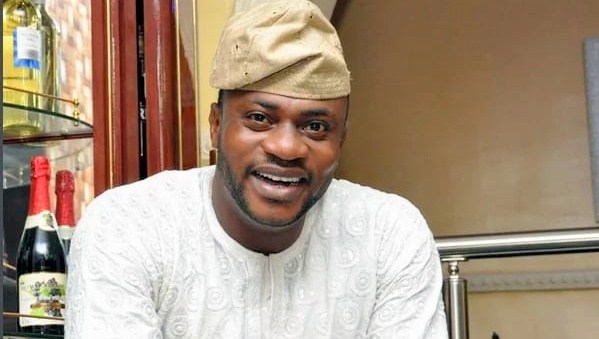
King of the Screen: Why Odunlade, Muyiwa, Femi Adebayo Remain Yoruba Movie Giants
The Yoruba movie industry has continued to produce legendary talents whose influence stretches beyond Nigeria to global audiences. Over the years, some actors have distinguished themselves through consistency, versatility, box office success, and cultural impact.
Among the numerous stars in Nollywood’s Yoruba sector, three actors have remained dominant figures whose names constantly resonate with fans and filmmakers alike — Odunlade Adekola, Muyiwa Ademola, and Femi Adebayo.

Odunlade Adekola: The Street King of Yoruba Cinema
Popularly regarded as one of the most entertaining actors in Nollywood, Odunlade Adekola has built a unique reputation through his energetic delivery, comic timing, emotional depth, and strong connection with grassroots audiences.
From comedy to action and emotional family dramas, the actor has consistently proven his versatility in blockbuster productions. His ability to interpret diverse roles effortlessly has made him a household name across Nigeria.
Industry observers believe his dominance on social media platforms, where his movie clips frequently go viral, has further strengthened his popularity among younger audiences.
Beyond acting, Odunlade has also contributed immensely to mentoring upcoming talents and expanding the commercial value of Yoruba films.
Muyiwa Ademola: The Master Storyteller

For many lovers of indigenous movies, Muyiwa Ademola remains one of the finest storytellers the Yoruba film industry has produced.
Widely respected for producing emotional and morally driven movies, the actor earned massive recognition through classic productions that focused on family values, culture, betrayal, perseverance, and societal lessons.
His calm delivery, deep scripts, and originality have kept him relevant despite changing trends in the entertainment industry.
Film critics often describe Muyiwa Ademola as one of the few actors whose productions combine entertainment with strong cultural education, making his movies timeless among older and younger viewers alike.
Femi Adebayo: The Modern-Day Box Office Force

Femi Adebayo has successfully combined traditional Yoruba storytelling with modern cinematic excellence, helping to project indigenous films to international audiences.
The actor, filmmaker, and producer has recorded major successes with high-budget productions that gained attention on streaming platforms and cinemas.
Known for his professionalism and attention to detail, Femi Adebayo has continued to push Yoruba movies beyond local boundaries while preserving cultural identity.
Entertainment analysts say his ability to blend culture, technology, and quality production has positioned him among the leading faces shaping the future of Yoruba cinema.
Growing Global Influence
The success of these actors reflects the increasing acceptance of indigenous Nigerian content globally. With streaming platforms creating wider access to local movies, Yoruba actors are now gaining international recognition and attracting new audiences.
Fans and stakeholders in the entertainment industry believe the contributions of Odunlade Adekola, Muyiwa Ademola, and Femi Adebayo have not only sustained Yoruba culture through film but have also elevated Nollywood’s global reputation.
celebrity radar - gossips
Eid-el-Kabir: Olowu of Kuta Urges Peace, Unity, Selflessness Among Nigerians
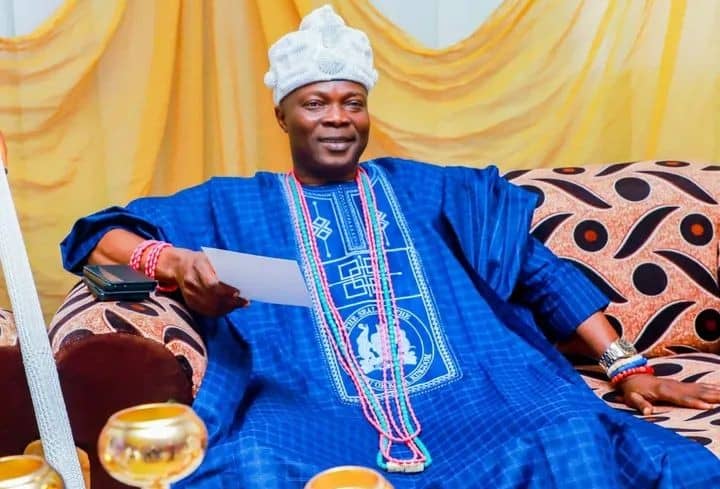
Eid-el-Kabir: Olowu of Kuta Urges Peace, Unity, Selflessness Among Nigerians
The Olowu of Kuta, HRM Oba Dr. Hammed Makama Oyelude, CON, Tegbosun III, has called on the Muslim Ummah and all Nigerians to make peace, unity, and selflessness their guiding principles as the world marks this year’s Eid-el-Kabir celebration.
In his Sallah message, the revered monarch described Eid-el-Kabir as a “highly spiritual occasion that demands dedication, commitment, and selflessness.”
Oba Makama said the period should be used to reflect on societal happenings and promote messages of hope and unity without inciting provocation.
He urged Nigerians to live together harmoniously, irrespective of religious, political, or tribal affiliations, stressing that politicians should exercise restraint and avoid inflammatory rhetoric ahead of the 2027 general elections.
“What should be uppermost in the mind of every patriotic Nigerian is **‘Country first,’” he said.
The monarch also appealed to citizens to remain vigilant in the face of insecurity, reassuring that the armed forces and paramilitary agencies are working round the clock to ensure a smooth and peaceful celebration.
“The price wise men pay for eternal liberty is vigilance. I urge everyone to celebrate moderately and extend a helping hand to the less privileged, widows, and orphans, embracing them as our brothers and sisters,” Olowu Makama added.
He concluded by wishing all Nigerians a peaceful and fulfilling Eid-el-Kabir celebration.
celebrity radar - gossips
Oba Babatunde Saliu Elebo II Felicitates Muslims on Eid-el-Kabir Celebration
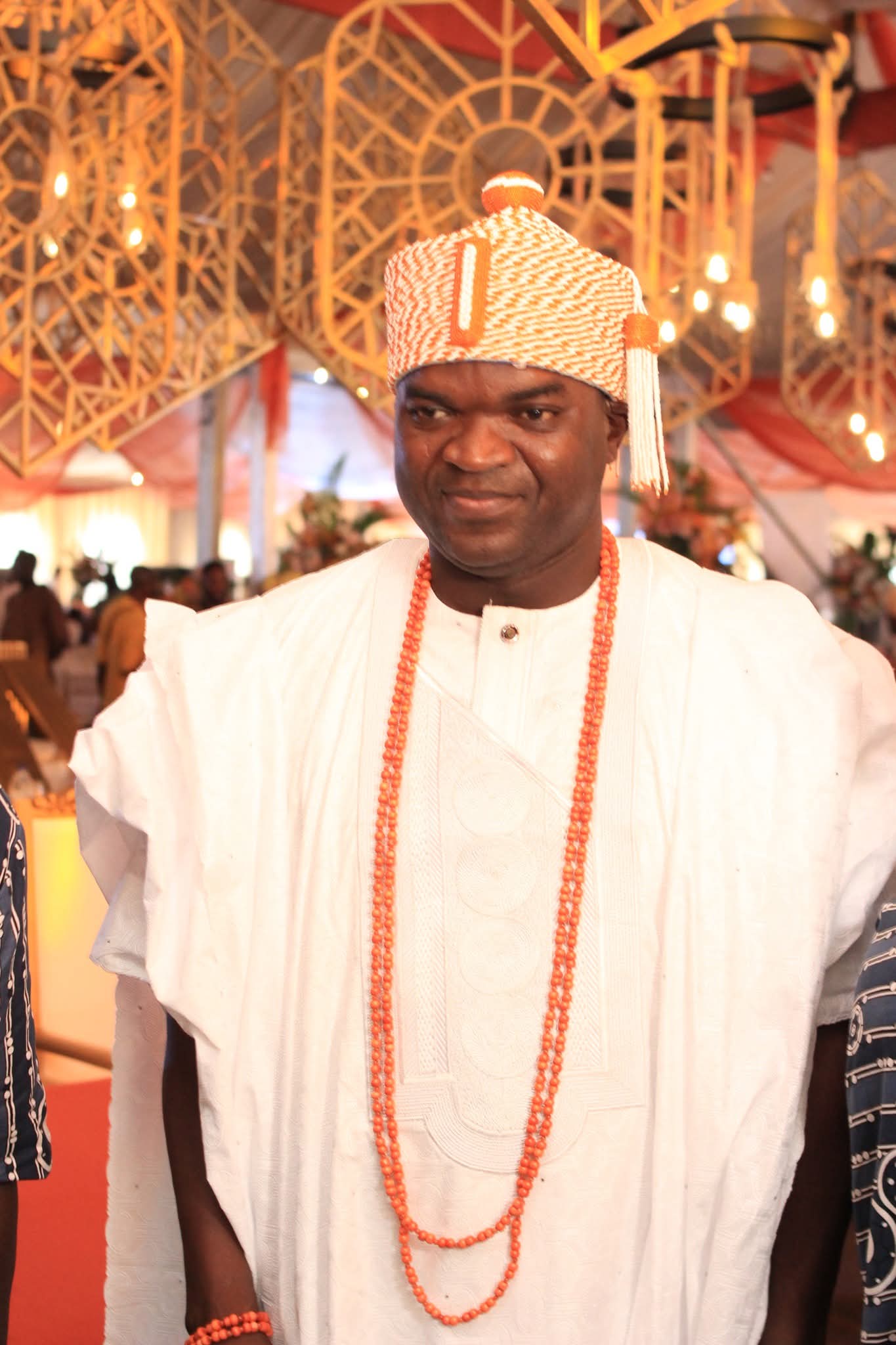
Oba Babatunde Saliu Elebo II Felicitates Muslims on Eid-el-Kabir Celebration
By Adeyemi Obadimu Veron
The Oloworo of Oworosoki Kingdom, Oba Babatunde Saliu Elebo II, has extended warm greetings and heartfelt felicitations to Muslims across Nigeria and the world at large on the joyous occasion of the 2026 Eid-el-Kabir celebration.
In a statement made available to Newsmen, the revered monarch urged Muslims to embrace the true teachings of Islam by promoting peace, love, unity, sacrifice, and compassion during and after the festive period.
Oba Babatunde Saliu Elebo II noted that Eid-el-Kabir, also known as Salah, remains one of the most significant celebrations in Islam as it symbolizes total obedience, faith, and devotion to Almighty Allah, drawing inspiration from the unwavering sacrifice of Prophet Ibrahim (Abraham), who demonstrated complete submission to the will of God.
According to the monarch, the Holy Qur’an teaches believers the importance of righteousness, kindness to humanity, tolerance, and support for the less privileged in society. He emphasized that the season should serve as a reminder for all Nigerians to live in harmony irrespective of religion, ethnicity, or political differences.
The royal father further called on Muslims to use the sacred period to pray fervently for peace, stability, economic growth, and sustainable development in Nigeria, stressing that national progress can only thrive in an atmosphere of unity and mutual understanding.
Oba Saliu also encouraged the faithful to extend hands of generosity to widows, orphans, and vulnerable members of society, noting that the essence of Eid-el-Kabir goes beyond celebration and feasting, but also reflects the spirit of sharing and caring for humanity as instructed in the Qur’an.
While wishing Muslims a peaceful and memorable Eid celebration, the Oloworo of Oworosoki prayed for divine blessings, prosperity, good health, and continued harmony in homes and communities.
“May this year’s Eid-el-Kabir strengthen our faith, deepen our love for one another, and bring renewed hope and abundant blessings to our nation,” the monarch stated.


- Afreximbank Deepens Commitment to Economic Progress in The Bahamas June 1, 2026
- African Electric Vehicle (EV) platform Spiro raises $215M in equity to scale electric mobility and energy infrastructure across Africa June 1, 2026
- Africa Centres for Disease Control and Prevention (Africa CDC) Statement on Attacks Against Health Facilities During the Bundibugyo Virus Disease Response in the Democratic Republic of the Congo June 1, 2026
- Putting consumers at the centre of Africa’s dairy transformation June 1, 2026
- International Rescue Committee (IRC) warns Democratic Republic of the Congo (DRC) Ebola outbreak likely far larger than official figures suggest June 1, 2026
- South Africa: Portfolio Committee on Health Marks National Cancer Survivor Day and Reaffirms Importance of Early Detection and Public Awareness June 1, 2026
- Rwanda’s RSSB Tigers Crowned 2026 Basketball Africa League Champions June 1, 2026
- Uganda: Appointments Committee Begins Vetting of Ministerial Nominees June 1, 2026
- Sudan braces for worsening child malnutrition as pre-harvest season starts June 1, 2026
- Etu Energias Strengthens Angolan Footprint, Returns to Angola Oil & Gas (AOG) 2026 as Champion Sponsor June 1, 2026
- Afreximbank Deepens Commitment to Economic Progress in The Bahamas June 1, 2026
- African Electric Vehicle (EV) platform Spiro raises $215M in equity to scale electric mobility and energy infrastructure across Africa June 1, 2026
- Africa Centres for Disease Control and Prevention (Africa CDC) Statement on Attacks Against Health Facilities During the Bundibugyo Virus Disease Response in the Democratic Republic of the Congo June 1, 2026
- Putting consumers at the centre of Africa’s dairy transformation June 1, 2026
- International Rescue Committee (IRC) warns Democratic Republic of the Congo (DRC) Ebola outbreak likely far larger than official figures suggest June 1, 2026
- South Africa: Portfolio Committee on Health Marks National Cancer Survivor Day and Reaffirms Importance of Early Detection and Public Awareness June 1, 2026
- Rwanda’s RSSB Tigers Crowned 2026 Basketball Africa League Champions June 1, 2026
-

 news6 months ago
WHO REALLY OWNS MONIEPOINT? The $290 Million Deal That Sold Nigeria’s Top Fintech to Foreign Interests
-

 society4 weeks ago
SOCIAL MEDIA IS NOT A BATTLEFIELD COMMAND – WHY THE NIGERIAN ARMY’S ACTION AGAINST JUSTICE CRACK IS A NATIONAL SECURITY IMPERATIVE
-

 celebrity radar - gossips4 months ago
Dr. Chris Okafor Returns with Power and Fire of the Spirit -Mounts Grace Nation Altar with Fresh Anointing and Restoration Grace on February 1, 2026
-

 celebrity radar - gossips6 months ago
Prophet Kingsley Aitafo Releases 2026 Prophecy: ‘Nigeria Will Rise, but the World Must Prepare for Turbulence’