
society
Cybercrimes Act 2025: Nigeria’s Cybercrimes Act Deepens Inequality, Experts Warn


Cybercrimes Act 2025:
Nigeria’s Cybercrimes Act Deepens Inequality, Experts Warn.
By George Omagbemi Sylvester | Published by Sahara Weekly NG
Introduction
The Federal Government’s passage of the Cybercrimes (Prohibition, Prevention, etc.) (Amendment) Act 2024, now operational in 2025, heralds entrenched contradictions. On paper, the legislation aims to bring digital order and curb online abuses. In reality, however, it magnifies inequality.
Sections criminalizing online harassment (Section 22—mirroring earlier codifications in Section 24 of the 2015 Act) and publishing false or misleading information (Section 19) are presented as noble tools for accountability. When viewed through the lens of enforcement, the story changes: the poor (politically powerless, digitally exposed and legally unprotected) shoulder the blunt force of this law, while the elite effortlessly slip through its cracks.

This is not merely a legal dilemma; it is a question of justice, class and democracy in the digital age.
Part I: What the Law Prescribes.
Online Harassment and Abuse – Section 22
Under the new law, posting rude, vulgar, offensive or indecent content with intent to embarrass or humiliate others is an offense punishable by up to 2years’ imprisonment.
This is not entirely new. The Cybercrime Act of 2015 had already addressed similar conduct under Section 24 (1), which criminalized sending “grossly offensive, pornographic, indecent, obscene or menacing” messages or false communications intended to cause “annoyance, inconvenience, danger, insult or needless anxiety.” The penalty then was 3years’ imprisonment or a fine of up to ₦7 million.

Publishing False or Misleading Information – Section 19
The new provision explicitly targets “fake news.” Anyone who spreads deliberately false or misleading content online now faces up to 2years in prison.
While the intent is to protect society from deception, vague definitions leave room for abuse. What exactly constitutes “FALSE” information in a country where government officials frequently contradict themselves? Whose truth becomes the standard?
Part II: Enforcement and Inequality.
A Resource Gap.
Cybercrime is undeniably a global threat. INTERPOL’s 2025 Africa Cyberthreat Assessment shows cybercrime now constitutes more than 30% of reported crimes in some African states. Yet, 90% of African nations (including Nigeria) admit they lack the training, tools and prosecutorial capacity to handle such sophisticated threats.
Nigeria does have the Nigeria Police Force National Cybercrime Center (NPF-NCCC), which engages in awareness and coordination. The reality is that prosecutions remain sporadic, selective and unequal.

Selective Prosecution
The elite are shielded. Politically connected individuals can hire top lawyers, secure injunctions and navigate courts to avoid consequences.
For the poor, however, the law is deadly literal. A tweet born out of frustration, a WhatsApp broadcast or even a Facebook comment can be twisted into a criminal indictment. Without access to competent legal representation, many are left at the mercy of magistrates and police officers.
The Digital Divide.
Nigeria now boasts over 152 million active internet users. Yet digital literacy remains low. Millions of Nigerians are active online without a clear understanding of the risks posed by the law.
The elite enjoy the privilege of education and access. They know how to carefully word criticism, disguise satire or even hire digital strategists. The poor (especially those posting in anger, in indigenous languages or with limited education) become easy prey.
Thus, the Cybercrimes Act, instead of being an equalizing force, has deepened digital classism.
Part III: Expert Perspectives.
Several respected voices have raised alarms about the trajectory of Nigeria’s cyber legislation:
“The Cybercrimes Act’s broad language, especially its vague definitions of ‘false information,’ ‘cyberstalking,’ and ‘harassment,’ threatens free expression and open digital discourse.”
“The Act remains insufficient in shielding Nigerian citizens from arbitrary criminalization of online expression. Reform grounded in clarity, proportionality and accountability is not only necessary, but urgent.”
“Cybercrime continues to outpace the legal systems designed to stop it. 95% of countries report inadequate training, resource constraints and lack of access to specialized tools.”
These insights underscore the real crisis: misaligned priorities. Instead of investing in capacity to tackle fraud, identity theft and large-scale scams that tarnish Nigeria’s reputation globally, the government prioritizes criminalizing insult, dissent and satire.
Part IV: The Blunt Truth.
This law, stripped of diplomatic language, is crafted to suppress, not protect.
Weaponized Vagueness
Its ambiguous language is a prosecutorial dream but a citizen’s nightmare. Terms like “OFFENSIVE” and “FALSE” are inherently subjective. What offends one politician may simply be satire or truth to the masses.
Enforcement Inequality
Justice in Nigeria is not blind; it peeks. The poor, voiceless and resourceless, face the full fury of the law, while the elite maneuver their way out.
State Surveillance over Protection.
This legislation expands state power rather than defending citizens. By criminalizing broad categories of speech, it grants government a blank check to silence critics under the guise of law.
Blinding Hypocrisy.
Nigeria loses billions annually to cybercrime syndicates; international scams, fraudulent wire transfers and phishing attacks. Yet, instead of focusing on dismantling these sophisticated networks, the government invests energy in jailing youths for Facebook insults.
Cultural and Class Bias.
Nigeria is a multilingual nation. Satirical or colloquial expression in Pidgin, Hausa, Yoruba or Igbo is more likely to be misinterpreted as “ABUSE” by law enforcement steeped in formal English. Thus, class and language again shape how the law is applied.
End Note: A Call for Reform.
Nigeria’s 2025 Cybercrimes Act, birthed from the 2015 foundation, is not the protective shield it claims to be. It is a blunt instrument used less to fight genuine cybercriminals and more to muzzle ordinary citizens.
Three urgent reforms are needed:
Transparency and Clarity: The law must define “HARASSMENT,” “FALSE INFORMATION,” and “OFFENSIVE CONTENT” with surgical precision, leaving no room for abuse.
Equitable Enforcement: Legal aid for the poor, digital literacy programs and clear prosecution guidelines are non-negotiable.
Democratic Oversight: Civil society and the judiciary must act as watchdogs, ensuring that these laws are not weaponized against free expression.
Without these safeguards, the Act will continue to serve as a tool of suppression, a digital whip for the powerless and a shield for the privileged.
The principle is simple yet profound: If laws are not applied equally, they cease to be justice. Nigeria must choose whether it seeks order through fairness or chaos through selective repression.

By George Omagbemi Sylvester
Published by Sahara Weekly NG




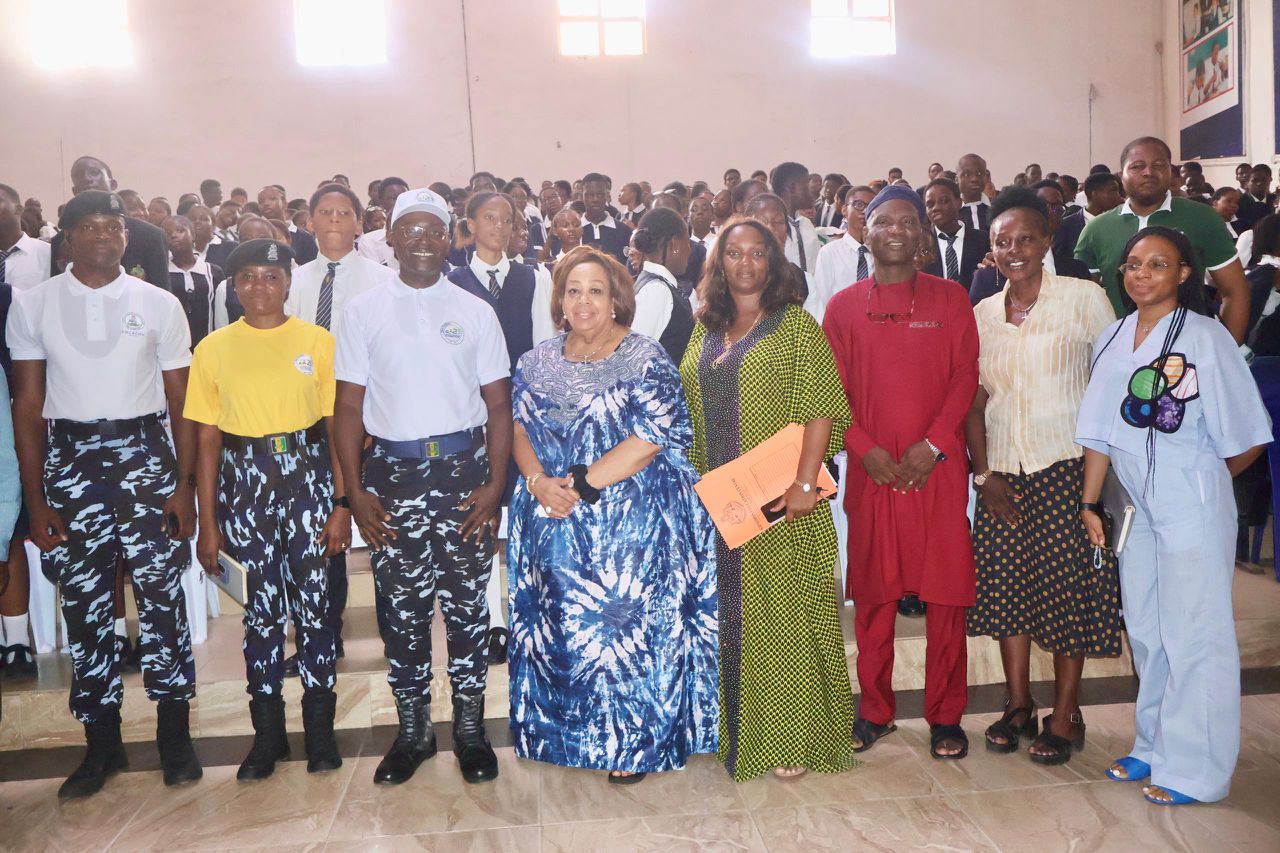
POCACOV Intensifies Sensitization on Cultism, Bullying, and Social Vices Among Students in Edo
In commemoration of the 2026 National Police Day Celebration, the Police Campaign Against Cultism and Other Vices (POCACOV), Edo State Command, has reinforced its preventive policing efforts through a targeted sensitization outreach at Igbinedion Education Centre, Benin City.
The initiative forms part of the broader activities marking this year’s National Police Day, themed “Community Partnership: Building Trust,” which emphasizes collaboration between the Nigeria Police Force and the public in fostering a safer society.
The sensitization programme witnessed the presence of key stakeholders, including the Commissioner of Police, Edo State Command, the Police Public Relations Officer, and the Edo State POCACOV Coordinator, ASP Kingsley Upeh. The team engaged students in an insightful and impactful session focused on the dangers of cultism, bullying, and other social vices prevalent among youths.
During the session, students were educated on the severe and far-reaching consequences of cult-related activities. These include violence, loss of lives, disruption of academic pursuits, and long-term damage to personal reputation and future opportunities. The speakers also highlighted how peer pressure, drug abuse, and negative social influences often serve as gateways into criminal behavior.
In an interactive segment, the Commissioner of Police stressed the legal implications of engaging in criminal acts, noting that involvement in cultism and related offences could lead to arrest, prosecution, and lifelong consequences that may hinder personal growth and career aspirations.
The issue of bullying was also extensively addressed, with emphasis on both its legal ramifications and psychological impact on victims. Students were encouraged to speak up against bullying, report incidents to school authorities or law enforcement, and support peers who may be affected.
Furthermore, the outreach underscored the importance of self-discipline, moral values, and making informed life choices. Students were urged to become ambassadors of peace within their schools and communities by rejecting violence and promoting unity and mutual respect.
The POCACOV team reiterated its commitment to continuous engagement with young people through awareness campaigns, community outreach, and strategic partnerships aimed at preventing crime before it occurs. The initiative aligns with the Nigeria Police Force’s proactive approach to policing, which prioritizes education, prevention, and community involvement.



COAS Launches Nationwide Security Renewal Mission in Plateau
The Chief of Army Staff, Lieutenant General Waidi Shaibu, on Thursday led a high-level delegation of security chiefs to Plateau State, flagging off a nationwide security renewal mission aimed at strengthening civil-military cooperation and restoring lasting peace across the country.
The visit to Jos, the Plateau State capital, marks the first phase of a coordinated national effort to address persistent security challenges through joint operations, community engagement, and proactive intelligence gathering.

Governor Caleb Muftwang received the delegation, describing the initiative as a critical step toward stabilizing affected communities and reinforcing public confidence in security institutions.
Civil-Military Synergy Takes Centre Stage
At the heart of the mission is a renewed emphasis on collaboration between the military, civil authorities, and local communities. Speaking during the visit, Lt. Gen. Shaibu stressed that national security must be treated as a collective responsibility.
He urged citizens to support security agencies by remaining vigilant, sharing credible information, and complying with lawful directives, noting that effective security cannot be achieved in isolation.
Community Engagement as Confidence-Building Tool
In a departure from purely operational engagements, the Army Chief held direct consultations with community leaders and residents in Jos, reinforcing the importance of trust and dialogue in conflict resolution.
Lawmakers, including Dachung Bagos and Ladi Dangyok, commended the initiative, stating that visible engagement by top military leadership helps rebuild confidence among citizens and fosters cooperation.

Proactive Security Operations Underway
Operational updates were provided by Major General Folusho Oyinlola, who disclosed that troops under Operation Enduring Peace have intensified surveillance, intelligence-led patrols, and coordinated actions with other security agencies.
According to the Army, the approach is designed to prevent escalation of threats, safeguard lives and property, and stabilize vulnerable communities before crises emerge.
A Shift Toward Sustainable Peace
Military authorities emphasized that the Plateau visit is part of a broader, long-term strategy to transition from reactive responses to sustainable peacebuilding nationwide. The framework includes strengthening local resilience, ensuring justice, and maintaining continuous engagement with stakeholders.
Analysts view the initiative as a significant policy shift, reflecting a more inclusive security architecture that integrates community participation with military operations.
Call for National Unity
The Army leadership concluded with an appeal to Nigerians to reject divisive narratives and support ongoing efforts to promote unity and peace.
“The success of this mission depends not only on the armed forces but on the cooperation of every citizen,” the COAS stated.
The nationwide security renewal campaign is expected to extend to other regions in the coming weeks as authorities seek to consolidate gains and build a safer, more unified Nigeria.


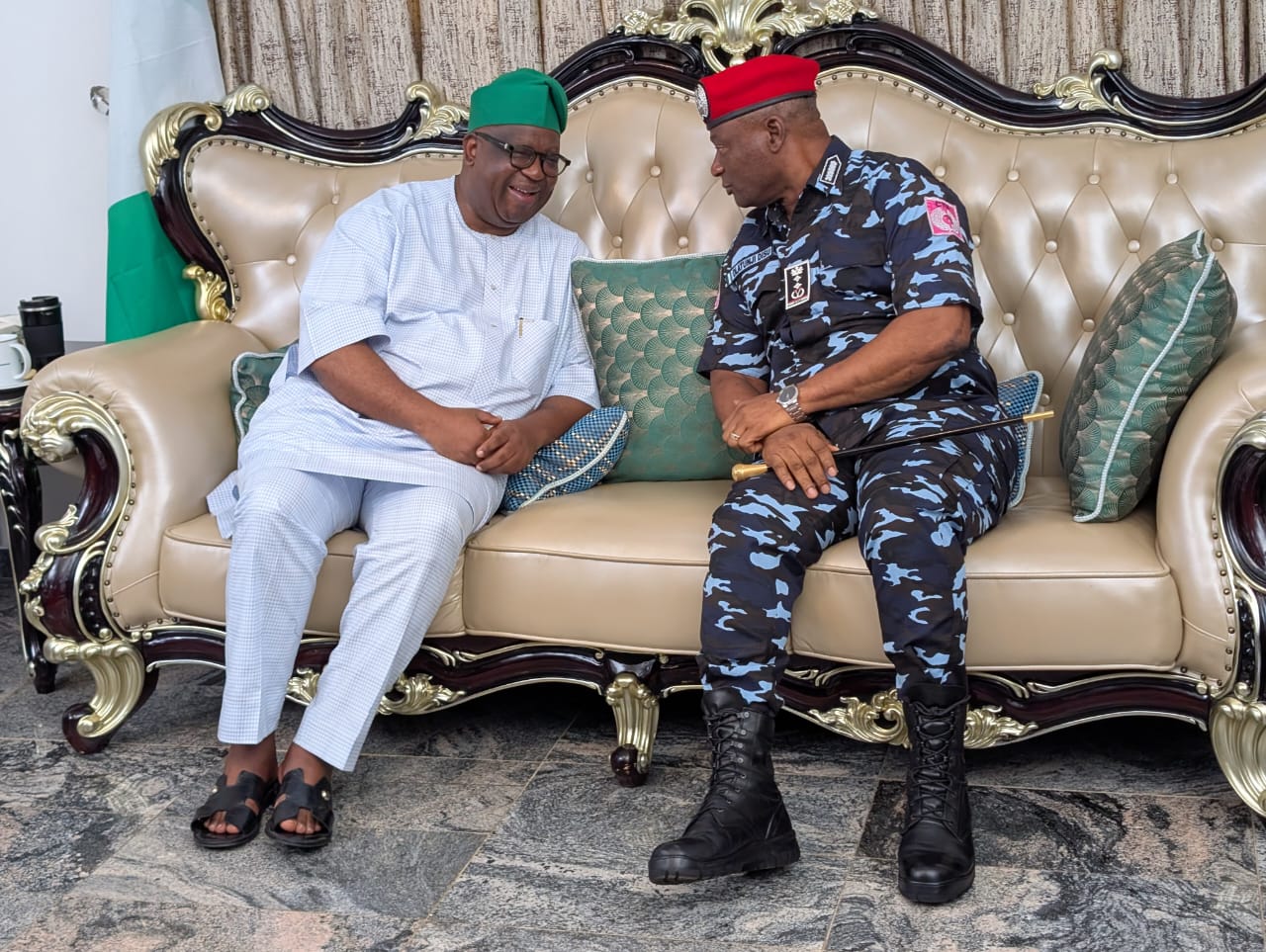
IGP Disu Visits Plateau, Orders Tactical Deployment To Reinforce Security
The Inspector General of Police, Olatunji Disu, on Thursday paid a working visit to Plateau State following recent unrest, holding strategic talks with Governor Caleb Muftwang on measures to strengthen security and prevent further disturbances.
As part of immediate steps to stabilise the situation, the police chief authorised the deployment of specialised tactical units to support officers already on ground across affected areas.
Governor Muftwang commended the swift intervention of the police leadership, praising the dedication and professionalism of security personnel working to restore calm. He also acknowledged the efforts of mobile police officers and lauded the leadership of the state’s Commissioner of Police, Bassey Ewah.
Both the Nigeria Police Force and the Plateau State Government reaffirmed their commitment to safeguarding lives and property, stressing that enhanced collaboration remains key to restoring lasting peace in Plateau State, popularly known as the Home of Peace and Tourism.


-

 society7 months ago
Religion: Africa’s Oldest Weapon of Enslavement and the Forgotten Truth
-

 news4 months ago
WHO REALLY OWNS MONIEPOINT? The $290 Million Deal That Sold Nigeria’s Top Fintech to Foreign Interests
-

 society6 months ago
“You Are Never Without Help” – Pastor Gebhardt Berndt Inspires Hope Through Empower Church (Video)
-

 celebrity radar - gossips2 months ago
Dr. Chris Okafor Returns with Power and Fire of the Spirit -Mounts Grace Nation Altar with Fresh Anointing and Restoration Grace on February 1, 2026