
Uncategorized
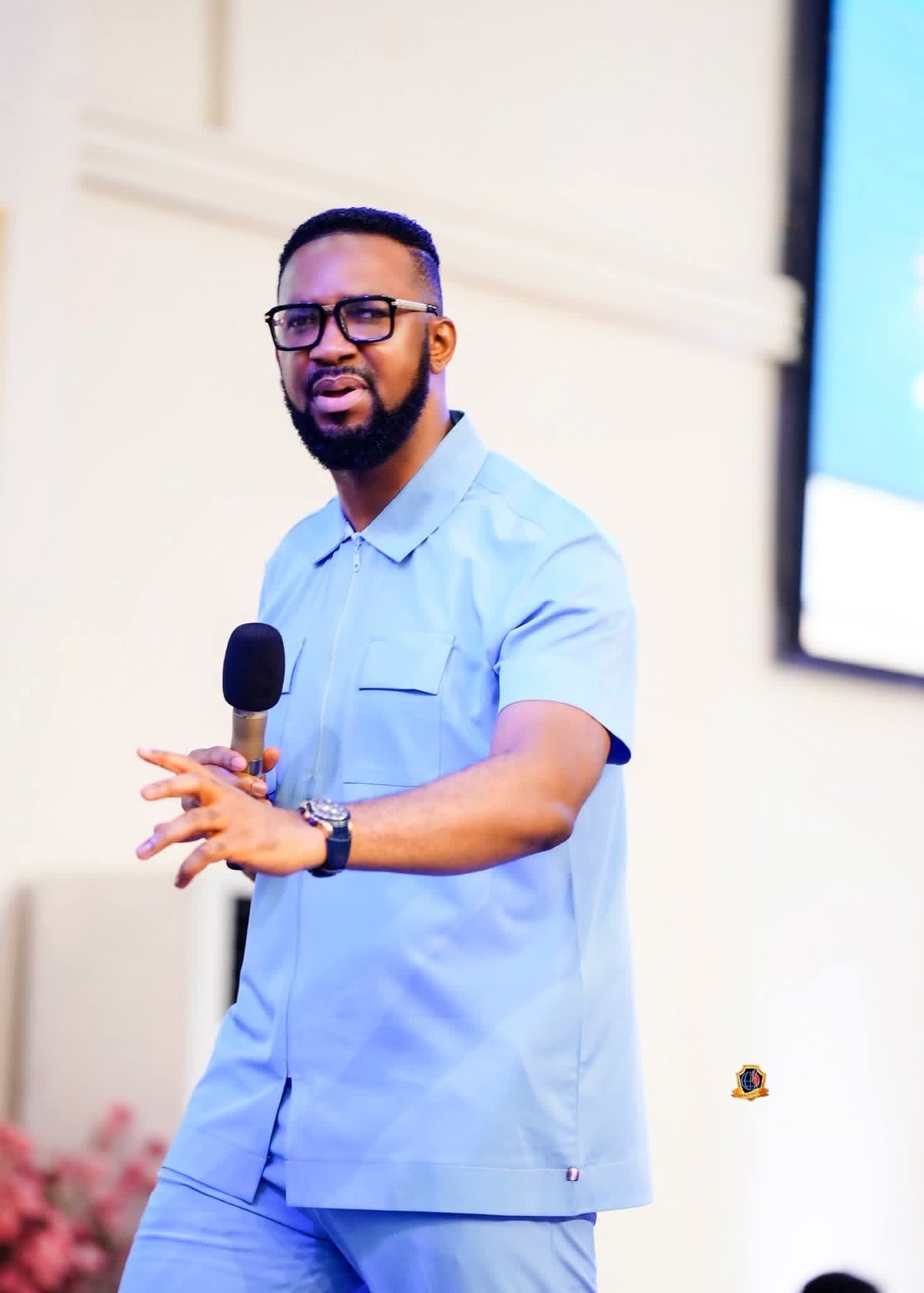
Dr. Chris Okafor: A Philanthropist Par Excellence and a Man of Prayer

Dr. Chris Okafor: A Philanthropist Par Excellence and a Man of Prayer
By Sunday Adeyemi, Society Herald
One constant in human life is change. However, when it comes to the daily life and ministry of renowned Nigerian clergyman and Senior Pastor of Grace Nation International, also known as Liberation City, Dr. Chris Okafor, one attribute remains unwavering—his deep and uncompromising devotion to prayer.
Dr. Okafor is a man whose life revolves entirely around prayer. He prays while living, eating, traveling, and ministering. Remarkably, except during church services or official engagements, he devotes an average of eight to ten hours daily to prayer. This disciplined prayer life forms the bedrock of his ministry and has been the guiding principle through which he overcomes challenges and continues to thrive. Indeed, he prays as though there is no tomorrow.
Those who associate closely with him understand that prayer is non-negotiable in his life. For members of Grace Nation worldwide, prayer is not merely encouraged—it is a way of life. Grace Nation citizens are known for their strong prayer culture, as prayer remains their primary spiritual weapon. As scripture affirms, prayer has the power to turn unexpected challenges into testimonies and breakthroughs.
Returning to the Set Man of Grace Nation Worldwide, Dr. Chris Okafor is widely acknowledged as a dedicated prayer warrior. His lifestyle of prayer has been affirmed repeatedly by fellow men of God who have encountered him personally.
One of his closest covenant brothers recently shared a testimony during a flagship Grace Nation conference in Lagos.
He recounted traveling with Dr. Okafor to the United States for a major conference. On the morning of the event, after preparing to depart early, he knocked on Dr. Okafor’s door—only to discover that the Generational Prophet was still deeply engaged in prayer. When the door was eventually opened, Dr. Okafor explained that he was preparing spiritually ahead of the conference. The covenant brother described the experience as a clear demonstration of an uncommon prayer life.
Another testimony came from Pastor Wilfred, the South Africa branch pastor of Grace Nation. He described Dr. Okafor as a man who never compromises prayer regardless of circumstances. According to him, even while traveling, Dr. Okafor prioritizes prayer over rest. He narrated a particular experience in South Africa where Dr. Okafor was scheduled to minister at 9:00 a.m. The previous night, Pastor Wilfred left him early to allow him to rest. However, repeated calls went unanswered as Dr. Okafor had already commenced prayer.
The following morning, upon arriving to pick him up, Pastor Wilfred heard prayers from behind the door. After waiting for over an hour, he joined in the prayers. It was only after several more hours that Dr. Okafor opened the door—having not slept throughout the night. Such accounts underscore his unwavering commitment to prayer, earning him the reputation among his peers as a true prayer warrior.
Dr. Okafor’s prayer life has also resulted in numerous testimonies. Many attest that while praying, God speaks to him directly, providing divine direction and intervention. There have been accounts of miraculous breakthroughs through prayers conducted over the phone and even across distances.
In one instance, a woman who had been in labor for over three hours contacted Dr. Okafor, who prayed for her, and she delivered immediately.
In another testimony, a man who had been kidnapped for 80 days was released without ransom after Dr. Okafor prayed. Similarly, a young man who had been wrongly detained for nearly four years was freed the same day Dr. Okafor prayed concerning his case. The matter was reviewed, leading to his release and compensation for wrongful detention.
Beyond prayer, Dr. Chris Okafor’s life of philanthropy continues to leave an indelible mark on society. In Part One of this series, attention was drawn to his immense humanitarian efforts through the Chris Okafor Humanity Foundation, particularly in supporting widows, providing scholarships for the less privileged, and transforming the host community of Grace Nation International Headquarters in Lagos.
In Part Two, focus will be placed on his contributions to youth talent discovery—especially in sports—artisan empowerment, support for victims of xenophobic attacks in South Africa, and sustained monthly outreach to homes of the less privileged in Lagos.
Dr. Okafor’s philanthropic vision transcends human imagination. One of his core missions is to deliver people from the grip of darkness and empower them to become productive individuals within society. This vision is actively pursued through the Chris Okafor Humanity Foundation, which operates both locally and internationally.
During the xenophobic crisis in South Africa, Dr. Okafor personally traveled to Johannesburg to console and encourage Nigerian victims. Through his foundation, millions of naira were donated to support medical treatment and rehabilitation—an act of compassion worthy of emulation.
The foundation has also invested significantly in youth development through Liberation City FC, discovering and nurturing football talents. To date, more than five players trained by the foundation are currently plying their trade with major football clubs abroad.
Artisan empowerment remains another major achievement. Over 2,000 artisans have been trained in various skills, including bead-making, barbing, hairdressing, tailoring, and beverage production. After training, beneficiaries are provided with start-up capital to establish their businesses.
Additionally, the foundation conducts monthly outreach to communities of physically challenged individuals in the Yaba area of Lagos State, providing food supplies and educational scholarships for their children, alongside spiritual support through prayer.
The list of impactful interventions by the Chris Okafor Humanity Foundation is extensive and continually growing.


In Part Three of this series, we will examine the factors behind the sustained growth and resilience of Grace Nation and the Chris Okafor Humanity Foundation in the face of diverse challenges.




Uncategorized
CRG: Politicians Must Stop Witch-Hunting, Focus on Nation Building — Says NYSC Cleared Deputy Speaker Since 2023

CRG: Politicians Must Stop Witch-Hunting, Focus on Nation Building — Says NYSC Cleared Deputy Speaker Since 2023
By: Boye Ola
The Centre for Responsible Governance (CRG) has called on political actors and interest groups to desist from what it described as needless witch-hunting of the Deputy Speaker of the House of Representatives, Benjamin Okezie Kalu, following renewed controversies surrounding his National Youth Service Corps records.
The organisation noted that the clarification by the National Youth Service Corps (NYSC) regarding the matter is not a recent development, as a formal verification letter had already been issued as far back as May 23, 2023.
The letter, referenced NYSC/CCD/VER/10/5.1/VOL1/02, had already addressed and cleared the questions surrounding the Deputy Speaker’s NYSC records.
Reacting to the renewed debate, the spokesman of the Centre,
Obande George, said it was troubling that issues which had already been clarified by a competent national institution were being resurrected for political purposes.
According to him, the time has come for political actors to move away from destructive engagements and concentrate on building the nation.
“It is important to note that the NYSC had already issued a verification letter dated May 23, 2023 addressing the matter.
Reopening issues that have already been clarified by a competent authority suggests that some individuals are more interested in political witch-hunting than in national progress,” George said.
The CRG stressed that democracy thrives when institutions are respected and their determinations are accepted in good faith rather than constantly questioned for political advantage.

George also commended the Deputy Speaker for demonstrating maturity and composure throughout the controversy, despite what he described as sustained provocations.
“Honourable Benjamin Kalu has shown remarkable calm and maturity in the face of intense public scrutiny and political provocation.
Instead of engaging in unnecessary public confrontation, he allowed institutions to speak through their records.”
The Centre warned that Nigeria’s political culture must evolve beyond constant character attacks and sensational allegations, which often distract public officials from their responsibilities.
According to the organisation, the country’s development requires constructive engagement among political actors rather than continuous attempts to discredit opponents.
“Nigeria cannot move forward if political energy is constantly spent on digging up allegations and amplifying rumours. Our leaders and political actors must redirect their focus to governance, policy and nation building.”
CRG therefore urged Nigerians to rely on verified information from credible institutions and avoid spreading speculative claims that could damage reputations or destabilise public discourse.
The organisation reiterated that respect for due process and institutional integrity remains essential for strengthening Nigeria’s democracy.

@The Centre for Responsible Governance, Email: [email protected], Instagram: crgngo6, Twitter: crgng06, Threads: crgngo6
Uncategorized
IWD 2026: Ajadi Celebrates Women, Urges Them To Seek More Elective Positions In Future Elections

IWD 2026: Ajadi Celebrates Women, Urges Them To Seek More Elective Positions In Future Elections
A Leading People’s Democratic Party, (PDP) Governorship Aspirant in Oyo State, Ambassador Olufemi Ajadi Oguntoyinbo has felicitates with women in the country on the occasion of this year’s International Women’s Day.
The international Women’s Day is celebrated on 8 March, commemorating women’s fight for equality and liberation along with the women right’s movement. It gives focus to issues such as gender equality and reproductive rights. International Women’s Day originated from labour movements in Europe and North America during the early 20th century.
In a statement issued on Sunday to commemorate this year’s edition of the International Women’s Day, Ajadi said the role of the women in nation building cannot be over emphasised.
He recalled the role played by prominent Nigerian women like Mrs Funmilayo Ransome- Kuti, Margaret Ekpo and Wuraola Esan towards the liberalization and the growth of the country and urges women to follow their footsteps by not only participate in the political process but seek more elective positions.
He urges the political leaders to encourage and give more chances to women for them to contest and occupy elective positions in the country.
Ajadi also called for more respect for women, saying they are definitely behind whatever success recorded by the menfolk.
He said domestic violence against women should be stopped, saying they deserves respect for their role in moulding the future leaders.
According to the statement, “I celebrate and congratulate our women on this year’s occasion of International Women’s Day. We cannot underestimate the role played by our women both at home, in the social circle and in politics. They deserve more respect.
“I equally called on them not only to be a passive participants in politics but to determine to seek more elected positions in future elections. They should aspire more from the position of dancing and singing at campaigns to seek more elective positions. The ratio of men to women in elective positions in the country is embarrassing. Women should stand up and fight for more elective positions.
“I also use the occasion of this year’s Women’s Day to appeal to Nigerians to stop domestic violence against the women. If we treat our women well, our country will witness unprecedented developments”.
Uncategorized
International Women’s Day 2026: Adron Homes Champions Women’s Leadership and Inclusive Growth

International Women’s Day 2026: Adron Homes Champions Women’s Leadership and Inclusive Growth
As the world marks International Women’s Day 2026, Adron Homes and Properties has reaffirmed its commitment to empowering women with meaningful opportunities to serve, lead, and shape the future of Nigeria’s real estate landscape.
Observed globally on March 8, this year’s theme, “Give To Gain,” calls for intentional investment in women through access to resources, education, mentorship, and leadership platforms. The message is clear: when women are empowered, organizations prosper, communities flourish, and nations grow stronger.
In line with this vision, Adron Homes highlighted its people-first culture, which promotes gender inclusion at all operational levels. From executive management and regional administration to marketing leadership, client experience, and field operations, women continue to play strategic roles in driving the company’s growth and service excellence.
According to the company, creating pathways for women to lead is not just a policy direction but a proven strategy that fuels innovation, strengthens decision-making, and deepens stakeholder trust.
Adron Homes also highlighted its internal capacity-building initiatives designed to equip female professionals with the skills and confidence needed for greater responsibility. Through structured mentorship, leadership exposure, and performance-based advancement systems, the organization continues to raise a new generation of women leaders within the property sector.
Delivering a message to commemorate the day, the Executive Vice Chairman, Olori Aderonke Emmanuelking, emphasized the company’s enduring commitment to inclusive progress:
“The theme ‘Give To Gain’ speaks to a principle we strongly believe in at Adron Homes, empowering women is an investment with lasting returns. When women are supported to lead and succeed, the impact goes beyond the workplace; it transforms families, industries, and society at large. We remain committed to building systems that help women rise and thrive.”
The company noted that its celebration of International Women’s Day reflects a broader mission, developing not only thriving residential communities but also a workplace culture where talent is recognized without bias and leadership opportunities are accessible to all.
As Adron Homes continues its expansion drive, it remains steadfast in fostering an environment where women are encouraged to contribute meaningfully, lead confidently, and grow sustainably.


-

 society6 months ago
Religion: Africa’s Oldest Weapon of Enslavement and the Forgotten Truth
-

 news3 months ago
WHO REALLY OWNS MONIEPOINT? The $290 Million Deal That Sold Nigeria’s Top Fintech to Foreign Interests
-

 society6 months ago
“You Are Never Without Help” – Pastor Gebhardt Berndt Inspires Hope Through Empower Church (Video)
-

 celebrity radar - gossips2 months ago
Dr. Chris Okafor Returns with Power and Fire of the Spirit -Mounts Grace Nation Altar with Fresh Anointing and Restoration Grace on February 1, 2026