
society
Drowning in Promise: The Uncertain Future of the Nigerian Dream

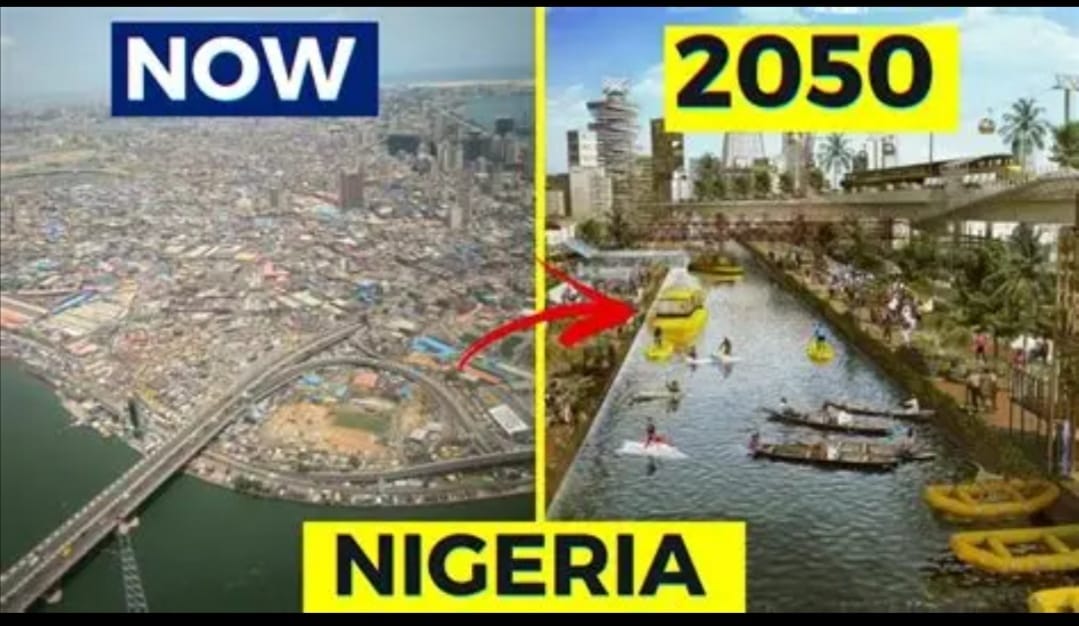
Drowning in Promise: The Uncertain Future of the Nigerian Dream.
George Omagbemi Sylvester | Published by SaharaWeeklyNG.com
“Once the Giant of Africa, now the ghost of its own greatness.”
Where are we truly headed as a nation? What future awaits the millions of young Nigerians whose only inheritance may be frustration and disillusionment? Nigeria, once christened the “GIANT of AFRICA,” now drags its wounded feet in shame; limping under the heavy burden of corruption, insecurity, economic despair and moral decay. The question is not only about where we are headed, but whether we are even moving at all or merely sinking slowly into the quicksand of our own negligence.
A Nation Lost in Transition.
At independence in 1960, Nigeria stood as a symbol of African hope. With its massive population, abundant natural resources and vibrant culture, the world looked to us as the continent’s future powerhouse. Yet sixty-five (65) years later, the same nation that inspired OPTIMISM now inspires PITY. Our democracy, supposedly the “GOVERNMENT OF THE PEOPLE,” has become an endless theatre of political betrayal.

Chinua Achebe, Nigeria’s literary icon, once wrote that “The trouble with Nigeria is simply and squarely a failure of leadership.” His words, written over four decades ago, still echo with haunting precision. Nigeria’s leadership problem has not evolved, but it has metastasized. We have turned governance into a business venture, elections into auctions and public service into personal enrichment.
While nations like Singapore and South Korea (who were behind Nigeria in the 1960s) have built thriving economies and world-class infrastructure, Nigeria still grapples with epileptic power supply, poor roads, collapsed health systems and unemployment that has reduced millions of graduates to okada riders and street hawkers/vendors.
The Economic Mirage.
Nigeria’s economy, though often described as Africa’s largest, remains a fragile façade. The World Bank and IMF repeatedly warn that GDP figures do not feed hungry citizens. In 2024, inflation peaked at over 33%, food inflation soared above 40% and the naira suffered one of its worst depreciations in history, trading above ₦1,700 to a dollar at some points.

According to the National Bureau of Statistics (NBS), over 133 million Nigerians live in multidimensional poverty. This means that more than half of our citizens lack access to clean water, quality education, healthcare and decent shelter. The World Bank’s 2025 update reaffirmed that Nigeria now hosts the second-largest population of people living in extreme poverty globally, second only to India, a nation seven times our size.
Dr. Ngozi Okonjo-Iweala, Director-General of the World Trade Organization, once said that “Economic reforms without social protection deepen inequality and weaken trust in governance.” Her warning is prophetic. The removal of fuel subsidy, while economically justifiable, has pushed millions into hardship, without any reliable safety net to cushion the blow. The result? Soaring transportation costs, skyrocketing food prices and widespread despair.
Youth Betrayed.
Nigeria’s young people are the most educated generation in our history, yet also the most unemployed. The NBS Labour Force Report (2024) placed youth unemployment at 53%, a staggering figure for a nation whose median age is just 18. For many, the dream is no longer to BUILD Nigeria, but to ESCAPE it. The brain drain has become a silent epidemic. According to the UK Home Office, over 100,000 Nigerian professionals migrated to the United Kingdom in 2023 alone, including doctors, nurses, engineers and IT experts. Canada, the U.S. and Europe have witnessed similar surges. The exodus is not just of skills, but of hope. As one young doctor recently lamented, “Nigeria does not deserve our loyalty when it gives us nothing but survival struggles.”

Insecurity: A Nation Under Siege.
Insecurity remains Nigeria’s greatest nightmare. The once peaceful northern farmlands are now graveyards of ambition, as Boko Haram, ISWAP, and bandits ravage entire communities. The UNHCR estimates that over 3 million Nigerians have been displaced internally by conflict. Kidnapping for ransom has become a national industry, from schoolchildren in Kaduna to commuters on Abuja highways, no one is safe.
According to the Global Terrorism Index (2024), Nigeria remains among the top five countries most affected by terrorism worldwide. Beyond statistics, these insecurities have crippled agriculture, destroyed local economies and discouraged foreign investment. Farmers have abandoned their lands, leading to food shortages and price inflation that worsens poverty.
The words of Nelson Mandela ring painfully true here: “Safety and security do not just happen; they are the result of collective consensus and public investment.” In Nigeria, that consensus is broken and investment in security too often ends in corruption.
The Collapse of Education and Healthcare.
A nation that fails to educate its youth or heal its sick is a nation preparing for SELF-DESTRUCTION. Nigeria’s education system is in ruins. Public universities go on strike almost yearly, while primary and secondary schools crumble in neglect. UNESCO reports that Nigeria now has over 20 million out-of-school children, the highest number in the world.
Our health system fares no better. Hospitals lack equipment, doctors are overworked and underpaid and many facilities operate without electricity or running water. The WHO (2024) confirmed that Nigeria still accounts for 20% of global maternal deaths; an unthinkable tragedy in a nation blessed with so much potential.
Meanwhile, political elites jet abroad for medical care and send their children to schools in Europe and America, mocking the very citizens who voted them into power. The hypocrisy is glaring; the betrayal, complete.
Corruption and the Erosion of Trust.
Corruption remains the cancer eating away at Nigeria’s soul. Transparency International’s Corruption Perception Index (2024) ranked Nigeria 145th out of 180 countries, a sharp reminder that despite decades of anti-corruption rhetoric, little has changed.
Billions are looted yearly, from subsidy scams to contract inflation. Former U.S. Secretary of State John Kerry once described Nigeria’s corruption as “a level of theft that would be breathtaking even by Washington standards.” Indeed, we have normalized impunity to the point that thieves are celebrated as philanthropists and patriots mocked as fools.
What Future for the Next Generation?
If Nigeria continues on this path, what future do we leave for the next generation? A future where education is a privilege, justice is purchasable and patriotism is punished? Where the child of the poor cannot dream beyond survival and the child of the rich is exempt from consequence?
The Nigerian child must not inherit chaos as culture. The coming generation deserves better, a nation where merit trumps mediocrity and where leadership means service not self-interest. The youth must rise with renewed consciousness not of violence, but of civic participation and accountability.
A Call for Renewal.
The road to redemption begins with truth and courage. We must rebuild institutions, restore faith in justice and revive the social contract between leaders and the led. Late Dora Akunyili once said, “Nigeria’s problem is not lack of resources, but lack of values.” She was so right.
We must elect leaders with competence and conscience not tribal or religious loyalty. We must strengthen the rule of law so that no one, however powerful, stands above it. We must invest in education, power and technology, the real drivers of modern prosperity.

The Way Forward: The Choice Before Us.
Nigeria stands at a defining moment. The next decade will decide whether we rise again or remain buried under our failures. The choice is ours, to act with vision or continue with vanity.
As Martin Luther King Jr. once said, “The time is always right to do what is right.” For Nigeria, that time is now. The destiny of our nation cannot be outsourced and the responsibility cannot be postponed. IF WE DO NOT FIX NIGERIA, NO ONE WILL.
Let us therefore rise not as TRIBES, but as ONE PEOPLE, united by the shared dream of a country worthy of its children. Because if we fail, history will not forgive us and the future will not remember us kindly.
Written by George Omagbemi Sylvester
Published by SaharaWeeklyNG.com





society
Liberian Leaders, Citizens Bear Witness as Apostle Suleman Hosts Two-Day Power-Packed Crusade
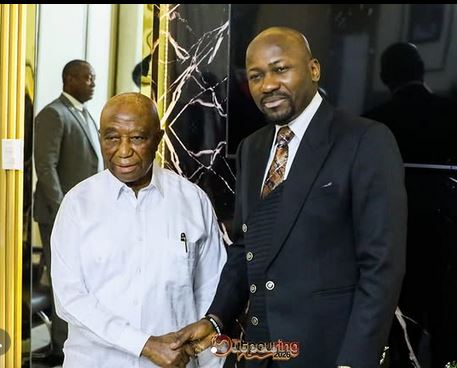
Liberian Leaders, Citizens Bear Witness as Apostle Suleman Hosts Two-Day Power-Packed Crusade
It was testimonies galore on Tuesday, March 31, the first day of the famous servant of God and founder of the Omega Fire Ministries (OFM) worldwide, Apostle Johnson Suleman’s power-packed two-day crusade. The event documented impactful moments with the Gospel and miracles, emphasizing the power of faith and the tangible confirmation of God’s Word through signs and wonders. It was equally an atmosphere of miraculous healing, restoration of lives, and the strengthening of faith.
At the crusade, which was held at the SKD Sports Stadium in Paynesville City, and themed, “Liberia Outpouring Crusade” witnessed testimonies of impact and miracles with participants experiencing instant healing of various kinds of challenges.
Apostle Suleman’s first port of call was Paynesville, the office of Liberian government’s president, Mr. Joseph Nyuma Boakai, who received him in an audience with his junior ministers. Apostle Suleman, who also met with the vice-president, Mr. Jeremiah Kpan Koung, was welcomed by the Liberian leader’s office as part of the president’s ongoing engagements with religious leaders aimed at fostering spiritual support for national development.
The president expressed profound appreciation to Apostle Suleman for the visit and continued prayers and intercessions by men and women of God on behalf of Liberia, emphasizing his firm belief that sustained spiritual guidance and prayer remain vital to the transformation and progress of the nation.
During the visit, Apostle Suleman offered prayers for President Boakai, his cabinet and the Liberian nation, invoking divine alignment, wisdom, and insight in Liberia’s path toward growth and stability. He prayed that the Almighty God would position Liberia for relevance and fulfillment of its national destiny.
Apostle Johnson Suleman, an evangelist who knows no bounds of where preaching the gospel comes to a stop, visited Liberia prepared with the message, compelling power of the Gospel and the work of the Holy Spirit, and bringing people to a point of decision where they surrendered their lives to Christ.
Aside from being prophetic and timely, OFM sources disclosed that the servant of God’s visit underscores the importance of faith-based partnerships in supporting governance and national renewal efforts.
society
Middle Belt Forum Hails Tinubu’s Jos Visit, Calls for United Civil-Military Effort to Restore Lasting Peace
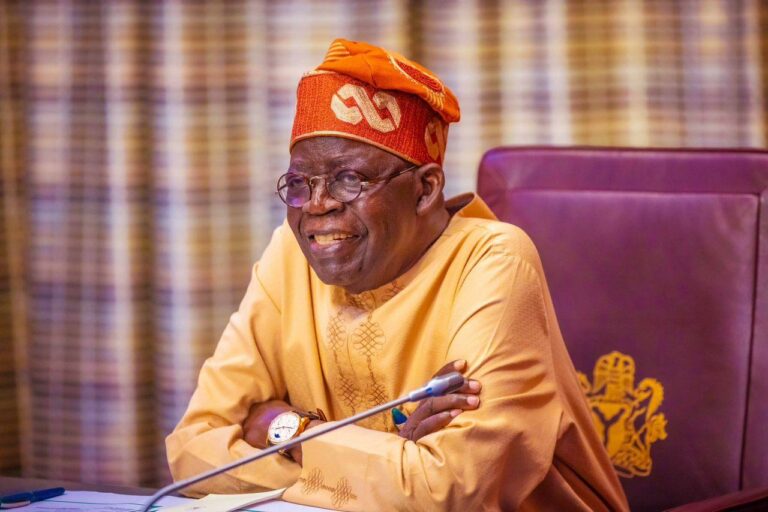
*Middle Belt Forum Hails Tinubu’s Jos Visit, Calls for United Civil-Military Effort to Restore Lasting Peace
The Middle Belt Peace Forum (MBPF) has commended President Bola Ahmed Tinubu for his profound demonstration of empathy and responsive leadership following his decision to postpone an official engagement in Iperu in order to visit victims of the recent attacks in Jos.
In a statement signed by its National Coordinator, Pastor Bulus Garba, in Jos on Friday, the Forum said the President’s decision to personally identify with grieving communities sends a powerful message of solidarity and reinforces public confidence in the commitment of the Federal Government to the protection of lives and property.
“The Middle Belt Peace Forum warmly commends President Bola Ahmed Tinubu for prioritising compassion over ceremony. At a time of deep sorrow for the people of Plateau State, his decision to visit Jos stands as a mark of true leadership—one that listens, responds, and stands with the people in their moment of pain,” the statement read.
The Forum described the perpetrators of the recent attacks as “cowards who prey on innocent and defenceless citizens,” stressing that such acts of violence are not only inhumane but also a direct assault on the unity and peace of the nation.
“We condemn in the strongest terms the actions of these cowardly attackers whose only aim is to instil fear and destabilise peaceful communities. Their actions must be met with firm and decisive resistance from all arms of the state,” Pastor Garba said.
The MBPF further used the opportunity to salute the courage, gallantry, and sacrifices of the Armed Forces of Nigeria under the leadership of the Chief of Defence Staff, General Olufemi Oluyede, noting that their continued efforts remain central to restoring stability across troubled parts of the country.
According to the Forum, the Armed Forces have demonstrated resilience and professionalism in the face of complex security challenges, often operating under difficult conditions to safeguard communities and defend Nigeria’s territorial integrity.
“We salute the Armed Forces of Nigeria for their unwavering commitment and sacrifices. Their gallantry in confronting criminal elements and reclaiming territories is a testament to their dedication to national service. We recognise that the path to peace is demanding, and we honour those who stand daily in defence of our nation,” the statement added.
The Forum pledged its full support to ongoing military operations and called for strengthened collaboration between security agencies and local communities as a critical factor in achieving lasting peace.
It also urged citizens across the Middle Belt to cooperate with security forces by providing timely information and fostering unity within their communities.
The MBPF, however, expressed concern over the need for greater synergy among security agencies, particularly the role of the Nigeria Police in consolidating gains made by the military.
“We call on the Nigeria Police Force to rise fully to its constitutional responsibility by effectively supporting the Armed Forces in stabilising and securing areas that have been cleared of criminal elements. Holding and policing such territories is essential to preventing a resurgence of violence,” Pastor Garba stated.
The Forum emphasised that sustainable peace requires a coordinated approach in which the military clears and secures areas, while the police maintain law and order to enable displaced communities to return and rebuild their lives.
The MBPF concluded by reiterating its commitment to peacebuilding efforts across the Middle Belt and expressed optimism that with sustained leadership, coordinated security efforts, and active citizen participation, lasting peace can be achieved.
“Together, through unity, vigilance, and collective resolve, we can overcome these challenges and build a safer and more peaceful Middle Belt,” the statement added.
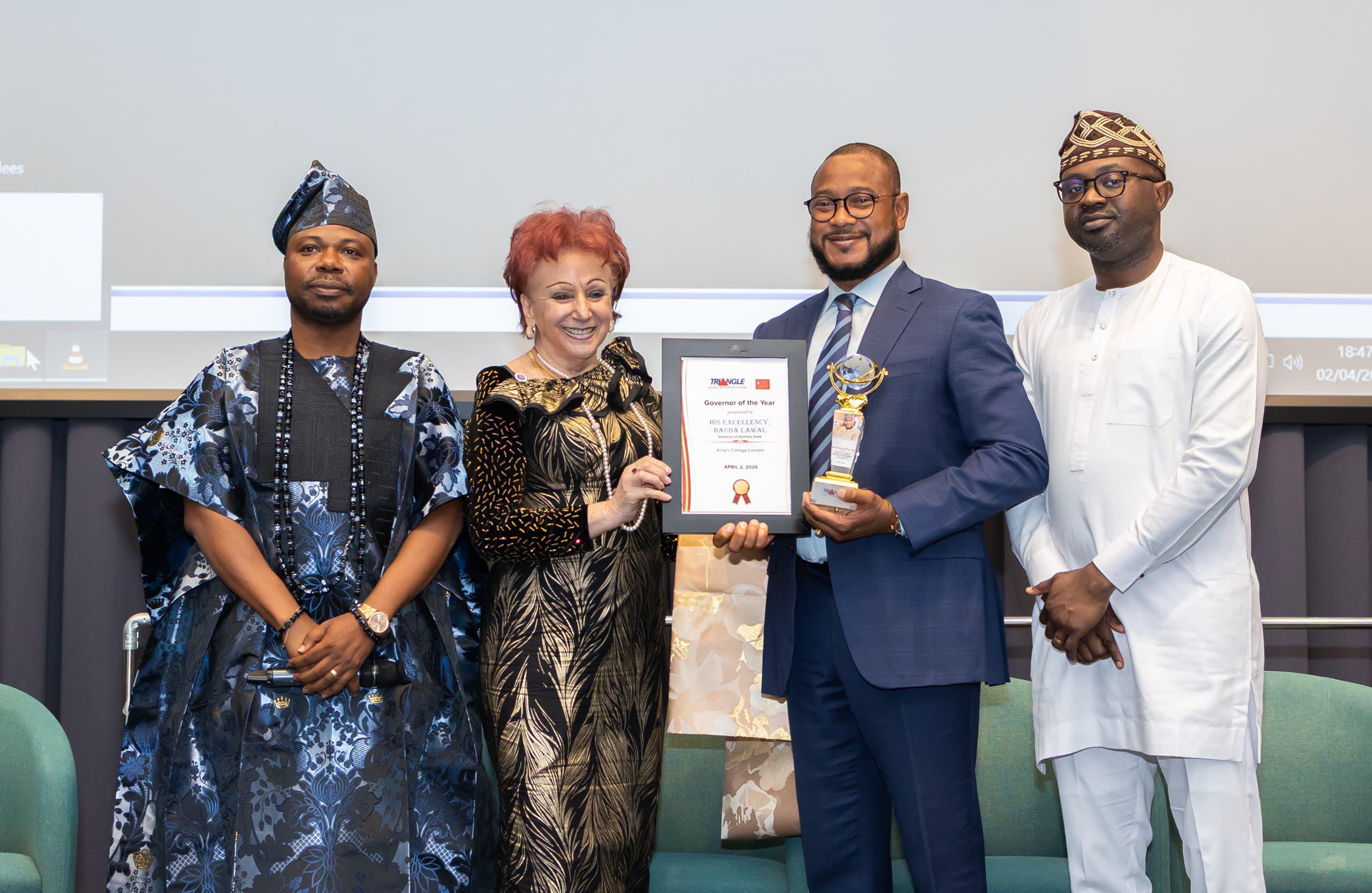
Governor Dauda Lawal Wins Face of Africa Governor of the Year Award in London
Governor Dauda Lawal has been honored with the Outstanding Governor of the Year award by Triangle Media International Magazine.
The award was presented during the magazine’s 10th annual lecture and award ceremony, held on Thursday at the Grand Hall of King’s College, London, United Kingdom.
According to a statement by the governor’s spokesperson, Sulaiman Bala Idris, the awards recognize public and private sector leaders whose leadership positively impacts governance and service delivery.
He added that the lecture, themed “Harnessing the Roles of Nigerians in Diaspora for National Development,” brought together stakeholders from both the public and private sectors.
The statement read in part: “Yesterday, in London, Governor Dauda Lawal received the 2026 Face of Africa Leadership Award for Outstanding Governor of the Year.
“The 2026 edition coincides with the 10th anniversary of Triangle International Magazine, which has over the years celebrated notable Africans across diverse fields.
“The award recognizes the Zamfara State Government under Governor Lawal’s leadership for achieving remarkable milestones in service delivery since his inauguration on 29 May 2023.
“The board of Triangle International noted that, despite inheriting an empty treasury, Governor Dauda Lawal has remained true to the Rescue Agenda’s campaign promise: to rescue and rebuild Zamfara.
“The award also reflects the state government’s innovative approach to indirectly curbing insecurity through educational advancement, demonstrated by the declaration of a state of emergency in the education sector.
“This includes the state government’s swift payment of the outstanding N3.4 billion for WAEC and NECO examinations, as well as the reconstruction and rehabilitation of schools across all 14 Local Government Areas of Zamfara State.
“The international magazine finds these initiatives to be strategic interventions toward long-term efforts to make Zamfara State better.”
The colourful event was attended by the Minister of Interior, Olubunmi Tunji-Ojo, and Sahara Group’s Group Managing Director, Kola Adesina, among others.


-

 society7 months ago
Religion: Africa’s Oldest Weapon of Enslavement and the Forgotten Truth
-

 news4 months ago
WHO REALLY OWNS MONIEPOINT? The $290 Million Deal That Sold Nigeria’s Top Fintech to Foreign Interests
-

 society6 months ago
“You Are Never Without Help” – Pastor Gebhardt Berndt Inspires Hope Through Empower Church (Video)
-

 celebrity radar - gossips2 months ago
Dr. Chris Okafor Returns with Power and Fire of the Spirit -Mounts Grace Nation Altar with Fresh Anointing and Restoration Grace on February 1, 2026