
society
Education Without Borders: How Johannesburg’s Inner-City “Back to School” Giveaway Is Redefining Grassroots Leadership

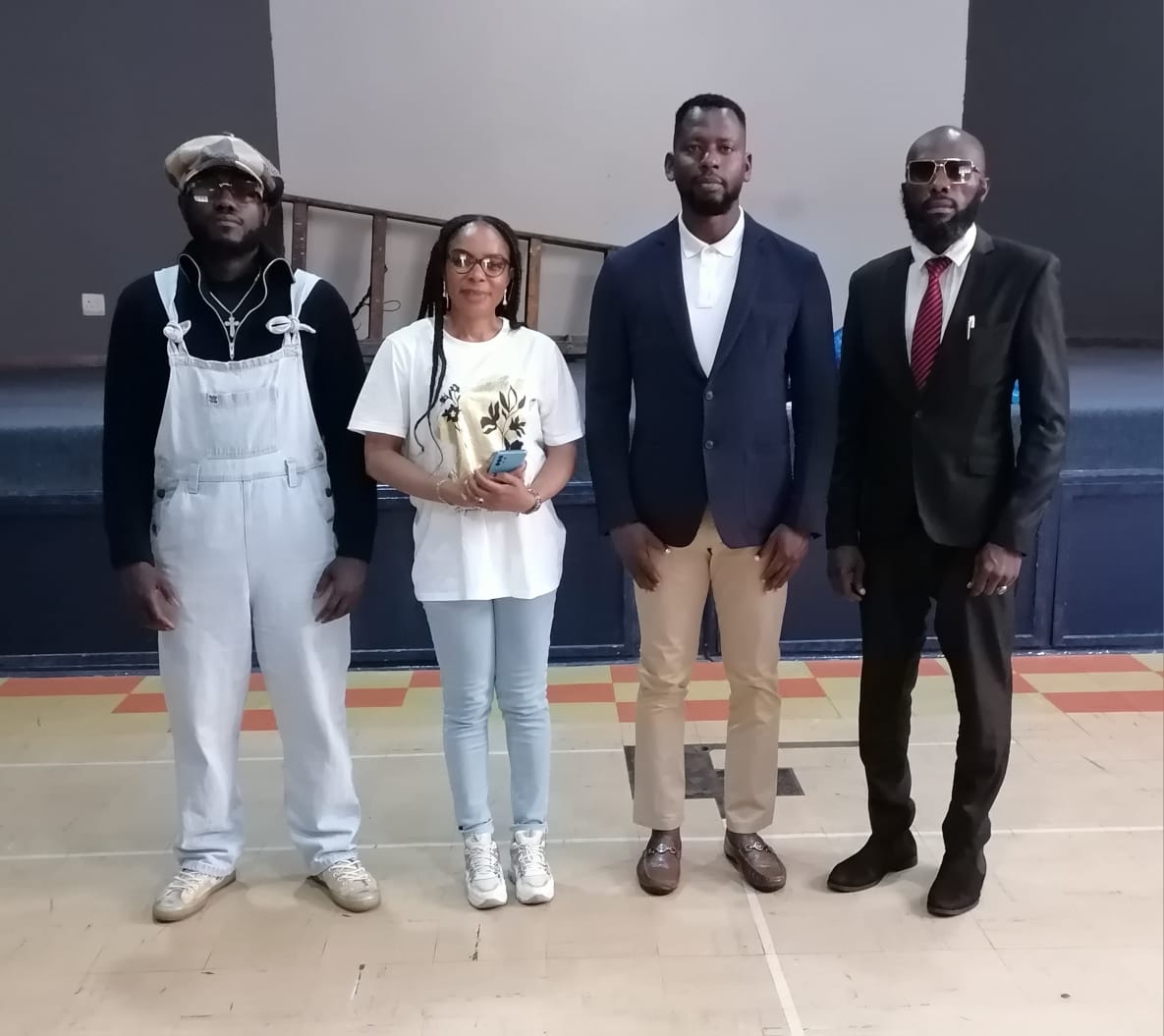
Education Without Borders: How Johannesburg’s Inner-City “Back to School” Giveaway Is Redefining Grassroots Leadership.
By George Omagbemi Sylvester
Published by SaharaWeeklyNG.com
“A Four-Year Tradition of Service, Inclusion and Pan-African Solidarity in Yeoville, Berea and Hillbrow.”
In many parts of the world, the beginning of a new school year is marked by excitement, fresh notebooks, new uniforms and renewed hope. In Johannesburg’s inner-city communities of Yeoville, Berea, Hillbrow and their surrounding areas, however, the same period often exposes a harsh reality: poverty, unemployment and migration-related vulnerability frequently stand between children and access to basic education tools. It is against this backdrop that the annual “Back to School” Giveaway, initiated by Hon. Ekos Akpokabayen, has once again returned, this time stronger, broader and more impactful than ever.
Now in its fourth consecutive year, the initiative has grown from a modest act of charity into a respected community institution. Its purpose remains clear and consistent: to ease the financial burden on struggling families and ensure that children, regardless of nationality or background, begin the academic year with dignity, confidence and the essential materials required for learning. In communities where daily survival competes with long-term planning, this intervention is not symbolic, it is practical, timely and transformative.

Education as a Social Equaliser. Globally, education is widely recognised as the most powerful equaliser in society. UNESCO and other international bodies consistently affirm that access to basic education materials (books, writing tools and uniforms) has a direct impact on school attendance, learner confidence and academic performance. For low-income households, the inability to afford these basic items often leads to delayed enrolment, absenteeism or dropout, particularly in urban informal settings where living costs are high and social safety nets are weak.
Johannesburg’s inner city is home to one of the most diverse migrant populations on the African continent. Families from across Southern, Central and East Africa live side by side, drawn by economic opportunity but often trapped in cycles of precarious work and inadequate housing. Children growing up in these environments face layered disadvantages: economic hardship, social exclusion and, in some cases, xenophobia. The “Back to School” Giveaway directly confronts these challenges by focusing on the child first, before nationality, language or legal status.
As renowned Brazilian educator Paulo Freire argued, “Education does not change the world. Education changes people, and people change the world.” By equipping children with the tools to learn, the initiative invests not only in individual futures but in the long-term stability and cohesion of the community itself.
Leadership Rooted in Consistency. What distinguishes this program is not only its intent but its consistency. Many community interventions flare briefly and disappear. Four consecutive years of uninterrupted delivery, however, signal discipline, planning and genuine commitment. Hon. Ekos Akpokabayen’s sustained leadership reflects a deeper understanding of servic and one that views development not as a one-off event, but as a continuous process.
This year’s edition was further strengthened by the presence of Hon. Angel Monalisa, Hon. George O. Sylvester and Hon. Otono Osiaima, whose participation underscored a shared belief in collective responsibility. Their involvement sent a powerful message: meaningful leadership is collaborative, visible and accountable at the grassroots.
Political theorist Hannah Arendt once noted that “Power corresponds to the human ability not just to act, but to act in concert.” The unified front presented by the organisers reinforces the idea that sustainable community impact is achieved when leaders work together rather than in isolation.
A Truly Pan-African Initiative. One of the most compelling aspects of the 2026 “Back to School” Giveaway is its pan-African character. Beneficiaries were not limited to Nigerians, despite the organisers’ Nigerian heritage. Children from Burundi, the Democratic Republic of Congo, Zimbabwe, South Africa, Mozambique and other African countries all benefited equally.
In a global climate where migration is often politicised and African migrants are frequently portrayed as burdens rather than contributors, this initiative offers a powerful counter-narrative. It affirms a simple but radical truth: children should never be punished for borders they did not draw.
Ghanaian scholar Kwame Nkrumah famously declared, “We face neither East nor West; we face forward.” The spirit of this program reflects that philosophy, embracing a future-oriented African solidarity grounded in shared humanity rather than fragmented identities.
The Inner City as a Site of Possibility. Yeoville, Berea and Hillbrow are often discussed in the media through the lenses of crime, decay and urban neglect. While these challenges are real, they do not tell the whole story. These neighbourhoods are also spaces of resilience, cultural exchange and informal economies that sustain thousands of families.
By situating the “Back to School” Giveaway within these communities, the organisers implicitly challenge narratives of hopelessness. They recognise that development does not always begin in boardrooms or government offices and it often starts on the streets, in churches, community halls and open spaces where trust already exists.
Development economist Amartya Sen has long argued that poverty should be understood not merely as low income, but as a deprivation of capabilities. Education, in this sense, is not charity; it is capability expansion. Providing school supplies may appear modest, but its ripple effects (improved attendance, enhanced self-esteem and parental relief) are profound.
Beyond Charity: A Model of Social Responsibility. Over four years, the “Back to School” initiative has evolved into more than a giveaway. It has become a symbol of inclusion, unity and social responsibility. It demonstrates that effective community intervention does not require excessive bureaucracy, but it does require empathy, planning and accountability.
Importantly, the program complements, rather than replaces, state responsibility. While governments have a duty to ensure access to education, civil society and community leaders play a crucial role in filling gaps and more especially in migrant-dense urban spaces where policy often lags behind reality.
As Kenyan scholar Ali Mazrui observed, “Africa’s problem is not that it is traditional, but that it has been denied the chance to modernise on its own terms.” Grassroots initiatives like this one represent Africans addressing African challenges with locally grounded solutions.
Final Take-Away: Education, Dignity and the Future We Share. The 2026 “Back to School” Giveaway stands as a compelling example of what principled, people-centred leadership looks like in practice. In an era marked by political noise and short-term gestures, this four-year tradition offers something rare: consistency with conscience.
By placing children at the centre, transcending nationality, and returning year after year to the same communities, Hon. Ekos Akpokabayen and his team remind us that the true measure of leadership lies not in titles, but in tangible impact. They demonstrate that education, compassion and hope are not finite resources; and that when shared, they multiply.
For Johannesburg’s inner city, this initiative is more than an annual event. It is a statement: that dignity matters, that every child deserves a fair start and that Africa’s future will be built not by exclusion, but by solidarity.
In a world increasingly defined by division, the lesson from Yeoville, Berea and Hillbrow is clear and universal: when we invest in children, across borders and backgrounds, we invest in a future that belongs to us all.





society
GEN CHRISTOPHER GWABIN MUSA SUPPORT INITIATIVE EXTENDS WARM BIRTHDAY FELICITATIONS TO PRESIDENT TINUBU ON 74TH BIRTHDAY
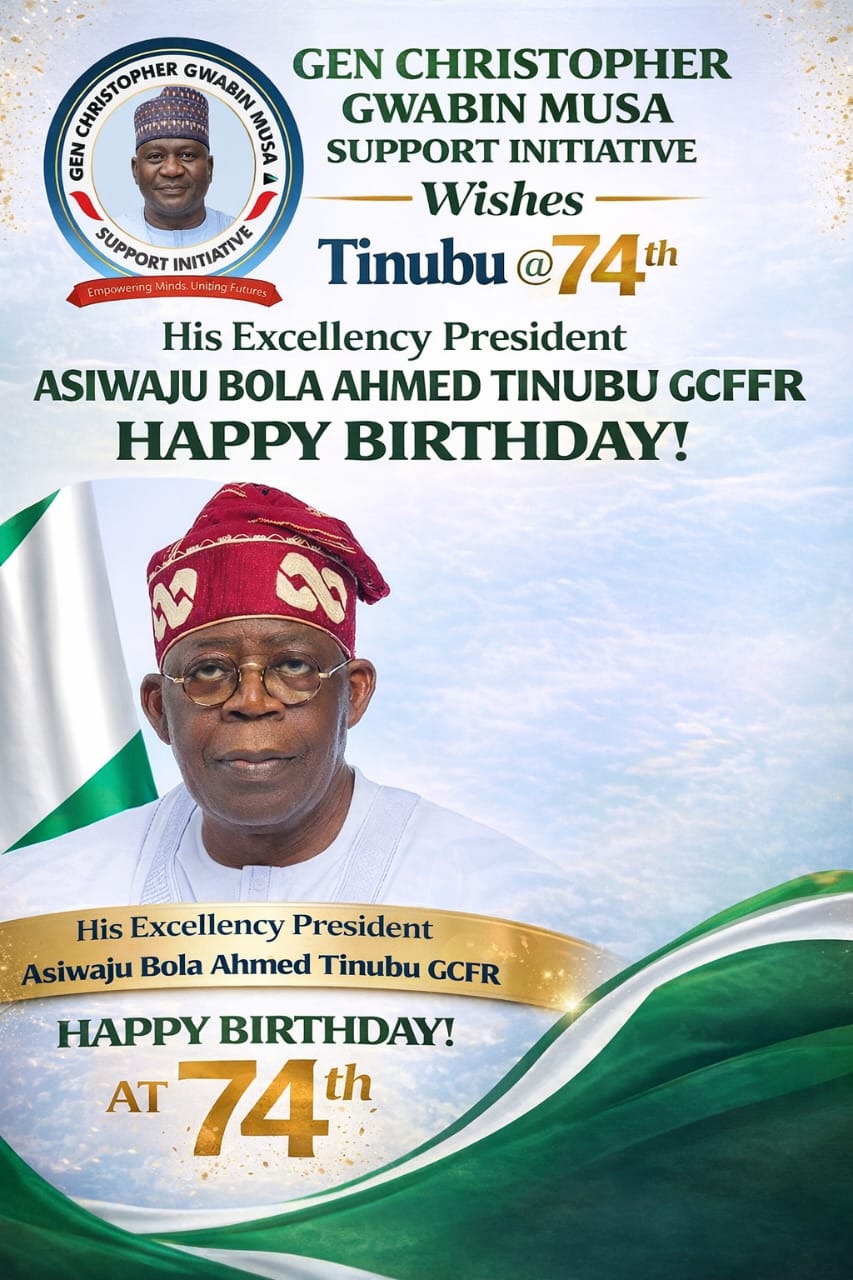
GEN CHRISTOPHER GWABIN MUSA SUPPORT INITIATIVE EXTENDS WARM BIRTHDAY FELICITATIONS TO PRESIDENT TINUBU ON 74TH BIRTHDAY
The Gen Christopher Gwabin Musa Support Initiative has extended heartfelt congratulations to His Excellency President Asiwaju Bola Ahmed Tinubu, GCFR, on the occasion of his 74th birthday.
In a statement released to the press, the Initiative conveyed warm wishes for the President’s personal well-being and for his continued leadership of the nation. The statement, signed by the Convener, Ibrahim Dahiru Danfulani, Sadaukin Garkuwan Keffi/Betara Biu, expressed hope that the coming year would bring the President “renewed strength and more wisdom in guiding the nation.”
The statement further noted that the Grand Patron of the Initiative, His Excellency Gen Christopher Gwabin Musa, OFR, Minister of Defence of the Federal Republic of Nigeria, joined in celebrating the milestone. It added, “Wishing Your Excellency continued good health, vitality, and determination as you lead the country towards greater unity and progress.”
The message underscores support for President Tinubu’s administration and its national objectives, marking the birthday as an occasion to reaffirm commitment to the nation’s unity and advancement under his stewardship.
society
Dominion City to Host Global Camp Meeting, “2 Nights of Glory” 2026 in Lagos, Enugu …Calls for Moral Renewal
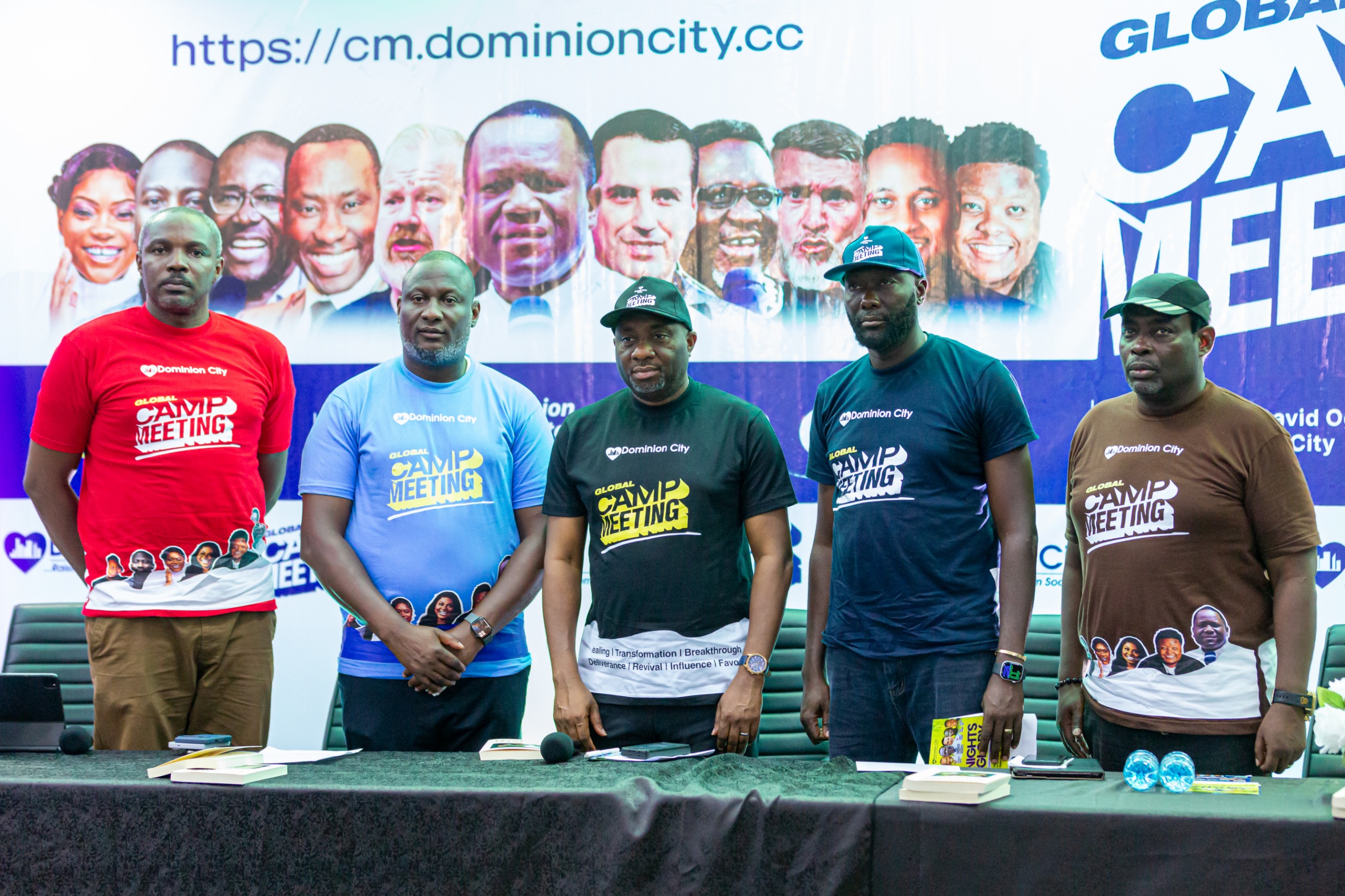
*Dominion City to Host Global Camp Meeting, “2 Nights of Glory” 2026 in Lagos, Enugu
…Calls for Moral Renewal
Lagos – Dominion City has announced plans to host its annual Global Camp Meeting alongside a special “2 Nights of Glory” gathering in April 2026, with events scheduled to be held simultaneously in Lagos and Enugu.
The week-long programme is expected to draw tens of thousands of participants onsite and millions of virtual attendees from across the globe.
The Global Camp Meeting will run from Wednesday, April 1 to Monday, April 6, featuring daily sessions at 8:00 a.m. and 5:00 p.m. The “2 Nights of Glory” is slated for Friday, April 3 and Saturday, April 4 at the Golden Heart Place, Km 22 Lekki-Epe Expressway, beside Lagos Business School, Ajah, Lagos.
Organised by Dominion City, a global church focused on raising transformational leaders, the conference will centre on revival, spiritual renewal, and practical teachings. This year’s theme, “Redigging the Wells of Our Fathers,” underscores a call to return to foundational values and principles.
Speaking ahead of the event, Nobbert Onaga, President, Golden Heart Foundation and Senior Pastor, DC Lagos & Europe, emphasised the need for moral reawakening as a pathway to national transformation. He described the Church as “the pillar and foundation of truth,” noting that the conference aims to confront moral decline and restore core values within society.
“We are going back to foundational truths that established the Church. These truths will help repair societal damage and reposition the Church as a source of hope and light,” Onaga said.
Also speaking, Shola Olapade, Senior Pastor of Dominion City Headquarters, highlighted the Church’s role in addressing ethical and cultural challenges, particularly among young people. He added that the programme would go beyond spiritual teachings to include sessions on artificial intelligence, innovation, business, media, arts, and career development.
“We are equipping people not just spiritually, but with relevant 21st-century skills to thrive in today’s world,” Olapade noted.
The conference will feature teachings and ministrations from a lineup of international ministers, including Dr. David Ogbueli, Dr. Charles Ndifon, Andres Bisonni, Pastor Randy Mitchell, Apostle Ikechukwu Peter Nnajiofor, Dr. Ferdinand Nweke, Apostle Ben Hanyani Ndobe, Evangelist Dan Scott, and Dr. Chiefo Ejiofobiri.
Music ministrations will also be led by notable gospel artists such as Grace Idowu, Rhema Onuoha, Once More Six, David Nkennor, Anthony Kani, and GUC.
Organisers disclosed that over 30,000 participants are expected to attend in person, with free transportation provided from designated locations across Lagos to ease access. In addition, free medical services will be offered daily, building on previous outreaches that benefited over 1,700 people.
To ensure safety and order, more than 200 traffic marshals will be deployed in collaboration with relevant authorities.
Beyond its spiritual impact, organisers project that the event will stimulate local economic activity across hospitality, transportation, and retail sectors.
The Global Camp Meeting remains a key platform for spiritual impartation, leadership development, and societal transformation, aligning with Dominion City’s mission to equip believers to influence their communities positively.
Participation is open to the public, with registration available online for both physical and virtual attendance. //END.//
*PHOTO CAPTIONS:*
L-R: Dr. Godwin Efobi, Head, Medical Team, Dominion City Headquarters (DCHQ); Pastor Shola Olapade, Senior Pastor, DCHQ; Pastor Nobbert Onaga, President, Golden Heart Foundation and Senior Pastor, DC Lagos & Europe; Pastor Chuks Anochie, Head of Security and Traffic Control, Dominion City Headquarters (DCHQ), Camp Meeting 2026; Pastor Josh Tim Vaduchi, Head of Event & Programmes, DCHQ, during the press briefing of the forthcoming Global Camp Meeting, held the weekend of 2026 at the Dominion City Headquarters (DCHQ), Lagos.
L-R: Pastor Chuks Anochie, Head of Security and Traffic Control, Dominion City Headquarters (DCHQ), Camp Meeting 2026; Pastor Shola Olapade, Senior Pastor, DCHQ; Pastor Nobbert Onaga, President, Golden Heart Foundation and Senior Pastor, DC Lagos & Europe; Dr. Godwin Efobi, Head, Medical Team, DCHQ; and Pastor Josh Tim Vaduchi, Head of Event & Programmes, during the press briefing of the forthcoming Global Camp Meeting, held over the weekend in 2026 at the Dominion City Headquarters (DCHQ), Lagos.
society
Oloworo of Oworosoki Kingdom, Oba Babatunde Saliu, Felicitates President Bola Ahmed Tinubu at 74

Oloworo of Oworosoki Kingdom, Oba Babatunde Saliu, Felicitates President Bola Ahmed Tinubu at 74
By Adeyemi Obadimu
The Oloworo of Oworosoki Kingdom, His Royal Majesty, Oba Babatunde Saliu, Elebo II, has extended warm felicitations to the President of the Federal Republic of Nigeria, Bola Ahmed Tinubu, GCFR, on the occasion of his 74th birthday.
In a goodwill message issued from his palace, the revered monarch described President Tinubu as a visionary statesman, a courageous reformer, and an indefatigable democrat whose lifelong commitment to nation-building continues to shape Nigeria’s progress.
Oba Babatunde Saliu praised the President’s unwavering dedication to public service, noting that his leadership has ushered in a new phase of economic reform, infrastructural renewal, and institutional strengthening across the country.
According to the monarch, the President’s Renewed Hope Agenda has begun yielding tangible relief and renewed confidence among citizens, reflecting his determination to reposition Nigeria for sustainable growth and prosperity.
“President Bola Ahmed Tinubu has demonstrated exceptional resilience, strategic foresight, and a deep love for Nigeria. His administration’s bold initiatives are laying the foundation for long-term national transformation. At 74, he remains steadfast in his resolve to build a stronger, more united, and economically vibrant nation,” the monarch stated.
Oba Babatunde further commended the President’s legacy of leadership, describing him as a bridge-builder, a mentor to many leaders, and a symbol of democratic stability. He acknowledged the President’s decades of sacrifice and contribution to the advancement of democracy in Nigeria.
On behalf of the Oworosoki Kingdom, the royal father prayed for divine wisdom, sound health, and renewed strength for the President to successfully complete the noble reforms and developmental strides he has embarked upon for the benefit of all Nigerians.
“As Your Excellency marks 74 remarkable years, we pray that Almighty God grants you long life, continued wisdom, and the fortitude to steer our great nation toward greater heights. May your days be filled with strength and grace as you continue to serve Nigeria with distinction,” Oba Babatunde Saliu added.
President Bola Ahmed Tinubu clocks 74 as a leader whose enduring influence, bold reforms, and steadfast patriotism remain central to Nigeria’s ongoing journey of national renewal.


-

 society6 months ago
Religion: Africa’s Oldest Weapon of Enslavement and the Forgotten Truth
-

 news4 months ago
WHO REALLY OWNS MONIEPOINT? The $290 Million Deal That Sold Nigeria’s Top Fintech to Foreign Interests
-

 society6 months ago
“You Are Never Without Help” – Pastor Gebhardt Berndt Inspires Hope Through Empower Church (Video)
-

 celebrity radar - gossips2 months ago
Dr. Chris Okafor Returns with Power and Fire of the Spirit -Mounts Grace Nation Altar with Fresh Anointing and Restoration Grace on February 1, 2026