
celebrity radar - gossips
Exposed! ‘Sanwo-Olu Approves Mass Burial For 103 EndSARS Victims’ ( doc)

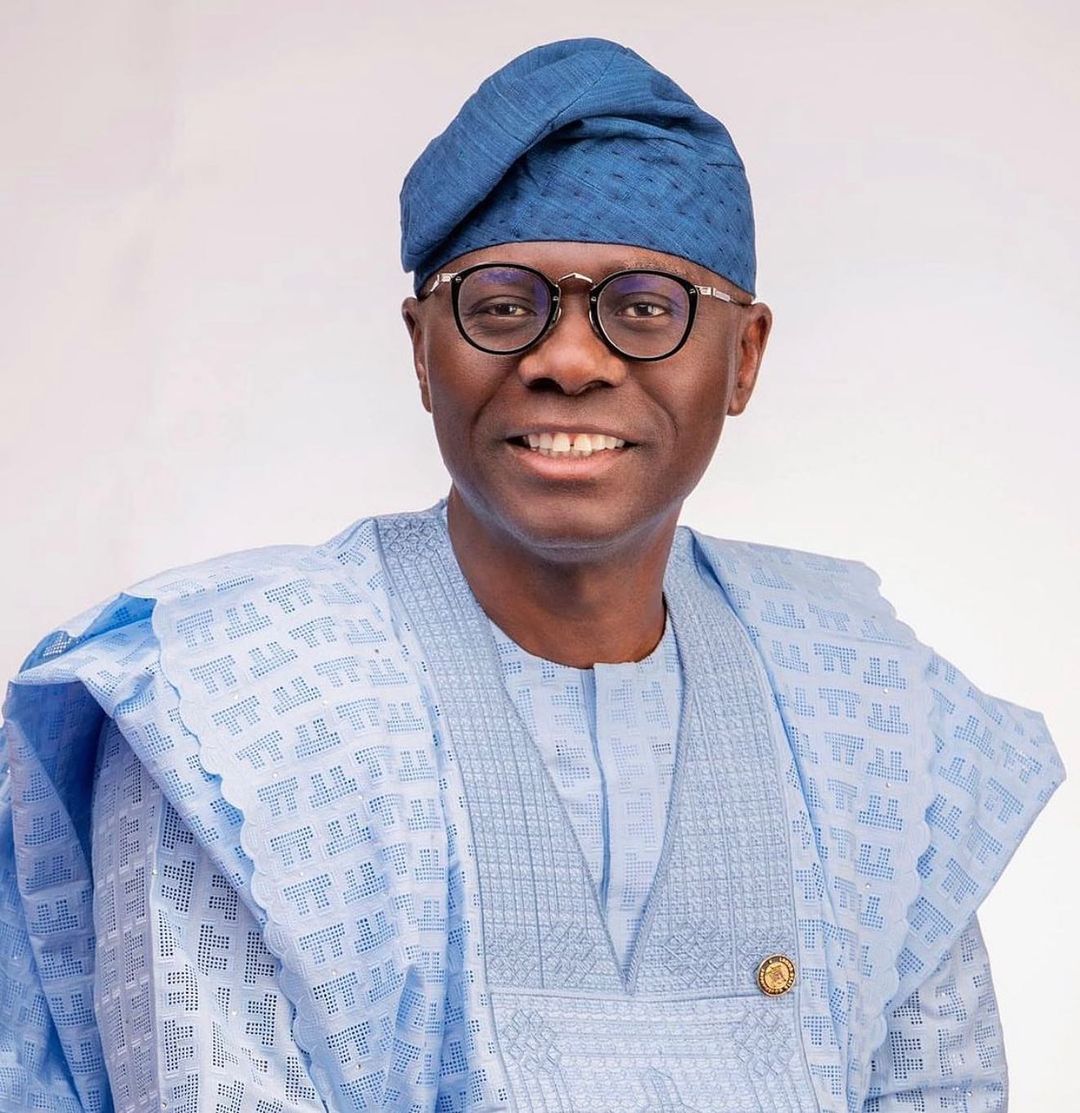
Exposed! ‘Sanwo-Olu Approves Mass Burial For 103 EndSARS Victims’ ( doc)
Governor of Lagos State, Babajide Sanwo-Olu, has approved the mass burial of at least 103 protesters who were massacred by joint forces of the Nigerian Army and the police during the October 2020 mass protest against police brutality tagged #EndSARS.

In a letter dated July 19 by the public procurement agency, the state government engaged the service of Messrs Tos Funeral Ltd, a private firm, at the cost of N61,285,000 to bury 103 bodies that were identified to be victims of the killings.
“Following review of your request and based on the information provided therein, the agency has “No Objection” to the award of contract to MESSRS TOS FUNERALS LIMITED at a total cost of N61,285,000 (Sixty-one million, two hundred and eighty-five thousand Naira only) for the mass burial for the 103, the year 2020 Endsars victims,” the letter read.
This move comes almost three years after Mr Sanwo-Olu and his colleagues in government barefacedly denied the brutal killing of unarmed protesters who were waving the Nigerian flag and chanting the national anthem when the military opened fire on them at the Lekki toll gate on the night of October 20, 2020.
Chief press secretary to Mr. Sanwo-Olu, Gboyega Akosile, was asked about how this new move reflects on the past denials of the state government, he laughed and simply told The Gazette that “the government will release its response soon.”
The move also comes after a call for the identification of missing persons by the Lagos state government was ignored due to several reports of intimidation and harassment, which was meted out to individuals who appeared before the panel of inquiry to make claims that indicted the government.
Mr Sanwo-Olu had issued a white paper to affirm his denial of the findings of the Lagos State’s judicial panel of inquiry, which described the incident as a massacre. The judicial panel had ruled that nothing could justify the war-grade violence unleashed on peaceful protesters, which led to the death of scores during the incident.
While Mr Sanwo-Olu and his government continue to uphold their denial as the official version of events, a great deal of evidence and a number of government decisions, such as the appointment of former Army chief Turkur Buratai as a diplomatic envoy to the Benin Republic, which many believed was done to protect him from prosecution by the International Criminal Court, confirmed the incident and further demonstrated that the government was aware there was sufficient evidence to conclude that the incident was a massacre.
The judicial panel affirmed that the casualty of the incident was worsened because the army refused to allow ambulances and medical help to get to injured protesters who were in need of them. The panel also added that the army stole the corpse of the protesters and wiped blood stains off the scene to hide evidence of its crime and hinder the investigation of the panel.
Chief pathologist of the Lagos State University Teaching Hospital (LASUTH), Professor John Obafunwa, testified before the panel of inquiry that at least 99 bodies were deposited in morgues across Lagos from the EndSars protests, with several of them carrying bullet wounds, some blunt trauma, and some bruises. Of these 99 bodies that were confirmed to be that of protesters, three were successfully traced to have been brought in from the toll gate.
A video investigation published by CNN also complimented several videos that were taken during the incident and confirmed that the men of the Nigerian Army and police indeed shot directly at protesters using live bullets. Mr Sanwo-Olu has asked citizens to “snap out of the incident,” and build back better but families who lost their loved ones in the incident struggle to find closure in the face of the government’s suppression of the truth.
JUST IN: After several denials, Sanwo-Olu plans mass burial for 103 protesters massacred during EndSARShttps://t.co/GVwPVJS0LZ
— Peoples Gazette (@GazetteNGR) July 23, 2023




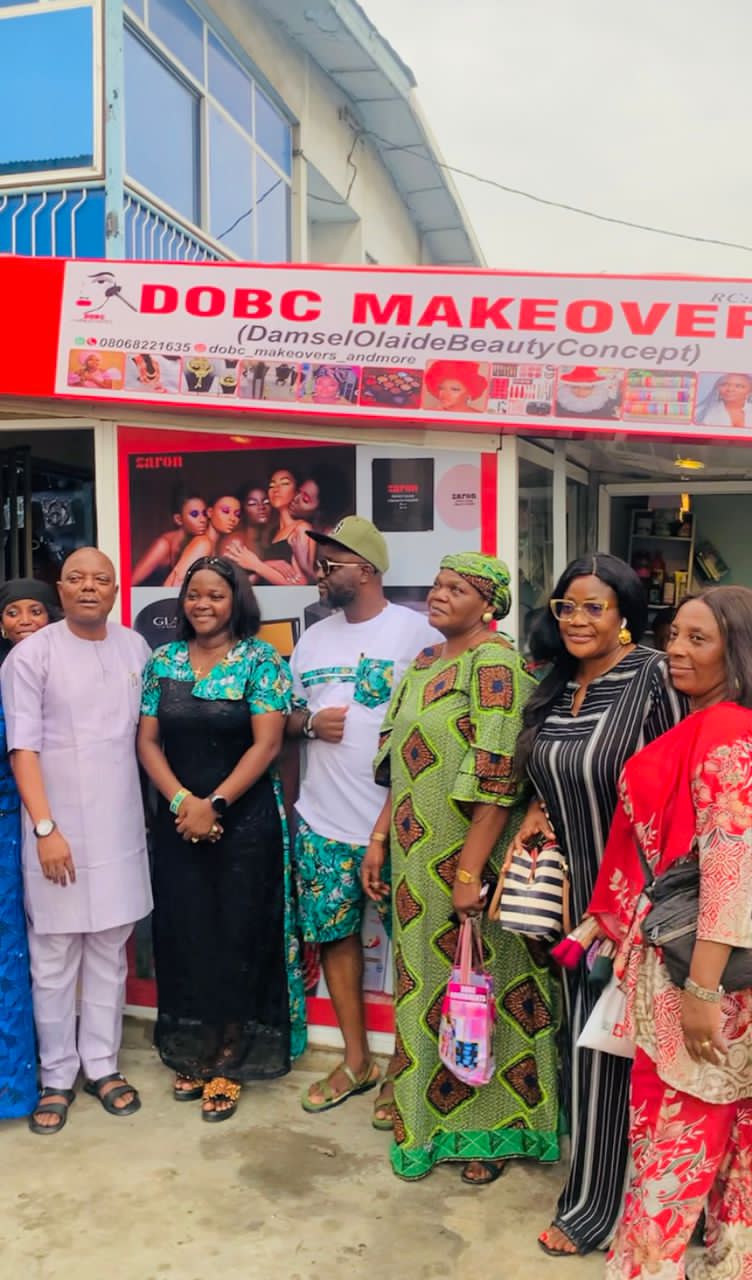
Beauty Meets Glamour as Olaide Ogunyemi Opens New Studio in Mushin
Popular Nollywood actress and professional makeup artiste, Olaide Ogunyemi Oluwayemisi aka Damilola, has expanded her footprint in the beauty industry with the grand opening of her new makeup studio in Lagos.
The talented thespian, who is also the Chief Executive Officer of @Dobc_makeovers_andmore, officially unveiled the ultra-modern beauty space last Thursday, April 2, 2026, in a colourful ceremony filled with glamour, fashion, and pageantry.
Strategically located at 101 Palm Avenue, right beside FitPlus and Sparklight Hospital in Mushin area of Lagos, the new studio is designed to offer top-notch beauty services, reflecting Ogunyemi’s commitment to excellence and professionalism in the ever-growing makeup industry.
The opening ceremony attracted friends, colleagues from the Nollywood industry, beauty enthusiasts, and well-wishers who came out in large numbers to celebrate the entrepreneur’s latest milestone. Guests were treated to a vibrant atmosphere that showcased creativity, style, and the evolving standards of the beauty business in Lagos.
Speaking at the event, Ogunyemi expressed her excitement and gratitude, noting that the new studio represents years of hard work, dedication, and passion for her craft. She reaffirmed her commitment to delivering premium beauty services while empowering aspiring makeup artistes.
The launch of the studio further cements her reputation as a dynamic force, successfully blending her career in Nollywood with a thriving beauty brand.
With this latest development, Olaide Damilola Ogunyemi continues to inspire many young entrepreneurs, proving that talent, consistency, and vision remain key drivers of success in Nigeria’s creative and business landscape.


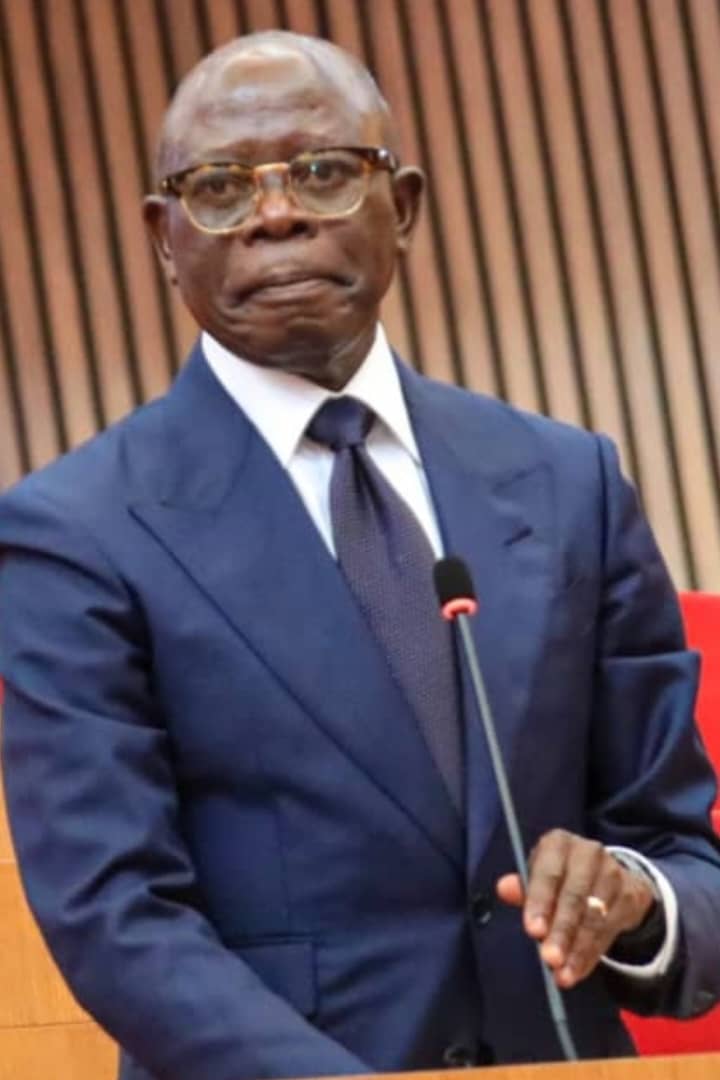
Daniel Eromosele Eulogize Adams Oshiomole as he turns 74 years
Today, I celebrate an exceptional leader, a fearless voice for the people, and a man whose life has remained a symbol of courage, sacrifice, and unwavering commitment to justice—Distinguished Comrade Senator Adams Aliu Oshiomhole.

Your journey has been nothing short of inspiring. From your days as a vibrant labour leader to your impactful tenure as the Executive Governor of Edo State, and now as a respected Senator of the Federal Republic, you have consistently demonstrated what it means to serve with integrity, strength, and purpose. Your contributions to the growth of our nation and the development of Edo State remain indelible and deeply appreciated.
You have not only built structures and institutions but have also built people. I am personally a beneficiary of your leadership, your guidance, and your belief in empowering others. Your influence in my life has been profound, and I remain grateful for the opportunities and inspiration you have given me.
On this special day, I celebrate not just your achievements, but the man you are—resilient, principled, and ever committed to the progress of Nigeria and her people.

May this new year bring you renewed strength, greater wisdom, good health, and more remarkable accomplishments. May your legacy continue to shine brighter with each passing year.
Happy Birthday, sir. Wishing you many more fruitful and impactful years ahead.
celebrity radar - gossips
Accolades to Empress Genevieve Wining as she Celebrate birthday in Grand style

Accolades to Empress Genevieve Wining as she Celebrate birthday in Grand style
Emmanuel Clement
Vilnius, Lithuania – The Grand Hotel Vilnius will host a grand birthday celebration in honor of Her Majesty The Empress Genevieve Wining of the United Kingdom of Atlantis (UKA) on April 4th, 2026.
The four-day event promises to be an extravagant affair, marking the special birthday of Empress Genevieve Wining. The celebration will take place at the prestigious Grand Hotel Vilnius, Lithuania, renowned for its luxurious ambiance and exceptional service.

According to the event flyer, the birthday celebration will be a spectacular occasion, fitting for an empress. Guests can expect an elegant setting adorned with golden accents, sparkling champagne, and festive decorations, creating a regal atmosphere befitting the occasion.
The Empress Genevieve Wining of UKA is expected to grace the event, which will include various festivities and celebrations in her honor. The occasion aims to bring together dignitaries, followers, and guests to commemorate the empress’s birthday with grandeur and joy.
For media inquiries, accreditation, or further information about the birthday celebration of The Empress Genevieve Wining of UKA, please contact the event organizers.
Courtesy of His Excellency Emperor Prof. Solomon Wining. UKA


- Afreximbank supports Dangote Group as it targets US$100 billion annual revenue by 2030 April 8, 2026
- Africa's top-ranked Global Reporting Initiative (GRI) Training Partner launches 15th cohort of globally recognized sustainability reporting certification April 8, 2026
- African Energy Chamber (AEC) Intervenes in Landmark Climate Case to Defend Africa’s Energy Future April 8, 2026
- Eswatini opens to investors for first-of-its-kind roadshow April 8, 2026
- Egypt: President El-Sisi Meets Ministers of Electricity, Petroleum April 8, 2026
- Seychelles and Japan explore expanded cooperation and future partnerships April 8, 2026
- President Mahama to headline The Africa Debate 2026 as Ghana-United Kingdom (UK) investment ties deepen April 8, 2026
- Angolan Production Gets New Uplift as Eni’s Guido Brusco Joins Angola Oil & Gas (AOG) 2026 April 8, 2026
- Liquid C2 launches Africa’s first Google Cloud-powered Experience Centre to accelerate Artificial Intelligence (AI) adoption April 8, 2026
- Uganda: Opposition calls for reforms amid rising debt burden April 8, 2026
- Afreximbank supports Dangote Group as it targets US$100 billion annual revenue by 2030 April 8, 2026
- Africa's top-ranked Global Reporting Initiative (GRI) Training Partner launches 15th cohort of globally recognized sustainability reporting certification April 8, 2026
- African Energy Chamber (AEC) Intervenes in Landmark Climate Case to Defend Africa’s Energy Future April 8, 2026
- Eswatini opens to investors for first-of-its-kind roadshow April 8, 2026
- Egypt: President El-Sisi Meets Ministers of Electricity, Petroleum April 8, 2026
- Seychelles and Japan explore expanded cooperation and future partnerships April 8, 2026
- President Mahama to headline The Africa Debate 2026 as Ghana-United Kingdom (UK) investment ties deepen April 8, 2026
-

 news4 months ago
WHO REALLY OWNS MONIEPOINT? The $290 Million Deal That Sold Nigeria’s Top Fintech to Foreign Interests
-

 society7 months ago
“You Are Never Without Help” – Pastor Gebhardt Berndt Inspires Hope Through Empower Church (Video)
-

 celebrity radar - gossips2 months ago
Dr. Chris Okafor Returns with Power and Fire of the Spirit -Mounts Grace Nation Altar with Fresh Anointing and Restoration Grace on February 1, 2026
-

 celebrity radar - gossips4 months ago
Prophet Kingsley Aitafo Releases 2026 Prophecy: ‘Nigeria Will Rise, but the World Must Prepare for Turbulence’