
society
FAILURE IS A CHOICE: We Must Stop Treating Crisis as Normal

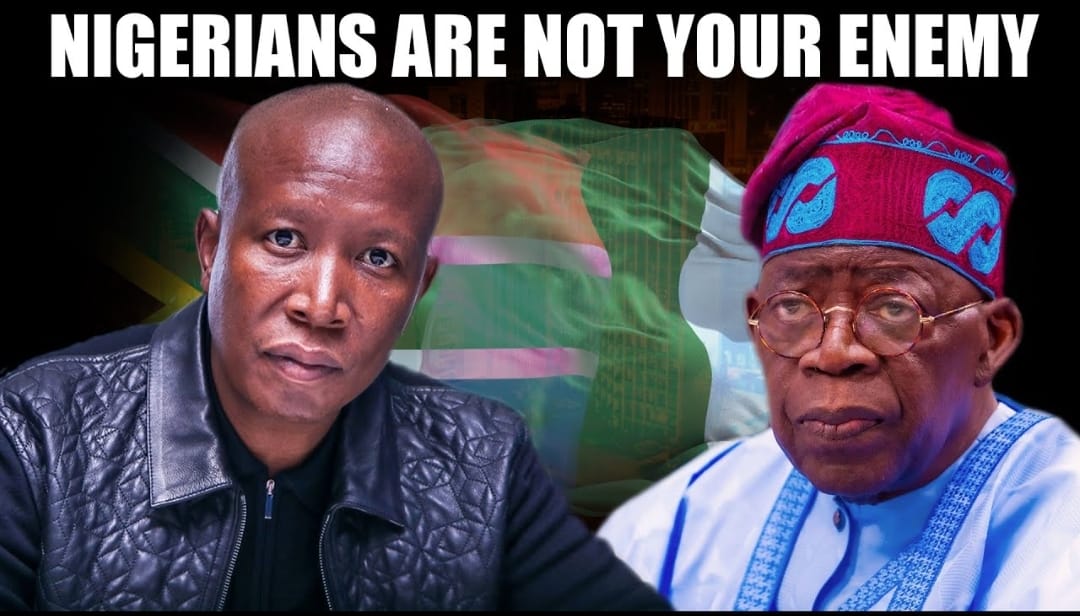
FAILURE IS A CHOICE: We Must Stop Treating Crisis as Normal.
By George Omagbemi Sylvester | Published by SaharaWeeklyNG.com
“Enough excuses; SURVIVAL-BY-SCRAMBLE is a policy of defeat. We rebuild or we perish.”
We Nigerians (and Africans in general) have perfected the art of normalizing chaos. We wake up to crises and go to bed with dysfunction, yet we call it “RESILIENCE.” We take pride in surviving under the worst possible conditions and label it strength. Though survival is not success; it is a symptom of systemic failure. And failure, no matter how common, is not culture, it is a choice.

From Nigeria to Sudan, from Congo to Zimbabwe, we have allowed incompetence to masquerade as destiny. Every collapsed building, every unlit street, every unpaid teacher, every unstaffed hospital is not fate but a decision MADE BY PEOPLE in POWER and TOLERATED BY CITIZENS who have grown numb to pain. As long as we treat crisis as normal, progress will remain abnormal.
Nigeria, the supposed “GIANT of AFRICA,” is a tragic case study of how nations die slowly, not from war, but from the silent acceptance of mediocrity. With over 220 million people, vast arable land and abundant natural resources, Nigeria should be a global success story. Instead, it has become a living contradiction, a rich nation of poor people.
The World Bank reports that over 63% of Nigerians live in multidimensional poverty, lacking access to health care, education and decent living conditions. That is nearly 133 million Nigerians struggling daily in a country blessed with oil, gas and human capital. In 2024 alone, inflation climbed above 30% and the naira depreciated to over ₦1,500 per dollar, eroding wages and crushing small businesses.

Electricity generation, the heartbeat of modern development, remains a national embarrassment. As of mid-2024, Nigeria generated barely 5,000 megawatts for a population exceeding 200 million and a figure lower than what South Africa, with just 60 million people, produced even at its lowest point of energy crisis. A single state in the United States, Texas, generates more than 80,000 megawatts, yet we continue to claim “GOD WILL DO IT.” God has done His part and it is our leadership that has failed to do theirs.
As Chinua Achebe once wrote in The Trouble with Nigeria: “The trouble with Nigeria is simply and squarely a failure of leadership.” Four decades later, nothing has changed. We have replaced bad leaders with worse ones and mistake RECYCLING for REFORM.
Leadership Without Accountability. The African condition today is not primarily a lack of intelligence or resources but a deficit of integrity. Leaders who should be custodians of national progress have become custodians of personal wealth. Nigeria ranks among the bottom 25% of countries on Transparency International’s Corruption Perception Index, where billions vanish yearly under dubious projects.
Corruption is not merely an economic issue; it is a moral cancer that kills national ambition. It diverts funds from hospitals to foreign bank accounts, from classrooms to convoys and from industries to individual greed. The late South African leader Nelson Mandela warned: “Overcoming poverty is not a gesture of charity; it is an act of justice.” Justice cannot prevail in a society where the CORRUPT are celebrated and the honest are silenced.

The Myth of “RESILIENCE”. Africans often boast of being resilient people. Resilience without results is SELF-DECEPTION. When a people adapt to hunger, power failure, unemployment, insecurity and bad governance, they are not being resilient, they are being conditioned. We have learned to survive what we should have rebelled against.
Look at our neighbors who refused to normalize their pain. South Africa in 1994 said “NEVER AGAIN” to apartheid and began the journey toward equality. Ghana in 1981 stood up to military decay and embraced democracy that has since stabilized its economy. Rwanda, after a genocide that killed nearly a million people in 1994, rebuilt itself into one of Africa’s cleanest, safest and most disciplined nations.
Each of these countries made a collective choice to stop romanticizing failure. Meanwhile, Nigerians are told to “ENDURE.” We have endured for too long. Endurance without accountability is slow suicide.
The Cost of Accepting Crisis. When a nation normalizes dysfunction, it loses its moral compass. Today, insecurity has become the new normal; from Boko Haram in the northeast to banditry in the northwest and kidnapping in the south.
Over 80,000 lives have been lost to terrorism and related violence since 2009, according to the Council on Foreign Relations (CFR). Yet our leaders treat it as routine.
Education is collapsing before our eyes. The UNESCO data shows that Nigeria has the world’s highest number of OUT-OF-SCHOOL CHILDREN, over 20 million. Hospitals have turned into mortuaries and brain drain has stripped the nation of skilled professionals. More than 15,000 Nigerian doctors now practice abroad, particularly in the U.K. and Canada (this 2025 alone). Even universities that once stood as pillars of excellence now stagger under strikes and underfunding.
As the late Prof. Claude Ake, Nigeria’s foremost political economist, warned “Development is not possible in a country where POLITICS is everything and PRODUCTIVITY is nothing.” We cannot talk our way out of failure; we must work our way out.

The Culture of Excuses. The saddest phrase in Nigeria’s vocabulary is “NA SO WE SEE AM OO.” It is the anthem of surrender, the acceptance that nothing will change. We blame colonialism, global capitalism and bad luck, but never our own refusal to act. While colonialism left scars, it has been over 60 years since independence.
Nations like Singapore, Malaysia and South Korea gained independence around the same time, today they are economic giants. Why? Because they chose COMPETENCE over CORRUPTION, PLANNING over POLITICS and ACCOUNTABILITY over APATHY. Nigeria chose the opposite.
As long as public office remains a retirement plan for the corrupt, no divine intervention will save us.
Choosing Change. We must realize that DEVELOPMENT is a DECISION. It begins with leadership that understands that governance is not about sharing spoils but building systems. It requires citizens who demand performance not peanuts; who vote with their conscience not their stomach.
To quote Lee Kuan Yew, the founding father of modern Singapore: “A nation is great not by its size alone. It is the will, the cohesion, the intellectual and moral quality of its people that makes it great.”
Nigeria has the people; what we lack is the will.
It is time to reject the politics of TRIBE and RELIGION, the two tools that have kept us divided and distracted. Progress has no ETHNIC IDENTITY. Light, jobs, schools and security do not belong to one tribe. They are national rights not regional privileges.
The Path Forward. To rise again, Nigeria must take five urgent steps:
Fix Power: Electricity is not a luxury; it is the lifeblood of modern civilization. Without it, industries will continue to die and unemployment will worsen.
Educate for Innovation: Quality education must replace political education. Nations that invest in human capital do not beg for aid.
Fight Corruption with Consequence: Until politicians and civil servants fear the law, theft will continue to be profitable.
Reward Productivity: Celebrate builders, inventors and reformers, not thieves and sycophants.
Unite for a Common Goal: Stop treating governance as ethnic conquest. Unity is not a slogan; it is a survival strategy.
The Final Word.
We are not cursed, we are careless. We are not doomed, we are distracted. We are not victims, we are volunteers in our own destruction.
As George Omagbemi Sylvester writes:
“Failure is not inherited; it is repeated. And repetition of wrong choices is the surest path to ruin.”
Nigeria’s salvation lies not in prayers alone, but in policies, principles and people ready to reject mediocrity. We must stop applauding survival and start demanding success. The time to choose progress is now, because nations that normalize crisis eventually vanish under it.

Let it be said that this generation refused to adapt to failure. Let it be written that we rose, not because it was easy, but because we were tired of excuses. And let it be remembered that we finally understood: FAILURE is not CULTURE, it is a CHOICE.




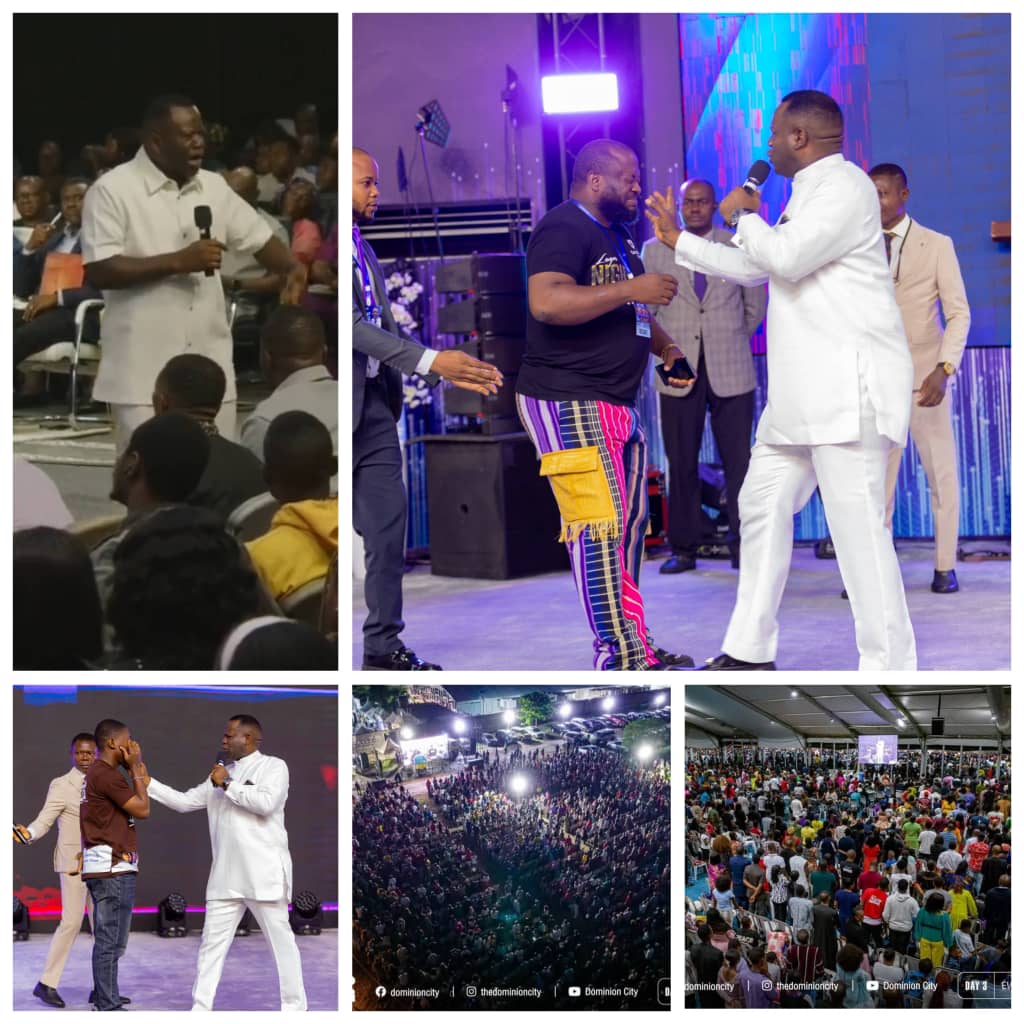
Revival Atmosphere as Dominion City Launches Night of Glory 2026.
Lagos – The atmosphere was charged with faith, worship, and expectancy as Dominion City’s Global Camp Meeting 2026 entered its peak with the first day of the “Night of Glory,” drawing thousands of worshippers to Lagos and Enugu in a powerful display of spiritual revival.
Held at the Golden Heart Place, Ajah, Lagos, the Friday evening gathering marked a significant moment in the ongoing six-day conference themed “Redigging the Wells of Our Fathers.” Participants from across Nigeria and beyond converged both physically and online, united by a shared hunger for divine encounter and transformation.
From the outset, the meeting was characterised by intense worship sessions led by gospel ministers, creating an atmosphere many attendees described as “tangible with God’s presence.” The night quickly transitioned into sessions of fervent prayers, prophetic ministrations, and teachings centred on restoration, healing, and spiritual awakening.
Presiding over the meeting, Dr. David Ogbueli, founder of Dominion City, charged participants to reconnect with foundational truths and spiritual disciplines necessary for personal and societal transformation. He emphasised that the “Night of Glory” was designed as a moment of divine visitation where destinies could be reshaped.
“As we redig the wells of our fathers, we are reconnecting with ancient graces and covenant realities that produce undeniable results,” he declared.
As the night unfolded, several remarkable testimonies were shared, reinforcing the theme of supernatural intervention. Among them was the case of a 14-year-old girl who was reportedly delivered from a seven-year struggle with pornography addiction, an experience that drew emotional reactions from the congregation.
Other testimonies included reported healing from cancer, recovery from a severe skin infection attributed to spiritual affliction, the healing of a heart-related condition, and three years of a non-menstrual period. Attendees also recounted instances of restored hearing and sight, with individuals testifying to improvements from partial deafness and blindness, among others.
Fathers of faith present were Barrister Emeka Nwankpa, Pastor Yemi Ayodele, Rev. Pade Tokun, Apostle Gbenga Adegbenro, Rev. Mike Adegbile, and others. Other Ministers present, including Pastor Dr. Charles Ndifon, Pastor Randy Mitchell, Apostle Ikechukwu Nnajiofor, and others, reinforced messages of faith and the power of God to intervene in human situations. They encouraged worshippers to remain steadfast and receptive, noting that miracles often spring from an atmosphere of unwavering belief.
Beyond the miraculous, the gathering also underscored a broader call to moral and spiritual renewal. Church leaders reiterated the need for believers to embody values that can positively influence society, especially in a time of perceived moral decline.
The “Night of Glory” is part of the larger Global Camp Meeting, which began on April 1 and will run through April 6, featuring daily teachings, leadership sessions, and specialized programmes for youths and families.
Organisers say expectations remain high for the second night, with many believing that the wave of miracles and transformation witnessed on the first night is only the beginning.
For many attendees, however, the message was clear beyond the signs and wonders; the true essence of the gathering lies in a renewed commitment to live transformed lives and impact society. //END.//
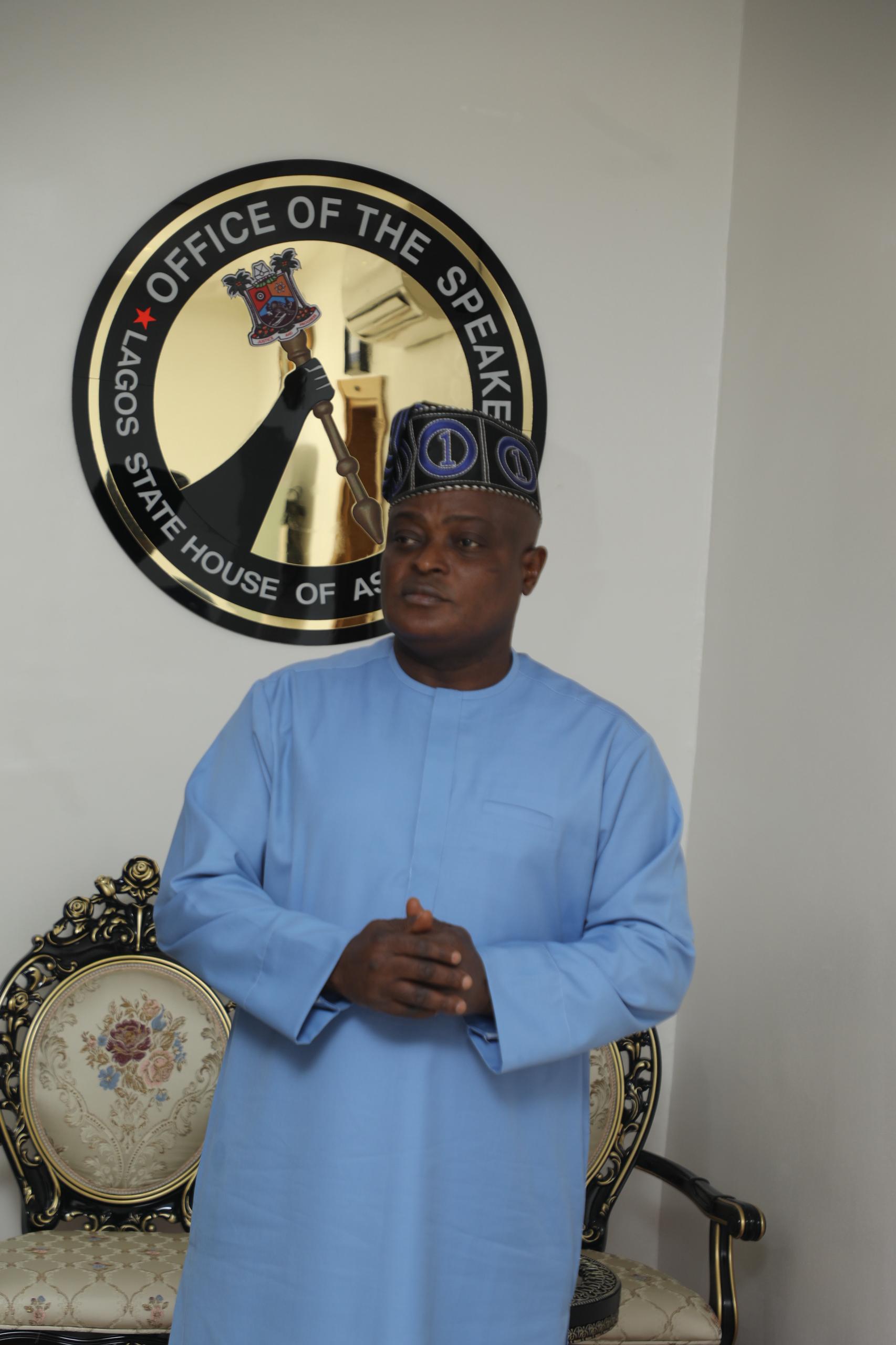
Easter: Obasa Urges Christians To Embrace Hope, Unity, Renewal
The Speaker of the Lagos State House of Assembly, Rt. Hon. Mudashiru Obasa, has congratulated Christian faithful in Lagos and across Nigeria on the celebration of Easter, urging them to draw strength from the lessons of Christ’s resurrection.
In his Easter message, released by his Chief Press Secretary, Mr. Dave Agboola, Obasa described the season as a reminder of victory over despair, renewal after trials, and the triumph of light over darkness. He noted that just as Christ overcame death, Nigeria can overcome its current challenges if citizens remain steadfast, prayerful, and committed to unity.
“Easter is a season of hope and renewal. As a nation, we face economic pressures and security concerns, but the resurrection teaches us that no situation is beyond redemption. Let us roll away the stones of division and despair, and work together for peace, justice, and prosperity,” the Speaker said.
He called on Lagosians to continue to show love and compassion to one another, stressing that collective effort is key to building a stronger Lagos and a better Nigeria.
Obasa prayed that the joy of Easter would fill homes with renewed faith and guide both leaders and citizens toward a brighter future.
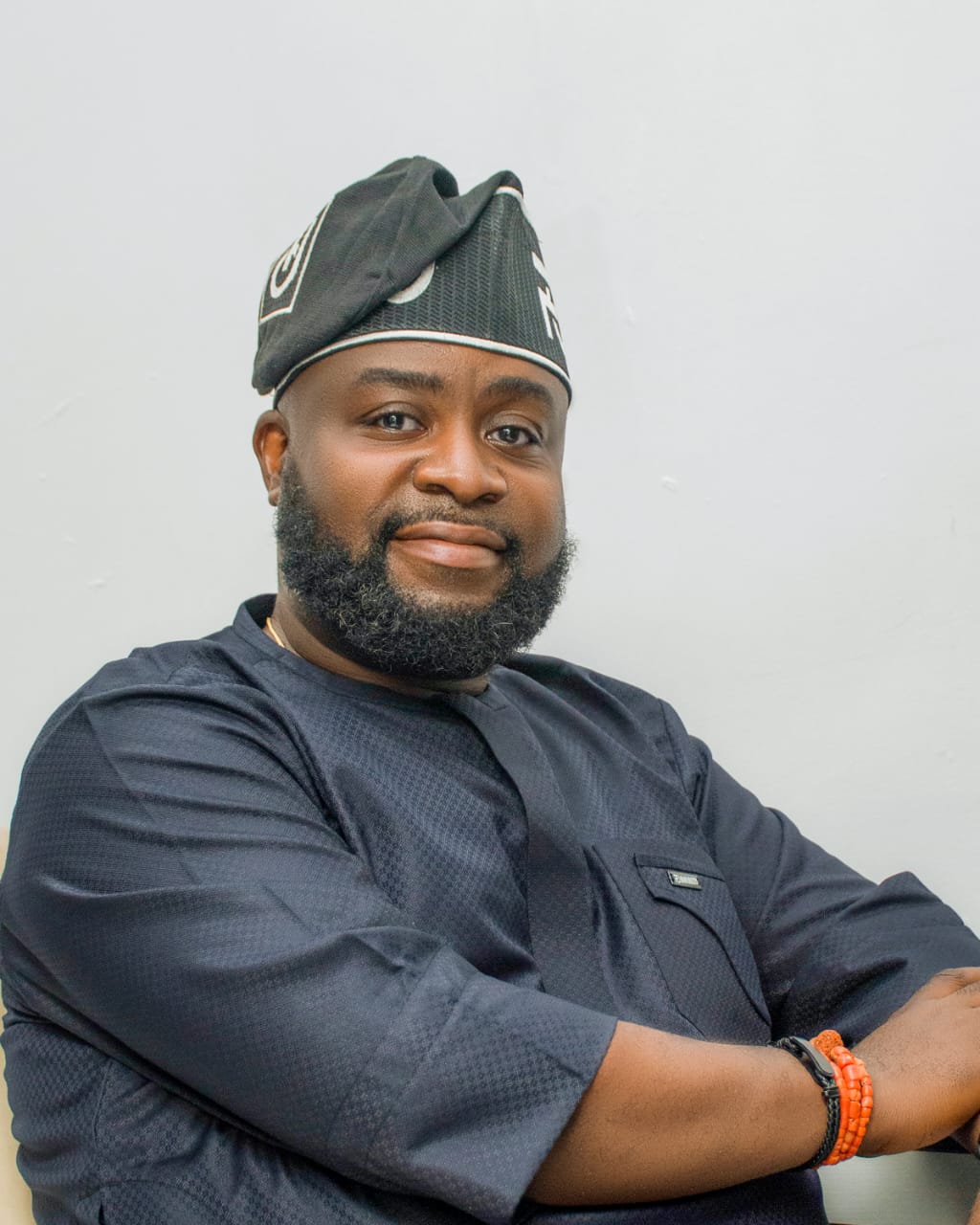
*PDP CHIEFTAIN, ONIRETI RESIGNS FROM PARTY, CITES PERSONAL REFLECTION
A former House of Representatives candidate, Olufemi Onireti, has formally resigned his membership of the Peoples Democratic Party (PDP) in Oyo State.
His resignation was conveyed in a letter addressed to the Chairman of PDP Osupa Ward 9, Ogbomoso North Local Government, on Thursday.
Onireti described the decision as a difficult but necessary step after what he termed a period of “deep personal reflection.”
“I hereby formally resign my membership of the Peoples Democratic Party (PDP), effective immediately,” he wrote.
He acknowledged his years of active involvement in the party, including contesting for the House of Representatives in the last general election, noting that the PDP had offered him a platform for political participation, service, and growth.
Despite his exit, Onireti expressed appreciation to party leaders and members for the support he enjoyed over the years.
“I remain grateful for the opportunity to serve and for the relationships and experiences I gained during my time in the party.
I wish the party well in its future endeavours,” he added.
The development is expected to generate discussions within the Ogbomoso North political circle, as observers await his next political move.


-

 society7 months ago
Religion: Africa’s Oldest Weapon of Enslavement and the Forgotten Truth
-

 news4 months ago
WHO REALLY OWNS MONIEPOINT? The $290 Million Deal That Sold Nigeria’s Top Fintech to Foreign Interests
-

 society6 months ago
“You Are Never Without Help” – Pastor Gebhardt Berndt Inspires Hope Through Empower Church (Video)
-

 celebrity radar - gossips2 months ago
Dr. Chris Okafor Returns with Power and Fire of the Spirit -Mounts Grace Nation Altar with Fresh Anointing and Restoration Grace on February 1, 2026