
celebrity radar - gossips
FIRSTBANK PARTNERS EVENTFUL TO SUPPORT SMEs IN THE FASHION INDUSTRY

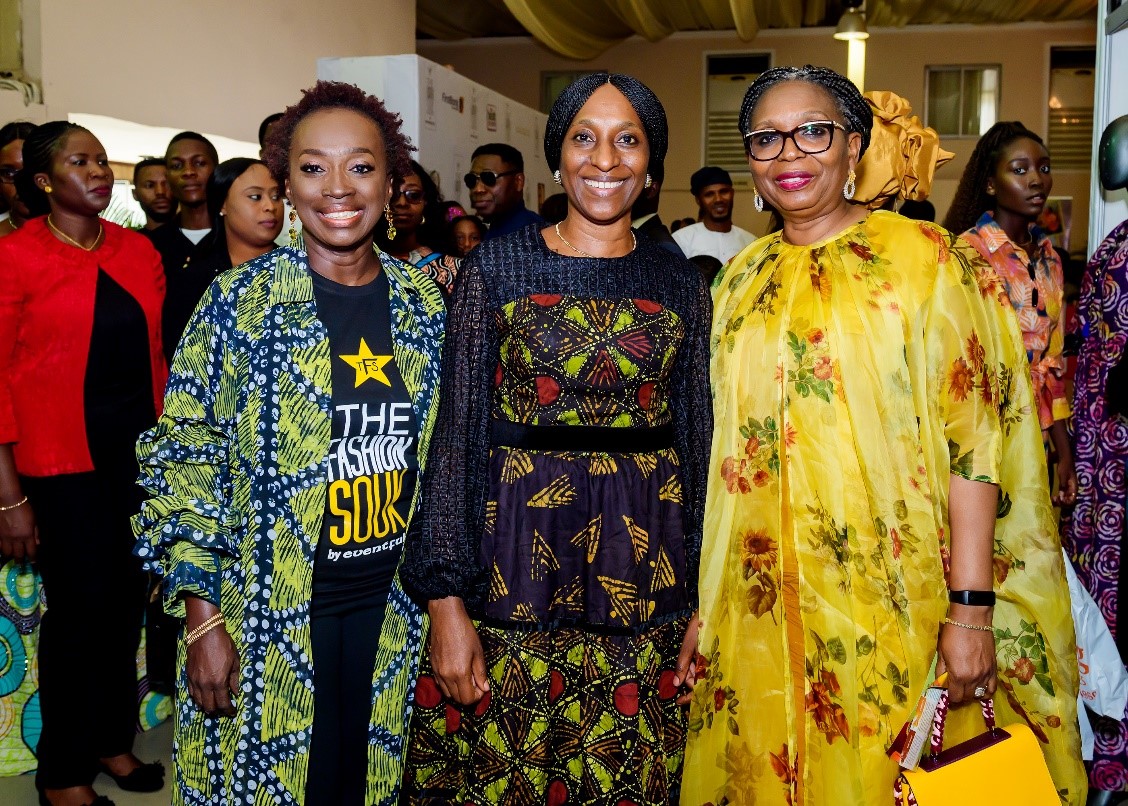
As part of efforts to provide access to market and provide opportunities for entrepreneurs in the Small Medium Scale Enterprise (SMEs) of the fashion industry, First Bank of Nigeria Limited partnered with Eventful Nigeria Limited on its event, fashion souk, a platform that creates an opportunity for players in the fashion industry to exhibit and sell their wares to the thousands of event participants.
Speaking at the event held in Lagos recently, the Group Head, Marketing and Corporate Communication, First Bank of Nigeria Limited, said the bank has over the years, since its founding, been very supportive of the entrepreneurial space and SMEs, adding that the role of the bank is that of an enabler.
“FirstBank has been involved in every sector of the economy since 1894, so if you think about that there is no sector we have not been involved in, in fact this particular fashion souk, we are the pioneer sponsor and we sponsored it right from when it started.”
Ani-Mumuney explained that the fashion industry over the years has grown incredibly and added that it has helped to grow other businesses.
According to her, “Just like Nigerian music, the fashion industry is still in its infancy. We have great talents and potential in the fashion industry. Let’s consider the developed fashion industry of Italy for instance and the entire value chain of fashion, it tells you that there is a lot to be done. We still need to have fashion zones in core Cities and States, so that within a particular zone, you could have the cutters, button hole creation and others.
“The great thing is that we have a market here, but beyond that is that we could easily become the fashion hub for Africa, especially its export across continents. The fashion industry is diverse and versatile with many roles carried-out by individuals with uniquely different skill-set. Some persons could focus on finishing; some could focus on sketching, garment making and other areas. Indeed, Nigeria are fashion freaks, with a large and diverse market.
Also at the event was Nollywood actor and producer Kunle Afolayan whom had his clothing line Ire Clothing, displayed. Afolayan, the Chief Executive Officer of Ire Clothing said he started the clothing line with just the Kunle Kembe, and presently, it has expanded to about five, six collections.
He also stated that what inspired Ire clothing is because of his love for arts and anything that deals with the Nigerian cultural heritage and helps to document culture, “so with Ire clothing, we use Africa fabrics, Anakara, Adire and others.”
Afoloyan explained that he has modified the old Yoruba Kembe style to something that is now pop culture so that the younger generation can also wear it, adding that there are T-shirts and Kunle’s Dansiki which is a bit smaller than the traditional Dansiki, and face caps.
According to him, “The brand story we are trying to tell is that we want people to embrace their own culture and tradition; use it to their advantage and use it to the world. I think the fashion industry is striving and it’s been here for a very longtime and it is doing better because a lot of our people are exporting our clothing abroad.”
In his remarks, veteran comedian, Atunyota Akpobome, popularly known as Ali baba, said the fashion souk is a platform of opportunities and a collage of business ideas, providing a platform for people to network and express business innovations.
According to Ali baba, “To expand the frontiers of the fashion industry, there is need for exposure and the social media is helping a great deal to improve the employment needs of Nigerians. Once the employment statistics increases there will be higher purchasing power and people will tend to invest and spend more in fashion. In a country of about 200 million people, one should be able to do one million sales in months. But I think we will get there someday. We need to grow our textile industry and revamp the textile companies, which implies that we have to revive the production of cotton so that players in the industry can have access to raw materials, thereby cutting down production cost.”
Also speaking at the event, popular television presenter and model, Uti Nwachukwu, expressed satisfaction with the event, commending the organisers for creating an avenue to convene fashion vendors under one roof to provide their wares at discounted and affordable rates, while giving customers the opportunities to patronize their brands.
He further stated that the fashion souk gives the vendors an opportunity to showcase what they have to sell and creates opportunity for them to advertise their products.
Nwachukwu added: “A lot of vendors and customers here are happy. It is a give and take situation that works well. The fashion industry in Nigeria is the most underrated industry; there is so much potential, and greatness in the fashion industry.
“We have great designers that will shine in any part of the world. It is a great gesture the bank is making by supporting the industry. I just wish the bank can help these designers to get to international level of exposure. Our designs are wonderful, African prints are in fashion in different parts of the world. Finance and exposure are the key challenges facing the industry, if it is properly addressed, things will work out well.”





celebrity radar - gossips
Buratai, Fagbemi , Shagaya, Olofa, Others Eulogise Olowu Kuta’s Olori On 60th Birthday, Foundation Launch
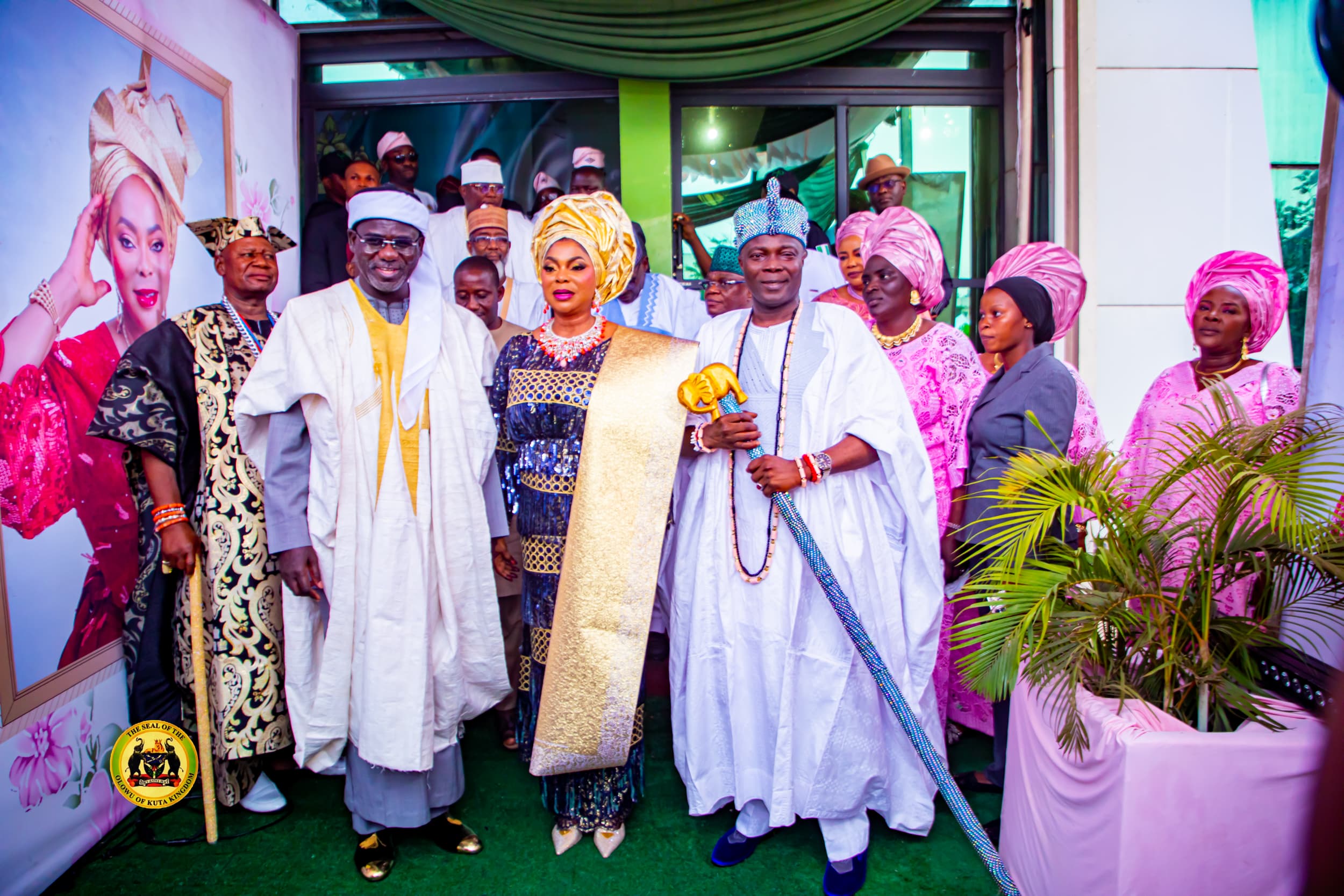
Buratai, Fagbemi , Shagaya, Olofa, Others Eulogise Olowu Kuta’s Olori On 60th Birthday, Foundation Launch
Eminent personalities across the Nigeria stormed the TFK Event Centre, Bala Mohammed Way, Guzape, Abuja, to celebrate the 60th birthday of Olowu Kuta’s Olori, Queen Jumai Amoke and her Foundation Launch on Saturday 28, March 2026.

From former Chief of Army Staff, Lt Gen TY Buratai rtd, to the Minister of Justice and Attorney-General of the Federation, Prince Lateef Fagbemi; Olofa of Offa, HRM Oba Mufutau Gbadamosi. Even top businesswoman and socialite, Chief (Mrs) Bola Shagaya, was in attendance.


Other dignitaries were newly promoted Deputy Inspector-General of Police and former AIG Zone 2 , Lagos , Adegoke Fayoade, Major General Abdumalik, Major General Samuel Adebayo rtd (Fmr CDI);
Major General Anthony Omozoje rtd (Fmr Copp);
Alhaji Tajudeen Owoyemi (Asiwaju of Offa and CEO Radisson Hotel Nigeria;
Dr Waheed Olagunju, former managing director of Bank of Industry, Oniba of Iba, Lagos State, HRM Oba Dr Suleiman Raji ;
Justice Falola, Olu of Ile-Ogbo , Oba Adetoyese amongst many traditional rulers and captains of industry too numerous to mention.
Speaking at the occasion, the Chief Host, Olowu of Kuta, HRM Oba Dr Adekunle Oyelude Makama, CON , Tegbosun iii, who is also the husband of the celebrant commended Queen Jumai for ‘ her slender arms full of kindness’ to establish such humanitarian Foundation, ‘Amoke Children and mother in Need Foundation’ at a time Nigerians are going through economic crisis occassioned by the global meltdown.
Olowu also commended her steadfastness and love for the less privileged and downtrodden.
The monarch refrenced the task before his wife’s humanitarian gesture said her best is yet to come.
” Olori Amoke Jumai, I celebrate you. You will celebrate 70, 80, 90 and continue to shine as you continue to put a smile on people’s faces. I love you, “Olowu Kuta added.
To Lt Gen Buratai, a former army chief and former Nigerian Ambassador to Benin Republic, the reward of hard work is more work.
Buratai, who also doubles as Balogun Agba of Owu Kuta, a chieftaincy title reserved for a generalismo congratulated Queen Jumai for attaining the age of 60 in good health.
The retired army General said he’s not surprised by the turn out of eminent personalities across the country to celebrate the Olowu Kuta’s Olori because she merited it through her hospitality to all, adding that Allah the most merciful, most beneficial would accept all her act of ibadah.
The minister of Justice, Prince Fagbemi, was full of praises for Queen Jumai for deeming it fit to have a place in her heart to accommodate the needy and less privileged in ‘our society.’
Prince Fagbemi urged the guests to contribute generously to support the Foundation in order to continue to alleviate poverty and put a smile on the faces of the people.
” I congratulate you on your 60th birthday and Foundation Launch. I wish you many happy returns of the day and many more fruitful services to the country and motherland”, Prince Fagbemi added.
The celebrant, Queen Jumai who was grining from ear to ear thankfully said she was excited by the turn out and the response of the people to her foundation.
Queen Jumai, however, promised to continue to use her resources and donations received for the good of the needy and less privileged in the society.
” I want to appreciate my own Kabiesi Olofa of Offa , for his presence and im I’m using him as a point of contact to all other Kabiesis present here, the minister of justice and Attorney-General, you’re welcome, sir; Mrs Bola Shagaya, I salute your enterprise, Lt Gen Buratai, I’m grateful, sir; DIG Fayoade, Justice Falola and other dignitaries too numerous to mention, I thank you, all. To my darling husband, Kabiesi Olowu , I thank you immensely for your support. And to my family and friends, I thank you , all. E se pupo!”, she said.
celebrity radar - gossips
Adron Homes Elevates Cultural Pride as Dignitaries Grace 39th Lisabi Festival in Abeokuta
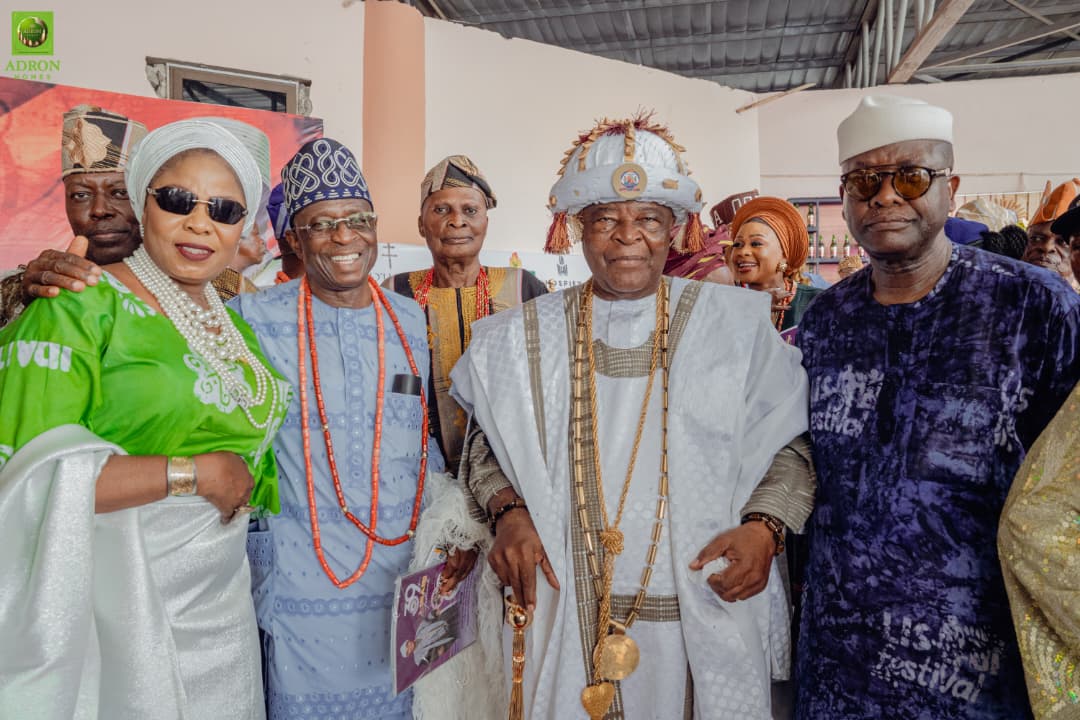
Adron Homes Elevates Cultural Pride as Dignitaries Grace 39th Lisabi Festival in Abeokuta
The ancient city of Abeokuta came alive in a grand display of culture, history, and unity as dignitaries from across Nigeria converged at the iconic Ake Palace Ground for the 39th edition of the Lisabi Festival, an annual celebration deeply rooted in the Egba people’s heritage.
The event, proudly supported by Adron Homes and Properties Limited, witnessed an impressive parade of distinguished personalities, traditional rulers, government officials, business leaders, and cultural enthusiasts, all captured in vibrant pictures that tell the story of a people united by history and pride.
From richly adorned monarchs in regal attire to elegantly dressed guests reflecting the depth of Yoruba tradition, the images from the festival encapsulate moments of honour, reverence, and celebration. Each photograph portrays not just faces, but influence, leaders, and stakeholders who continue to shape cultural preservation and community development.
At the heart of the celebration was the revered Oba Adedotun Aremu Gbadebo, whose presence underscored the festival’s significance as a symbol of Egba resilience and identity. Surrounding him were eminent dignitaries whose attendance further amplified the prestige of the event.
Adron Homes and Properties Limited stood out prominently, not only as a sponsor but as a key driver of cultural sustainability. Through its strategic support, the company reinforced its commitment to preserving indigenous heritage while fostering community engagement. The brand’s visibility across the venue and within the pictorial highlights reflects a deliberate alignment with culture, tradition, and people-centered development.
Beyond real estate, Adron Homes has continued to position itself as a cultural partner, investing in platforms that celebrate history and strengthen communal bonds. Its involvement in the Lisabi Festival is a testament to its broader vision of building not just homes, but legacies rooted in identity and pride.
The 39th Lisabi Festival, as captured through the lens of dignitaries in attendance, is more than an event, it is a narrative of continuity. And through its unwavering support, Adron Homes has once again set the pace, demonstrating that corporate institutions can play a vital role in sustaining the cultural heartbeat of a people.
As the echoes of drums fade and the colours of the festival linger in memory, one thing remains clear: the story told through these images is one of unity, heritage, and the enduring partnership between tradition and progress.


celebrity radar - gossips
Obasa Felicitates President Tinubu @ 74, says Renewed Hope Agenda is steering Nigeria toward stability and prosperity
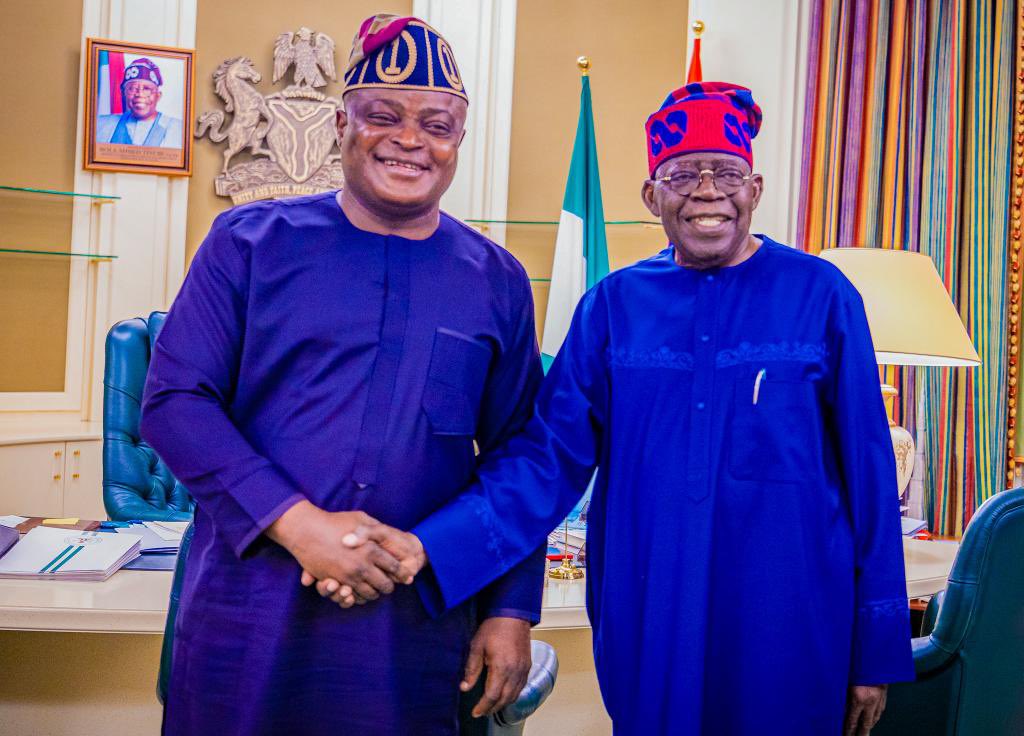
Obasa Felicitates President Tinubu @ 74, says Renewed Hope Agenda is steering Nigeria toward stability and prosperity
The Speaker of the Lagos State House of Assembly, Rt. Hon. (Dr.) Mudashiru Obasa has congratulated President Bola Ahmed Tinubu on his 74th birthday, commending him for fulfilling his Renewed Hope Agenda promises to Nigerians.
Speaker Obasa’s birthday message is contained in a statement signed by Adeshina Oyetayo, his Special Adviser on Research, Media, and Documentation.
Speaker Obasa described the President as a purposeful and pragmatic leader whose commitment to enthroning a peaceful and prosperous Nigeria should be appreciated by all
“Mr. President, today should be a national day of celebration honouring your selfless and visionary leadership.
“I commend your courage and conviction to initiate and implement necessary economic reforms that have pulled Nigeria out of the doldrums, stabilized the nation, and set it on the path of prosperity.”
Speaker Obasa said that those otherwise painful reforms are now being hailed as ingenious and effective worldwide, citing a January 2026 article in the influential The Economist magazine titled “Nigeria’s economy may be back from the brink.”
The article acknowledged that President Tinubu’s reforms are beginning to yield bountiful returns as evidenced in the easing of headline inflation for the 11th consecutive month, unification of the foreign exchange market, and foreign reserves rising to $46billion.
Notably, the article also referenced the International Monetary Fund (IMF)’s upgraded 4.4% GDP growth forecast for 2026 despite global headwinds, while stating unequivocally that Nigeria’s golden years will return under President Tinubu.
Speaker Obasa said that this submission by an international journal signifies that Nigeria is in safe hands under President Tinubu. He, therefore, urged Nigerians to rally round him and support his re-election bid, promising that the gains of the Renewed Hope agenda will reach every household.
“Our prayer is that the Almighty will grant our dear President long life in robust health and the strength and wisdom to help him achieve the Nigeria of our collective dreams,” Speaker Obasa concluded.


-

 society6 months ago
Religion: Africa’s Oldest Weapon of Enslavement and the Forgotten Truth
-

 news4 months ago
WHO REALLY OWNS MONIEPOINT? The $290 Million Deal That Sold Nigeria’s Top Fintech to Foreign Interests
-

 society6 months ago
“You Are Never Without Help” – Pastor Gebhardt Berndt Inspires Hope Through Empower Church (Video)
-

 celebrity radar - gossips2 months ago
Dr. Chris Okafor Returns with Power and Fire of the Spirit -Mounts Grace Nation Altar with Fresh Anointing and Restoration Grace on February 1, 2026
You must be logged in to post a comment Login
You must log in to post a comment.