
celebrity radar - gossips
From Chaos to Coordination: The Case for Veteran Security Leaders in Nigeria FEMI OYEWALE

From Chaos to Coordination: The Case for Veteran Security Leaders in Nigeria
FEMI OYEWALE
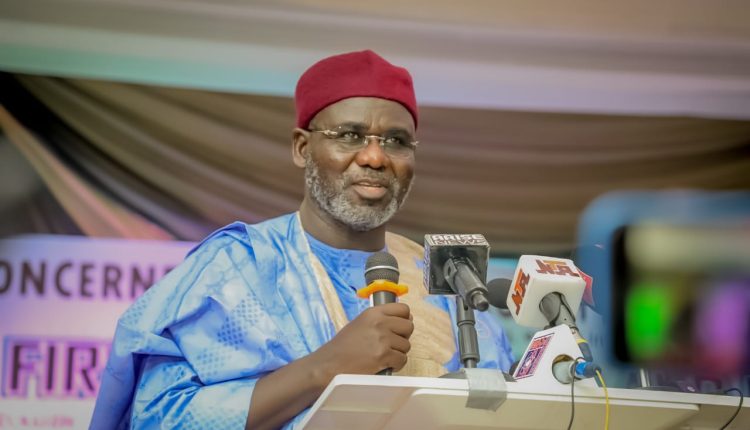
As Nigeria grapples with a fresh and more diffuse wave of violent attacks—from mass abductions and jihadist offensives in the northeast to rising banditry and communal violence across the North and Middle Belt—citizens and policymakers are asking a pressing question: who is fit to lead the country out of this security quagmire? For many, the answer is clear: experienced security professionals who combine operational expertise, institutional memory, and political acumen—traits embodied by former Chief of Army Staff, Lt. Gen. Tukur Buratai.
A deteriorating security landscape
This is no rhetorical problem. In recent months, insurgent activity has surged: mass kidnappings of schoolchildren, renewed offensives by IS-affiliated factions in the Lake Chad Basin, and a humanitarian fallout that has pushed millions toward food insecurity. United Nations and humanitarian assessments warn that escalating attacks and aid shortfalls may leave record numbers of Nigerians vulnerable to hunger.
The federal government has responded with declarations and expanded recruitment. President Bola Tinubu declared a nationwide emergency and moved to increase policing and security deployments following high-profile kidnappings. But analysts argue that while necessary, these steps are insufficient without a deeper overhaul of strategy, intelligence, and civil-military coordination.
What experienced security actors bring
Supporters of involving seasoned security leaders point to several complementary strengths:
1. Operational know-how and strategic continuity
Career generals like Buratai have overseen complex counter-insurgency campaigns and institutional reforms. Their experience—ranging from combined-arms operations and logistics under duress to theater-level coordination with regional partners—is not easily replaced. Buratai himself has argued that simplistic personnel changes will not end insurgency without properly understood strategies.
2. Intelligence and information integration
Modern insurgencies thrive on intelligence gaps: porous borders, weak human networks, and poor data-sharing between military, police, and civil authorities. Experienced security professionals are better positioned to rebuild intelligence architectures, including cross-border liaison in the Sahel and Lake Chad Basin, where jihadist groups operate across borders. Recent analyses highlight this cross-border threat environment and stress the need for coordinated military and intelligence responses.
3. Institutional reform and troop welfare
Studies of Nigeria’s fight against Boko Haram highlight recurring problems: low troop morale, logistical shortfalls, intelligence leaks, and strained community relations—all of which blunt operational effectiveness. Experts with institutional experience can advocate structural reforms—improved supply chains, training, and rules of engagement—that strengthen forces without alienating civilians.
4. Political navigation and credibility
Security solutions in Nigeria require buy-in at federal, state, and local levels. Former service chiefs often retain connections inside government and among regional partners and can serve as intermediaries between uniformed forces and civilian authorities—a role proven critical in past crises. Buratai’s recent public interventions on national security issues demonstrate how ex-service chiefs continue shaping public debate and policy.
Acknowledging risks and criticisms
Inviting former generals into leadership roles is not a panacea. Critics cite potential issues: militarization of civilian governance, heavy-handed tactics that alienate communities, and insufficient focus on root causes such as poverty, governance gaps, youth unemployment, and communal grievances. Military success must be paired with governance, development, and reconciliation for durable peace.
There is also a political dimension: using high-profile military figures risks politicizing security campaigns if appointments are perceived as partisan or operational freedom is constrained. Transparency, clear legal mandates, and civilian oversight are essential safeguards.
A pragmatic middle path: experts as partners, not replacements
The most defensible approach is hybrid: appoint or empower seasoned security experts as advisers and architects of reform while ensuring civilian control and robust safeguards. Key policy measures include:
Integrated intelligence reform: Build interoperable systems fusing military, police, and domestic security data; strengthen cross-border intelligence sharing in the Sahel and Lake Chad regions.
Focused professionalization of forces: Prioritize logistics, asymmetric warfare training, troop welfare, and clear rules of engagement to reduce abuses and improve morale.
Community-centered stabilization: Pair operations with local security committees, humanitarian access, agricultural support, and reconciliation to deny insurgents social support.
Regional and international coordination: Work with neighboring states, ECOWAS, the African Union, and partners to close safe havens and cut finance and supply lines for extremist groups.
Clear civilian oversight and legal frameworks: Ensure any role for former senior officers is defined by statutes, reporting lines, and parliamentary oversight.
Nigeria’s security challenge in 2025 is complex and urgent: the country faces a resurgent, adaptive insurgency network with severe humanitarian consequences. Discarding institutional know-how is a luxury Nigeria cannot afford. Experienced security professionals like Lt. Gen. Tukur Buratai are not magic bullets—but they bring operational experience, institutional knowledge, and networks that, when embedded within a framework emphasizing civilian oversight, development, and regional cooperation, can materially improve Nigeria’s chances of restoring security.
The essential test will be whether policymakers pair expert military advice with meaningful reforms in intelligence, governance, and community engagement—otherwise, the cycle of violence and humanitarian suffering will continue.




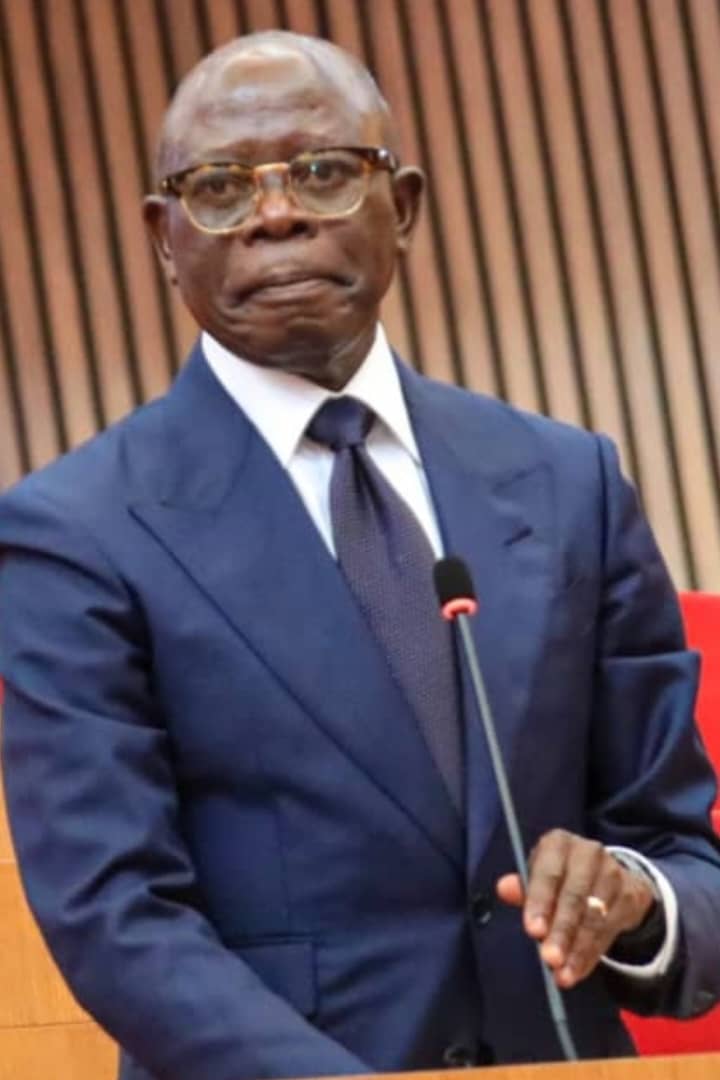
Daniel Eromosele Eulogize Adams Oshiomole as he turns 74 years
Today, I celebrate an exceptional leader, a fearless voice for the people, and a man whose life has remained a symbol of courage, sacrifice, and unwavering commitment to justice—Distinguished Comrade Senator Adams Aliu Oshiomhole.

Your journey has been nothing short of inspiring. From your days as a vibrant labour leader to your impactful tenure as the Executive Governor of Edo State, and now as a respected Senator of the Federal Republic, you have consistently demonstrated what it means to serve with integrity, strength, and purpose. Your contributions to the growth of our nation and the development of Edo State remain indelible and deeply appreciated.
You have not only built structures and institutions but have also built people. I am personally a beneficiary of your leadership, your guidance, and your belief in empowering others. Your influence in my life has been profound, and I remain grateful for the opportunities and inspiration you have given me.
On this special day, I celebrate not just your achievements, but the man you are—resilient, principled, and ever committed to the progress of Nigeria and her people.

May this new year bring you renewed strength, greater wisdom, good health, and more remarkable accomplishments. May your legacy continue to shine brighter with each passing year.
Happy Birthday, sir. Wishing you many more fruitful and impactful years ahead.
celebrity radar - gossips
Accolades to Empress Genevieve Wining as she Celebrate birthday in Grand style

Accolades to Empress Genevieve Wining as she Celebrate birthday in Grand style
Emmanuel Clement
Vilnius, Lithuania – The Grand Hotel Vilnius will host a grand birthday celebration in honor of Her Majesty The Empress Genevieve Wining of the United Kingdom of Atlantis (UKA) on April 4th, 2026.
The four-day event promises to be an extravagant affair, marking the special birthday of Empress Genevieve Wining. The celebration will take place at the prestigious Grand Hotel Vilnius, Lithuania, renowned for its luxurious ambiance and exceptional service.

According to the event flyer, the birthday celebration will be a spectacular occasion, fitting for an empress. Guests can expect an elegant setting adorned with golden accents, sparkling champagne, and festive decorations, creating a regal atmosphere befitting the occasion.
The Empress Genevieve Wining of UKA is expected to grace the event, which will include various festivities and celebrations in her honor. The occasion aims to bring together dignitaries, followers, and guests to commemorate the empress’s birthday with grandeur and joy.
For media inquiries, accreditation, or further information about the birthday celebration of The Empress Genevieve Wining of UKA, please contact the event organizers.
Courtesy of His Excellency Emperor Prof. Solomon Wining. UKA
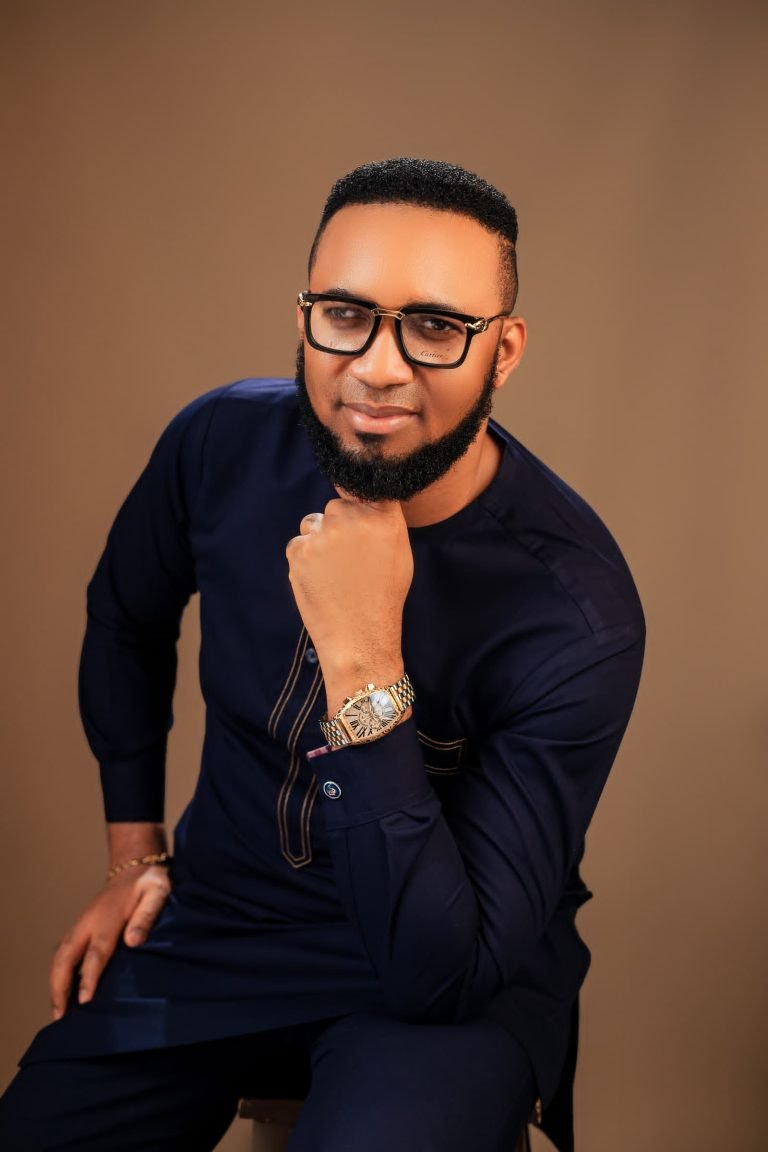
Today, Dr. Chris Okafor turns a year older
~By Sunday Adeyemi
It is widely acknowledged that the exceptional Dr. Chris Okafor, a man of great character, always celebrates his birthday on April 4th, and in recognition of this occasion, I am inspired to write this special tribute to honor him.
Today marks a momentous occasion as we commemorate the birthday anniversary of Dr. Chris Okafor, a rare gem, a perfect gentleman, and the revered founder of Grace Nation Church, aka Liberation City.
Without reservation, this versatile and dependable Oracle foundry has consistently proven itself worthy of the accolades bestowed upon it on this notable anniversary.
Let it be reiterated that Dr. Chris Okafor is a leader known for his generosity and commitment to humanity’s welfare and advancement. The special gifts donated recently to widows and widowers within and outside the church are a testament to his exceptional leadership.
Your reputation as an outstanding and authentic man of God is evident in your exceptional goodwill and philanthropic endeavors.
Your dedication and perseverance have yielded impressive results, and numerous people, including myself, are justifiably proud of the remarkable work you are doing.
You have consistently exemplified outstanding leadership in the Christian community, demonstrating the profound impact of your role as a gift from God to humanity. I firmly believe this to be true.
Here’s to a year of productivity, success, and happiness. Congratulations and warm wishes on your birthday, sir.
Sunday Adeyemi
Your Son


-

 society7 months ago
Religion: Africa’s Oldest Weapon of Enslavement and the Forgotten Truth
-

 news4 months ago
WHO REALLY OWNS MONIEPOINT? The $290 Million Deal That Sold Nigeria’s Top Fintech to Foreign Interests
-

 society6 months ago
“You Are Never Without Help” – Pastor Gebhardt Berndt Inspires Hope Through Empower Church (Video)
-

 celebrity radar - gossips2 months ago
Dr. Chris Okafor Returns with Power and Fire of the Spirit -Mounts Grace Nation Altar with Fresh Anointing and Restoration Grace on February 1, 2026