
society
From Confrontation to Commendation and When Forgiveness Becomes Diplomacy — Why Omokri Calls Tinubu “Christ-like”

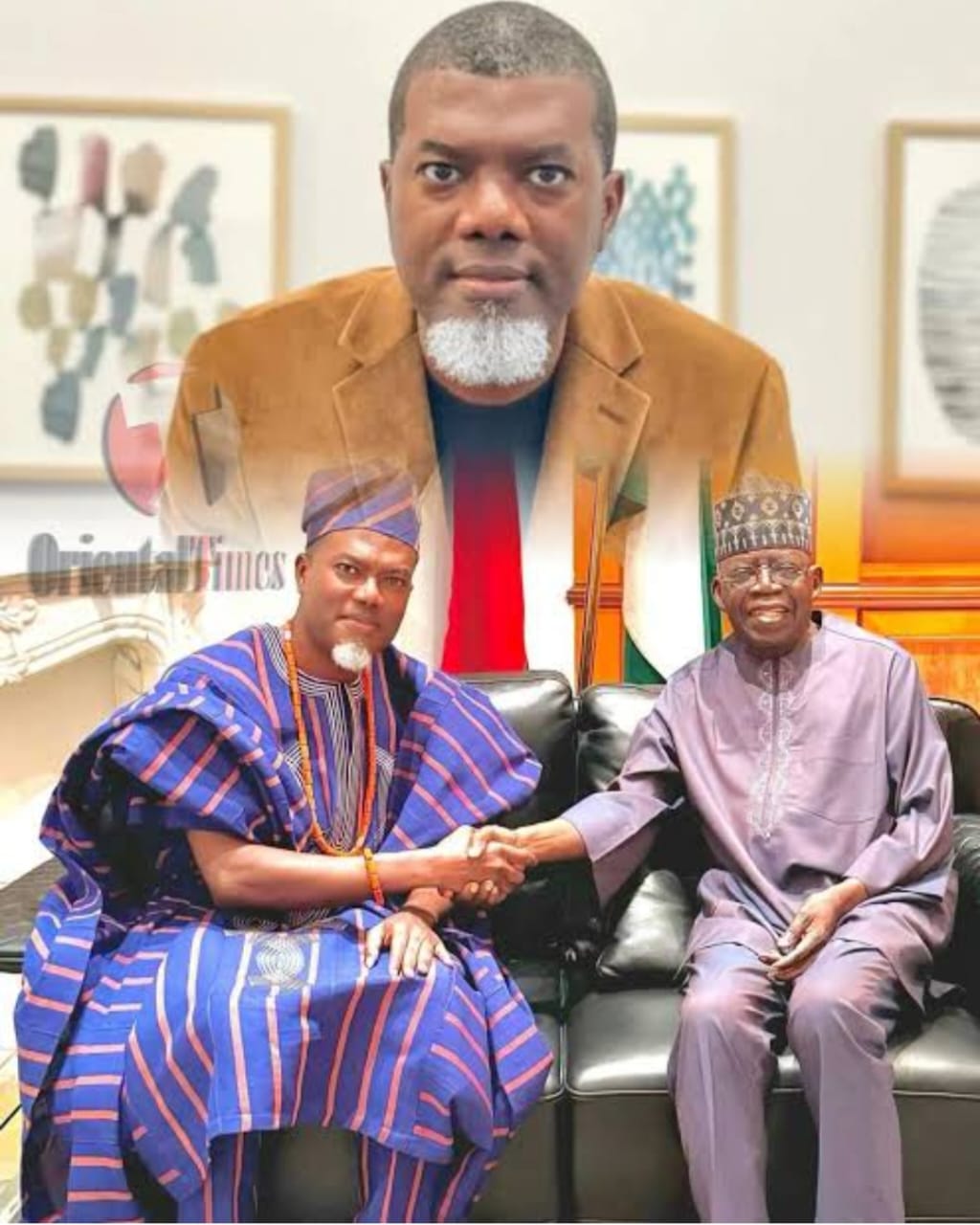
From Confrontation to Commendation and When Forgiveness Becomes Diplomacy — Why Omokri Calls Tinubu “Christ-like”.
By George Omagbemi Sylvester | SaharaWeeklyNG.com
“What Reno Omokri’s Nomination Reveals About Nigeria’s Political Redemption Narrative.”
The recent nomination of Reno Omokri as one of 32 AMBASSADOR-DESIGNATES by Bola Ahmed Tinubu has sparked a torrent of reactions. For many, it is seen as a grand political turn. For others, it is an affront to DIPLOMATIC DECORUM. Though in a stirring statement, Omokri (once a trenchant critic of Tinubu) offered gratitude; more strikingly, he described the president as “CHRIST-LIKE,” arguing that his selection had revealed a deeper lesson about forgiveness, patriotism and national unity.
This essay delves into that transformation: the SYMBOLIC, POLITICAL, MORAL and THEOLOGICAL DIMENSIONS of what it means for a former critic to invoke CHRISTLIKENESS in a man he once assailed. In doing so, it explores the broader implications for LEADERSHIP, REDEMPTION and NATIONAL IDENTITY in NIGERIA.

From Firebrand Critic to Grateful Nominee: The Background Reno Omokri’s elevation to the list of AMBASSADOR-NOMINEES is remarkable; not simply because of the prestige attached to diplomatic office, but because of the man’s journey. Until recently, Omokri was among the most VOCIFEROUS CRITICS of President Tinubu. In one infamous episode, he publicly labelled Tinubu a “DRUG-BARON,” deriding the then-governor as unfit for office.
Political allegiances notwithstanding, that level of animus usually disqualifies one from being considered for high-level governmental appointments. Indeed, some voices within the ruling party itself had earlier condemned the possibility of nominating Omokri, arguing that such a move would erode “the integrity of governance.”
Yet now, in what many interpret as a dramatic turnaround, Omokri not only accepts the nomination but embraces it with open praise. He publicly thanked Tinubu, invoking God, his parents, and his wife; yet it is his theological framing that stands out: stating that Tinubu “has taught me the meaning of forgiveness and has helped me better understand what patriotism entails,” and concluding, “In short, Christlikeness is demonstrated in him.”

For some, this is REDEMPTION; for others, it is CYNICISM. The stark contrast between his past and present posture raises fundamental questions about the SINCERITY, SYMBOLISM and stakes of reconciliation in Nigerian politics.
Why “CHRISTLIKENESS”? The Moral and Symbolic Weight Invoking “CHRISTLIKENESS” is not a casual compliment. Within the Judeo-Christian heritage that shapes much of Nigeria’s moral and cultural discourse, to call someone “Christ-like” is to attribute to them the qualities of MERCY, FORGIVENESS, HUMILITY, SERVICE and SACRIFICIAL LEADERSHIP. It evokes the highest model of moral behavior rooted in SELF-GIVING, RECONCILIATION and TRANSFORMATIVE GRACE.
By describing Tinubu in that light, Omokri is making a bold (and, if sincere, profound) claim: that the president embodied virtues often absent in political leadership. Forgiveness, in particular, has been central to Omokri’s framing. He said the president “taught me the meaning of forgiveness” not merely as a personal virtue, but as an act of leadership.
This reframing resonates with biblical and Christian ethical teachings. As Christian scholar N. T. Wright once wrote in his theological reflections, “Forgiveness is the cost of true freedom and the foundation of every lasting reconciliation.” For Omokri, therefore, accepting the nomination is not just a political transaction; it is a testament to a transformation of heart and mind.
Furthermore, by equating Christlikeness with the readiness and suitability for diplomatic office (“the right man, at the right time, for the right job”) Omokri elevates the role of ambassador beyond mere representation. He suggests that diplomacy requires not just political acumen or loyalty, but moral gravitas and spiritual maturity.
Leadership, Redemption & National Healing: The Political Stakes. Why does this matter for Nigeria? The country (fractured along ethnic, religious, economic and political lines) is in desperate need of gestures of unity and reconciliation. A high-profile conversion from “CRITIC” to “SERVANT of STATE” carries symbolic weight. It sends the message that political rivalries can yield mature reconciliation; that past criticisms can pave the way for collaboration; and that personal enmities are not immutable.
If sincere, Omokri’s acceptance and framing could mark a new paradigm: one where public service is not just a reward for loyalty, but an opportunity for demonstration of character, humility and national commitment. The spiritual overtones might resonate with many Nigerians, giving the administration a semblance of moral rebranding.
Yet this is not uncontested. Critics (such as Ohanaeze Youth Council and Ìgbìnmó Májékóbájé Ilé‑Yorùbá) have denounced the nomination, arguing that someone with Omokri’s past inflammatory statements lacks the moral credibility appropriate for representing Nigeria abroad.
They warn that confirming his nomination would amount to validating his earlier denunciations of the president (including a remark painting Tinubu as a “DRUG LORD”) effectively elevating those previously unproven allegations to the status of vindicated claims.
So the question becomes: is this nomination a genuine act of national reconciliation, or a transactional move cloaked in theological rhetoric?

On Forgiveness and Redemption. What Scholars Say: The theme of political forgiveness is not novel. Political theorist Martha Minow, in her seminal work Between Vengeance and Forgiveness, argues that in societies marred by conflict and polarization, forgiveness offers a pathway to rebuild civic trust but provided it is rooted not in OBLIVION or AMNESIA, but in ACKNOWLEDGMENT and TRANSFORMATION.
Similarly, theologian Desmond Tutu emphasized that “without forgiveness there is no future,” and that healing (whether personal or national) demands a willingness to release the past without forgetting it.
If we view Omokri’s acceptance through this lens, his public profession of gratitude and humility may (potentially) be a step toward national healing, rather than mere opportunism. By acknowledging past divisions and embracing a new role in service of Nigeria, he may be embodying what Minow calls “restorative justice” in the political realm.
Yet Minow and other scholars caution that forgiveness must not mean impunity. It must be accompanied by accountability, transparency and evidence of change. For a diplomatic representative, that especially matters is because an ambassador does not only echo the sentiments of the appointing administration; he becomes the face of the nation abroad.
Thus, while the theology of redemption provides moral weight, the politics of reputation and public trust demand rigorous vetting.
What This Means for Nigeria And What to Watch. A Test of Sincerity: The true gauge of Omokri’s transformation will not be in statements or press releases, but in performance. As ambassador (should he be confirmed), his conduct, professionalism and consistency will reveal whether his “CHRISTLIKENESS” was symbolic poeticism or genuine spiritual renewal.
Diplomacy Beyond Politics: If embraced by the Senate and accepted by Nigerians, his nomination may signal a shift from rewarding loyalty or political convenience, to rewarding moral transformation. That would elevate diplomatic service beyond patronage.
Risk of Backlash: But for many Nigerians (particularly those who suffered under contentious politics) this gesture may appear hollow: a cynical reward for a former critic. Civil society groups have already warned that his confirmation may taint Nigeria’s international image.
Symbolism vs Substance: The contrast between Omokri’s past and present offers a powerful symbolic narrative and one of reconciliation, humility and redemption. Yet symbolism must be matched with substance. Without consistent behavior and ethical diplomacy, the label of “CHRISTLIKENESS” risks becoming hollow branding.
Opportunity for National Healing: In a country where political divisions often turn toxic, moments like this (genuine or otherwise) represent opportunities for unity, introspection and rebuilding trust. If handled with integrity, they could pave the way for a new kind of political engagement rooted in character, forgiveness and shared national purpose.
Closing Thoughts— Redemption, Governance, and the Burden of Representation
Reno Omokri’s public declaration (that Christlikeness is demonstrated in President Tinubu) is more than an act of gratitude. It is a bold moral judgment, a theological statement and a political gambit. In an environment where Nigerian politics is often defined by rivalry, suspicion and retribution, such framing appeals to something deeper: to moral reconciliation, national unity and redemptive politics.
Whether this moment marks a genuine metamorphosis (or a pragmatic repositioning) remains to be seen. What is certain is that Nigeria is watching. In Omokri’s acceptance, in the Senate’s deliberation and in the public verdict, lies a broader question: CAN A NATION BUILT ON FRAGMENTATION EVER HEAL THROUGH INDIVIDUAL ACTS OF FORGIVENESS AND SYMBOLIC CONVERSION?
If so, this ambassadorial nomination could become more than a personal prize, it could become a test case for whether Nigeria can embrace redemption, not only as a theological ideal, but as a foundational principle of governance and national identity.
George Omagbemi Sylvester is a political commentator and writer. SaharaWeeklyNG.com is committed to in-depth analysis, fearless commentary, and sober reflection on the matters shaping Nigeria’s destiny.





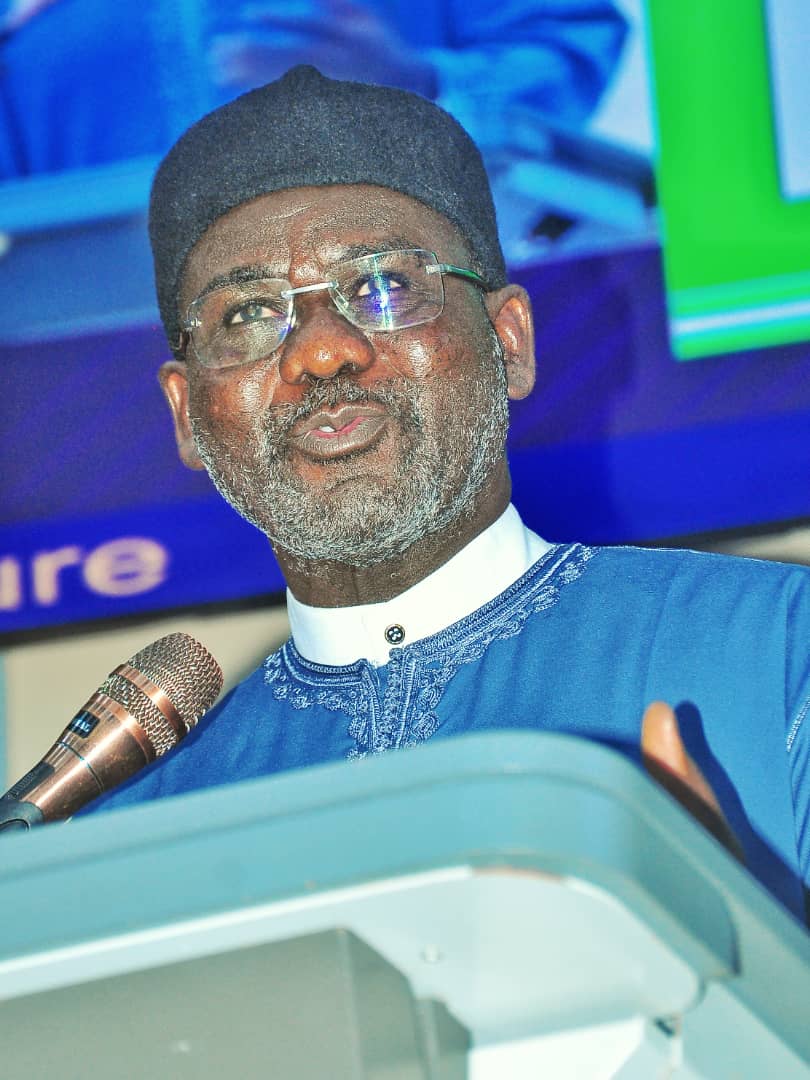
Insecurity: General Buratai Advocates Youth-Driven National Security Strategy
Former Chief of Army Staff, Tukur Yusuf Buratai, has stressed the need for increased youth participation in Nigeria’s security architecture, warning that failure to engage young people meaningfully could further aggravate insecurity across the country.
Buratai made the assertion while delivering a lecture titled, “The Armed Forces of Nigeria and National Security: The Youth and National Security Aspirations,” at the University of Ilorin.
The retired military officer described Nigerian youths as the nation’s greatest strength, noting that their creativity, patriotism, and innovation must be effectively channelled towards combating terrorism, banditry, cybercrime, separatist agitations, and other security threats confronting the country.
According to him, the Armed Forces of Nigeria had transformed from a colonial constabulary institution into a formidable force responsible for protecting the nation’s sovereignty and territorial integrity.
He observed that persistent insecurity across the North-East, North-West, Middle Belt, and South-East remained a major threat to national unity, adding that meaningful youth engagement in security initiatives would play a decisive role in ensuring stability and sustainable development.
Buratai further outlined the constitutional responsibilities of the Armed Forces, including defending Nigeria against external aggression, suppressing insurrection, and supporting civil authorities in maintaining law and order.
The former army chief also reviewed Nigeria’s security landscape, identifying Boko Haram insurgency, ISWAP activities, banditry, oil theft, separatist violence, and transnational organised crimes as some of the major challenges confronting the country.
Drawing comparisons with counter-insurgency operations in Colombia and Sri Lanka, he urged Nigeria to adopt a combination of military operations and socio-economic reforms in addressing insecurity.
He also encouraged Nigerian youths to embrace careers in the Armed Forces, noting that the military offers opportunities for leadership development, discipline, skills acquisition, career advancement, and national integration.
Buratai proposed the recruitment of 50,000 youths annually into the Armed Forces over the next five years, alongside the establishment of state intelligence fusion centres and a national civic security training programme for graduates.


He concluded by urging Nigerian youths to actively support efforts aimed at promoting peace and national security, stressing that enduring peace could only be achieved through justice, inclusion, and development.
society
Court Warns Police: Your Role in Debt Recovery is Illegal; Awards N50m in Favour of Man Detained for 6 Months Over Failed Forex Deal
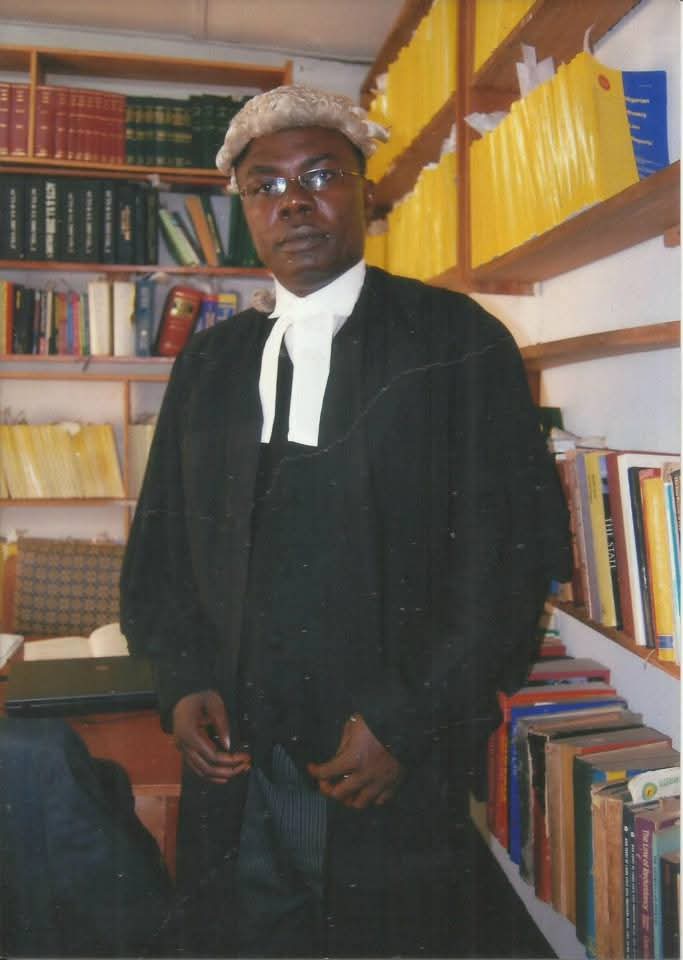
Court Warns Police: Your Role in Debt Recovery is Illegal; Awards N50m in Favour of Man Detained for 6 Months Over Failed Forex Deal
The Lagos State High Court has declared the six-month detention of businessman Bassey Ikpi Ubi over a failed foreign exchange transaction illegal and unconstitutional, ordering the police and private respondents to pay N50 million in damages for torture and unlawful detention.
Justice O. O. Adewunmi-Oshin held that the Nigeria Police Force has no legal authority to act as a debt recovery agency or to mediate private civil disputes.
The ruling was delivered on Monday, 11 May 2026, at the Lagos Judicial Division, High Court No. 49, in Suit No. LD/18019MFHR/2024.
Mr. Ubi, Managing Director of MC COY IKPI BUSINESS INTERNATIONAL LIMITED, had sued the Inspector General of Police, the Assistant Inspector General Zone 2, the DSS, the EFCC, and 11 private individuals and corporate entities.
He alleged that he was arrested and detained on Friday,16 February 2024, tortured almost to death in custody, denied bail, and had his Samsung Galaxy Z Flip 4 and Tecno phones forcibly taken and hacked.
The applicant told the court that the dispute arose from a failed foreign exchange transaction and that the police were being used by private respondents to recover civil debts.
Justice Adewunmi-Oshin stated unequivocally that “the police are not debt collectors and the detention cell is not a venue for settling private disputes.”
The court observed with concern what it called a recurring trend whereby officers of the Nigeria Police Force arrest and detain citizens under the pretext of criminality while the underlying dispute amounts to nothing more than a breach of contract or a failed commercial transaction.
“This Court observes with concern the recurring trend whereby officers of the Nigeria Police Force arrest and detain Citizens under the pretext of Criminality, while the underlying dispute amounts to nothing more than a breach of contract or a failed commercial transaction,” the judge said.
“Such conduct finds no warrant in law. Sections 4 of the Police Act 2020 above cited does not confer any power to act as debt collectors or to mediate private civil disputes.”
Citing _Fawehimi V Inspector General of Police_ (2002) 7 NWLR pt 767 pg 606, the court reiterated that
“the Police must not allow themselves to be used as tools for the enforcement of Civil obligations.”
The judge also referenced Section 6 of the Administration of Criminal Justice Act 2015, which makes clear that arrest shall only be made for a reasonable suspicion of a criminal offence, not for the recovery of debts or enforcement of contractual obligations.
On the applicant’s detention, the court found that holding him for six months without bringing him before a court violated Sections 33, 34, 35, 36, 37 and 41 of the 1999 Constitution, as well as Articles 4, 5, 6 and 7 of the African Charter on Human and Peoples’ Rights.
The judge further declared that the seizure and hacking of the applicant’s phones by the 4th respondent infringed his right to privacy and personal liberty guaranteed under Sections 35 and 37 of the Constitution.
Consequently, the court granted 11 orders. It restrained the 1st to 5th respondents from acting as recovery agents or from further arresting and detaining the applicant and officers of his company.
It ordered the 4th respondent to unconditionally release the seized phones. The court awarded N50,000,000 jointly and severally against all respondents for general, aggravated and exemplary damages, to be paid within 30 days.
It also directed the respondents to publish a public apology to the applicant in a full-page advertorial in a national daily newspaper within 14 days, in line with Section 35(6) of the Constitution.
“The practice is condemned in the strongest terms and the leadership of the Nigeria Police Force is expected to take immediate disciplinary and administrative steps to eradicate it,” Justice Adewunmi-Oshin ruled.
The applicant was represented by Kennedy Osunwa with J. Akor, while M. O. Bajela appeared for the 4th respondent. The 18th and 24th respondents had earlier been struck out of the suit.
society
2027 PRESIDENTIAL POLL: Nwosu, Akobundu, Ihedioha, Nwajiuba, Ikeobasi- Political Juggernauts Who Will Lead ADC To Landslide Victory In The South East
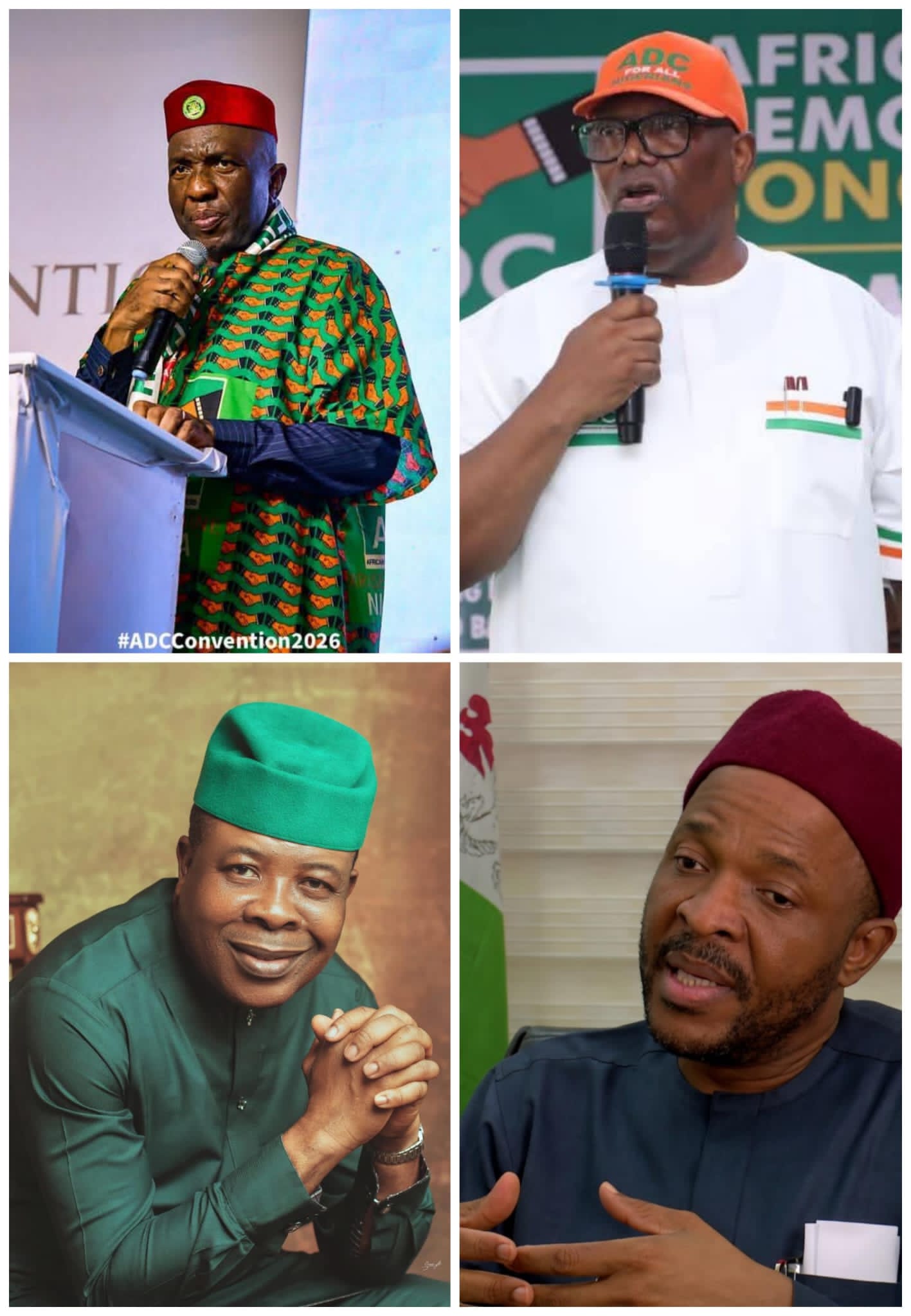
2027 PRESIDENTIAL POLL: Nwosu, Akobundu, Ihedioha, Nwajiuba, Ikeobasi- Political Juggernauts Who Will Lead ADC To Landslide Victory In The South East
Barely eight months to the all-important Nigerian presidential election billed for Saturday, January 16, 2027, below are the who is who in the South East, the political heavyweights and juggernauts who will lead the main opposition African Democratic Congress (ADC), to a landslide victory across the five South East States of Abia, Anambra, Ebonyi, Enugu, and Imo States.
1. Chief Ralph Nwosu: He is the founding National Chairman of the main opposition ADC. Nwosu beat Mr. Peter Obi during the 2002 guber primaries of the All Progressives Grand Alliance (APGA), but was asked to step down for Obi, by the revered leader of the Igbo nation, Chief Chukwuemeka Odumegwu Ojukwu.
2. Senator Augustine Akobundu: He is Senator representing Abia Central Senatorial District in the Nigerian Senate, since 2023. He has just won the ADC primary ticket ahead of the 2027 Senatorial election billed for January 16, 2027.
3. H.E. Rt. Hon. Emeka Ihedioha: He was the former Deputy Speaker of the House of Representatives (2011-2015), and former Governor of Imo State (2019-2020). Ihedioha was illegitimately ousted from office by the Supreme Court led by CJN Kudirat Motonmori Olatokunbo Kekere-Ekun. The Supreme Court illegally smuggled APC candidate Hope Uzodimma who came a distant 4th to become Governor through the backdoor.
4. Chief Emeka Nwajiuba: He was the former Minister of State for Education (2019-2022). He contested the APC Presidential primaries in 2022. Nwajiuba speaks Hausa fluently and is very close to the Buhari/Katsina Northern political bloc.
5. Chief Ikeobasi Mokelu: He was the Minister of Information under the administration of General Sanni Abacha. He is a political juggernaut who is very close to Kashim Imam, Zango Daura, and even His Excellency Atiku Abubakar.
Among other eminent political juggernauts and heavyweights, the abovementioned are the men of timber and caliber who will lead the ADC charge across the South East Geo-Political Zone, going into the 2027 Presidential election.
Our team of eminent young political scientists and investigative journalists have done our backgrounders on these men, and can state unequivocally and emphatically that they got the verified capacity to lead the ADC to a landslide victory across the five South East States, next year.
It’s against this backdrop that we the leaders and members of Afa Igbo Efuna Worldwide call on His Excellency Atiku Abubakar- @atiku, and the Senator David Mark-led @ADCNig leadership to without any iota of doubt shop for a Vice Presidential candidate, among these qualified Igbo leaders from the South East Geo-Political Zone, on or before June 31, 2026.


- Countries in the Horn of Africa and Yemen recommit to ending variant poliovirus May 23, 2026
- Seychelles: President Visits Police and Fire Services in Final Stop on La Digue Tour May 23, 2026
- United Nations World Food Programme (WFP) scales up emergency Ebola response in eastern Democratic Republic of the Congo (DRC) to contain risk of regional crisis May 23, 2026
- Economic Community of West African States (ECOWAS) Inspection Team Visits ECOWAS Stabilisation Support Mission in Guinea Bissau May 23, 2026
- Member States advance regional coordination on Bundibugyo Ebola response May 23, 2026
- World Health Organization (WHO) Supports Zambia to Strengthen Access to Mental Health Medicines and Services May 23, 2026
- Brazzaville 2026 African Development Bank Group (AfDB) Annual Meetings to focus on mobilising Africa’s development financing at scale May 22, 2026
- Morocco: African Development Bank Group and OCP Group Sign €450 Million Partial Credit Guarantee to Accelerate Industrial Transition May 22, 2026
- South Sudan: Leaders of tomorrow take center-stage at lively debates on gender equality and democracy in Pibor May 22, 2026
- Seychelles and Bangladesh hold Constructive Talks on Cooperation and International Engagement May 22, 2026
- Countries in the Horn of Africa and Yemen recommit to ending variant poliovirus May 23, 2026
- Seychelles: President Visits Police and Fire Services in Final Stop on La Digue Tour May 23, 2026
- United Nations World Food Programme (WFP) scales up emergency Ebola response in eastern Democratic Republic of the Congo (DRC) to contain risk of regional crisis May 23, 2026
- Economic Community of West African States (ECOWAS) Inspection Team Visits ECOWAS Stabilisation Support Mission in Guinea Bissau May 23, 2026
- Member States advance regional coordination on Bundibugyo Ebola response May 23, 2026
- World Health Organization (WHO) Supports Zambia to Strengthen Access to Mental Health Medicines and Services May 23, 2026
- Brazzaville 2026 African Development Bank Group (AfDB) Annual Meetings to focus on mobilising Africa’s development financing at scale May 22, 2026
-

 news5 months ago
WHO REALLY OWNS MONIEPOINT? The $290 Million Deal That Sold Nigeria’s Top Fintech to Foreign Interests
-

 society3 weeks ago
SOCIAL MEDIA IS NOT A BATTLEFIELD COMMAND – WHY THE NIGERIAN ARMY’S ACTION AGAINST JUSTICE CRACK IS A NATIONAL SECURITY IMPERATIVE
-

 celebrity radar - gossips4 months ago
Dr. Chris Okafor Returns with Power and Fire of the Spirit -Mounts Grace Nation Altar with Fresh Anointing and Restoration Grace on February 1, 2026
-

 celebrity radar - gossips5 months ago
Prophet Kingsley Aitafo Releases 2026 Prophecy: ‘Nigeria Will Rise, but the World Must Prepare for Turbulence’