
society
Hajj 2024 : Celebrating The Journey Of Akede Osupa : A Tribute to Gratitude and Faith


Hajj 2024 : Celebrating The Journey Of Akede Osupa : A Tribute to Gratitude and Faith
In the vibrant tapestry of Nigeria’s entertainment scene, few figures command as much respect and admiration as Alhaji Abdul. Lateef, also known by his appellation Akede Osupa Olufimo 1. Serving as the Official Master of Ceremonies for the renowned Fuji musician Alhaji King Dr. Saheed Osupa, Alhaji Abd. Lateef has carved a niche for himself, embodying professionalism, dedication, and a profound sense of gratitude.

Recently, in an interview with 1STELEVEN9JATV, Alhaji Abdul. Lateef shared insights into his journey, expressing deep thankfulness to several key influences in his life. His narrative is a heartfelt testament to the power of faith, the support of community, and the transformative experience of performing Hajj, the Islamic pilgrimage to Mecca.
*A Life Steeped in Gratitude*
In the interview, Alhaji Abd. Lateef began by offering thanks to God, acknowledging the divine guidance that has steered his path. He also paid homage to the Prophet Mohammed (S.A.W), whose teachings and example have profoundly influenced his life and work. This spiritual foundation, he emphasized, is the cornerstone of his resilience and success.
His gratitude extended to his parents, who have been his pillars of support, nurturing his dreams and aspirations from a young age. Their unwavering belief in his potential has been a source of strength, motivating him to strive for excellence in all his endeavors.
*Special Thanks to Alhaji King Dr. Saheed Osupa*
Alhaji Abd. Lateef reserved special thanks and prayers for Alhaji King Dr. Saheed Osupa, his mentor and colleague. He attributed much of his professional growth and visibility to the opportunities provided by the celebrated Fuji maestro. The bond between them goes beyond professional collaboration; it is a relationship grounded in mutual respect and shared vision.
“Saheed Osupa has been more than just a musician I work with,” Alhaji Abd. Lateef remarked. “He is a friend, a brother, and a mentor whose influence has shaped my career in immeasurable ways.”
*Acknowledging Community and Mentorship*
Furthermore, Alhaji Abd. Lateef expressed his heartfelt appreciation to the Ẹgbẹ Somori Club of Bariga and Alhaji Moriwiyu Olukayode Bakare. These individuals and groups have been instrumental in his journey, providing a network of support and encouragement that has propelled him forward.
He also gave special thanks to Baba Egbe Obaneye Okunrin Akile Ijebu, Otun Folasadinni Of Ijebu Land. Their guidance and support, he noted, have been crucial in his professional and personal development.
The culmination of Alhaji Abd. Lateef’s gratitude narrative was his recent pilgrimage to Mecca. Performing Hajj is one of the Five Pillars of Islam and holds profound spiritual significance for Muslims. It represents a physical and spiritual journey, symbolizing purification, devotion, and unity among believers.
Alhaji Abd. Lateef described his Hajj experience as transformative, offering him a renewed sense of purpose and spiritual rejuvenation. He expressed his profound gratitude to all who made this pilgrimage possible, recognizing it as a milestone in his spiritual journey.
Alhaji Abd. Lateef’s story is a powerful reminder of the importance of gratitude, faith, and community in navigating life’s journey. His acknowledgments reflect a deep appreciation for the support and opportunities that have shaped his path. As he continues to excel in his role as the Official MC for Alhaji King Dr. Saheed Osupa, his story serves as an inspiration to many, underscoring the significance of humility, thankfulness, and unwavering faith.




Easter: Oyo PDP Guber Aspirant, Ajadi, Greets Gov Makinde, CAN, Others
The leading Peoples Democratic Party, (PDP), Governorship Aspirant in Oyo State, Ambassador Olufemi Ajadi Oguntoyinbo has congratulated the Governor of Oyo State, Engr Seyi Makinde, the Christian Association of Nigeria, (CAN), the Pentecostal Fellowship of Nigeria, (PFN) and the entire Christians on the occasion of this year’s Easter Celebration.
Ajadi said that the Good Friday which marked the remembrance of the crucifixion of Jesus Christ and the Easter Sunday, which marks his risen from the dead, are important dates in the Christiandom.
Ajadi in a statement he personally signed on Friday to commemorate the Easter, said that he rejoiced with Christians that this year’s celebration is being witnessed in an atmosphere of peace and tranquility in the country.
He said that he particularly rejoiced with Gov Makinde saying that his exemplary leadership and good governance in Oyo State in the last seven years has shown him as a selfless person, a lover of the masses and one who cares for others.
He said that these are the traits of a good Christian, praying that God would continue to endear the governor with more wisdom and success.
He called on Christians to remember Jesus Christ’s directive that they should love their neighbours as themselves, saying that if this directive is strictly followed there would be peace in the World.
Ajadi, who is also a renowned philanthropist, called on Christians, especially the well to do, to learn the heart of helping the poor.
He said that the death and resurrection of Jesus Christ will not be in vain if Christians can abide by his directive on humility and love for one another.
Ajadi said that there is hope for Nigeria as a country despite the present harsh economy and prevalent of insecurity.
“We should take solace in the fact that God can do all things and that like He restores the lost glory and resources of the people of Zion, He will do same for Nigeria.
“Nigeria will reclaim her leading position both in Africa and among the black Nations. Let’s continue to pray for the good of our land,” Ajadi said in the statement.
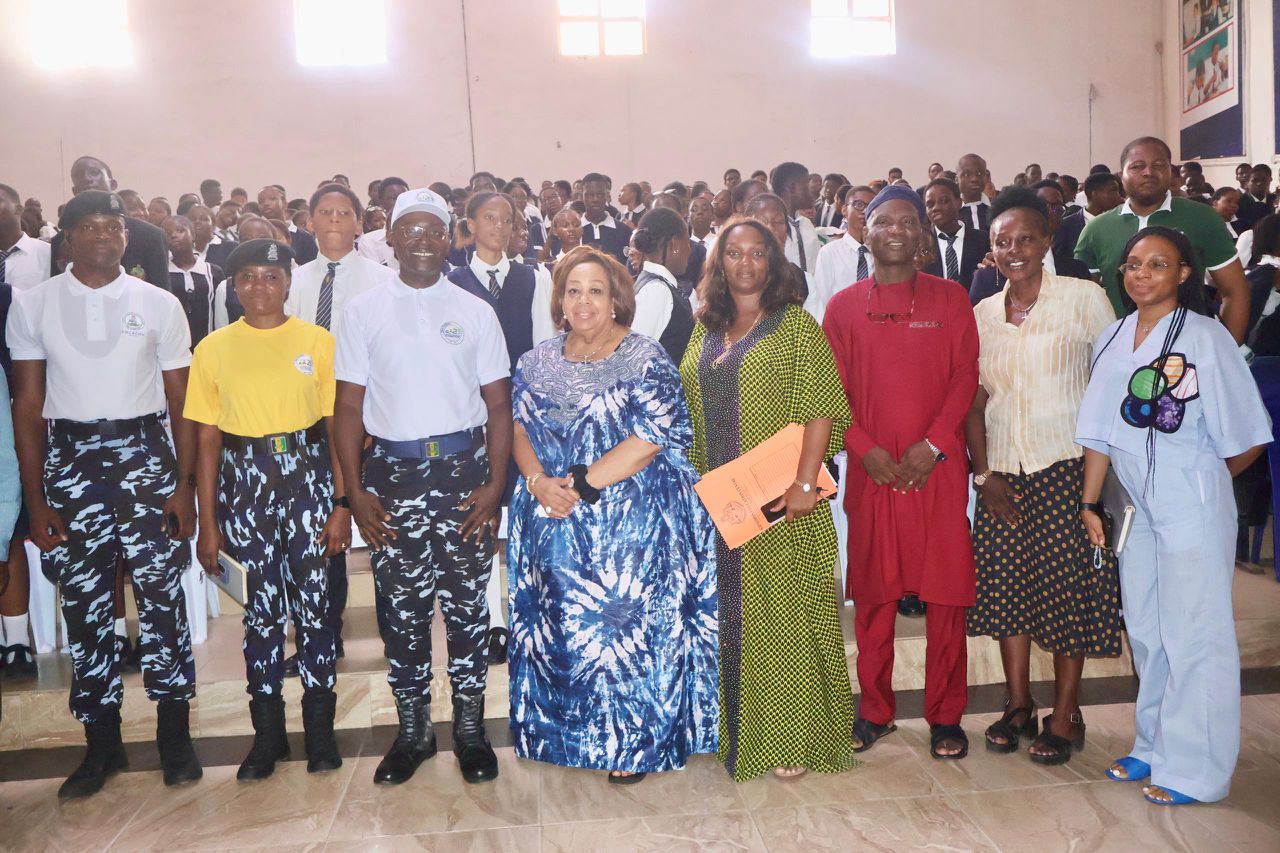
POCACOV Intensifies Sensitization on Cultism, Bullying, and Social Vices Among Students in Edo
In commemoration of the 2026 National Police Day Celebration, the Police Campaign Against Cultism and Other Vices (POCACOV), Edo State Command, has reinforced its preventive policing efforts through a targeted sensitization outreach at Igbinedion Education Centre, Benin City.
The initiative forms part of the broader activities marking this year’s National Police Day, themed “Community Partnership: Building Trust,” which emphasizes collaboration between the Nigeria Police Force and the public in fostering a safer society.
The sensitization programme witnessed the presence of key stakeholders, including the Commissioner of Police, Edo State Command, the Police Public Relations Officer, and the Edo State POCACOV Coordinator, ASP Kingsley Upeh. The team engaged students in an insightful and impactful session focused on the dangers of cultism, bullying, and other social vices prevalent among youths.
During the session, students were educated on the severe and far-reaching consequences of cult-related activities. These include violence, loss of lives, disruption of academic pursuits, and long-term damage to personal reputation and future opportunities. The speakers also highlighted how peer pressure, drug abuse, and negative social influences often serve as gateways into criminal behavior.
In an interactive segment, the Commissioner of Police stressed the legal implications of engaging in criminal acts, noting that involvement in cultism and related offences could lead to arrest, prosecution, and lifelong consequences that may hinder personal growth and career aspirations.
The issue of bullying was also extensively addressed, with emphasis on both its legal ramifications and psychological impact on victims. Students were encouraged to speak up against bullying, report incidents to school authorities or law enforcement, and support peers who may be affected.
Furthermore, the outreach underscored the importance of self-discipline, moral values, and making informed life choices. Students were urged to become ambassadors of peace within their schools and communities by rejecting violence and promoting unity and mutual respect.
The POCACOV team reiterated its commitment to continuous engagement with young people through awareness campaigns, community outreach, and strategic partnerships aimed at preventing crime before it occurs. The initiative aligns with the Nigeria Police Force’s proactive approach to policing, which prioritizes education, prevention, and community involvement.



COAS Launches Nationwide Security Renewal Mission in Plateau
The Chief of Army Staff, Lieutenant General Waidi Shaibu, on Thursday led a high-level delegation of security chiefs to Plateau State, flagging off a nationwide security renewal mission aimed at strengthening civil-military cooperation and restoring lasting peace across the country.
The visit to Jos, the Plateau State capital, marks the first phase of a coordinated national effort to address persistent security challenges through joint operations, community engagement, and proactive intelligence gathering.

Governor Caleb Muftwang received the delegation, describing the initiative as a critical step toward stabilizing affected communities and reinforcing public confidence in security institutions.
Civil-Military Synergy Takes Centre Stage
At the heart of the mission is a renewed emphasis on collaboration between the military, civil authorities, and local communities. Speaking during the visit, Lt. Gen. Shaibu stressed that national security must be treated as a collective responsibility.
He urged citizens to support security agencies by remaining vigilant, sharing credible information, and complying with lawful directives, noting that effective security cannot be achieved in isolation.
Community Engagement as Confidence-Building Tool
In a departure from purely operational engagements, the Army Chief held direct consultations with community leaders and residents in Jos, reinforcing the importance of trust and dialogue in conflict resolution.
Lawmakers, including Dachung Bagos and Ladi Dangyok, commended the initiative, stating that visible engagement by top military leadership helps rebuild confidence among citizens and fosters cooperation.

Proactive Security Operations Underway
Operational updates were provided by Major General Folusho Oyinlola, who disclosed that troops under Operation Enduring Peace have intensified surveillance, intelligence-led patrols, and coordinated actions with other security agencies.
According to the Army, the approach is designed to prevent escalation of threats, safeguard lives and property, and stabilize vulnerable communities before crises emerge.
A Shift Toward Sustainable Peace
Military authorities emphasized that the Plateau visit is part of a broader, long-term strategy to transition from reactive responses to sustainable peacebuilding nationwide. The framework includes strengthening local resilience, ensuring justice, and maintaining continuous engagement with stakeholders.
Analysts view the initiative as a significant policy shift, reflecting a more inclusive security architecture that integrates community participation with military operations.
Call for National Unity
The Army leadership concluded with an appeal to Nigerians to reject divisive narratives and support ongoing efforts to promote unity and peace.
“The success of this mission depends not only on the armed forces but on the cooperation of every citizen,” the COAS stated.
The nationwide security renewal campaign is expected to extend to other regions in the coming weeks as authorities seek to consolidate gains and build a safer, more unified Nigeria.


-

 society7 months ago
Religion: Africa’s Oldest Weapon of Enslavement and the Forgotten Truth
-

 news4 months ago
WHO REALLY OWNS MONIEPOINT? The $290 Million Deal That Sold Nigeria’s Top Fintech to Foreign Interests
-

 society6 months ago
“You Are Never Without Help” – Pastor Gebhardt Berndt Inspires Hope Through Empower Church (Video)
-

 celebrity radar - gossips2 months ago
Dr. Chris Okafor Returns with Power and Fire of the Spirit -Mounts Grace Nation Altar with Fresh Anointing and Restoration Grace on February 1, 2026