
society
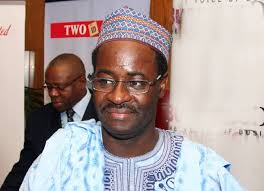
HOW TAMINU YAKUBU IS DRIVING BUDGET INNOVATION IN NIGERIA

HOW TAMINU YAKUBU IS DRIVING BUDGET INNOVATION IN NIGERIA
By Andrew Oche
The Budget Office of the Federation, an agency within the Federal Ministry of Budget and Economic Planning, traces its origins to 1921 when it was established as the Bureau of the Budget (BOB) within the Treasury Department. Since its inception, it has played a critical role of varying significance in Nigeria’s governance and economic planning.
Over the years, the Budget Office has undergone progressive transformation, evolving through innovative reforms, restructuring initiatives, and strategic collaborations at both national and subnational levels. The agency has adapted through institutional and stakeholder engagements, focusing on developing and implementing the federal budget, overseeing budget allocations across Ministries, Departments, and Agencies (MDAs), and managing government-wide initiatives to improve the welfare of citizens.

These transformative changes reflect the Federal Government of Nigeria’s commitment to refining the budgetary process, enhancing presidential influence, advancing the Renewed Hope Agenda, and fostering efficiency, integrity, and effectiveness in government operations. Historically, a series of reforms has progressively shifted the agency away from colonial practices toward a more formalised and dynamic system.
Today, a robust model of synergy and collaboration exists, characterised by shared values and an inclusive budgetary process that involves both the legislative and administrative arms of government.This wave of innovation has gained momentum since Alhaji Taminu Yakubu Kurfi assumed the role of Director-General of the Budget Office. A former Commissioner of Finance, Budget, and Economic Planning in Katsina State from 1999 to 2002, and Chief Economic Adviser to President Umaru Yar’Adua, Alhaji Yakubu has proven his competence and justified the confidence placed in him by President Bola Ahmed Tinubu through his initiation of landmark reforms.
One of his key initiatives has been to strengthen the National Assembly’s role in the appropriation process while enhancing coordination for effective oversight, resulting in a dynamic, people-oriented annual budget. His commitment to accountability has transformed the Budget Office from a primarily execution-focused agency to one that emphasises monitoring and supervision. This ensures that approved and released funds are utilised for their intended projects, programs, and interventions without misappropriation, misapplication, or misallocation.
Alhaji Yakubu has also elevated the Budget Office’s role in sustaining development and ensuring the timely preparation of the annual budget, aligning it with specific fiscal objectives. Budget presentations are no longer ceremonial events but platforms for practical, sustainable, and verifiable analyses of macroeconomic indices, growth projections, and development factors. This approach facilitates effective monitoring and control of economic planning, making state infrastructure planning and implementation more feasible.
Under his leadership, the Budget Office has sustained the preparation of Development Plans and the Medium-Term Expenditure Framework while actively monitoring capital projects to eliminate the issue of abandoned federal projects. Through his influence, transparency, and resolute lobbying prowess, Alhaji Yakubu has attracted reliable development partners and ensured effective monitoring of fund disbursement and application.
Alhaji Yakubu has established a robust process for state infrastructure planning and has positively impacted the implementation of developmental plans at both national and subnational levels. His steadfast integrity and sincerity have led to the development of an uncompromising monitoring framework for capital projects and the timely preparation of appraisal documents. This has accelerated progress and ensured structural compliance in all ongoing federal projects.
His integrity, accountability, and transparency have fostered confidence, dependability, and trust among development partners, enhancing their willingness to engage and invest in Nigeria. Alhaji Yakubu’s devotion has brought consistency and sanity to the budgetary process, improving fiscal policy implementation and strengthening the management of initiatives under the Renewed Hope Agenda.
An unassuming and patriotic statesman, Alhaji Yakubu personally monitors capital projects to verify their progress, contributing to the successes recorded across various sectors of the economy. His holistic reforms include workforce motivation, recognising staff as vital stakeholders in growth. To this end, he introduced a mixed-skill arrangement that enhances the capacity of existing staff by integrating inter-agency professionals, ensuring timely remuneration and fostering a proficient, engaged workforce.
Acknowledging the importance of Information and Communication Technology (ICT), Alhaji Yakubu has leveraged modern, state-of-the-art digital tools to optimise service delivery. This has created a highly productive and committed workforce capable of supporting the goals and vision of President Tinubu’s drive for a prosperous Nigeria.
Alhaji Yakubu has also fostered a conducive work environment, enhanced staff capacity, and provided necessary tools, including official and private vehicles for efficient project monitoring and evaluation. As a highly intellectual and cerebral administrator, he has identified cost-saving strategies for budget analysis and devised methods to improve forecasting and variance analysis, achieving nearly 90% accuracy in predicting revenue and expenditure trends. This robust forecasting model accounts for seasonal fluctuations, resulting in improved outcomes.
The adoption of cross-functional teams has aligned the annual national budget with the goals of government MDAs, fostering collaboration, synergy, and peer review across different arms and tiers of government. Alhaji Yakubu has enriched the budget process by incorporating strategic planning, compliance indicators, and meticulous tracking of disbursed funds and project implementation. His engagement with critical stakeholders, partners, and investors at both national and subnational levels has built confidence and facilitated seamless implementation, efficiency, and effectiveness.
As an astute administrator, Alhaji Yakubu’s commitment to structural and systemic reforms is yielding results, transforming the operations of Permanent Secretaries and introducing efficiency across MDAs.His pragmatic approach has enabled Nigeria to operate a triple budget instrument—the 2024 Main Appropriation Act, the 2024 Supplementary Budget, and the 2025 Appropriation Act—seamlessly. Notably, Alhaji Yakubu ensured that the 2025 Appropriation Act was prepared and signed before the end of 2024, a remarkable achievement that underscores his commitment to fiscal discipline and timely budget implementation.
These reforms have contributed to economic recovery, increased gross domestic product, and enhanced fiscal efficiency. Innovations in the upstream sector have reduced production costs, increased crude oil output to 2.6 million barrels per day, and boosted profitability. Recognising the agricultural sector’s importance, Alhaji Yakubu has prioritised timely fund releases for agricultural inputs such as fertilisers, agrochemicals, and tractors, significantly enhancing food production, security, and availability. Alhaji Taminu Yakubu Kurfi has led an inspiring stabilisation of Nigeria’s economy, reduced inflation, and promoted economic growth within the framework of the Renewed Hope Agenda through the Budget Office. His leadership continues to drive transformative change, ensuring a prosperous future for Nigeria.
Oche writes from Makurdi.




COAS Launches Nationwide Security Renewal Mission in Plateau
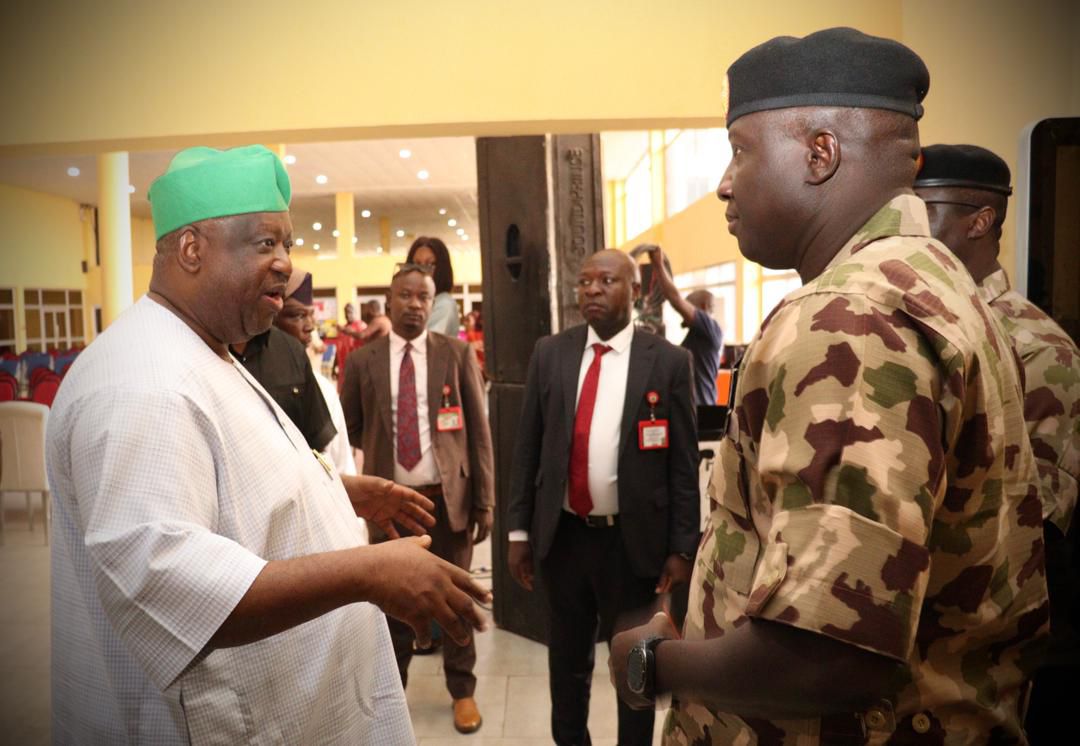
The Chief of Army Staff, Lieutenant General Waidi Shaibu, on Thursday led a high-level delegation of security chiefs to Plateau State, flagging off a nationwide security renewal mission aimed at strengthening civil-military cooperation and restoring lasting peace across the country.
The visit to Jos, the Plateau State capital, marks the first phase of a coordinated national effort to address persistent security challenges through joint operations, community engagement, and proactive intelligence gathering.

Governor Caleb Muftwang received the delegation, describing the initiative as a critical step toward stabilizing affected communities and reinforcing public confidence in security institutions.
Civil-Military Synergy Takes Centre Stage
At the heart of the mission is a renewed emphasis on collaboration between the military, civil authorities, and local communities. Speaking during the visit, Lt. Gen. Shaibu stressed that national security must be treated as a collective responsibility.
He urged citizens to support security agencies by remaining vigilant, sharing credible information, and complying with lawful directives, noting that effective security cannot be achieved in isolation.
Community Engagement as Confidence-Building Tool
In a departure from purely operational engagements, the Army Chief held direct consultations with community leaders and residents in Jos, reinforcing the importance of trust and dialogue in conflict resolution.
Lawmakers, including Dachung Bagos and Ladi Dangyok, commended the initiative, stating that visible engagement by top military leadership helps rebuild confidence among citizens and fosters cooperation.

Proactive Security Operations Underway
Operational updates were provided by Major General Folusho Oyinlola, who disclosed that troops under Operation Enduring Peace have intensified surveillance, intelligence-led patrols, and coordinated actions with other security agencies.
According to the Army, the approach is designed to prevent escalation of threats, safeguard lives and property, and stabilize vulnerable communities before crises emerge.
A Shift Toward Sustainable Peace
Military authorities emphasized that the Plateau visit is part of a broader, long-term strategy to transition from reactive responses to sustainable peacebuilding nationwide. The framework includes strengthening local resilience, ensuring justice, and maintaining continuous engagement with stakeholders.
Analysts view the initiative as a significant policy shift, reflecting a more inclusive security architecture that integrates community participation with military operations.
Call for National Unity
The Army leadership concluded with an appeal to Nigerians to reject divisive narratives and support ongoing efforts to promote unity and peace.
“The success of this mission depends not only on the armed forces but on the cooperation of every citizen,” the COAS stated.
The nationwide security renewal campaign is expected to extend to other regions in the coming weeks as authorities seek to consolidate gains and build a safer, more unified Nigeria.


IGP Disu Visits Plateau, Orders Tactical Deployment To Reinforce Security
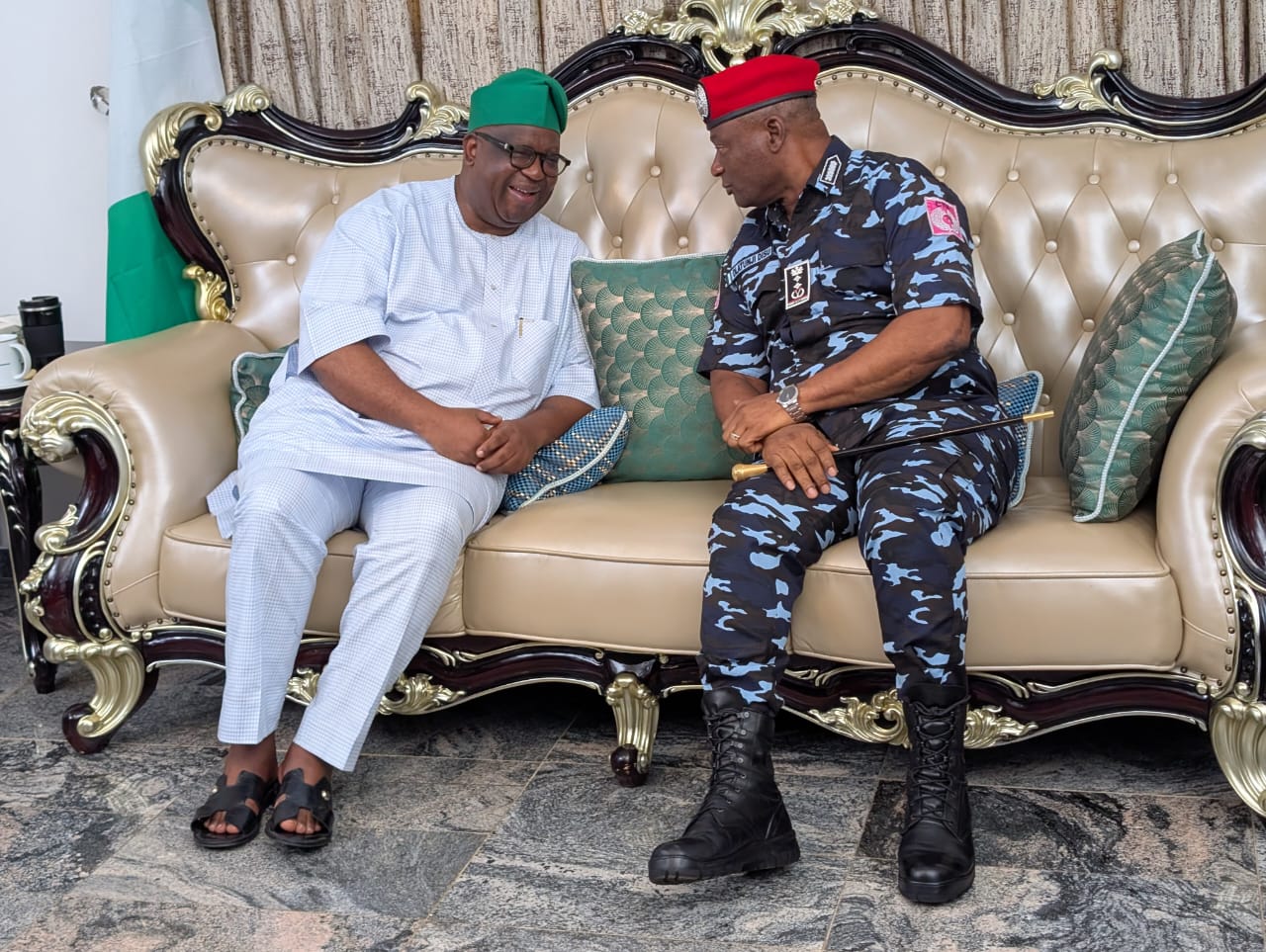
The Inspector General of Police, Olatunji Disu, on Thursday paid a working visit to Plateau State following recent unrest, holding strategic talks with Governor Caleb Muftwang on measures to strengthen security and prevent further disturbances.
As part of immediate steps to stabilise the situation, the police chief authorised the deployment of specialised tactical units to support officers already on ground across affected areas.
Governor Muftwang commended the swift intervention of the police leadership, praising the dedication and professionalism of security personnel working to restore calm. He also acknowledged the efforts of mobile police officers and lauded the leadership of the state’s Commissioner of Police, Bassey Ewah.
Both the Nigeria Police Force and the Plateau State Government reaffirmed their commitment to safeguarding lives and property, stressing that enhanced collaboration remains key to restoring lasting peace in Plateau State, popularly known as the Home of Peace and Tourism.


Grace Nation Worldwide: A Living Reality – Dr. Chris Okafor
……“Miracles, Healing, and Deliverance Overflow at Grace Nation Services”
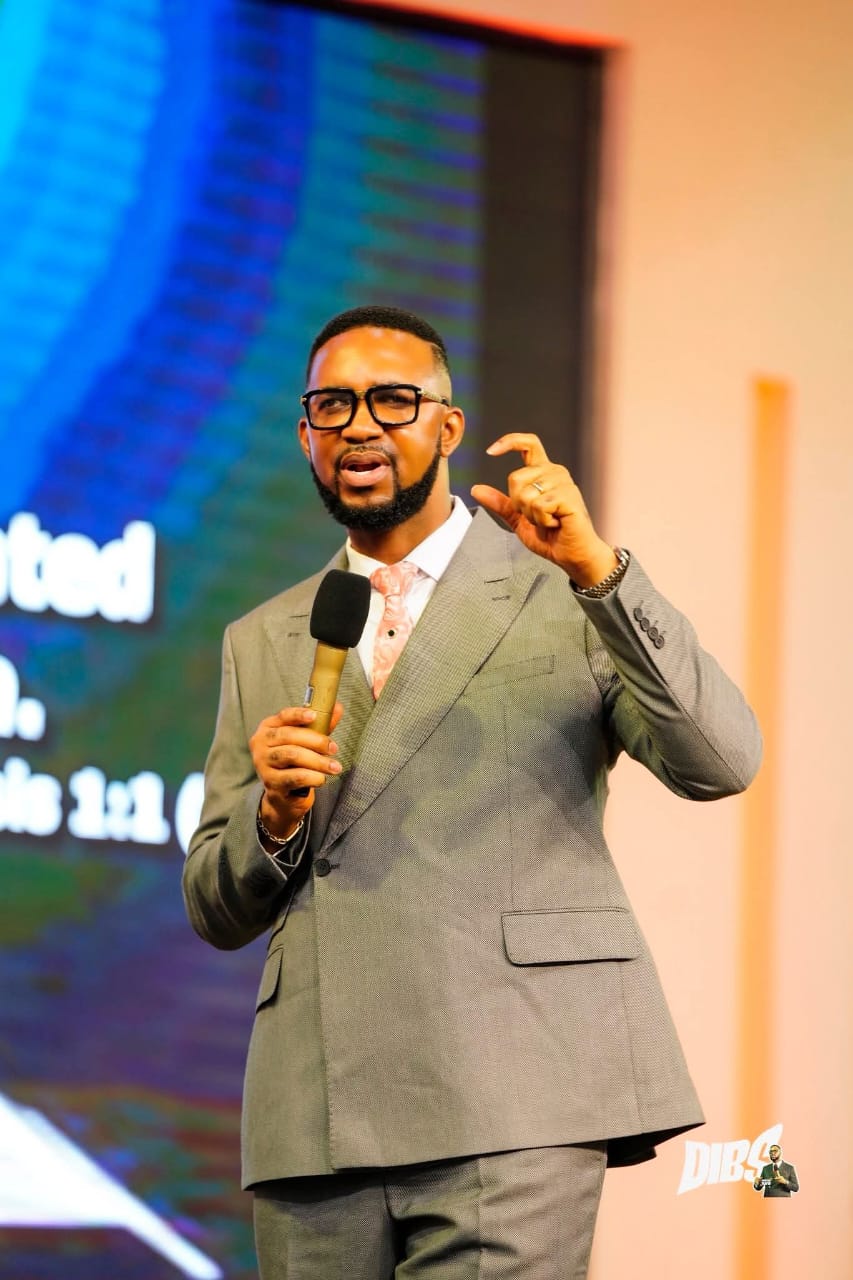
The Grace Nation midweek Prophetic Healing, Deliverance, and Solutions (PHDS) Service on 2nd April 2026 at the international headquarters in Ojodu Berger, Lagos, was a spectacular display of God’s power, marked by miracles, healing, and deliverance.
The God of Grace Nation continues to demonstrate His authority, breaking strongholds, healing the sick, restoring lost glory, and providing solutions to every problem presented at His altar.
Testimonies of God’s Power
One woman, previously diagnosed with a terminal condition and slated for a ₦4.5 million surgery due to inability to excrete, was prayed for by the Generational Prophet, Christopher Okafor, just a week after visiting the church. Declaring healing within 24 hours, she returned to testify to God’s miraculous intervention.
Another pregnant woman, whose baby was bridged and at risk, was located and prayed for. She returned to service with confirmation that her child is now well-positioned for delivery. Similarly, a woman booked for a C-section due to an overdue and poorly positioned pregnancy testified during the service that her baby is now properly positioned, ready for birth.
These testimonies underscore the truth: what God cannot do does not exist. Grace Nation has entered a new level of spiritual authority, and with faith, believers are witnessing the impossible become reality.
God Works by Principle, Not Gossip
In his sermon, Dr. Okafor emphasized that God does not operate on superstition, gossip, or social media pressures. His work is grounded in His Word, and it is through adherence to His principles that Grace Nation continues to flourish.
The Generational Prophet stressed that to enjoy divine blessings and fruitfulness, believers must remain connected to God’s Word, faithfully serve Him, and ignore distractions or side-talks. Focused commitment to God’s service guarantees alignment with His miraculous power.
Join the Movement
Grace Nation Worldwide is open for all who desire a life transformed by divine intervention. Weekly services include:
Sunday Service: 7:00 AM
Grace Nation Island Service (Ogombo): Wednesday, 5:00 PM
Midweek PHDS Service: Thursday, 7:00 AM
Attending these services under the ministry of the Generational Prophet ensures encounters with God’s supernatural power, life-changing miracles, and lasting breakthroughs.
Grace Nation Worldwide is not just a church—it is a reality where faith meets the supernatural.
By Sunday Adeyemi


-

 society6 months ago
Religion: Africa’s Oldest Weapon of Enslavement and the Forgotten Truth
-

 news4 months ago
WHO REALLY OWNS MONIEPOINT? The $290 Million Deal That Sold Nigeria’s Top Fintech to Foreign Interests
-

 society6 months ago
“You Are Never Without Help” – Pastor Gebhardt Berndt Inspires Hope Through Empower Church (Video)
-

 celebrity radar - gossips2 months ago
Dr. Chris Okafor Returns with Power and Fire of the Spirit -Mounts Grace Nation Altar with Fresh Anointing and Restoration Grace on February 1, 2026