
society
IBB’s Hardline Doctrine and the U.S. Christmas Day Airstrikes: Nigeria at the Crossroads of Security Strategy and Sovereignty

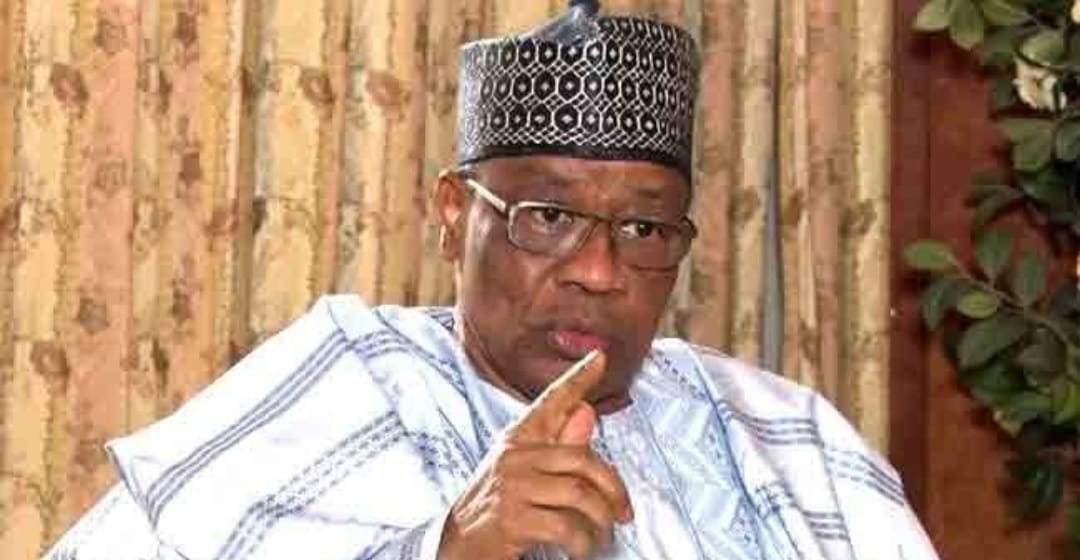
IBB’s Hardline Doctrine and the U.S. Christmas Day Airstrikes: Nigeria at the Crossroads of Security Strategy and Sovereignty.
By George Omagbemi Sylvester | Published by saharaweeklyng.com
“Why Former Head of State IBB’s Call for Decisive Action Against Bandits Reverberates Amid Celebrations of U.S. Military Intervention — A Critical Examination of Facts, Context and National Security Imperatives.”
In the chill of Christmas Eve 2025, Nigeria’s security landscape underwent a seismic shift that will reverberate through its political, military, and societal discourse for years to come. Former Head of State General Ibrahim Badamasi Babangida (IBB) unleashed a provocative call for decisive action against the entrenched menace of banditry and terrorism, asserting that the Federal Government should not accept surrender overtures until all armed criminals are fully neutralised. His message ignited a nationwide debate on security policy — one that found unlikely resonance with Nigerians celebrating U.S. airstrikes conducted on Christmas Day against militant groups in Nigeria’s northwest.

At a moment when the nation is bleeding under staggering insecurity, IBB’s no-nonsense pronouncement struck a chord with many citizens weary of incessant raids, kidnappings, and carnage. The former military ruler, in a potent statement shared on his verified social media account, emphatically declared: “While the bandits are pleading for surrender, we must not accept their plea until every one of them is neutralised and eliminated.” He urged that negotiators and sympathisers, including controversial figures like Sheikh Ahmad Gumi, be subjected to rigorous interrogation after the campaign against these criminal networks has succeeded.
Such a stark posture arrives against a backdrop of mounting insecurity. Bandit gangs and Islamist militants have long held sway over large swathes of northern and central Nigeria, undermining agriculture, commerce, education and life itself. From frenetic kidnappings for ransom to marauding attacks on villages and highways, the violence has displaced millions and upended social life. Security analysts across Nigeria have long argued that traditional approaches — negotiated truces, temporary peace deals, or partial amnesties — have repeatedly failed to yield lasting peace. This has fomented a growing chorus for a total strategic offensive against these criminal networks.

The U.S. Airstrikes: A Turning Point or New Controversy?
On December 25, 2025, under the administration of U.S. President Donald Trump, American forces carried out targeted airstrikes against suspected Islamic State-linked militant camps in northwest Nigeria. These operations, conducted in collaboration with Nigerian authorities — including intelligence sharing and mission coordination — were framed as a concerted effort to degrade extremist capabilities that continue to terrorise civilians.
U.S. involvement was welcomed by many Nigerians who have watched their government struggle to contain the violence. Supporters described the strikes as a long-overdue blow to entrenched terror cells that have outmatched local forces for too long. In social media circles and public commentary, Nigerians took to expressing relief and gratitude, with messages thanking the United States (“President Trump, we love you… please don’t forget Benue State, Rivers, and Enugu”) and affirmations that violent extremism “has no room in a sane society.” These reactions reveal the depth of frustration and desire for a decisive break from an insecurity paradigm that appears stuck in tactical stasis.
However, the celebration was not universal. Critics warn that cooperation with foreign military action raises serious questions about sovereignty, long-term strategic dependency, and the geopolitical costs of external intervention. Others, including respected security scholars, caution that airpower alone cannot dismantle insurgent networks bred from decades of governance deficits, economic marginalisation, and porous borders.
Security Experts and Analysts Weigh In
Security and conflict specialists widely acknowledge that Nigeria’s crisis is multifaceted. Bulama Bukarti, a recognised expert on West African militant groups, said that operations lacking transparency and clear strategic purpose risk sowing fear and confusion among local communities — a concern echoed following the U.S. strike that caused homes to shake and skies to glow red in rural areas without confirmed militant casualties.
Other analysts point out that coordinated intelligence efforts — not just explosive force — must underpin any durable campaign. One seasoned observer noted: “Airpower can disrupt, but it cannot occupy or reform social conditions that give rise to extremism.” This sentiment echoes historical lessons from global conflicts; reliance on aerial bombardment alone has often failed to quash insurgencies without robust ground strategy, community engagement, and socioeconomic investment.

IBB’s Rationale: Military Must Lead the Offensive
General Babangida’s argument places emphasis squarely on decisive military action. His critique of surrender negotiations reflects a growing impatience with dialogue that many Nigerians see as tantamount to appeasement. IBB’s stance finds indirect support in the government’s own policy trajectory: President Bola Tinubu has repeatedly classified armed bandits as terrorists indistinguishable from Boko Haram or ISIS affiliates, advocating an unyielding crackdown and enhanced security architecture.
Military setbacks in inaccessible terrains, where bandits now hide deep in forests to evade strikes, illustrate the complexity of the fight. Nigerian Defence Minister Mohammed Badaru Abubakar acknowledged such challenges, drawing parallels to guerrilla warfare tactics that frustrate conventional military responses.
Voices from Civil Society and Religious Leaders
The Northern States Christian Elders Forum — speaking through its chairman Elder Sunday Oibe — lent support to the idea that Nigeria must embrace all available assistance to curb violence, including foreign cooperation, so long as it is government-sanctioned. “Nigerians simply want to live freely and go about their daily activities without fear,” he asserted, underscoring a pragmatic willingness to accept help in the face of humanitarian crisis.
Similarly, regional advocacy groups like the Middle Belt Forum called for an expansion of counter-terror operations nationwide, stressing that the fight against terrorism must not be confined to any single region or demographic.

The Debate: Sovereignty vs. Security
At the heart of the ongoing national conversation is a fundamental tension between sovereignty and security efficacy. For decades, Nigeria has prided itself on asserting non-alignment and self-determination in foreign policy. The idea of foreign military action on Nigerian soil — even with consent — unsettles historians and constitutional experts alike, who argue that reliance on external force risks undermining Nigeria’s agency and strategic autonomy.
Yet, the tangible toll of insecurity — economic stagnation, ruptured communities, and pervasive fear — has pushed many to re-evaluate traditional notions of sovereignty. One prominent political scholar remarked: “A state that cannot protect its citizens forfeits the moral legitimacy of absolute sovereignty.”
Looking Forward: Strategy, Stakes, and Sustainable Peace
The collision of IBB’s hardline doctrine with the reality of U.S. military involvement presents Nigeria with a profound policy crossroads. What emerges next will shape not only the country’s security posture but its constitutional identity, diplomatic relationships, and internal cohesion.
To navigate this complex terrain, Nigeria must critically balance:
Military decisiveness — ensuring that operations are strategic, intelligence-led, and minimise civilian harm;
Community resilience — empowering local stakeholders to participate in rehabilitation and reintegration efforts;
Diplomatic sovereignty — engaging foreign partners without ceding strategic control;
Institutional reform — strengthening governance frameworks that address root causes of radicalisation.
As the nation digests the implications of IBB’s stance and the aftermath of U.S. airstrikes, one thing is clear: Nigeria’s security discourse has entered a new phase of urgency and complexity. Whether this era will usher in lasting peace or engender deeper dependency and controversy hinges on choices that are both tactical and philosophical — choices that must be informed by sober analysis, constitutional fidelity, and an unyielding commitment to the protection of every Nigerian citizen.




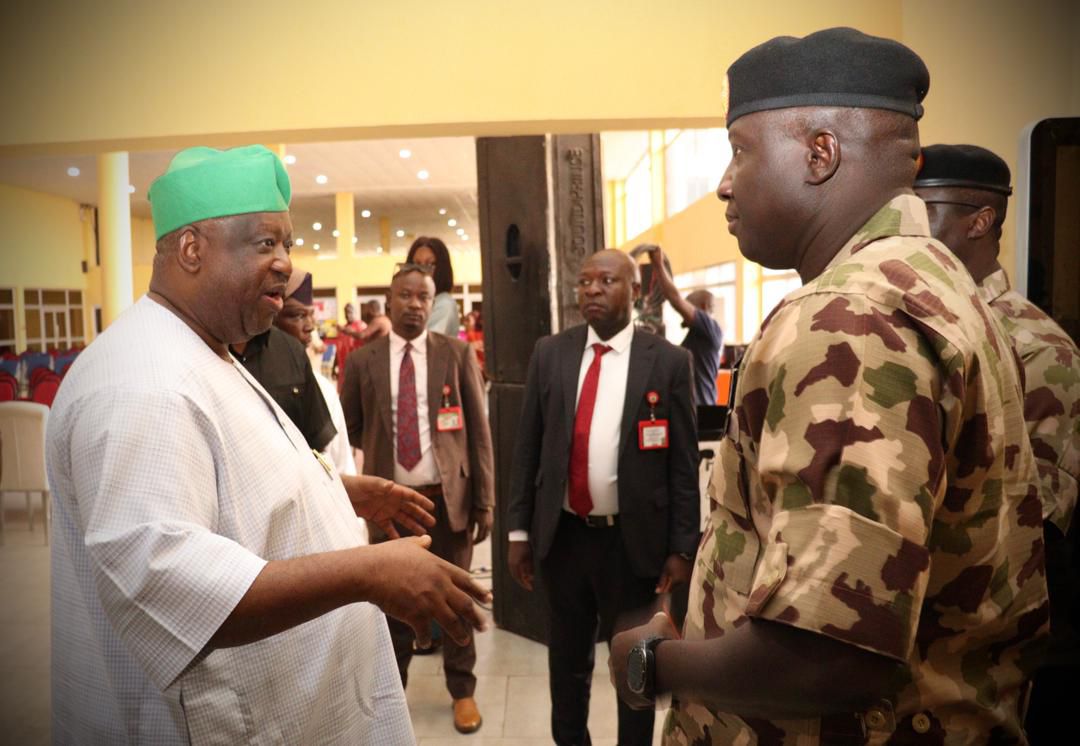
COAS Launches Nationwide Security Renewal Mission in Plateau
The Chief of Army Staff, Lieutenant General Waidi Shaibu, on Thursday led a high-level delegation of security chiefs to Plateau State, flagging off a nationwide security renewal mission aimed at strengthening civil-military cooperation and restoring lasting peace across the country.
The visit to Jos, the Plateau State capital, marks the first phase of a coordinated national effort to address persistent security challenges through joint operations, community engagement, and proactive intelligence gathering.

Governor Caleb Muftwang received the delegation, describing the initiative as a critical step toward stabilizing affected communities and reinforcing public confidence in security institutions.
Civil-Military Synergy Takes Centre Stage
At the heart of the mission is a renewed emphasis on collaboration between the military, civil authorities, and local communities. Speaking during the visit, Lt. Gen. Shaibu stressed that national security must be treated as a collective responsibility.
He urged citizens to support security agencies by remaining vigilant, sharing credible information, and complying with lawful directives, noting that effective security cannot be achieved in isolation.
Community Engagement as Confidence-Building Tool
In a departure from purely operational engagements, the Army Chief held direct consultations with community leaders and residents in Jos, reinforcing the importance of trust and dialogue in conflict resolution.
Lawmakers, including Dachung Bagos and Ladi Dangyok, commended the initiative, stating that visible engagement by top military leadership helps rebuild confidence among citizens and fosters cooperation.

Proactive Security Operations Underway
Operational updates were provided by Major General Folusho Oyinlola, who disclosed that troops under Operation Enduring Peace have intensified surveillance, intelligence-led patrols, and coordinated actions with other security agencies.
According to the Army, the approach is designed to prevent escalation of threats, safeguard lives and property, and stabilize vulnerable communities before crises emerge.
A Shift Toward Sustainable Peace
Military authorities emphasized that the Plateau visit is part of a broader, long-term strategy to transition from reactive responses to sustainable peacebuilding nationwide. The framework includes strengthening local resilience, ensuring justice, and maintaining continuous engagement with stakeholders.
Analysts view the initiative as a significant policy shift, reflecting a more inclusive security architecture that integrates community participation with military operations.
Call for National Unity
The Army leadership concluded with an appeal to Nigerians to reject divisive narratives and support ongoing efforts to promote unity and peace.
“The success of this mission depends not only on the armed forces but on the cooperation of every citizen,” the COAS stated.
The nationwide security renewal campaign is expected to extend to other regions in the coming weeks as authorities seek to consolidate gains and build a safer, more unified Nigeria.


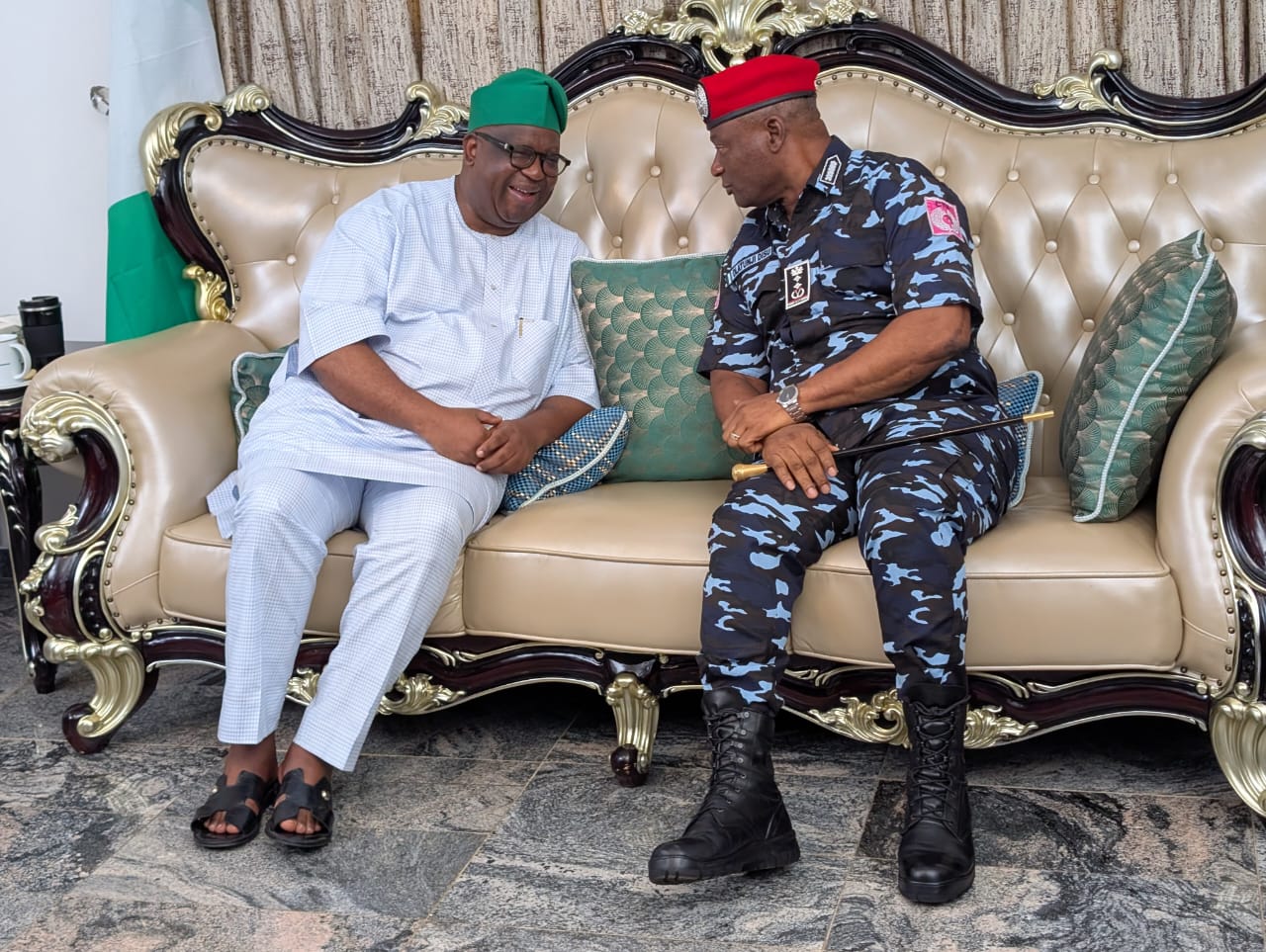
IGP Disu Visits Plateau, Orders Tactical Deployment To Reinforce Security
The Inspector General of Police, Olatunji Disu, on Thursday paid a working visit to Plateau State following recent unrest, holding strategic talks with Governor Caleb Muftwang on measures to strengthen security and prevent further disturbances.
As part of immediate steps to stabilise the situation, the police chief authorised the deployment of specialised tactical units to support officers already on ground across affected areas.
Governor Muftwang commended the swift intervention of the police leadership, praising the dedication and professionalism of security personnel working to restore calm. He also acknowledged the efforts of mobile police officers and lauded the leadership of the state’s Commissioner of Police, Bassey Ewah.
Both the Nigeria Police Force and the Plateau State Government reaffirmed their commitment to safeguarding lives and property, stressing that enhanced collaboration remains key to restoring lasting peace in Plateau State, popularly known as the Home of Peace and Tourism.


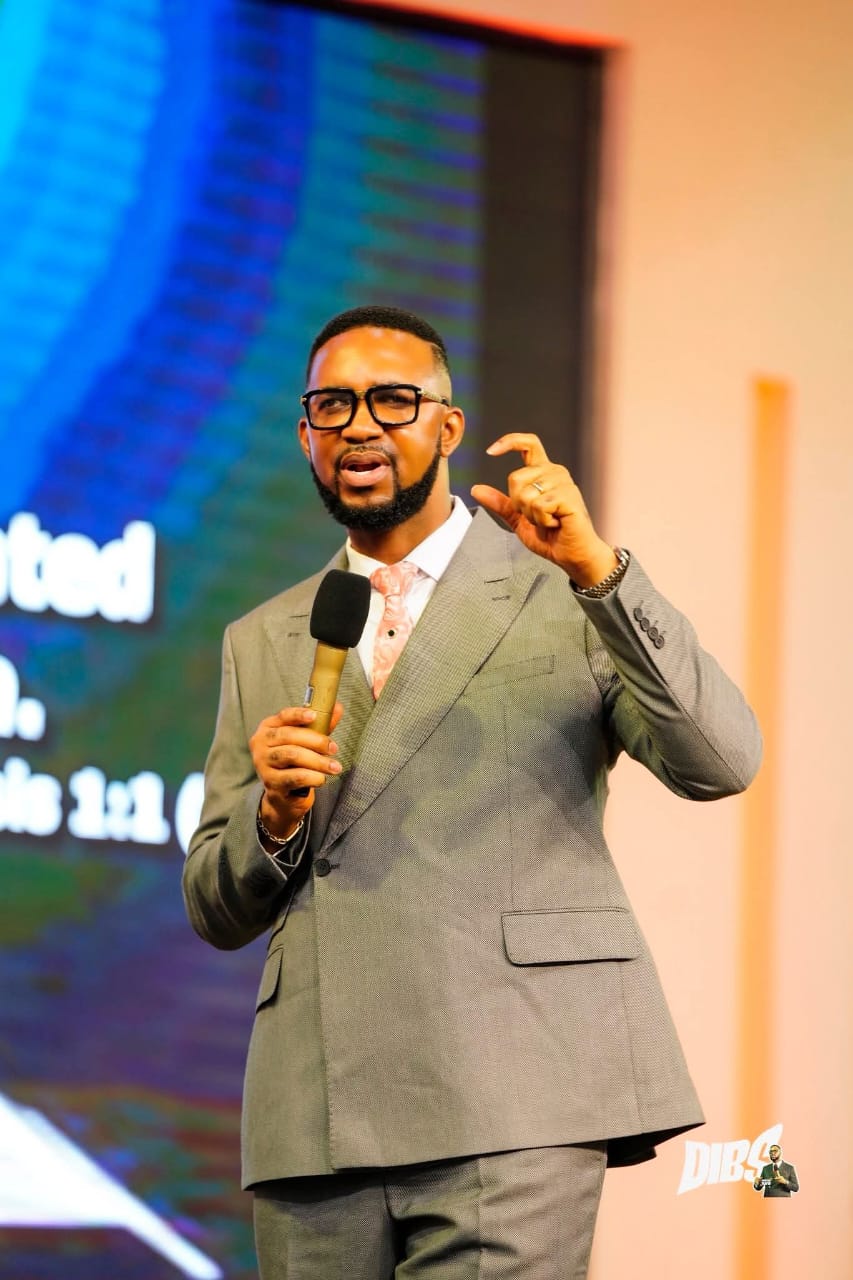
Grace Nation Worldwide: A Living Reality – Dr. Chris Okafor
……“Miracles, Healing, and Deliverance Overflow at Grace Nation Services”
The Grace Nation midweek Prophetic Healing, Deliverance, and Solutions (PHDS) Service on 2nd April 2026 at the international headquarters in Ojodu Berger, Lagos, was a spectacular display of God’s power, marked by miracles, healing, and deliverance.
The God of Grace Nation continues to demonstrate His authority, breaking strongholds, healing the sick, restoring lost glory, and providing solutions to every problem presented at His altar.
Testimonies of God’s Power
One woman, previously diagnosed with a terminal condition and slated for a ₦4.5 million surgery due to inability to excrete, was prayed for by the Generational Prophet, Christopher Okafor, just a week after visiting the church. Declaring healing within 24 hours, she returned to testify to God’s miraculous intervention.
Another pregnant woman, whose baby was bridged and at risk, was located and prayed for. She returned to service with confirmation that her child is now well-positioned for delivery. Similarly, a woman booked for a C-section due to an overdue and poorly positioned pregnancy testified during the service that her baby is now properly positioned, ready for birth.
These testimonies underscore the truth: what God cannot do does not exist. Grace Nation has entered a new level of spiritual authority, and with faith, believers are witnessing the impossible become reality.
God Works by Principle, Not Gossip
In his sermon, Dr. Okafor emphasized that God does not operate on superstition, gossip, or social media pressures. His work is grounded in His Word, and it is through adherence to His principles that Grace Nation continues to flourish.
The Generational Prophet stressed that to enjoy divine blessings and fruitfulness, believers must remain connected to God’s Word, faithfully serve Him, and ignore distractions or side-talks. Focused commitment to God’s service guarantees alignment with His miraculous power.
Join the Movement
Grace Nation Worldwide is open for all who desire a life transformed by divine intervention. Weekly services include:
Sunday Service: 7:00 AM
Grace Nation Island Service (Ogombo): Wednesday, 5:00 PM
Midweek PHDS Service: Thursday, 7:00 AM
Attending these services under the ministry of the Generational Prophet ensures encounters with God’s supernatural power, life-changing miracles, and lasting breakthroughs.
Grace Nation Worldwide is not just a church—it is a reality where faith meets the supernatural.
By Sunday Adeyemi


-

 society6 months ago
Religion: Africa’s Oldest Weapon of Enslavement and the Forgotten Truth
-

 news4 months ago
WHO REALLY OWNS MONIEPOINT? The $290 Million Deal That Sold Nigeria’s Top Fintech to Foreign Interests
-

 society6 months ago
“You Are Never Without Help” – Pastor Gebhardt Berndt Inspires Hope Through Empower Church (Video)
-

 celebrity radar - gossips2 months ago
Dr. Chris Okafor Returns with Power and Fire of the Spirit -Mounts Grace Nation Altar with Fresh Anointing and Restoration Grace on February 1, 2026