
society
Interior Ministry: From Applause to Nationhood

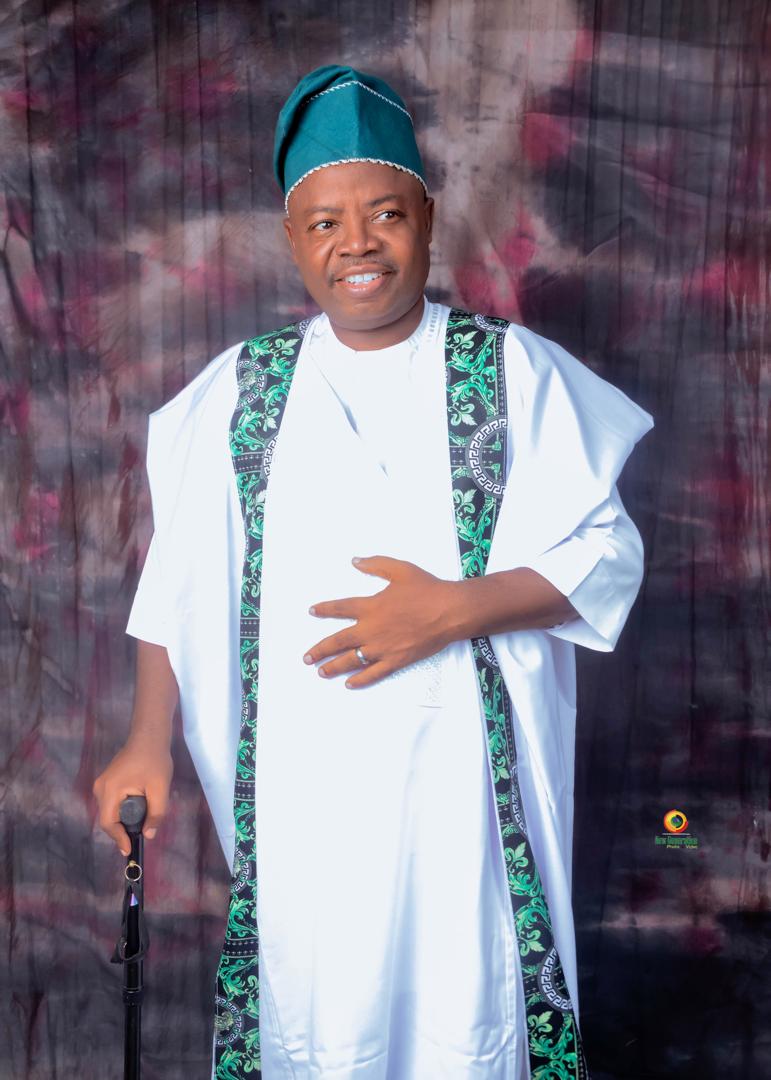
Interior Ministry: From Applause to Nationhood
By Citizen Bolaji O. Akinyemi
The strength of every relationship is communication. Fragile as it may appear, it is the strand that holds people together and binds society. Much of the progress envisaged in policy implementation in the developing world is lost—not only to insincerity in policy conceptualisation but more critically to the failure of effective communication of policy.
The Ministry of Interior is arguably the most important ministry to Nigerians. It regulates migration and residency, oversees internal security architecture, manages citizenship and naturalisation, supervises correctional services, coordinates civil defence, and issues travel and identity documents that shape our global perception as a people. In essence, it is the guardian of Nigeria’s internal sovereignty and the custodian of the rights and mobility of its citizens.
By popular perception, the young minister in charge, Olubunmi Tunji-Ojo, is performing wonders. Yet perception is not a mandate. The key questions remain: what is the core mandate of the ministry? What does it want to achieve for Nigeria and Nigerians? What policy frameworks have been designed to deliver on this mandate? Most importantly, how are these policies being communicated to Nigerians for ownership, interrogation, and partnership in implementation?
A ministry as sensitive as the Interior cannot thrive on glamour or applause. It must instead ground its work in clarity, accountability, and a shared national vision. One of its foremost assignments should be the carving of a homeland philosophy—developing it into a national ideology that inspires Nigerian youth to value the motherland above any other place on earth.
This cannot be achieved by raising the cost of obtaining a Nigerian passport to one million naira; as long as one dollar exchanges for over ₦1,500 and the naira cannot buy a candy while a dollar can buy a meal, such pricing will not stop the “Japa” wave. Economic disempowerment, not cheap passports, fuels migration.
Lessons from Ideological Citizenship Worldwide
1. United States – The American Dream unified immigrants and natives under a common story of opportunity.
2. Singapore – Multicultural Meritocracy turned diversity into stability through merit and discipline.
3. Israel – Homeland Security Citizenship tied to belonging to service and sacrifice for the nation.
4. Rwanda – Ndi Umunyarwanda healed ethnic divides after genocide, making citizenship primary over tribe.
5. South Africa – Rainbow Nation recast painful diversity as a strength for reconciliation and nationhood.
These examples show that citizenship ideology is not abstract—it is the foundation for unity, stability, and progress in diverse societies.
Towards a Nigerian Citizenship Philosophy
Nigeria must articulate its own philosophy of citizenship, one that binds our many ethnicities into a shared nationhood. Such a philosophy could stand on these pillars:
Equality of Citizenship: No Nigerian is more Nigerian than the other, regardless of tribe, religion, or place of residence.
Service and Responsibility: Rights must be matched with duties—to serve, protect, and contribute to the nation.
Pride in Motherland: Cultivating values that make Nigerians see their destiny tied to the homeland, not merely to foreign lands.
Unity in Diversity: Making diversity a deliberate strength for innovation, resilience, and nation-building.
Rule of Law: Ensuring that the state protects rights without discrimination, so that faith in the system grows stronger than tribal bias.
The Ministry of Interior should be the midwife of this philosophy. Through policy, communication, and civic education, it must teach Nigerians what it means to believe, belong, and build.
The Dangerous Silence of the Ministry
But here lies the present failure: the silence of the Interior Ministry when rights of citizenship are openly trampled.
When in Lagos, the Igbo community—law-abiding citizens by law and birth—were told their votes and candidacy were inconsequential, where was the Ministry of Interior?
If in a city as “civilised” as Lagos, Nigerians can be profiled and excluded from full citizenship on account of tribe, what moral ground does the Ministry have to intervene when settler tribes wipe out indigenous villages in the Middle Belt or elsewhere?
A Ministry that cannot raise its voice when the essence of citizenship is attacked in peacetime cannot hope to secure its mandate in crisis. Silence in such matters is complicity; worse still, it makes a mockery of the very institution tasked with protecting Nigerians at home.
Beyond Applause
Minister Olubunmi Tunji-Ojo’s heroism must therefore go beyond administrative efficiency or momentary reforms. His enduring legacy should be the laying of institutional foundations, the rebranding of the ministry’s mandate, and the communication of policies that give Nigerians a shared sense of belonging.
The Interior Ministry must step out of silence into vision. It must move from applause to nationhood.
Dr. Bolaji O. Akinyemi is an Apostle and Nation Builder. He’s also the President of Voice of His Word Ministries and Convener of the Apostolic Round Table. BoT Chairman, Project Victory Call Initiative, AKA PVC Naija. He is a strategic Communicator and the CEO, Masterbuilder Communications.
Email:[email protected]
Facebook:Bolaji Akinyemi.
X:Bolaji O Akinyemi
Instagram:bolajioakinyemi




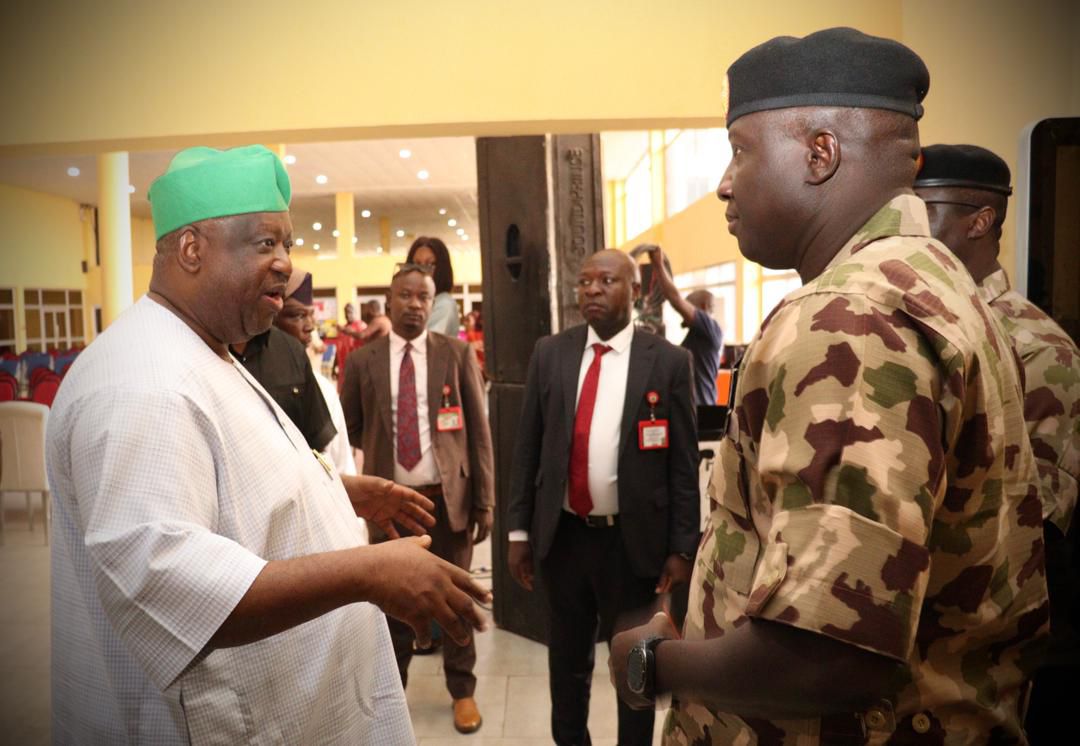
COAS Launches Nationwide Security Renewal Mission in Plateau
The Chief of Army Staff, Lieutenant General Waidi Shaibu, on Thursday led a high-level delegation of security chiefs to Plateau State, flagging off a nationwide security renewal mission aimed at strengthening civil-military cooperation and restoring lasting peace across the country.
The visit to Jos, the Plateau State capital, marks the first phase of a coordinated national effort to address persistent security challenges through joint operations, community engagement, and proactive intelligence gathering.

Governor Caleb Muftwang received the delegation, describing the initiative as a critical step toward stabilizing affected communities and reinforcing public confidence in security institutions.
Civil-Military Synergy Takes Centre Stage
At the heart of the mission is a renewed emphasis on collaboration between the military, civil authorities, and local communities. Speaking during the visit, Lt. Gen. Shaibu stressed that national security must be treated as a collective responsibility.
He urged citizens to support security agencies by remaining vigilant, sharing credible information, and complying with lawful directives, noting that effective security cannot be achieved in isolation.
Community Engagement as Confidence-Building Tool
In a departure from purely operational engagements, the Army Chief held direct consultations with community leaders and residents in Jos, reinforcing the importance of trust and dialogue in conflict resolution.
Lawmakers, including Dachung Bagos and Ladi Dangyok, commended the initiative, stating that visible engagement by top military leadership helps rebuild confidence among citizens and fosters cooperation.

Proactive Security Operations Underway
Operational updates were provided by Major General Folusho Oyinlola, who disclosed that troops under Operation Enduring Peace have intensified surveillance, intelligence-led patrols, and coordinated actions with other security agencies.
According to the Army, the approach is designed to prevent escalation of threats, safeguard lives and property, and stabilize vulnerable communities before crises emerge.
A Shift Toward Sustainable Peace
Military authorities emphasized that the Plateau visit is part of a broader, long-term strategy to transition from reactive responses to sustainable peacebuilding nationwide. The framework includes strengthening local resilience, ensuring justice, and maintaining continuous engagement with stakeholders.
Analysts view the initiative as a significant policy shift, reflecting a more inclusive security architecture that integrates community participation with military operations.
Call for National Unity
The Army leadership concluded with an appeal to Nigerians to reject divisive narratives and support ongoing efforts to promote unity and peace.
“The success of this mission depends not only on the armed forces but on the cooperation of every citizen,” the COAS stated.
The nationwide security renewal campaign is expected to extend to other regions in the coming weeks as authorities seek to consolidate gains and build a safer, more unified Nigeria.


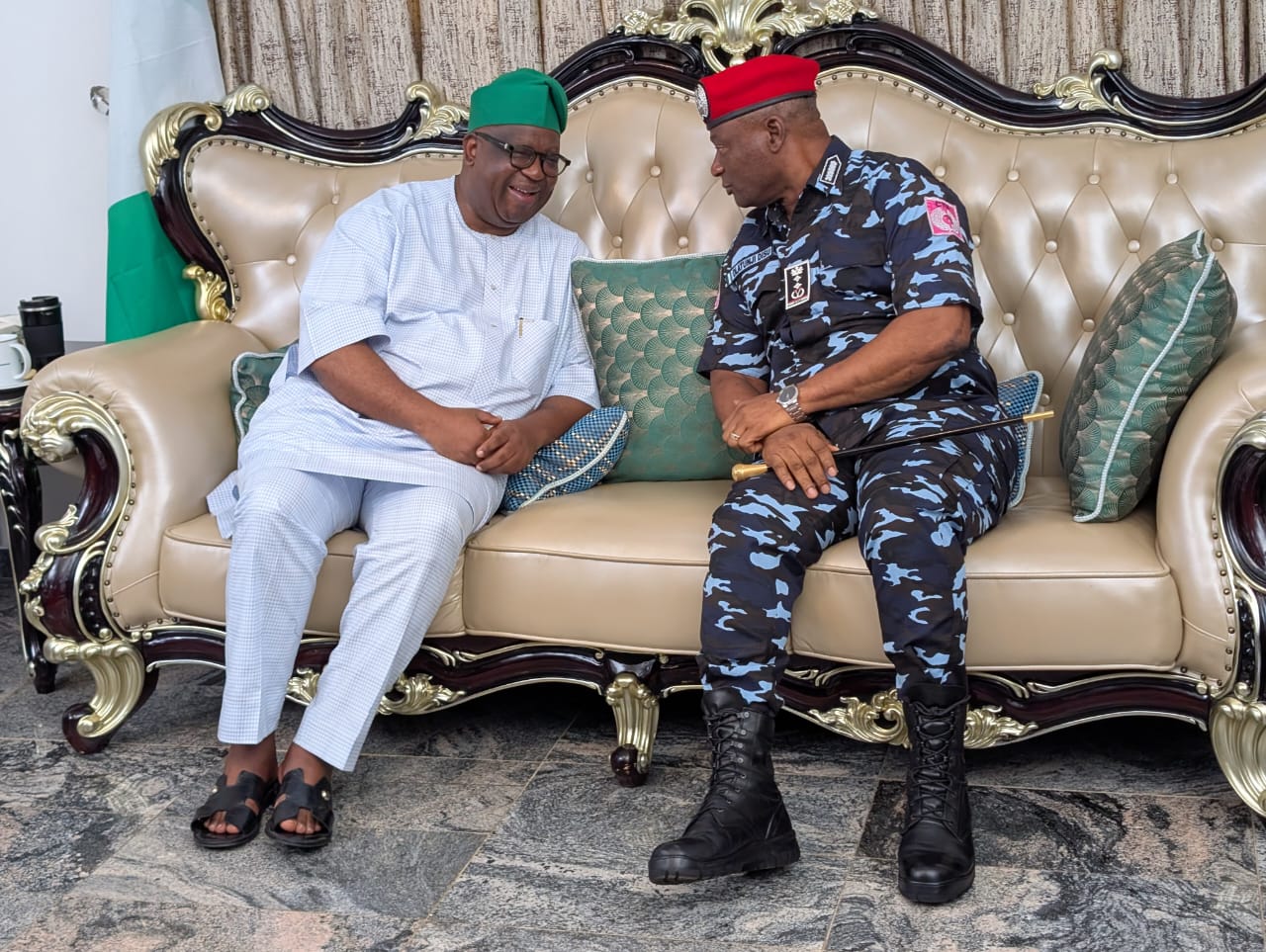
IGP Disu Visits Plateau, Orders Tactical Deployment To Reinforce Security
The Inspector General of Police, Olatunji Disu, on Thursday paid a working visit to Plateau State following recent unrest, holding strategic talks with Governor Caleb Muftwang on measures to strengthen security and prevent further disturbances.
As part of immediate steps to stabilise the situation, the police chief authorised the deployment of specialised tactical units to support officers already on ground across affected areas.
Governor Muftwang commended the swift intervention of the police leadership, praising the dedication and professionalism of security personnel working to restore calm. He also acknowledged the efforts of mobile police officers and lauded the leadership of the state’s Commissioner of Police, Bassey Ewah.
Both the Nigeria Police Force and the Plateau State Government reaffirmed their commitment to safeguarding lives and property, stressing that enhanced collaboration remains key to restoring lasting peace in Plateau State, popularly known as the Home of Peace and Tourism.


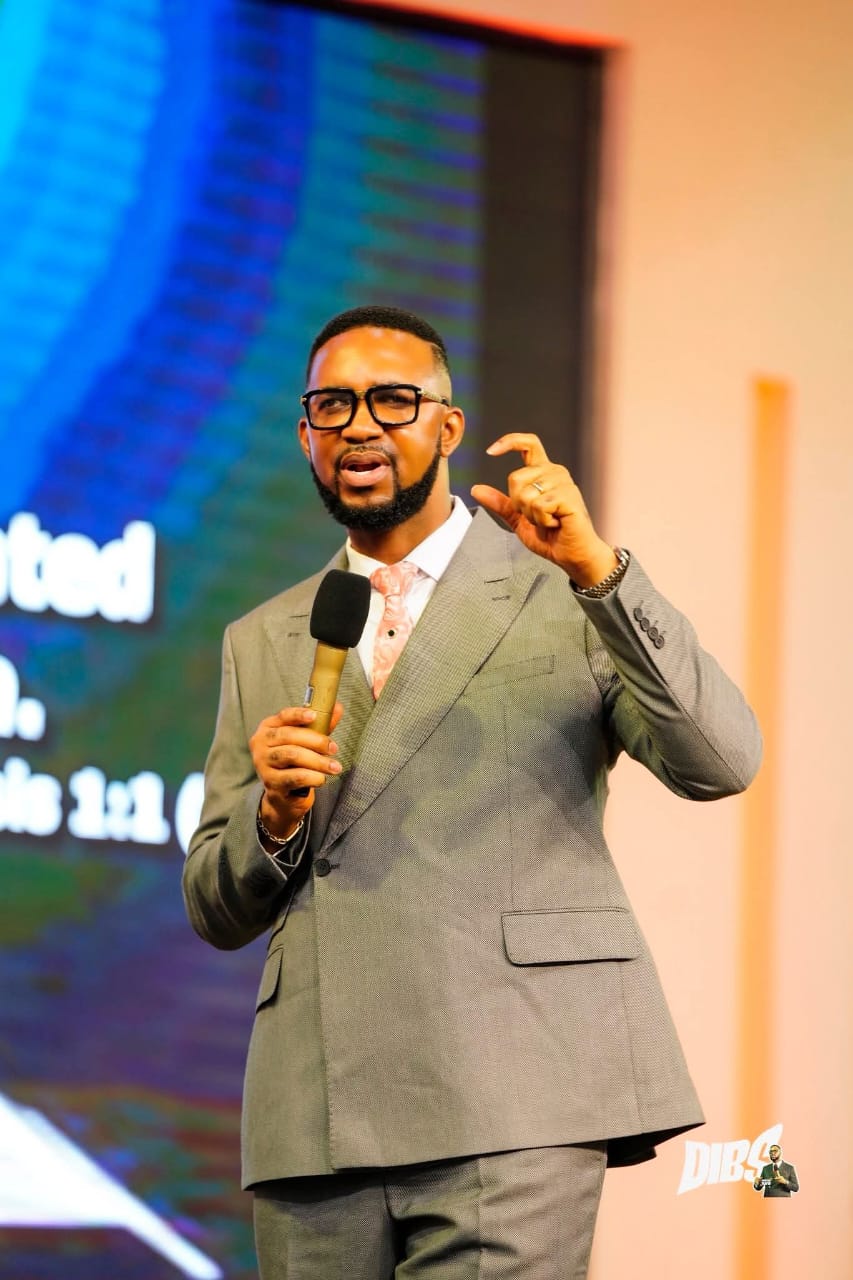
Grace Nation Worldwide: A Living Reality – Dr. Chris Okafor
……“Miracles, Healing, and Deliverance Overflow at Grace Nation Services”
The Grace Nation midweek Prophetic Healing, Deliverance, and Solutions (PHDS) Service on 2nd April 2026 at the international headquarters in Ojodu Berger, Lagos, was a spectacular display of God’s power, marked by miracles, healing, and deliverance.
The God of Grace Nation continues to demonstrate His authority, breaking strongholds, healing the sick, restoring lost glory, and providing solutions to every problem presented at His altar.
Testimonies of God’s Power
One woman, previously diagnosed with a terminal condition and slated for a ₦4.5 million surgery due to inability to excrete, was prayed for by the Generational Prophet, Christopher Okafor, just a week after visiting the church. Declaring healing within 24 hours, she returned to testify to God’s miraculous intervention.
Another pregnant woman, whose baby was bridged and at risk, was located and prayed for. She returned to service with confirmation that her child is now well-positioned for delivery. Similarly, a woman booked for a C-section due to an overdue and poorly positioned pregnancy testified during the service that her baby is now properly positioned, ready for birth.
These testimonies underscore the truth: what God cannot do does not exist. Grace Nation has entered a new level of spiritual authority, and with faith, believers are witnessing the impossible become reality.
God Works by Principle, Not Gossip
In his sermon, Dr. Okafor emphasized that God does not operate on superstition, gossip, or social media pressures. His work is grounded in His Word, and it is through adherence to His principles that Grace Nation continues to flourish.
The Generational Prophet stressed that to enjoy divine blessings and fruitfulness, believers must remain connected to God’s Word, faithfully serve Him, and ignore distractions or side-talks. Focused commitment to God’s service guarantees alignment with His miraculous power.
Join the Movement
Grace Nation Worldwide is open for all who desire a life transformed by divine intervention. Weekly services include:
Sunday Service: 7:00 AM
Grace Nation Island Service (Ogombo): Wednesday, 5:00 PM
Midweek PHDS Service: Thursday, 7:00 AM
Attending these services under the ministry of the Generational Prophet ensures encounters with God’s supernatural power, life-changing miracles, and lasting breakthroughs.
Grace Nation Worldwide is not just a church—it is a reality where faith meets the supernatural.
By Sunday Adeyemi


-

 society6 months ago
Religion: Africa’s Oldest Weapon of Enslavement and the Forgotten Truth
-

 news4 months ago
WHO REALLY OWNS MONIEPOINT? The $290 Million Deal That Sold Nigeria’s Top Fintech to Foreign Interests
-

 society6 months ago
“You Are Never Without Help” – Pastor Gebhardt Berndt Inspires Hope Through Empower Church (Video)
-

 celebrity radar - gossips2 months ago
Dr. Chris Okafor Returns with Power and Fire of the Spirit -Mounts Grace Nation Altar with Fresh Anointing and Restoration Grace on February 1, 2026