
Entertainment
IS ENGAGING IN NOLLYWOOD CINEMA RELEASES A LOSER’S GAME?

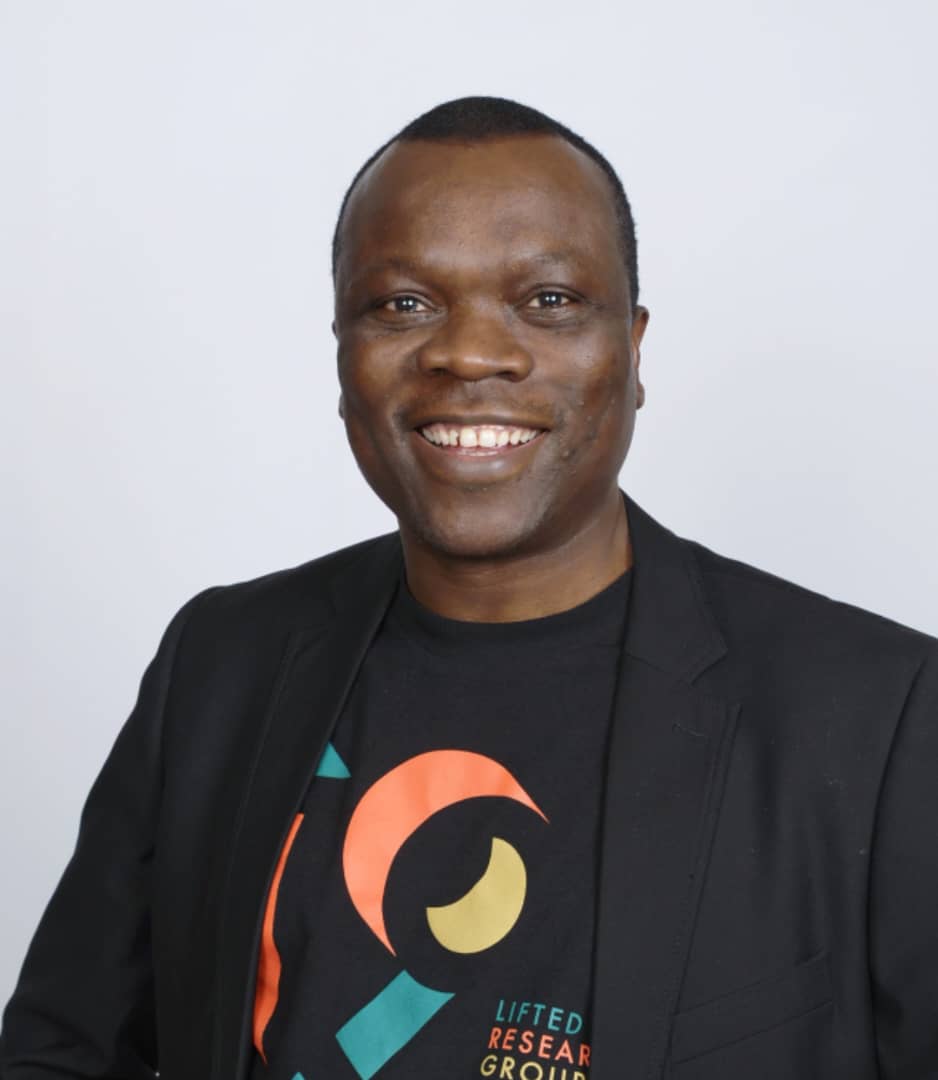
***Where Omotola Got It Wrong And Why 95 Percent of Nigerian Theatrical Movies Are Not Profitable
****Plus 7 Powerful Strategies To Make Your Movies Pay!
By Dr. Ope Banwo – Founder, Nollyflix360 and AiFlix360
When Omotola Jalade-Ekeinde, one of Nollywood’s most revered legends, recently shared her frustrations on the crushing charges and taxes swallowing up movie revenue in Nigerian cinemas, it sparked a firestorm—and rightly so. She lamented how exhibitors, distributors, government taxes, and agents take so much from box office sales that next to nothing remains for the actual filmmaker who birthed the vision, raised the funds, and took the risk.
Omosexy, you are absolutely right. Your frustration is shared by thousands of passionate producers in Nigeria who have to beg, borrow, and bleed to get their films to the big screen—only to end up with crumbs.
But here’s the kicker…
Nigerian producers may actually be better off than their American counterparts!
The truth is that Hollywood filmmakers may be having it worse than Nollywood in the area of Net Profits From Box Office Ticket Sales. It’s hard to believe, but the stats prove this, In the U.S.—the holy land of Hollywood—filmmakers often earn LESS than five percent or ten per cent of their box office gross, after:
• 50–55 percent is taken by cinema chains (Regal, AMC, Cinemark),
• 15–35 percent goes to the distributor.
• Massive marketing costs (P&A) which are recouped FIRST by marketers,
• Agents, lawyers, taxes, and guilds also take their cuts.
What’s left for the producer? Often, nothing. Even in billion-dollar franchises, most creative originators don’t profit directly from ticket sales.
So my dear Legendary Omo Sexy (I still think the battle for Female GOAT of Nollywood is between you and Genevieve). Box Office bleeding through crazy charges and taxes is not just a Nollywood problem—it’s a global system skewed against creators. The theaters, the Distributors; the Govt; the Marketers; the Advertisers; the Lawyers are all like bloodsuckers who must take their sip of your box office before you get your turn at the trough at which time virtually nothing is left.
That’s a fact whether you are making movies in Nollywood, Bollywood, Hollywood or Cannywood. The Box office in every ‘wood’ is similarly infested.
But here’s the truth that few want to admit: Cinema release is not a profit engine—it’s a promotional platform (the profit comes elsewhere beyond box office tickets).
You don’t go to cinemas to make money. You go to build brand equity, attract streaming deals, court international buyers, and signal quality. The real money? It’s in what comes BEFORE and AFTER the premiere cinema run.
Unfortunately this is the area of the movie business most Nollywood filmmakers still struggle with
Why 95 Percent Of Nollywood Theatrical Movies Are Not Profitable
1. Poor financial planning: Before or after the cinema run, most producers focus only on production, ignoring monetization.
2. Over dependence on box office- They falsely believe cinema income is the main revenue. I remember my shock at getting my final cheque after the successful box office run of my Ghetto Dreamz movie about the musician Dagrin in 2012. I went into a depression.
3. Ignorance of revenue stack – No strategy for digital, merchandizing, diaspora, brand sponsorship or licensing income.
4. Weak marketing – Few invest in serious PR or target audience building. Most make a cinema movie for say N100 Million but spend N5million only in marketing and wonder what happened.
5. Lack of business education – Many guilds focus on politics, not profitability or movie business education for their followers
7 Proven Strategies to Increase Film Profitability in Nollywood
I am not an expert on movie monetization (I confess that I myself is still trying to figure it out and mostly still in research stage because execution is harder than theory) but here are some ways I have come to learn that entrepreneurial filmmakers can monetize their movies.
1. Pre-sell Streaming Rights – Before you even release the movie, shop it to Netflix, Showmax, Prime Video, ROK, IrokoTV and more. Some films make their entire profit upfront.
2. Package TV Licensing Deals – Sell rights to Africa Magic, ROK on DSTV, and even NTA or AIT. These platforms pay per title or per broadcast cycle. A good film can earn multiple repeat fees.
3. Build a YouTube Monetization Engine –
Own your own channel, build an audience, and earn via AdSense + brand partnerships. Many filmmakers earn more monthly on YouTube than from box office.
4. Secure Brand Sponsorships & Product Placements – Plan your story to include brands, products, and shout-outs that fit organically. Charge N500K to N5M per placement depending on reach and genre.
5. Monetize the Diaspora – Create limited screening tours in London, Houston, Johannesburg, etc. Many diaspora communities are hungry for quality Nigerian stories—and they will pay.
6. Leverage Film Festivals & International Grants – Submit to AFRIFF, TIFF, Berlinale, Sundance, ZIFF, and win grants, awards, and distribution contracts. Festivals increase global visibility and perceived value.
7. Repurpose Content into Other Formats – Turn your film into merch (T-shirts, mugs), novels, web series, or behind-the-scenes content. Monetize across multiple verticals and platforms.
What we need now is to start experimenting with some of these options and more and figure out what works and what’s jsit theory for us
It’s time Nollywood Guilds and Associations—DGN, AMP, ANTP, AGN, MOPPAN—wake up and do their real job:
Train your members to profit from their creativity—not just win awards and titles!
Instead of endless AGMs and power tussles, let’s see more
• Monetization masterclasses
• Partnership brokerage with streaming platforms
• Legal workshops on licensing and IP protection
• Structured mentorship on multi-channel film revenue.
If our industry bodies continue to chase prestige without profit, the industry will keep losing its best talents to burnout, bankruptcy, or migration.
Final Word: The Cinema Is a Stage—Not the Bank
Omotola is right to call attention to the seemingly unfair deductions, but let’s also flip the script. No smart entrepreneur relies on a single revenue stream—and movie producers shouldn’t either. Box office is not the magic bullet for profitability.
Let our filmmakers learn to think beyond the big screen, plan multiple exits, and monetize their brilliance through every avenue possible.
Nollywood is not really a loser’s game—unless you play it with your eyes closed and refuse to broaden your knowledge about the business side of movie making
Ope Banwo
Mayor Of Fadeyi
CEO, Stingomania Entertainement




Entertainment
Fuji Wayne, Shanko Rasheed’s Canada Summer Tour Signals The Rise of A Fuji-Infused Afro-Fusion Sound
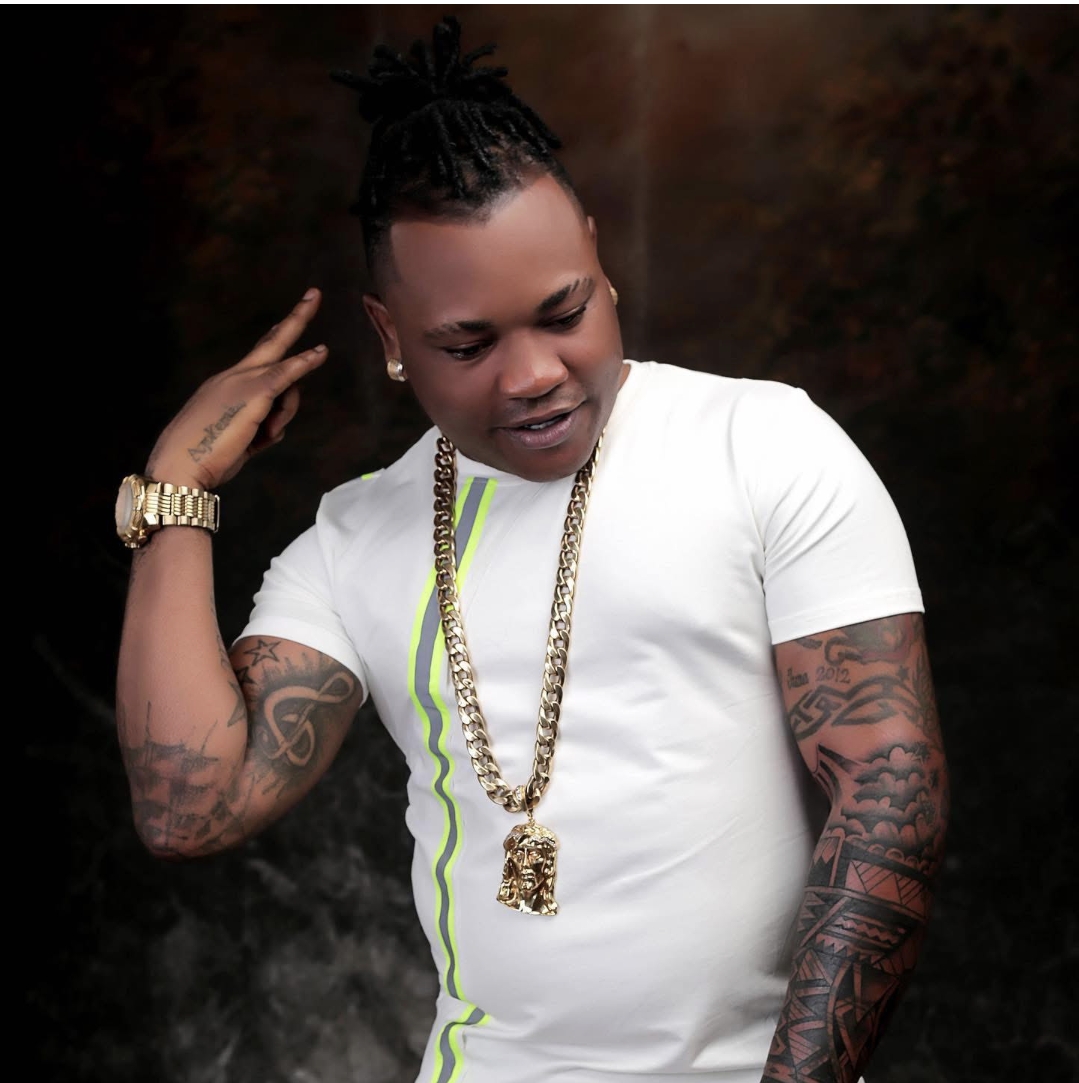
Fuji Wayne, Shanko Rasheed’s Canada Summer Tour Signals The Rise of A Fuji-Infused Afro-Fusion Sound
By : Alhaji Arems (Baba Fuji)
In an industry where virality often overshadows steady growth, Nigerian artist Shanko Rasheed is taking a different route — one defined by gradual expansion, cultural fusion, and strategic international movement. From early releases to touring activity across North America, his trajectory reflects a new class of Nigerian artists who are less visible in headlines but increasingly active on the global stage.
A Sound Rooted in Tradition, Shaped by Modern Influence :
At the core of Shanko Rasheed’s artistry is a blend that feels both familiar and forward-looking: Afro-fusion layered with Fuji influences.
Fuji, a genre deeply rooted in Yoruba musical tradition, is known for its percussive intensity, vocal cadence, and spiritual undertones. By merging this with Afro-fusion — a broader, globally digestible sound palette — Shanko positions himself in a lane that bridges:
• Street authenticity
• Cultural heritage
• Contemporary accessibility
This hybrid approach aligns with a wider movement in Nigerian music, where artists are increasingly revisiting indigenous sounds and recontextualizing them for modern audiences. However, unlike more mainstream acts who polish these elements for pop appeal, Shanko Rasheed appears to lean into the rawness of Fuji-inspired delivery, giving his music a distinct edge.
Building Beyond Borders : Touring The United States And Canada
One of the clearest indicators of Shanko Rasheed’s growth is his international touring footprint.
In the past year, he has:
• Performed across parts of the United States, expanding his reach beyond Nigeria
• Secured upcoming tour dates in Canada for the summer, signaling continued demand within diaspora communities
For an artist still in the early stages of mainstream recognition, this level of cross-border activity is significant. It suggests:
• An existing audience base outside Nigeria
• Strategic connections or grassroots promoters within diaspora circuits
• A willingness to invest in physical presence rather than relying solely on digital growth
The Nigerian diaspora has long served as a testing ground for emerging talent, and artists who successfully tap into that ecosystem often build loyal, high-engagement audiences before breaking into wider markets.
Lifestyle Signals And Artist Positioning :
Beyond music and touring, Shanko Rasheed’s recent acquisition of a Mercedes-Benz adds another layer to his public image. While such milestones are common in the music industry, they often serve a dual purpose:
• A personal achievement marker
• A branding signal reinforcing upward mobility and success
In the context of an emerging artist, it also reflects a narrative of progression — from early-stage hustle to visible rewards. When communicated effectively, these moments can strengthen audience perception and credibility, particularly within genres that value both authenticity and aspiration.
The Visibility Gap : Present, Yet Underdocumented
Despite these developments, Shanko Rasheed remains underrepresented in mainstream media and digital indexing. There is limited:
• Press coverage
• Editorial playlist visibility
• Structured artist profiling
This creates a noticeable gap between activity and awareness. In practical terms, he exists in a space where:
The work is happening, but the story hasn’t been fully told.
For many artists at this level, this gap can slow momentum. However, it also presents an opportunity to shape a narrative deliberately, rather than reacting to one formed by external media.
A Strategic Moment For Definition :
Shanko Rasheed’s current phase can best be described as pre-definition — a period where the foundation is in place, but the identity is still being formalized in the public eye.
He has:
• A developing catalog on streaming platforms
• An active social media presence
• International performance experience
• A culturally rooted sound with crossover potential
What remains is the alignment of these elements into a cohesive narrative that audiences — and industry stakeholders — can easily understand and engage with.
In a Nigerian music landscape often dominated by rapid breakout cycles, Shanko Rasheed’s path highlights an alternative model:
• Build steadily
• Expand geographically
• Refine sound identity
• Let audience growth follow organically
His fusion of Afro-fusion and Fuji also contributes to a broader cultural conversation about the preservation and evolution of indigenous sounds. As global listeners become more receptive to genre-blending and cultural specificity, artists operating in this space are well-positioned to benefit.
Shanko Rasheed may not yet be a household name, but his movements suggest an artist laying deliberate groundwork for long-term relevance. With international tours, a distinct sonic direction, and visible personal milestones, he is steadily transitioning from obscurity to recognition.
Beyond his professional strides, Shanko Rasheed has also faced personal tragedy. The Fuji singer reportedly lost his first son, Jamaldeen Atanda, on February 27, 2026. While details surrounding the loss remain private, the moment marks a deeply personal chapter in his life, unfolding alongside a period of growing international visibility.
The next phase of his career will likely depend not just on the music itself, but on how effectively his story is documented, distributed, and amplified. If aligned properly, his blend of Afro-fusion and Fuji — combined with his growing global footprint — could position him as one of the more compelling emerging voices in Nigeria’s evolving music scene.
Entertainment
I Used To Insult Single Mothers Until I Remembered That My Mum Is A Single Mother -Akeem
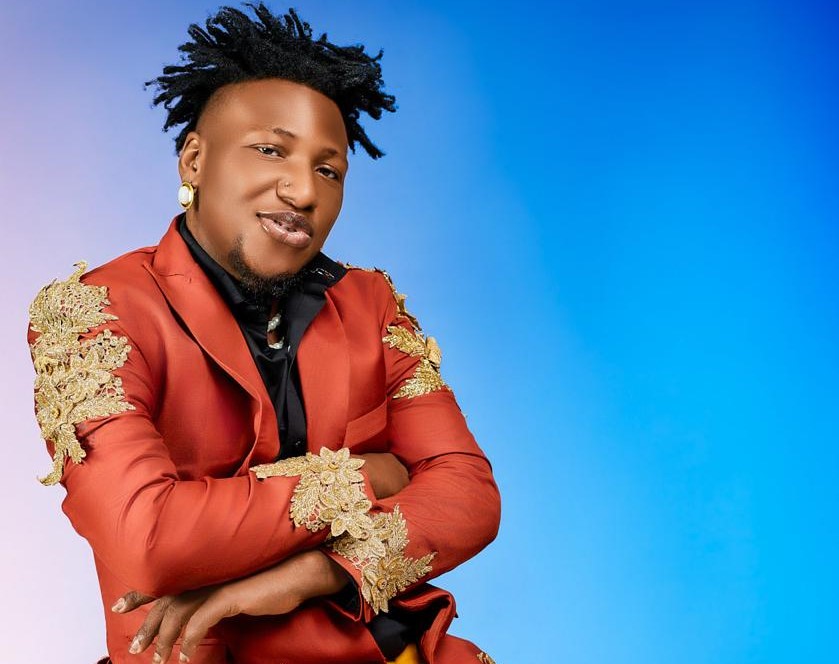
I Used To Insult Single Mothers Until I Remembered That My Mum Is A Single Mother
-Akeem Akintola a.k.a. ‘Oko Awon Single Mothers’
A young man doing well in life is often defined by a disciplined, and purpose-driven approach to his personal and professional growth. 34-year-old Lagos State born social media influencer, Olalekan Akeem Akintola, disclosed in this interview that he has cultivated the habits and mindsets of a young man determined for long-term success before he attained age 21. He said he continually updated his knowledge and skills to keep up with changing demands and trends even before he left Nigeria for Europe in search of greener pastures at age 29. Other than his talent alone, Akeem noted that his becoming successful abroad was not all by luck, but mostly by being kind and respectful. He also revealed the secret behind his popular social media nickname, ‘oko awon single mothers’. And more…
What do you love about yourself?
What I love about myself is that I am a very determined person. When I am determined to do something I don’t look back. I just go into it not minding what the result would be and I don’t care about what anybody would say.
Tell us about your marital life.
I was married. But I’m a single father now (general laughter).
What year did you travel abroad and how did you manage to succeed abroad?
I traveled out of Nigeria in 2021. I’m currently in Europe, Germany, South Cyprus to be precise. I worked in the kitchen. To be honest, my experience abroad wasn’t an easy one. Thank God, today I have my citizenship documents and I’m living fine. It wasn’t easy getting to this level. I give God the glory.
Who are the most special people in your life?
The most special person in my life is my mum. Then my kids and my mum’s families, especially Sister Iyabo and Sister Nofisat. My mum’s families are so special in my life because they have been very supportive of my life.
Tell us about your experience helping a sick lady, Keji, whose matter has gone viral on social media.
This lady, Keji, came into my Instagram inbox and told me that she was sick and needed help. Ordinarily, I do use my platform to help people, especially those who are sick. There was a time I ignored her and didn’t attend to her complaints. But when she showed me the evidence and pleaded that I should help her, I had to support her. I am the person that sent her to see Agbala Gabriel pastor. But I didn’t know that he was going to mess up.
What type of people do you love to be around you?
I love to be around people who are friendly, ready to help and very supportive. I do not like people with negative vibes.


You’re a young guy, why do people call you ‘oko awon single mothers’?
There was a time I used to abuse single mothers; what they were doing, why did they leave their marriages and so on. I saw it as an abnormality. But I came to realize that my mum is also a single mother and I said why should I be insulting single mothers when I was also raised by a single mother. So, I had to start making videos about single mothers, praising them and talking about their challenges and qualities. Since that time, single mothers started calling me ‘oko awa single mothers’ (husband of us single mothers).
Do you make so much money through social media posts or you have a job that gives you the biggest?
Yes, I make money on social media. I also work in the kitchen as a chef. I’m into kitchen stuff here abroad and it pays me well. Also, I run adverts for people on my platform and I make a lot of money from it.
You are very popular among society women; how did you make it happen?
All I can say is thank God. I don’t know how it happened. I just found myself with millions of fans and followers. People really love me, especially older society women who fondly call me ‘oko wa’ (our husband).
What is your success tip for young people like you?
My advice for young people like me is that whatever they’re doing they should keep doing it. They should be consistent. Keep doing it, don’t relent and don’t look back. When I started out on social media, I was bullied, cursed. I never envisaged where I am today. I never expected that people would be talking about me sometime in the future. But here I am. I never saw this coming. I really thank God for everything. So, let us just keep doing whatever we are doing. There’s light at the end of the tunnel.
Are you fully in the entertainment industry or on part time?
I work and I’m fully back in the entertainment industry.
You look so young despite your age, what’s the secret?
The secret is that I maintain physical fitness, I do regular workouts. I know that a strong body supports a strong mind.
Entertainment
Nollywood Actress and Philanthropist Amb. Princess Chelsea R.C. Nwodo Appointed as Chief of Staff to AGN National President*
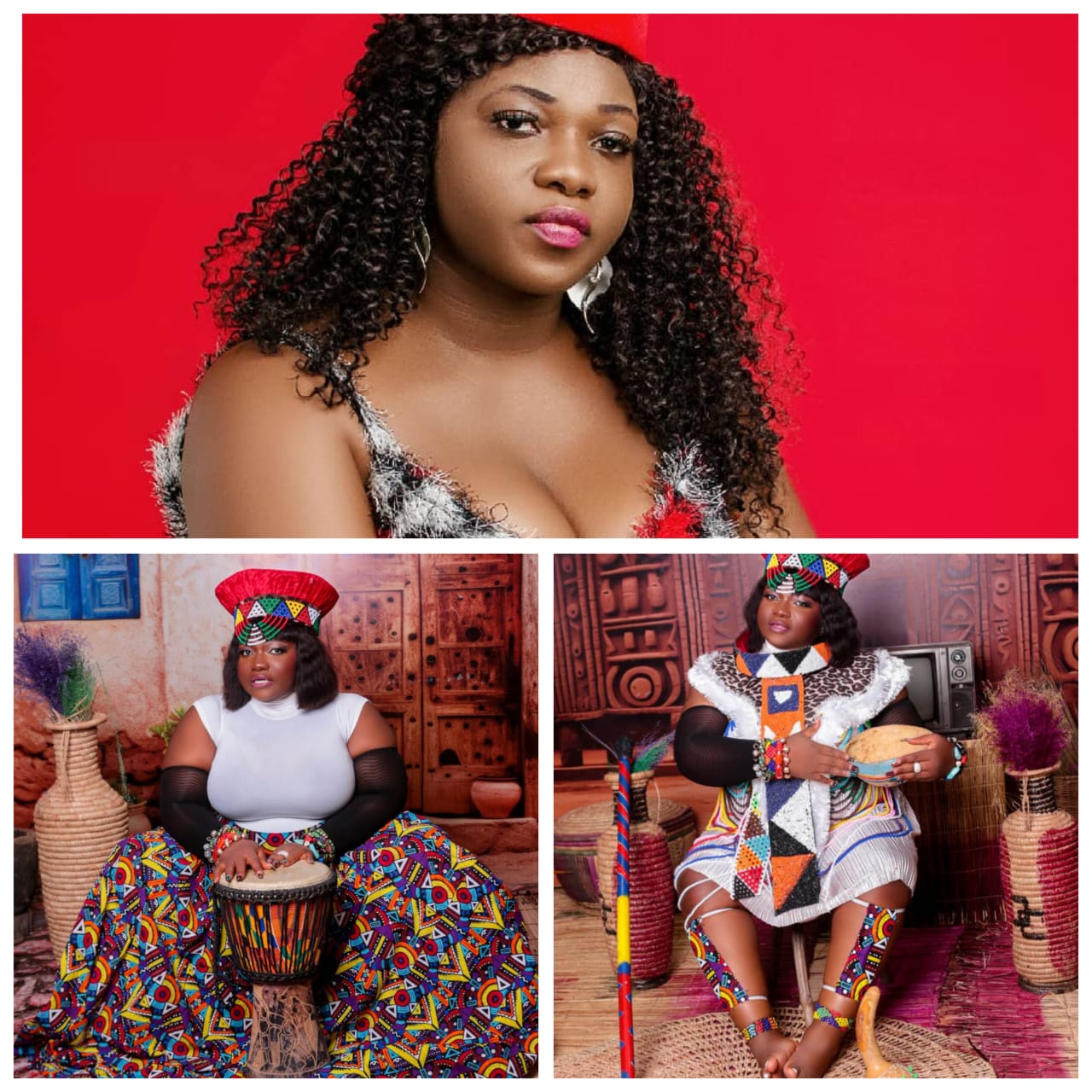
*Nollywood Actress and Philanthropist Amb. Princess Chelsea R.C. Nwodo Appointed as Chief of Staff to AGN National President*
Abuja, Nigeria – The Actors Guild of Nigeria (AGN) announces the appointment of Amb. Princess Chelsea R.C. Nwodo as the new Chief of Staff to National President, ALHAJI SANUSI ABUBAKAR YAKUBU. This strategic move underscores the Guild’s commitment to excellence and its dedication to fostering a more efficient and effective leadership structure.

Amb. Nwodo brings a wealth of experience and expertise to her new role, having served as a National Deputy Secretary (Emeritus) and demonstrating exceptional leadership skills and a deep understanding of the Guild’s vision and mission. A respected member of the Nigerian entertainment industry, she is also known for her dedication to promoting actor welfare and advancing the Guild’s interests.
*A Proven Track Record*
Amb. Nwodo’s appointment is a testament to her outstanding contributions to AGN and her commitment to serving the Nigerian film industry. Her philanthropic efforts and advocacy for social causes have made a positive impact on Nigerian communities, She’s also the CEO of CHELSEA NWODO’S FOUNDATION a foundation known for its unique cultural expression and alliance with many state government including Delta state government and so on.
*About the Actors Guild of Nigeria (AGN)*
The AGN is the governing body for professional actors in Nigeria’s Nollywood film industry, established in 1998 with over one million members across the six geopolitical zones of the federation. The Guild promotes actor’s welfare, protects their rights, and advances the Nigerian film industry.


-

 society6 months ago
Religion: Africa’s Oldest Weapon of Enslavement and the Forgotten Truth
-

 news3 months ago
WHO REALLY OWNS MONIEPOINT? The $290 Million Deal That Sold Nigeria’s Top Fintech to Foreign Interests
-

 society6 months ago
“You Are Never Without Help” – Pastor Gebhardt Berndt Inspires Hope Through Empower Church (Video)
-

 celebrity radar - gossips2 months ago
Dr. Chris Okafor Returns with Power and Fire of the Spirit -Mounts Grace Nation Altar with Fresh Anointing and Restoration Grace on February 1, 2026