
celebrity radar - gossips
Is Primate Elijah Ayodele The Only Prophet In Africa?

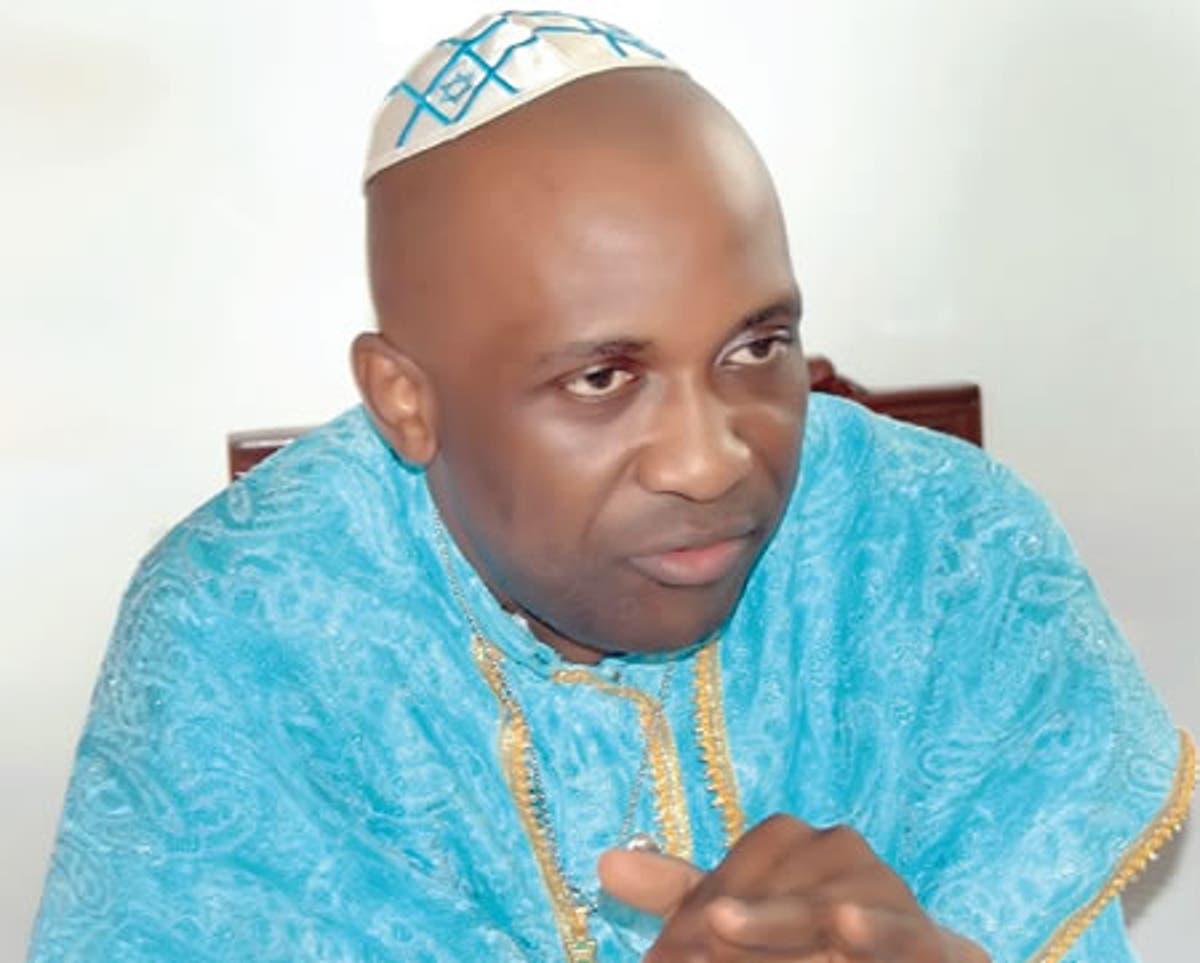
Is Primate Elijah Ayodele The Only Prophet In Africa?
Prophets are highly spiritual men who have consecrated themselves to God, they are special ministers of God that are gifted in foretelling what will happen in future. By their gift, they have been given free access to know what God has in mind concerning nations, individuals, corporations, governments, to mention a few.
The prophetic ministry is the oldest and highly revered ministry in the fold. We have had many prophets in the past and Africa as a continent is blessed to have almost the highest numbers of prophets compared to every other continent.
In Africa at the moment, the loudest voice in the prophetic ministry is Primate Elijah Ayodele, the leader of INRI Evangelical Spiritual Church, a Nigerian prophet who has positioned himself as a man sent to every nation in the world.
Primate Elijah Ayodele is not that prophet that speaks today and goes silent for many months before speaking out again. The prophets of old as we know were always making prophetic statements, warnings, advice to presidents and individuals. The fact that they are prophet alone makes their input needed in the daily activities of every person, no matter their status.
A prophet’s primary assignment is for his nation; where he hails from and of a truth, Primate Ayodele has made a huge name in Nigeria. As we speak, every Nigerian looks up to the Primate’s prophecies. His prophecies have served as counsel, warnings, and directions to individuals, politicians, business tycoons, government agencies in Nigeria.
Of course, a prophet is known when they speak and it comes to pass. Primate Ayodele’s fulfilled prophecy in Nigeria has no numbers, they are too numerous. Some of them include the victory of Edo state governor, Godwin Obaseki in 2020. Primate Ayodele was the only prophet to have predicted this. Also, he warned of the emergence of a disease in 2019 which later turned out to be Covid-19. During this period when the virus started, he revealed that the virus will kill many influential Nigerians, we can all testify to the fact that all this came to pass with the death of the former Chief Of Staff, Abba Kyari, Buriji Kashamu, Former Governor Abiola Ajimobi, Hon Bayo Osinowo, to mention a few.
Apart from politics, Primate Ayodele delved into the sports sector to prove that God is involved in every aspect of man’s life and accurately stated the fate of the super eagles in their matches. The team played against Lesotho and Benin Republic some months ago. Despite the fact that football is the most unpredictable sport, the man of God accurately predicted the score long before the match was played, just to prove that God is interested in every area of man’s life.
Going a bit from Nigeria, Primate Ayodele’s prophecies have travelled to other parts of Africa as they did to every part of the world. His prophecies on other countries of the world are even documented alongside the Nigerian ones in his annual book of prophecy titled Warnings to the nation (published since 1994). In this book, Primate Ayodele jot down divine signals and warnings to all nations in the world.
One would have thought Primate Ayodele is only looking for fame or attention which he already has but the shocking thing about it is these prophecies in the book of prophecy come to pass just as he put them.
In the 2021 edition of the book, it interests one to know that Primate Ayodele foretold most of the events that have taken place since he released it. Warnings To The Nations 2021 was collated in March 2021, released in July. In barely three months since its release, many of the warnings have been fulfilled.
The latest is the military coup that just happened in Guinea Conakry. Many woke up to sudden news that the military had taken over the government in Guinea due to reasons connected to the President’s third term ambition. On page 267 of WTN 2021, Primate Ayodele warned that Alpha Condo will face challenges and that forces will rise up against his government. These were exactly what happened in the country.
Recently, the Taliban took over the government in Afghanistan, forcing the President to flee the country due to his leadership. On page 256-257, Primate Ayodele categorically stated that there will be a protest against the government of Afghanistan and warned that the country should pray against strange happenings. The Taliban taking over was totally a strange action, they also made it known that they were bent on making sure the president leaves his position, fulfilling Primate Ayodele’s prophecy.
In Mali, the current president escaped being killed when he was attacked with a knife in the mosque during prayers. This came after Primate Ayodele released a publication online that the president should be mindful of his movements and be careful of his environment.
In the world today, there is a serious crisis that has to do with the climatic condition. There have been floods, hurricanes in places where it has never happened. Germany, China, America, India have had their fair share of the crisis which led to destruction of properties. On page 312 of WTN 2021, Primate Ayodele prophesied the climatic condition crisis ravaging the world at the moment.
In Peru, an election was held a few months ago, just after the annual book of prophecy was released. Primate Ayodele categorically stated that Pedro Castillo will emerge winner of the election on page 325 which was what happened.
In Zambia, Primate Ayodele noted in the 2020 edition of WTN that he sees the president not having a grip on his government and that his efforts will not be appreciated. This played out during the last election that was held last month when the people voted the incumbent president out.
Also in Kenya, there is political tension in the country as they prepare for an election in 2022. Primate Ayodele has released several prophecies regarding the election. He had said that the president, Uhuru Kenyatta will fight his vice, William Ruto. He also noted that there will be a coalition aimed at tackling William Ruto who also wants to contest. These are all the things happening in Kenya at the moment months after Primate Ayodele said it.
We could go on and on as there are numerous prophecies of Primate Ayodele getting fulfilled in Nigeria and other parts of the world. This man of God releases prophecies seamlessly, some even see them as a joke until they see them coming to pass exactly the way he put them.
In Nigeria and Africa, Primate Elijah Ayodele is the only one who follows this pattern which of course is what a prophet should do, we hardly hear of any other doing it like this, is Primate Elijah Ayodele the only prophet in Africa?
Written by Justice Okorocha





Beauty Meets Glamour as Olaide Ogunyemi Opens New Studio in Mushin
Popular Nollywood actress and professional makeup artiste, Olaide Ogunyemi Oluwayemisi aka Damilola, has expanded her footprint in the beauty industry with the grand opening of her new makeup studio in Lagos.
The talented thespian, who is also the Chief Executive Officer of @Dobc_makeovers_andmore, officially unveiled the ultra-modern beauty space last Thursday, April 2, 2026, in a colourful ceremony filled with glamour, fashion, and pageantry.
Strategically located at 101 Palm Avenue, right beside FitPlus and Sparklight Hospital in Mushin area of Lagos, the new studio is designed to offer top-notch beauty services, reflecting Ogunyemi’s commitment to excellence and professionalism in the ever-growing makeup industry.
The opening ceremony attracted friends, colleagues from the Nollywood industry, beauty enthusiasts, and well-wishers who came out in large numbers to celebrate the entrepreneur’s latest milestone. Guests were treated to a vibrant atmosphere that showcased creativity, style, and the evolving standards of the beauty business in Lagos.
Speaking at the event, Ogunyemi expressed her excitement and gratitude, noting that the new studio represents years of hard work, dedication, and passion for her craft. She reaffirmed her commitment to delivering premium beauty services while empowering aspiring makeup artistes.
The launch of the studio further cements her reputation as a dynamic force, successfully blending her career in Nollywood with a thriving beauty brand.
With this latest development, Olaide Damilola Ogunyemi continues to inspire many young entrepreneurs, proving that talent, consistency, and vision remain key drivers of success in Nigeria’s creative and business landscape.


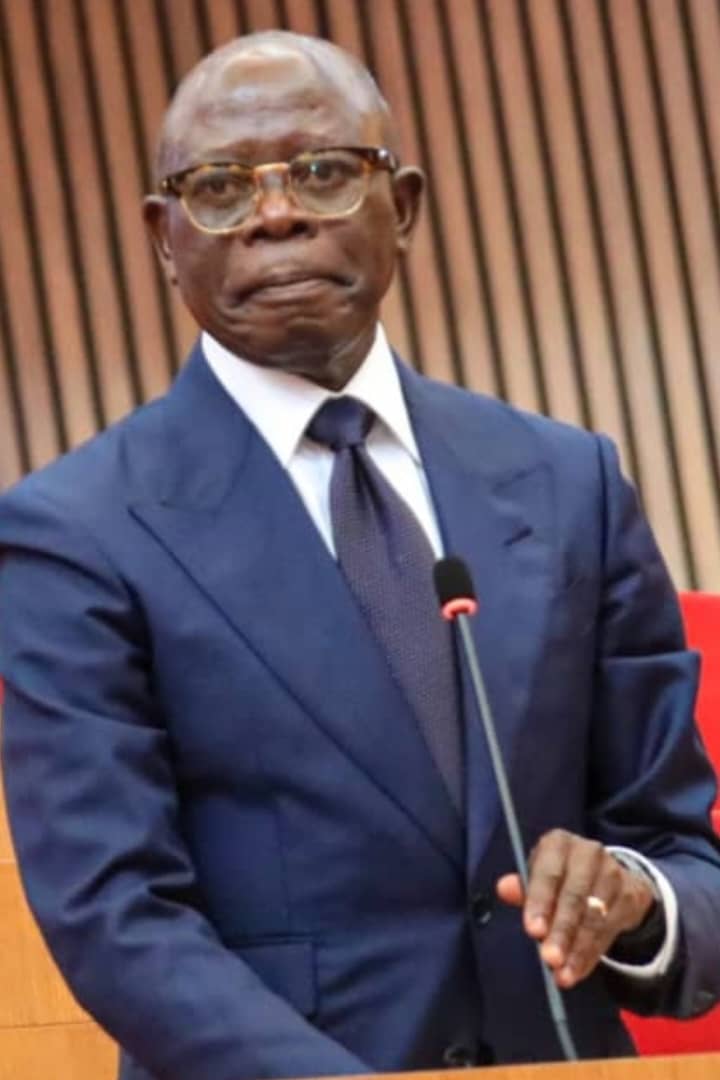
Daniel Eromosele Eulogize Adams Oshiomole as he turns 74 years
Today, I celebrate an exceptional leader, a fearless voice for the people, and a man whose life has remained a symbol of courage, sacrifice, and unwavering commitment to justice—Distinguished Comrade Senator Adams Aliu Oshiomhole.

Your journey has been nothing short of inspiring. From your days as a vibrant labour leader to your impactful tenure as the Executive Governor of Edo State, and now as a respected Senator of the Federal Republic, you have consistently demonstrated what it means to serve with integrity, strength, and purpose. Your contributions to the growth of our nation and the development of Edo State remain indelible and deeply appreciated.
You have not only built structures and institutions but have also built people. I am personally a beneficiary of your leadership, your guidance, and your belief in empowering others. Your influence in my life has been profound, and I remain grateful for the opportunities and inspiration you have given me.
On this special day, I celebrate not just your achievements, but the man you are—resilient, principled, and ever committed to the progress of Nigeria and her people.

May this new year bring you renewed strength, greater wisdom, good health, and more remarkable accomplishments. May your legacy continue to shine brighter with each passing year.
Happy Birthday, sir. Wishing you many more fruitful and impactful years ahead.
celebrity radar - gossips
Accolades to Empress Genevieve Wining as she Celebrate birthday in Grand style

Accolades to Empress Genevieve Wining as she Celebrate birthday in Grand style
Emmanuel Clement
Vilnius, Lithuania – The Grand Hotel Vilnius will host a grand birthday celebration in honor of Her Majesty The Empress Genevieve Wining of the United Kingdom of Atlantis (UKA) on April 4th, 2026.
The four-day event promises to be an extravagant affair, marking the special birthday of Empress Genevieve Wining. The celebration will take place at the prestigious Grand Hotel Vilnius, Lithuania, renowned for its luxurious ambiance and exceptional service.

According to the event flyer, the birthday celebration will be a spectacular occasion, fitting for an empress. Guests can expect an elegant setting adorned with golden accents, sparkling champagne, and festive decorations, creating a regal atmosphere befitting the occasion.
The Empress Genevieve Wining of UKA is expected to grace the event, which will include various festivities and celebrations in her honor. The occasion aims to bring together dignitaries, followers, and guests to commemorate the empress’s birthday with grandeur and joy.
For media inquiries, accreditation, or further information about the birthday celebration of The Empress Genevieve Wining of UKA, please contact the event organizers.
Courtesy of His Excellency Emperor Prof. Solomon Wining. UKA


-

 society7 months ago
Religion: Africa’s Oldest Weapon of Enslavement and the Forgotten Truth
-

 news4 months ago
WHO REALLY OWNS MONIEPOINT? The $290 Million Deal That Sold Nigeria’s Top Fintech to Foreign Interests
-

 society7 months ago
“You Are Never Without Help” – Pastor Gebhardt Berndt Inspires Hope Through Empower Church (Video)
-

 celebrity radar - gossips2 months ago
Dr. Chris Okafor Returns with Power and Fire of the Spirit -Mounts Grace Nation Altar with Fresh Anointing and Restoration Grace on February 1, 2026