
society
Israel–Iran War: Why Should Africa Care When Nigeria Is Bleeding?

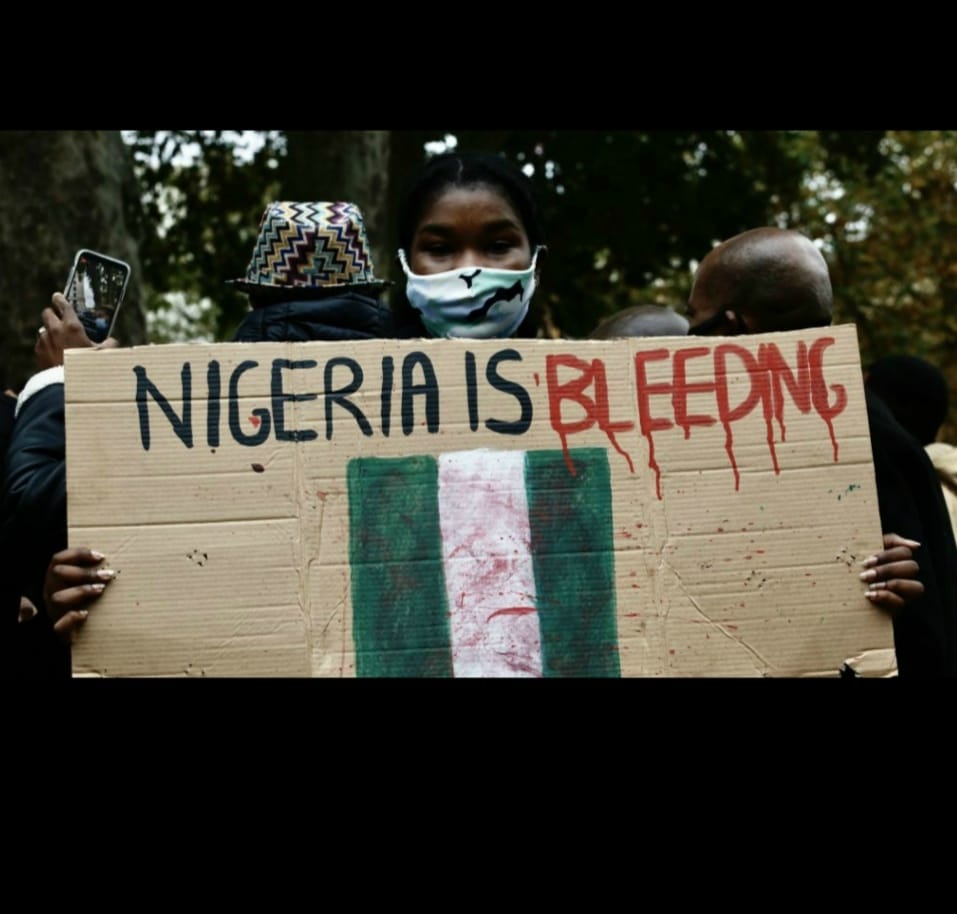
Israel–Iran War: Why Should Africa Care When Nigeria Is Bleeding?
By George Omagbemi Sylvester | Published by saharaweeklyng.com
As Israel and Iran plunge into open war, global powers are on edge and international newsrooms are in overdrive. Headlines scream about nuclear threats, oil prices, and regional instability, but here’s a harder question we Africans must ask:

Why are Nigerians, Africans, and even our governments more concerned about Tel Aviv and Tehran when corpses are piling up in Benue, Borno, Katsina, and the Congo?
We have not only failed to secure our borders but have also normalized our own bloodbaths. Yet we stretch our necks toward the Middle East like loyal houseboys watching the master’s house burn while ours is already in ashes.

1. The Israel–Iran War: Yes, It Matters Globally
To be clear, the Israel–Iran conflict is no small fight.
Israel has launched massive air raids on Iran’s nuclear and military infrastructure.
Iran responded with ballistic missiles, drones, and cyberattacks.
Global oil prices are soaring. Security analysts warn of possible regional implosion involving Hezbollah, Syria, Yemen, Iraq, and even NATO states.
This war threatens global stability, from energy markets to international diplomacy.
But for Nigeria (and for Africa) is this where we must channel our loudest outrage?
2. Meanwhile in Nigeria: The Massacre Nobody Notices

Benue State: Land of Blood and Abandonment
On April 7, 2023, gunmen suspected to be Fulani herdsmen slaughtered over 134 people in Benue State, mostly in the villages of Umogidi, Apa LGA, and Mgban in Guma LGA. Survivors told horror stories of children butchered in their sleep and bodies burned beyond recognition.
Governor H. Alia cried to the Federal Government. The Presidency said… nothing.
Borno: Home of Endless Terror
In Konduga LGA, Borno State, at least 18 farmers were beheaded by Boko Haram insurgents in November 2024, their bodies left on farmland as warning signs. In the same period, several bombings and raids by ISWAP killed civilians and soldiers in Damboa and Dikwa.
Yet media houses barely flashed these images across screens. No candlelight vigils in Lagos. No flags flying half-mast.
Katsina: Bandits Reign Supreme
On May 9, 2025, armed bandits stormed the Gidan Boka and Kankara areas of Katsina State. The death toll? More than 50 villagers. Several others were abducted. They killed, looted, and vanished into forests like ghosts of anarchy. It’s no longer even shocking.
Where were the GLOBAL TEARS? Where were the DIPLOMATIC CALLS for CEASEFIRE?
3. Congo: The Forgotten Holocaust of Our Time
While Israel gets $14 billion in U.S. aid and Iran threatens nuclear revenge, Congo remains the world’s most deadly, most ignored warzone.
In Eastern DRC, over 6 million people have died since 1996, a figure greater than Iraq, Afghanistan, and Syria combined.
On January 3, 2024, M23 rebels backed by Rwanda slaughtered at least 37 civilians in Kishishe village in North Kivu.
In March 2025, over 300 civilians were massacred in Ituri Province by the CODECO militia, many hacked with machetes.
The United Nations calls Congo a “SILENT GENOCIDE.”
Nobel Laureate Dr. Denis Mukwege calls it “The RAPE CAPITAL of the WORLD.”
So, tell me, where is our outrage? Why aren’t African leaders calling emergency summits? Why are we silent while our people rot?
4. The Hypocrisy of African Diplomacy
When Israel struck Iran, Nigeria’s Foreign Affairs Ministry condemned it with immediate urgency. Still, when Nigerians are killed in Benue, Borno, or Katsina, and in the Eastern parts of Nigeria, our leaders issue vague “WE WILL INVESTIGATE” press statements and return to Abuja cocktail parties.
We condemn Gaza bombings but ignore Zamfara villages burnt to ashes. We mourn Israeli civilians but scroll past 10,000 Congolese displaced in one weekend.
This is not foreign policy. This is colonial mimicry. We weep for Paris when our own cities are bleeding.
5. Expert Voices: Wake Up and Look Within
Dr. Chidi Odinkalu, former NHRC Chairman:
“You cannot lead in foreign affairs when your backyard is ablaze. Africa must fix its own hemorrhaging wounds before trying to bandage the Middle East.”
Prof. Mahmood Mamdani, Columbia University:
“Congo is the heart of Africa and its destruction is our moral indictment. No nation can outsource its conscience and survive.”
Dr. Akinyemi Adesina, Nigerian Conflict Analyst:
“The biggest war Africa is losing isn’t military. It’s the war of attention. We let CNN tell us what to cry about.”
6. What Should Nigeria Do Instead?
Face our own fires
We must strengthen local intelligence, rebuild our police system, fund border protection, and invest in modern technology, not donate statements to Tel Aviv or Tehran.
Convene African solutions
Instead of echoing Western fears, Nigeria should call for African-led peace missions in Congo, Sudan, and Burkina Faso. Let us form our own “AU Peace Shield,” not wait for France, China, or America to babysit our chaos.
Build a Pan-African Media Voice
If Al Jazeera can project Qatar’s voice, why can’t Nigeria lead the charge in building a Pan-African media bloc that puts Congo, Benue, and Borno on every screen in Africa and beyond?
7. The War of Narrative: Who Gets to Be a Victim?
Let’s be blunt: the world does not value African lives the same way it values Israeli or Ukrainian lives.
40 CONGOLESE VILLAGERS DIE? It’s “tribal conflict.”
3 ISRAELIS DIE? It’s “a terror attack against civilization.”
This racist double standard is echoed even by us, the victims.
Until we value our own people, no one else will.
8. Final take: Charity Begins at Home or It Dies There
Let the world worry about Israel and Iran. Let Nigeria first worry about Benue, Borno, Katsina, Zamfara, and Plateau. And we Africans worry for Congo.
We don’t oppose caring about global peace, but how can a man with a bleeding wound argue about the neighbor’s broken pipe? This is hypocrisy dressed as diplomacy.
George Omagbemi Sylvester is a political columnist based in South Africa. He writes regularly on African conflicts, diaspora issues, and African international affairs.
Published by SaharaWeeklyNG.com




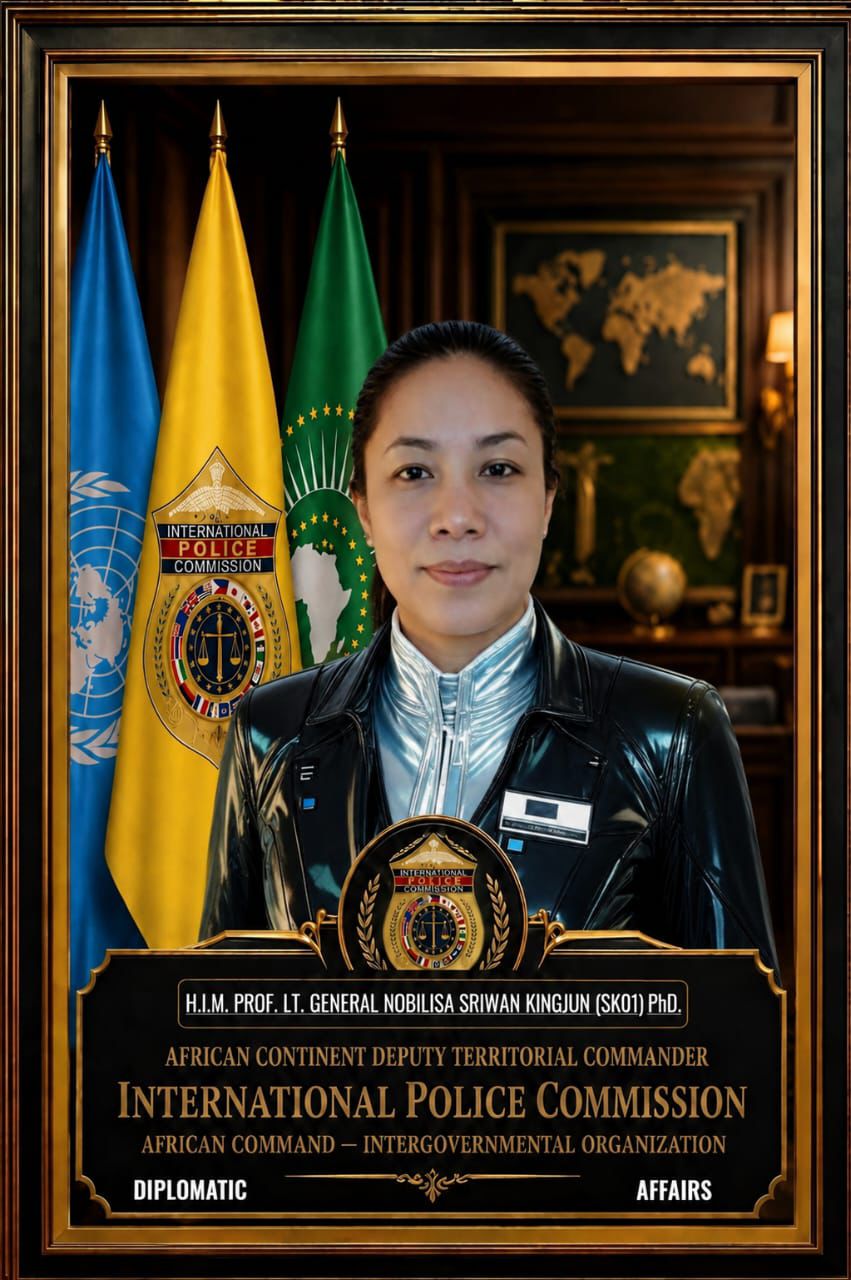
UKA Gears Up for Final ATC Exchangeability Test Run as June Preparations Begin.
May 30, 2026 – As the month of June gathers momentum, the *United Kingdom of Atlantis, UKA*, a sovereign nation has unveiled a series of vital guidelines and preparatory packages to ensure citizens and stakeholders run the *ATC Exchangeability* process effectively.
In an official update, the *President of Atlantic Crown Limited, Empress of Attica Empire UKA*, confirmed that the *Final Test Run of ATC Exchangeability* is scheduled for the month of June 2026. The exercise marks a key phase ahead of the *Official Exchangeability Window, set to run from July 2026 to February 2027*.
### Key Highlights from the Presidential Briefing
1. *Final Test Run – June 2026*
The test run is designed to validate systems, procedures, and user readiness before full activation. Citizens, partners, and designated participants are urged to follow all official advisories released by UKA authorities during this period.
2. *Official Exchangeability Period*
Following the successful completion of the June test run, the Official Exchangeability will commence in july 2026 and we are Expecting Full Exchange ability between July Ending, 2026 to February 2026.
UKA stated that detailed schedules, eligibility requirements, and step-by-step instructions will be communicated progressively through verified UKA channels.
3. *Benefiting Packages for June*
In line with UKA’s commitment to citizen empowerment, the month of June will feature “benefiting packages” aimed at education, preparation, and seamless onboarding. These packages are intended to equip the people of UKA with the knowledge and tools needed for effective participation.
4. *Commitment to Transparency*
Addressing the nation, the Empress of Attica Empire UKA emphasized:
_“Final Test Run of ATC Comes up in The Month of June, As We Prepare For The Official Exchangeability, Between July 2026 To Feb 2027. All Information Will Be Communicated.”_
UKA reaffirmed that only information released through official UKA platforms should be regarded as authoritative.
The United Kingdom of Atlantis is encouraging all citizens, representatives, and interested parties to remain alert to official communications, attend designated orientation sessions, and avoid unofficial sources. UKA’s dedication to order, clarity, and the collective benefit of its people as the nation moves into this significant phase.
For updates, advisories, and participation guidelines, citizens are advised to monitor official UKA communication channels.
United Kingdom of Atlantis, UKA, is a sovereign nation, committed to national development, citizen welfare, and structured economic participation through initiatives such as ATC Exchangeability.
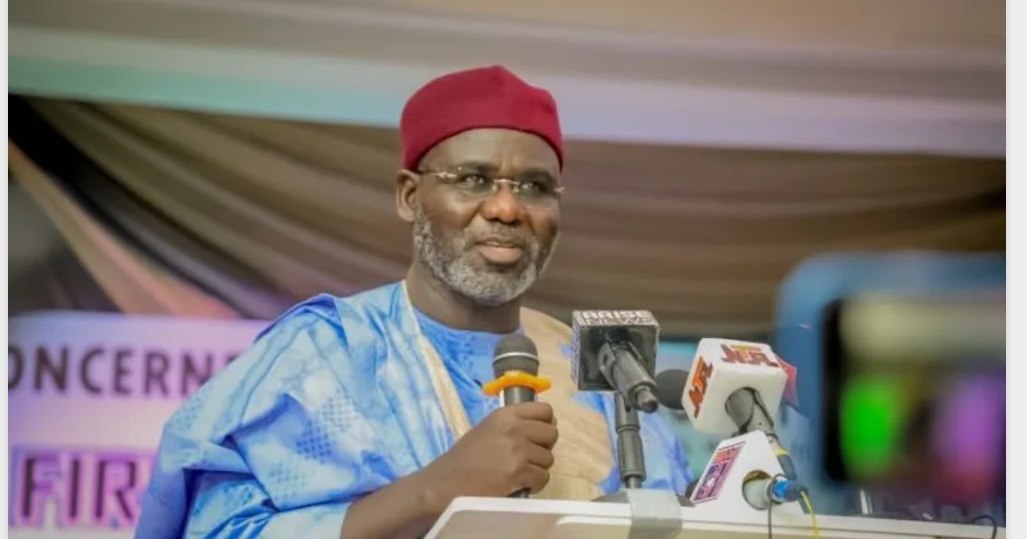
Three Years On, General Buratai Hails Tinubu’s Economic, Security Achievements
Former Chief of Army Staff, Lt. Gen. Tukur Buratai (retd.), has commended President Bola Ahmed Tinubu for what he described as bold economic reforms and improved security efforts as the President marks three years in office.
In a goodwill message on Thursday to commemorate Tinubu’s third anniversary as President and Commander-in-Chief of the Armed Forces, Buratai said the administration had taken courageous decisions that would leave a lasting impact on Nigeria’s development.

According to him, President Tinubu broke a long-standing cycle that had hindered national growth by removing fuel subsidy and implementing foreign exchange reforms aimed at stabilising the naira and strengthening the economy.
He noted that the reforms were beginning to yield positive results, citing the global acceptance of Nigerian debit cards, the gradual revival of local refineries, access to student loans, and ongoing road and infrastructure projects across the country.
“The FCT Administration has also recorded remarkable progress, completing major road projects that remained unfinished for over 16 years,” Buratai stated.
The former army chief also praised the administration’s security efforts, saying renewed military offensives against insurgents, terrorists and bandits had led to notable successes across various parts of the country.
He specifically lauded recent joint operations involving Nigerian and United States forces against Boko Haram and ISWAP in the North-East, as well as intensified counter-banditry operations in the North-West.
“We have seen notorious ISWAP commanders being neutralised. I congratulate the Commander-in-Chief, the Minister of Defence, the Chief of Defence Staff, the Service Chiefs, the Inspector-General of Police and heads of intelligence agencies for their efforts,” he said.
Buratai, however, acknowledged that challenges remained, stressing the need for more aggressive military operations and intelligence-driven strategies in the coming year.
While urging Nigerians to remain hopeful, he said celebrating the President’s achievements did not amount to ignoring the difficulties facing the nation.
“Because you truly care, you have shown the courage to trade short-term comfort for long-term hope. Nigerians need your reassurances, and that is why we remain optimistic and full of confidence,” he added.
The retired military officer reaffirmed his support for the Tinubu administration and expressed confidence that the foundation being laid by the government would deliver a brighter future for the country.
He also prayed for God’s guidance, wisdom, strength and good health for the President as he continues to lead Nigeria.
NUT Raises Alarm Over Continued Captivity of Abducted Oyo Pupils, Teachers
The Nigeria Union of Teachers has expressed deep concern over the continued captivity of pupils and teachers abducted during an attack on schools in the Ahoro-Esinle and Yawota communities in Oriire Local Government Area of Oyo State.
In a statement issued on Saturday, the Oyo State wing of the union described the situation as increasingly distressing, particularly following the emergence of a video allegedly released by the abductors showing the victims pleading for their freedom.
The union said the footage had heightened fears over the welfare of the abducted pupils and teachers, describing their ordeal as heartbreaking and unacceptable.

According to the NUT, no child or teacher deserves to be subjected to such traumatic experiences, adding that the prolonged captivity of the victims has continued to inflict psychological pain on their families, colleagues and the wider education community.
The union called on the Federal Government, Oyo State Government and relevant security agencies to intensify efforts towards securing the immediate and safe release of the victims.
“This is not a moment for hesitation. It is a moment for coordinated, intelligence-driven efforts to ensure the immediate and safe release of all abducted pupils and teachers,” the statement read.
While acknowledging ongoing interventions by security agencies and government authorities, the union stressed that time was of the essence, warning that every additional day in captivity deepens the trauma suffered by the victims.
The NUT urged security operatives to strengthen surveillance, improve community intelligence gathering and deploy all necessary operational and diplomatic measures to facilitate the rescue of the abductees.
It also appealed to traditional rulers, community leaders and residents to support rescue efforts by providing credible information that could assist security agencies.
“The safety of our children and teachers must remain a collective priority,” the union stated.
Reaffirming its support for the families of the victims, the NUT pledged continued solidarity and prayers while advocating safer learning environments across the country.
The statement was jointly signed by the Chairman of the Oyo State NUT, Comrade Hassan Ajibola Fatai, and the Secretary, Comrade Salami Olukayode.


- Afreximbank Deepens Commitment to Economic Progress in The Bahamas June 1, 2026
- African Electric Vehicle (EV) platform Spiro raises $215M in equity to scale electric mobility and energy infrastructure across Africa June 1, 2026
- Africa Centres for Disease Control and Prevention (Africa CDC) Statement on Attacks Against Health Facilities During the Bundibugyo Virus Disease Response in the Democratic Republic of the Congo June 1, 2026
- Putting consumers at the centre of Africa’s dairy transformation June 1, 2026
- International Rescue Committee (IRC) warns Democratic Republic of the Congo (DRC) Ebola outbreak likely far larger than official figures suggest June 1, 2026
- South Africa: Portfolio Committee on Health Marks National Cancer Survivor Day and Reaffirms Importance of Early Detection and Public Awareness June 1, 2026
- Rwanda’s RSSB Tigers Crowned 2026 Basketball Africa League Champions June 1, 2026
- Uganda: Appointments Committee Begins Vetting of Ministerial Nominees June 1, 2026
- Sudan braces for worsening child malnutrition as pre-harvest season starts June 1, 2026
- Etu Energias Strengthens Angolan Footprint, Returns to Angola Oil & Gas (AOG) 2026 as Champion Sponsor June 1, 2026
- Afreximbank Deepens Commitment to Economic Progress in The Bahamas June 1, 2026
- African Electric Vehicle (EV) platform Spiro raises $215M in equity to scale electric mobility and energy infrastructure across Africa June 1, 2026
- Africa Centres for Disease Control and Prevention (Africa CDC) Statement on Attacks Against Health Facilities During the Bundibugyo Virus Disease Response in the Democratic Republic of the Congo June 1, 2026
- Putting consumers at the centre of Africa’s dairy transformation June 1, 2026
- International Rescue Committee (IRC) warns Democratic Republic of the Congo (DRC) Ebola outbreak likely far larger than official figures suggest June 1, 2026
- South Africa: Portfolio Committee on Health Marks National Cancer Survivor Day and Reaffirms Importance of Early Detection and Public Awareness June 1, 2026
- Rwanda’s RSSB Tigers Crowned 2026 Basketball Africa League Champions June 1, 2026
-

 news6 months ago
WHO REALLY OWNS MONIEPOINT? The $290 Million Deal That Sold Nigeria’s Top Fintech to Foreign Interests
-

 society4 weeks ago
SOCIAL MEDIA IS NOT A BATTLEFIELD COMMAND – WHY THE NIGERIAN ARMY’S ACTION AGAINST JUSTICE CRACK IS A NATIONAL SECURITY IMPERATIVE
-

 celebrity radar - gossips4 months ago
Dr. Chris Okafor Returns with Power and Fire of the Spirit -Mounts Grace Nation Altar with Fresh Anointing and Restoration Grace on February 1, 2026
-

 celebrity radar - gossips6 months ago
Prophet Kingsley Aitafo Releases 2026 Prophecy: ‘Nigeria Will Rise, but the World Must Prepare for Turbulence’