
society
JANUARY 15th 1966: A MORNING OF MURDER, MAYHEM AND CARNAGE by Chief Femi Fani-Kayode.


JANUARY 15th 1966: A MORNING OF MURDER, MAYHEM AND CARNAGE by Chief Femi Fani-Kayode.
JANUARY 15th 1966: A MORNING OF MURDER, MAYHEM AND CARNAGE by Chief Femi Fani-Kayode.
In the early hours of the morning of January 15th 1966 a coup d’etat took place in Nigeria which resulted in the murder of a number of leading political figures and senior army officers.
This was the first coup in the history of our country and 98 per cent of the officers that planned and led it were from a particular ethnic nationality in the country.
According to Max Siollun, a notable and respected historian whose primary source of information was the Police report compiled by the Police’s Special Branch after the failure of the coup, during the course of the investigation and after the mutineers had been arrested and detained, names of the leaders of the mutiny were as follows:
Major Emmanuel Arinze Ifeajuna,
Major Chukwuemeka Kaduna Nzeogwu,
Major Chris Anuforo,
Major Tim Onwutuegwu,
Major Chudi Sokei,
Major Adewale Ademoyega,
Major Don Okafor,
Major John Obieno,
Captain Ben Gbuli,
Captain Emmanuel Nwobosi,
Captain Chukwuka,
and Lt. Oguchi.
It is important to point out that I saw the Special Branch report myself and I can confirm Siollun’s findings.
These were indeed the names of ALL the leaders of the January 15th 1966 mutiny and all other lists are FAKE.
The names of those that they murdered in cold blood or abducted were as follows.
Sir Abubakar Tafawa Balewa, the Prime Minister of Nigeria (murdered),
Sir Ahmadu Bello, the Sardauna of Sokoto and the Premier of the Old Northern Region (murdered),
Sir Kashim Ibrahim, the Shettima of Borno and the Governor of the Old Northern Region (abducted),
Chief Samuel Ladoke Akintola, the Aare Ana Kakanfo of Yorubaland and the Premier of the Old Western Region (murdered),
Chief Remilekun Adetokunboh Fani-Kayode Q.C., the Balogun of Ife, the Deputy Premier of the Old Western Region and my beloved father (abducted),
Chief Festus Samuel Okotie-Eboh, the Oguwa of the Itsekiris and the Minister of Finance of Nigeria (murdered),
Brigadier Samuel Adesujo Ademulegun, Commander of the 1st Brigade, Nigerian Army (murdered),
Brigadier Zakariya Maimalari, Commander of the 2nd Brigade, Nigerian Army (murdered),
Colonel James Pam (murdered),
Colonel Ralph Sodeinde (murdered),
Colonel Arthur Unegbe (murdered),
Colonel Kur Mohammed (murdered),
Lt. Colonel Abogo Largema (murdered),
Alhaja Hafsatu Bello, the wife of the Sardauna of Sokoto (murdered),
Alhaji Zarumi, traditional bodyguard of the Sardauna of Sokoto (murdered),
Mrs. Lateefat Ademulegun, the wife of Brigadier Ademulegun who was 8 months pregnant at the time (murdered),
Ahmed B. Musa (murdered),
Ahmed Pategi (murdered),
Sgt. Daramola Oyegoke (murdered),
Police Constable Yohana Garkawa (murdered),
Police Constable Musa Nimzo (murdered),
Police Constable Akpan Anduka (murdered),
Police Constable Hagai Lai (murdered),
and Police Constable Philip Lewande (murdered).
In order to reflect the callousness of the mutineers permit me to share under what circumstances some of their victims were murdered and abducted.
Sir Abubakar Tafawa Balewa was abducted from his home, beaten, mocked, tortured, forced to drink alcohol, humiliated and murdered after which his body was dumped in a bush along the Lagos-Abeokuta road.
Sir Ahmadu Bello was killed in the sanctity of his own home with his wife Hafsatu and his loyal security assistant Zurumi.
Zurumi drew his sword to defend his principal whilst Hafsatu threw her body over her dear husband in an attempt to protect him from the bullets.
Chief S. L. Akintola was gunned down as he stepped out of his house in the presence of his family and Chief Festus Okotie-Eboh was beaten, brutalised, abducted from his home, maimed and murdered and his body was dumped in a bush.
Brigadier Zakariya Maimalari had held a cocktail party in his home the evening before which was attended by some of the young officers that went back to his house early the following morning and murdered him.
Brigadier Samuel Ademulegun was shot to death at home, in his bedroom and in his matrimonial bed along with his eight-month pregnant wife Lateefat.
Colonel Shodeinde was murdered in Ikoyi hotel whilst Col. Pam was abducted from his home and murdered in a bush.
Most of the individuals that were killed that morning were subjected to a degree of humiliation, shame and torture that was so horrendous that I am constrained to decline from sharing them in this contribution.
The mutineers came to our home as well which at that time was the official residence of the Deputy Premier of the Old Western Region and which remains there till today.
After storming our house and almost killing my brother, sister and me, they beat, brutalised and abducted my father Chief Remi Fani-Kayode.
What I witnessed that morning was traumatic and devastating and, of course, what the entire nation witnessed was horrific.
It was a morning of carnage, barbarity and terror.
Those events set in motion a cycle of carnage which changed our entire history and the consequences remain with us till this day.
It was a sad and terrible morning and one of blood and slaughter.
My recollection of the events in our home is as follows.
At around 2.00 a.m. my mother, Mrs. Adia Aduni Fani-Kayode, came into the bedroom which I shared with my older brother, Rotimi and my younger sister Toyin. I was six years old at the time.
The lights had been cut off by the mutineers so we were in complete darkness and all we could see and hear were the headlights from three or four large and heavy trucks with big loud engines.
The official residence of the Deputy Premier had a very long drive so it took the vehicles a while to reach us.
We saw four sets of headlights and heard the engines of four lorries drive up the drive-way.
The occupants of the lorries, who were uniformed men who carried torches, positioned themselves and prepared to storm our home whilst calling my fathers name and ordering him to come out.
My father courageously went out to meet them after he had called us together, prayed for us and explained to us that since it was him they wanted he must go out there.
He explained that he would rather go out to meet them and, if necessary, meet his death than let them come into the house to shoot or harm us all.
The minute he stepped out they brutalised him. I witnessed this. They beat him, tied him up and threw him into one of the lorries.
The first thing they said to him as he stepped out was “where are your thugs now Fani-Power?”
My father’s response was typical of him, sharp and to the point. He said, “I don’t have thugs, only gentlemen.”
I think this annoyed them and made them brutalise him even more. They tied him up, threw him in the back of the lorry and then stormed the house.
When they got into the house they ransacked every nook and cranny, shooting into the ceiling and wardrobes.
They were very brutal and frightful and we were terrified.
My mother was screaming and crying from the balcony because all she could do was focus on her husband who was in the back of the truck downstairs. There is little doubt that she loved him more than life itself.
“Don’t kill him, don’t kill him!!” she kept screaming at them. I can still visualise this and hear her voice pleading, screaming and crying.
I didn’t know where my brother or sister were at this point because the house was in total chaos.
I was just six years old and I was standing there in the middle of the passage upstairs in the house by my parents bedroom, surrounded by uniformed men who were ransacking the whole place and terrorising my family.
Then out of the blue something extraordinary happened. All of a sudden one of the soldiers came up to me, put his hand on my head and said: “don’t worry, we won’t kill your father, stop crying.”
He said this to me three times. After he said it the third time I looked in his eyes and I stopped crying.
This was because he gave me hope and he spoke with kindness and compassion. At that point all the fear and trepidation left me.
With new-found confidence I went rushing to my mother who was still screaming on the balcony and told her to stop crying because the soldier had promised that they would not kill my father and that everything would be okay.
I held on to the words of that soldier and that morning, despite all that was going on around me, I never cried again.
Four years ago when he was still alive I made contact with and spoke to Captain Nwobosi, the mutineer who led the team to our house and that led the Ibadan operation that night about these events.
He confirmed my recollection of what happened in our house saying that he remembered listening to my mother screaming and watching me cry.
He claimed that he was the officer that had comforted me and assured me that my father would not be killed.
I have no way of confirming if it was really him but I have no reason to doubt his words.
He later asked me to write the foreword of his book which sadly he never launched or released because he passed away a few months later.
The mutineers took my father away and as the lorry drove off my mother kept on wailing and crying and so was everyone else in the house except for me.
From there they went to the home of Chief S.L. Akintola a great statesman and nationalist and a very dear uncle of mine.
My mother had phoned Akintola to inform him of what had happened in our home.
She was sceaming down the phone asking where her husband had been taken and by this time she was quite hysterical.
Chief Akintola tried to calm her down assuring her that all would be well.
When they got to Akintola’s house he already knew that they were coming and he was prepared for them.
Instead of coming out to meet them, he had stationed some of his policemen inside the house and they started shooting.
A gun battle ensued and consequently the mutineers were delayed by at least one hour.
According to the Special Branch reports and the official statements of the mutineers that survived that night and that were involved in the operation their plan had been to pick up my father and Chief Akintola from their homes in Ibadan, take them to Lagos, gather them together with the other political leaders that had been abducted and then execute them all together.
The difficulty they had was that Akintola resisted them and he and his policemen ended up wounding two of the soldiers that came to his home.
One of the soldiers, whose name was apparently James, had his fingers blown off and the other had his ear blown off.
After some time Akintola’s ammunition ran out and the shooting stopped.
His policemen stood down and they surrendered. He came out waving a white handkerchief and the minute he stepped out they just slaughtered him.
My father witnessed Akintola’s cold-blooded murder in utter shock, disbelief and horror because he was tied up in the back of the lorry from where he could see everything that transpired.
The soldiers were apparently enraged by the fact that two of their men had been wounded and that Akintola resisted and delayed them.
After they killed him they moved on to Lagos with my father.
When they got there they drove to the Officer’s Mess at Dodan Barracks in Ikoyi where they tied him up, sat him on the floor of a room, and placed him under close arrest by surrounding him with six very hostile and abusive soldiers.
Thankfully about two hours later he was rescued, after a dramatic gun battle, by loyalist troops led by one Lt. Tokida who stormed the room with his men and who was under the command of Captain Paul Tarfa (as he then was).
They had been ordered to free my father by Lt. Col. Yakubu Gowon who was still in control of the majority of troops in Dodan Barracks and who remained loyal to the Federal Government.
Bullets flew everywhere in the room during the gunfight that ensued whilst my father was tied up in the middle of the floor with no cover. All that yet not one bullet touched him!
This was clearly the Finger of God and once again divine providence as under normal circumstances few could have escaped or survived such an encounter without being killed either by direct fire or a stray bullet. For this I give God the glory.
Meanwhile three of the soldiers that had tied my father up and placed him under guard in that room were killed right before his eyes and two of Takoda’s troops that stormed the room to save him lost their lives in the encounter.
At this point permit me to mention the fact that outside of my father, providence also smiled favourably upon and delivered Sir Kashim Ibrahim, the Shettima of Borno and the Governor of the Old Northern Region from death that morning.
He was abducted from his home in Kaduna by the mutineers but was later rescued by loyalist troops.
When the mutineers took my father away everyone in our home thought he had been killed.
The next morning a handful of policemen came and took us to the house of my mother’s first cousin, Justice Atanda Fatai-Williams, who was a judge of the Western Region at the time. He later became the Chief Justice of Nigeria.
From there we were taken to the home of Justice Adenekan Ademola, another High Court judge at the time, who was a very close friend of my father and who later became a Judge of the Court of Appeal.
At this point the whole country had been thrown into confusion and no one knew what was going on.
We heard lots of stories and did not know what to make of what anymore. There was chaos and confusion and the entire nation was gripped by fear.
Two days later my father finally called us on the telephone and he told us that he was okay.
When we heard his voice, I kept telling my mother “I told you, I told you.”
Justice Ademola and his dear wife who was my mother’s best friend, a Ghanian lady by the name of Aunty Frances, were weeping witgh joy.
My mother was also weeping as were my brother and sister and I just kept rejoicing because I knew that he would not be killed and I had told them all.
I believe that whoever that soldier was that promised me that my father would not be killed was used by God to convey a message to me that morning even in the midst of the mayhem and fear. I believe that God spoke through him that night.
Whoever he was the man spoke with confidence and authority and this constrains me to believe that he was a commissioned officer or a man in authority.
These mutineers who carried out this mutiny and coup were not alone: they got some backing from elements in the political class who identified with them.
Some have said that it was an Igbo coup whilst others have said that it was an UPGA (referring to the political alliance between the Action Group and the NCNC) coup but that is a story for another day.
Whatever anyone calls it or believes two things are clear: the consequences of the action that those young officers took that night were far-reaching and the way and manner in which they killed their victims was deplorable and barbaric.
Such savagery had never been witnessed in our shores. There has never been another night like that and the results of that night have been devastating and profound.
In my view not enough Nigerians appreciate this fact.
Some in our country cannot forgive those who participated in the mutiny and though I do not share that sentiment or disposition this is understandable.
Others believe that those young men (they were all in their 20’s) did the right thing and claim that those killings were necessary and heroic.
This is a sentiment which I not only despise but which I also find unacceptable and appalling.
There is nothing heroic about rebellion and the cold blooded murder of innocent and defenceless men and women.
The coup affected the country in an equally profound manner because the events of that night led to a counter-coup six months later. It was a devastating and disproportionate response.
Sadly after that came the horrendous pogroms and slaughter of the Igbo in the North which eventually led to the civil war in which millions of people died, including innocent children. This was also horrendous and deplorable.
Yet the bitter truth is that if the new Head of State, General Johnson Aguiyi-Ironsi who himself happened to be Igbo, had done the right thing and actually prosecuted the ringleaders of the coup namely Major Kaduna Nzeogwu, Major Anufuro, Major Ademoyega, Major Timothy Onwuatuegwu, Captain Emmanuel Nwobosi, Captain Okafor, Captain Ben Gbulie and all the other young officers that planned and executed the mutiny of January 15th 1966 after it was crushed, there would have been no northern revenge coup six months later.
I have not added Major Emmanuel Ifeajuna (who was actually the leader of the coup) to the list because he could not have been locked up or prosecuted by General Aguiy-Ironsi simply because he ran away to Ghana immediately after the mutiny in Lagos failed and after he and his co-mutineers were routed by Lt. Col. Jack Yakubu Gowon and his gallant officers.
For some curious reason after the coup was successfully crushed, General Aguiyi-Ironsi just locked these young mutineers up and he refused to prosecute them.
This bred suspicion from the ranks of the northern officers given the fact that Aguiyi-Ironsi himself was an Igbo.
The suspicion was that he had some level of sympathy for the mutineers and the fact that they did not kill him during the course of the mutiny only fuelled that suspicion.
The northern officers also felt deeply aggrieved about the wholesale slaughter of their key political figures that night.
In my view that, together with Aguiyi-Ironsi’s insistence on promulgating the Unification Decree which abolished the federal system of government and sought to turn Nigeria into a unitary state, made the revenge coup of July 29th 1966 inevitable.
The revenge coup was planned and led by Major Murtala Ramat Mohammed (as he then was) and it was supported and executed by other young northern officers like Major T.Y. Danjuma (as he then was), Major Martins Adamu and many others.
This is the coup that was to put Lt. Col. Jack Gowon (as he then was) in power and when they struck it was a very bloody and brutal affair.
The response of the northern officers to the mutiny and terrible killings that took place on the night of January 15th 1966 and to General Aguiyi-Ironsi’s apparent procrastination and reluctance to ensure that justice was served to the mutineers was not only devastating but also frightful.
300 hundred Army officers of Igbo extraction who were perceived to be sympathetic to the January 15th mutineers were killed that night including the Head of State General Aguiyi-Ironsi and the Military Governor of the old Western Region who was hosting him, the courageous Colonel Adekunle Fajuyi. This was very sad and unfortunate.
What happened on the night of January 15th 1966 was indefensible, unjustifiable, unacceptable, unnecessary, unprovoked and utterly and completely barbaric.
I beg to differ with those that believe that there was anything good about such a mutinous bloodbath and this is especially so given the fact that it was carried out by a small handful of ungrateful, cowardly and treacherous men.
Blood calls for blood: when you shed blood, other people want to shed your own blood as well and sadly this is the way of the world.
The minute the shedding of blood in the quest of power becomes the norm we are all diminished and dehumanised: and this applies to both the perpetrators and the victims.
The January 15th coup set off a cycle of events which had cataclysmic consequences for our country and which we are still reeling from today.
I repeat with greater detail, this included the Northern ‘Revenge’ coup of July 29th 1966 in which 300 Igbo officers and an Igbo Head of State (Gen. Aguyi-Ironsi) were killed, the pogroms in the North in which over 30,000 Igbo civilians were killed and a civil war in which 3 million Igbos (including 1 million children) and hundreds of thousands of Nigerians were cut short.
What a tragedy!
Coups may have happened in other countries in Africa but that did not mean that it had to happen here.
In any case the amount of blood that was shed on the morning of January 15th 1966 and the number of innocent people that were killed was unacceptable.
It arrested our development as a people and our political evolution as a country.
Had it not happened our history would have been very different. May we never see such a thing again.
Yet regardless of the pain of the past I believe that we should do all we can to put these matters behind us.
We must not allow ourselves to become prisoners of history. Rather than being propelled by pain and bitterness and becoming victims of history, we must learn from it, be guided by it and move on.
We must learn to forgive, even if we do not forget and, equally importantly, we must first establish the truth about those ugly events and understand what actually transpired.
What happened that night traumatised the nation. None of us has been the same since.
I can identify with that because I was a part of it, I witnessed it and i was a victim of it.
Yet by God’s grace and divine providence my father’s life was spared: not because he was special but simply by the grace of God.
Every day I think about those that were killed that night and I remember their families.
We share a common bond and we are all partakers of an ugly and frightful history.
I tell myself: “were it not for divine providence, my father would have also died and I would not have been what I am today, because he was the one who educated me and did everything for me.”
If nothing else I know there was a purpose for that.
We must resolve among ourselves that never again will people be attacked in their homes, dragged out, abducted and shot like dogs in the middle of the night.
Never again will women, wives, children and the unborn be slaughtered in this way.
Never again shall we witness such barbarity and wickedness in our quest for power.
Never again must any Nigerian suffer such brutality and callousness.
May the souls of all those that were murdered on January 15th 1966 continue to rest in peace and may God make Nigeria great again.
(Chief Femi Fani-Kayode is the Sadaukin Shinkafi, the Wakilin Doka Fika, a former Minister of Culture and Tourism and a former Minister of Aviation)




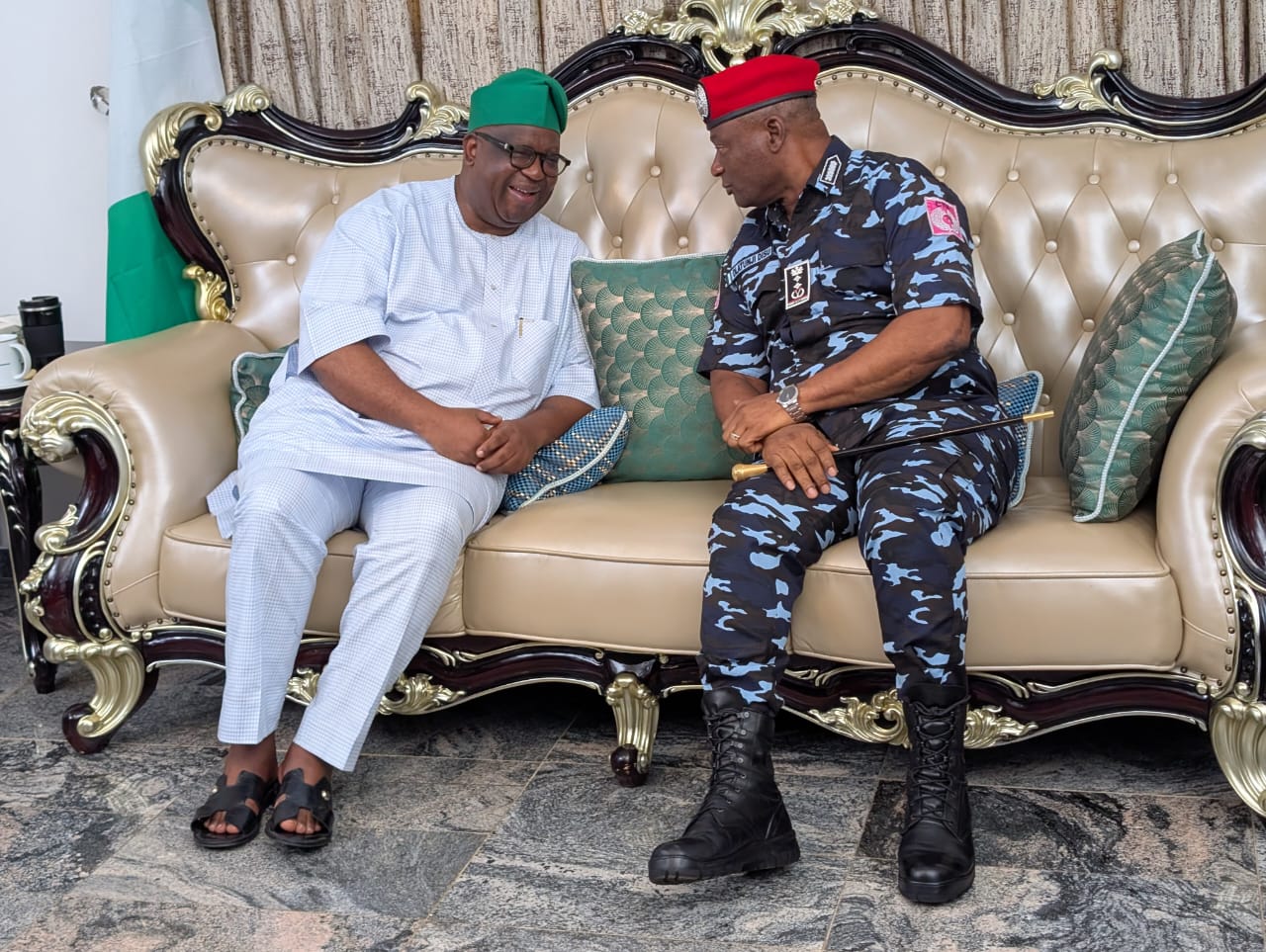
IGP Disu Visits Plateau, Orders Tactical Deployment To Reinforce Security
The Inspector General of Police, Olatunji Disu, on Thursday paid a working visit to Plateau State following recent unrest, holding strategic talks with Governor Caleb Muftwang on measures to strengthen security and prevent further disturbances.
As part of immediate steps to stabilise the situation, the police chief authorised the deployment of specialised tactical units to support officers already on ground across affected areas.
Governor Muftwang commended the swift intervention of the police leadership, praising the dedication and professionalism of security personnel working to restore calm. He also acknowledged the efforts of mobile police officers and lauded the leadership of the state’s Commissioner of Police, Bassey Ewah.
Both the Nigeria Police Force and the Plateau State Government reaffirmed their commitment to safeguarding lives and property, stressing that enhanced collaboration remains key to restoring lasting peace in Plateau State, popularly known as the Home of Peace and Tourism.


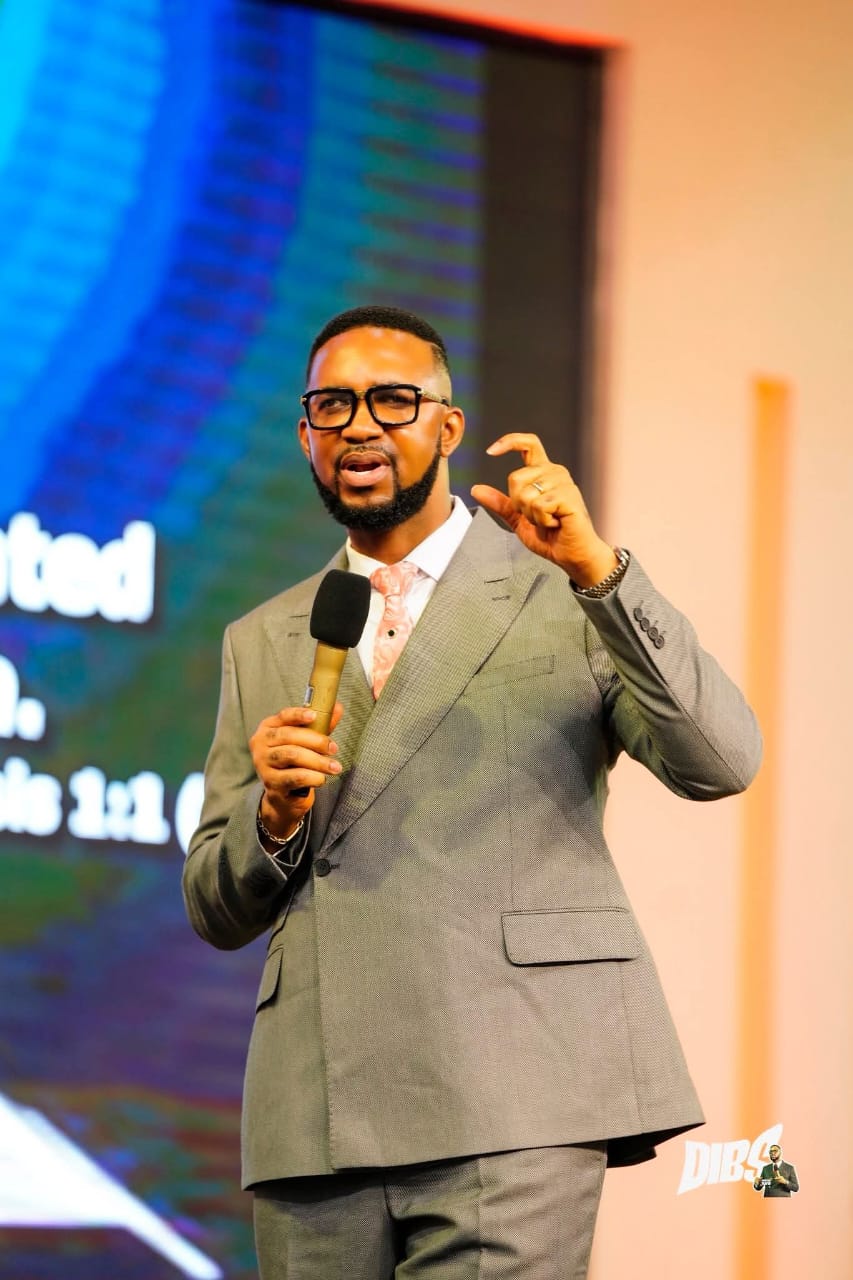
Grace Nation Worldwide: A Living Reality – Dr. Chris Okafor
……“Miracles, Healing, and Deliverance Overflow at Grace Nation Services”
The Grace Nation midweek Prophetic Healing, Deliverance, and Solutions (PHDS) Service on 2nd April 2026 at the international headquarters in Ojodu Berger, Lagos, was a spectacular display of God’s power, marked by miracles, healing, and deliverance.
The God of Grace Nation continues to demonstrate His authority, breaking strongholds, healing the sick, restoring lost glory, and providing solutions to every problem presented at His altar.
Testimonies of God’s Power
One woman, previously diagnosed with a terminal condition and slated for a ₦4.5 million surgery due to inability to excrete, was prayed for by the Generational Prophet, Christopher Okafor, just a week after visiting the church. Declaring healing within 24 hours, she returned to testify to God’s miraculous intervention.
Another pregnant woman, whose baby was bridged and at risk, was located and prayed for. She returned to service with confirmation that her child is now well-positioned for delivery. Similarly, a woman booked for a C-section due to an overdue and poorly positioned pregnancy testified during the service that her baby is now properly positioned, ready for birth.
These testimonies underscore the truth: what God cannot do does not exist. Grace Nation has entered a new level of spiritual authority, and with faith, believers are witnessing the impossible become reality.
God Works by Principle, Not Gossip
In his sermon, Dr. Okafor emphasized that God does not operate on superstition, gossip, or social media pressures. His work is grounded in His Word, and it is through adherence to His principles that Grace Nation continues to flourish.
The Generational Prophet stressed that to enjoy divine blessings and fruitfulness, believers must remain connected to God’s Word, faithfully serve Him, and ignore distractions or side-talks. Focused commitment to God’s service guarantees alignment with His miraculous power.
Join the Movement
Grace Nation Worldwide is open for all who desire a life transformed by divine intervention. Weekly services include:
Sunday Service: 7:00 AM
Grace Nation Island Service (Ogombo): Wednesday, 5:00 PM
Midweek PHDS Service: Thursday, 7:00 AM
Attending these services under the ministry of the Generational Prophet ensures encounters with God’s supernatural power, life-changing miracles, and lasting breakthroughs.
Grace Nation Worldwide is not just a church—it is a reality where faith meets the supernatural.
By Sunday Adeyemi


society
From Broadcast to Spiritual Renaissance: The Journey of Alọba A. Orisabimbola Ifatomi, Creator of ÒRÌṢÀTV
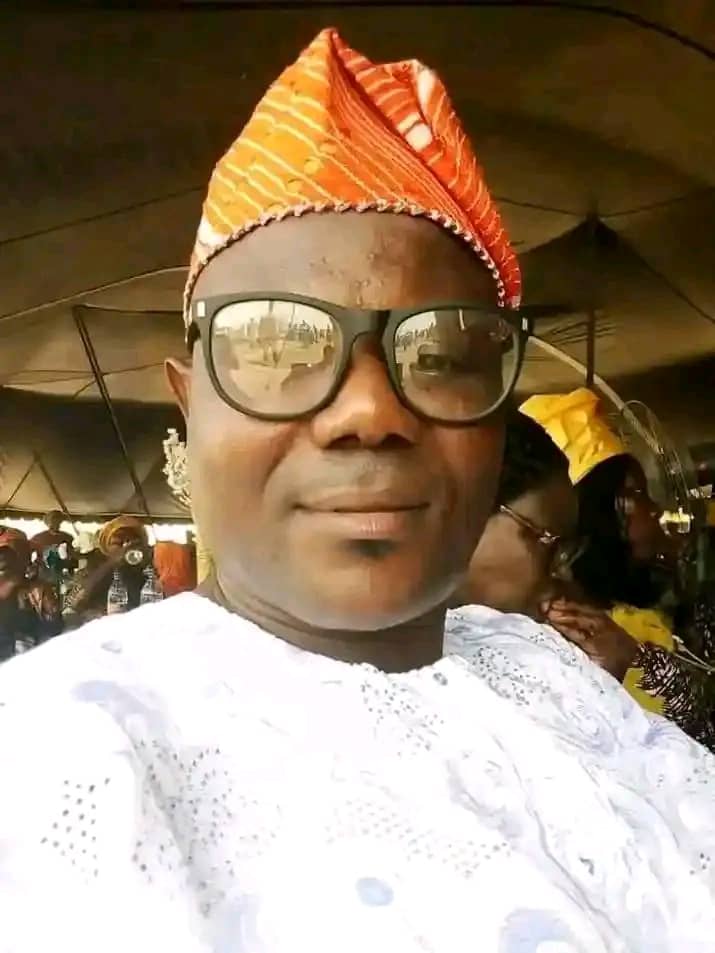
From Broadcast to Spiritual Renaissance:
The Journey of Alọba A. Orisabimbola Ifatomi, Creator of ÒRÌṢÀTV
In a time when African stories are often misrepresented or diluted, a seasoned voice in Nigeria’s media and creative industry is stepping forward with a bold vision to reclaim, preserve and project the depth of African spirituality through a new wave of cinematic storytelling powered by technology.
Alọba Adewunmi, a respected broadcaster, journalist and creative professional, is the mind behind ÒRÌṢÀTV a groundbreaking platform using Artificial Intelligence (AI) cinematic production to tell authentic Yoruba stories rooted in cosmology, spirituality and cultural heritage.
ÒRÌṢÀTV is not just a channel it is a destination to experience “The Beginning”, a Yoruba cosmology-based AI cinematic series that explores the origin of life and existence through an African lens.
A Career Built on Media Excellence
With years of experience across broadcast and print media, Alọba Adewunmi has established himself as a dynamic storyteller and cultural voice.
He has worked with several notable platforms including OSBC, Orisun FM, Yotomi Cable, Okin FM, Midland FM, Delta Cable, Akede Oodua Publications and Akede Africa.
His professional journey includes:
– Reporter at Alariya Oodua
– Editor at Gbajumo Online Magazine
– General Editor at Akede Africa ( a bilingual news magazine)
Through these roles, he has contributed significantly to journalism, cultural reporting, politics, crime and entertainment.
A Multifaceted Creative Force
Beyond journalism, Alọba Adewunmi’s creative footprint extends deeply into film and storytelling.
He is not just a performer, but a creative architect behind the scenes, serving as:
– A Continuity Director
– Continuity Director of the home video “Tobi (Forgiveness)”, produced by Kola Adeyemo
– A Story Writer and Dialogue Director
– A Scriptwriter
He has also contributed to several home video productions from the late 1990s through the early 2000s, reflecting a long-standing presence in Yoruba film storytelling.
A Spiritual Path and Cultural Mission
Beyond media and film, his journey is rooted in a deeper spiritual calling.
Alọba Adewunmi is a traditional priest, teacher and herbal medicine practitioner, dedicated to the preservation and practice of Yoruba spirituality.
His temple, Obàtálá Alábãlàse Temple of Purity, stands as a sacred center for purity, healing and spiritual guidance.
The Vision Behind ÒRÌṢÀTV
ÒRÌṢÀTV is more than a content platform, it is a cultural revival movement powered by AI-driven cinematic storytelling.
Through this innovative approach, the platform explores:
– The origin of existence
– The roles of divinities
– The structure of human destiny
– The spiritual laws governing life
The debut episode, “The Birth of Ilẹ̀ Àwọn Alààyè”,( Command of Creation ) marks the beginning of the series “The Beginning”.
Blending mythology, spirituality and AI-powered visuals, ÒRÌṢÀTV offers a unique experience that is both educational and deeply immersive.
A Mission Beyond Entertainment
For Alọba Adewunmi, this project goes far beyond entertainment.
It is a mission to preserve indigenous knowledge, educate future generations, correct misconceptions about African spirituality and restore pride in African identity.
The Man Behind the Vision
Despite his wide experience and creative influence, Alọba Adewunmi remains a naturally private and introverted individual.
He is known more for his work than for public appearances moving quietly between his professional responsibilities and personal space.
Rather than seeking the spotlight, he has consistently chosen to let his talent, creativity and impact speak for him.
Those who encounter his work or collaborate with him understand the depth he brings a reminder that true substance is not always loud and presence is not always public.
Looking Ahead
With Episode 1 now released, anticipation continues to build as “THE BEGINNING” prepares to explore deeper aspects of creation, human destiny and spiritual alignment.
This is not just a project it is a legacy unfolding through culture, spirituality, and innovation.
Watch Now
THE BEGINNING


Episode 1
The Birth of Ilẹ̀ Àwọn” Command of Creation)
Available on YouTube.
Media & Contact
For interviews, features and collaborations:
08125883088
© 2026 ÒRÌṢÀTV
All Rights Reserved


-

 society6 months ago
Religion: Africa’s Oldest Weapon of Enslavement and the Forgotten Truth
-

 news4 months ago
WHO REALLY OWNS MONIEPOINT? The $290 Million Deal That Sold Nigeria’s Top Fintech to Foreign Interests
-

 society6 months ago
“You Are Never Without Help” – Pastor Gebhardt Berndt Inspires Hope Through Empower Church (Video)
-

 celebrity radar - gossips2 months ago
Dr. Chris Okafor Returns with Power and Fire of the Spirit -Mounts Grace Nation Altar with Fresh Anointing and Restoration Grace on February 1, 2026