
society
JINGLE BELLS”: From Minstrel Stage to Global Holiday Anthem

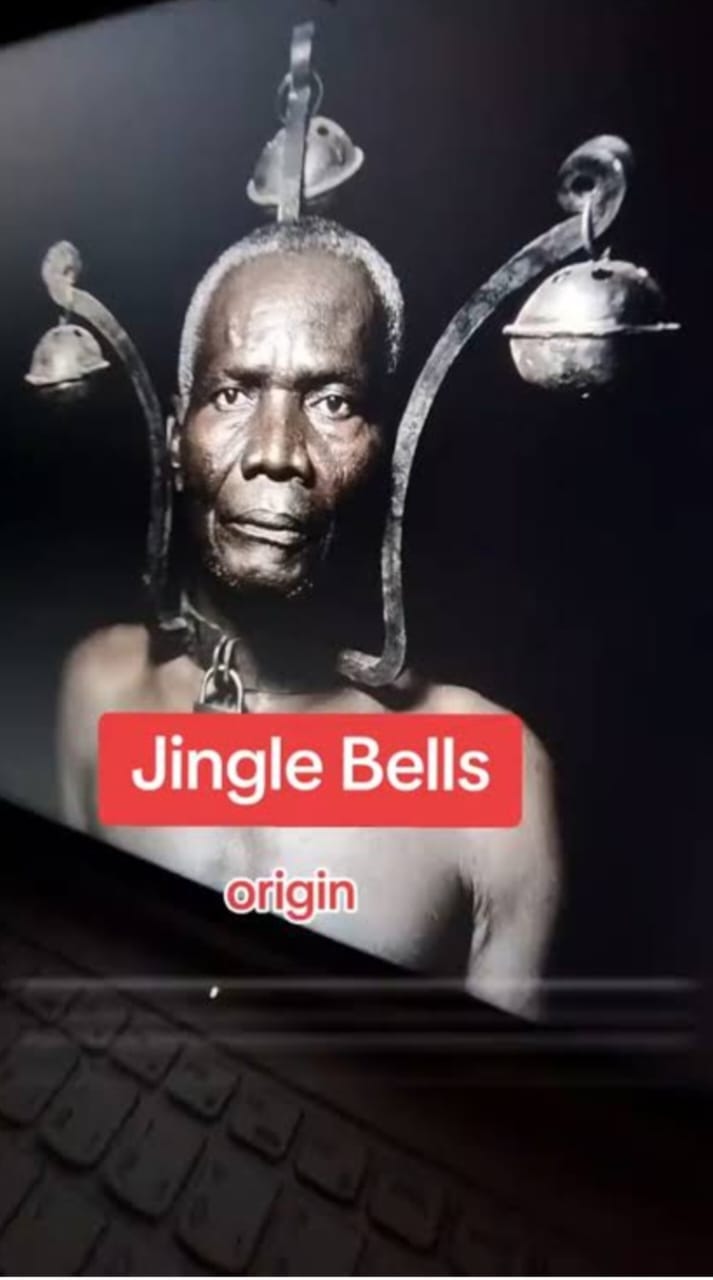
“JINGLE BELLS”: From Minstrel Stage to Global Holiday Anthem.
By George Omagbemi Sylvester | Published by saharaweeklyng.com
“A Song’s Roots in Racist Entertainment, Not African Bondage”
Every December, millions around the world (including countless Africans) raise their voices to sing “Jingle Bells,” heralding the festive Christmas season with joy and cheer. The familiar refrain “Jingle all the way” fills streets, homes, malls, schools, and churches, becoming part of the soundtrack of holiday celebration. But beneath the bright bells and festive rhythm lies a history that many do not know — one that does not originate with snowy sleigh rides alone, nor with a symbol of African suffering in bondage, but with a darker chapter of American cultural history: the minstrel show and the racist entertainment industry of the 19th century.

Dispelling a Myth — No Evidence of Jingle Bells as Slave Restraints. A claim circulating online and shared across social media is that the song Jingle Bells is tied to the bells shackled to the feet of enslaved Africans to prevent escape. This narrative (while emotionally powerful) is not supported by credible historical research or primary sources. Historians who have studied the song’s origin find no documented evidence that the bells referenced in the song were ever used in that form of bondage or that the song was written about such practices. The song’s lyrics describe sleigh rides in snowy landscapes — a setting completely disconnected from the lived geography and conditions of enslaved Africans in the United States. Moreover, rigorous academic and archival research into the song’s creation and performances do not link the melody or original lyrics to slave restraints or such specific symbols of oppression.

Let us be clear: the Atlantic slave trade and the brutal systems of bondage inflicted countless horrors on Africans and their descendants — atrocities that deserve remembrance, recognition, and rightful place in human history. But the specific claim about “Jingle Bells” being directly linked to bells used on slaves’ feet is not documented in credible historical record and should not be perpetuated as fact. Doing so risks confusing myth with history, even as it speaks to very real broader legacies of violence.
So What Is the True Origin of “Jingle Bells”?
The song we know today was originally written by James Lord Pierpont in 1857 under the title “The One Horse Open Sleigh” and was published in Boston, Massachusetts. It was not written as a Christmas song, and its lyrics make no mention of the holiday — yet it became associated with Christmas decades later.

Pierpont himself had a complex personal history that reflects the deeply divided America of his time. Born into a New England family, he later moved to Savannah, Georgia. While his father was an abolitionist clergyman, James Pierpont diverged sharply from that stance: with the outbreak of the American Civil War, he became a supporter of the Confederate cause and even wrote songs expressing his allegiance.
Minstrel Shows: Where “Jingle Bells” First Lived
Perhaps most troubling (and most ignored) is the first known performance context of the song.
In September 1857, “The One Horse Open Sleigh” debuted at Ordway Hall in Boston as part of a minstrel show performed in blackface, delivered by entertainer Johnny Pell and his troupe.
Minstrel shows were a distinctly racist form of popular entertainment in 19th-century America: white performers would paint their faces black, caricature African Americans, and mock Black culture for white audiences, reinforcing degrading and stereotypical images. They were not benign entertainment; they were systematic performances that commodified and ridiculed people of African descent.
This fact matters. It places Jingle Bells squarely in the cultural machinery of racial mockery — not as a song about sleigh rides alone, but as part of a broader racist performance tradition that normalized inequality and dehumanization long before the Civil Rights Movement and long after slavery had been abolished in the North.
As theatre historian Kyna Hamill (Boston University) has shown, the earliest documented performance of the song occurred on a minstrel stage and was part of a genre of songs that lampooned Black people’s participation in common winter activities, complete with stereotyped caricatures. These performances were part of a genre of blackface songs that profited from racist tropes common in American culture before, during, and after slavery.
The Irony of Cultural Forgetting. For Africans today (particularly in diaspora communities) singing “Jingle Bells” has become an expression of Christian joy and universal festive spirit. Yet that joyful singing often happens without awareness of the song’s troubling early context. There is a profound irony here:
A melody once delivered on racist stages has become a global emblem of unity and celebration. Yet most who sing it have never confronted its history.
This irony is not unique to “Jingle Bells.” Much of Western popular culture carries with it legacies and traces of historical injustice — from blues music shaped in contexts of Black struggle, to spirituals born out of pain and hope. But understanding that history is not an act of cancellation; it is an act of respect for truth and memory.
What Scholars Say
While Jingle Bells is not explicitly a song about slavery, scholars argue that we must acknowledge how racist entertainment traditions helped shape what became the song we know today:
Kyna Hamill, theatre historian, emphasizes that the song first appeared in the repertoire of minstrel shows — a form that reinforced racial stereotypes and profited from demeaning representations of African Americans.
Historian analyses point out that the song’s history “has quietly eluded its racialized past,” becoming popularized later as a Christmas staple while its early context was forgotten by mainstream audiences.
These interpretations help us understand why today’s celebrations, though joyful, should be informed by context and critical memory.
Reclaiming Memory, Without Denying Joy
Africans and people of African descent around the world should not be made to feel ashamed of celebrating Christmas or singing Jingle Bells. The song as it exists today (with its cheerful chorus) carries no overt racist text, and millions sing it without any malicious intent. What must change, however, is the narrative of ignorance surrounding it.
The past we inherit is neither tidy nor always righteous. Human history is filled with beauty born in struggle and joy that rises above pain. To sing Jingle Bells while understanding its roots is not to erase joy, but it is to honor truth.
In Summary: Understanding Without Simplifying. The idea that Jingle Bells was literally a “SIGNAL of OPPRESSION” for enslaved Africans, using bells tied to feet, is a myth that should not be elevated as fact. However, the song does have a racially charged origin story, connected to minstrel shows and one of the most blatant expressions of systemic mockery and racism in 19th-century America.
As Africans engage with global culture, historical awareness must go hand in hand with celebration. To acknowledge the shadows in our cultural heritage is not to diminish the light, though it is to ensure our joy is grounded in truth and resilient against forgetting.
Only then can we sing our songs (even the joyful ones) with clearer minds, open hearts, and remembrance of those whose histories were overlooked.





society
From Broadcast to Spiritual Renaissance: The Journey of Alọba A. Orisabimbola Ifatomi, Creator of ÒRÌṢÀTV

From Broadcast to Spiritual Renaissance:
The Journey of Alọba A. Orisabimbola Ifatomi, Creator of ÒRÌṢÀTV
In a time when African stories are often misrepresented or diluted, a seasoned voice in Nigeria’s media and creative industry is stepping forward with a bold vision to reclaim, preserve and project the depth of African spirituality through a new wave of cinematic storytelling powered by technology.
Alọba Adewunmi, a respected broadcaster, journalist and creative professional, is the mind behind ÒRÌṢÀTV a groundbreaking platform using Artificial Intelligence (AI) cinematic production to tell authentic Yoruba stories rooted in cosmology, spirituality and cultural heritage.
ÒRÌṢÀTV is not just a channel it is a destination to experience “The Beginning”, a Yoruba cosmology-based AI cinematic series that explores the origin of life and existence through an African lens.
A Career Built on Media Excellence
With years of experience across broadcast and print media, Alọba Adewunmi has established himself as a dynamic storyteller and cultural voice.
He has worked with several notable platforms including OSBC, Orisun FM, Yotomi Cable, Okin FM, Midland FM, Delta Cable, Akede Oodua Publications and Akede Africa.
His professional journey includes:
– Reporter at Alariya Oodua
– Editor at Gbajumo Online Magazine
– General Editor at Akede Africa ( a bilingual news magazine)
Through these roles, he has contributed significantly to journalism, cultural reporting, politics, crime and entertainment.
A Multifaceted Creative Force
Beyond journalism, Alọba Adewunmi’s creative footprint extends deeply into film and storytelling.
He is not just a performer, but a creative architect behind the scenes, serving as:
– A Continuity Director
– Continuity Director of the home video “Tobi (Forgiveness)”, produced by Kola Adeyemo
– A Story Writer and Dialogue Director
– A Scriptwriter
He has also contributed to several home video productions from the late 1990s through the early 2000s, reflecting a long-standing presence in Yoruba film storytelling.
A Spiritual Path and Cultural Mission
Beyond media and film, his journey is rooted in a deeper spiritual calling.
Alọba Adewunmi is a traditional priest, teacher and herbal medicine practitioner, dedicated to the preservation and practice of Yoruba spirituality.
His temple, Obàtálá Alábãlàse Temple of Purity, stands as a sacred center for purity, healing and spiritual guidance.
The Vision Behind ÒRÌṢÀTV
ÒRÌṢÀTV is more than a content platform, it is a cultural revival movement powered by AI-driven cinematic storytelling.
Through this innovative approach, the platform explores:
– The origin of existence
– The roles of divinities
– The structure of human destiny
– The spiritual laws governing life
The debut episode, “The Birth of Ilẹ̀ Àwọn Alààyè”,( Command of Creation ) marks the beginning of the series “The Beginning”.
Blending mythology, spirituality and AI-powered visuals, ÒRÌṢÀTV offers a unique experience that is both educational and deeply immersive.
A Mission Beyond Entertainment
For Alọba Adewunmi, this project goes far beyond entertainment.
It is a mission to preserve indigenous knowledge, educate future generations, correct misconceptions about African spirituality and restore pride in African identity.
The Man Behind the Vision
Despite his wide experience and creative influence, Alọba Adewunmi remains a naturally private and introverted individual.
He is known more for his work than for public appearances moving quietly between his professional responsibilities and personal space.
Rather than seeking the spotlight, he has consistently chosen to let his talent, creativity and impact speak for him.
Those who encounter his work or collaborate with him understand the depth he brings a reminder that true substance is not always loud and presence is not always public.
Looking Ahead
With Episode 1 now released, anticipation continues to build as “THE BEGINNING” prepares to explore deeper aspects of creation, human destiny and spiritual alignment.
This is not just a project it is a legacy unfolding through culture, spirituality, and innovation.
Watch Now
THE BEGINNING


Episode 1
The Birth of Ilẹ̀ Àwọn” Command of Creation)
Available on YouTube.
Media & Contact
For interviews, features and collaborations:
08125883088
© 2026 ÒRÌṢÀTV
All Rights Reserved

TY BURATAI HUMANITY CARE FOUNDATION COMMENDS GOVERNOR ZULUM FOR HELPING MILITARY FAMILIES
The TY Buratai Humanity Care Foundation has commended Borno State Governor Babagana Umara Zulum for his generous donation of ₦150 million to the families of three military officers who were tragically killed in recent attacks. Each family received ₦50 million as part of the state’s continued commitment to supporting fallen heroes and wounded personnel involved in counter-insurgency operations.
The commendation was contained in a statement signed by the foundation’s chairman, Ibrahim Dahiru Danfulani Sadaukin Garkuwan Keffi/Betara Biu, and made available to the press.
The foundation expressed gratitude for the governor’s compassionate gesture, which included personal visits to the families of the late Lieutenant Colonels Umar Farouq, Salihu Iliyasu, and Aliyu Saidu Paiko in Abuja, Niger, and Kano States. During the visits, Governor Zulum offered his condolences and praised the service, sacrifice, and patriotism of the fallen officers.
The foundation’s Grand Patron, His Excellency, Lieutenant General Tukur Yusufu Buratai, CFR (Rtd), personally commended the governor’s dedication to improving the lives of Borno State residents. He also extended his condolences to the families of the officers and soldiers who made the ultimate sacrifice in service to the nation.
During his visits, Governor Zulum reaffirmed his administration’s commitment to supporting bereaved families, which includes offering scholarships to the orphaned children of fallen personnel. He pledged to extend similar visits to other affected families, underscoring a compassionate approach to addressing the needs of those who have suffered in the line of duty.
society
Queen Amb Dr. Nwamaka Cordelia Anyatonwu Appointed Minister of Humanitarian, Culture, and Kingdom Affairs, United Kingdom of Atlantis
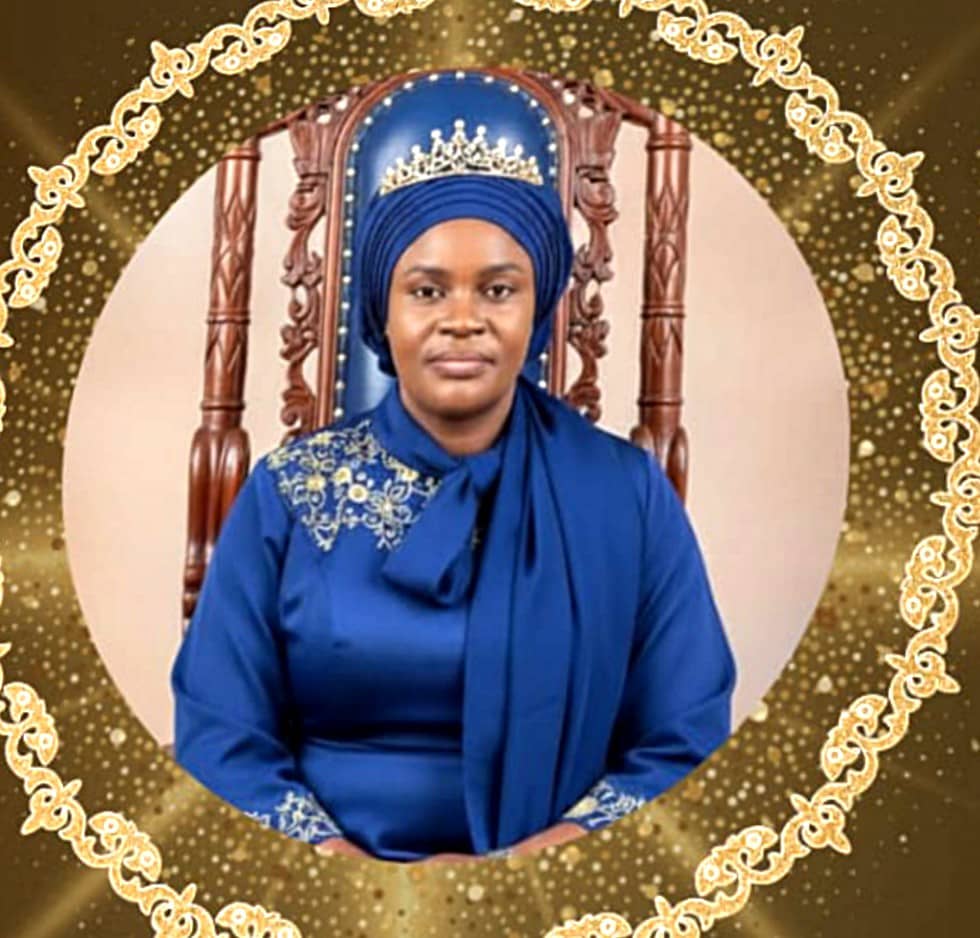
*Queen Amb Dr. Nwamaka Cordelia Anyatonwu Appointed Minister of Humanitarian, Culture, and Kingdom Affairs, United Kingdom of Atlantis
Her Majesty Queen Amb Dr. Nwamaka Cordelia Anyatonwu, Queen of the Aches Empire under the jurisdiction of the United Kingdom of Atlantis (UKA), has been appointed as the Minister of Humanitarian, Culture, and Kingdom Affairs, effective immediately.
This appointment comes as the UKA takes decisive steps to strengthen its humanitarian efforts and protect its citizens from unauthorized activities. In light of recent developments, the UKA has issued an official public disclaimer cautioning citizens, followers, and the general public about the activities of individuals promoting and operating a coin or platform not officially recognized by the Atlantian Gold Coin (ATC). This follows the hijacking of the 5 billion humanitarian project, a move that has been met with concern and condemnation from the international community.
As the newly appointed Minister, Queen Amb Dr. Anyatonwu has announced that all matters pertaining to the 5 billion humanitarian project in UKA should be directed to her office. This includes the newly captured NGOs, which are now required to report to the Office of Humanitarian Affairs, ensuring transparency and accountability in the management of humanitarian resources.
“We are committed to transparency and accountability in our humanitarian efforts,” said Queen Amb Dr. Anyatonwu. “We urge all stakeholders to work with us to ensure the success of our initiatives and protect our citizens from unauthorized activities. We will not tolerate any form of exploitation or mismanagement of humanitarian funds, and we will take all necessary measures to ensure that those responsible are held accountable.”
The UKA has assured its citizens and the international community that it is taking all necessary measures to recover the hijacked funds and bring the perpetrators to justice. The appointment of Queen Amb Dr. Anyatonwu is seen as a significant step towards achieving this goal and ensuring that humanitarian efforts are aligned with the UKA’s values and principles.
For more information. Please contact the Office of the Minister of Humanitarian, Culture and Kingdom Affairs.
*About the United Kingdom of Atlantis*
The United Kingdom of Atlantis is a sovereign nation committed to promoting peace, prosperity, and humanitarian values. The UKA is dedicated to working with international partners to address global challenges and improve the lives of its citizens and people around the world.


-

 society6 months ago
Religion: Africa’s Oldest Weapon of Enslavement and the Forgotten Truth
-

 news4 months ago
WHO REALLY OWNS MONIEPOINT? The $290 Million Deal That Sold Nigeria’s Top Fintech to Foreign Interests
-

 society6 months ago
“You Are Never Without Help” – Pastor Gebhardt Berndt Inspires Hope Through Empower Church (Video)
-

 celebrity radar - gossips2 months ago
Dr. Chris Okafor Returns with Power and Fire of the Spirit -Mounts Grace Nation Altar with Fresh Anointing and Restoration Grace on February 1, 2026