
news
JUNE 12 : SALUTE TO DEMOCRACY AND ITS HEROES

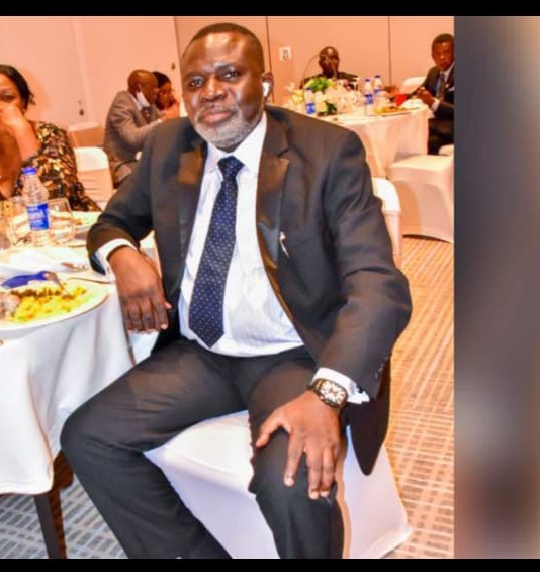
By Prince Adeyemi Aseperi- Shonibare
“The arc of the moral universe is long, but it bends toward justice.” — Dr. Martin Luther King Jr.
Happy Democracy Day, Nigerians. 🇳🇬🇳🇬
Today, we remember. We salute. We celebrate.
Exactly 32 years ago, on June 12, 1993, a free, fair, and peaceful election was held—an election Nigerians agreed was the freest in our history. Conducted through Option A4, a simple but transparent method of queuing behind your candidate, it produced a clear winner: Bashorun MKO Abiola.
There was no rain, no violence, and no doubt. The people spoke. But Nigeria’s self-styled “Maradona” chose to cancel that election. After years of organizing maradonic gubernatorial, legislative, and presidential elections and banning “old and those he called corrupt politicians,” General Ibrahim Babangida betrayed the nation’s will and dismantled all democratic structures. The betrayal birthed a tragedy—and a movement.
MKO Abiola, the man of the people, the symbol of hope, confronted the military. He would later pay the ultimate price for democracy—with his life.
In those dark days, many died on the streets of Ikorodu Road, and across Nigeria. Journalists were silenced, activists hounded, and democracy went into exile. Among those who ran for their lives was Senator Bola Ahmed Tinubu, now President, who fled through the NADECO underground to London where he became a pillar of the resistance.
“The future of Nigeria depends on the sacrifices we make today.” — President Bola Ahmed Tinubu
It was a season f blood and steel. Yet, from those ashes arose voices of courage and dignity: Gani Fawehinmi, Kudirat Abiola, Alfred Rewane, Beko Ransome-Kuti, Femi Falana, Anthony Enahoro, Abraham Adesanya, Pa Reuben Fasoranti, Bola Ige, Ken Saro-Wiwa, and many more, some known, many unknown, whose stories are written in blood and fire.
Today, President Tinubu rightly honors these heroes, including journalists like Kunle Ajibade, Dapo Olorunyomi, Bayo Onanuga, and Nosa Igiebor, who risked it all to keep truth alive. He also honors brave activists like Shehu Musa Yar’Adua (GCFR), Prof. Wole Soyinka (GCON), and Ken Saro-Wiwa (CON)—symbols of resistance whose legacies are immortal.
“The greatest glory in living lies not in never falling, but in rising every time we fall.” — Nelson Mandela
Positive Changes Under President Bola Ahmed Tinubu
Though the road remains long, Nigeria is finally making structural, painful, and necessary changes:
1. Fuel subsidy removal — Ending a multi-trillion-naira black hole.
2. Unification of exchange rates — Removing arbitrage and corruption.
3. Empowerment of Local Production — Encouraging Made-in-Nigeria.
4. Judicial and Constitutional Reforms — Advocating for local government autonomy.
5. Welfare and Safety Nets — With bold initiatives for direct intervention.
6. Digital Economy and Fintech Growth — Creating jobs and global reach.
7. Recognition of Historical Truths — June 12 declared Democracy Day.
Yet, we still have many rivers to cross. To truly reach the Promise Land, reforms must deepen:
Urgent Areas Needing Change:
True local Government Autonomy: Real power must return to the grassroots.
State Policing: Security must begin at home.
Judicial Independence: Speedy, fair, and firm justice.
Education Reform: From certificates to skills.
Infrastructure Drive: Roads, rails, and reliable electricity.
Youths and Women Inclusion: Not as tokens, but partners in leadership.
Food security across the country for all citizens.
A Tribute to the Heroes of Our Democracy
“The life of the nation is secure only while the nation is honest, truthful, and virtuous.” — Obafemi Awolowo
Known and Unknown Heroes (Honored or Not)
Bashorun MKO Abiola (GCFR)
Kudirat Abiola
Frank Kokori
Prof. Wole Soyinka (GCON)
Gani Fawehinmi
Anthony Enahoro
Pa Reuben Fasoranti (CFR)
Beko Ransome-Kuti
Sen. Bola Ahmed Tinubu
Ken Saro-Wiwa (CON)
Alfred Rewane
Ayo Opadokun
Senator Abraham Adesanya
Chief Bola Ige (CFR)
Prof. Humphrey Nwosu (CON)
Femi Falana, SAN (CON)
Dapo Olorunyomi (OON)
Kunle Ajibade (OON)
Bayo Onanuga (CON)
Chief Akabashorun
Prof. Olatunji Dare
Mobolaji Akinyemi (CFR)
Mama Bisoye Tejuosho
Alhaja Suliat Adedeji
Dr. Kayode Fayemi
Aare Dele Momodu
The PM News, TheNews & Tempo Crews
(BKO, Babafemi Ojudu, Dapo Olorunniola, Seye Kehide etc.)
All unknown soldiers of democracy — Activists, mothers, students, journalists, clergy, and civil society workers who refused to bow.
To Our Villains: Not Forgotten, but Forgiven.
Let their names fade into the dark corners of history—a lesson that power without conscience is a curse.
And So We March On…
From the days of draconian decrees and midnight arrests to the sunlight of ballots and open discourse, Nigeria has come far. But we must never forget
“The price of freedom is eternal vigilance.” — Barack Obama
We are still writing this story.
Let our children read in future that we fought, we endured, and we prevailed.
Happy Democracy Day, Nigeria🇳🇬🇳🇬🇳🇬🇳🇬🇳🇬🇳🇬🇳🇬
JUNE 12 :
SALUTE TO DEMOCRACY AND ITS HEROES
By Prince Adeyemi Aseperi- Shonibare
June 12, 2025
“The arc of the moral universe is long, but it bends toward justice.” — Dr. Martin Luther King Jr.
Happy Democracy Day, Nigerians. 🇳🇬🇳🇬
Today, we remember. We salute. We celebrate.
Exactly 32 years ago, on June 12, 1993, a free, fair, and peaceful election was held—an election Nigerians agreed was the freest in our history. Conducted through Option A4, a simple but transparent method of queuing behind your candidate, it produced a clear winner: Bashorun MKO Abiola.
There was no rain, no violence, and no doubt. The people spoke. But Nigeria’s self-styled “Maradona” chose to cancel that election. After years of organizing maradonic gubernatorial, legislative, and presidential elections and banning “old and those he called corrupt politicians,” General Ibrahim Babangida betrayed the nation’s will and dismantled all democratic structures. The betrayal birthed a tragedy—and a movement.
MKO Abiola, the man of the people, the symbol of hope, confronted the military. He would later pay the ultimate price for democracy—with his life.
In those dark days, many died on the streets of Ikorodu Road, and across Nigeria. Journalists were silenced, activists hounded, and democracy went into exile. Among those who ran for their lives was Senator Bola Ahmed Tinubu, now President, who fled through the NADECO underground to London where he became a pillar of the resistance.
“The future of Nigeria depends on the sacrifices we make today.” — President Bola Ahmed Tinubu
It was a season f blood and steel. Yet, from those ashes arose voices of courage and dignity: Gani Fawehinmi, Kudirat Abiola, Alfred Rewane, Beko Ransome-Kuti, Femi Falana, Anthony Enahoro, Abraham Adesanya, Pa Reuben Fasoranti, Bola Ige, Ken Saro-Wiwa, and many more, some known, many unknown, whose stories are written in blood and fire.
Today, President Tinubu rightly honors these heroes, including journalists like Kunle Ajibade, Dapo Olorunyomi, Bayo Onanuga, and Nosa Igiebor, who risked it all to keep truth alive. He also honors brave activists like Shehu Musa Yar’Adua (GCFR), Prof. Wole Soyinka (GCON), and Ken Saro-Wiwa (CON)—symbols of resistance whose legacies are immortal.
“The greatest glory in living lies not in never falling, but in rising every time we fall.” — Nelson Mandela
Positive Changes Under President Bola Ahmed Tinubu
Though the road remains long, Nigeria is finally making structural, painful, and necessary changes:
1. Fuel subsidy removal — Ending a multi-trillion-naira black hole.
2. Unification of exchange rates — Removing arbitrage and corruption.
3. Empowerment of Local Production — Encouraging Made-in-Nigeria.
4. Judicial and Constitutional Reforms — Advocating for local government autonomy.
5. Welfare and Safety Nets — With bold initiatives for direct intervention.
6. Digital Economy and Fintech Growth — Creating jobs and global reach.
7. Recognition of Historical Truths — June 12 declared Democracy Day.
Yet, we still have many rivers to cross. To truly reach the Promise Land, reforms must deepen:
Urgent Areas Needing Change:
True local Government Autonomy: Real power must return to the grassroots.
State Policing: Security must begin at home.
Judicial Independence: Speedy, fair, and firm justice.
Education Reform: From certificates to skills.
Infrastructure Drive: Roads, rails, and reliable electricity.
Youths and Women Inclusion: Not as tokens, but partners in leadership.
Food security across the country for all citizens.
A Tribute to the Heroes of Our Democracy
“The life of the nation is secure only while the nation is honest, truthful, and virtuous.” — Obafemi Awolowo
Known and Unknown Heroes (Honored or Not)
Bashorun MKO Abiola (GCFR)
Kudirat Abiola
Frank Kokori
Prof. Wole Soyinka (GCON)
Gani Fawehinmi
Anthony Enahoro
Pa Reuben Fasoranti (CFR)
Beko Ransome-Kuti
Sen. Bola Ahmed Tinubu
Ken Saro-Wiwa (CON)
Alfred Rewane
Ayo Opadokun
Senator Abraham Adesanya
Chief Bola Ige (CFR)
Prof. Humphrey Nwosu (CON)
Femi Falana, SAN (CON)
Dapo Olorunyomi (OON)
Kunle Ajibade (OON)
Bayo Onanuga (CON)
Chief Akabashorun
Prof. Olatunji Dare
Mobolaji Akinyemi (CFR)
Mama Bisoye Tejuosho
Alhaja Suliat Adedeji
Dr. Kayode Fayemi
Aare Dele Momodu
The PM News, TheNews & Tempo Crews
(BKO, Babafemi Ojudu, Dapo Olorunniola, Seye Kehide etc.)
All unknown soldiers of democracy — Activists, mothers, students, journalists, clergy, and civil society workers who refused to bow.
To Our Villains: Not Forgotten, but Forgiven.
Let their names fade into the dark corners of history—a lesson that power without conscience is a curse.
And So We March On…
From the days of draconian decrees and midnight arrests to the sunlight of ballots and open discourse, Nigeria has come far. But we must never forget
“The price of freedom is eternal vigilance.” — Barack Obama
We are still writing this story.
Let our children read in future that we fought, we endured, and we prevailed.
Happy Democracy Day, Nigerians.
🇳🇬🇳🇬🇳🇬🇳🇬🇳🇬🇳🇬🇳🇬
Let us honor the past, correct the present, and shape a future worthy of our sacrifices.
God bless the Federal Republic of Nigeria.
God bless our heroes.
Long live democracy..
Let us honor the past, correct the present, and shape a future worthy of our sacrifices.
God bless the Federal Republic of Nigeria.
God bless our heroes.
Long live democracy.
🇳🇬🇳🇬🇳🇬🇳🇬🇳🇬🇳🇬🇳🇬


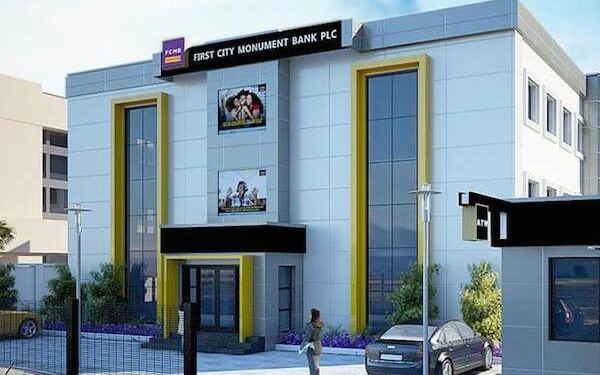
More than ₦3 billion was targeted, but about ₦677 million reached the culprits, with recovery and prosecutions underway, reflecting how banks are responding to more sophisticated fraud risks.
Nigeria’s expanding digital banking sector is facing increasingly sophisticated fraud attempts, as financial institutions adapt to faster transactions and broader online services.
A recent case involving First City Monument Bank (FCMB), linked to fraudulent activity detected in December 2025, has drawn attention to how banks are responding to such incidents, with a focus on limiting exposure, recovering funds and working with law enforcement.
According to findings referenced in proceedings before the Lagos State Special Offences Court, the incident involved unauthorised transactions tied to a digital product. Early reports erroneously suggested more than ₦3 billion was lost. Subsequent clarification shows that over ₦3 billion was targeted, ₦2.4 billion was blocked and recovered, while ₦677 million got into the possession of the culprits. This outcome reflects the bank’s cyber security and monitoring capabilities, as well as improved collaboration among regulated financial institutions and with law enforcement agencies. Several suspects and beneficiaries have been apprehended, while recovery and prosecution efforts are ongoing, led by the Economic and Financial Crimes Commission (EFCC).
Proceedings at the Lagos State Special Offences Court have resulted in convictions, including that of a repeat offender, with restitution orders issued. Related matters are also being handled at the Federal High Court in Lagos, where additional suspects are being tried in connection with the scheme. This process is aimed at ensuring that bad actors are identified and permanently blacklisted from the financial system.
Authorities say recovery efforts are continuing as additional funds are traced.
Analysts note that the pace of legal action reflects closer coordination between financial institutions and enforcement agencies in addressing cyber-related financial crime.
The case comes as banks contend with more complex fraud methods, including social engineering and automated exploitation of system processes.
As digital products and platforms expand, so too does the risk associated with cyber-crime and related fraud.
“The scale of digital banking means risks are evolving alongside the systems,” said a Lagos-based financial analyst. “Institutions are now judged by how they manage these events.”
Observers say the sector is moving toward a stronger focus on response and recovery, rather than prevention alone.
This includes improving monitoring capabilities, strengthening transaction controls and enhancing collaboration with regulators and law enforcement. The FCMB case, with limited exposure relative to the amount targeted and ongoing recovery, reflects that shift.
For customers, the primary concern is the safety of their funds. In this case, there has been no indication of losses affecting customer deposits. Maintaining that level of protection remains central to sustaining trust in the financial system.
Nigeria’s financial sector continues to grow, supported by digital innovation and expanding access to banking services.
However, analysts say fraud attempts are likely to persist as systems become more complex and interconnected.
They say institutions will increasingly be judged not only on their ability to prevent incidents, but on how effectively they respond and recover when they occur.
news
Ex-APC Deputy Guber flag bearer, Joshua MacIver backs Tinubu, express fears over implosion in Bayelsa APC
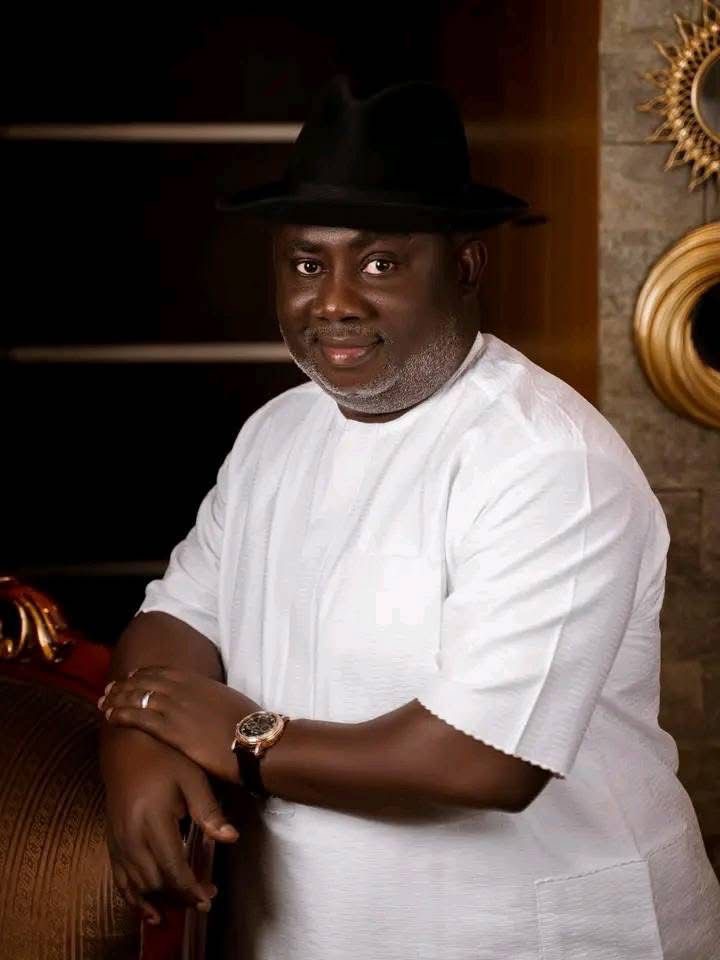
….congratulates new State Party Chairman, Warman Ogoriba
APC Deputy Governorship Candidate in the 2023 general elections in Bayelsa State, Great Joshua MacIver has declared his total commitment to the re-election of President Bola Tinubu come 2027, declaring that the Tinubu re-election project is non-negotiable.
Great Joshua MacIver, in his statement titled ” BAYELSA APC CONGRESSES: GOING FORWARD, A CALL TO LOOK INWARDS” and made available to newsmen in Yenagoa, warned APC leaders in the state to look Inward and take note of certain factors which may hinder or cut short our victory.
According to Great Joshua MacIver, such noticeable pitfalls include the imbalance in the united front being put up by the State Governor,Senator Douye Diri among various political blocs in the state.
In the statement issued at the weekend. Great Joshua MacIver stated that “First, before His Excellency, Senator Douye Diri, joined the APC in the state, there were clearly two political blocs that made up the party, with the approximate population ratios of the blocs standing at 95% to 5%.”
“After the entrance of His Excellency, Senator Douye Diri, ONLY THE SMALLER BLOC IS BEING CARRIED ALONG IN THE AFFAIRS OF THE PARTY, leaving the greater percentage to their fate, and this situation has the potential to build anger and dissatisfaction in our dear party.”
” The consequence of this has been the high level defection we have witnessed in the party recently and we believe more may likely follow, if we do not put our house in order.”
” If we do not pull together as a party, we may witness a situation where we will lose key stakeholders, especially after the State and National Assembly Primaries as well the Gubernatorial Primaries.”
“Finally, while it is very clear that we are the party to beat in the 2027 elections and that our loyalty to Mr. President IS NON-NEGOTIABLE, we must make haste to say that we cannot afford to create situations or loopholes in our unity which will be exploited by other political interests in the state. We cannot afford to under-rate anyone.”
“Our core interest remains the re-election of Mr. President, a project to which we have committed our all. We also pledge our total loyalty to the party as we have no alternative to the APC. However, our concern is that we must, as a party, look inwards and ensure that we do not create loopholes that can impede our common goal.”
Great Joshua MacIver, however congratulated the newly elected State Executives of the APC in Bayelsà State led by Hon. Warman Ogoriba, saying their emergence is welcomed at this critical time in our national history.
At least 23 people were killed in a series of suspected suicide bombings, police in Nigeria’s northeastern city of Maiduguri said on Tuesday.

https://www.stanbicibtcbank.com/nigeriabank/personal/products-and-services/all-loans/stanbic-ibtc-mreif-home-loans
More than 100 other people were injured in the blasts that took place on Monday evening in the capital of Nigeria’s restive Borno state.
No group has claimed responsibility for the suspected attacks.
The deadly blasts come after a military post was attacked overnight Sunday to Monday, which authorities blamed on suspected Islamist militants.
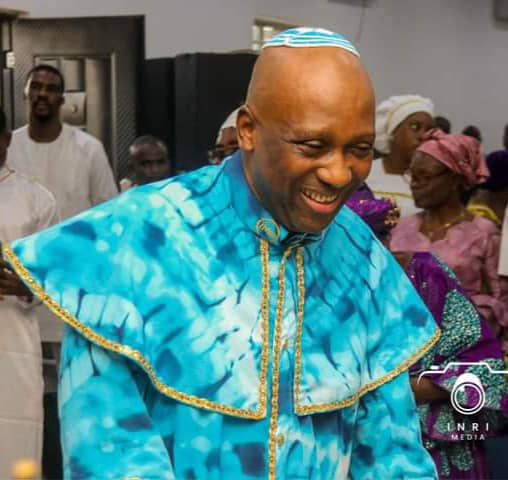
This sad incident is coming barely two weeks after Primate Elijah Ayodele, the Leader of INRI Evangelical Spiritual Church specifically warned against attacks in some states. He mentioned these states while calling on security operatives to pay close attention to them.
These were his words:
“Another attack is coming up in these following states where the military must watch carefully and intelligently; Kano, Kaduna, Zamfara, Kebbi, Niger, Borno, Kwara and Kogi state. They want to do a deadly attack, it’s preventable but it depends on how they will handle it. I have told you about the danger coming up.”
@primateayodele
Unfortunately, some of our military agencies don’t believe spiritual intelligence can save the country from so much danger hence, their neglect of this prophetic warning but now, it has been fulfilled with the miliary losing credibility by the day while Primate Ayodele continues to gain momentum.
Likewise, At least 26 passengers and crew sustained varying degrees of injuries on Monday following an accident involving the Kaduna–Abuja train, according to the Nigerian Railway Corporation (NRC).
Opeifa explained that the train departed Rigasa in Kaduna at 7:15 a.m. and was approaching Asham station around 9:16 a.m. when a loud bang was heard after the power car and trailing locomotive collided with one of the passenger coaches.
In July 2025, Primate Ayodele asked nigerians to pray not to see train mishap on the Kaduna-Abuja route.
@primateayodele #nigeriantiktok🇳🇬 #fulfillment #train #abuja #primateayodele
“Let’s pray not to see train mishap in Abuja-Kaduna, Kaduna-Abuja route.”
This has also been fulfilled.


-

 society6 months ago
Religion: Africa’s Oldest Weapon of Enslavement and the Forgotten Truth
-

 news4 months ago
WHO REALLY OWNS MONIEPOINT? The $290 Million Deal That Sold Nigeria’s Top Fintech to Foreign Interests
-

 society6 months ago
“You Are Never Without Help” – Pastor Gebhardt Berndt Inspires Hope Through Empower Church (Video)
-

 celebrity radar - gossips2 months ago
Dr. Chris Okafor Returns with Power and Fire of the Spirit -Mounts Grace Nation Altar with Fresh Anointing and Restoration Grace on February 1, 2026