
society
Mohbad: We heard but did not listen, By Erelu Bisi Fayemi


Mohbad: We heard but did not listen, By Erelu Bisi Fayemi
MOHBAD– In 1991, the film The Five Heartbeats, directed by Robert Townsend was released. I enjoyed the film so much I cannot count the number of times I have watched it over the years. It is a story set in the 1960s USA about how five poor black teenagers found (and lost, then found again) fame and fortune as a musical band. It is a classic story of talent, opportunity, success, failure, betrayal and loss, drugs, women, and murder.
The film summed up the experiences of many young black boys and girls of the time, who made it out of the ghetto on the strength of their God-given talents, but there was often a hefty price to pay for the light that shone on them. One of the scenes in the film shows a party taking place at a high-rise building, hosted by the owner of the record label of the Five Heartbeats known as ‘Big Red’. We see Big Red dangling one of his other artistes from the balcony of the apartment building.

What was the poor guy’s offense? He had the audacity to corner Big Red at the party and demand payment of royalties owed him. Big Red could not exploit the Five Heartbeats the way he would have liked because they had a manager who treated them as his sons. In order to strengthen his hold on the band, Big Red had the manager killed. Big red was eventually brought to justice, but the damage had been done. The band lost a beloved father figure. One of them got hooked on drugs and almost died of an overdose. Another snatched the fiancée of his brother and they became estranged for years. The successful band disintegrated and it took them almost fifteen years to get back together and forgive one another.
This tale of the dynamics between artistes and their recording companies or managers is one that plays out on a daily basis around the world. From Michael Jackson, Prince, Madonna, and Ed Sheeran to Taylor Swift and Dr Dre, there have been endless battles over the management of royalties, adequate promotion of music and tours, welfare of artistes, harassment, exploitation, and other pertinent concerns. In a context where there are regulations, legal options and guiding principles to seek redress or arbitration, there is hope for aggrieved artistes. In our own environment, these options are sadly limited.
In poor communities, we have talented artistes who are discovered at a young age, but if they fall into the wrong hands their lives are either ruined or even taken away. Ilerioluwa Oladimeji also known as Mohbad was one of such artistes. A familiar story of grass to grace, of a poor boy from a marginalised neighbourhood who grew up in an unstable family environment, yet with a fierce talent and determination to succeed.
Like many others, he was picked up literally from the streets and signed on to a record label that was supposed to be his ticket to stardom. He paid a terrible price for this opportunity of a lifetime. Instead of finding space, community and opportunity to nurture his musical talent, he found himself in a cesspool of poor company, intimidation, bullying and drug abuse. All this took a toll on his emotional and mental health and eventually his safety was tragically compromised as he passed away under mysterious circumstances. Investigations are still taking place to unearth the relevant facts surrounding his demise, but the facts in the public domain point to a terrible odour emanating from the vibrant musical industry in our country.
Many people have expressed their anger and sadness about the passing of Mohbad because it is felt that it could have been avoided if only people cared enough to listen to him. He cried out time and again, through his lyrics and statements, that he was being bullied and threatened because he had problems with his recording label, but nothing happened. People heard him, but they were not listening. There are many like me who did not know him at all and only got to hear about him when he passed away.
The more dire the circumstances of these kids, the more pliant they are in the hands of predators masquerading as messiahs. The recording companies in Nigeria should consider self-regulation before more young people lose their lives. It is not too much to ask for a more professional way of identifying, signing, nurturing and retaining talent. Young people need role models they can look up to, people who will provide them with guidance and make them the best version of themselves possible. They do not deserve a fate which takes them to the pits of hell simply because they placed their trust in the wrong persons.
A lot has been said about the responsibility of parents in this matter. I have always said that if you are bringing up children in this day and age, you need eyes at the back of your head. If your child or ward wants to be a part of the creative community, you need to be extra vigilant. If there are going to be significant investments in the creative economy going forward, it should also consider the requisite counselling and support mechanisms that are necessary for not only the antistes but their parents/wards as well.
It is not enough for young artiste to achieve success, they also need to be guided to manage their success, otherwise they lose everything overnight. Between competing to buy the latest car (and it always has to be a very expensive one), a house in a neighborhood they cannot afford, the many women who will be drawn to them like bees to honey, the ever-present entourage and hangers-on, and the underworld lurking in the background pushing illicit drugs, sex, and whatever fantasies need to be indulged, life on the fast lane always leads to a devastating crash.
May God Almighty comfort Mohbad’s family. May others like him who need help find it before it is too late. To all those who knew about what Mohbad was going through but kept reading his words and replying with Emojis, all those who heard but did not listen, please do better next time. A gifted, troubled young man has left us too soon. His passing diminishes all of us. We therefore all have a role to play to redeem ourselves and prevent the next victim from falling through the cracks. Rest in peace Mohbad. May your passing shine the light on the troubles of others and may all those who tormented you be brought to justice.




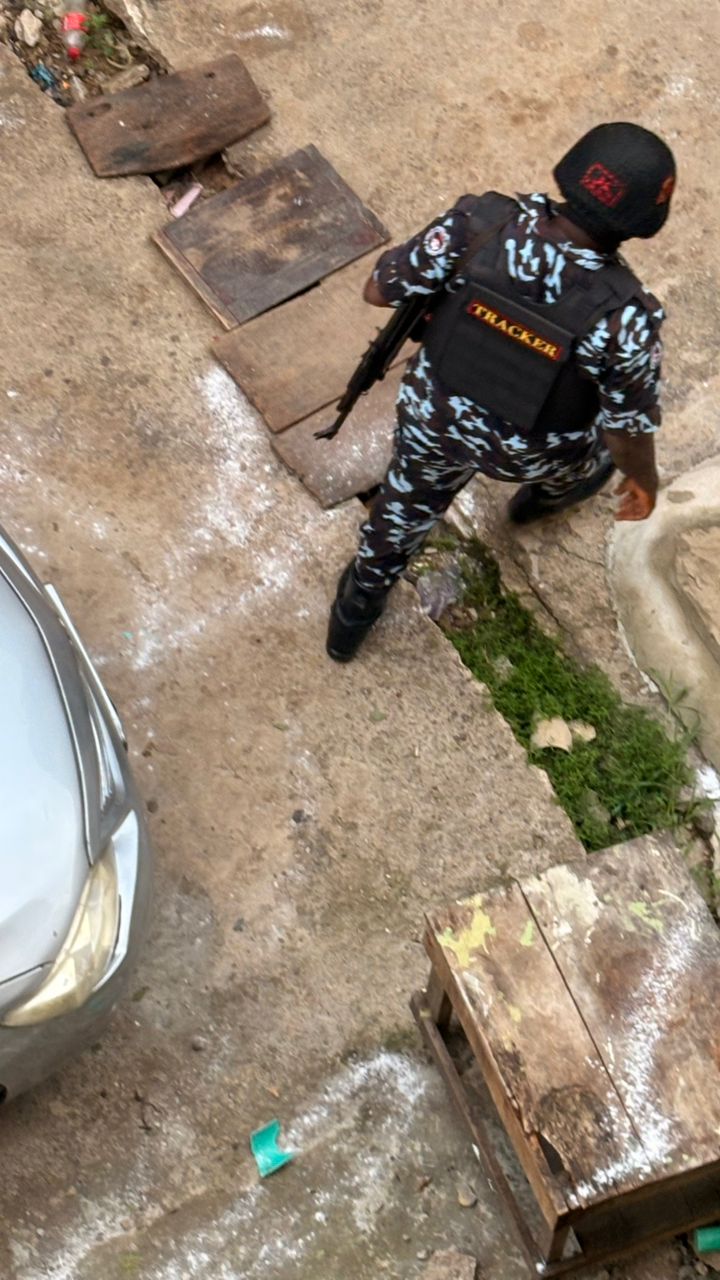
Police Officers Detained as Family Property Dispute Sparks Demolition Controversy in Lagos
By Ifeoma Ikem
A property dispute within the Omotayo-Ojo family has taken a dramatic turn following a controversial demolition exercise at a residential building in Ikosi-Ketu, Lagos State, which reportedly left tenants displaced and led to the detention of some police officers allegedly involved in the operation.

The property, located at 23B Loveall Street, Ikosi-Ketu, has been the subject of a prolonged ownership tussle since the death of its owner, Chief Oludola Omotayo Ojo, the Babaalaje of Imesi-Ile, Osun State, in 2019.
Residents said tension erupted when a group of individuals, accompanied by security operatives, stormed the premises and commenced demolition activities.
According to eyewitnesses, portions of the building were pulled down while tenants rushed to salvage their belongings from affected apartments.
The residents alleged that windows, doors and roofing sheets were damaged during the exercise, exposing parts of the building to the elements and causing significant losses to occupants.
At the centre of the dispute is Mrs Mojisola Omotayo Ojo Alolagbe, who claimed that the property was allocated to her by her late father during his lifetime as a source of financial support.
She alleged that some family members had persistently challenged her ownership claim despite ongoing legal proceedings relating to the administration of the deceased’s estate.
Alolagbe further claimed that the latest incident was part of a series of attempts to wrest control of the property, citing previous cases of alleged vandalism and partial demolition in November 2025, January 2026 and February 2026.
The situation escalated further when reports emerged that police officers allegedly involved in the demolition were later apprehended and conveyed in a Black Maria vehicle over questions surrounding the legality of their participation in the operation.
Sources familiar with the matter said those behind the demolition had initially claimed to be acting on approval from the Lagos State Ministry of Lands. However, the authenticity and extent of such approval could not be independently verified as of the time of filing this report.
The development has generated concern among residents and community members, who questioned the involvement of security personnel in what they described as a civil matter.
Some tenants, who said they had recently renewed their tenancy agreements, lamented the destruction of their property and appealed to the authorities for protection and possible compensation.

They also called for a thorough investigation into the circumstances surrounding the demolition, insisting that the rights of all parties involved should be protected.
Stakeholders have urged the Lagos State Government, security agencies and the judiciary to intervene and ensure that the dispute is resolved through lawful means to prevent further escalation.
The controversy has continued to draw public attention, raising concerns over property rights, estate administration and the role of law enforcement agencies in civil disputes.

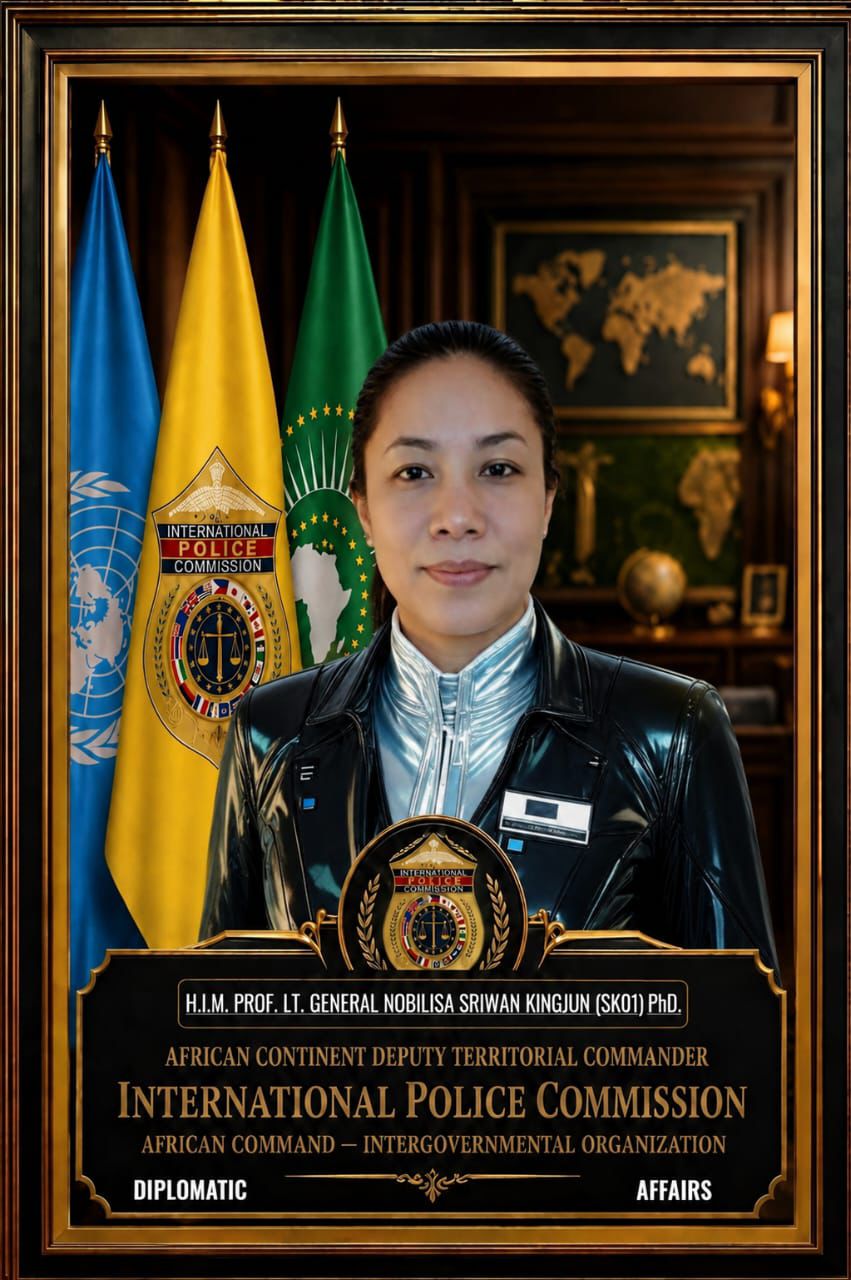
UKA Gears Up for Final ATC Exchangeability Test Run as June Preparations Begin.
May 30, 2026 – As the month of June gathers momentum, the *United Kingdom of Atlantis, UKA*, a sovereign nation has unveiled a series of vital guidelines and preparatory packages to ensure citizens and stakeholders run the *ATC Exchangeability* process effectively.
In an official update, the *President of Atlantic Crown Limited, Empress of Attica Empire UKA*, confirmed that the *Final Test Run of ATC Exchangeability* is scheduled for the month of June 2026. The exercise marks a key phase ahead of the *Official Exchangeability Window, set to run from July 2026 to February 2027*.
### Key Highlights from the Presidential Briefing
1. *Final Test Run – June 2026*
The test run is designed to validate systems, procedures, and user readiness before full activation. Citizens, partners, and designated participants are urged to follow all official advisories released by UKA authorities during this period.
2. *Official Exchangeability Period*
Following the successful completion of the June test run, the Official Exchangeability will commence in july 2026 and we are Expecting Full Exchange ability between July Ending, 2026 to February 2026.
UKA stated that detailed schedules, eligibility requirements, and step-by-step instructions will be communicated progressively through verified UKA channels.
3. *Benefiting Packages for June*
In line with UKA’s commitment to citizen empowerment, the month of June will feature “benefiting packages” aimed at education, preparation, and seamless onboarding. These packages are intended to equip the people of UKA with the knowledge and tools needed for effective participation.
4. *Commitment to Transparency*
Addressing the nation, the Empress of Attica Empire UKA emphasized:
_“Final Test Run of ATC Comes up in The Month of June, As We Prepare For The Official Exchangeability, Between July 2026 To Feb 2027. All Information Will Be Communicated.”_
UKA reaffirmed that only information released through official UKA platforms should be regarded as authoritative.
The United Kingdom of Atlantis is encouraging all citizens, representatives, and interested parties to remain alert to official communications, attend designated orientation sessions, and avoid unofficial sources. UKA’s dedication to order, clarity, and the collective benefit of its people as the nation moves into this significant phase.
For updates, advisories, and participation guidelines, citizens are advised to monitor official UKA communication channels.
United Kingdom of Atlantis, UKA, is a sovereign nation, committed to national development, citizen welfare, and structured economic participation through initiatives such as ATC Exchangeability.
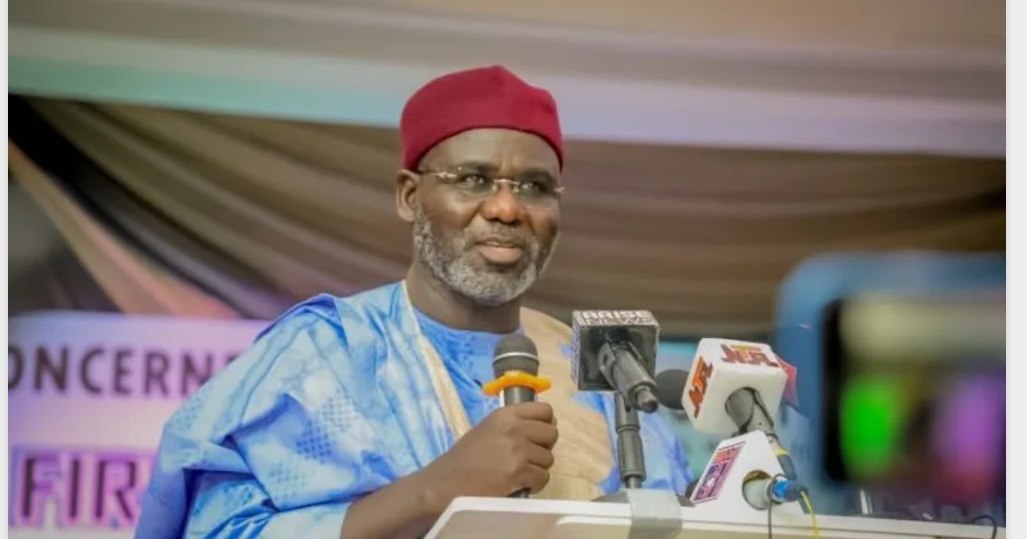
Three Years On, General Buratai Hails Tinubu’s Economic, Security Achievements
Former Chief of Army Staff, Lt. Gen. Tukur Buratai (retd.), has commended President Bola Ahmed Tinubu for what he described as bold economic reforms and improved security efforts as the President marks three years in office.
In a goodwill message on Thursday to commemorate Tinubu’s third anniversary as President and Commander-in-Chief of the Armed Forces, Buratai said the administration had taken courageous decisions that would leave a lasting impact on Nigeria’s development.

According to him, President Tinubu broke a long-standing cycle that had hindered national growth by removing fuel subsidy and implementing foreign exchange reforms aimed at stabilising the naira and strengthening the economy.
He noted that the reforms were beginning to yield positive results, citing the global acceptance of Nigerian debit cards, the gradual revival of local refineries, access to student loans, and ongoing road and infrastructure projects across the country.
“The FCT Administration has also recorded remarkable progress, completing major road projects that remained unfinished for over 16 years,” Buratai stated.
The former army chief also praised the administration’s security efforts, saying renewed military offensives against insurgents, terrorists and bandits had led to notable successes across various parts of the country.
He specifically lauded recent joint operations involving Nigerian and United States forces against Boko Haram and ISWAP in the North-East, as well as intensified counter-banditry operations in the North-West.
“We have seen notorious ISWAP commanders being neutralised. I congratulate the Commander-in-Chief, the Minister of Defence, the Chief of Defence Staff, the Service Chiefs, the Inspector-General of Police and heads of intelligence agencies for their efforts,” he said.
Buratai, however, acknowledged that challenges remained, stressing the need for more aggressive military operations and intelligence-driven strategies in the coming year.
While urging Nigerians to remain hopeful, he said celebrating the President’s achievements did not amount to ignoring the difficulties facing the nation.
“Because you truly care, you have shown the courage to trade short-term comfort for long-term hope. Nigerians need your reassurances, and that is why we remain optimistic and full of confidence,” he added.
The retired military officer reaffirmed his support for the Tinubu administration and expressed confidence that the foundation being laid by the government would deliver a brighter future for the country.
He also prayed for God’s guidance, wisdom, strength and good health for the President as he continues to lead Nigeria.


- CANAL+ lists on the Johannesburg Stock Exchange (JSE), strengthening the Group’s dual-continental approach and reinforcing South Africa’s (SA) role as a gateway to global capital and African growth June 3, 2026
- African Mining Week (AMW) Country Focus to Spotlight Liberia’s Iron Ore, Gold and Critical Minerals Prospects June 3, 2026
- Venezuela to Host Its Largest-Ever International Energy Investment Summit June 3, 2026
- Canada–Africa Business Conference Preparations Advance Following Canadian Secretary of State’s High-Level Visit to Nigeria June 3, 2026
- Uganda: Parliament concludes vetting of ministers June 2, 2026
- Fund for Export Development in Africa (FEDA) Board Appoints Mr. Emmanuel Assiak as Chief Executive Officer June 2, 2026
- Ecobank Group Launches World First Nature Bond Mobilising Global Capital to Protect Africa’s Natural Ecosystems June 2, 2026
- Merck Foundation Chief Executive Officer (CEO) Dr. Rasha Kelej together with Kenya First Lady support the education of 47 Kenyan Schoolgirls by providing Annual Scholarships till they Graduate June 2, 2026
- Annual Meetings 2026: Governors Back the Bank’s Platform Solutions to Transform Aviation and Health Systems in Africa June 2, 2026
- ThinkMarkets launches ChelseaAI, bringing live CFD trading into Artificial Intelligence (AI) assistants June 2, 2026
- CANAL+ lists on the Johannesburg Stock Exchange (JSE), strengthening the Group’s dual-continental approach and reinforcing South Africa’s (SA) role as a gateway to global capital and African growth June 3, 2026
- African Mining Week (AMW) Country Focus to Spotlight Liberia’s Iron Ore, Gold and Critical Minerals Prospects June 3, 2026
- Venezuela to Host Its Largest-Ever International Energy Investment Summit June 3, 2026
- Canada–Africa Business Conference Preparations Advance Following Canadian Secretary of State’s High-Level Visit to Nigeria June 3, 2026
- Uganda: Parliament concludes vetting of ministers June 2, 2026
- Fund for Export Development in Africa (FEDA) Board Appoints Mr. Emmanuel Assiak as Chief Executive Officer June 2, 2026
- Ecobank Group Launches World First Nature Bond Mobilising Global Capital to Protect Africa’s Natural Ecosystems June 2, 2026
-

 news6 months ago
WHO REALLY OWNS MONIEPOINT? The $290 Million Deal That Sold Nigeria’s Top Fintech to Foreign Interests
-

 society1 month ago
SOCIAL MEDIA IS NOT A BATTLEFIELD COMMAND – WHY THE NIGERIAN ARMY’S ACTION AGAINST JUSTICE CRACK IS A NATIONAL SECURITY IMPERATIVE
-

 celebrity radar - gossips4 months ago
Dr. Chris Okafor Returns with Power and Fire of the Spirit -Mounts Grace Nation Altar with Fresh Anointing and Restoration Grace on February 1, 2026
-

 celebrity radar - gossips6 months ago
Prophet Kingsley Aitafo Releases 2026 Prophecy: ‘Nigeria Will Rise, but the World Must Prepare for Turbulence’